Hear from Our Customers
You’re not looking for the cheapest air conditioning repair or furnace installation. You’re looking for systems that don’t quit when you need them most.
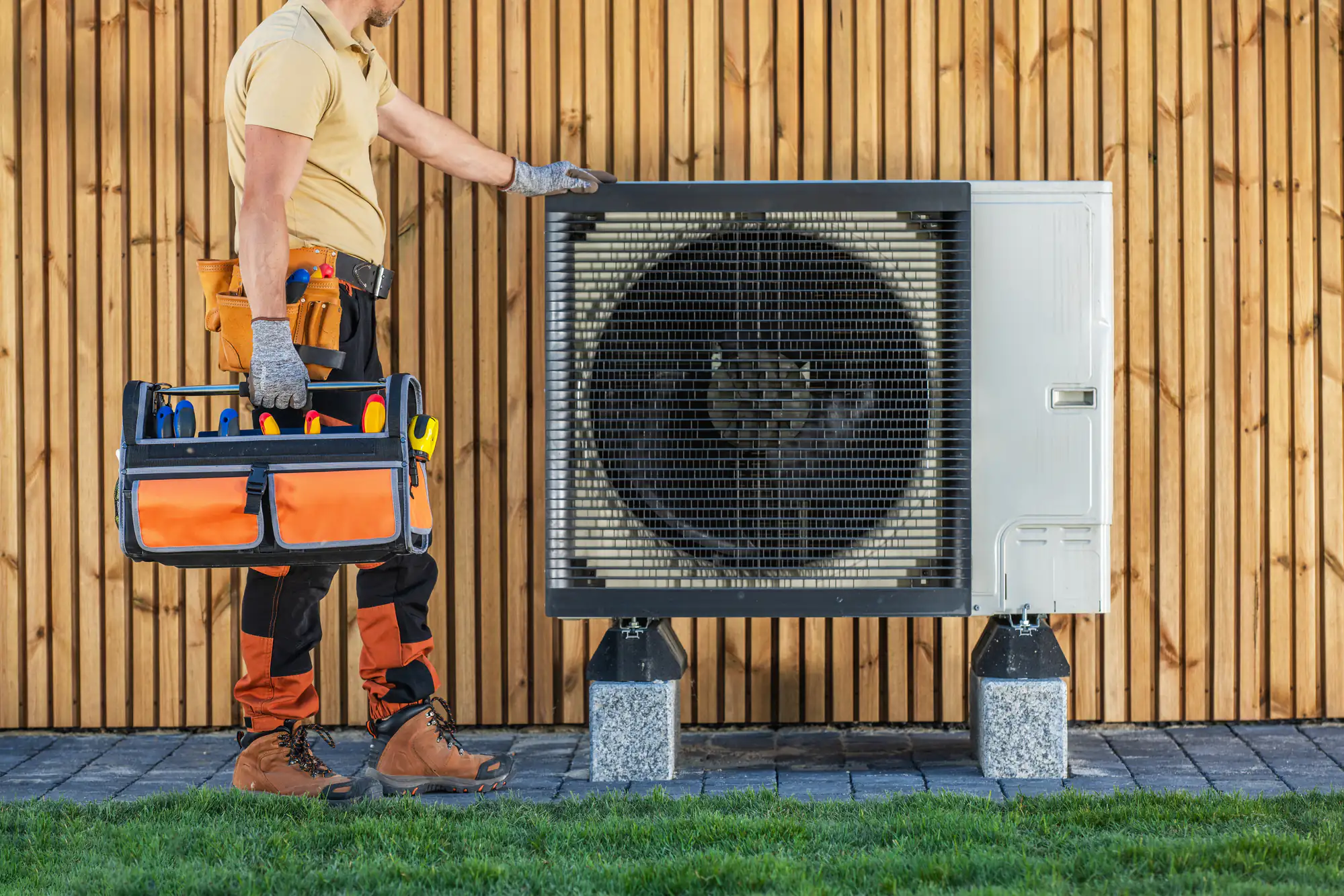
Bay Park’s coastal environment is brutal on standard HVAC equipment. Salt air corrodes outdoor condenser units faster than you’d expect. Humidity fluctuations force your system to run longer cycles, driving up energy bills and wearing out components years earlier than they should.
When your heating system maintenance is done right, you’re looking at 20-50% lower energy consumption. That’s not marketing talk—that’s what happens when marine-grade components meet proper installation in waterfront homes. Your system runs less, lasts longer, and keeps your home comfortable without the constant service calls.
Modern HVAC replacement with 17 SEER2 systems cuts cooling costs significantly while meeting the stricter efficiency standards that took effect in 2023. You’ll notice the difference in your utility bills within the first season, and you’ll appreciate it even more when your neighbors are scrambling for emergency furnace service in January.
We’ve spent over 40 years solving HVAC problems in marine environments—from yacht clubs throughout Long Island to waterfront homes in Bay Park. That’s not general residential work. That’s specialized knowledge of what salt air does to equipment and how to prevent it.
Bay Park homeowners deal with unique challenges. Your property values range from $450,000 to over $1.3 million, and many homes sit on raised slabs for flood protection. Standard residential HVAC contractors don’t always understand how coastal conditions affect system performance and longevity.
We’re available 24/7 because equipment failures don’t wait for business hours. We offer free estimates because you deserve transparent pricing before committing. And we’ve earned dozens of five-star reviews by doing what we say we’ll do—showing up, diagnosing accurately, and fixing it right the first time.
You call or contact us, and we schedule a free estimate at a time that works for you. No pressure, no sales tactics—just an honest assessment of what your home needs.
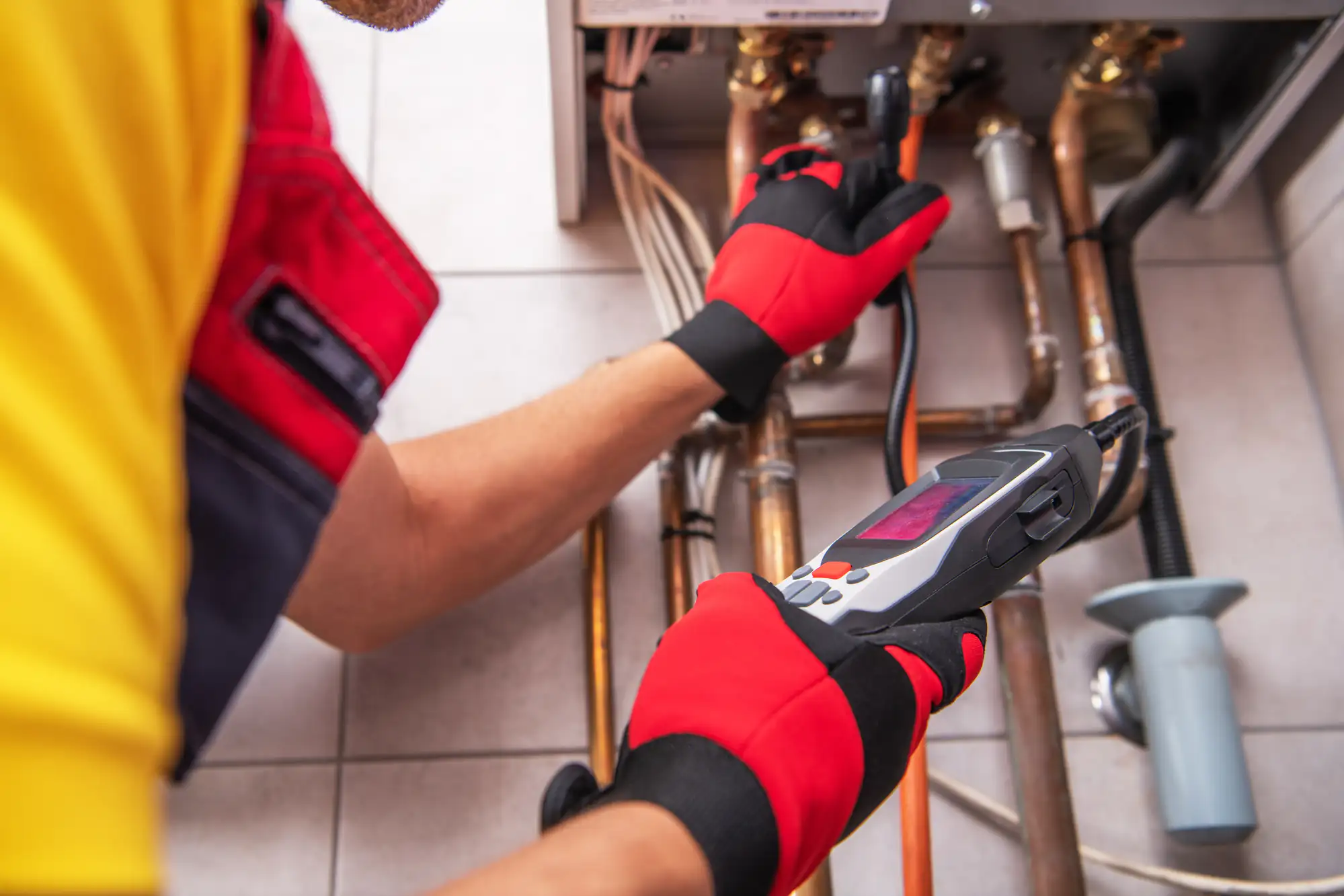
During the consultation, we evaluate your current system, measure your space, assess your coastal exposure, and discuss your comfort priorities and budget. If you’re dealing with an emergency furnace repair situation, we prioritize getting your heat back on while discussing longer-term solutions.
Once you approve the estimate, we order the right equipment—often marine-grade components designed for saltwater environments. Installation typically takes one to two days depending on system complexity. We handle everything: removing old equipment, installing new systems, testing performance, and walking you through operation and maintenance.
After installation, we don’t disappear. We’re available around the clock if issues come up, and we recommend annual heating system maintenance to catch small problems before they become expensive ones. Most Bay Park homeowners schedule service in spring and fall to prepare for the seasons when their systems work hardest.
Ready to get started?
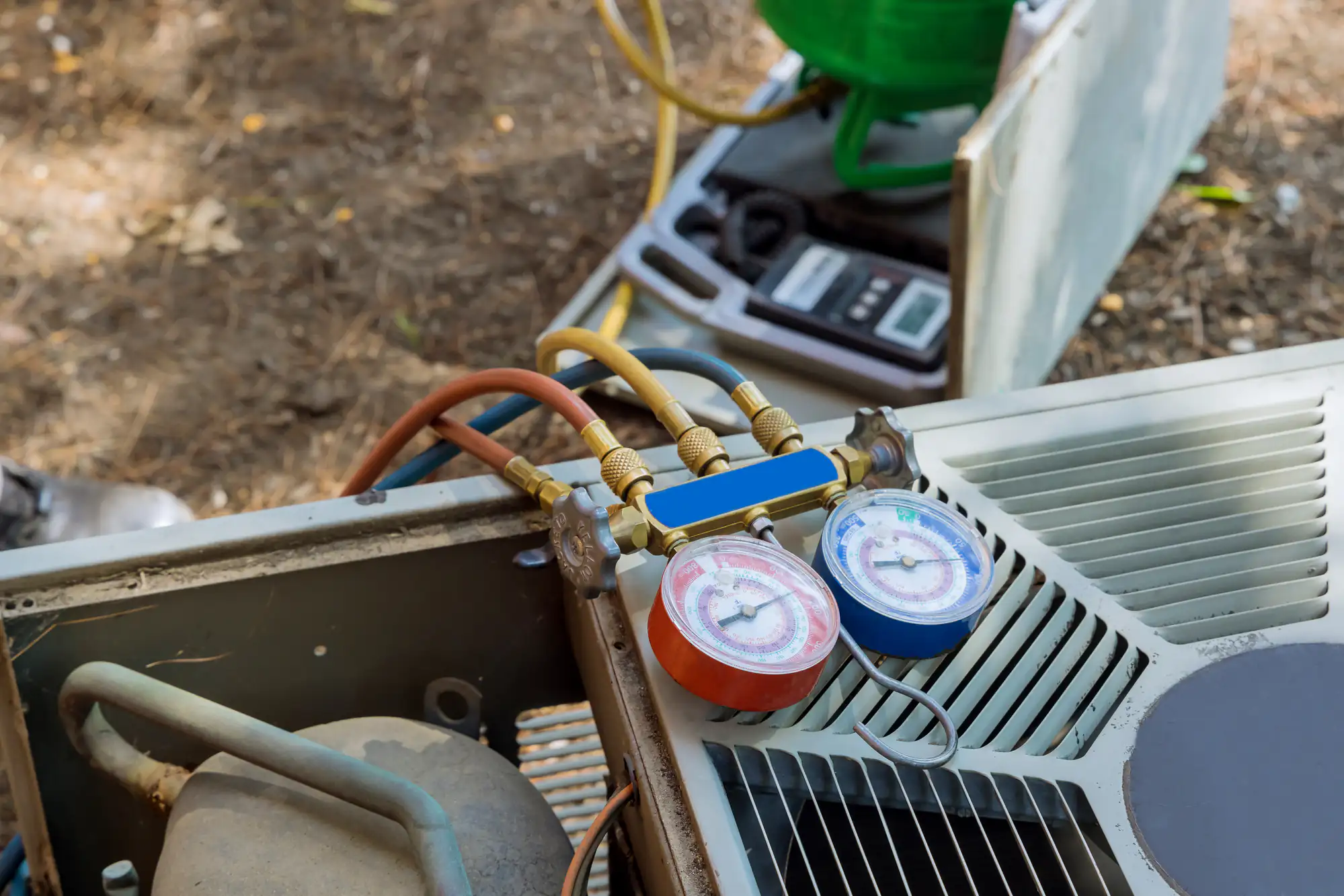
Air conditioning repair in Bay Park isn’t just about fixing what’s broken. It’s about understanding why coastal conditions cause specific failures and preventing them. Corroded coils, salt buildup on condenser fins, and moisture-related electrical issues are common here—and we’ve seen them all.
Furnace installation and heating system maintenance matter more than most homeowners realize. Your furnace should last 15 years, but only if it’s properly sized, correctly installed, and maintained annually. We match equipment capacity to your home’s actual heating load, not just square footage, because oversized systems cycle too frequently and wear out faster.
Indoor air quality has become a major concern for Bay Park residents, especially with humidity levels that promote mold growth. We install air quality monitoring systems, dehumidifiers, and filtration that actually make a difference. The indoor air quality market is projected to hit $7.39 billion by 2031 because people are finally paying attention to what they’re breathing at home.
HVAC replacement decisions often come down to repair costs versus new equipment. Here’s the reality: equipment prices have jumped roughly 40% since 2020. But if your system is over 12 years old and needs a major repair, replacement usually makes more financial sense. New systems are dramatically more efficient, and you’ll recoup some of that upfront cost through lower energy bills.
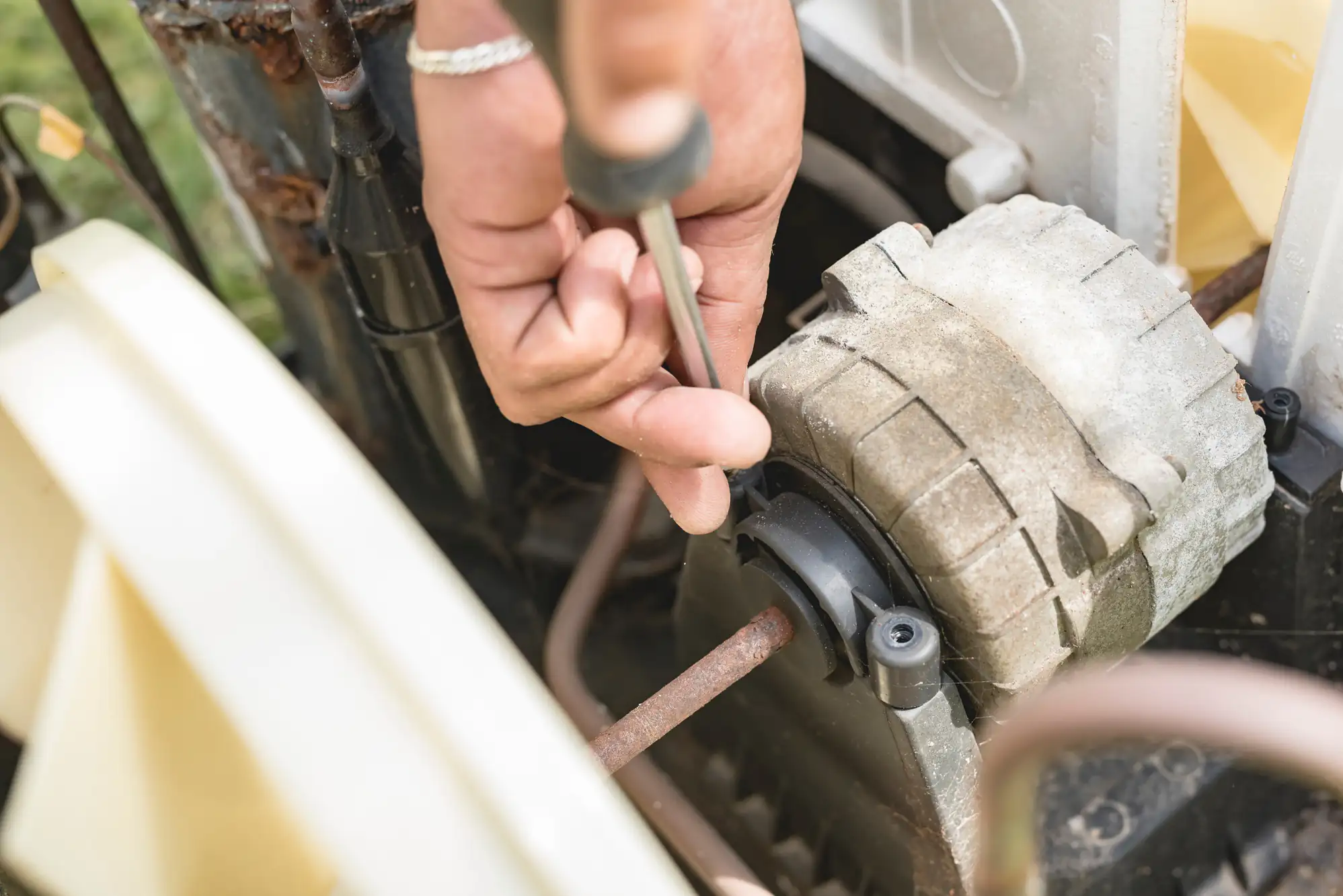
HVAC replacement for most Bay Park homes runs between $8,000 and $18,000 depending on system size, efficiency rating, and whether you need marine-grade components for coastal protection. That’s higher than inland areas, but standard equipment fails faster here.
Your home’s square footage matters, but so does insulation quality, window efficiency, and sun exposure. A 1,500-square-foot waterfront home with poor insulation might need a larger system than a 2,000-square-foot home with newer windows and proper sealing.
Higher-efficiency systems cost more upfront but cut energy consumption by 20-50%. With air conditioning accounting for about 7% of all electricity used in the U.S. and costing homeowners roughly $32 billion annually, that efficiency difference adds up. Most Bay Park homeowners see payback within 5-7 years through lower utility bills.
Your AC unit is probably failing because Bay Park’s salt air and humidity are destroying components faster than normal wear and tear would. Coastal environments accelerate corrosion on outdoor condenser units, and moisture gets into electrical connections that would stay dry inland.
HVAC companies see their busiest periods during extreme heat because that’s when systems fail most often. Your unit is working harder in summer, running longer cycles to combat humidity and heat. If it’s already compromised by salt corrosion or hasn’t been maintained properly, it can’t handle the load.
Standard residential-grade equipment simply wasn’t designed for marine environments. The coils corrode, the fins get caked with salt residue, and the compressor works overtime trying to compensate. Marine-grade components cost more, but they’re built to handle what Bay Park throws at them. If you’re replacing your AC unit every 8-10 years instead of getting 15-20 years, you’re probably using the wrong equipment for your location.
Schedule heating system maintenance once a year, ideally in early fall before you need your furnace. That timing lets you catch problems before the first cold snap when HVAC contractors are slammed with emergency calls.
Annual maintenance typically includes cleaning burners, checking heat exchangers for cracks, testing safety controls, inspecting ductwork, and measuring system efficiency. These aren’t optional tasks—they’re what keeps your furnace running safely and efficiently for its full 15-year lifespan.
Bay Park’s coastal humidity creates additional maintenance needs. Moisture can cause rust in heat exchangers and ductwork, especially in homes with poor ventilation. A good maintenance visit catches these issues early when they’re cheap to fix. Skipping maintenance might save you $150 now, but it often leads to $1,500+ repairs later or premature system replacement.
Marine-grade HVAC equipment uses corrosion-resistant materials and protective coatings that standard residential systems don’t have. The coils are treated to resist salt air, electrical components are sealed against moisture, and cabinet materials are chosen for coastal durability.
Standard equipment might last 12-15 years inland, but in Bay Park’s waterfront areas, you’re looking at 8-10 years before salt corrosion causes major failures. Marine-grade systems are designed for the harsh conditions on boats and waterfront facilities, where salt exposure is constant and equipment failure isn’t an option.
The cost difference is usually 15-25% higher for marine-grade components, but you’re buying years of additional lifespan and fewer emergency repairs. If you’re within a mile of the water or your home gets regular salt air exposure, marine-grade equipment pays for itself through longevity and reliability. We install these systems in yacht clubs throughout Long Island and for individual boat owners from Montauk to North Shore harbors—the same technology works in your home.
Upgrading your HVAC system can dramatically improve indoor air quality, but only if you include the right components beyond just the heating and cooling equipment. Modern systems can integrate air purification, humidity control, and ventilation that older systems never had.
Bay Park’s coastal humidity creates perfect conditions for mold, mildew, and dust mites. A proper indoor air quality upgrade includes dehumidification to keep humidity between 30-50%, HEPA filtration to remove particles, and possibly UV lights to kill biological contaminants. These aren’t luxury add-ons—they’re health necessities for many homes.
The indoor air quality monitoring market is projected to reach $7.39 billion by 2031 because people are finally connecting respiratory issues, allergies, and sleep problems to what they’re breathing at home. You can add smart sensors that track particulates, VOCs, and humidity in real-time, giving you actual data instead of guessing whether your air is clean. Most Bay Park homeowners who invest in comprehensive indoor air quality solutions notice the difference within days.
Replace your furnace if it’s over 12 years old and the repair costs more than $1,000. That’s the general rule, but Bay Park’s coastal conditions sometimes make replacement the smarter choice even sooner.
Here’s the math: furnaces last about 15 years with proper maintenance. If yours is 13 years old and needs a $1,200 repair, you might get 2-3 more years out of it before another major component fails. Meanwhile, a new high-efficiency furnace cuts your heating costs by 20-30% and comes with a warranty that covers parts and labor.
Equipment prices have jumped roughly 40% since 2020, which makes replacement feel expensive. But repair costs have increased too, and older systems can’t match the efficiency of modern equipment. A new furnace installation also gives you the chance to right-size your system, add smart thermostat controls, and integrate better indoor air quality components. If you’re calling for emergency furnace service every winter, you’re already spending more than you think—you’re just spreading it across multiple repair bills instead of one replacement investment.