Hear from Our Customers
Your air conditioning quits on the hottest day of summer. Your furnace stops working when temperatures drop below freezing. You’re stuck waiting for a callback that never comes, or you get a quote that makes no sense.
That’s the reality for most homeowners in Bellerose dealing with HVAC problems. Systems fail when you need them most, and finding someone who actually shows up, explains what’s wrong, and fixes it right feels impossible.
Here’s what changes when your heating and cooling actually work: Your energy bills drop because the system isn’t fighting itself. Your home stays comfortable without constant thermostat adjustments. You’re not wondering if today’s the day everything breaks down. And when you do need service, you get a straight answer and a fair price—not a runaround.
That’s what reliable residential HVAC services look like. No drama, no surprises, just systems that do their job so you can focus on everything else.
We’ve been handling HVAC systems in Bellerose and across Long Island for over 40 years. We’re not new to this. We’ve seen every type of system, every failure mode, and every shortcut that causes problems down the road.
Most of our work has been in marine HVAC and commercial refrigeration—airports, restaurants, catering halls, walk-in coolers, custom beer systems. That means we’re used to complex installations and high-stakes repairs where failure isn’t an option. When we work on your home’s heating and cooling, you’re getting that same level of technical skill and accountability.
We’re licensed, insured, and available around the clock because HVAC emergencies don’t wait for business hours. Bellerose homeowners deal with humid summers that push AC units to their limits and cold winters that test every furnace. We’ve been handling both for decades, and we’re still here because we do the work right.
First, you reach out—phone, email, whatever works. We’ll ask a few questions about what’s happening with your system so we know what to expect. Then we schedule a time that actually works for you, not just us.
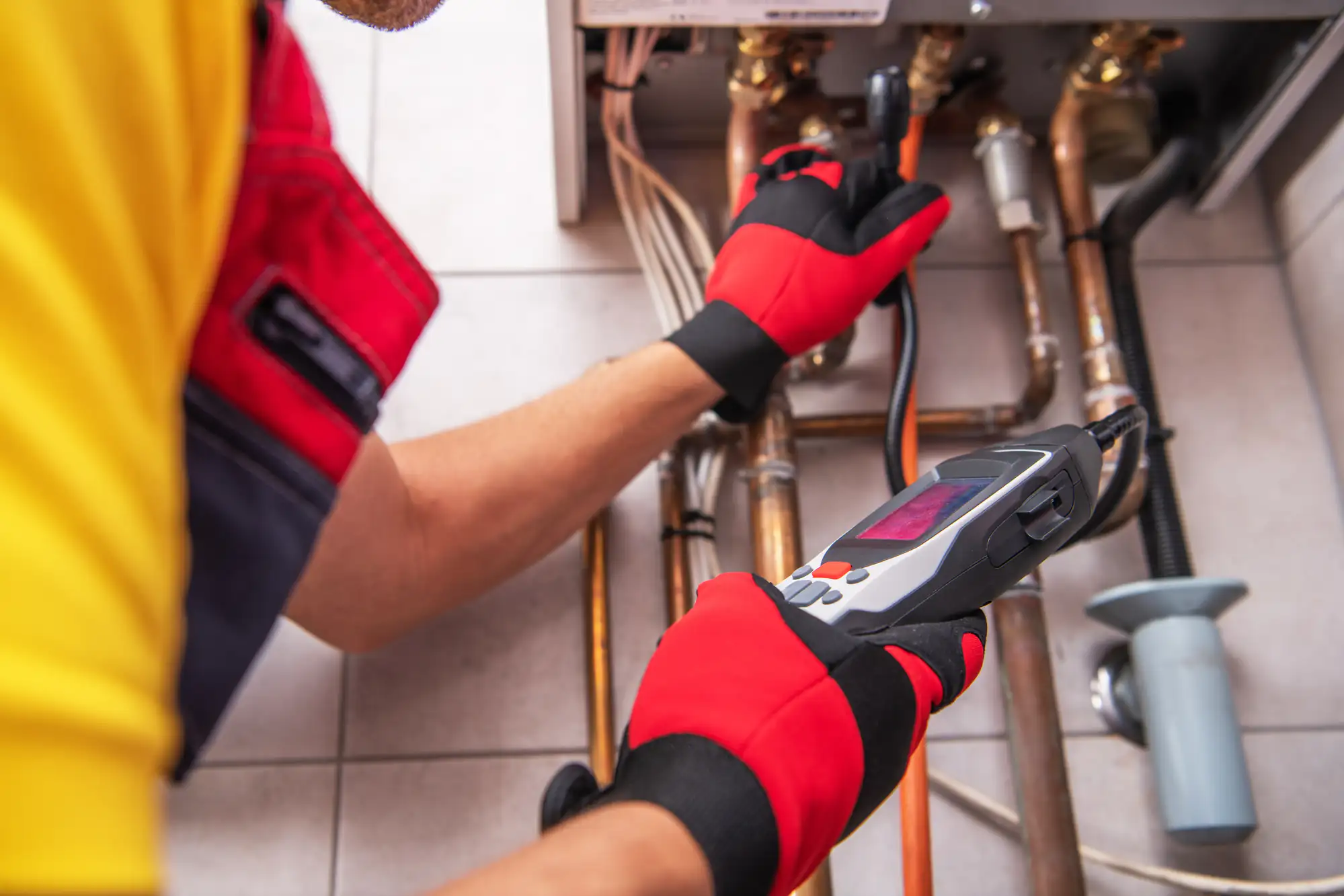
When our technician arrives, they’ll assess your system and explain what’s going on in plain terms. No jargon, no upselling, just the actual problem and what it takes to fix it. You’ll get a clear estimate before any work starts. If it’s an emergency and your heat’s out in the middle of winter, we move fast—but you still know what you’re paying and why.
Once you approve the work, we handle the repair, installation, or maintenance right there. We test everything before we leave to make sure it’s working the way it should. You’ll know how to avoid the same problem in the future, and if you have questions later, you can call us. That’s it—no confusion, no waiting weeks for parts, no wondering if the job was done right.
Ready to get started?
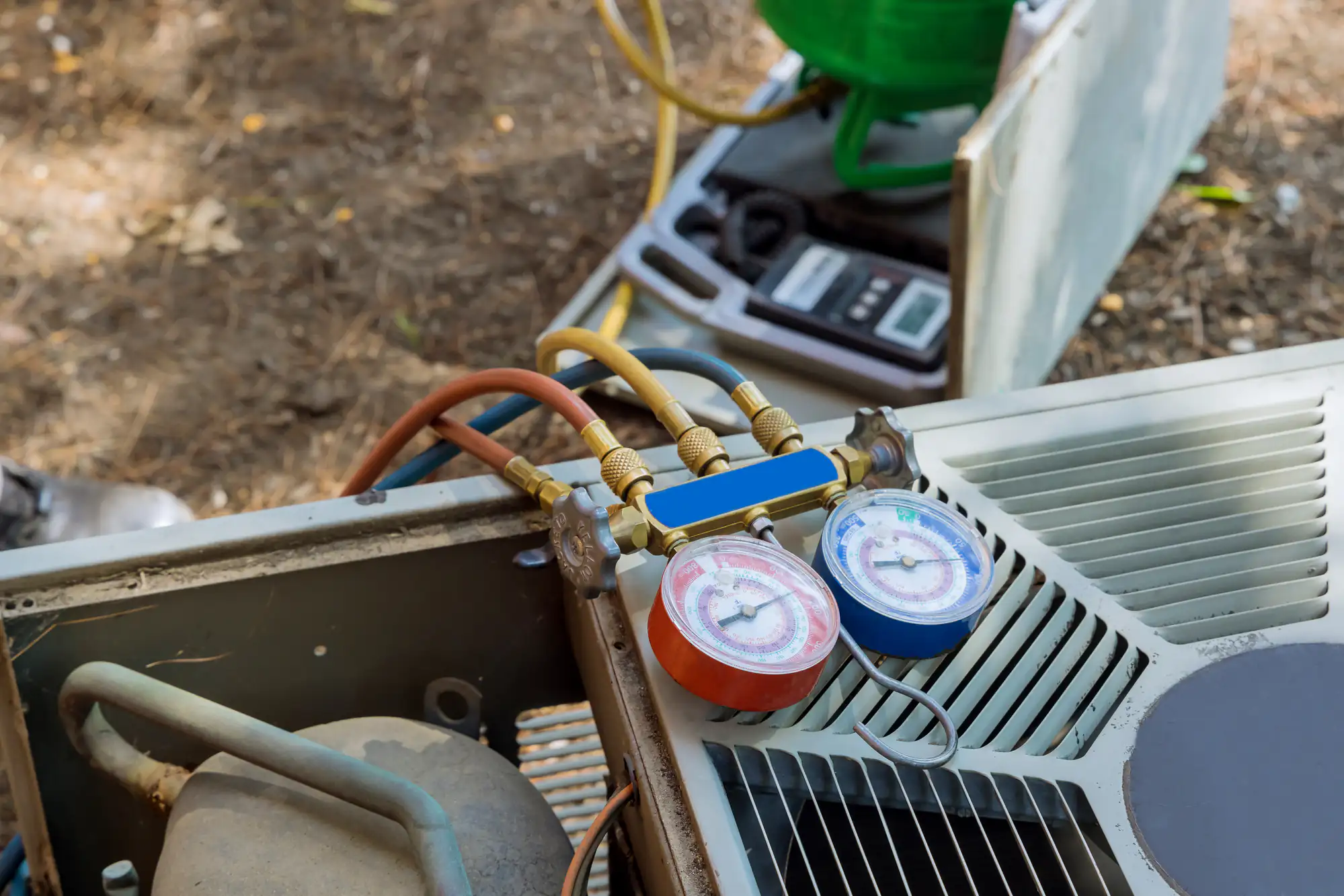
You’re not just getting a repair or installation. You’re getting a full assessment of how your system’s performing and what’s costing you money or comfort.
We handle air conditioning repair and replacement, furnace installation and service, heating system maintenance, ductless mini-split systems, and HVAC replacement when your equipment’s reached the end of its life. We also specialize in indoor air quality—filtration systems, UV-C purification, humidity control, and smart thermostat integration that actually saves energy.
Bellerose homes were mostly built in the 1940s, which means older ductwork, outdated insulation, and systems that weren’t designed for today’s efficiency standards. Long Island’s coastal humidity makes air quality a bigger issue than most people realize. Mold, allergens, and poor airflow aren’t just uncomfortable—they’re hard on your system and your health.
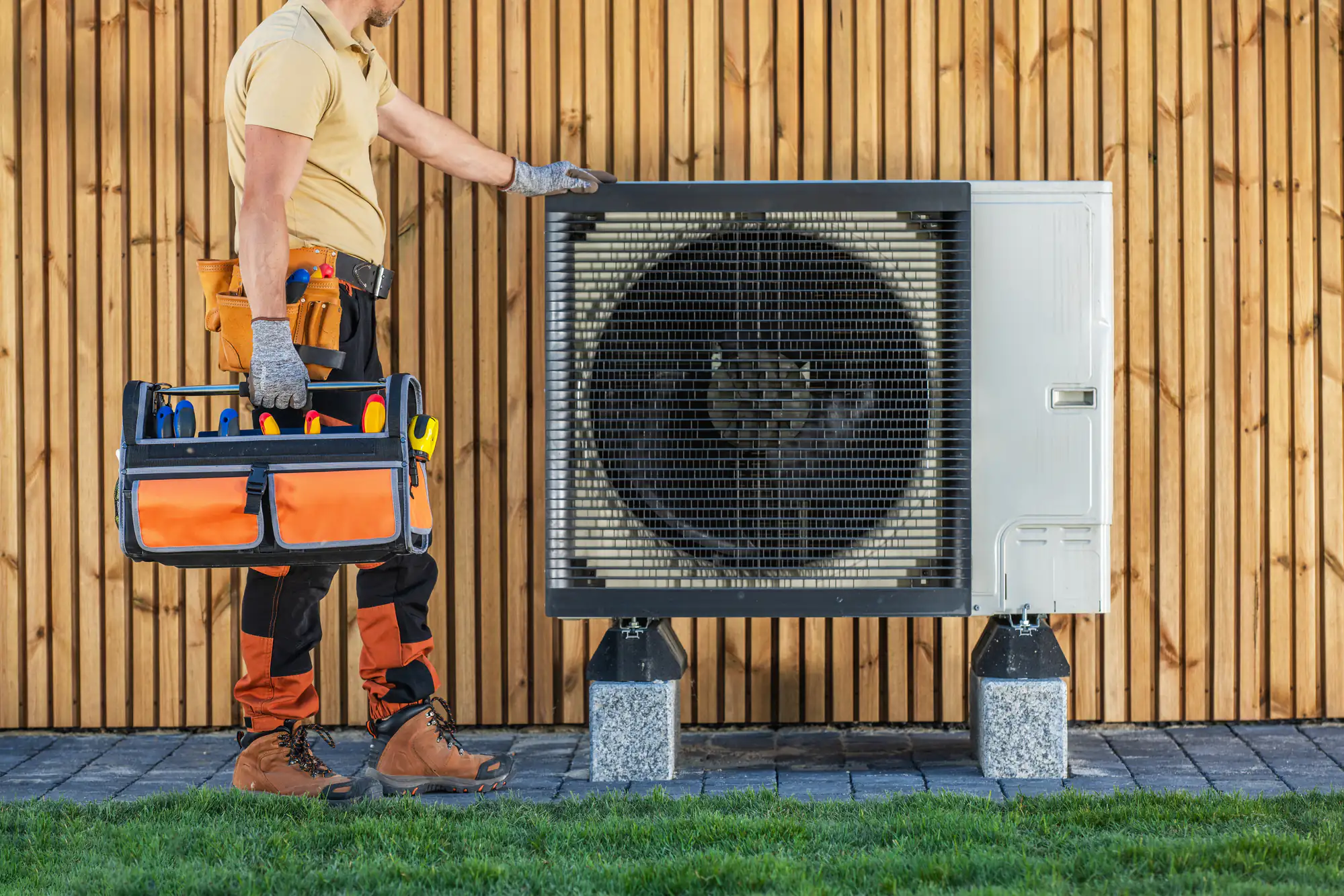
We also help homeowners transition to heat pump systems, which are becoming more common thanks to federal tax credits and state rebates. If your furnace is on its last legs, a heat pump might cost less to run and keep you comfortable year-round. We’ll walk through the numbers so you can make the call that makes sense for your home and budget.
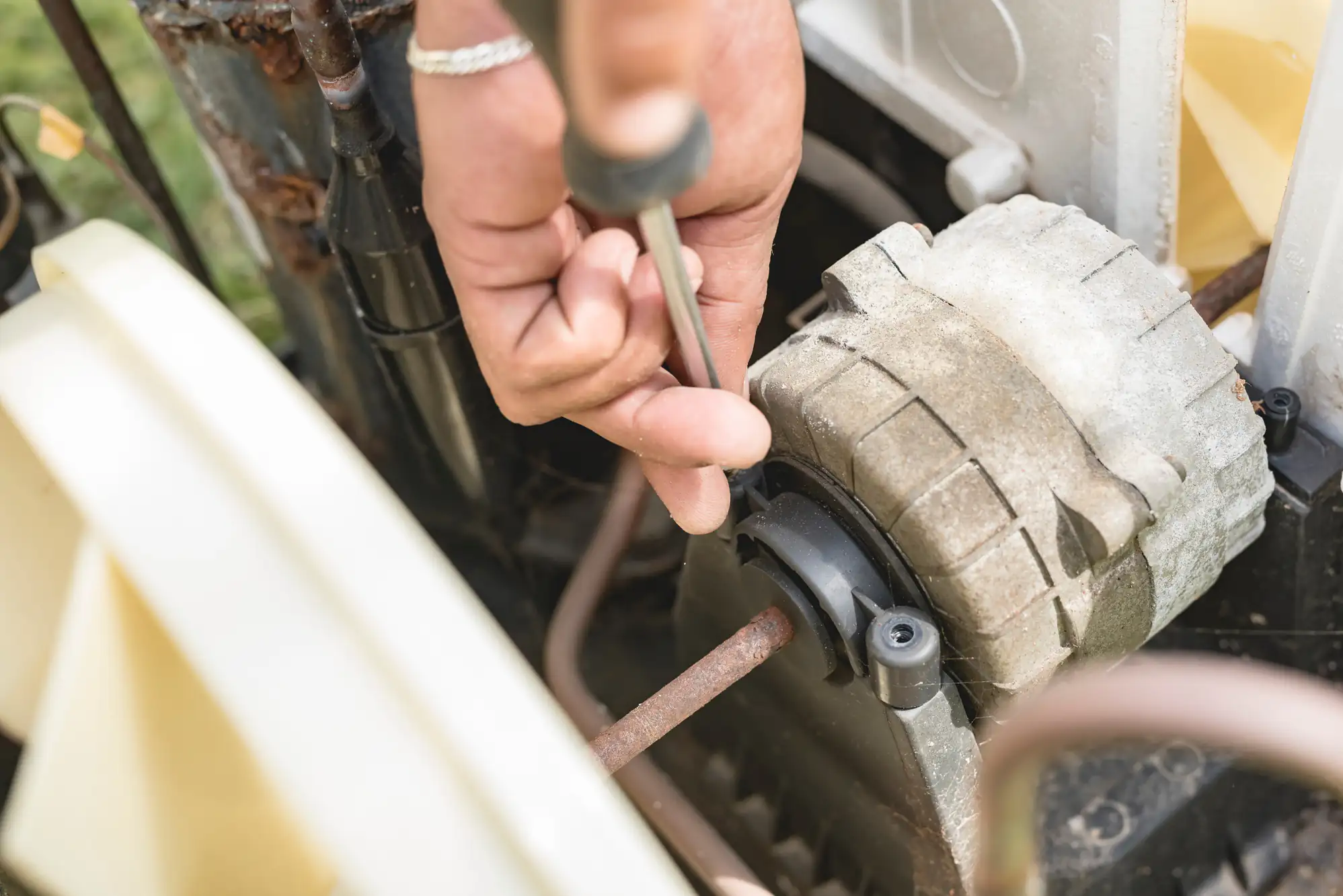
Twice a year is the standard—once before summer for your AC, once before winter for your furnace. That’s not a sales pitch. It’s how you catch small problems before they become expensive ones.
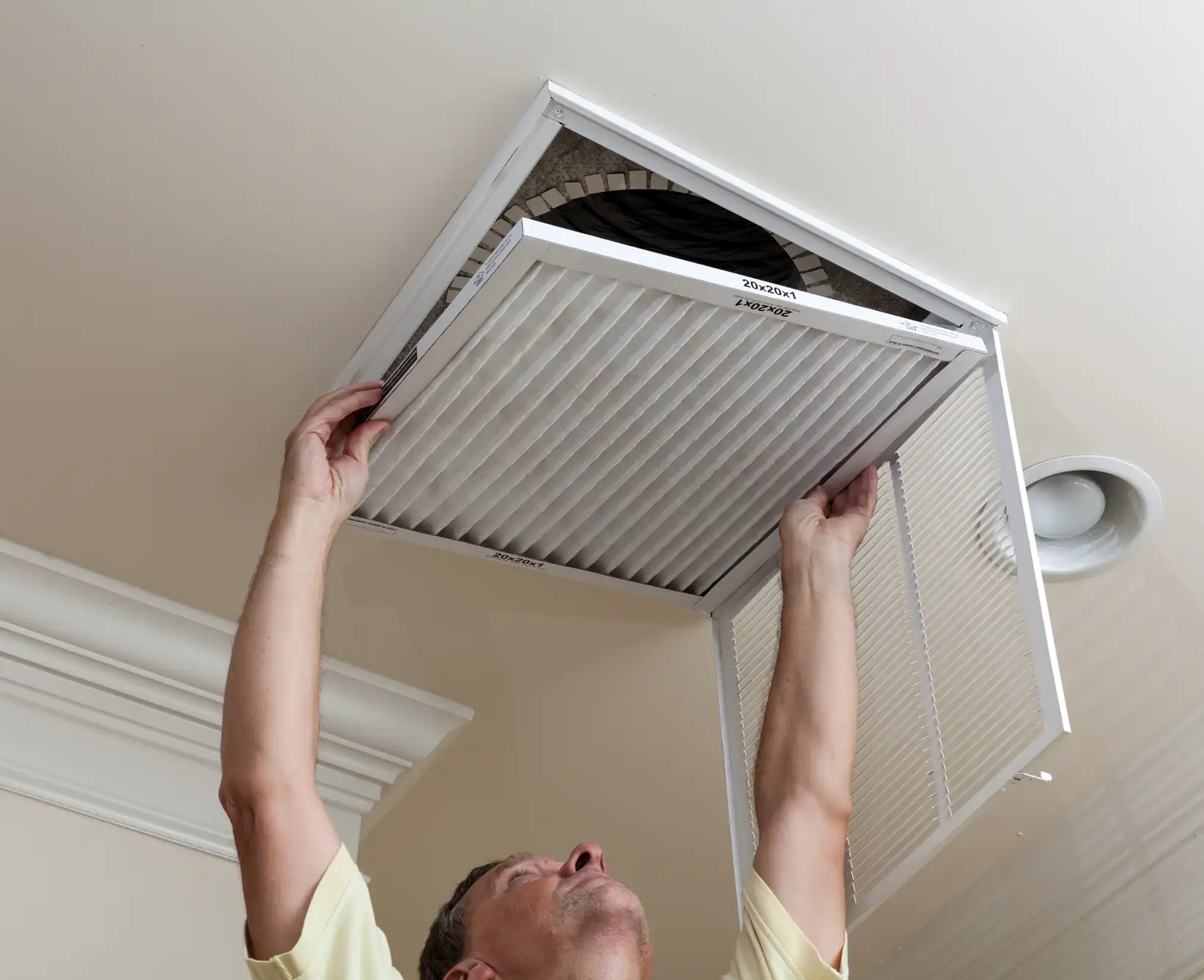
During a maintenance visit, we’re checking refrigerant levels, cleaning coils, inspecting electrical connections, testing airflow, and making sure your system isn’t working harder than it needs to. Most breakdowns happen because something small was ignored—a clogged filter, a worn belt, a capacitor that’s about to fail.
Long Island’s humidity and temperature swings are tough on HVAC systems. If you skip maintenance, you’re shortening the lifespan of your equipment and driving up your energy bills. A well-maintained system can last 15 to 20 years. A neglected one might give you 10. The math is simple.
It depends on what’s broken. A capacitor replacement might run you $100 to $200. A refrigerant leak could be $200 to $500 depending on how much needs to be recharged and whether we’re dealing with an older or newer refrigerant type. Compressor failure is the expensive one—$750 to $2,000 or more, and at that point you’re often better off replacing the whole unit.
Here’s what matters: You should know the cost before the work starts. If a technician shows up and starts throwing around numbers without explaining what’s actually wrong, that’s a red flag. We give you a clear estimate, explain what failed and why, and let you decide if the repair makes sense or if replacement is the smarter move.
The average HVAC repair runs around $350, but that’s just an average. Your situation might be simpler or more complex. What you shouldn’t be doing is paying for the same repair twice because it wasn’t done right the first time.
If your furnace is over 15 years old and the repair costs more than half the price of a new system, replacement usually makes more sense. You’re not just avoiding another breakdown—you’re getting better efficiency, lower energy bills, and equipment that’s actually designed to handle modern heating loads.
Here’s the other factor: Older furnaces break down more often. You might fix it today, but if you’re calling for service every season, you’re spending more on repairs than you would on a new system. Plus, newer furnaces are significantly more efficient. If your current unit is 20 or 30 years old, you could cut your heating costs by 20% or more with a high-efficiency replacement.
We’re not going to push you into a new furnace if a repair makes sense. But if you’re throwing money at a system that’s on its way out, we’ll tell you. You deserve to know when you’re past the point of diminishing returns.
Yes, and it’s more important than most people think. Older homes in Bellerose weren’t built with modern air quality standards in mind. You’ve got dust, pollen, mold spores, pet dander, and bacteria circulating through your ductwork every time your system runs.
We install whole-home air purification systems that use UV-C light to kill bacteria and mold, high-MERV filters to capture allergens and particles, and bipolar ionization to neutralize contaminants in the air. If humidity’s an issue—and it usually is on Long Island—we can add dehumidification systems that keep mold growth in check and make your home more comfortable.
Poor indoor air quality doesn’t just make you uncomfortable. It makes your HVAC system work harder, shortens its lifespan, and drives up your energy bills. If anyone in your house has allergies or asthma, clean air isn’t a luxury—it’s a necessity. We’ll assess your current setup and recommend solutions that actually work for your home and budget.
Yes. HVAC emergencies don’t happen during business hours. Your heat goes out at midnight in January. Your AC dies on a 95-degree Saturday. You need someone who picks up the phone and actually shows up.
We’ve been doing this for over 40 years, and we know what a real emergency looks like—frozen pipes, no heat with kids in the house, elderly family members who can’t handle extreme temperatures. When you call, you’re talking to someone who understands the urgency and can get a technician to your home fast.
Emergency service costs more than a scheduled appointment—that’s standard across the industry. But you’re paying for availability, speed, and the expertise to diagnose and fix the problem right the first time. We’re not showing up to tell you we need to order parts and come back next week. We stock the most common components and handle the majority of emergency repairs on the spot.
They can be, especially with the federal tax credits and state rebates available right now. Heat pumps handle both heating and cooling, which means you’re replacing two systems with one. They’re more efficient than traditional furnaces in moderate climates, and Long Island’s winters are usually mild enough for a heat pump to handle the load.
The catch: Heat pumps lose efficiency when temperatures drop below freezing for extended periods. Some homeowners in Bellerose keep a backup heating source for the coldest weeks of winter. Others install high-efficiency cold-climate heat pumps that perform better in extreme temperatures.
The upfront cost is higher than a standard AC unit, but your operating costs drop significantly. Over 48% of U.S. households have already transitioned to electric heating systems, and that number’s growing. If your furnace is near the end of its life and you’re looking at replacement anyway, a heat pump is worth the conversation. We’ll run the numbers with you so you know exactly what you’re getting into.