Hear from Our Customers
You’re dealing with uneven temperatures in different rooms. Your energy bills jumped without explanation. Or your system broke down completely at the worst possible time.
These aren’t minor inconveniences. They disrupt your family’s comfort and cost you money every day they go unresolved.
What you need is someone who can diagnose the actual problem—not just patch symptoms—and fix it right the first time. That means identifying whether your issue stems from undersized ductwork, an aging compressor, or electrical problems that keep causing the same failure. Long Island’s humid summers and unpredictable winters put serious strain on HVAC systems, especially in older Bellmore homes where equipment wasn’t designed for today’s climate demands.
When we handle your heating system maintenance or air conditioning repair, you get a clear explanation of what’s wrong, what it’ll take to fix it, and how long it’ll last. No runaround. No waiting three hours for a tech who reschedules for next week.
We’ve been handling commercial refrigeration and HVAC systems across the Greater New York area for over 40 years. That experience matters when you’re dealing with residential systems that need more than a standard fix.
We’ve built our reputation on solving problems other contractors walk away from—complex installations, customized cooling solutions, and systems that require actual technical expertise. Bellmore homeowners deal with unique challenges: salt air from the South Shore, older housing stock with outdated electrical, and humidity levels that push standard equipment to its limits.
We’re licensed, insured, and available 24/7 for emergencies. We show up when we say we will, with the tools and parts to handle most repairs the same day. Our track record speaks through dozens of five-star reviews from clients who needed reliable service, not excuses.
First, we schedule an appointment—same day whenever possible. No waiting around for a week while your family sweats or freezes.
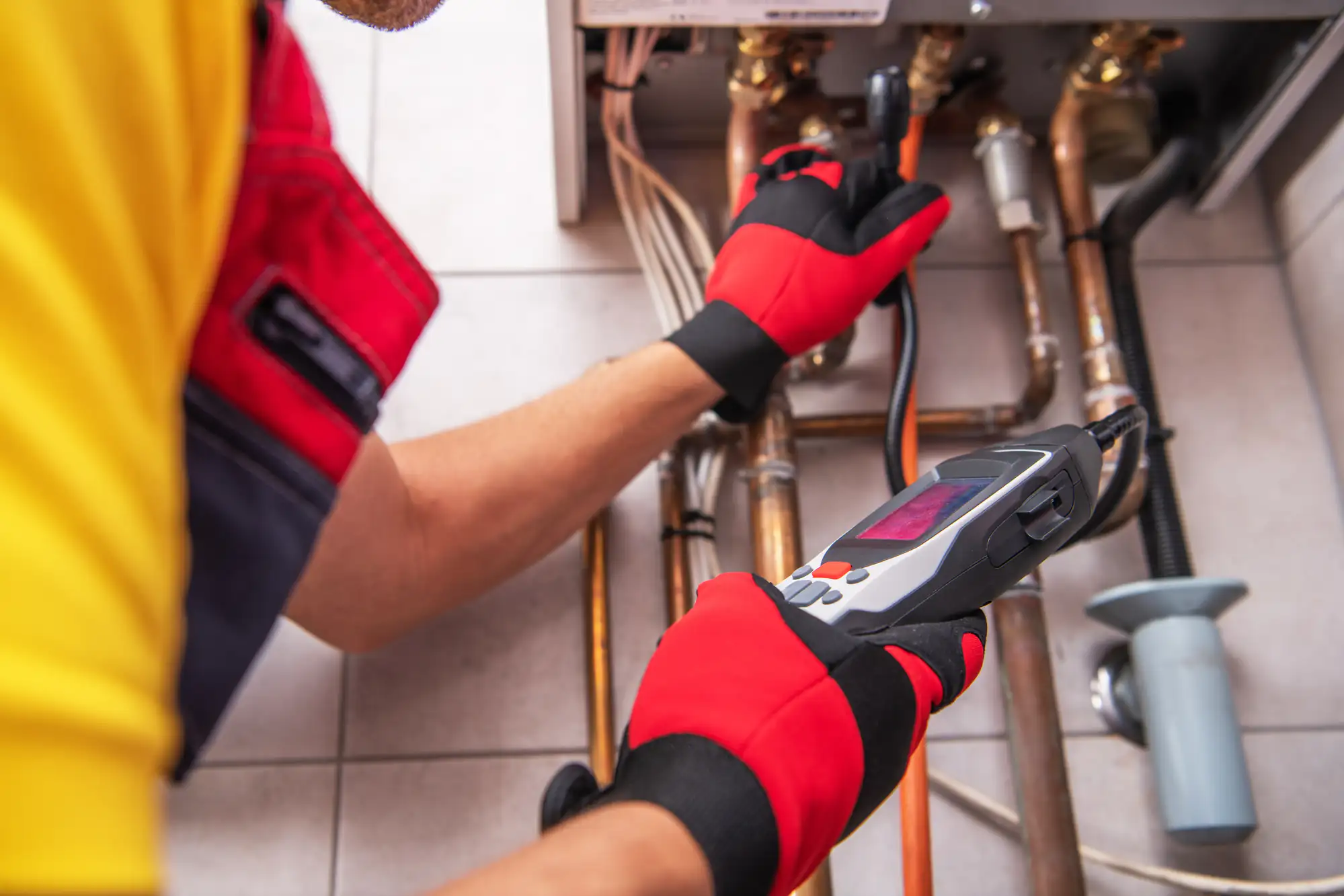
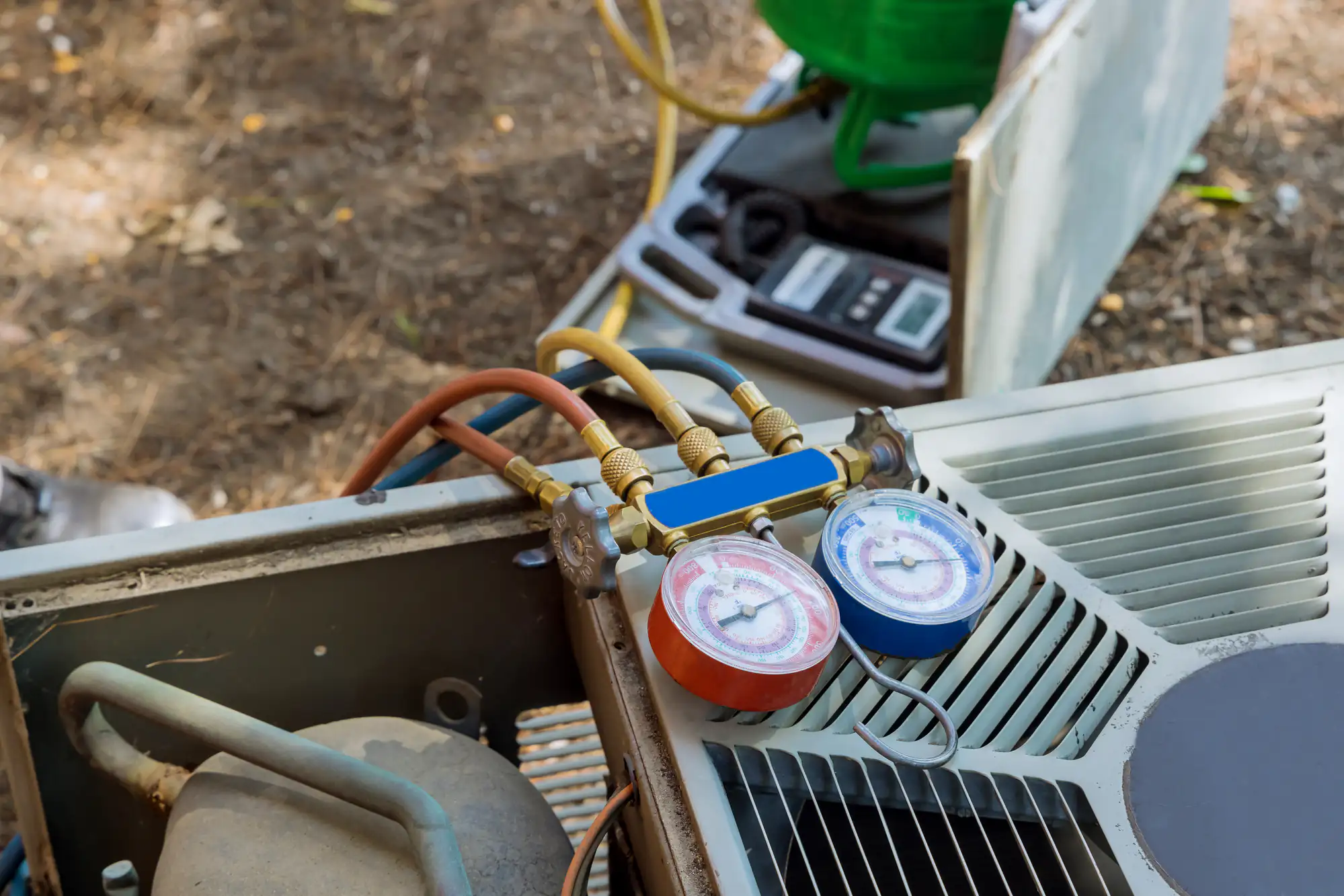
Our technician arrives with diagnostic tools and common parts for most repairs. We assess your system, identify the root cause, and explain what’s happening in plain terms. If it’s a repair, we handle it on the spot in most cases. If you need a furnace installation or full HVAC replacement, we walk through your options based on your home’s specific needs—square footage, ductwork condition, insulation, and how you actually use your space.
We provide a transparent estimate with no hidden costs. Once you approve, we schedule the installation at a time that works for you. Our team completes the work efficiently, tests everything thoroughly, and makes sure you understand how to operate and maintain your new system.
After installation, you’re not on your own. We offer ongoing heating system maintenance to keep everything running efficiently and catch small issues before they become expensive failures. You get 24/7 support if something goes wrong, because we know system failures don’t wait for business hours.
Ready to get started?
Your HVAC system does more than heat and cool. Modern systems handle indoor air quality, humidity control, and energy efficiency—all of which directly affect your comfort and utility costs.
In Bellmore, humidity is a constant issue during summer months. Without proper dehumidification, your air conditioner works harder, costs more to run, and still leaves your home feeling clammy. We integrate humidity control into your system so you’re actually comfortable, not just cooler.
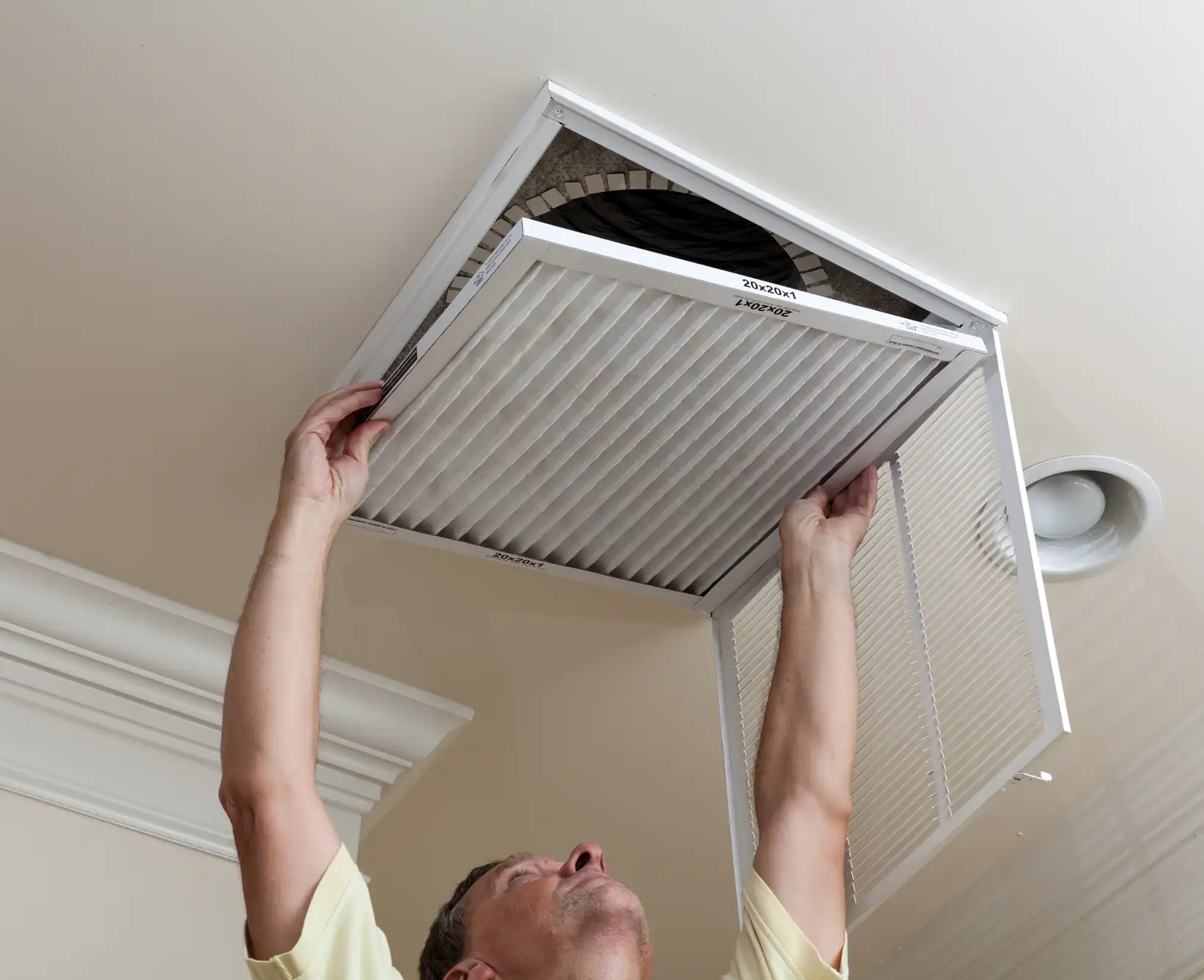
Indoor air quality matters more than most homeowners realize. If anyone in your family deals with allergies or respiratory issues, your HVAC system might be making it worse. We install HEPA-grade filtration and UV-C coil treatment that removes allergens, mold spores, and bacteria from the air you breathe every day.
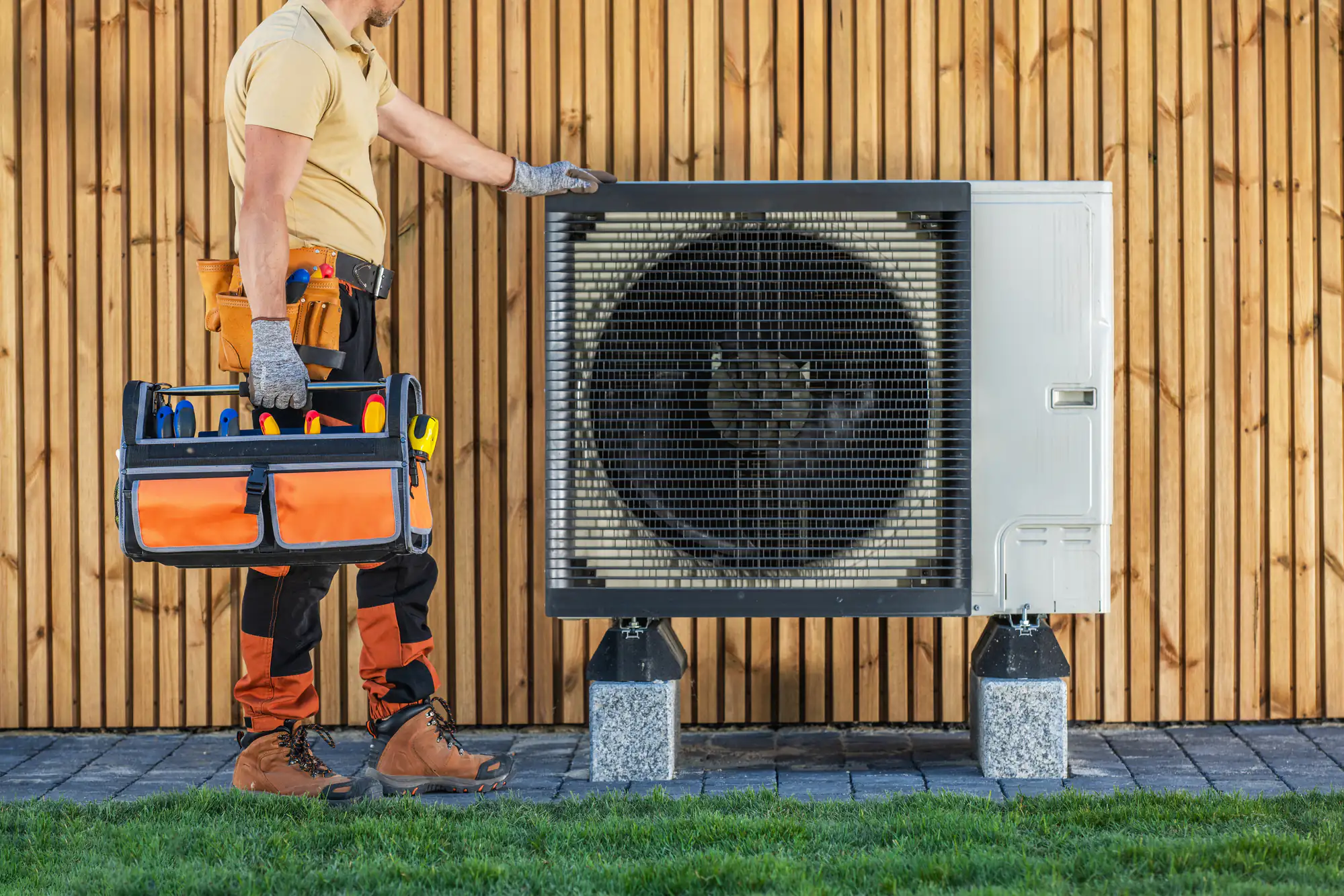
Energy efficiency isn’t just about saving money—though new systems can cut your energy costs by 30% or more. It’s about getting consistent performance without constant repairs. Heat pumps are becoming the standard for residential HVAC in New York, especially with new regulations requiring all-electric systems in most new construction starting in 2026. If you’re replacing an old furnace, a heat pump might be your best long-term option.
We also handle smart thermostat installation and integration. Modern systems learn your preferences, adjust automatically, and let you control everything from your phone. That’s not a luxury feature anymore—it’s standard equipment that makes your life easier.
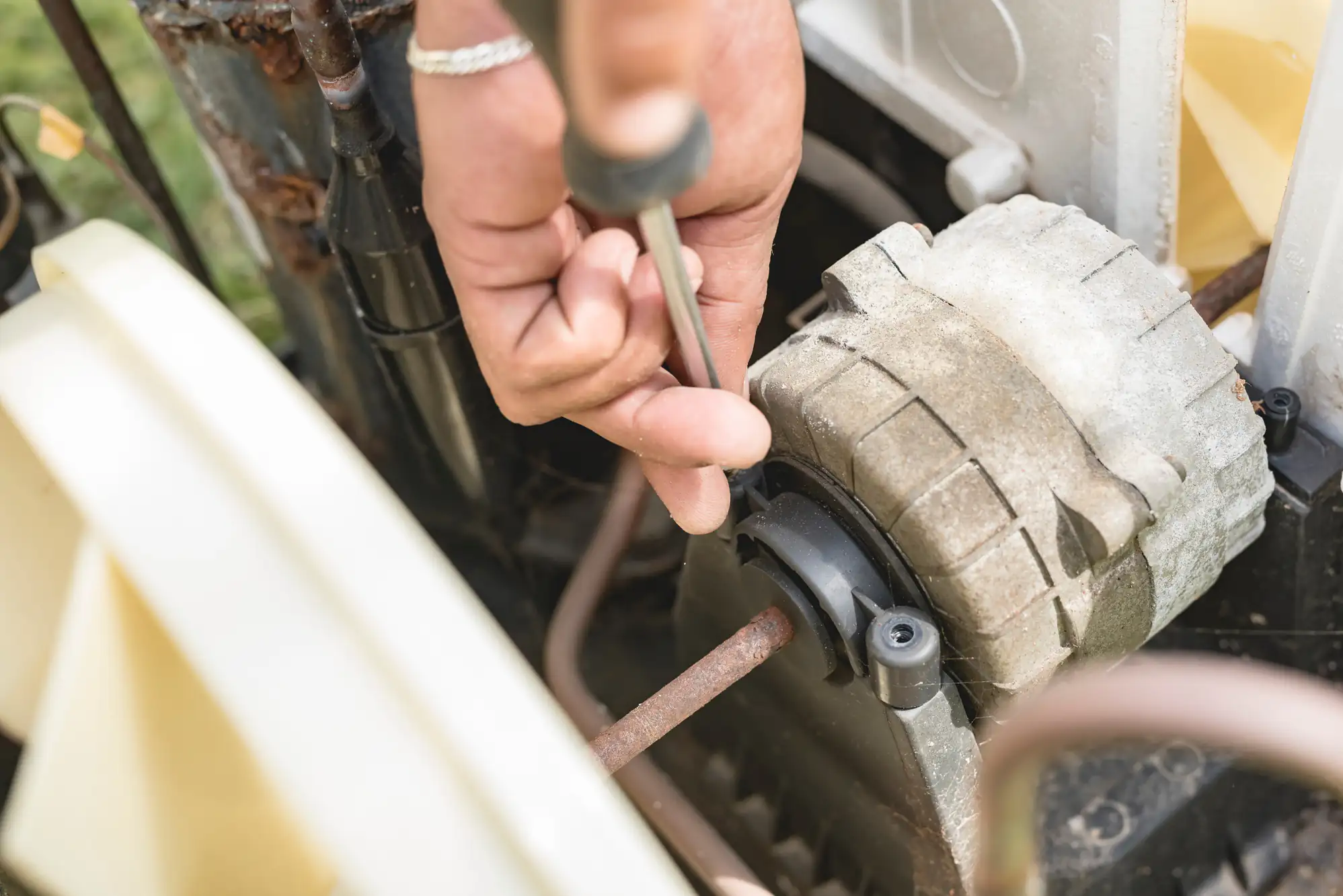
Twice a year—once in spring before cooling season, once in fall before heating season. That’s not a sales pitch. It’s what actually prevents breakdowns.
Spring maintenance catches issues with your air conditioning before you’re running it daily in July humidity. We check refrigerant levels, clean coils, test electrical connections, and make sure airflow is where it should be. Fall maintenance does the same for your heating system—inspecting the heat exchanger, testing ignition, checking for carbon monoxide risks, and verifying your system can handle cold snaps without failing.
Skipping maintenance doesn’t just risk breakdowns. It voids most manufacturer warranties and costs you money in higher energy bills. A dirty coil or clogged filter forces your system to work harder, consuming more electricity to deliver less comfort. Most homeowners who call us for emergency repairs haven’t had maintenance in years—and they’re paying for it with expensive failures that could’ve been prevented.
Usually it’s your HVAC system working harder to maintain the same temperature. That happens for a few specific reasons.
Refrigerant leaks force your air conditioner to run longer cycles to cool your home. Dirty coils reduce heat transfer efficiency. Failing capacitors make motors draw more current. Ductwork leaks dump conditioned air into your attic or crawlspace instead of your living areas. Each of these problems makes your system consume more energy while delivering worse performance.
In Bellmore’s climate, humidity also plays a role. If your system isn’t removing moisture effectively, it feels warmer than the thermostat reading. You turn the temperature down, the system runs longer, and your bill climbs. The fix isn’t just replacing a part—it’s diagnosing why your system isn’t performing efficiently and addressing the root cause. That’s what we do during service calls: identify what’s actually wrong, not just what’s broken.
If your system is over 15 years old and needs a major repair, replacement usually makes more sense financially. Here’s why.
Older systems use R-22 refrigerant, which is being phased out and costs significantly more than modern refrigerants. Parts are harder to find and more expensive. Efficiency standards have improved dramatically—a new system will cut your energy costs by 30% or more compared to equipment from 2008. And if you’re facing a compressor replacement or heat exchanger failure, you’re looking at repair costs that approach half the price of a new system anyway.
New York’s building codes are also shifting toward all-electric systems. If you’re replacing a furnace, a heat pump might be your best option for long-term value and compliance with upcoming regulations. We’ll walk through the actual numbers with you—repair cost versus replacement cost, energy savings, and how long you plan to stay in your home. Sometimes repair makes sense. Often, replacement is the smarter investment.
Uneven temperatures usually point to airflow problems, not a failing system. The most common causes are undersized or poorly designed ductwork, closed or blocked vents, and inadequate insulation in specific areas.
Many older Bellmore homes have ductwork that was sized for smaller, less efficient systems. When homeowners upgrade to modern equipment without addressing the ducts, airflow doesn’t distribute evenly. Rooms farthest from the air handler get less conditioned air. Second floors heat up in summer because hot air rises and attic insulation isn’t sufficient.
Duct leaks also create hot and cold spots. If your ductwork runs through an unconditioned attic or crawlspace and has gaps or disconnected sections, you’re losing conditioned air before it reaches certain rooms. We use airflow testing and thermal imaging to identify where the problem actually is, then fix it—whether that means sealing ducts, adding returns, or installing a zoned system with multiple thermostats for better control.
We schedule same-day service whenever possible and offer 24/7 emergency support. When your system fails in the middle of a heatwave or during a January cold snap, you can’t wait three days for an appointment.
Our technicians carry common parts and diagnostic tools to handle most repairs on the first visit. That means if your issue is a failed capacitor, contactor, or thermostat, we fix it immediately. If we need to order a part, we’ll let you know exactly when it’ll arrive and get you back on the schedule as soon as it’s in.
Emergency response isn’t just about speed—it’s about reliability. We show up when we say we will. We communicate clearly about what’s wrong and what it’ll take to fix it. And we don’t leave you guessing about costs or timelines. You get a transparent estimate before we start work, and you decide whether to move forward. No surprises, no runaround.
Indoor air quality starts with filtration, humidity control, and keeping your system clean. Most homes use basic filters that catch large particles but miss allergens, mold spores, and bacteria that affect your family’s health.
Upgrading to HEPA-grade filtration removes particles as small as 0.3 microns—that includes pollen, pet dander, dust mites, and most airborne contaminants. UV-C coil treatment kills mold and bacteria on your evaporator coil, preventing them from circulating through your home. Whole-home dehumidifiers work with your air conditioner to maintain ideal humidity levels, which reduces mold growth and makes your home feel more comfortable.
If anyone in your household has allergies, asthma, or respiratory issues, these upgrades make a noticeable difference. We assess your current system, recommend specific solutions based on your needs, and integrate everything so it works automatically. You’re not managing multiple devices—your HVAC system handles it as part of normal operation.