Hear from Our Customers
You’re not just paying for a new system or a quick repair. You’re buying back your peace of mind.
When your HVAC system works the way it should, your energy bills drop. Your home stays the right temperature in every room. You stop worrying about whether the heat will kick on when temperatures drop or if the AC will survive another summer.
Modern systems can cut your energy costs by up to 30%, especially if you’re running equipment that’s over 15 years old. That’s real money back in your pocket every month. And if you’re upgrading to a heat pump, you could qualify for a 30% federal tax credit—up to $2,000—making the investment even easier to justify.
But the bigger win is what you don’t deal with anymore. No more emergency calls at 2 a.m. because the furnace stopped working. No more sweating through a heatwave while you wait days for a repair. Just consistent, reliable comfort that doesn’t demand your attention.
We’ve been in business for over 40 years, and we’ve built our reputation on showing up when it matters. We started in marine HVAC and commercial refrigeration—the kind of work where failure isn’t an option and systems run 24/7 under serious stress.
That experience translates directly to how we handle residential heating and cooling in Blue Point. We understand salt air corrosion from coastal exposure. We know how humidity impacts your indoor air quality. We’ve seen what happens when systems aren’t installed correctly or maintained properly.
You’ll work with licensed, EPA-certified technicians who actually answer the phone. We offer free estimates, 24/7 emergency service, and we don’t disappear after the install. We’re local, we’re accountable, and we’ve earned dozens of five-star reviews by doing exactly what we say we’ll do.
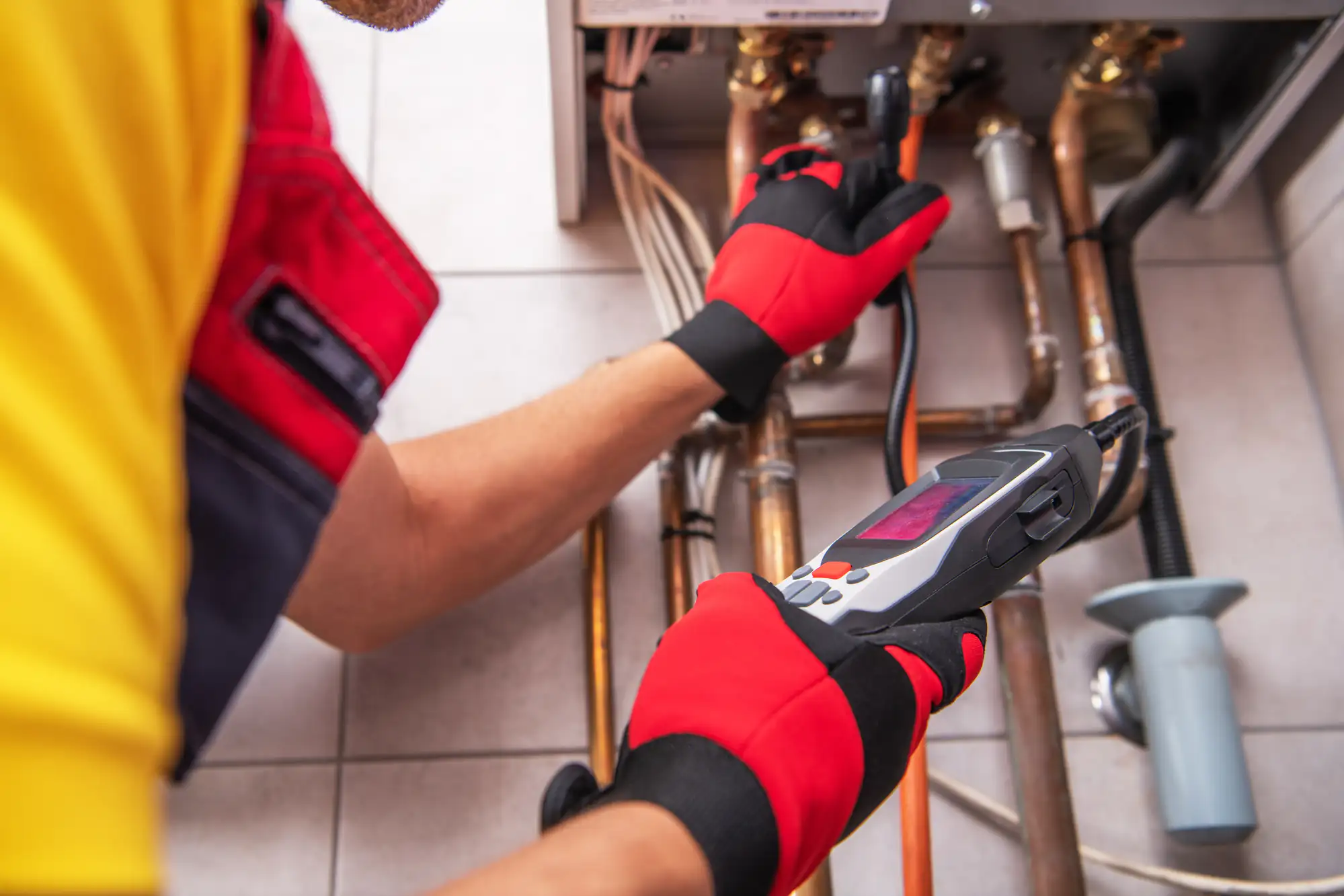
First, you call or reach out online. We schedule a time that works for you—not the other way around. One of our technicians comes to your home, looks at your current system, asks about what’s not working, and listens to what you actually need.
We don’t push the most expensive option. We walk through what makes sense for your home, your budget, and your goals—whether that’s a full HVAC replacement, a furnace installation, air conditioning repair, or an indoor air quality upgrade. You get a free estimate with transparent pricing. No surprises, no pressure.
If you move forward, we handle the permits, the installation, and the cleanup. Our team shows up on time, respects your space, and makes sure everything is tested and running before we leave. After the job’s done, we’re still available. You have questions six months later? Call us. Something doesn’t feel right? We come back.
That’s the process. Simple, clear, and built around what works for you.
Ready to get started?
Every residential HVAC service we provide is designed to keep your system running efficiently and your home comfortable—without the runaround.
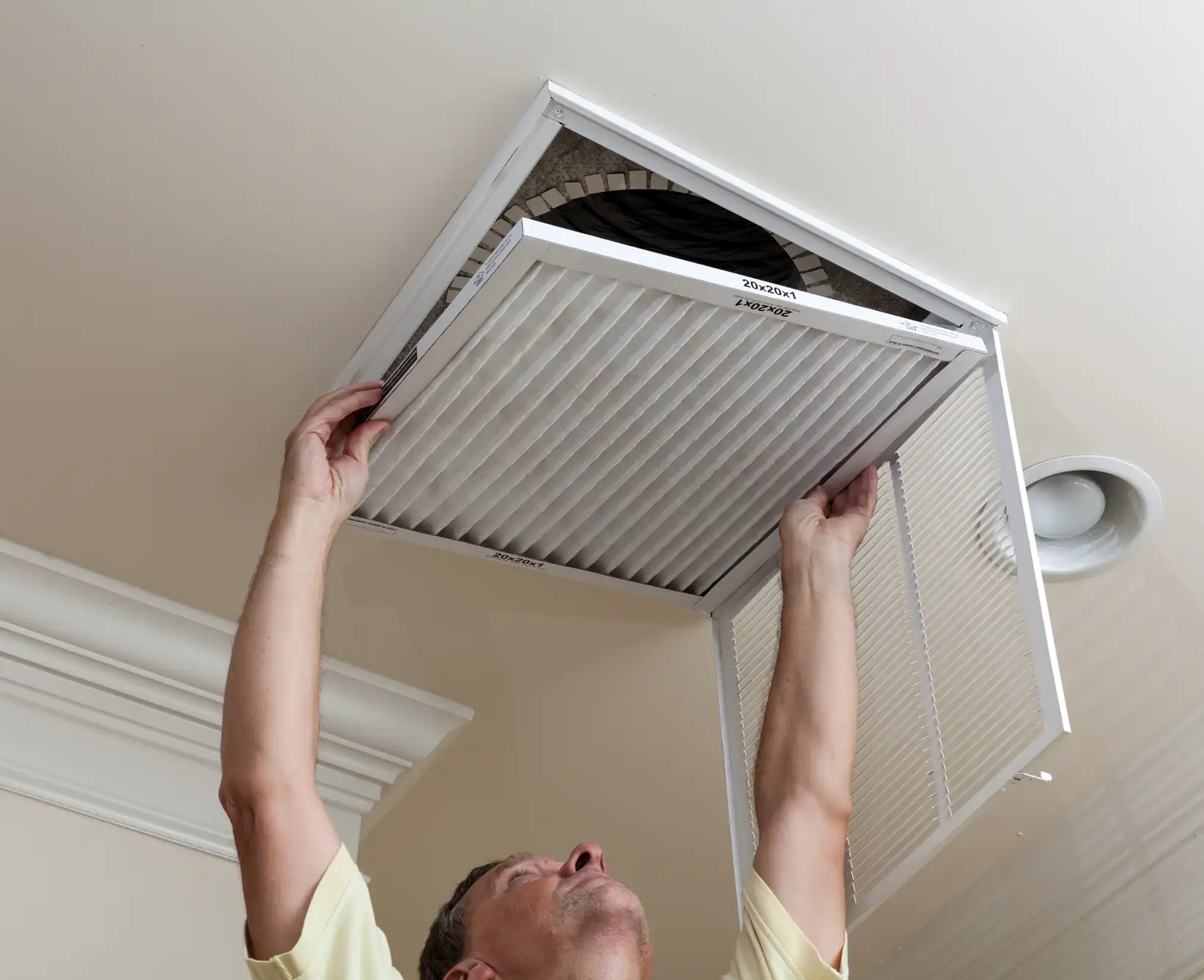
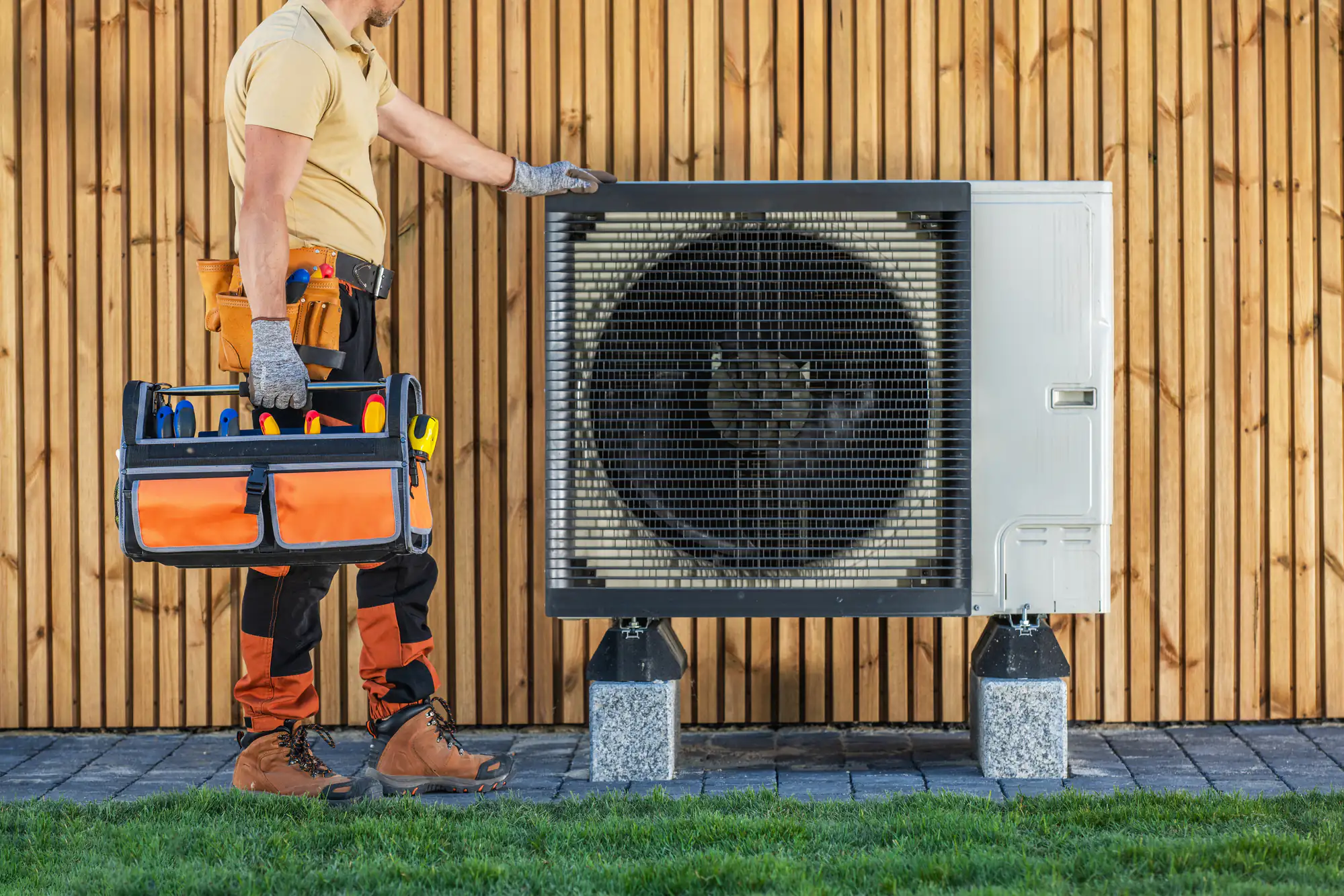
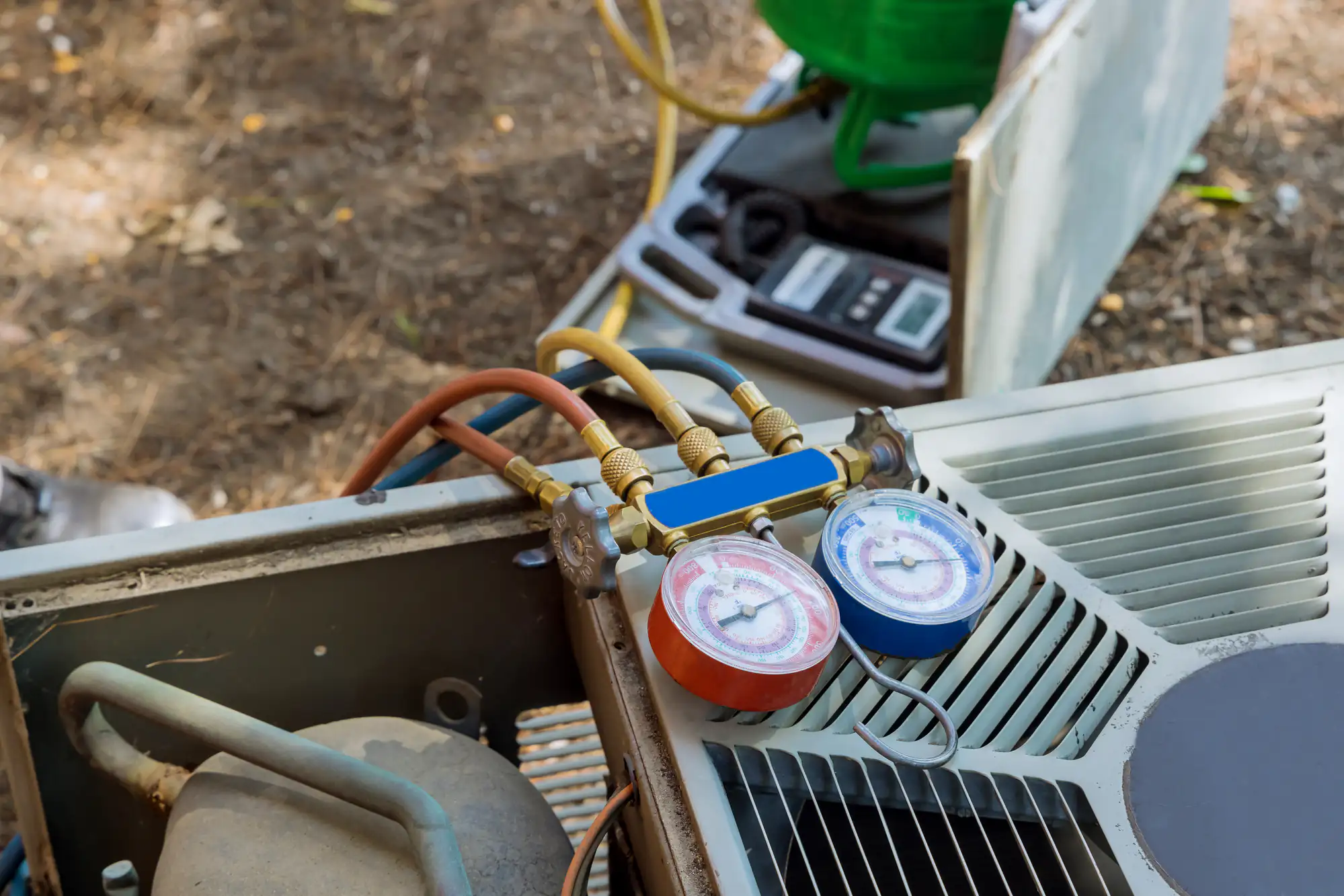
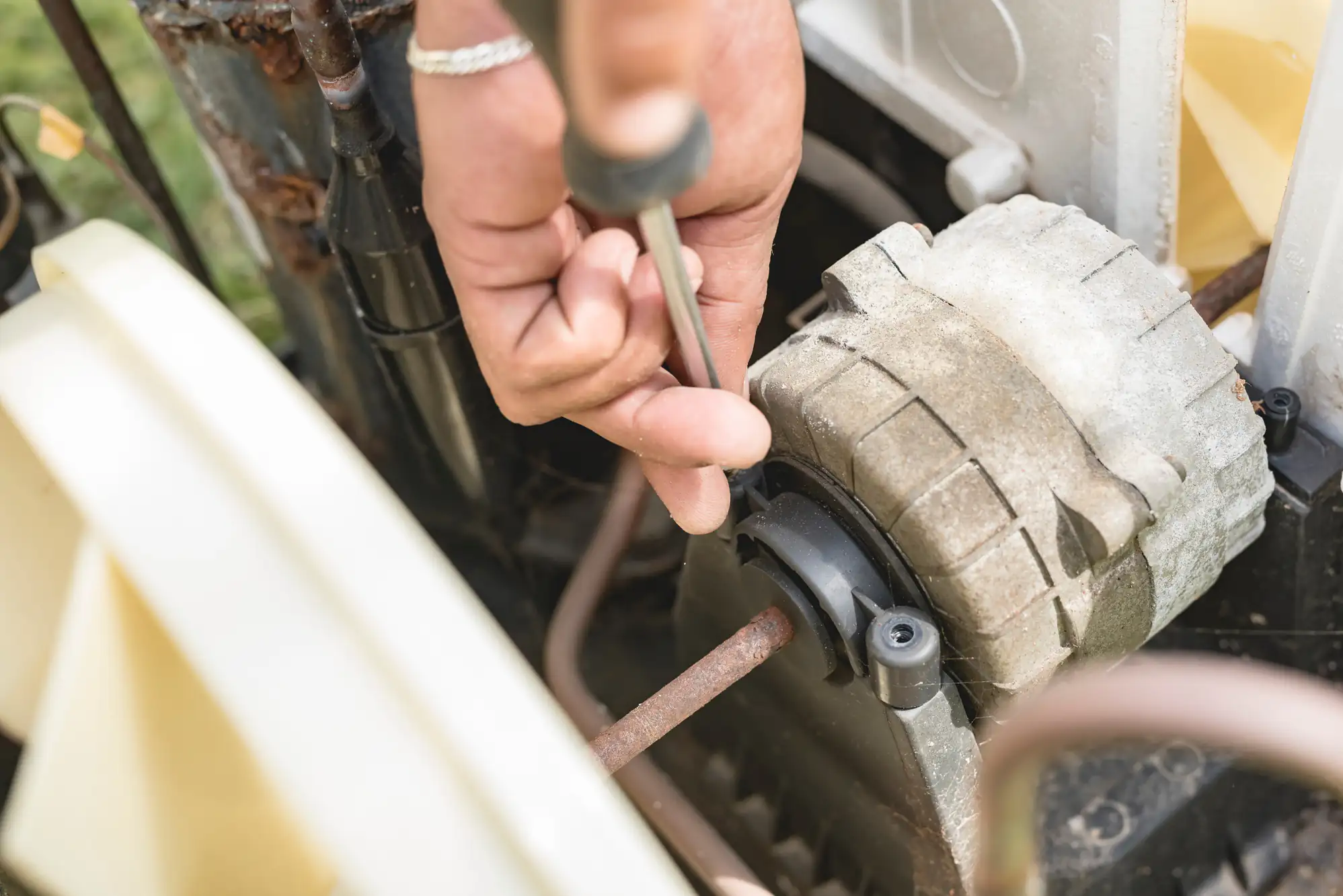
For heating system maintenance, we inspect your furnace or heat pump before winter hits, clean components that impact performance, check for safety issues, and catch small problems before they become expensive emergencies. Regular maintenance can extend your equipment’s lifespan to 15-20 years and save you up to 20% on energy bills.
Air conditioning repair and installation work the same way. We diagnose the real issue, explain what’s wrong in plain language, and fix it right the first time. If your system is beyond repair, we help you choose a replacement that fits your home and your budget—including high-efficiency models and ductless mini-split systems that work well in Blue Point’s coastal climate.
Indoor air quality solutions matter more than ever, especially with longer allergy seasons and wildfire smoke making its way to Long Island. We install air purifiers, smart thermostats, and humidity control systems that make your air cleaner and your home healthier.
You’re not just getting a contractor. You’re getting someone who knows this area, understands the specific challenges Blue Point homeowners face, and has the experience to handle it all.
The honest answer is that it depends on your home’s size, the type of system you choose, and whether you need ductwork modifications. Most full HVAC replacements for residential homes in Blue Point range from $5,000 to $12,000, but that number moves based on what you’re installing.
A basic furnace and AC setup costs less than a high-efficiency heat pump with smart controls and air purification. Larger homes need more capacity, which increases the price. Older homes sometimes need duct sealing or upgrades to handle modern equipment properly.
The good news is that higher upfront costs often pay for themselves. A high-efficiency system can cut your energy bills by 30% or more, and heat pumps qualify for a 30% federal tax credit—up to $2,000. We give you a free estimate that breaks down exactly what you’re paying for, so you can make a decision based on real numbers, not guesses.
Once a year, ideally in the fall before you start using your heat regularly. That’s when we catch the issues that would otherwise leave you without heat in the middle of January.
During a maintenance visit, we inspect your furnace or heat pump for wear, clean burners and filters, test safety controls, and make sure everything is running efficiently. It’s not glamorous work, but it’s what keeps your system from breaking down when you actually need it.
Skipping maintenance doesn’t just increase the risk of failure. It also costs you money. Dirty filters and worn components make your system work harder, which drives up your energy bills and shortens the lifespan of your equipment. A well-maintained system lasts 15-20 years. One that’s ignored might give out in 10.
If your system is older or you’ve had issues in the past, twice-a-year maintenance—once before heating season and once before cooling season—makes even more sense.
If your AC is less than 10 years old and the repair costs less than half the price of a new system, repair usually makes sense. If it’s older than 15 years or you’re looking at a major component failure, replacement is often the smarter move.
Here’s what we look at: Is the compressor failing? That’s an expensive fix, and if your system is already old, you’re better off replacing it. Are you dealing with a refrigerant leak or a bad capacitor? Those are cheaper repairs that can buy you a few more years.
We also consider how often you’ve needed repairs recently. If you’re calling us every summer, that’s a sign your system is on its way out. At that point, you’re throwing money at a losing battle.
The other factor is efficiency. Older systems use more energy, which means higher bills every month. A new high-efficiency AC might cost more upfront, but it pays you back over time through lower energy costs. We walk through the math with you so you can see what makes sense financially, not just what sounds good in the moment.
You don’t need one, but it’s one of the easiest upgrades that actually saves you money and makes your life simpler. A smart thermostat learns your schedule, adjusts temperatures automatically, and lets you control your system from your phone.
That means you’re not heating or cooling an empty house all day. You’re not coming home to a freezing living room in winter or a sauna in summer. The system adjusts based on when you’re actually there, which cuts down on wasted energy.
Most homeowners see a noticeable drop in their energy bills within the first few months. The thermostat pays for itself in a year or two, and after that, it’s just saving you money. Plus, if you’re upgrading your HVAC system, adding a smart thermostat during installation makes the whole setup more efficient.
The smart thermostat market is growing fast because people realize it’s not just a gadget—it’s a tool that gives you more control and costs you less over time. If you’re already investing in HVAC work, it’s worth adding to the project.
Salt air is brutal on HVAC equipment. It accelerates corrosion on metal components, clogs coils, and shortens the lifespan of outdoor units if they’re not properly maintained or protected.
Blue Point sits right on the water, which means your system is constantly exposed to moisture and salt. Over time, that exposure eats away at fins, coils, and electrical connections. If you’re not cleaning and inspecting your outdoor unit regularly, you’re going to see problems sooner than someone living inland.
That’s why maintenance matters even more here. We clean the coils, check for corrosion, and make sure your system is sealed and protected. We also recommend specific equipment designed to handle coastal conditions—coated coils, corrosion-resistant materials, and units built to last in high-humidity, high-salt environments.
If you’ve noticed your HVAC system doesn’t last as long as it should, the location is probably part of the reason. The good news is that with the right care and the right equipment, you can still get 15-20 years out of a system, even this close to the water.
A furnace burns fuel—usually natural gas or oil—to create heat. A heat pump moves heat from outside air into your home, even when it’s cold out. Both keep you warm, but they work completely differently and cost different amounts to run.
Furnaces are reliable in extreme cold and have been the standard for decades. They heat up fast and work well in older homes that already have ductwork and gas lines. The downside is that you’re paying for fuel, and with heating oil prices over $4 per gallon on Long Island, that adds up quickly.
Heat pumps are more efficient because they’re not creating heat—they’re transferring it. That means lower energy bills, especially if you’re switching from oil or propane. They also cool your home in summer, so you’re getting heating and air conditioning in one system. Plus, you can get a 30% federal tax credit on heat pump installations, which makes the upfront cost a lot easier to manage.
The catch is that heat pumps work best when they’re sized correctly and installed properly. In Blue Point’s climate, a heat pump can handle most of the year, but some homeowners add a backup heat source for the coldest days. We walk through what makes sense for your home, your budget, and how you use your system.