Hear from Our Customers
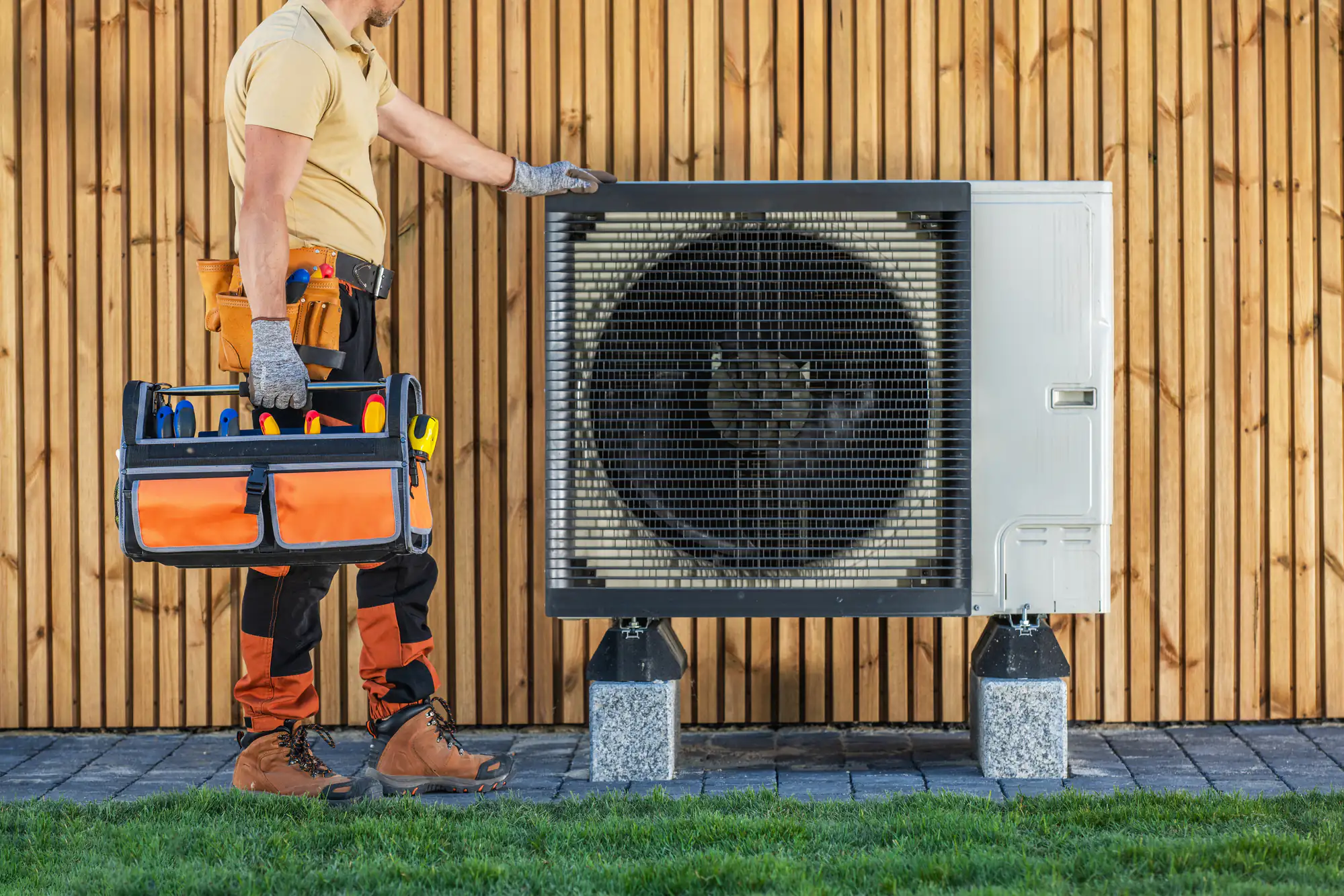
You’re not dealing with another breakdown in July when it’s 90 degrees and your AC quits. You’re not scrambling to find someone who can actually fix it today, not next week.
Your energy bills stop climbing every month because your system runs efficiently instead of working twice as hard to do half the job. You’re not wondering if that noise means something expensive is about to happen.
Your family’s comfortable. Your system gets checked before problems start. And when something does go wrong, you’ve got someone who shows up fast, fixes it right, and doesn’t leave you guessing what just happened or what it cost.
That’s what happens when your heating and cooling system is handled by people who’ve spent four decades working in this exact climate. Long Island’s salt air and humidity destroy HVAC systems faster than anywhere else. Systems near the coast fail years earlier than identical units inland. You need someone who knows how to install, maintain, and repair equipment built to handle what Brentwood throws at it.
We’ve been handling HVAC and refrigeration work across the Greater New York area for over 40 years. We’ve worked on everything from marine air conditioning on commercial vessels to complex refrigeration systems in restaurants and delis from Montauk to Manhattan.
That experience matters in Brentwood because this isn’t a typical climate. The salt air, the humidity, the temperature swings between seasons—your system takes a beating that most HVAC contractors don’t understand. We do, because we’ve been fixing and installing systems here since before most companies existed.
We’re available 24/7 for emergencies because your heat doesn’t wait until Monday morning to quit. About 70% of our emergency calls get resolved the same day because our trucks carry the parts most systems need. When you call, you’re talking to people who’ve seen your exact problem before and know how to fix it.
You reach out—phone, email, whatever works for you. We ask a few questions about what’s happening with your system so we know what to bring and can give you a realistic timeframe.
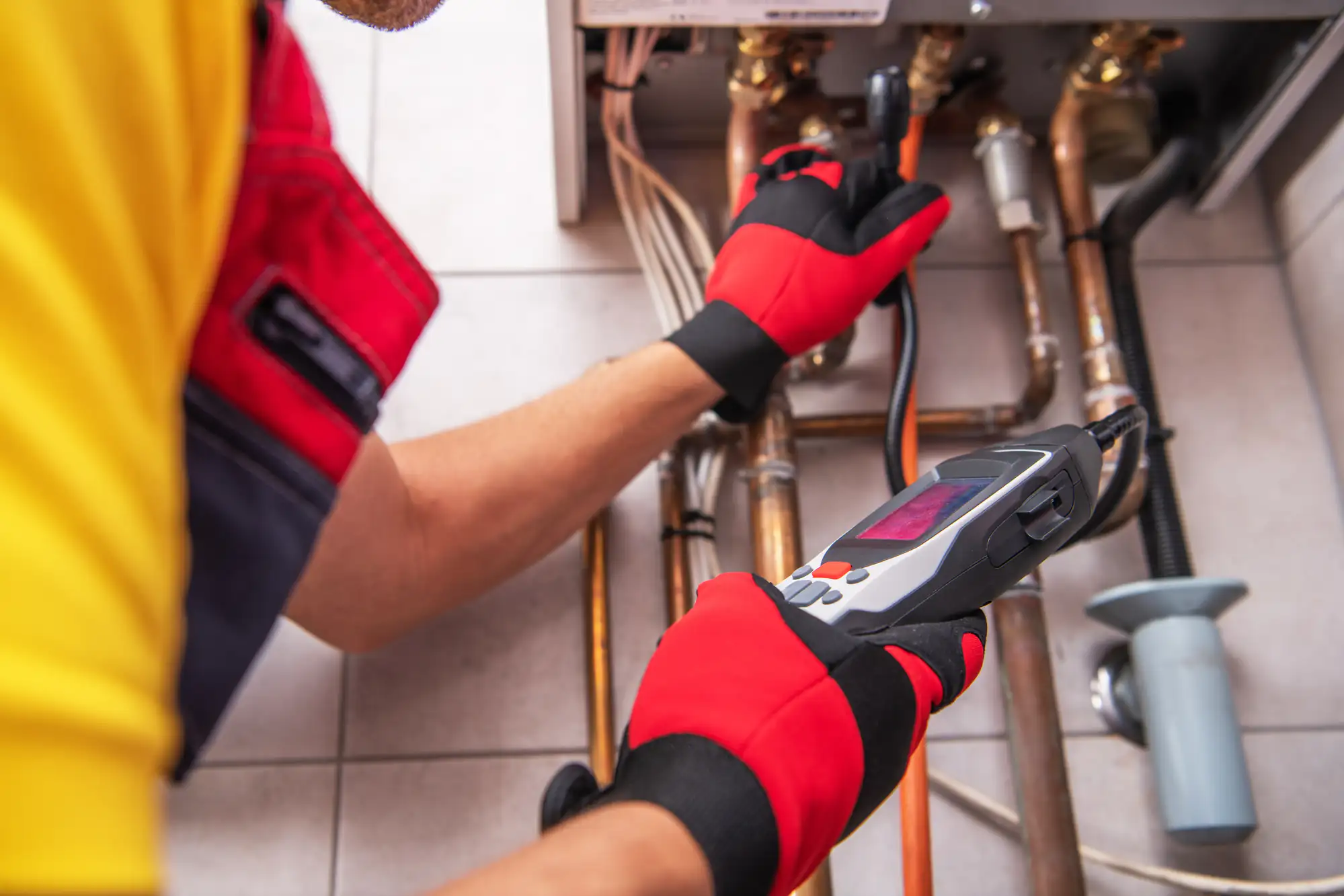
We show up when we say we will. Our technician walks through what they’re seeing, what needs to happen, and what it’s going to cost before any work starts. No surprises, no upselling you on stuff you don’t need.
If it’s a repair, we fix it. If you need a replacement, we talk through your options based on your home’s size, your budget, and what makes sense for Long Island’s coastal environment. We’re not pushing the most expensive option—we’re recommending what actually works for your situation.
For installations, we handle the whole project. One point of contact, one company responsible from start to finish. We pull permits, coordinate inspections, and make sure your new system is sized right and installed correctly the first time.
After the job’s done, we walk you through what we did and what you should keep an eye on. If you’re on a maintenance contract, you get priority response and regular tune-ups that catch problems before they become expensive emergencies.
Ready to get started?
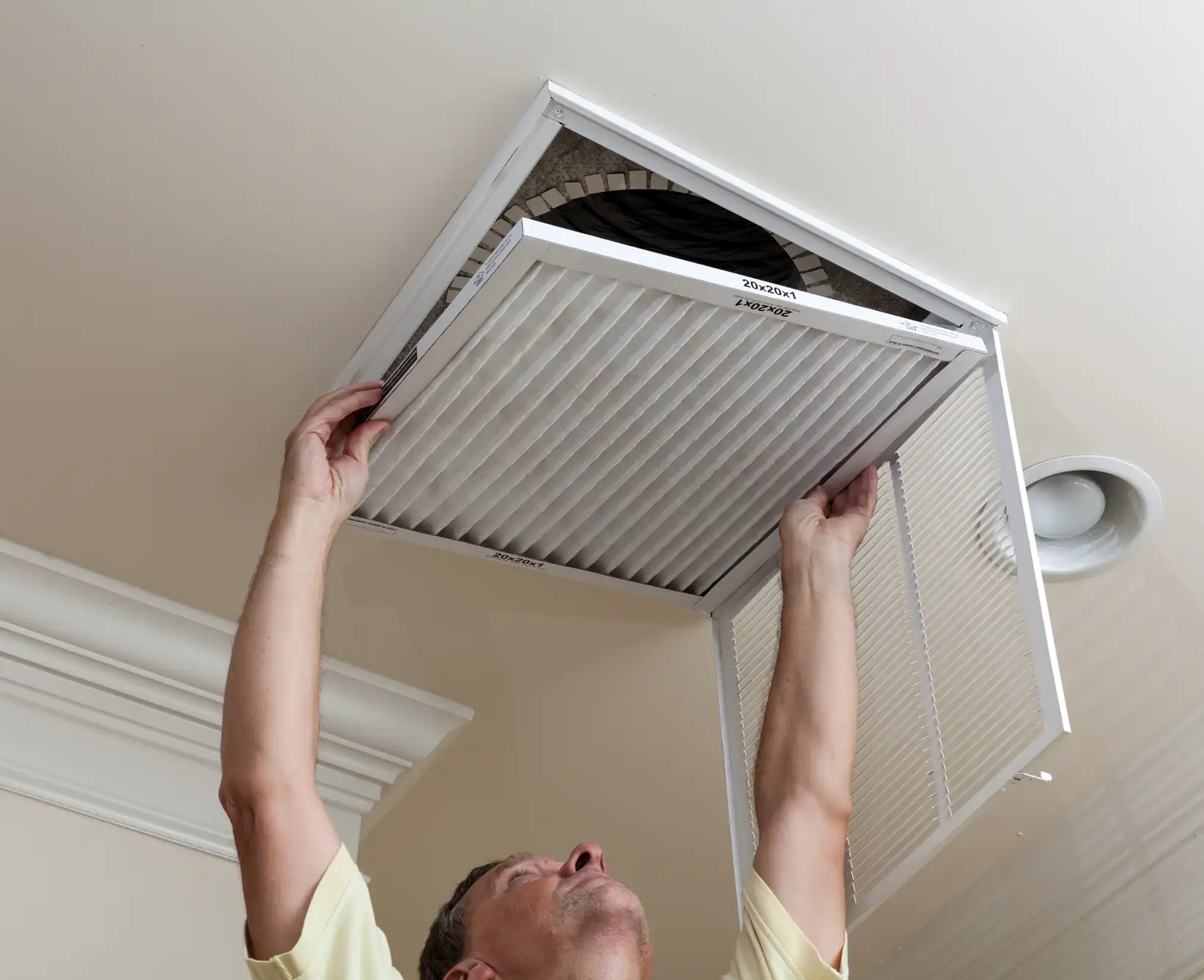
Air conditioning repair and furnace installation are the big ones, but there’s more to keeping your home comfortable. Your heating system needs maintenance before winter hits—filters changed, burners cleaned, safety controls tested. Waiting until it’s 20 degrees outside to find out your furnace doesn’t work isn’t a good plan.
HVAC replacement becomes necessary when your system’s past its useful life or repair costs don’t make sense anymore. In Brentwood, that happens sooner than you’d expect. Coastal homes deal with salt buildup and corrosion that cuts system lifespan significantly. We install systems with corrosion-resistant materials and oversized condensers designed specifically for this environment.
Indoor air quality matters more than most people realize. Your HVAC system circulates air through your entire home. If your ducts are dirty, your filters are clogged, or humidity levels are off, you’re breathing it. We assess ventilation, check for mold or allergen issues, and recommend solutions that actually improve the air your family breathes.
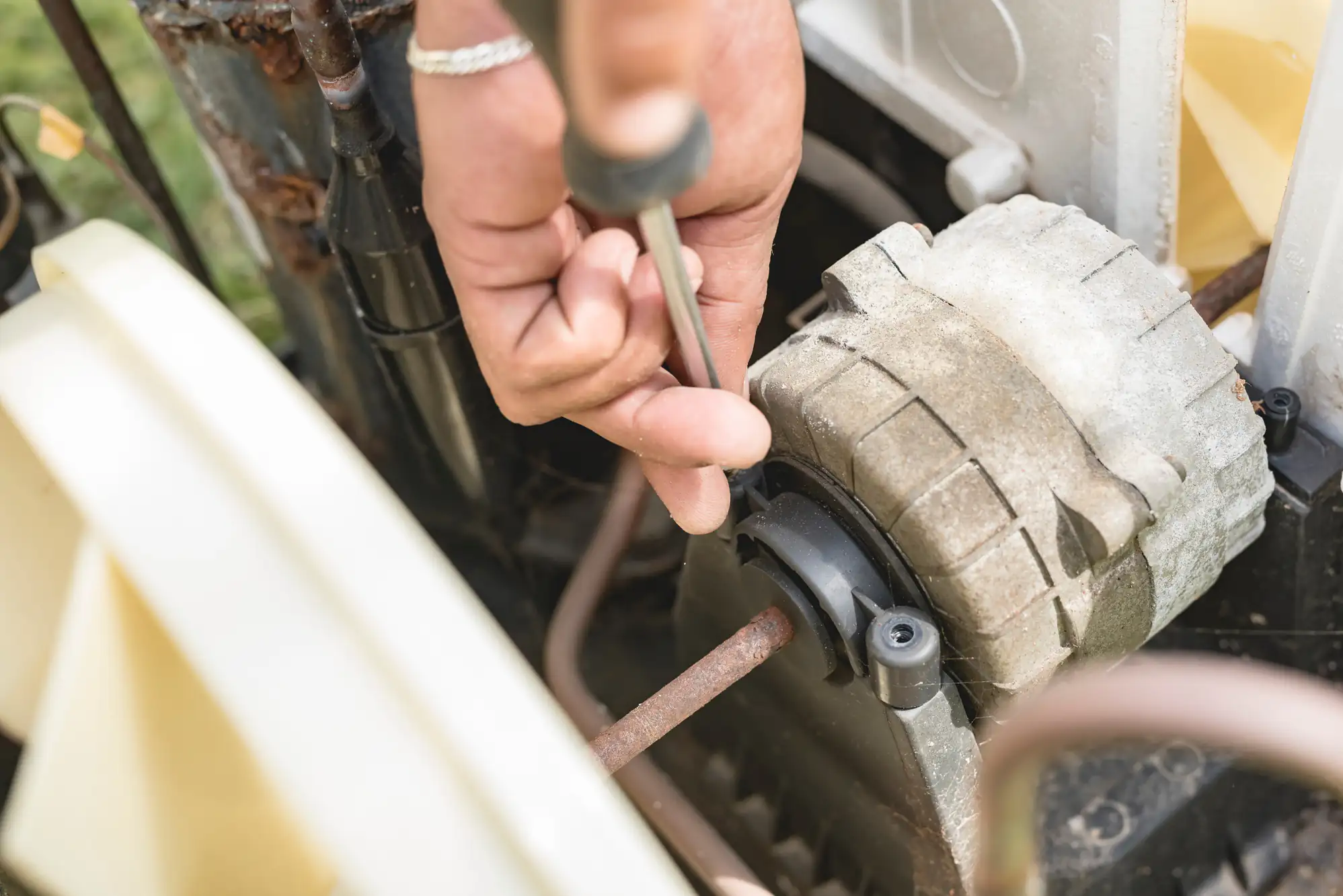
Heating system maintenance isn’t glamorous, but it’s what keeps you from waking up to no heat in January. We inspect your entire system, catch small issues before they become big ones, and make sure everything’s running safely and efficiently. For Brentwood homeowners, regular maintenance also means cleaning salt buildup that accelerates wear and tear on outdoor units.
Twice a year minimum—spring for your AC, fall for your heating system. That’s standard advice anywhere, but it’s even more important in Brentwood.
Long Island’s coastal environment accelerates wear on HVAC equipment. Salt air causes corrosion on outdoor units, high humidity stresses compressors, and seasonal temperature swings force your system to work harder than it would inland. Regular maintenance catches these issues early.
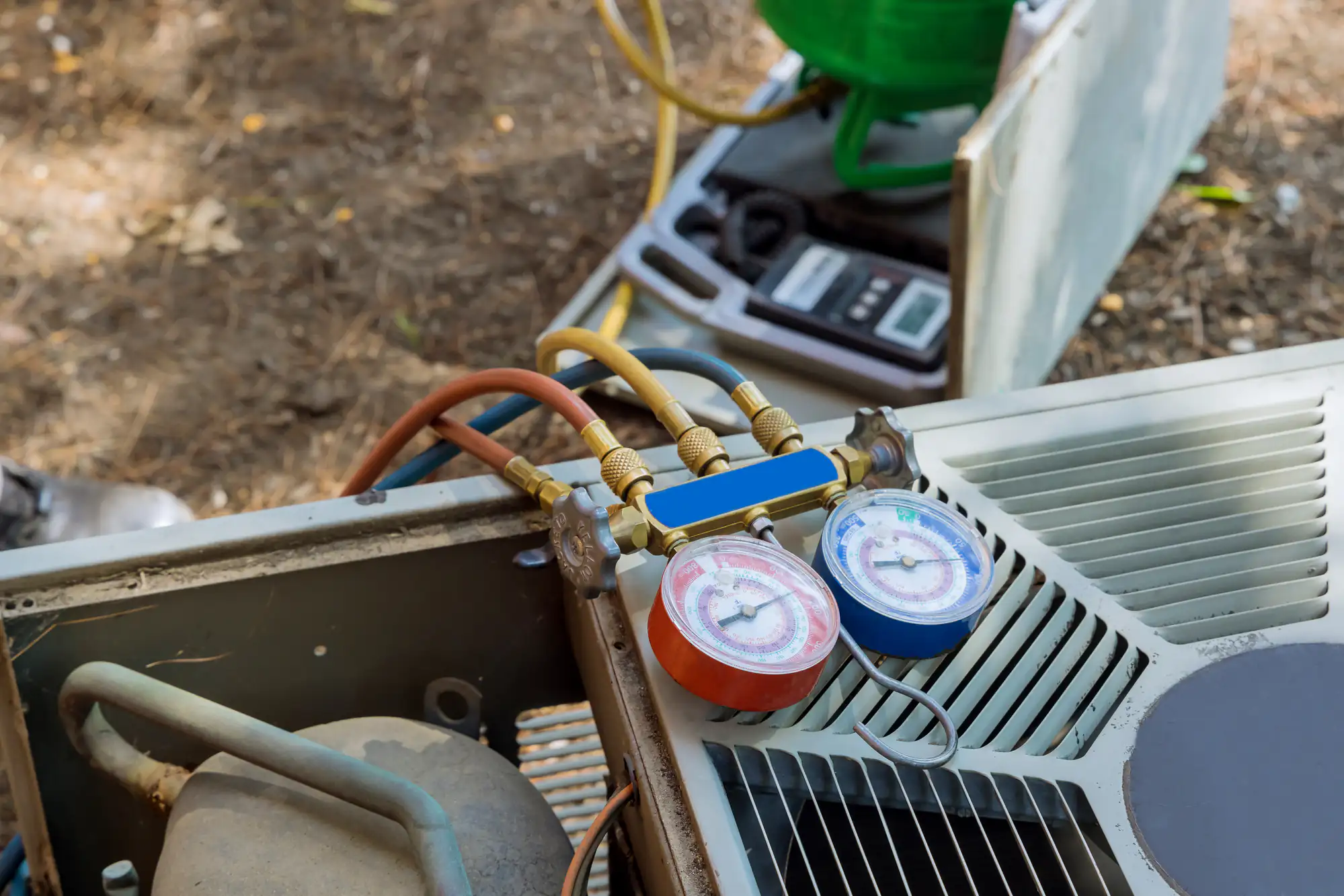
During a maintenance visit, we’re cleaning coils, checking refrigerant levels, testing electrical connections, inspecting ductwork, and replacing filters. We’re also looking for salt buildup on your outdoor unit and corrosion on components that are vulnerable in coastal climates. Catching a small refrigerant leak or a corroded wire now saves you from a complete system failure in July when you need it most. Most of our maintenance contract customers avoid the emergency calls that non-contract customers deal with every season.
For most Brentwood homes, you’re looking at $5,000 to $12,000 for a complete system replacement, but that range shifts based on your home’s size, the equipment you choose, and what your installation requires.
A 1,500 square foot home with straightforward ductwork and a standard efficiency system lands on the lower end. A 3,000 square foot home that needs ductwork modifications, a high-efficiency heat pump, or a zoned system pushes toward the higher end. Coastal homes sometimes need additional corrosion protection or specialized equipment, which affects cost.
Here’s what matters more than the sticker price: energy efficiency and longevity. A cheaper system that fails in eight years and costs 30% more to run isn’t saving you money. A properly sized, high-efficiency system designed for Long Island’s climate costs more upfront but cuts your energy bills significantly and lasts longer. New systems also qualify for utility rebates and federal tax credits—up to 30% back in some cases. We walk through actual numbers based on your specific home, not generic estimates, so you know what you’re paying for and why.
Shorter than you’d expect if you’re comparing to national averages. Inland systems last 15 to 20 years with proper maintenance. In Brentwood, you’re looking at 10 to 12 years for homes within a mile of the water, sometimes less if the system isn’t designed for coastal conditions.
Salt air is the main culprit. It corrodes outdoor unit components—coils, fins, electrical connections, cabinet panels. Humidity accelerates the process. Even with regular maintenance, coastal environments are harder on HVAC equipment than anywhere else.
That’s why installation matters so much here. Systems need corrosion-resistant coatings, oversized condensers to handle humidity, and proper drainage to prevent salt buildup. Regular maintenance extends lifespan significantly—monthly coil cleaning during peak salt exposure, protective treatments, and early replacement of vulnerable components before they fail. We’ve seen properly maintained coastal systems reach 15 years, but it requires attention that most homeowners and contractors skip. If your system’s approaching 10 years and you’re starting to see frequent repairs, replacement is usually smarter than continuing to patch an aging unit.
It depends on your home’s square footage, insulation, window quality, ceiling height, and how many people live there. There’s no one-size-fits-all answer, and getting it wrong costs you money and comfort.
An undersized system runs constantly, never quite reaches the temperature you set, and wears out faster from overwork. An oversized system short-cycles—turns on and off repeatedly—which wastes energy, doesn’t dehumidify properly, and also wears out faster. Both scenarios leave you uncomfortable and paying more than you should.
We do a proper load calculation before recommending equipment. That means measuring your home, checking insulation levels, counting windows, assessing ductwork, and factoring in Brentwood’s specific climate conditions. Most homes need 1 ton of cooling capacity per 400-600 square feet, but that’s a rough starting point, not a final answer. A 2,000 square foot home might need a 3-ton system or a 4-ton system depending on those other factors. We size systems based on your actual home, not generic formulas, because that’s the only way to get it right.
If your system’s under 10 years old and the repair costs less than half of replacement, repair usually makes sense. If it’s over 12 years old and repairs are adding up, replacement is typically smarter.
Here’s a useful rule: multiply your system’s age by the repair cost. If that number exceeds replacement cost, replace it. A 15-year-old system needing a $1,000 repair means you’re at $15,000 in the calculation—well above replacement cost for most homes. A 6-year-old system needing the same $1,000 repair is at $6,000—repair makes sense.
Also consider frequency. If you’re calling for repairs multiple times per year, you’re throwing money at a system that’s dying. Factor in efficiency too—older systems cost significantly more to run. A new high-efficiency system can cut your energy bills by 20-30%, which offsets replacement cost over time. In Brentwood’s coastal climate, systems age faster than elsewhere, so the math shifts sooner than you’d expect. We’ll walk through actual numbers for your situation—repair cost, replacement cost, energy savings, and realistic lifespan—so you can make the call that makes sense for your budget and your home.
Yes. We’re available 24/7 because HVAC emergencies don’t happen on a convenient schedule. Your heat quits at 2 AM in January, your AC dies on a Saturday afternoon in July—we’re answering the phone and getting someone to you.
For most Suffolk County locations, we’re on-site within an hour during critical situations. Our trucks stock common parts for major brands, which is why we resolve about 70% of emergency calls the same day. We’re not showing up to diagnose the problem and then ordering parts for next week—we’re fixing it now if it’s fixable.
Emergency rates apply for after-hours calls, but we’re transparent about pricing before we start work. If you’re on a maintenance contract with us, you get priority response and discounted rates on emergency service. Even if you’re not a contract customer, we’re not gouging you because your system picked the worst possible time to fail. We charge fairly for the expertise and availability you need when you need it most. Call us when something goes wrong—we’ll get your system running again.