
Hear from Our Customers
Your system stops failing when you need it most. That’s the difference between a properly sized, salt air-resistant installation and whatever the last guy did.
Homes this close to the water deal with corrosion most contractors don’t even think about. Standard outdoor units rust out in 10 years. Aluminum coils pit and leak. Humidity sits in your house even when the thermostat says 70.
We size systems based on your actual square footage, insulation, and sun exposure—not some formula from a truck. We use corrosion-resistant components designed for marine environments. And we set up dehumidification that actually works, so your home doesn’t feel like a sauna in July. The result is a system that lasts longer, runs more efficiently, and keeps your family comfortable without the constant service calls.
We’ve been handling heating and cooling across Suffolk County since 1984. That’s over 40 years watching systems fail for the same preventable reasons—and learning how to stop it from happening to yours.
Brightwaters sits right on the South Shore. Salt air eats through equipment. Humidity levels spike. Systems installed five miles inland don’t hold up here the same way. We’ve seen it hundreds of times, and we know what works and what doesn’t in this specific environment.
We’re available 24/7 because HVAC emergencies don’t wait for Monday morning. Every job starts with a free estimate, and we don’t inflate parts or hide fees. You’ll know exactly what you’re paying for and why it matters for a home in Brightwaters.
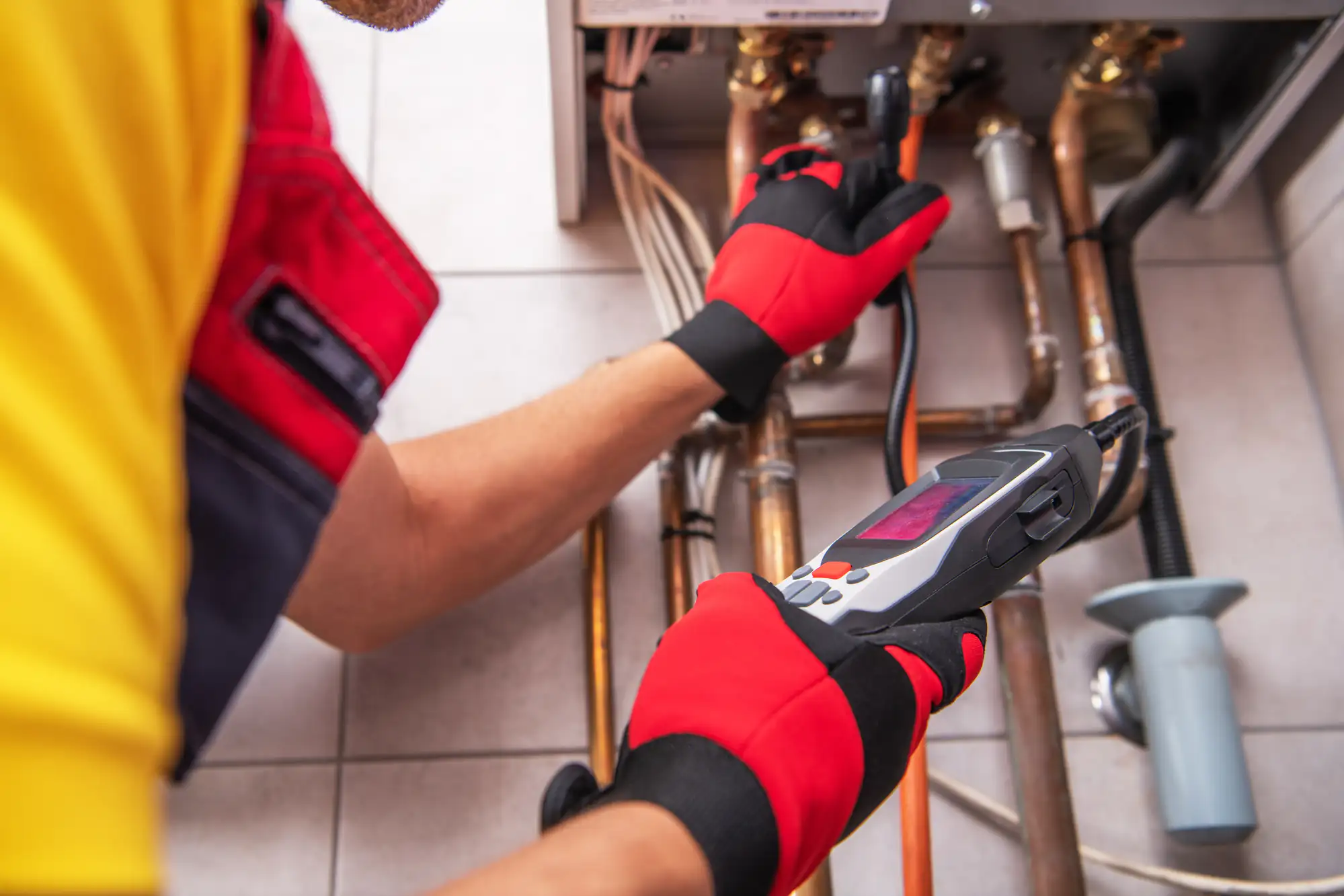
First, we come out and actually look at your home. Not just your current system—your insulation, your ductwork, your sun exposure, how close you are to the water. All of it affects what you need.
If it’s a replacement, we calculate the right size system based on real load calculations, not guesswork. Oversized units cycle too fast and leave humidity behind. Undersized units run constantly and never catch up. We get it right the first time so you’re not dealing with comfort issues six months later.
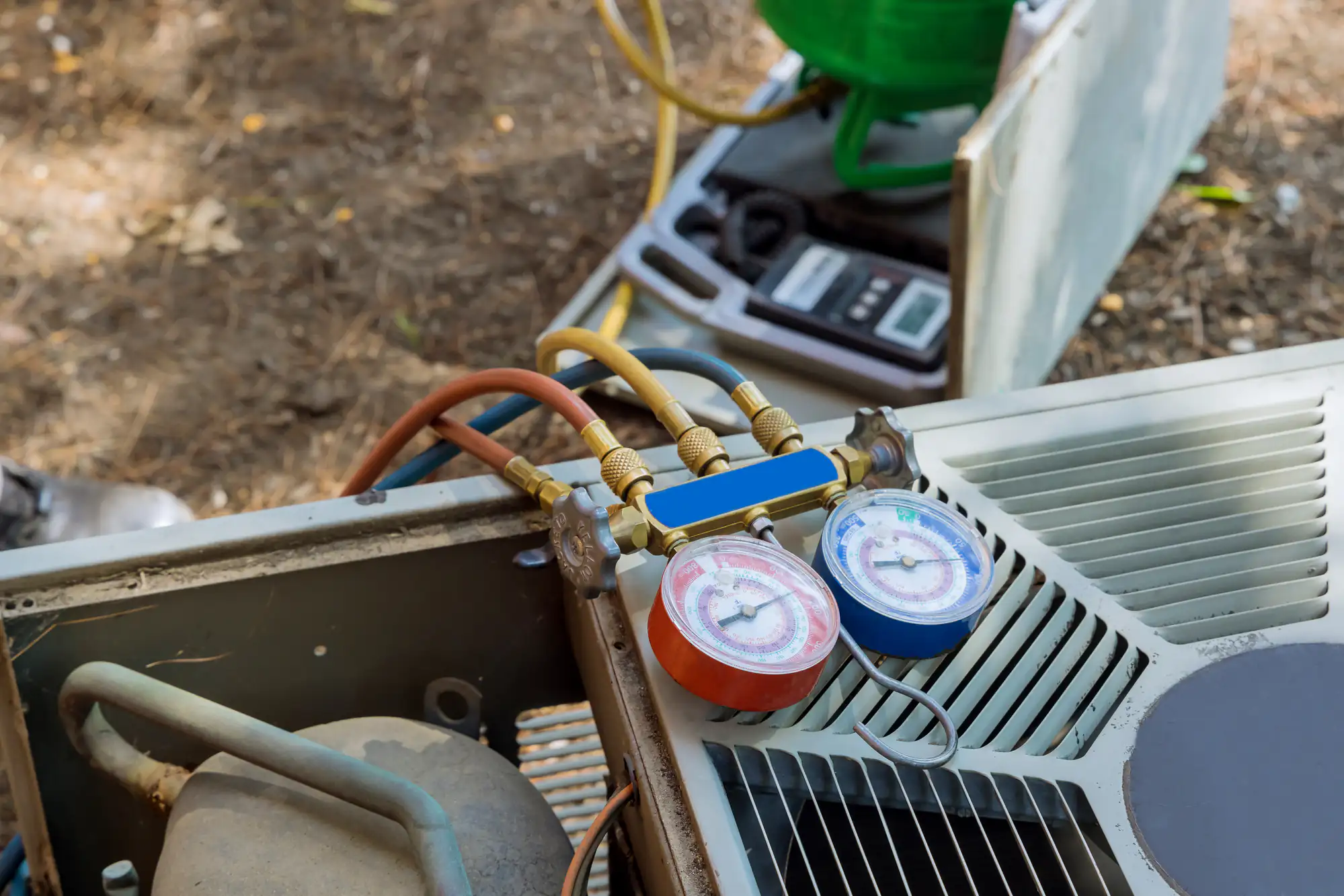
Installation includes corrosion-resistant components where they matter most, proper refrigerant charging, airflow testing, and humidity control setup. We don’t rush it. If your ductwork is leaking or your insulation is shot, we’ll tell you—because those problems will kill efficiency no matter what system you install.
For repairs, we diagnose the actual problem instead of just swapping parts until something works. You’ll get a clear explanation of what failed, why it failed, and what it’ll take to fix it. Then you decide.
Ready to get started?
Air conditioning repair when your system stops cooling or starts leaking. Furnace installation before winter hits and you’re stuck with a 30-year-old unit that’s burning money. Heating system maintenance to catch problems before they become expensive emergencies.
HVAC replacement when repair costs don’t make sense anymore—especially if your system is over 12 years old and sitting in salt air. Indoor air quality solutions for homes dealing with pollen, humidity, or ventilation issues that make your house feel stuffy no matter what the thermostat says.
Brightwaters has about 1,100 households, and a lot of systems were installed during the mid-2000s building boom. Those units are hitting end-of-life right now. If your outdoor unit is rusting, your coils are leaking, or you’re getting uneven temperatures room to room, you’re probably looking at replacement soon. Waiting until it dies in July means you’re stuck with whatever we can get you fast—not necessarily what’s best for your home.
We also handle ductless mini-splits for additions or rooms that never get comfortable, heat pumps for year-round efficiency, and emergency repairs when your system quits at the worst possible time. Everything’s designed to handle the humidity, salt air, and temperature swings that come with living this close to the water.
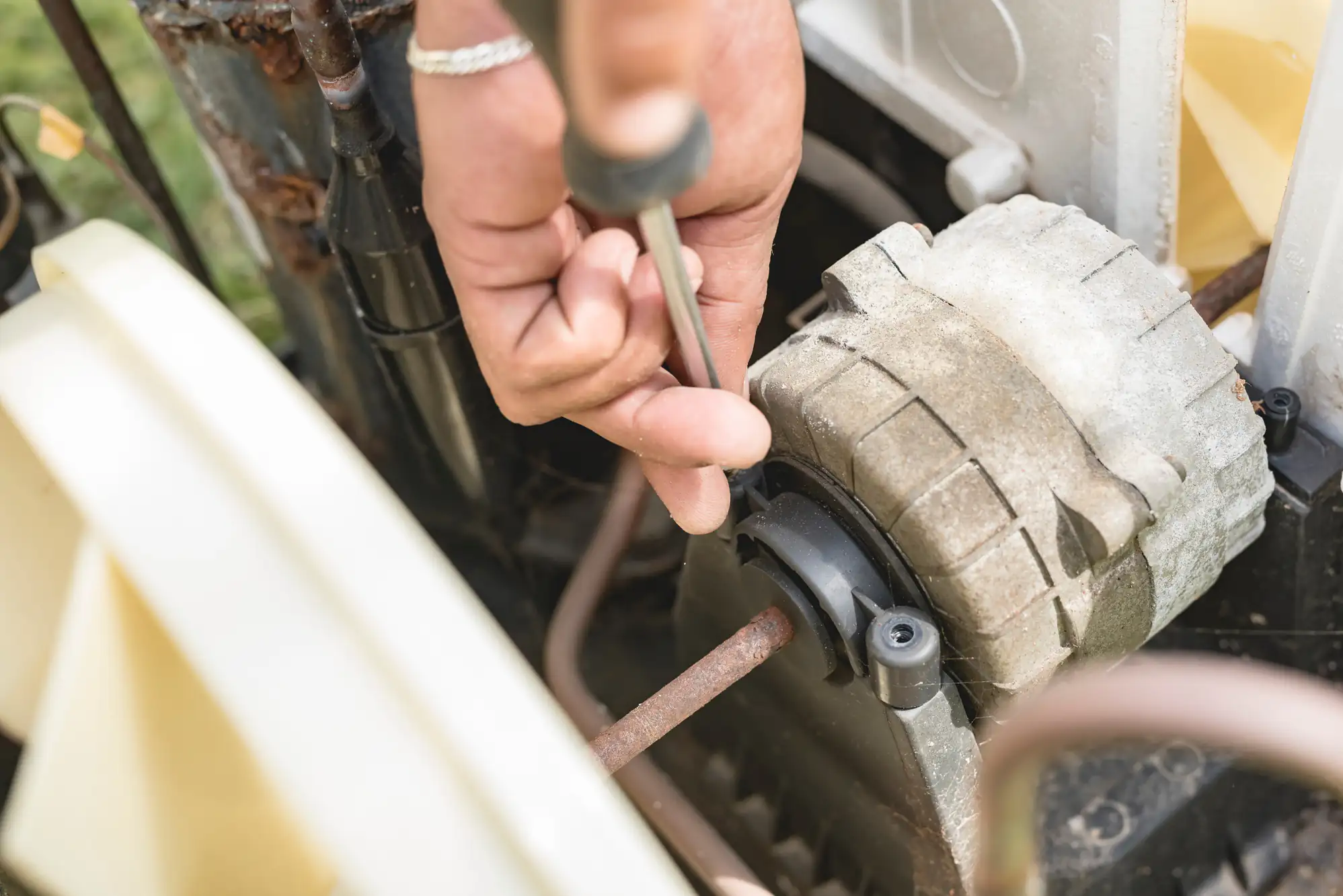
If you’re within a mile of the water, expect 10 to 12 years from a standard system. Homes farther inland can push 15 to 20 years, but coastal exposure changes everything.
Salt air corrodes outdoor units faster than most people realize. Coils pit, cabinets rust, and electrical connections deteriorate. You can extend that lifespan with the right components—aluminum Quantum coils hold up better than copper in marine environments, and corrosion-resistant cabinets add years to the equipment.
Regular maintenance helps too. Cleaning coils, checking refrigerant levels, and replacing filters keeps the system running efficiently and catches small problems before they become expensive failures. But even with perfect maintenance, coastal systems just don’t last as long as inland ones. It’s not a defect—it’s physics.
Your system is probably oversized, your airflow is off, or your dehumidification settings aren’t configured for coastal humidity levels. All three are common in Brightwaters.
Oversized AC units cool the air too fast and shut off before they’ve had time to pull moisture out. The temperature drops, but the humidity stays high, so your house feels clammy. Undersized ductwork or dirty coils reduce airflow, which also kills dehumidification. And a lot of systems just aren’t set up to handle the 70%+ humidity levels we get here in summer.
The fix depends on what’s actually wrong. Sometimes it’s adjusting fan speeds or adding a whole-home dehumidifier. Sometimes it’s replacing an oversized unit with one that’s properly sized for your space. We test airflow, check refrigerant charge, and measure actual humidity levels to figure out where the problem is—then fix it so your home actually feels comfortable, not just cool.
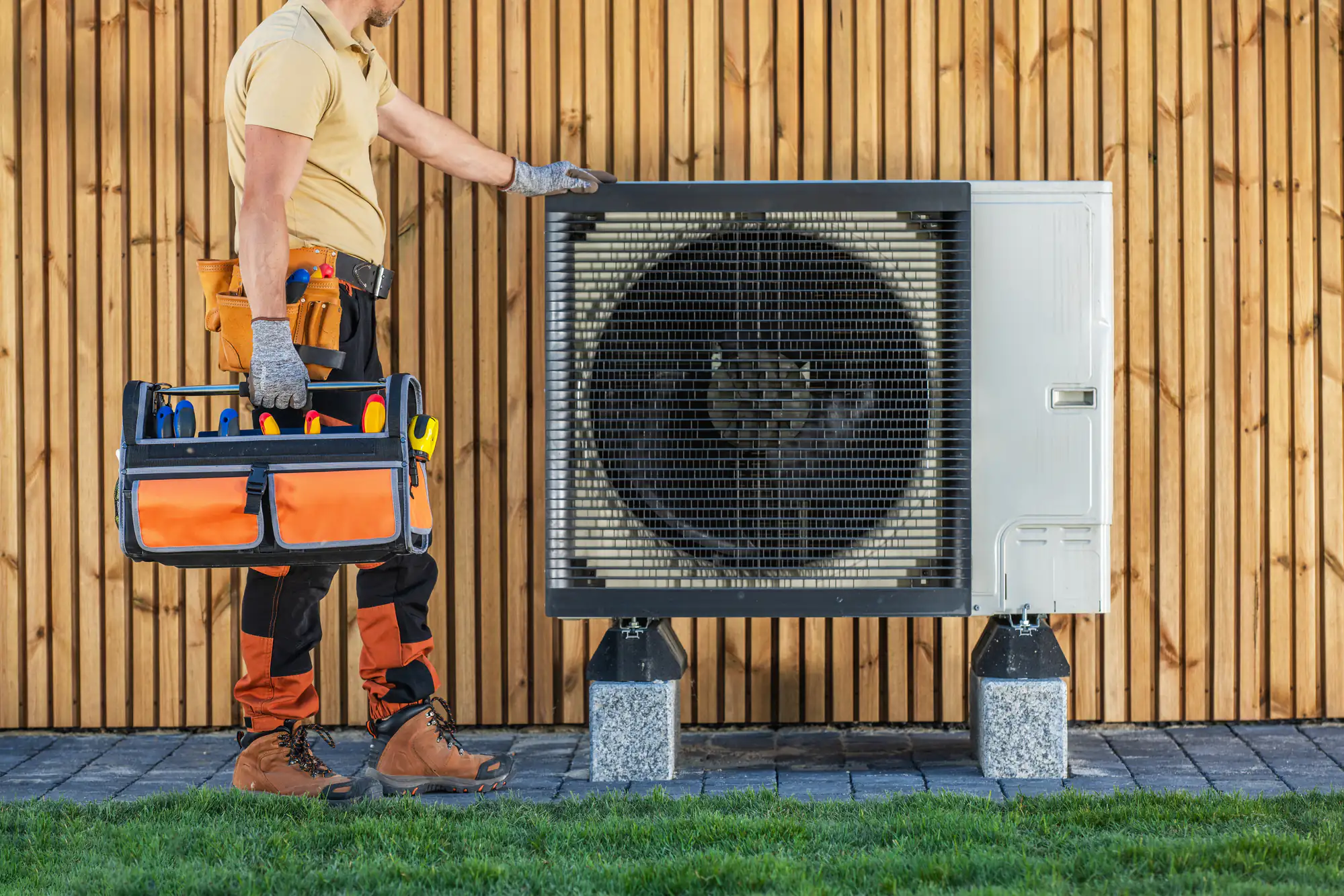
Corrosion resistance. Standard outdoor units use copper coils and steel cabinets that rust out fast near the ocean. Marine-grade systems use aluminum coils, coated cabinets, and components designed to survive constant salt exposure.
Copper coils are great for efficiency, but they corrode in coastal environments. Aluminum Quantum coils resist pitting and last significantly longer in salt air. Coated or stainless cabinets prevent the rust-through you see on older units sitting near the water. Even the fasteners and electrical connections matter—standard hardware corrodes and fails, marine-grade hardware doesn’t.
It costs a bit more upfront, but you’re not replacing the system in eight years because the coil rotted out. For homes in Brightwaters, especially closer to the bay, it’s not optional—it’s the only way to get a reasonable lifespan out of your equipment.
Depends on the size of your home, the system you choose, and what your ductwork looks like. For most Brightwaters homes, you’re looking at $8,000 to $18,000 for a complete replacement with a quality system.
That includes the outdoor unit, indoor air handler or furnace, thermostat, proper refrigerant charge, and installation labor. If your ductwork needs repair or replacement, add another $2,000 to $5,000 depending on how bad it is. High-efficiency systems or multi-zone setups cost more, but they also cut your energy bills and qualify for tax credits.
We give you a free estimate with actual numbers based on your home—not a range pulled from the internet. You’ll see exactly what equipment we’re proposing, why we’re recommending it for your specific situation, and what it costs. No surprises, no inflated parts pricing, no pressure to decide on the spot.
If your heat goes out in January or your AC dies during a heatwave, don’t wait. If it’s just running louder than usual or not cooling quite as well, you can probably schedule normal service.
No heat in winter is a safety issue, especially if you have young kids or elderly family members in the house. No AC in July isn’t just uncomfortable—it’s dangerous when indoor temps hit 85 or 90 degrees. Those situations need immediate attention, and that’s why we’re available 24/7.
But if your system is still running and just not performing great, waiting until morning is fine. You’ll get better availability, more time for proper diagnosis, and you won’t pay emergency rates for something that can be handled during business hours. We’ll tell you honestly whether it’s urgent or if it can wait—because we’re not here to upsell panic, we’re here to fix problems.
If the repair costs more than half the price of replacement and your system is over 10 years old, replacement usually makes more sense. If it’s a cheap fix and the system is relatively young, repair it.
Here’s the math: a $2,000 repair on a 12-year-old system sitting in salt air buys you maybe two more years before something else breaks. A new system costs $12,000 but lasts another 10 to 12 years, runs more efficiently, and comes with a warranty. The repair might feel cheaper today, but you’re just delaying the inevitable.
Age matters too. Systems over 10 years old use R-22 refrigerant, which is expensive and hard to find. Efficiency standards have improved significantly—new systems use 30% to 45% less energy than units installed in 2010. And if you’re dealing with frequent breakdowns, you’re already spending money on repairs that could go toward a replacement that actually solves the problem. We’ll walk through the numbers with you so you can make the call that makes sense for your situation and your budget.