Hear from Our Customers
Your upstairs bedroom finally matches the downstairs temperature. Your energy bill stops climbing every month for no reason. You stop hearing that rattling noise every time the system kicks on.
That’s what happens when your HVAC system actually works the way it should. Not just patched together until the next breakdown, but running efficiently, quietly, and consistently through Long Island’s humid summers and freezing winters.
You’re not dealing with uneven heating where the kids’ rooms feel like an icebox while the living room is fine. You’re not wondering if your system will make it through another season. And you’re definitely not paying for the same repair twice because someone didn’t fix it right the first time.
We’ve been handling HVAC and refrigeration work across Long Island since the early ’80s. We’ve seen every type of system, every brand, and every problem that Central Islip homes throw at us—from aging furnaces in post-war houses to undersized AC units struggling in newer construction.
We’re not a national franchise or a call center dispatching the cheapest available tech. Our team is licensed, insured, and works directly for us. When you call at 2 a.m. because your heat went out, you’re talking to someone who can actually help—not a voicemail or an answering service.
Central Islip homeowners deal with specific challenges: spring temperature swings that stress systems, summer humidity that exposes weak cooling, and winter cold that reveals which furnaces won’t make another year. We know this area because we’ve been working here for decades.
You reach out—phone, email, whatever works for you. We ask a few questions to understand what’s going on with your system. If it’s an emergency, we dispatch immediately and typically arrive within two hours across Nassau and Suffolk Counties.
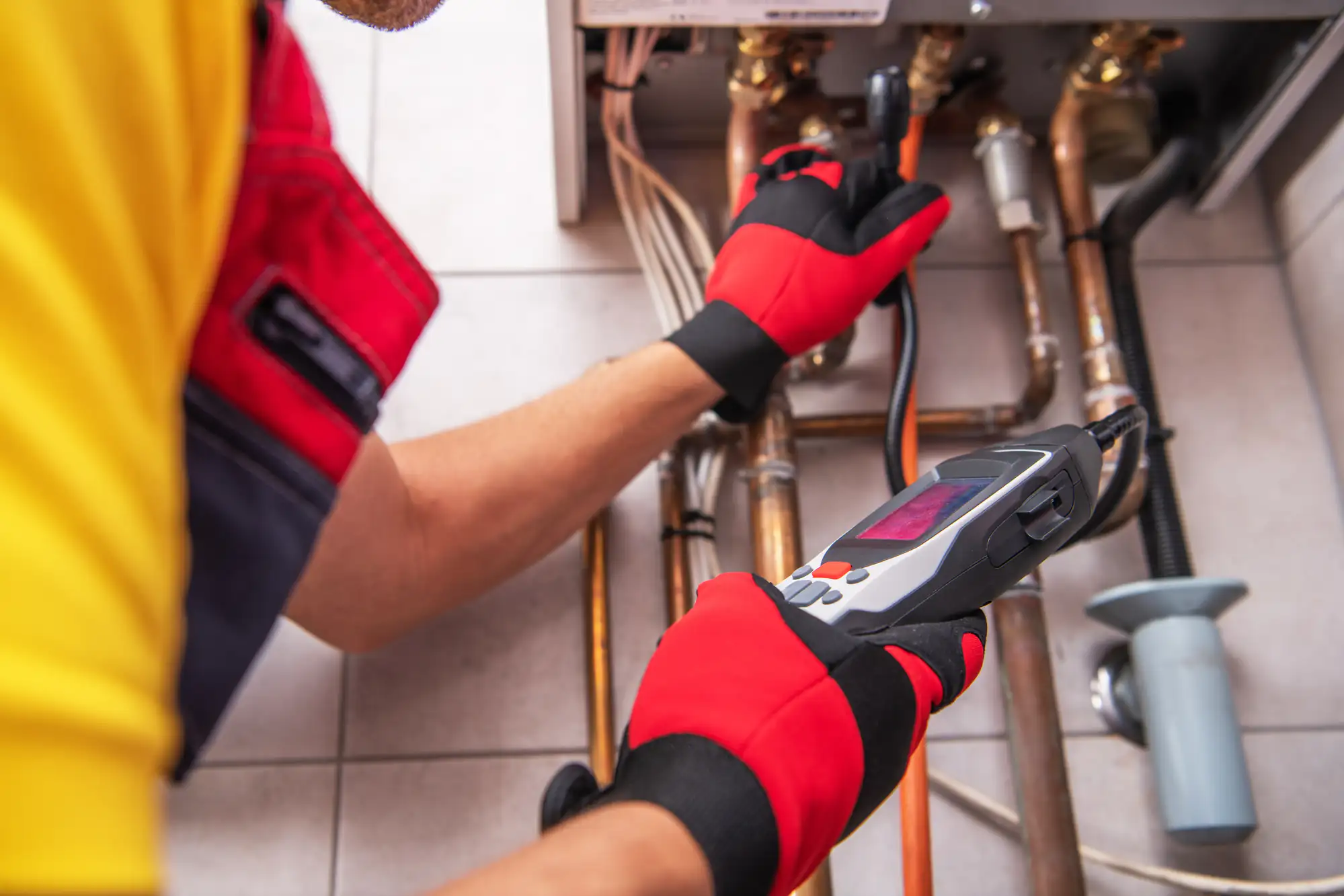
Once we’re there, we diagnose the problem. No guessing, no upselling parts you don’t need. About 70% of our emergency calls get fixed the same day because our trucks carry extensive inventory for major brands. If it’s a bigger job—like a full furnace installation or HVAC replacement—we walk you through exactly what needs to happen, what it costs, and how long it takes.
After the work is done, we test everything, show you how to operate it if anything changed, and set up a maintenance schedule if you want one. You get one point of contact through the whole process. No handoffs, no confusion about who’s responsible.
If something doesn’t work right after we leave, you call us back. We don’t disappear after the install.
Ready to get started?
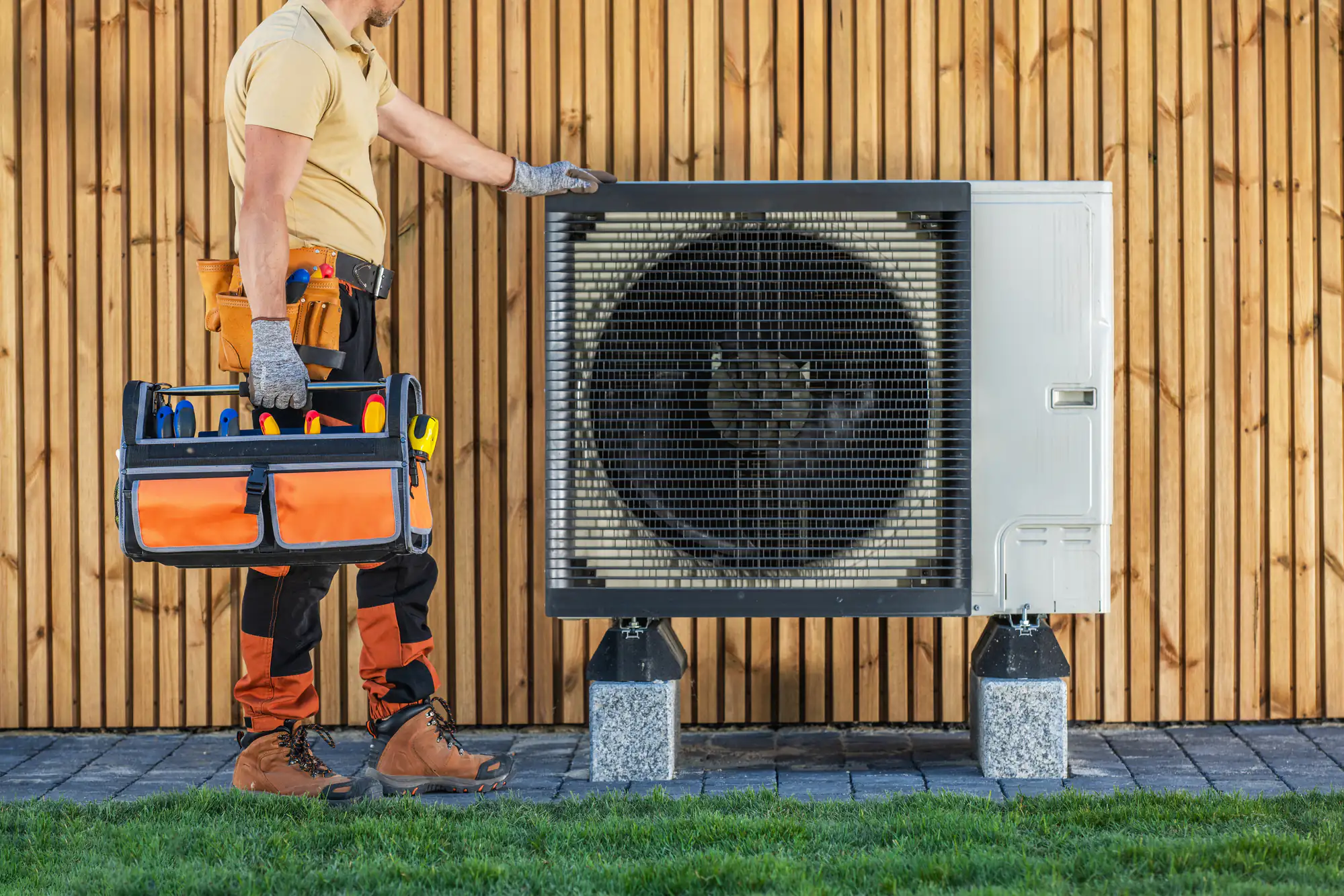
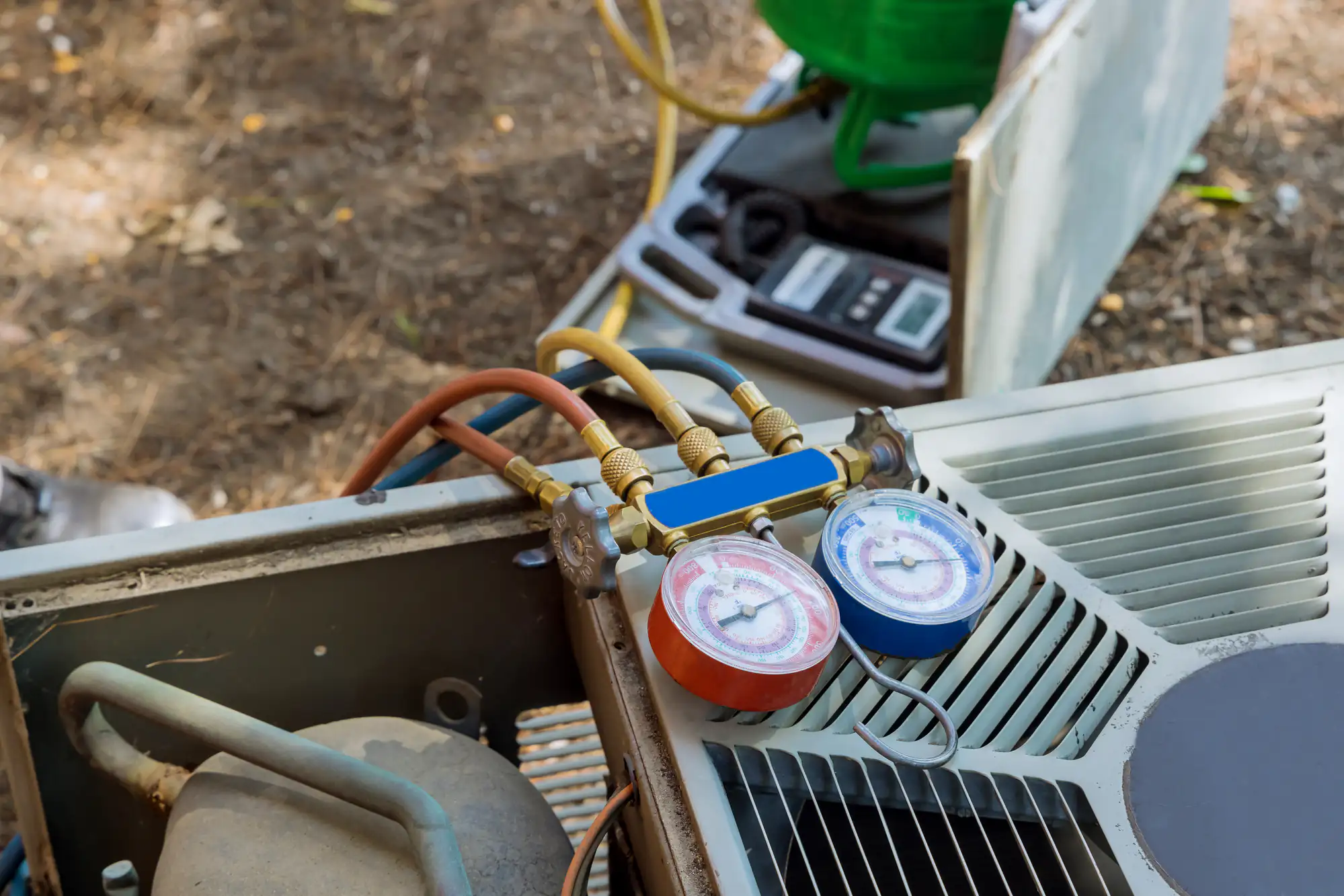
We handle air conditioning repair when your system isn’t cooling properly—whether that’s a refrigerant leak, a failing compressor, or ductwork that’s never been balanced right. We also do furnace installation and heating system maintenance, which matters in Central Islip where October’s first cold snap reveals which systems won’t survive winter.
HVAC replacement is a big part of what we do. If you’re running a 20-year-old furnace that’s operating at 60% efficiency, replacing it with a modern 96% AFUE unit can cut your gas consumption by 30-40% immediately. That’s not marketing talk—that’s physics. We help you access NYS Clean Heat rebates too, which can put $5,000 to $12,000 back in your pocket for air-source heat pumps.
Indoor air quality is something more Central Islip homeowners are asking about, especially if allergies are worse at home than outside or you’re smelling something off when the system runs. We assess your ductwork, filtration, and humidity levels to figure out what’s actually causing the problem.
Long Island’s housing stock is all over the place—Levitt houses from the ’50s, split-levels from the ’70s, newer construction in surrounding areas. Each has different HVAC challenges, and we’ve worked on all of them.
It depends on the size of your home, the efficiency rating you choose, and whether your existing ductwork and gas lines can handle the new unit. A basic furnace replacement for a typical Central Islip home usually starts around $4,000 to $6,000, but that can go higher if you’re upgrading to a high-efficiency model or if we need to modify your ductwork.
Here’s what affects the price: A 96% AFUE furnace costs more upfront than an 80% model, but it pays for itself in three to five years through lower gas bills. If your home has undersized gas lines—common in some Brentwood and Central Islip developments from the ’70s—that adds to the job. And if your ductwork is leaking or poorly balanced, fixing that at the same time makes sense so your new furnace actually performs the way it should.
We give you a free estimate that breaks down exactly what you’re paying for. No surprises, no “we found something else” calls halfway through the job.
If your AC is running but not cooling, that’s a repair. If some rooms stay warm no matter what you set the thermostat to, that’s a repair. If you hear grinding, squealing, or banging noises, that’s a repair. And if your energy bill jumped without you changing how you use the system, something’s wrong.
A tune-up is preventive—cleaning coils, checking refrigerant levels, tightening electrical connections. A repair means something’s already broken or failing. Weak airflow usually points to a blower motor issue or ductwork problem. Short cycling—where the system turns on and off constantly—often means a bad compressor, refrigerant leak, or oversized unit. Unusual odors can indicate mold in the ducts or burnt-out wiring.
Long Island’s humidity makes AC problems worse because your system has to work harder to dehumidify, not just cool. If you’re noticing issues in May or early June, don’t wait until July when everyone else’s system fails too. We can usually get out faster before peak season hits.
If your system is under 10 years old and the repair costs less than half the price of replacement, fix it. If it’s over 15 years old and you’re looking at a major repair—like a compressor or heat exchanger—replacement usually makes more sense.
Here’s the math: A 20-year-old furnace operating at 60% efficiency is wasting 40% of the gas you’re paying for. A modern 96% AFUE furnace cuts that waste almost entirely, which can save you hundreds of dollars every winter. If you’re already spending $1,500 on a repair for an old system, putting that money toward a new one gets you better efficiency, a warranty, and no more emergency calls at midnight.
We’re not going to push you into a replacement if a repair makes sense. But we’re also not going to patch a dying system three times in one year when you could’ve had a new one installed after the first failure. We’ll tell you honestly what we’d do if it were our house.
For genuine emergencies—no heat in winter, no AC during a heat wave, refrigerant leak, electrical issue—we dispatch immediately and typically arrive within two hours anywhere in Nassau or Suffolk County. We staff 24/7 because HVAC emergencies don’t happen on a schedule.
When you call, you talk to a real person, not a voicemail system. We ask what’s happening, what you’re seeing or hearing, and whether it’s safe to wait or if we need to move faster. If your furnace quit on a 20-degree night and you have kids or elderly family in the house, we treat that differently than a system that’s just running inefficiently.
About 70% of our emergency calls get fixed the same day because our trucks carry parts for most major brands. If we need to order something, we’ll tell you upfront how long it takes and what your options are in the meantime. We don’t leave you guessing or waiting by the phone.
Yes. The NYS Clean Heat Program offers rebates from $5,000 to $12,000 for air-source heat pumps, and we handle the paperwork so you’re not figuring it out yourself. Federal tax credits ended in December 2025, but state and utility incentives still make New York one of the best places to install a heat pump in 2026.
Here’s how it works: We assess whether a heat pump makes sense for your home based on your current heating system, ductwork, and insulation. If it does, we walk you through the rebate application, install the system to meet program requirements, and submit the documentation. You get the rebate after the work is approved—usually a few weeks to a couple of months depending on the program’s backlog.
Heat pumps work well in Long Island’s climate now. The technology has improved enough that they handle winter temperatures without needing a backup system in most homes. And because they cool and heat, you’re replacing both your AC and furnace with one unit, which simplifies maintenance and reduces long-term costs.
Heating system maintenance includes cleaning or replacing filters, inspecting the heat exchanger for cracks, checking gas pressure and burner flames, testing safety controls, lubricating moving parts, and making sure your thermostat is calibrated correctly. It takes about an hour and catches problems before they become emergencies.
Is it necessary? If you want your furnace to last its full 15 to 20-year lifespan and not fail during the coldest week of January, yes. A cracked heat exchanger can leak carbon monoxide. A dirty filter forces your system to work harder, which increases your energy bill and shortens the equipment’s life. A failing ignitor or flame sensor will leave you without heat at the worst possible time.
Most Central Islip homeowners schedule maintenance in September or early October, right before heating season starts. That’s when we can catch issues and order parts without the pressure of a freezing house. If you skip maintenance and your furnace quits in December, you’re competing with everyone else who also skipped it—and paying emergency rates for a repair that could’ve been prevented.