Hear from Our Customers
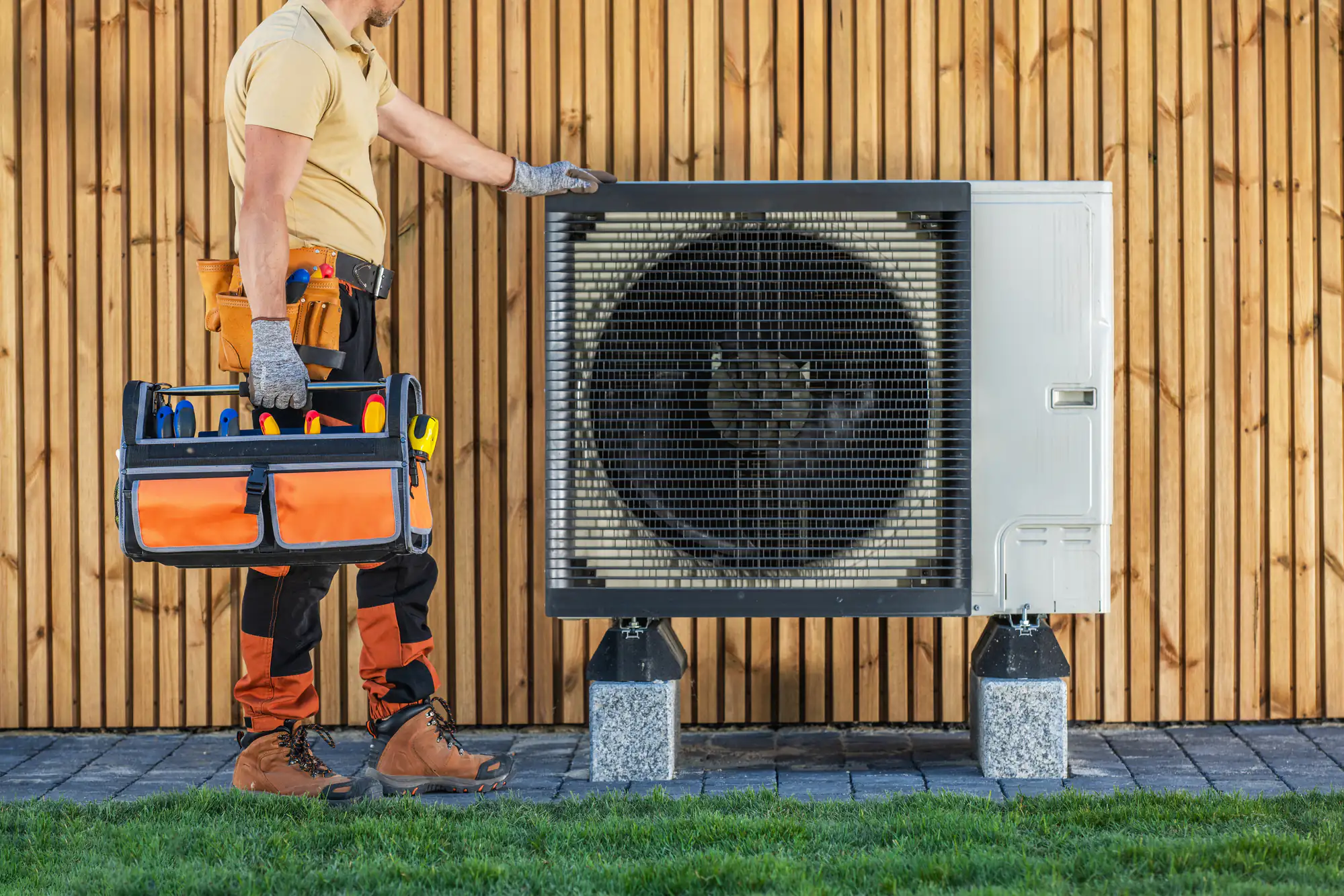
You stop worrying about whether the AC will hold up through August. You stop checking the thermostat every hour wondering if the heat’s really on. Your energy bill drops because the system isn’t fighting itself to keep up.
That’s what happens when your HVAC system is installed right and maintained by people who know what they’re doing. Not just certified—experienced. The kind of experience that comes from 40+ years working on complex commercial refrigeration and marine HVAC systems where failure isn’t an option.
Most residential systems fail because they were undersized from day one, installed by the lowest bidder, or neglected until something breaks at the worst possible time. You’re dealing with equipment that’s supposed to last 15 to 20 years but starts struggling after five because nobody caught the refrigerant leak, the ductwork was never sealed, or the filter hasn’t been changed in two years.
When your system works the way it should, you’re not calling for emergency repairs in July or January. You’re not wondering if you need to replace the whole thing or just patch it one more time. You know what you have, what it costs to run, and when it’ll need attention.
Chill Xpert Solutions started in commercial refrigeration and marine HVAC. Walk-in coolers for restaurants. Climate control for yachts. Systems that can’t go down because there’s too much on the line.
That background matters when you’re dealing with a residential system in Copiague. Waterfront homes here face salt air, humidity swings, and equipment that corrodes faster than it should. Older homes have ductwork that was never designed for central air. Newer builds are sealed so tight that indoor air quality becomes a real issue without proper ventilation.
We’ve been serving Long Island for over four decades. Licensed, insured, and available 24/7 when you actually need help. We’re not the biggest name you’ll find, but we’re the ones other contractors call when they’re stuck.
You call or submit a request. We respond fast—usually within an hour for emergencies, same day for everything else. No phone tree, no runaround.
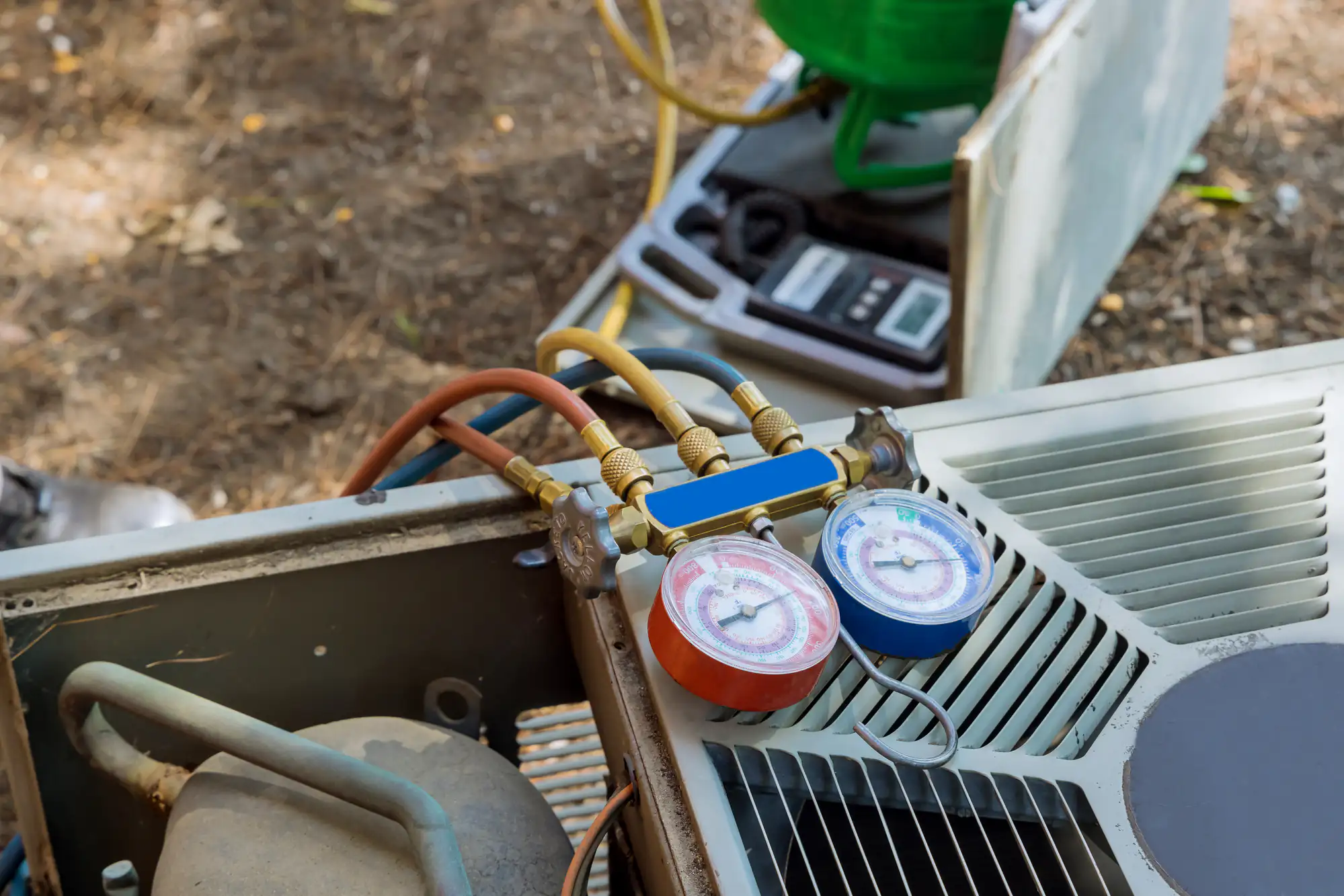
We show up with parts. About 70% of our service calls get completed the same day because we stock what actually breaks. Capacitors, contactors, thermostats, refrigerant, blower motors. If it’s a common failure point, it’s on the truck.
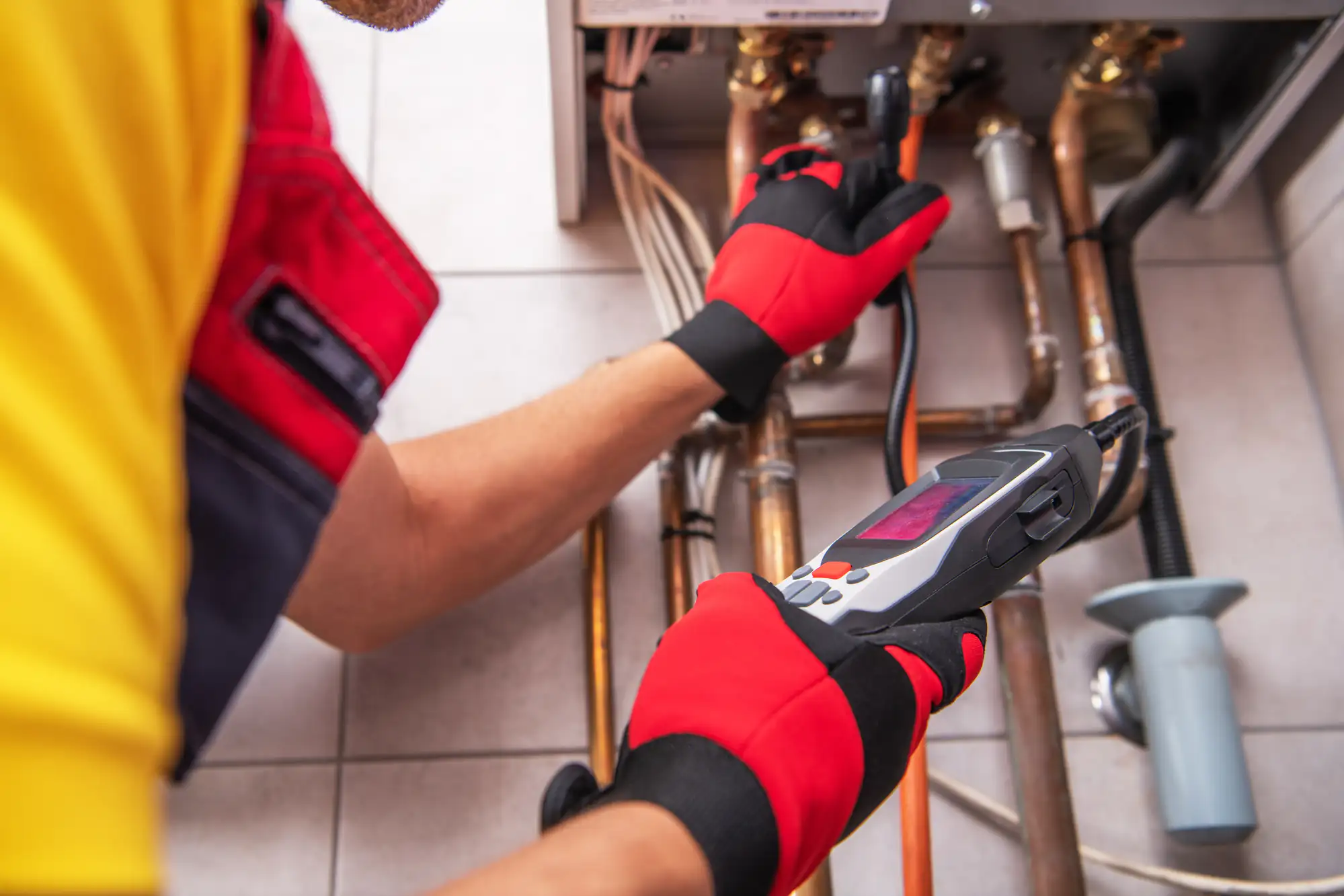
We diagnose the problem and explain what’s happening in plain terms. Not to upsell you, but so you understand what failed, why it failed, and what it’ll take to fix it right. If it’s a repair, we give you a flat price before we start. If it’s a replacement, we walk through your options based on your home, your budget, and what’ll actually perform well in Copiague’s climate.
Once the work’s done, we test everything. Airflow, refrigerant charge, thermostat calibration, safety controls. We don’t leave until it works the way it should. Then we show you what we did and answer any questions you have about maintaining it going forward.
Ready to get started?
Air conditioning repair and installation. Furnace service and replacement. Heat pump systems that actually work in cold weather. Ductwork inspection and sealing. Indoor air quality solutions including filtration, humidity control, and ventilation upgrades.
Copiague homeowners are dealing with rising energy costs right now. Heating oil is over $4 per gallon, and even natural gas bills are climbing. If your system is more than 10 years old, you’re likely spending 30% to 40% more than you need to on utilities. A high-efficiency replacement pays for itself faster than it used to—sometimes in five or six years instead of ten.
We also handle the specific challenges that come with living near the water. Salt air corrodes outdoor units faster. Humidity levels swing throughout the year. Older homes near the coast weren’t built with central air, so retrofitting requires someone who understands how to balance airflow without tearing apart your walls.
And if you’re selling soon, know this: buyers are walking away from homes with old, inefficient HVAC systems. A modern, high-efficiency setup increases your appraisal and shortens your time on the market. It’s one of the few upgrades that actually pays you back.
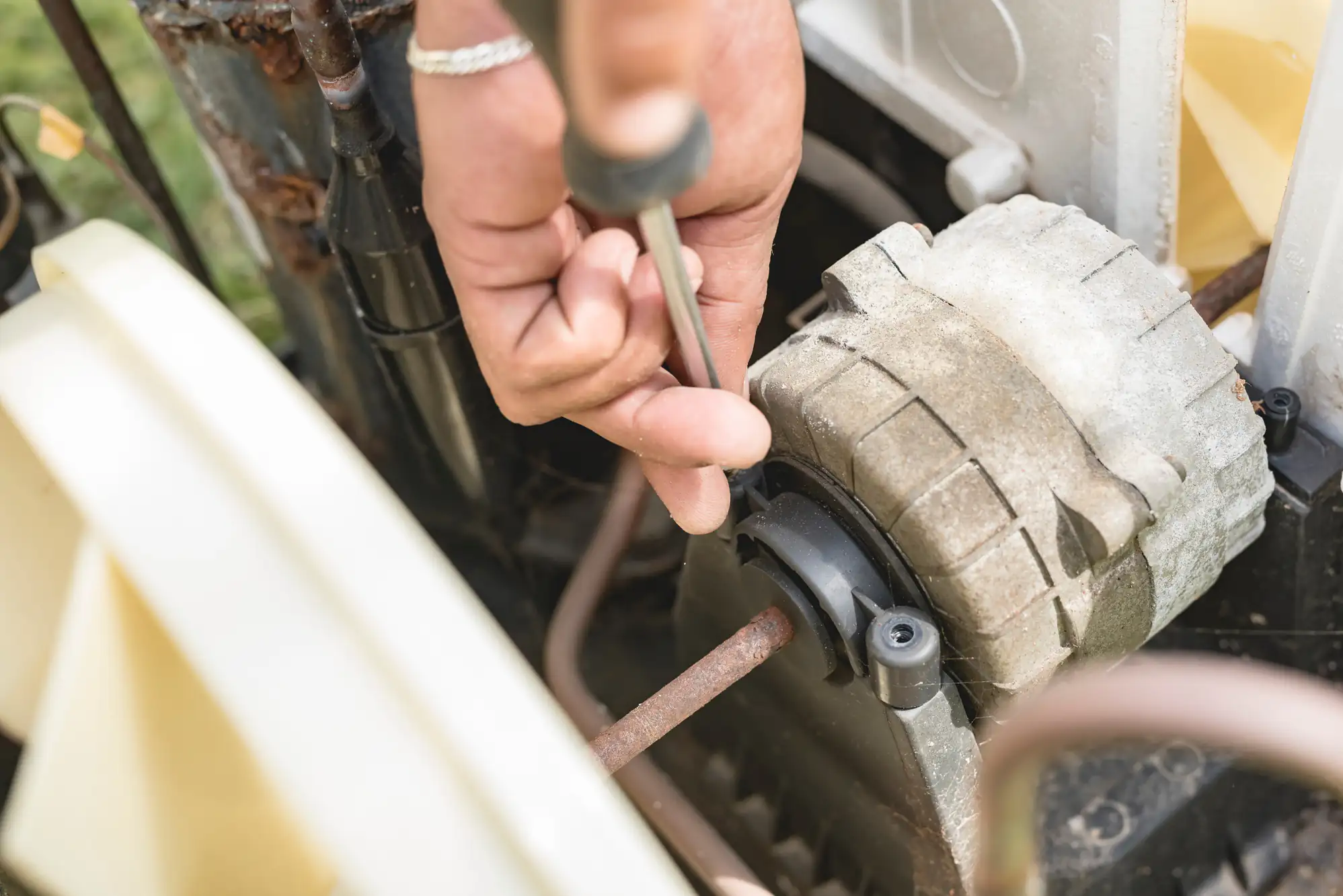
System replacement costs have nearly doubled since 2019. What used to run $6,000 to $8,000 now typically falls between $12,000 and $15,000 or higher, depending on the size of your home, the efficiency level you choose, and whether you need ductwork modifications.
That’s not a markup—it’s the market. Equipment costs are up. Labor costs are up. Refrigerant regulations have changed. If someone quotes you significantly less, ask what they’re cutting. Undersized equipment, cheaper components, or skipped steps during installation will cost you more in repairs and energy bills within a few years.
We give free estimates that break down exactly what you’re paying for. Equipment, labor, permits, warranty. No surprises, no pressure. And if there are rebates or tax credits available through New York State’s Clean Heat Program or federal efficiency incentives, we’ll walk you through how to claim them.
Once a year, ideally in the fall before you need it. That’s when we catch the problems that turn into no-heat emergencies in January.
A maintenance visit includes inspecting the heat exchanger for cracks, testing the ignition system, checking gas pressure and burner flame, cleaning or replacing filters, and verifying that all safety controls work. For heat pumps, we also check refrigerant levels and defrost cycles since they work harder in winter here than in milder climates.
Spring weather on Long Island swings between cool nights and warm afternoons. That stop-and-start use hides problems until summer humidity makes comfort issues obvious. If you’re running both heating and cooling throughout the year, it’s worth having someone check the system twice—once before heating season, once before cooling season. Our maintenance contracts include priority service and discounted rates if something does break.
If your system is less than 10 years old and the repair costs less than half of a replacement, fixing it usually makes sense. If it’s older than 15 years, breaks down frequently, or the repair costs more than $2,000, replacement is often the smarter move.
Here’s why: older systems are less efficient, use refrigerants that are being phased out, and have parts that are harder to find. You might fix the compressor this year and the blower motor next year, spending $4,000 total on a system that’s still inefficient and likely to fail again.
A new system cuts your energy costs, comes with a 10-year parts warranty, and gives you modern features like variable-speed airflow and smart thermostat integration. Over the 15 to 20 years you’ll own it, the efficiency savings alone often cover a significant portion of the upfront cost. We’ll walk you through the math based on your actual usage and what a comparable new system would cost to run.
Yes. We respond to genuine emergencies 24/7 and typically arrive within two hours across Nassau and Suffolk County.
A genuine emergency means no heat when it’s below freezing, no AC when it’s dangerously hot, or a system that’s actively leaking or creating a safety hazard. We don’t charge extra just because it’s after hours, but we do prioritize calls where someone’s health or safety is at risk.
When we show up, we bring the parts that usually fail during emergencies. Igniters, thermocouples, capacitors, contactors, and refrigerant. Most emergency calls get resolved the same day without waiting for parts to be ordered. If it’s something we can’t fix on the spot, we’ll at least get your system running safely until we can schedule the full repair.
Yes, and it’s becoming a bigger issue as homes are built or renovated to be more airtight. Better insulation and sealed windows save energy, but they also trap allergens, humidity, and stale air inside.
Indoor air quality solutions start with proper ventilation. Your HVAC system should be bringing in fresh air and exhausting stale air, not just recirculating the same air over and over. We can add energy recovery ventilators that bring in fresh air without losing your heating or cooling.
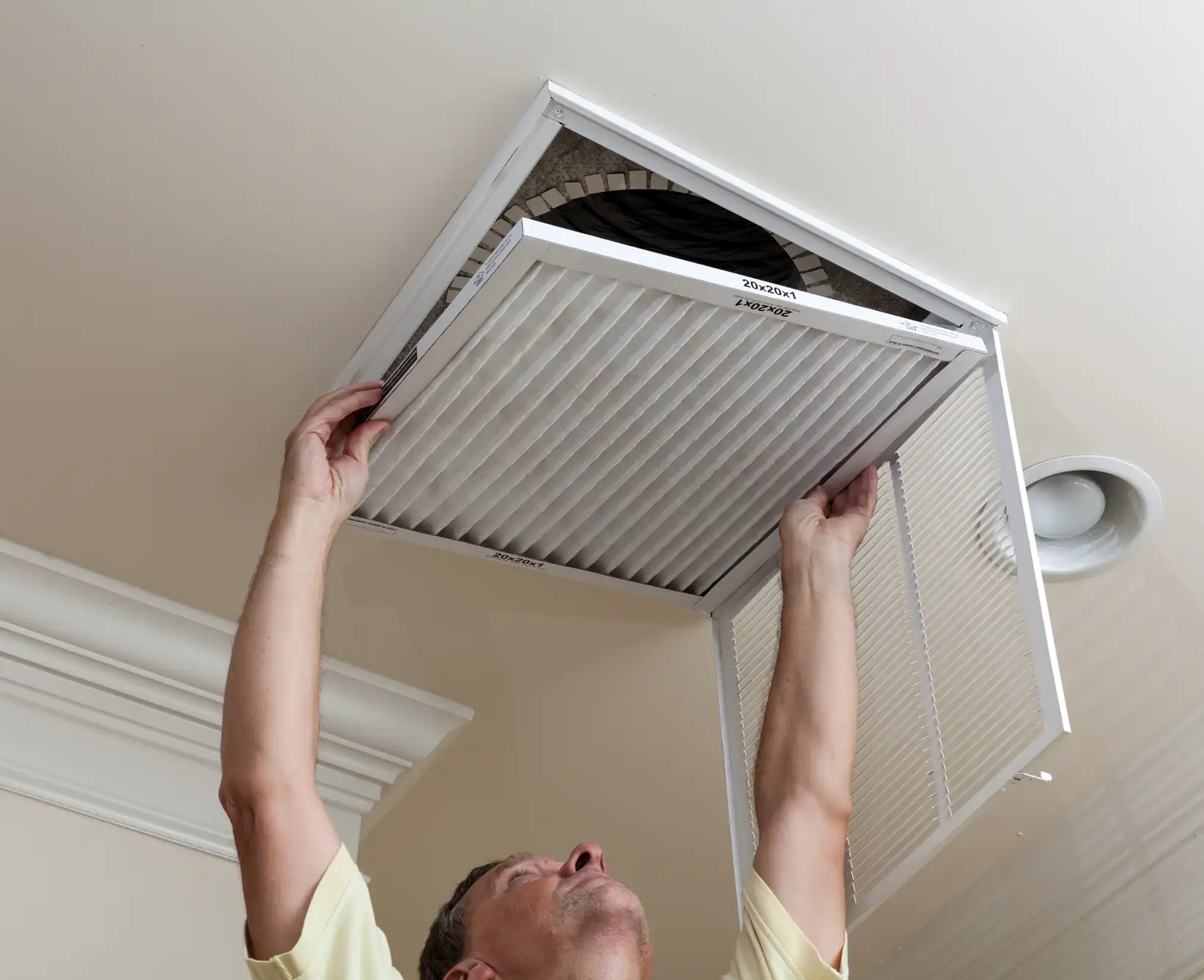
Filtration is the next step. Standard fiberglass filters catch large particles but miss most allergens, mold spores, and fine dust. Upgrading to a MERV 11 or higher filter, or adding a whole-home air purifier, makes a noticeable difference if anyone in your home has allergies or asthma.
Humidity control matters too, especially near the coast. Too much humidity promotes mold growth and makes your home feel warmer than it is. Too little dries out your skin and respiratory system. A whole-home dehumidifier or humidifier integrated with your HVAC system keeps levels consistent year-round.
Because we’ve been fixing complex systems for over 40 years, and residential HVAC is straightforward compared to what we usually handle.
Our background is in commercial refrigeration and marine HVAC. Walk-in coolers that can’t go down during service. Climate control systems on yachts where space is tight, salt air is constant, and failure isn’t an option. That level of precision and reliability translates directly to residential work.
We’re not the cheapest option, and we don’t try to be. You’re paying for experience, parts inventory, and the confidence that the job gets done right the first time. We show up when we say we will. We explain what’s wrong in terms you’ll understand. We give you a flat price before we start. And we don’t leave until your system works the way it should.
If you’re in Copiague and you need someone who knows HVAC systems inside and out—not just someone who can swap parts until something works—call us. Free estimates, honest answers, and four decades of proof that we know what we’re doing.