Hear from Our Customers
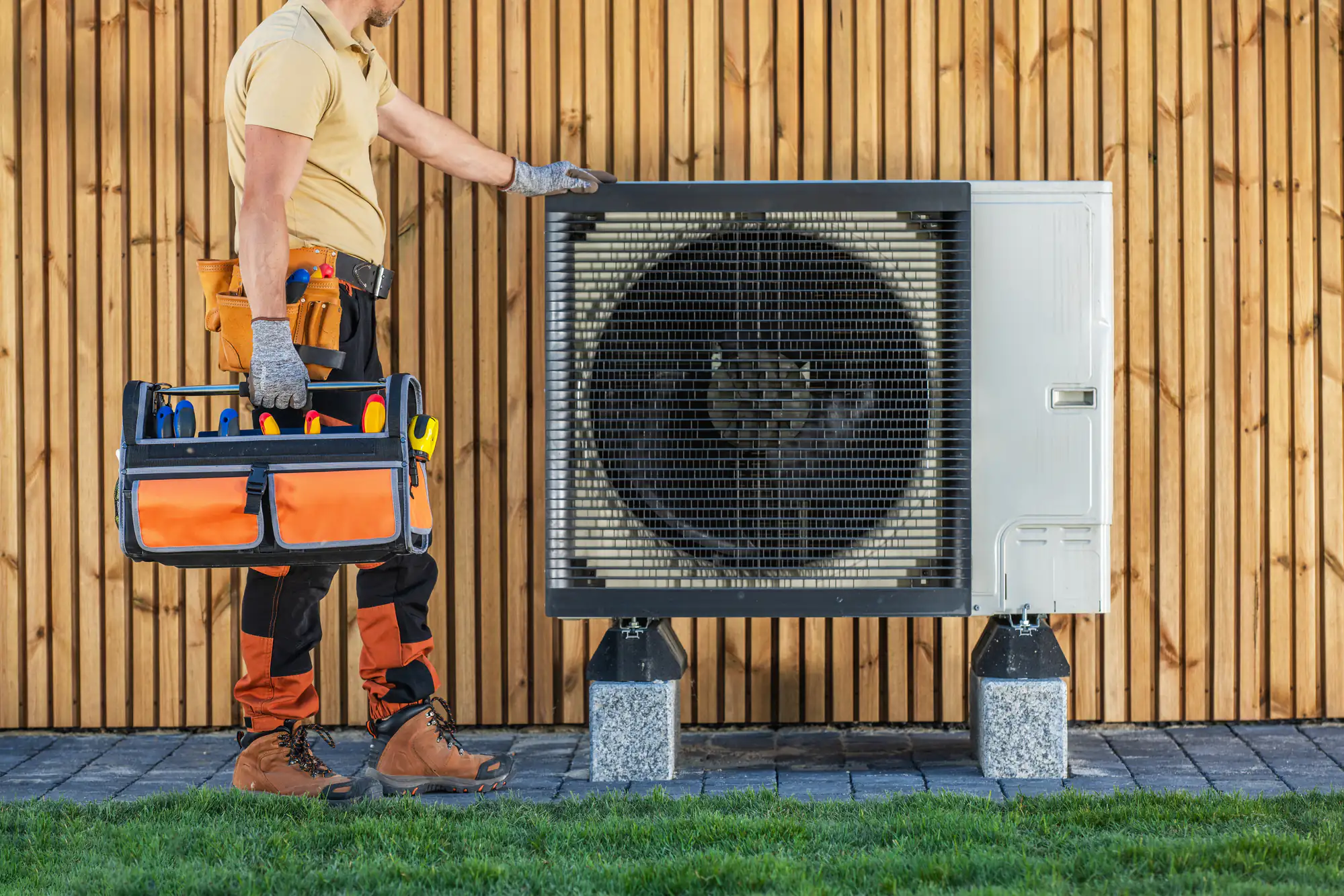
Most HVAC contractors install the same equipment they’d put in a home 50 miles inland. Then you’re replacing your system in 10 years instead of 20.
Coastal homes need different care. Monthly condenser coil rinsing. Anti-corrosive coatings. Equipment rated for humidity that never quits. That’s not extra service—it’s what keeps your investment running.
Your system works harder here than it would anywhere else. Salt particles mix with moisture and speed up corrosion. Humidity sits heavy most of the year. Temperatures swing harder than you’d expect. Standard maintenance schedules don’t account for any of that.
We size systems for your actual square footage and insulation, not some formula. We walk through airflow issues before recommending a replacement. And when we install heating system maintenance plans, they’re written for coastal conditions—not copied from a manual.
We’ve spent over 40 years installing and servicing HVAC systems from Montauk to Manhattan. We started in marine HVAC and commercial refrigeration—environments where salt air and constant moisture aren’t occasional problems, they’re daily realities.
That background matters when you’re choosing someone to handle air conditioning repair or furnace installation in Cutchogue. We’ve seen what fails first in coastal homes. We know which manufacturers actually stand behind their corrosion warranties. And we’ve learned how to extend system life in conditions that most contractors never deal with.
Cutchogue homeowners aren’t looking for the cheapest bid. You’re looking for someone who won’t have to come back in three years to explain why your condenser coil is corroded through. We’re licensed, insured, and available 24/7 when something breaks at the worst possible time.
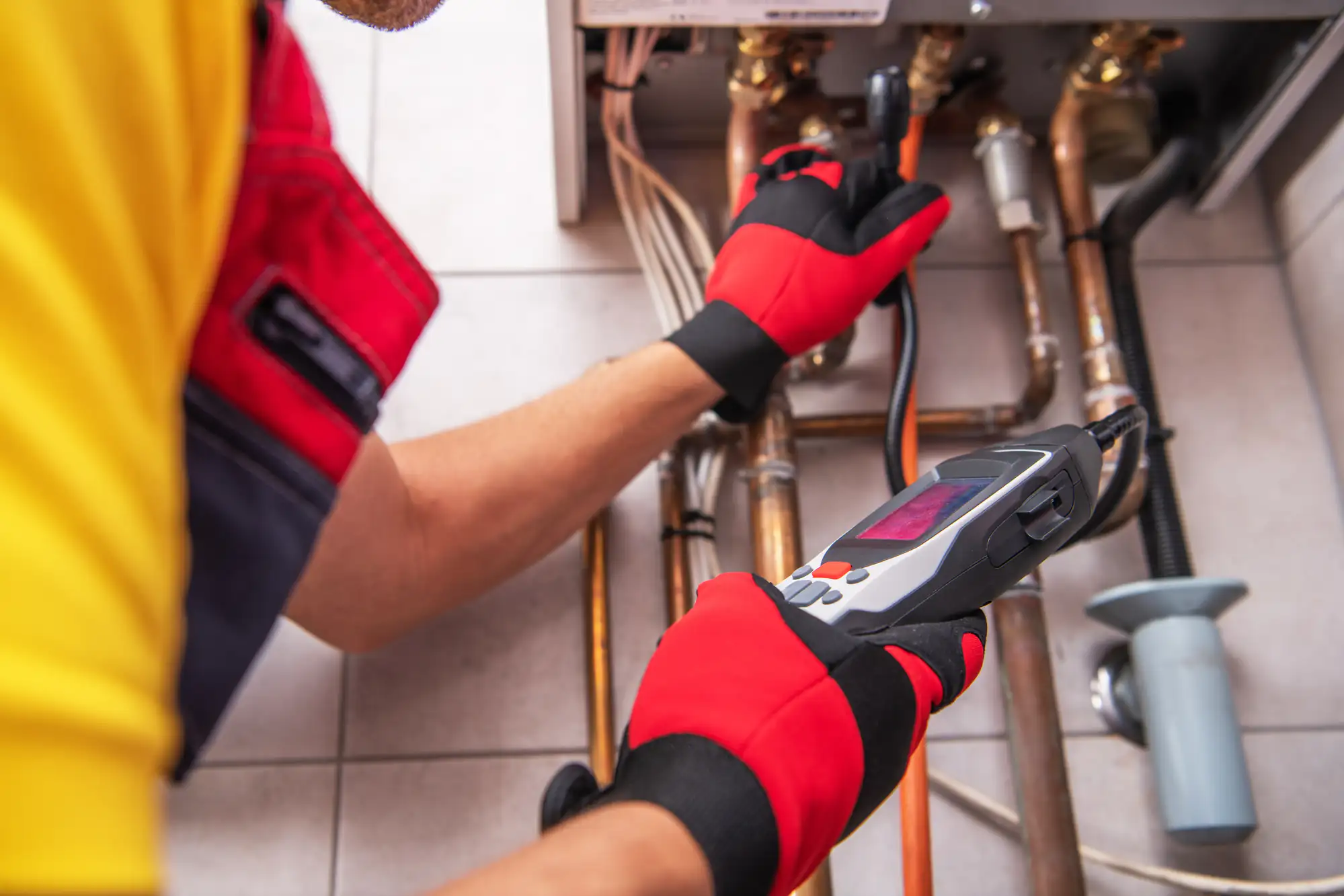
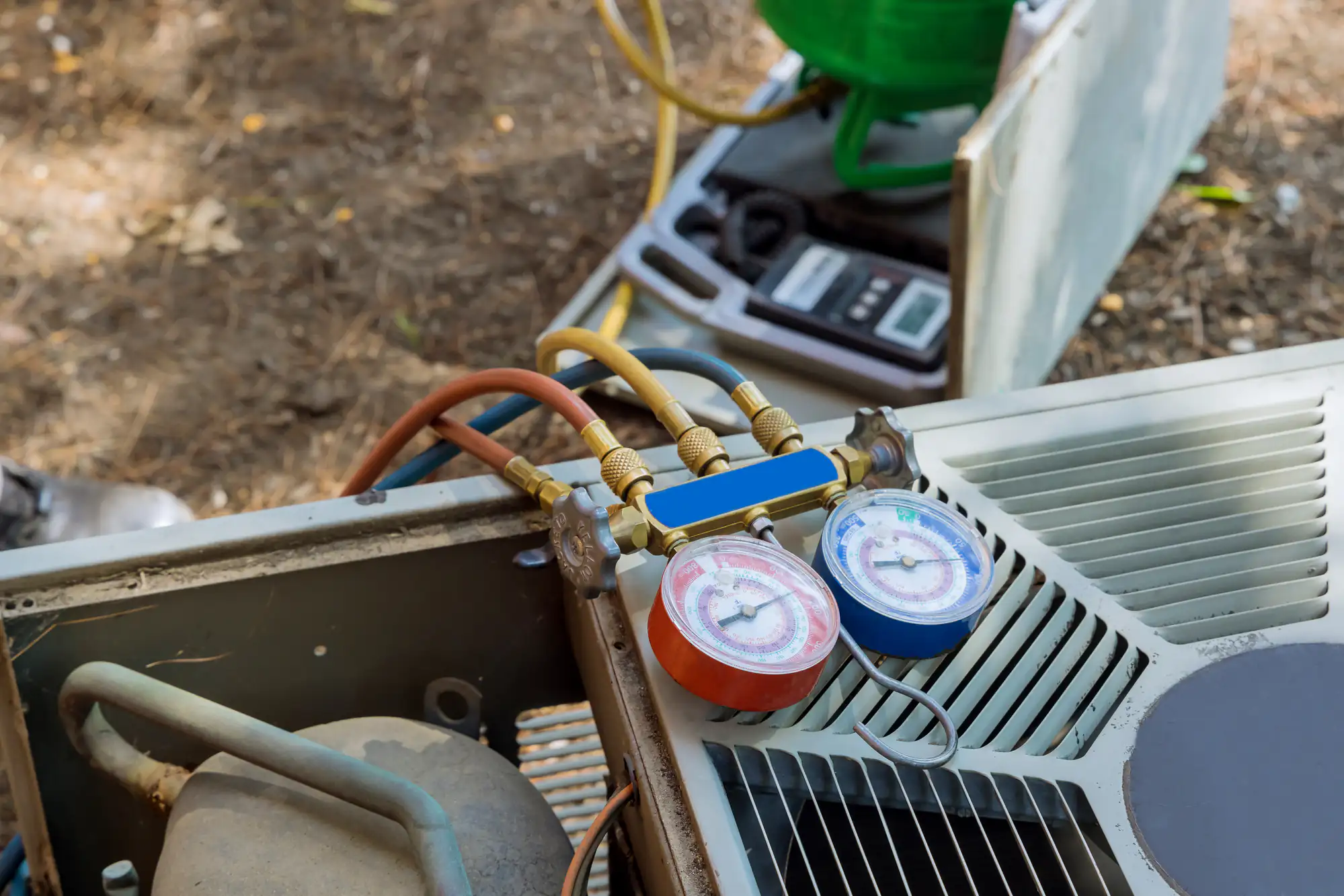
We start with a free estimate at your home. Not over the phone. We need to see your current system, check your ductwork, and measure airflow before we recommend anything.
If your system is repairable, we’ll tell you. If it’s on its last season, we’ll explain why and show you what replacement options make sense for your home and budget. We don’t upsell capacity you don’t need, and we don’t skip the load calculation because it’s faster.
Once you approve the plan, we schedule installation around your timeline. Our team pulls permits, handles disposal of old equipment, and walks you through the new system before we leave. You’ll know how to use your thermostat, where your air filter goes, and when to call us for maintenance.
After installation, you’re not on your own. We follow up to make sure everything’s running right. And if you sign up for a maintenance plan, we’re back every season to rinse coils, check refrigerant levels, and catch small problems before they become expensive ones.
Ready to get started?
Residential HVAC services in Cutchogue aren’t just about temperature. You’re dealing with constant humidity, salt air that gets inside, and homes that are often closed up tight in summer and winter.
Indoor air quality matters more here than most people realize. We install whole-home dehumidification systems that actually keep up with coastal moisture. We add air purification when it makes sense—especially if anyone in your home deals with allergies or respiratory issues. And we integrate smart thermostats that learn your schedule and cut energy waste without you thinking about it.
Energy efficiency is another piece. New systems meet SEER2 standards that didn’t exist a few years ago—14.3 SEER2 minimum for central AC and heat pumps. That’s not just a number. It’s lower electric bills and less strain on equipment that’s already working harder because of where you live.
We also handle ductwork sealing and insulation upgrades when needed. Leaky ducts waste energy and let humidity in where it shouldn’t be. Fixing that before you install a new system means you actually get the efficiency you’re paying for.
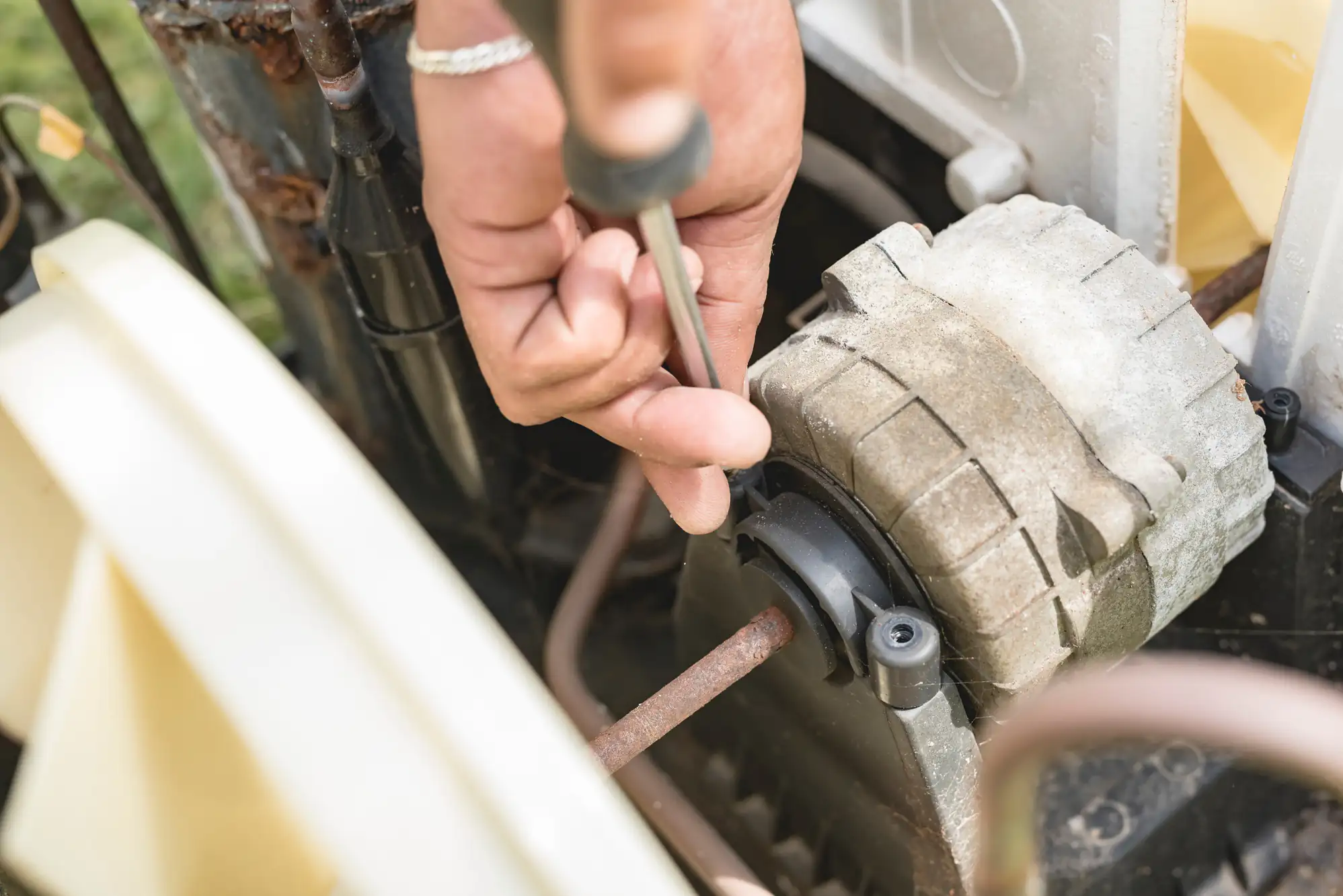
Standard systems last 15 to 20 years inland. In Cutchogue, expect 10 to 12 years if you’re within a mile of the water—sometimes less if maintenance gets skipped.
Salt air accelerates corrosion on condenser coils and outdoor components. Humidity puts extra load on compressors. And temperature swings between summer and winter mean your system cycles more than it would in a stable climate.
You can extend that lifespan with the right care. Monthly coil rinsing during peak season. Anti-corrosive coatings on outdoor units. Seasonal maintenance that catches refrigerant leaks and electrical issues early. But even with perfect maintenance, coastal systems wear faster. That’s not a sales pitch—it’s physics.
Furnace installation typically runs between $3,000 and $7,000 depending on your home’s size, the system’s efficiency rating, and whether ductwork needs modification. Higher-efficiency models cost more upfront but lower your heating bills over time.
Coastal homes sometimes need additional considerations. If your current ductwork has rust or moisture damage, that adds to the cost. If you’re switching fuel sources—say, from oil to gas or adding a heat pump—permits and line work increase the price.
We give you a written estimate that breaks down equipment, labor, and any extras before you commit. No surprises. And we’ll explain whether a mid-tier or high-efficiency system makes more sense for how you use your home. Sometimes the expensive option isn’t the right one.
If your system is under 8 years old and the repair costs less than half the price of replacement, repair usually makes sense. If it’s over 12 years old and you’re looking at a major component failure—compressor, evaporator coil, condenser—replacement is often smarter.
Here’s why: older systems use refrigerants that are being phased out. R-22 is expensive and hard to find. Repairs on aging equipment often lead to another breakdown within a year or two. And older systems run at lower efficiency, so you’re paying more to cool your home even when they’re working fine.
We’ll assess your system honestly. If it’s got a few good years left, we’ll fix it and tell you what to watch for. If it’s on borrowed time, we’ll show you the math on replacement so you can decide what makes sense for your budget and timeline.
At minimum, twice a year—once before cooling season and once before heating season. But coastal homes benefit from more frequent attention, especially on the outdoor condenser unit.
We recommend monthly coil rinsing during summer if you’re close to the water. Salt and debris build up fast, and a clogged coil makes your system work harder and wear out faster. Spring and fall tune-ups should include refrigerant level checks, electrical connection inspections, and airflow testing.
Skipping maintenance doesn’t just risk breakdowns. It voids most manufacturer warranties. And in a coastal environment, small problems—corrosion starting on a coil, a refrigerant leak you can’t see—turn into expensive failures if they’re not caught early. Regular service isn’t an upsell. It’s how you protect a system that costs thousands to replace.
Yes, modern heat pumps handle Cutchogue winters without issue. Cold-climate models work efficiently down to 5°F and can provide backup heat below that. They’re not the heat pumps from 20 years ago that struggled once temperatures dropped.
Heat pumps are popular here because they cool and heat, which means one system instead of two. They’re more energy-efficient than furnaces for most of the heating season. And they qualify for rebates and tax credits that lower your upfront cost.
The catch: installation matters. Undersized heat pumps struggle in cold snaps. Improperly charged systems lose efficiency. And if your ductwork isn’t sealed, you’ll lose the energy savings you’re paying for. We size heat pumps based on your home’s actual heat loss, not a guess. That’s how you get a system that keeps you comfortable in January without running your electric bill through the roof.
Look for someone who’s licensed and insured—that’s non-negotiable. Then ask how long they’ve worked in coastal areas. HVAC systems near salt water need different care than systems inland, and not every contractor understands that.
Ask about their maintenance plans. If they’re not recommending coil rinsing and corrosion protection for outdoor units, they don’t know coastal HVAC. Check references from other homeowners in Cutchogue or nearby North Fork towns. And make sure they pull permits and follow local codes—shortcuts during installation lead to problems you’ll pay for later.
You also want someone who’s available when things break. A contractor who doesn’t offer emergency service or takes days to return calls isn’t going to help you when your AC dies in July. We’ve been doing this for 40 years, and we’re available 24/7 because we know systems don’t fail on a convenient schedule.