
Hear from Our Customers
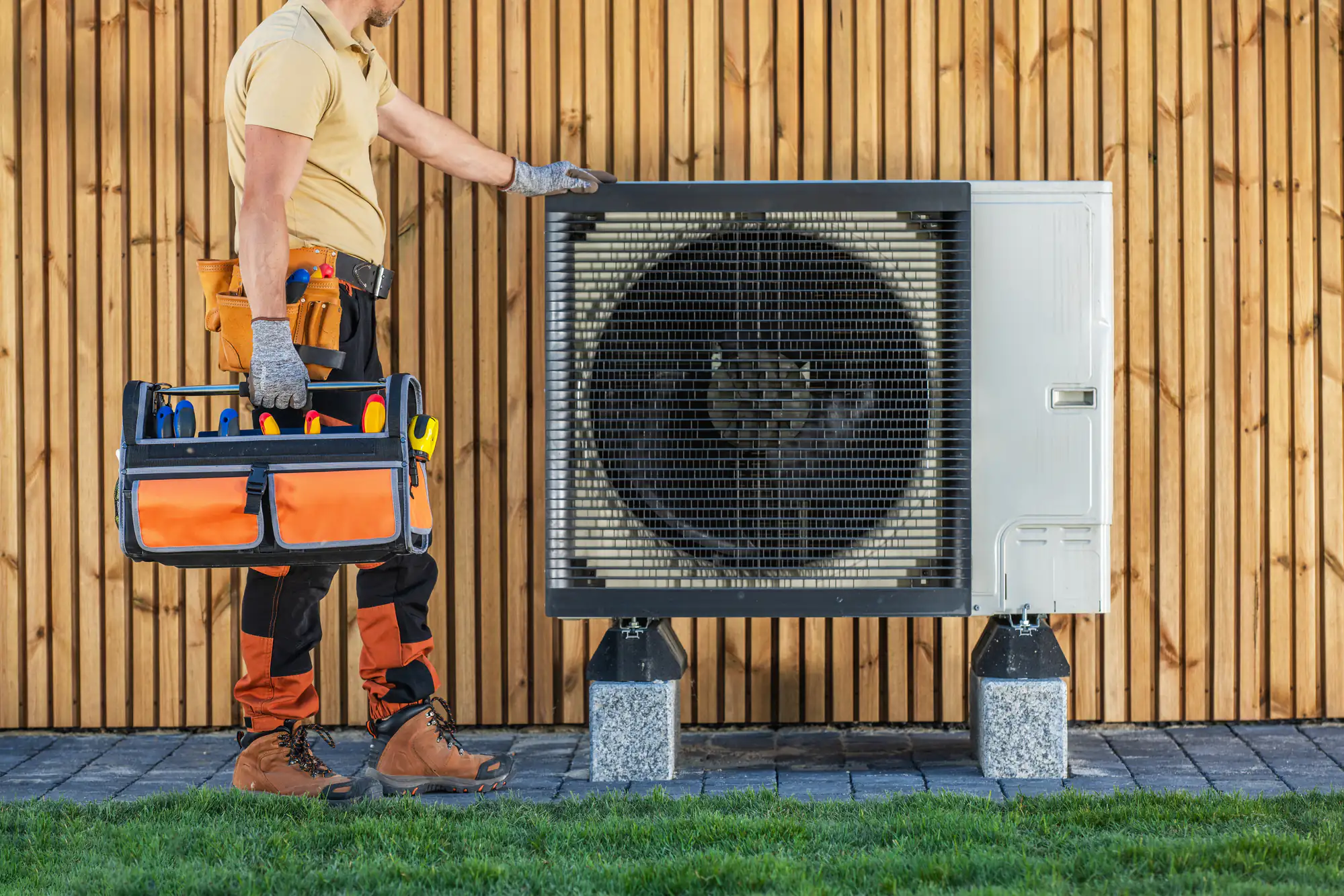
You’re not dealing with a typical HVAC setup. Living this close to the ocean means salt air eats through metal components faster than most technicians realize. Your equipment faces conditions that cut the average system lifespan down to 12-15 years instead of the usual 20.
That’s why reactive service calls cost you more in the long run. When your furnace quits on a 26-degree January night, or your AC fails during a summer heat wave, you’re not just uncomfortable—you’re scrambling to find someone who’ll show up, diagnose it correctly, and fix it right the first time.
The better approach is working with someone who understands what breaks first in coastal homes. We’ve spent 40+ years diagnosing the same patterns: corroded condensers, moisture-damaged motors, and ductwork that can’t handle the humidity swings. When you know what to expect, you can prevent the expensive stuff before it happens.
Regular maintenance catches the small problems—like a failing capacitor or a refrigerant leak—before they turn into full system replacements. You’ll spend less on emergency calls, your energy bills stay predictable, and you’re not left without heat or AC when you actually need it.
We’ve been handling HVAC and refrigeration work across Long Island for over four decades. We started in marine systems—boats, yachts, commercial vessels—which taught us how to deal with the kind of corrosion and moisture damage that most residential techs never see.
That experience translates directly to your home. East Atlantic Beach sits between the Atlantic and Reynolds Channel, which means your HVAC equipment is constantly exposed to salt spray, high humidity, and temperature swings that accelerate wear. We’ve seen what fails first, and we know how to extend the life of systems in this environment.
We’re available 24/7 for emergencies, we give you a free estimate before any work starts, and we don’t disappear after the install. You’ll get straight answers about what needs fixing now versus what can wait.
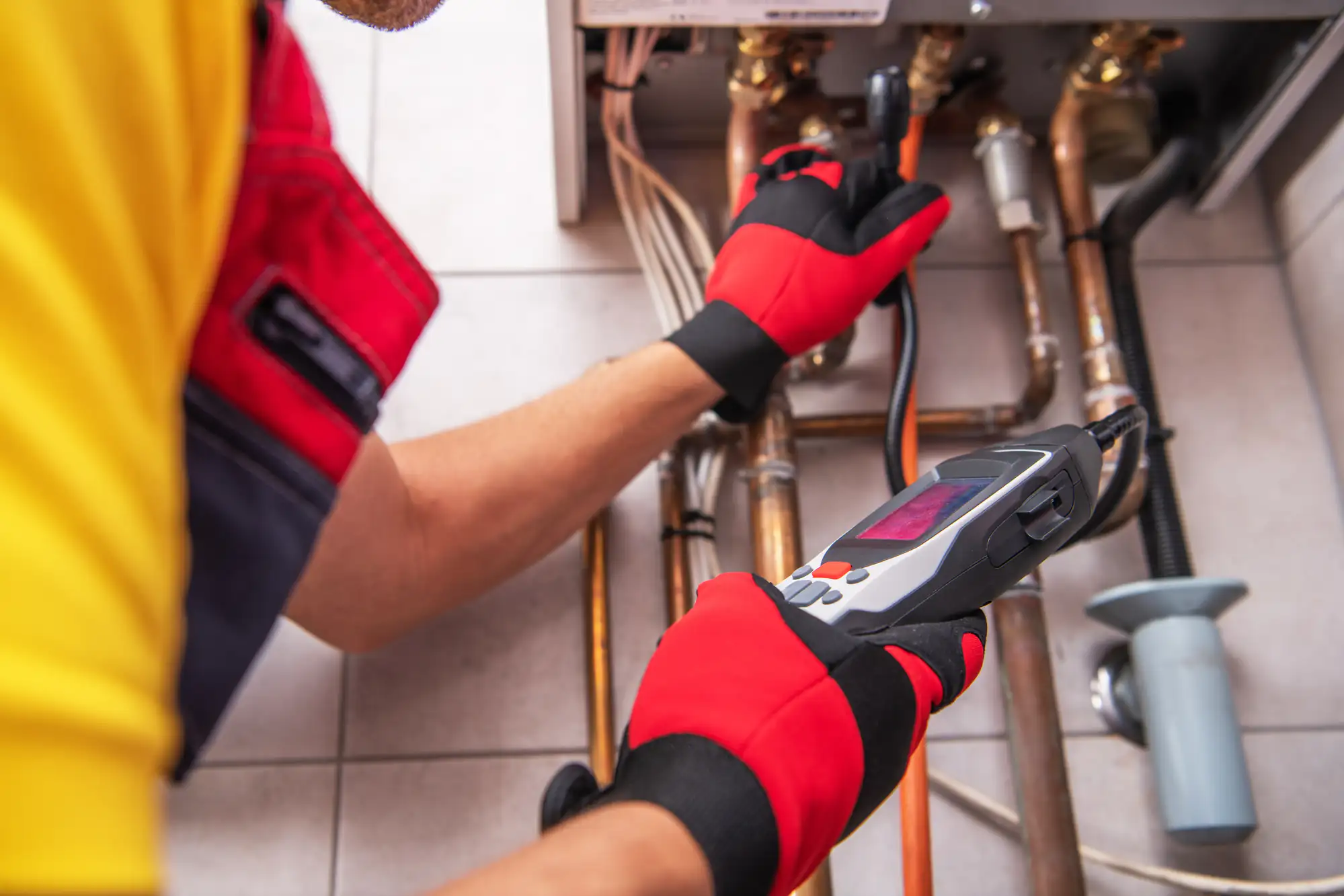
First, we schedule a time that works for you—not the other way around. When we show up, we’re assessing your entire system, not just the part that’s acting up. Most HVAC problems have upstream causes, and if we only fix the symptom, you’ll be calling us back in six months.
During the inspection, we’re checking airflow, refrigerant levels, electrical connections, and any signs of corrosion or moisture damage. If you’ve got uneven heating or cooling in different rooms, we’re looking at your ductwork and insulation. If your energy bills have been climbing, we’re measuring efficiency to see if your system is working twice as hard as it should.
Once we know what’s wrong, you get a clear explanation and a written estimate. No pressure, no upselling. If it’s a repair, we’ll tell you how long it’ll last. If it’s time for a replacement, we’ll walk through your options based on your home’s size, your budget, and how long you plan to stay in the house.
After the work is done, we test everything to make sure it’s running correctly. You’ll know how to maintain it between service calls, and you’ll have our number if something doesn’t feel right.
Ready to get started?
We handle air conditioning repair, furnace installation, heating system maintenance, HVAC replacement, and indoor air quality improvements. That covers everything from a broken thermostat to a full system upgrade.
In East Atlantic Beach, the most common issues we see are salt-damaged condensers, corroded outdoor units, and ductwork that’s been compromised by moisture. If you’ve got a room that’s always colder than the rest of the house, that’s usually a duct balancing issue. If your system cycles on and off constantly, you’re looking at a failing compressor or a refrigerant leak.
For heating, we work on gas furnaces, oil furnaces, and heat pumps. Heat pumps are becoming more popular because of rebates and energy incentives rolling out through 2026, and they’re a good fit for moderate climates like Long Island. If you’re still running a furnace from the early 2000s, you’re likely spending $300-$900 more per year on energy than you need to.
Indoor air quality is another area where coastal homes struggle. High humidity leads to mold, dust mites, and allergens that get circulated through your HVAC system. We install dehumidifiers, air purifiers, and filtration systems that actually make a difference—not the cheap filters that clog up in a month.
Twice a year—once before summer and once before winter. Coastal homes need more frequent maintenance because salt air accelerates corrosion on metal components, and humidity causes more wear on motors and electrical connections.
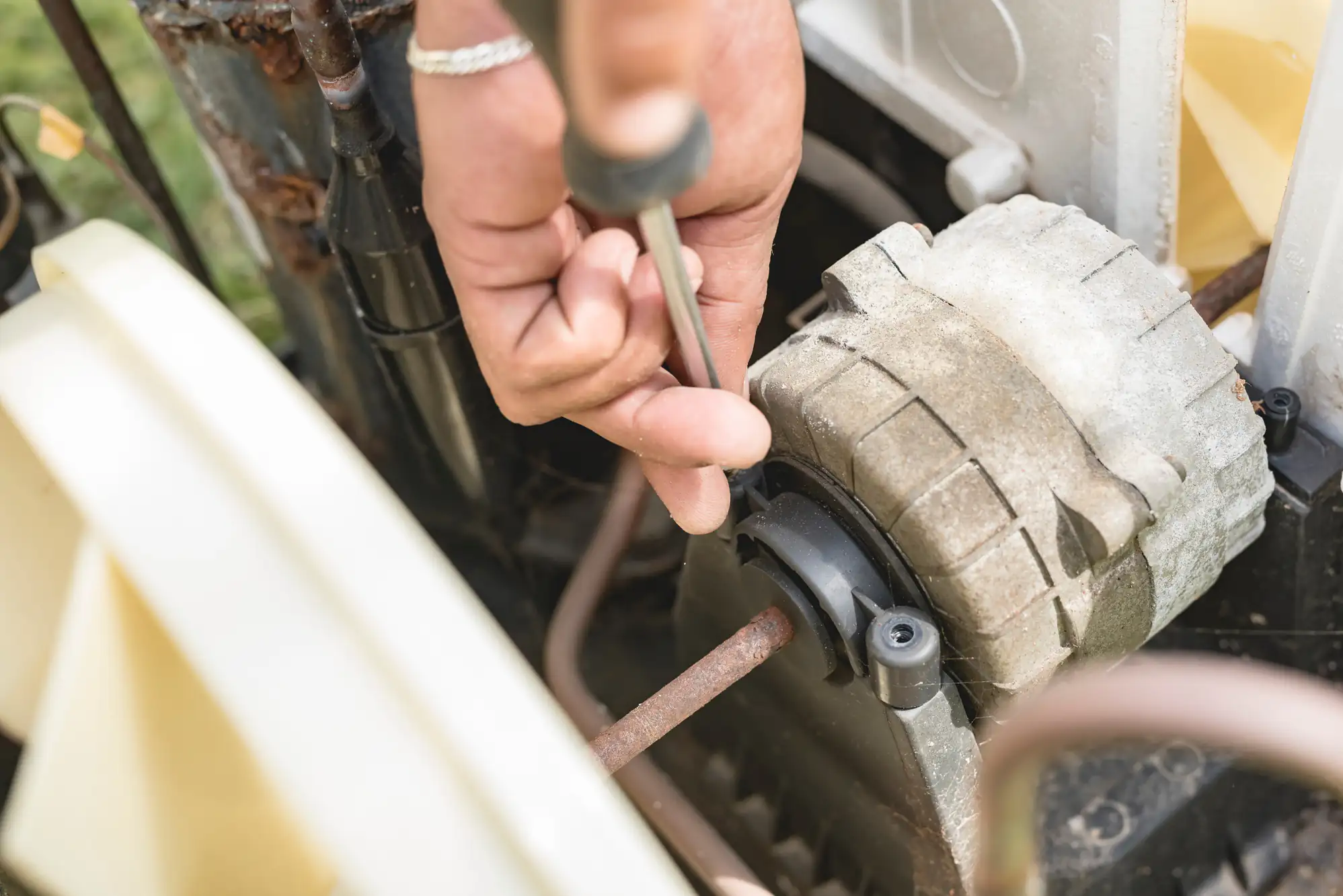
During a maintenance visit, we’re cleaning coils, checking refrigerant levels, testing electrical connections, and inspecting for any early signs of rust or moisture damage. Catching a small issue during maintenance costs a fraction of what you’d pay for an emergency repair in the middle of January.
If you’ve got an older system—anything over 10 years—you should also be monitoring your energy bills. A sudden spike usually means your system is working harder than it should, which is often the first sign that a major component is starting to fail.
You’re looking at 12-15 years on average, compared to 15-20 years for systems further inland. Salt air is corrosive, and even with regular maintenance, outdoor units take a beating from the elements.
The good news is that proper maintenance can push that number higher. We’ve seen well-maintained systems last 18+ years in coastal areas, but that requires annual inspections, coil cleaning, and replacing parts before they fail completely.
If your system is approaching the 12-year mark and you’re starting to see more frequent repairs, it’s worth getting an assessment. Sometimes a $300 repair buys you another two years. Other times, you’re better off replacing the system before it dies completely and leaves you without heat or AC during extreme weather.
If the repair costs more than half the price of a new system, and your equipment is over 10 years old, replacement usually makes more sense. You’re not just avoiding another breakdown—you’re also cutting your energy bills and getting a warranty that actually covers you for the next several years.
Here’s the math: older systems run at 60-70% efficiency, while newer models hit 90-98%. On a $2,000 annual heating bill, that’s $300-$600 in savings every year. A new furnace or AC pays for itself faster than most people realize, especially if you’re already spending money on frequent repairs.
The other factor is reliability. If your system has failed twice in the last two years, it’s going to keep failing. At some point, you’re just throwing money at a problem that won’t go away.
Usually it’s a ductwork issue—either poor design, leaks, or blocked vents. Sometimes it’s an insulation problem, especially in older homes where the attic or exterior walls aren’t properly sealed.
We start by checking airflow at each vent to see if certain rooms are getting less air than others. If the ducts are leaking, conditioned air is escaping into your attic or crawl space instead of reaching the rooms where you need it. That wastes energy and makes your system work harder than it should.
Another common cause is an oversized or undersized HVAC system. If your system is too big, it cycles on and off too quickly and never fully balances the temperature. If it’s too small, it runs constantly and still can’t keep up. Both problems require a load calculation to figure out the right size system for your home’s square footage and insulation levels.
No heat when it’s below freezing outside. No AC during a heat wave. Strange smells like burning plastic or gas. Loud banging, grinding, or squealing noises. Any of those mean you should call immediately.
If you smell gas, leave the house and call your utility company first, then call us. Gas leaks are dangerous and need to be handled by professionals. If you’re hearing metal-on-metal grinding, that’s usually a motor or blower issue that can cause more damage the longer it runs.
For no heat or no AC, check your thermostat settings and circuit breaker first. If those are fine and your system still isn’t running, you’ve likely got a failed component—ignitor, compressor, capacitor, or blower motor. We’re available 24/7 for emergencies, and we’ll get your system running again as quickly as possible.
Yes, especially with the rebates and incentives available through 2026. Heat pumps work well in moderate climates like Long Island because they provide both heating and cooling, and they’re significantly more efficient than older furnaces or AC units.
The main advantage is energy savings. Heat pumps move heat instead of generating it, which uses less electricity than traditional resistance heating. You’ll see lower energy bills year-round, and if you’re replacing an oil furnace, the savings are even more dramatic.
The downside is that heat pumps lose efficiency when temperatures drop below 25-30 degrees. On the coldest nights, you may need a backup heat source. But for 90% of the year, a heat pump will keep your home comfortable while cutting your energy costs by 30-50% compared to older systems.