
Hear from Our Customers
Your energy bills stop climbing every month for no clear reason. The humidity that made your house feel sticky in July disappears because your air conditioning repair actually addressed the root cause, not just the symptoms.
You stop hearing those weird noises at 2 a.m. wondering if this is the night your furnace finally quits. Your indoor air quality improves because someone finally explained why your current setup wasn’t cutting it and what actually needed to change.
The difference between a system that’s limping along and one that’s dialed in correctly shows up in your comfort first, then your utility bills. Most homeowners in East Marion don’t realize their HVAC system is underperforming until they experience what properly balanced heating system maintenance actually feels like. Your house reaches the temperature you set without running constantly. The air feels cleaner. You’re not adjusting the thermostat every hour trying to find that sweet spot.
We’ve spent over 40 years working on the most demanding HVAC and refrigeration systems you can imagine—marine vessels, airport facilities, commercial kitchens. The technical knowledge required for those environments translates directly to solving the problems your residential system faces in East Marion’s coastal climate.
Salt-laden air doesn’t care if it’s corroding a yacht’s AC unit or your backyard condenser. The same galvanic corrosion that eats through aluminum fins happens faster here than it does 20 miles inland, and most HVAC companies don’t account for that during routine maintenance.
We’re available 24/7 because we know HVAC emergencies don’t wait for business hours. When a nor’easter hits in January and your heat goes out, you need someone who answers the phone and actually shows up. We’ve built our reputation in East Marion on being that company—the one that picks up, gives you a straight answer, and doesn’t disappear when the job gets complicated.
You call or message us with what’s going on. We ask a few questions to understand whether this is an emergency that needs immediate attention or something we can schedule within a day or two. No runaround, no phone tree—just a real conversation about what you’re dealing with.
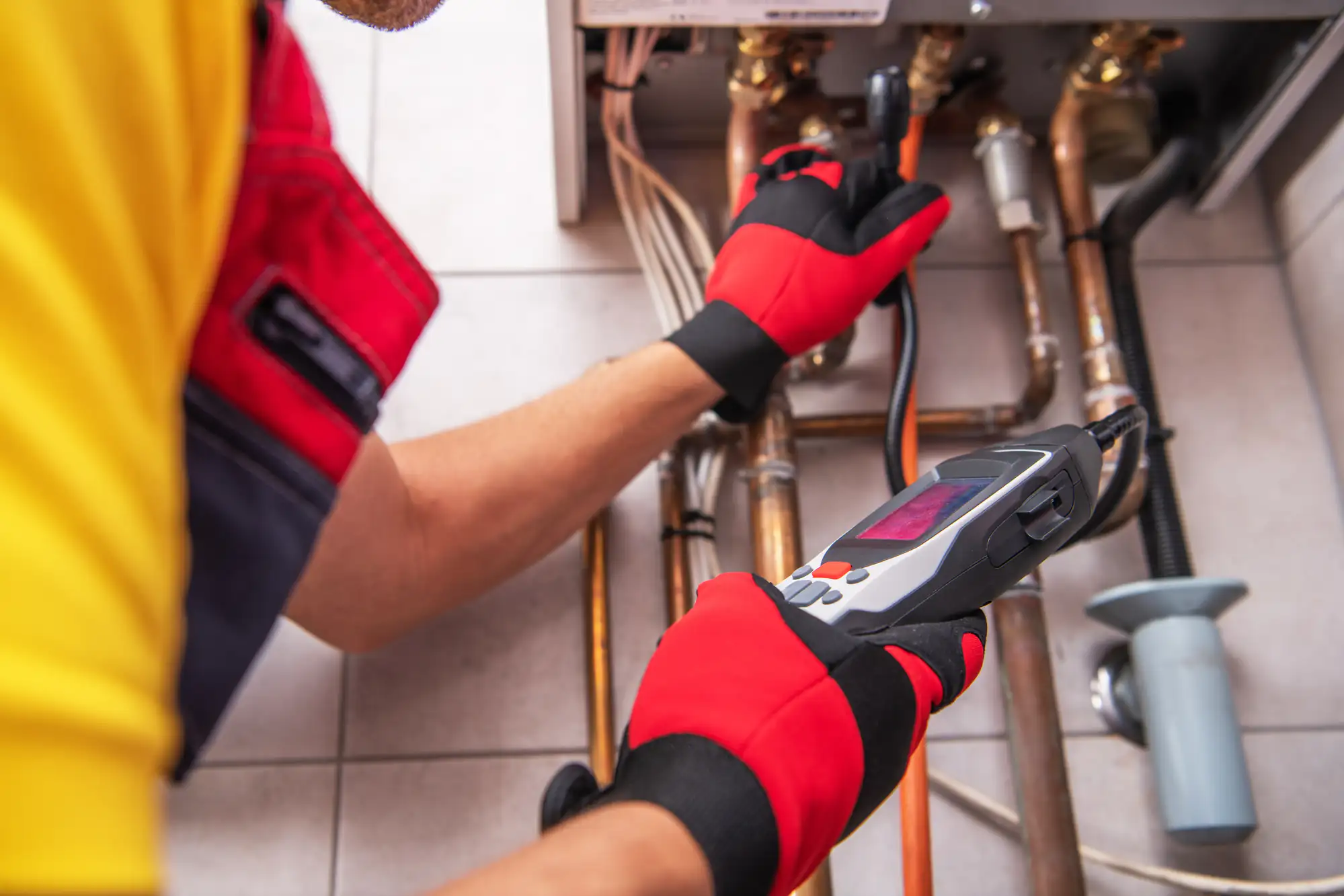
We show up when we say we will and start with a real assessment. That means checking the obvious stuff everyone looks at, plus the coastal-specific issues most techs miss—salt buildup on coils, corrosion on electrical connections, humidity-related problems that only show up in marine environments. If it’s a repair, we explain what failed, why it failed, and what it’ll take to fix it correctly. If you’re looking at HVAC replacement, we talk through what size system actually makes sense for your space and usage patterns, not just what’s easiest to install.
The work happens with minimal disruption to your day. We’re not here to sell you things you don’t need or patch problems that’ll come back in three months. After the job’s done, we walk you through what we did and what you should keep an eye on going forward. If you have questions two weeks later, you call the same number and talk to people who remember your system.
Ready to get started?
Furnace installation here isn’t the same as furnace installation in Arizona. Your system needs to handle wet snow, coastal humidity, and temperature swings that go from 15 degrees in February to 90 degrees in August. We size equipment based on your actual heating and cooling load, accounting for insulation, sun exposure, and how Long Island’s climate affects your specific property.
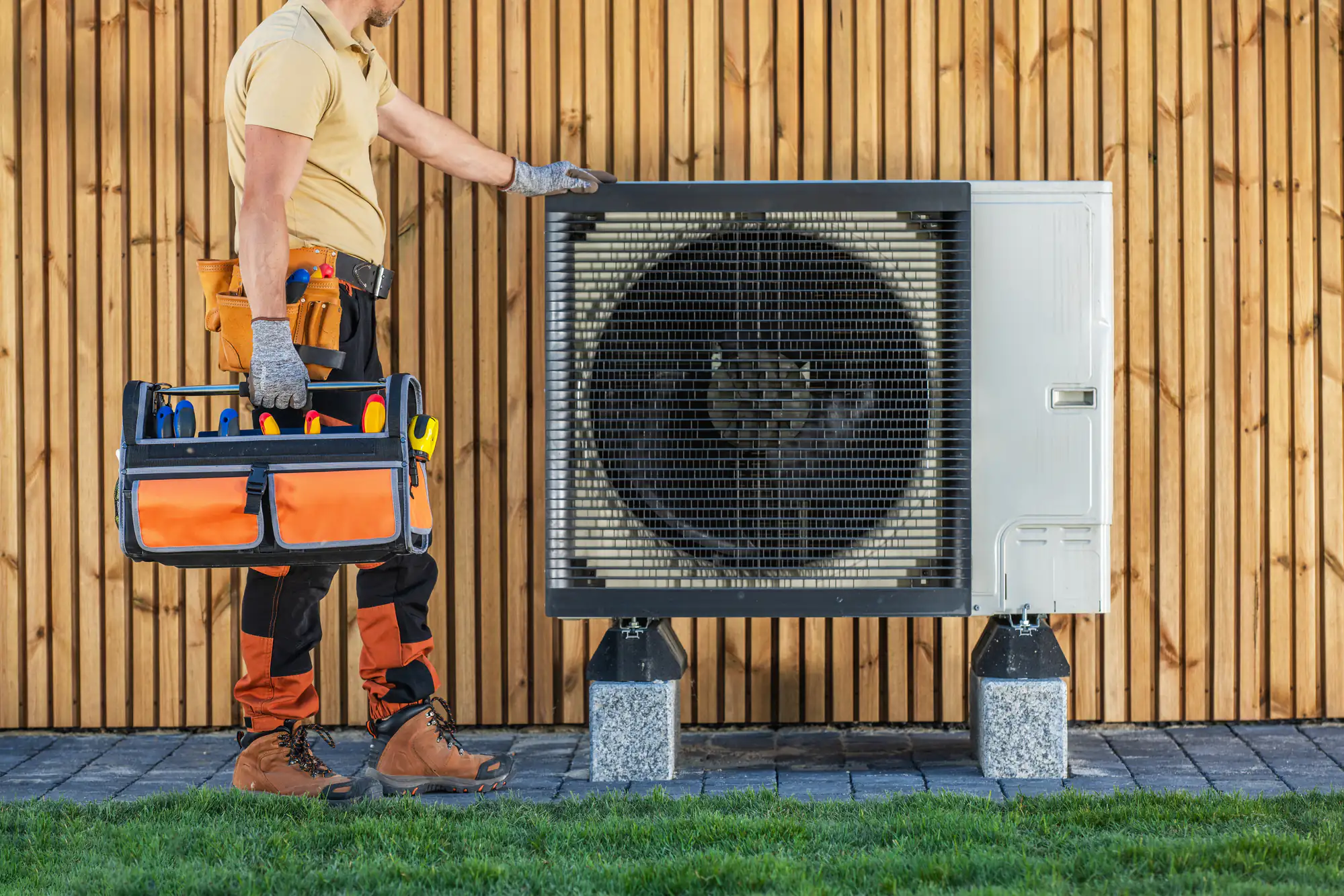
Air conditioning repair in East Marion means dealing with salt air that accelerates wear on outdoor units. We clean coils properly, check for early signs of corrosion, and make sure your system is actually dehumidifying before it cools—because if it’s not, you’ll never feel comfortable no matter how low you set the thermostat. Most service calls we get in July are humidity problems that look like cooling problems.
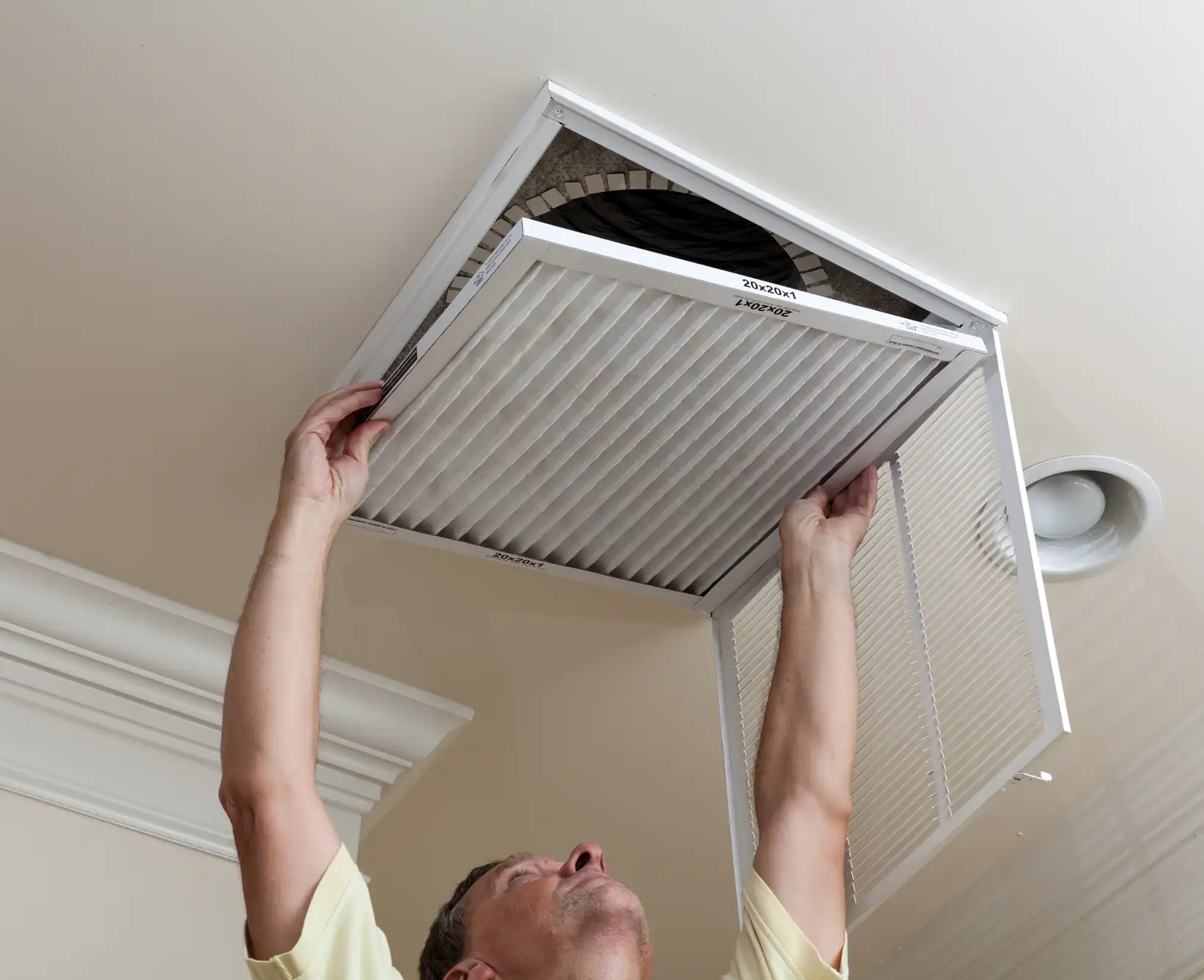
Indoor air quality gets worse in coastal areas because of moisture. Your filtration system needs to handle salt particles, humidity, and the regular dust and allergens every house deals with. We install systems that actually match your air quality needs instead of just swapping in whatever filter fits the slot. Heating system maintenance means catching small problems before they become no-heat emergencies, and in East Marion, that means checking components most companies ignore until they fail.
Twice a year minimum, and that’s not a sales pitch—it’s what your system actually needs when it’s fighting salt air every day. Most inland homes can get away with annual checkups. You can’t.
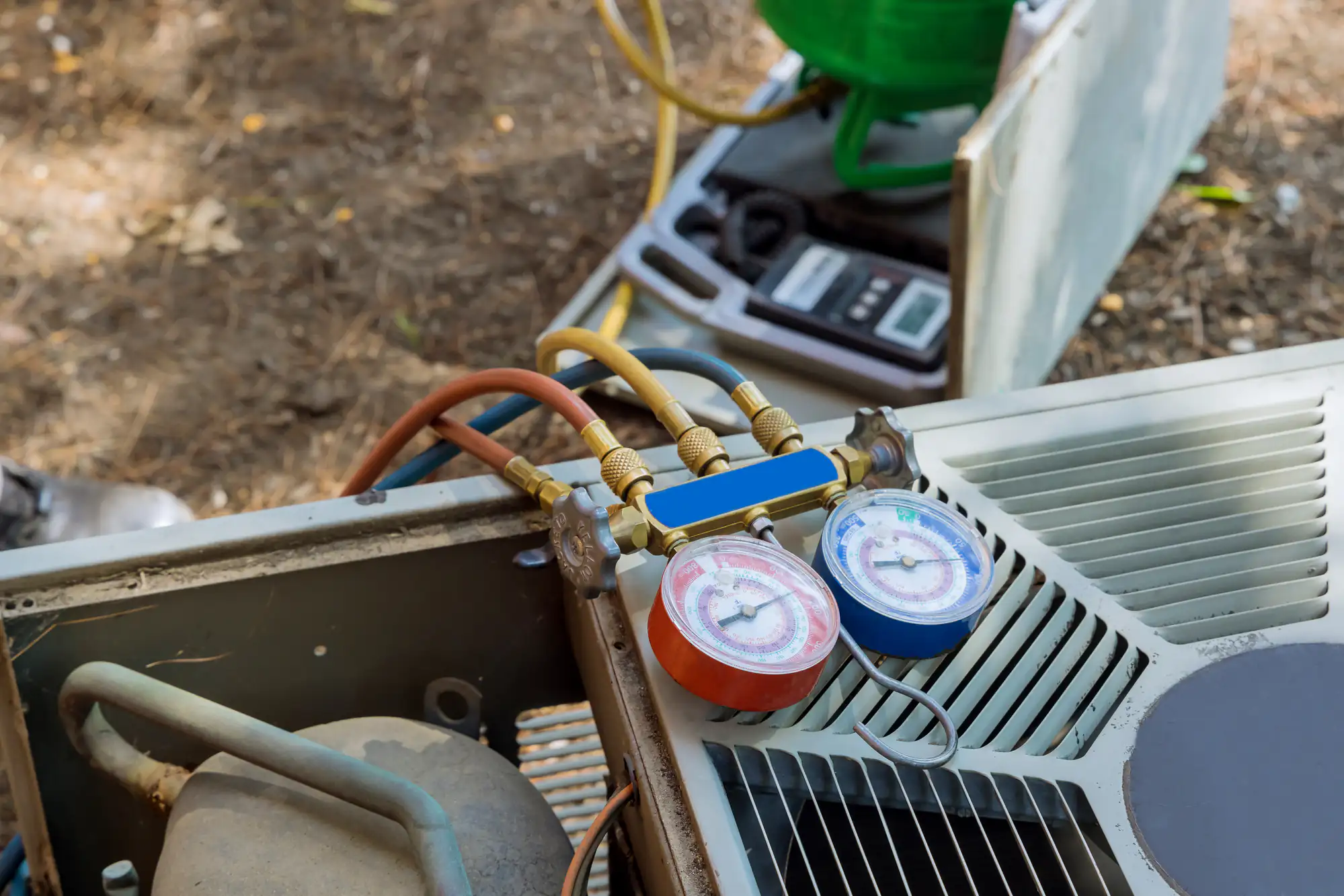
Spring and fall are ideal because you’re catching problems before your system has to work its hardest. Spring maintenance happens before cooling season starts, so we’re checking refrigerant levels, cleaning coils that accumulated salt and debris over winter, and making sure your condensate drain isn’t clogged. Fall maintenance happens before heating season, checking your furnace or heat pump, inspecting flue pipes for corrosion, and testing safety controls.
The salt air near the coast accelerates corrosion on metal components. Aluminum fins on your outdoor condenser coil are particularly vulnerable because salt crystals lodge between the thin metal layers and trigger galvanic corrosion. If we catch that during a maintenance visit, it’s a cleaning. If we catch it two years later, it’s a coil replacement. That’s the difference between a $150 service call and a $1,200 repair.
Your house feels sticky even when the AC is running, or you’re seeing condensation on windows during summer months. That’s your system failing to dehumidify properly before it cools the air.
Another sign is musty smells coming from vents when the system kicks on. That’s usually mold or mildew growing in your ductwork or on your evaporator coil because moisture isn’t being removed efficiently. Your system might be cooling the air to the temperature you set, but if it’s not pulling humidity out first, you’ll never feel comfortable.
You might also notice your AC running in shorter cycles than it used to. Air conditioners need adequate run time to dehumidify effectively. If your system is short-cycling—turning on and off frequently—it’s cooling the air but not running long enough to remove moisture. This often happens when a system is oversized for the space, which is why proper sizing during installation matters more than most people realize. East Marion’s coastal humidity makes this problem worse than it would be inland.
If your current system is more than 12 years old, yes—especially if you’re seeing energy bills climb or calling for repairs more than once a season. Modern high-efficiency systems operate at AFUE ratings above 95% for heating and SEER ratings above 16 for cooling, compared to older systems that might be running at 80% AFUE and 10 SEER.
That efficiency difference shows up in your utility bills. A household spending $2,400 annually on heating and cooling could save $600-$700 per year with a properly sized, high-efficiency system. The payback period is usually 5-7 years, and the equipment lasts 15-20 years with proper maintenance.
The bigger question is whether your current system is properly sized and installed. We see plenty of newer systems that are inefficient because they’re the wrong size for the space or installed without accounting for ductwork issues. An older, properly sized system that’s well-maintained will often outperform a brand-new system that’s oversized or installed incorrectly. If you’re considering an upgrade, the conversation should start with a real load calculation for your home, not just matching the tonnage of whatever’s out there now.
Salt air is corrosive, and it doesn’t take a break. Your outdoor condenser unit sits outside year-round getting hit with salt particles carried on ocean breezes, and those particles accelerate oxidation on aluminum fins, copper lines, and electrical connections.
Standard HVAC maintenance doesn’t always account for this. A typical service call involves checking refrigerant, testing electrical components, and swapping filters. Coastal maintenance should include neutralizing salt deposits on coils, inspecting for early corrosion on metal components, and checking that protective coatings on outdoor units haven’t degraded. If those steps get skipped, you’ll see premature failure on parts that should last 15 years but only make it to 8 or 9.
Humidity is the other factor. Long Island’s coastal climate means your air conditioning system works harder to dehumidify before it cools. Inland systems don’t face the same moisture load, so they don’t need the same attention to condensate drainage, evaporator coil condition, and ductwork integrity. A system that’s perfectly fine in central New York might struggle in East Marion simply because of the environmental differences.
If your system is less than 10 years old and the repair costs less than half the price of replacement, repair usually makes sense. If your system is over 15 years old and you’re looking at a major component failure—compressor, heat exchanger, evaporator coil—replacement is often the smarter move.
The trickier situation is the 10-15 year range. That’s when you need to look at repair frequency, not just repair cost. If you’ve called for service twice in the last year for different issues, your system is likely in a death spiral where fixing one aging component just puts more stress on the others. Replacing a blower motor this month and a capacitor next month and a control board three months later adds up fast, and you still end up with a 13-year-old system.
Energy costs matter too. If your bills have climbed steadily over the past few years even though your usage hasn’t changed, your system’s efficiency is declining. Sometimes that shows up before you feel it in comfort. A furnace losing efficiency will cost you an extra $200-$300 per winter in wasted energy before you notice the house isn’t heating as well. At that point, the money you’d spend on repairs over the next three years often exceeds the cost of replacing the system now and recouping the investment through lower energy bills.
Most of the time, yes—but it depends on your specific equipment and what you’re trying to accomplish. Smart thermostats like Nest, Ecobee, and Honeywell Home work with most forced-air systems as long as you have a common wire (C-wire) to provide continuous power. Older systems sometimes lack that wire, but it can usually be added without major work.
The bigger compatibility question comes with multi-stage systems, heat pumps, and zoned setups. If your system has multiple stages of heating or cooling, you need a smart thermostat that can control those stages independently. Not all models can. If you have a heat pump with auxiliary heat, the thermostat needs to know when to call for backup heat versus running the heat pump harder. Get that programming wrong and your energy bills will prove it.
Indoor air quality monitors can integrate with most systems regardless of age. Standalone monitors give you data on particulates, VOCs, humidity, and CO2 levels without touching your HVAC equipment. Integrated systems tie into your ductwork and can trigger ventilation, filtration, or humidification based on real-time air quality readings. The ROI on that technology is real if you’re dealing with allergies, asthma, or just want to know what you’re breathing. We install both types depending on what makes sense for your setup and budget.