Hear from Our Customers
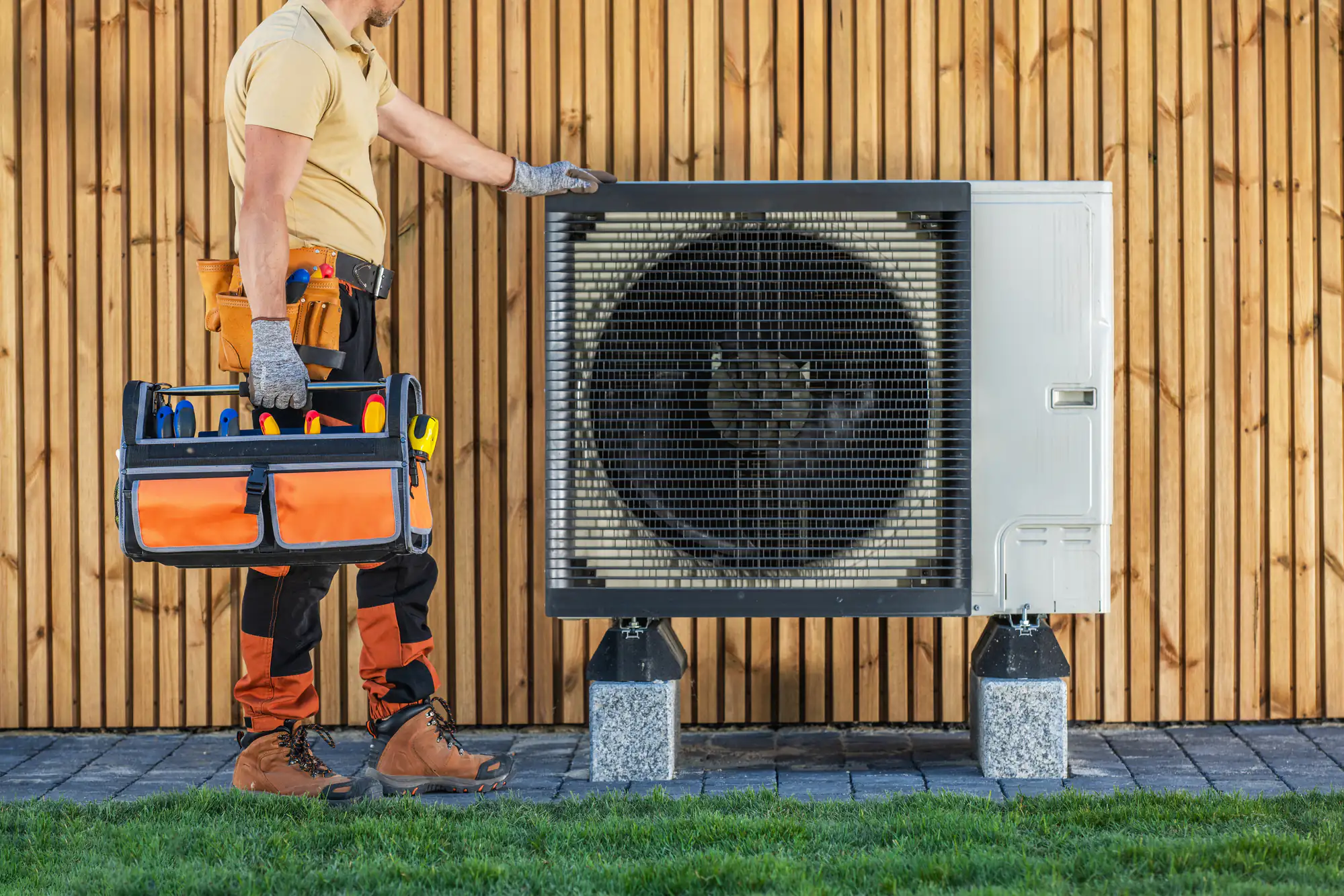
You’re not looking for an HVAC company. You’re looking for your air conditioning to work when it’s 90 degrees and humid, your furnace to fire up when the temperature drops, and your energy bills to stop climbing every month.
That’s what actually matters. Not the equipment brand or the technical specs—just reliable heating and cooling that doesn’t cost a fortune to run or break down at the worst possible time.
When your system is running right, you’re not thinking about it. The temperature stays consistent. Your utility bills make sense. You’re not dealing with hot spots in the bedrooms or that musty smell that shows up every summer. And when something does go wrong, you know exactly who to call—someone who’ll actually show up and fix it correctly the first time.
Most East Northport homeowners deal with HVAC systems that are either too old to run efficiently or were installed by the lowest bidder. Both scenarios cost you more in the long run. More service calls. Higher monthly bills. That constant worry about when the next breakdown is coming.
We’ve spent over 40 years working on complex commercial refrigeration systems, marine HVAC units, and custom cooling solutions that most contractors won’t touch. That background means your residential system—even if it’s complicated or outdated—isn’t going to stump us.
We’re not the company that shows up, scratches our head, and tells you we need to order parts or call someone else. We handle beer systems for restaurants, climate control for airports, and custom marine installations. Your home’s furnace or AC unit? We can figure it out.
East Northport homeowners deal with the same climate challenges as the rest of Long Island—humid summers that make air quality issues worse, unpredictable spring weather that hides system problems, and winters where a furnace breakdown isn’t just inconvenient, it’s dangerous. We’ve been handling those exact situations since before most HVAC companies in the area even existed.
You call or schedule online, and we set up a time that actually works for your schedule. No four-hour windows where you’re stuck waiting around. We show up when we say we will.
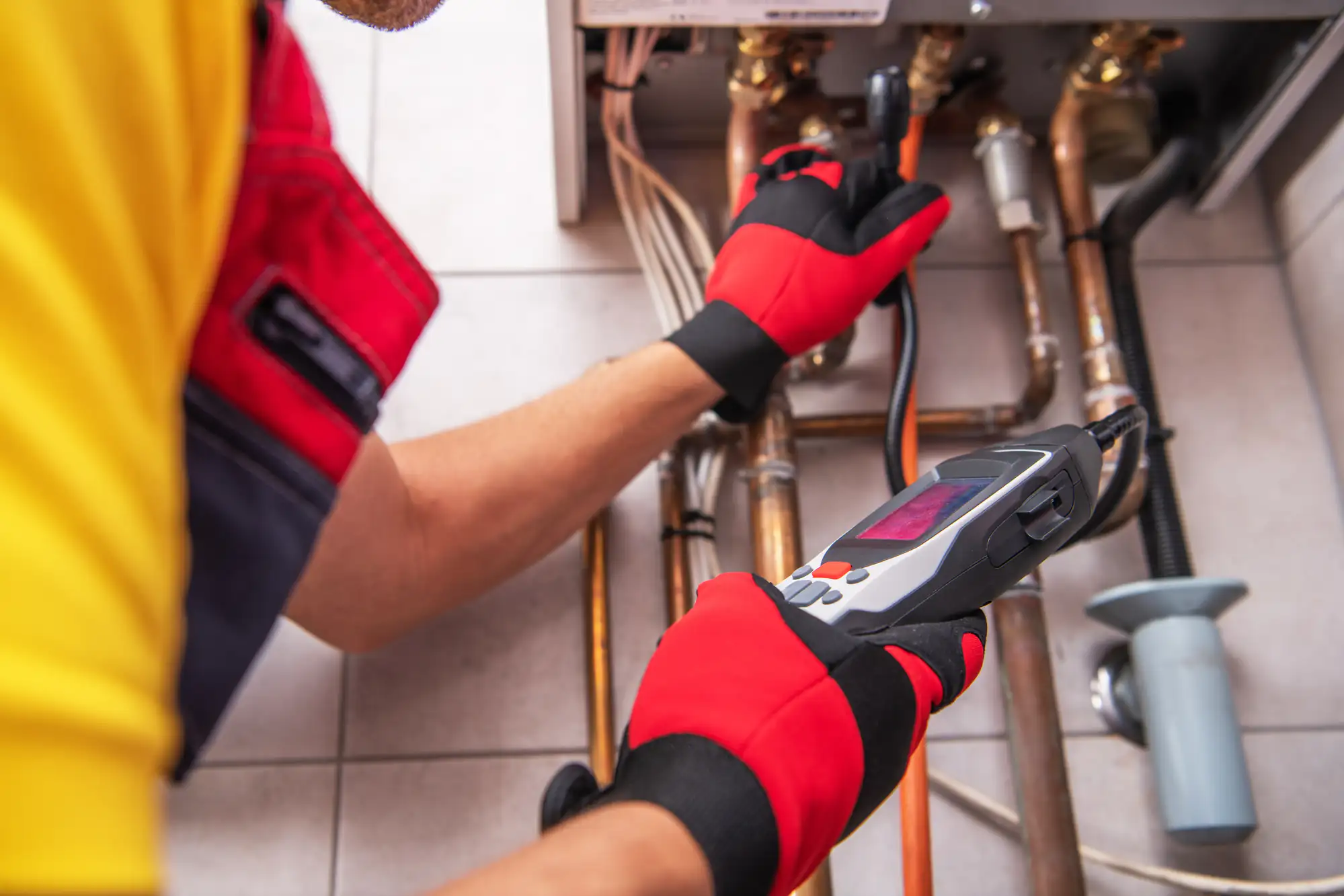
First visit, we assess what’s actually wrong. Not what we think might be wrong or what we’d like to sell you—what the system actually needs. If it’s a repair, we give you the cost upfront. If it’s time for a replacement, we explain why and what your options are. No pressure, no upselling, just the facts.
For installations, we walk you through what makes sense for your home. Square footage, insulation, existing ductwork, your actual usage patterns—all of it matters. We’re not installing the same system in every house. A 1,200-square-foot ranch doesn’t need the same setup as a two-story colonial, and your equipment should reflect that.
After the work’s done, we test everything, show you how it operates, and make sure you’re comfortable with the new system or repair. Then we’re available if something comes up. Not just during business hours—we offer 24/7 consulting because HVAC emergencies don’t wait for Monday morning.
Ready to get started?
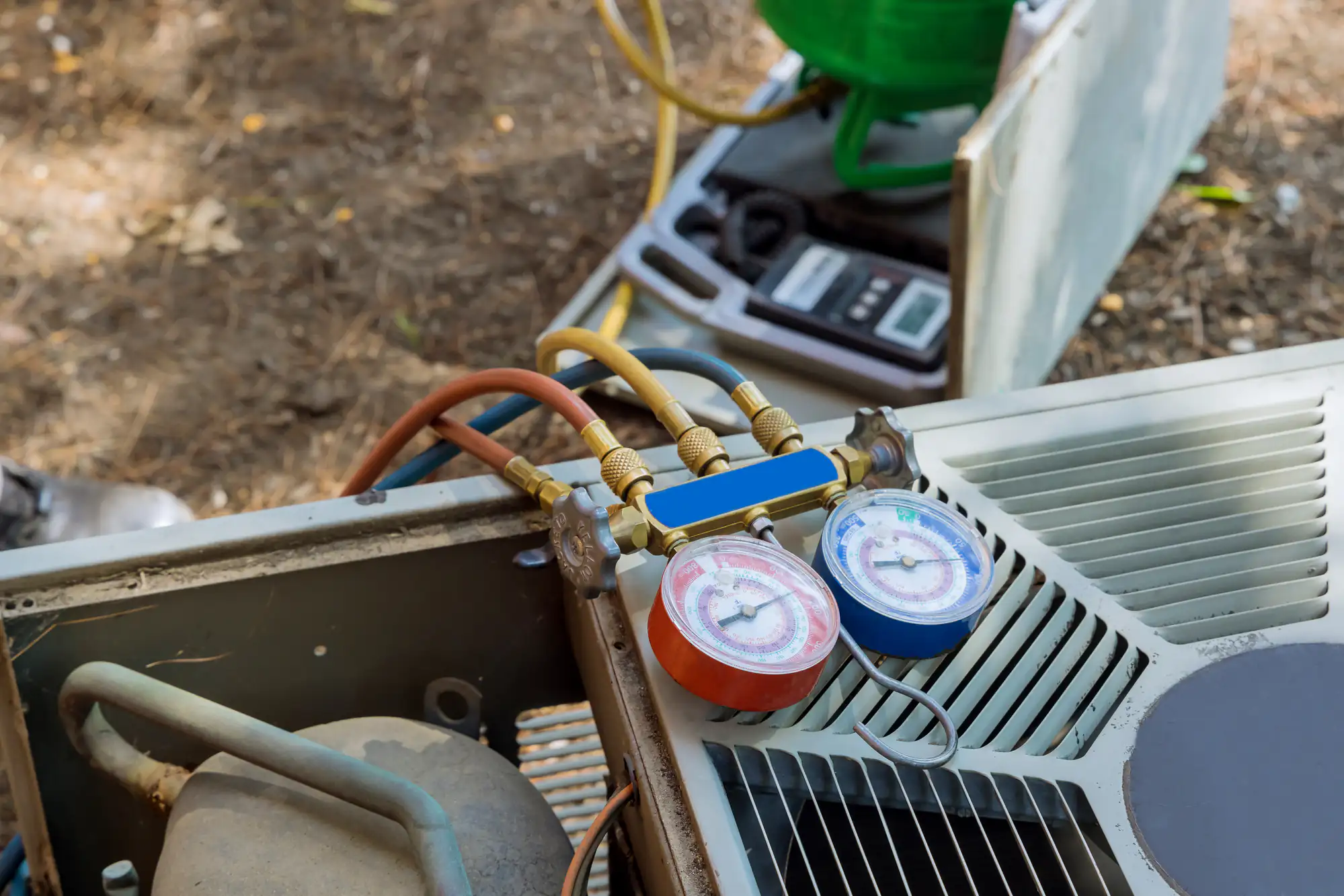
Air conditioning repair when your system stops cooling or starts making noises it shouldn’t. We handle refrigerant leaks, compressor failures, electrical issues, and airflow problems. If it’s 2 AM in July and your AC just quit, we’re available.
Furnace installation and heating system maintenance for Long Island winters. Whether you’re replacing an aging oil furnace, upgrading to a high-efficiency gas system, or considering a heat pump, we’ll walk you through what makes sense. Regular maintenance keeps your heating system running safely and efficiently—and catches small problems before they become expensive emergencies.
HVAC replacement when repair costs don’t make sense anymore. If your system is over 15 years old, repairs are getting frequent, or your energy bills keep climbing, replacement might be the smarter move. We’ll give you the honest assessment, not the sales pitch.
Indoor air quality solutions for homes where allergies are worse indoors, rooms feel stuffy, or humidity levels are off. Better filtration, proper ventilation, and humidity control make a measurable difference. East Northport’s humid summers and tightly sealed homes create the perfect environment for air quality issues—we fix that.
Energy efficiency upgrades that actually lower your monthly bills. With heating oil costs over $4 per gallon and air conditioning consuming nearly 7% of all U.S. electricity, high-efficiency systems pay for themselves faster than they used to. Most homeowners see payback in five to six years, then enjoy lower costs for the life of the equipment.
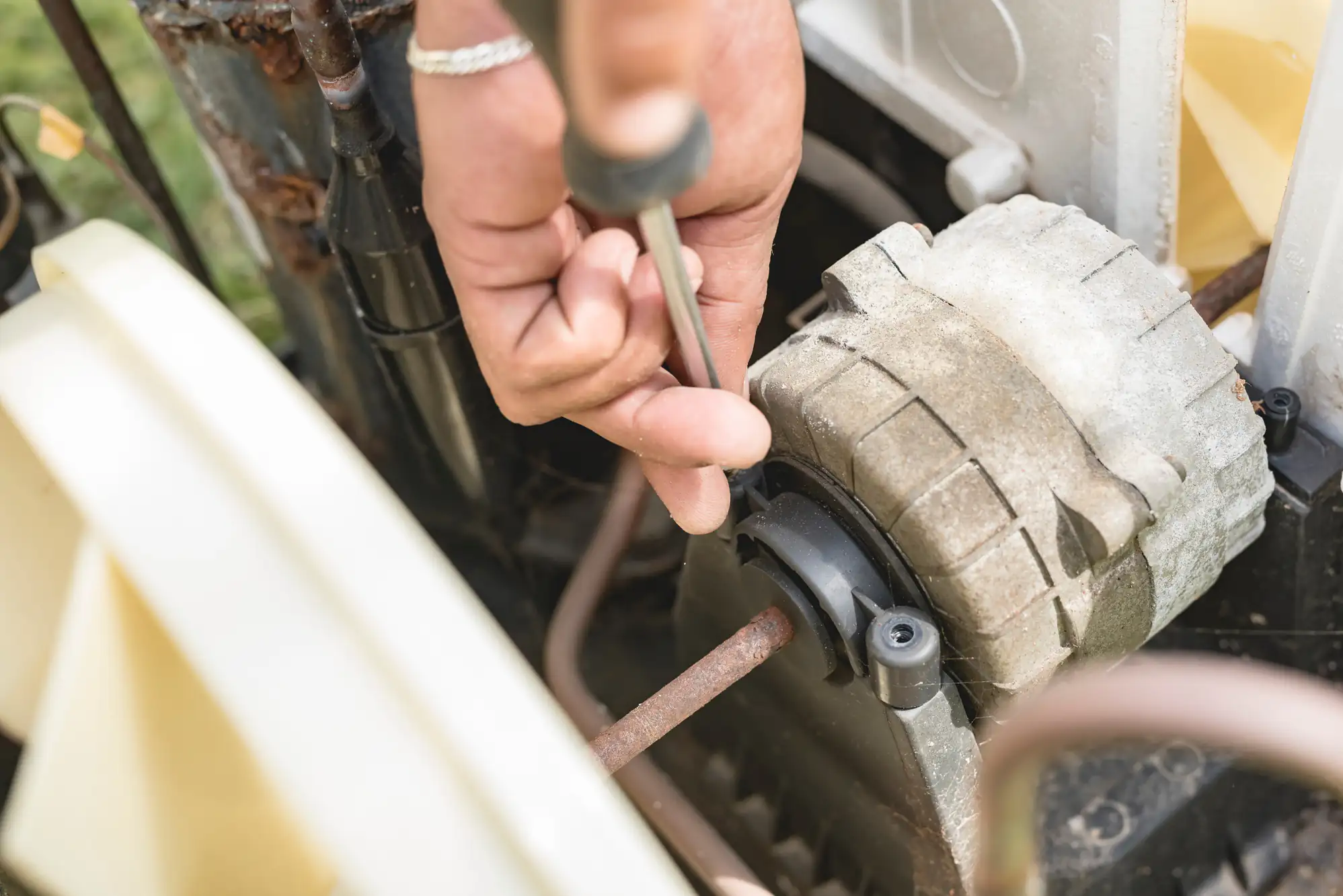
Age is the first indicator. If your system is over 15 years old, you’re approaching the end of its useful life. Most residential HVAC equipment is designed to last 15-20 years with proper maintenance. After that, efficiency drops, repairs become more frequent, and parts get harder to find.
Repair frequency matters too. If you’re calling for service twice a year or more, you’re spending money on a system that’s going to fail anyway. One major repair might make sense. Multiple repairs in a short period usually mean the system is breaking down across the board.
Energy bills tell the story. If your usage hasn’t changed but your costs keep climbing, your system is working harder to do the same job. That’s inefficiency, and it only gets worse. A new high-efficiency system often cuts energy costs by 20-30%, which offsets the installation cost over time.
The repair-versus-replace calculation is simple: if the repair costs more than half the price of a new system, and your equipment is over 10 years old, replacement makes more financial sense. We’ll give you both options and the honest math behind each one.
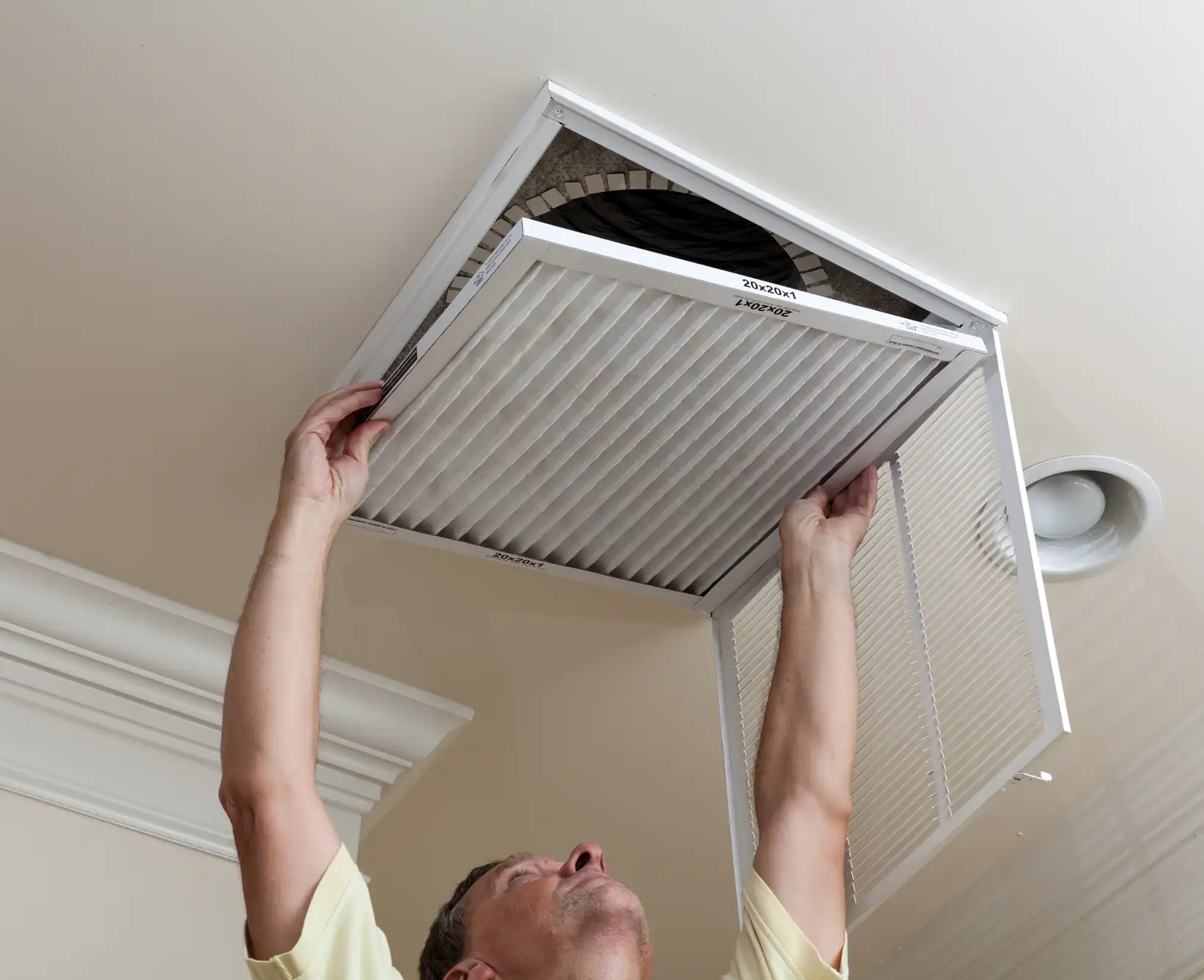
Maintenance means inspecting, cleaning, and testing your system before you actually need it to work. For air conditioning, that’s late spring before summer heat arrives. For heating, that’s early fall before the first cold snap.
A real maintenance visit includes checking refrigerant levels, cleaning coils, inspecting electrical connections, testing thermostat accuracy, examining ductwork for leaks, replacing filters, and verifying that safety controls work properly. It’s not just a filter change—it’s a full system checkup.
Most manufacturers require annual maintenance to keep warranties valid. Skip it, and you might void your coverage. More importantly, maintenance catches small issues before they become expensive failures. A loose electrical connection found during maintenance costs nothing to tighten. That same connection failing at 2 AM in January costs you an emergency service call plus the repair.
You should schedule maintenance once a year minimum. Twice a year is better if you use both heating and cooling heavily. East Northport’s climate means you’re running your HVAC system most of the year, so regular checkups make sense.
Most residential HVAC installations take one to three days depending on the complexity. A straightforward replacement where we’re swapping out an old system for a new one in the same location usually takes one full day. If we’re upgrading ductwork, relocating equipment, or installing a completely different type of system, it might take longer.
Day one, we remove the old equipment and prepare the installation area. This includes any necessary electrical work, ductwork modifications, or structural changes. The new system goes in, gets connected, and we test everything to make sure it’s operating correctly.
You’ll have heat or air conditioning the same day in most cases. We don’t leave you without climate control overnight. If the installation runs into a second day, we make sure you have a functioning temporary solution.
After installation, we walk you through the new system. How to operate it, what settings make sense for your home, when to change filters, and what to watch for. We also register your equipment warranty and schedule your first maintenance visit. You’re not figuring this out on your own.
High energy bills usually come from one of three problems: an inefficient system, a system that’s the wrong size for your home, or ductwork that’s leaking conditioned air into your attic or crawlspace.
Older systems simply use more energy to produce the same heating or cooling. A 20-year-old air conditioner might have a SEER rating of 10. A new high-efficiency system rates at 16-20 SEER. That’s 60-100% more efficient, which translates directly to lower electric bills. Same math applies to furnaces—old equipment wastes fuel.
Sizing matters more than most homeowners realize. An oversized system cycles on and off constantly, which uses more energy and wears out components faster. An undersized system runs continuously and never quite keeps up. Both scenarios cost you money. Proper sizing based on your home’s actual needs makes a measurable difference.
Ductwork leaks are invisible money drains. If 20-30% of your conditioned air is escaping into unconditioned spaces, you’re paying to heat or cool areas that don’t matter. Sealing ducts and upgrading insulation often deliver immediate savings.
A new, properly sized, high-efficiency system typically cuts energy costs by 20-40% depending on what you’re replacing. With Long Island’s energy prices, that’s real money every month. Most homeowners see payback in five to seven years, then enjoy lower costs for the next decade-plus.
You call us. We offer 24/7 consulting, which means someone answers the phone and helps you figure out what’s happening. Sometimes it’s something simple you can address yourself—a tripped breaker, a thermostat setting, a clogged filter. We’ll walk you through it.
If it’s an actual system failure that needs a technician, we schedule emergency service. HVAC emergencies don’t wait for business hours, and neither do we. No heat in January or no AC in August aren’t situations where you should wait until Monday.
Emergency service costs more than scheduled service—that’s standard across the industry. You’re paying for immediate availability and after-hours response. We’re upfront about pricing before we dispatch a technician. No surprises on the bill.
Most emergency calls are preventable with regular maintenance, but equipment does fail unexpectedly. When it does, you want a company that’s been around for 40 years and will actually show up. A lot of HVAC companies advertise 24/7 service but don’t actually answer the phone. We do.
Experience matters more than price. About 70% of new HVAC companies fail within their first year, and roughly 20% fail annually across the board. You want a contractor who’ll still be around to honor warranties and handle future service. Forty years in business isn’t luck—it’s proof we know what we’re doing.
Check reviews, but read them carefully. Look for specifics about how the company handled problems, not just whether customers were happy. Every contractor gets five-star reviews when jobs go smoothly. What matters is how they respond when something goes wrong.
Ask about their actual experience with your type of system or problem. Residential HVAC seems straightforward until it isn’t. Older homes, unusual layouts, complex zoning, indoor air quality issues—these require real expertise. Our background in commercial refrigeration and marine HVAC means we’ve seen and solved problems most residential contractors never encounter.
Get multiple estimates, but compare what’s actually included. The lowest price often means the cheapest equipment, fastest installation, and least thorough work. The highest price doesn’t guarantee quality either. Look for detailed proposals that explain what you’re getting and why it matters.
Verify licensing, insurance, and manufacturer certifications. You want a contractor who’s authorized to install and service the equipment they’re selling you. Manufacturer warranties often require certified installation—use an uncertified contractor and you might void your coverage before the system even starts up.