Hear from Our Customers
You shouldn’t have to crank the thermostat down just to stop feeling sticky in July. That’s a humidity problem, not a temperature problem, and most systems around here aren’t set up to handle the moisture that rolls in off the water.
When your air conditioning repair or furnace installation is done right for this climate, your home feels comfortable at normal settings. You’re not constantly adjusting. You’re not dealing with that clammy feeling even when the AC is running. And you’re not wondering why your energy bill keeps climbing even though you haven’t changed how you use the system.
Coastal homes need HVAC systems that account for salt air corrosion, rapid humidity shifts, and the kind of weather that can go from 90 degrees to a nor’easter in the same week. If your current setup wasn’t designed with that in mind, you’re going to keep running into the same issues no matter how many times someone comes out to “fix” it.
We’ve been handling heating and cooling in East Patchogue since before most of the waterfront condos were even built. We’ve worked on everything from Victorian homes with original steam radiators to 1960s ranch houses with ductwork that was undersized from day one.
That kind of experience matters when you’re dealing with systems that have to stand up to salt air, basement moisture, and the kind of humidity that makes a poorly balanced system completely useless. We’ve seen what works and what doesn’t in this specific area, and we don’t waste your time with solutions that sound good but won’t hold up here.
You’ll find dozens of five-star reviews from people in town who needed their heating system maintenance done right or their indoor air quality fixed after years of allergies and dust. We’re available 24/7 because we know HVAC emergencies don’t wait for business hours, and we give free estimates because you deserve to know what you’re paying for before any work starts.
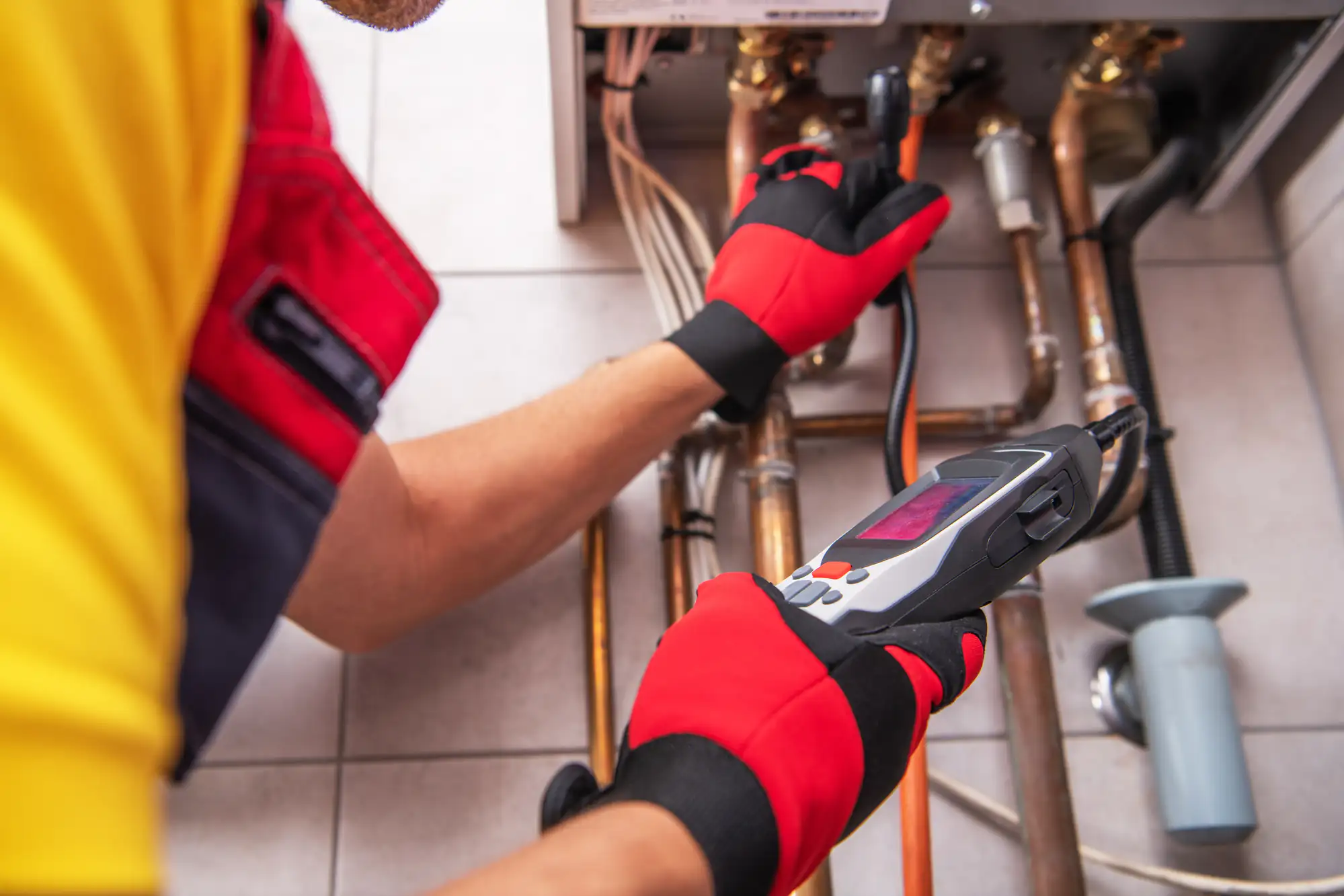
First, we come out and actually look at your system and your home. Not just the unit itself, but the ductwork, the airflow, the humidity levels, and how your house is set up. A lot of comfort problems come from mismatched components or systems that were never configured properly for the space.
We’ll tell you what’s wrong, what needs to happen to fix it, and what it’s going to cost. If it’s a repair, we explain whether it makes sense to fix it or if you’re better off replacing the whole system. If it’s an installation, we talk through sizing, efficiency, and what actually makes sense for your home and your budget—not just what’s most expensive.
Once you’re clear on the plan, we schedule the work and get it done without dragging it out. For HVAC replacement or new installs, that means proper load calculations, duct modifications if needed, and making sure the system is balanced for humidity control. For repairs, it means fixing the actual problem, not just resetting something and hoping it holds.
After the work’s done, we test everything, walk you through how to maintain it, and make sure you know how to reach us if something comes up. Then we stay available if you need us again.
Ready to get started?
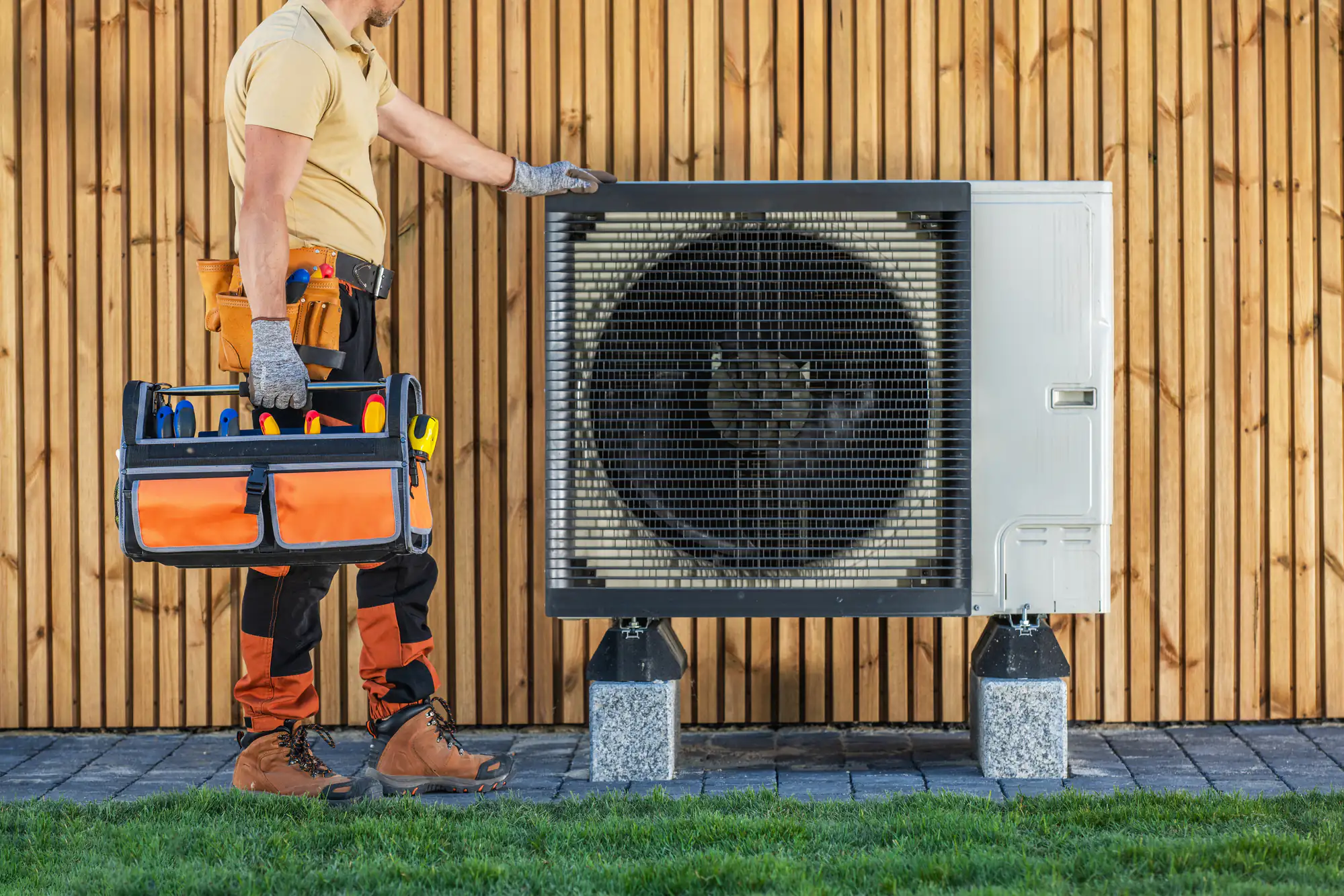
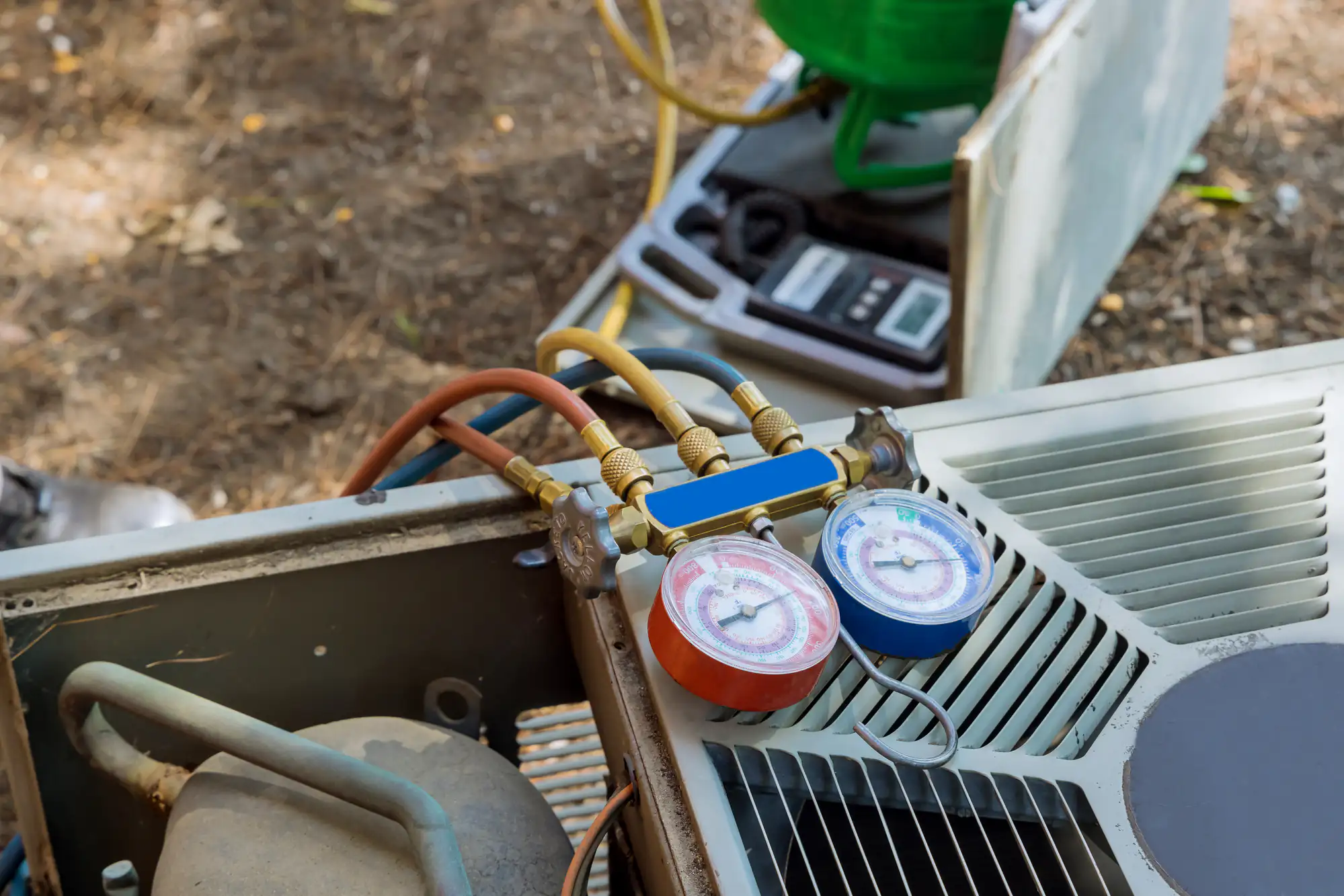
We handle air conditioning repair when your system stops cooling or starts short-cycling in the middle of summer. That includes refrigerant adjustments for humidity removal, fixing airflow issues, and replacing components that corrode faster here because of the salt air.
Furnace installation and heating system maintenance cover everything from new high-efficiency units to tune-ups that keep your existing system running through winter. A lot of homes around here still have undersized ductwork from decades ago, and we’ll reconfigure that if it’s causing uneven heating or forcing your furnace to work harder than it should.
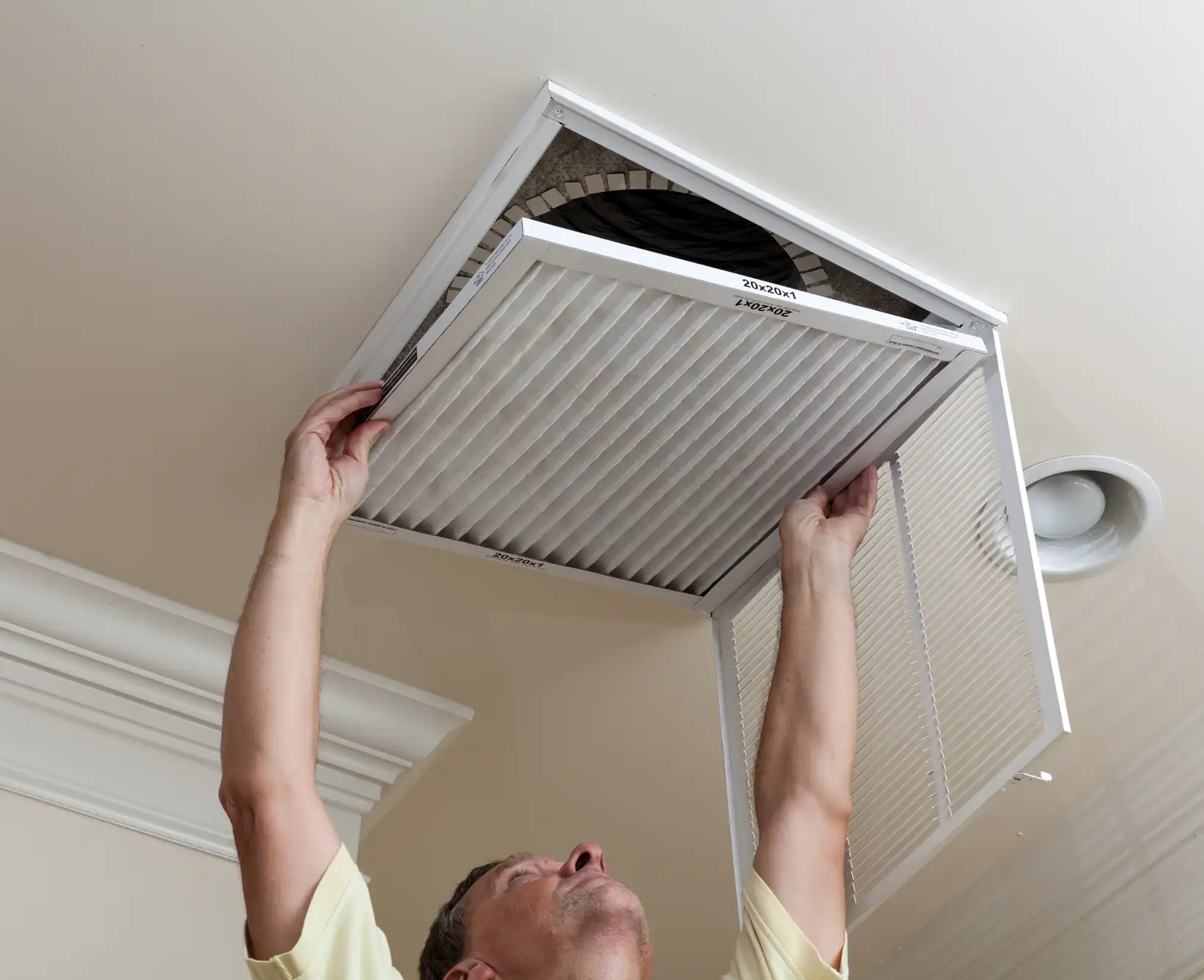
Indoor air quality is a bigger deal than most people realize. If you’re dealing with spring allergies that get worse inside your own house, or if the air feels stale and heavy even with the windows closed, that’s usually a filtration or ventilation problem. We install air purifiers, upgrade filters, and adjust airflow to actually clear out the pollen and dust instead of just recirculating it.
HVAC replacement gets recommended when your system is old enough that repairs don’t make financial sense anymore. Most residential units last 15 to 20 years with proper maintenance, but if yours is past that and you’re spending money on fixes every season, a new system with better efficiency will pay for itself faster than you think.
At least once a year, ideally before heating season starts in the fall. That gives you time to catch problems before you’re dealing with no heat during a January cold snap.
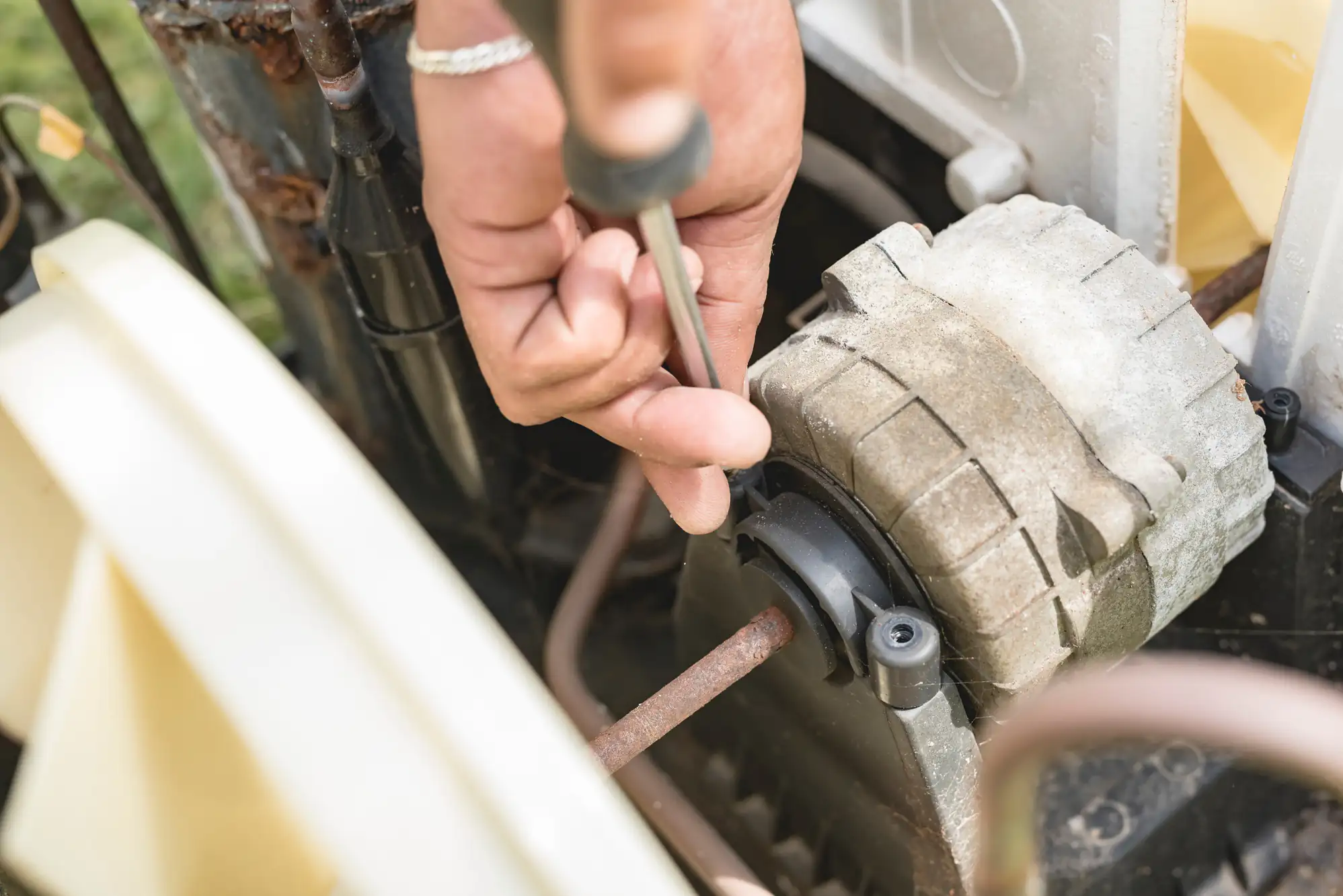
Maintenance isn’t just about preventing breakdowns. It’s about efficiency. A system that hasn’t been cleaned and tuned in a couple of years can use 20% more energy to do the same job, and you’ll see that on your utility bill before you feel it in your living room.
For homes near the water, annual maintenance also means checking for salt air corrosion on metal components and making sure moisture hasn’t damaged motors or electrical connections in the basement. Those are the kinds of issues that turn into expensive emergency repairs if they’re ignored.
Because your air conditioner isn’t removing enough moisture, which is a separate function from cooling the air. A lot of systems around here are either undersized, improperly configured, or running in a way that cools the air too fast without giving it time to dehumidify.
When the system short-cycles—turning on and off too frequently—it never runs long enough to pull moisture out of the air. That leaves you with cold, clammy air instead of dry, comfortable air. Sometimes it’s a thermostat issue, sometimes it’s refrigerant levels, and sometimes the system just wasn’t set up correctly for coastal humidity in the first place.
Fixing it usually means adjusting the refrigerant charge, recalibrating the thermostat, or in some cases upgrading to a system with better moisture control. Once it’s balanced right, you’ll feel the difference immediately. The air will feel lighter, and you won’t need to set the thermostat as low to feel comfortable.
It depends on the size of your home, the type of system you’re installing, and whether your ductwork needs modifications. For a typical East Patchogue home, you’re looking at anywhere from $4,000 to $10,000 for a full furnace replacement, including labor and materials.
High-efficiency units cost more upfront but can cut your heating bills significantly, especially if you’re replacing an older system that’s been losing efficiency for years. If your ducts are undersized or leaking, that’s additional work, but it’s also the difference between a system that works and one that struggles to heat your house evenly.
We give free estimates, and we’ll walk you through what makes sense for your situation. Sometimes it’s worth spending a little more for a better system. Sometimes it’s not. But you’ll know exactly what you’re paying for and why before we start any work.
If your system is less than 10 years old and the repair cost is under a third of what a new system would cost, repair usually makes sense. If it’s older than 15 years and you’re looking at a major component failure—compressor, evaporator coil, or condenser—replacement is often the smarter move.
Age isn’t the only factor. If you’ve been paying for repairs every season, or if your energy bills keep climbing even though you’re not using the AC any differently, that’s a sign the system is on its way out. Older units also use refrigerants that are being phased out, which makes future repairs more expensive and harder to find parts for.
We’ll be straight with you about what makes financial sense. If a repair buys you a few more good years, we’ll tell you. If you’re throwing money at a system that’s going to fail again in six months, we’ll tell you that too. The goal is to help you make a decision you won’t regret a year from now.
Yes. Most indoor air quality problems can be fixed with upgrades to your existing system—better filters, air purifiers, UV lights, or improved ventilation. You don’t need a full HVAC replacement unless the system itself is failing.
If you’re dealing with allergies, dust, or stale air, the first step is figuring out where it’s coming from. Sometimes it’s a filtration issue—your current filter isn’t catching enough particles, or it’s clogged and restricting airflow. Sometimes it’s a ventilation problem, where your home isn’t bringing in enough fresh air and just keeps recirculating the same stuff.
We can install HEPA filters, whole-home air purifiers, or humidity controls depending on what your house needs. For homes with mold or bacteria concerns, UV lights inside the ductwork can kill those contaminants before they circulate. The right solution depends on your specific air quality issue, but there’s almost always a fix that doesn’t require tearing out your entire system.
Yes. We’re available 24/7 for emergency heating and cooling repairs, because we know system failures don’t happen on a convenient schedule. If your furnace goes out in the middle of a winter storm or your AC dies during a heat wave, you can reach us.
Emergency calls get prioritized, and we’ll get someone out to you as quickly as possible. The goal is to get your system back up and running, or at least get you temporary heat or cooling while we order parts or plan a bigger repair.
We’ve been doing this in East Patchogue long enough to know which problems can wait and which ones can’t. If you’ve got no heat and it’s 20 degrees outside, that’s an emergency. If your AC is struggling but still running, we can usually schedule something within a day or two. Either way, you’re not waiting around wondering when someone’s going to show up.