Hear from Our Customers
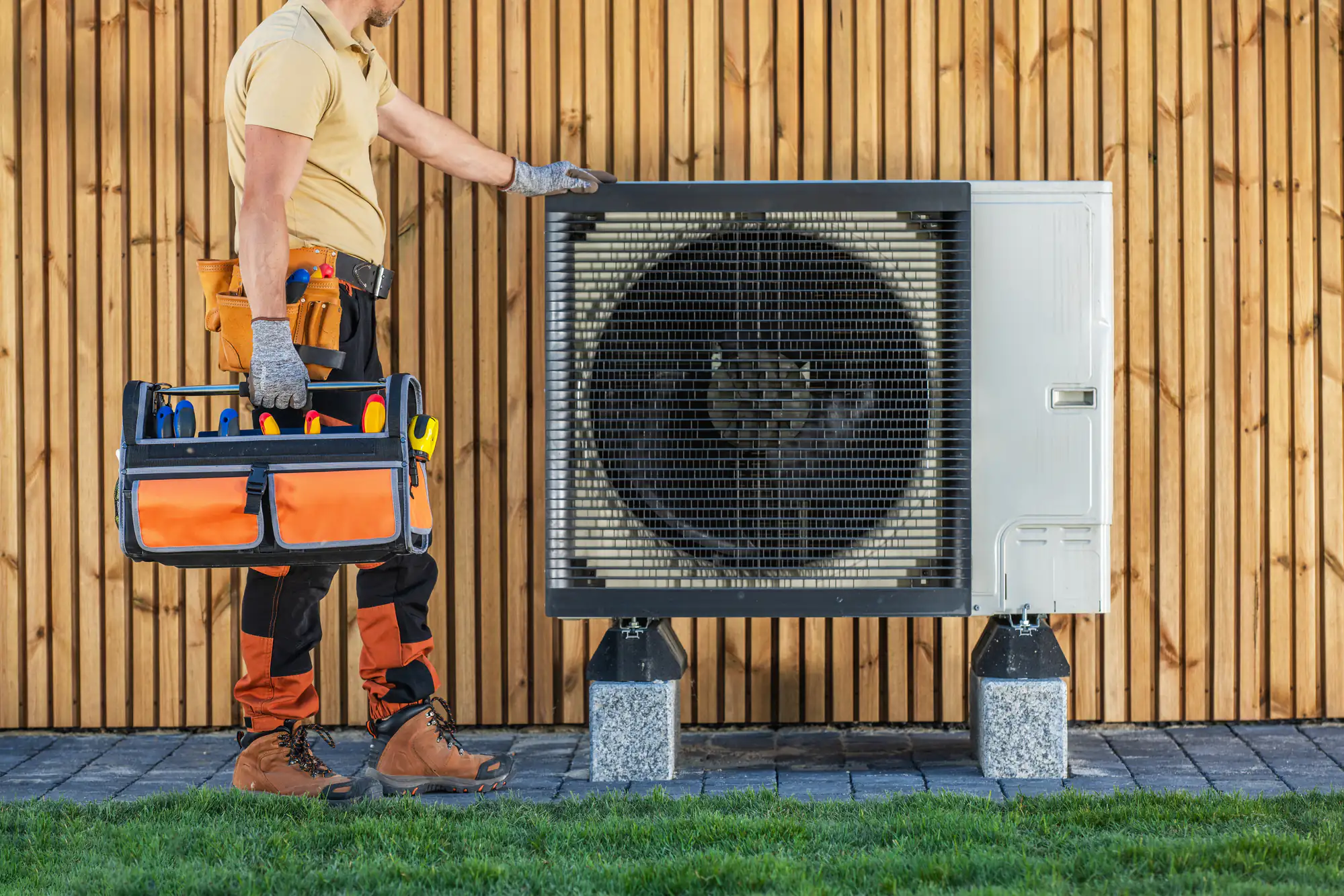
Your heating fails during a January freeze. Your AC quits during an August heat wave. These aren’t minor inconveniences—they’re urgent problems that affect your family’s comfort and your home’s integrity.
You need a system that’s sized correctly for Long Island’s humid summers and cold winters. One that accounts for salt air if you’re near the water. One that’s installed by someone who understands local building codes and won’t cut corners to save fifteen minutes.
When your HVAC works the way it should, you’re not thinking about it. You’re not adjusting the thermostat every hour or calling for emergency repairs. You’re not watching your energy bills climb while your system struggles. You’re comfortable, and the equipment you invested in is doing exactly what it’s supposed to do—efficiently and reliably.
For over 40 years, we’ve kept airports, restaurants, catering halls, and marine vessels running. These are environments where downtime isn’t an option and equipment failure means real consequences.
That same level of precision matters in your home. East Setauket homeowners deal with specific challenges—high humidity in summer, freeze cycles in winter, and for waterfront properties, the constant battle with salt air corrosion. We’ve seen what happens when systems aren’t designed for these conditions, and we know how to prevent it.
We’re not the cheapest option, and we’re upfront about that. You’re paying for proper load calculations, correctly sized equipment, and installation that extends your system’s lifespan by years. That’s the difference between a 15-year system and one that needs replacing at year eight.
You call or contact us with a problem or a question about replacement. We schedule a time that works for you—not a four-hour window where you’re stuck waiting around.
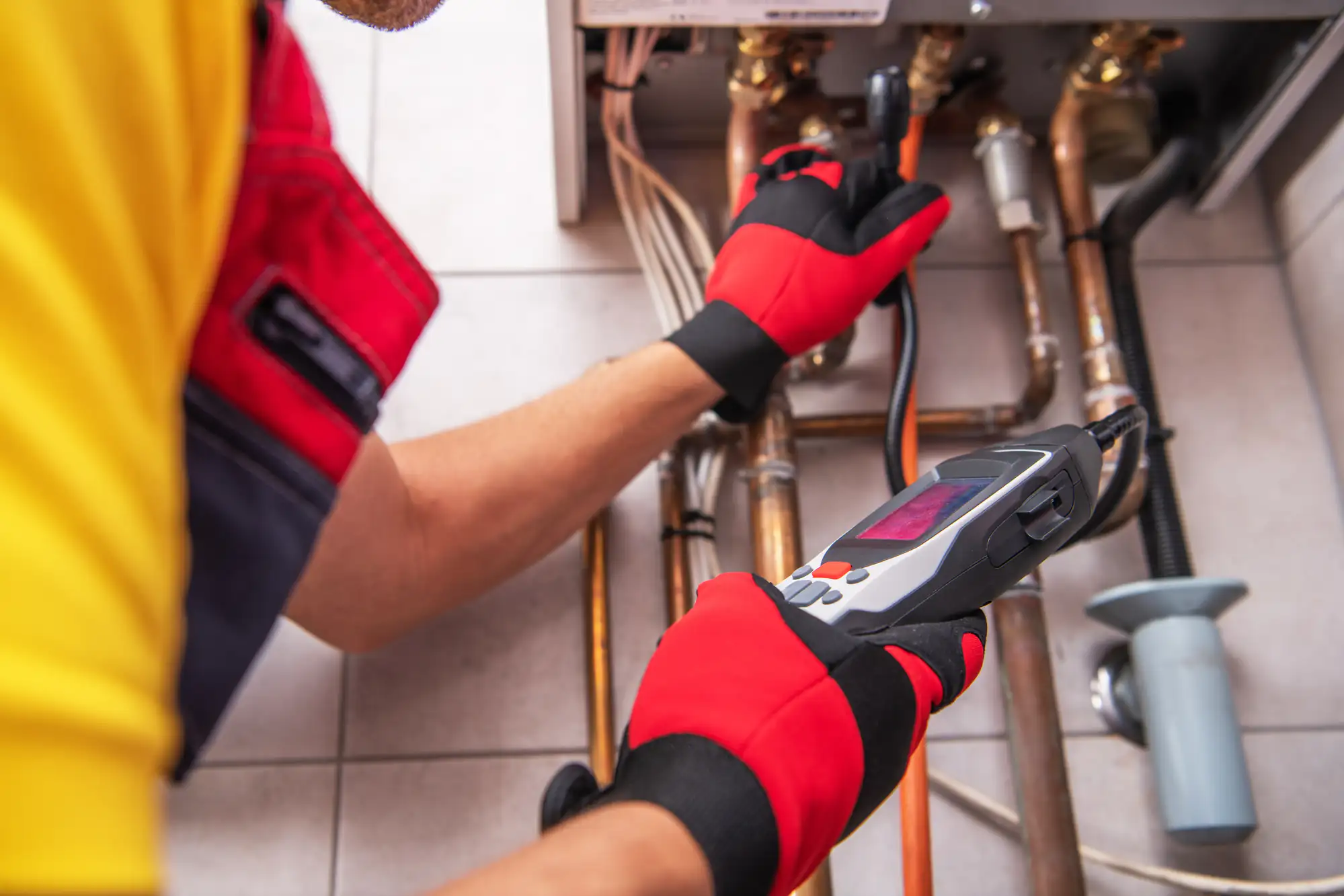
Our technician shows up with parts inventory already on the truck. For about 70% of service calls, that means we’re fixing the problem on the first visit. No waiting days for a part to arrive while you’re without heat or AC.
If you need a new system, we do a proper load calculation. That means measuring your home, accounting for insulation, window placement, and local climate factors. We’re not guessing at tonnage or using rules of thumb—we’re sizing equipment that will actually perform efficiently in your specific home.
We explain what we found, what it costs, and what your options are. No pressure, no upselling equipment you don’t need. If there are rebates available through the NYS Clean Heat Program or utility incentives, we walk you through those too.
Installation includes permits, any electrical work needed, and making sure everything is up to code. You get a system that’s built to last, not just installed fast.
Ready to get started?
Air conditioning repair and furnace installation are the obvious ones, but there’s more to keeping a home comfortable. Heating system maintenance catches small problems before they become expensive emergencies. A tune-up in the fall means your furnace isn’t failing on the coldest night of the year.
HVAC replacement isn’t just swapping out old equipment for new. It’s evaluating whether your current system was ever sized correctly, whether your ductwork is leaking conditioned air into your attic, and whether newer technology like heat pumps makes sense for your home and budget. With residential heating oil at over $4 per gallon in Suffolk County, a lot of East Setauket homeowners are looking at high-efficiency alternatives that actually pay for themselves.
Indoor air quality has become a bigger concern, especially in tightly sealed modern homes. Whole-home air purification, humidity control, and ventilation systems address problems that basic filtration can’t touch. If someone in your home has allergies or respiratory issues, this isn’t a luxury—it’s a necessity.
We also handle the less common stuff that most residential contractors won’t touch. Wine cellars that need precise temperature control. Home gyms that need dedicated cooling. Finished basements where humidity control prevents mold. If it involves climate control in a residential setting, we’ve likely done it before.
A full system replacement typically runs between $8,000 and $18,000 for most East Setauket homes, but that range shifts based on system size, efficiency rating, and whether you need ductwork modifications.
Equipment prices have gone up about 40% since 2020, and they’re not coming back down. A basic builder-grade system costs less upfront but uses more energy and typically needs replacing sooner. High-efficiency systems cost more initially but qualify for rebates and reduce your monthly utility bills enough that the difference pays for itself over the system’s lifespan.
If your current system is over 15 years old and needs a major repair, replacement usually makes more financial sense than fixing it. Older systems use R-22 refrigerant, which is being phased out and costs a fortune now. You’re also losing 30-40% efficiency compared to modern equipment, which shows up every month on your energy bill.
A tune-up is preventive maintenance—we’re checking and adjusting things before they break. A repair means something already failed and needs fixing.
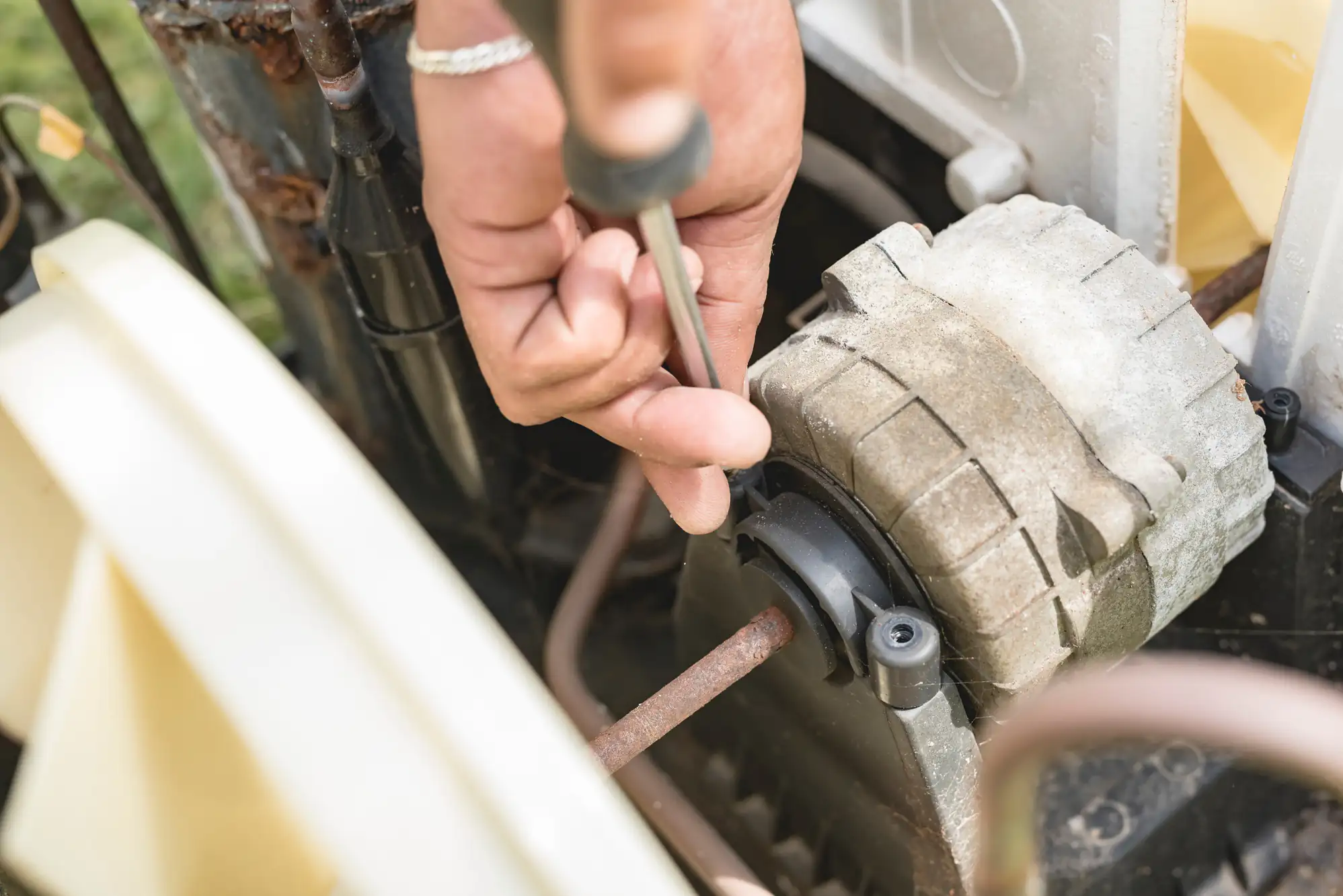
During a heating system maintenance visit, we’re cleaning components, checking electrical connections, testing safety controls, measuring airflow, and looking for wear that indicates a part is about to fail. Catching a failing capacitor during a tune-up means replacing a $30 part on your schedule. Waiting until it fails means an emergency service call, no heat or AC, and potentially damage to other components that were stressed by the failure.
Most manufacturers require annual maintenance to keep warranties valid. Skip the tune-ups and you might find out your “10-year warranty” doesn’t cover the repair because you can’t prove the system was maintained. For the cost of two service calls, a maintenance contract gets you priority scheduling, discounted rates, and the peace of mind that your system is actually being looked at by someone who knows what to check.
A properly installed and maintained system should give you 15-20 years. Most systems fail earlier because they were undersized, oversized, or installed incorrectly from day one.
Long Island’s climate is hard on HVAC equipment. Humid summers make your AC work harder. Salt air corrodes components if you’re near the water. Freeze-thaw cycles stress heat exchangers. A system that might last 20 years in Arizona might only make it 12 here if it’s not designed for these conditions.
Oversized systems are the most common installation mistake. A contractor looks at square footage, picks a system that seems right, and moves on. But an oversized AC short-cycles—it cools the air quickly but doesn’t run long enough to remove humidity. You end up with a cold, clammy house and a system that wears out faster. Proper load calculations account for insulation, window orientation, and local climate. It takes longer upfront but adds years to your equipment’s life.
You don’t need it until you do—and then you need it immediately.
Furnaces fail during cold snaps because that’s when they’re working hardest. Air conditioners quit during heat waves for the same reason. These aren’t situations where you can wait until Monday morning for a callback. Frozen pipes from a failed heating system can cause thousands in water damage. A heat wave without AC isn’t just uncomfortable for elderly family members or young children—it’s potentially dangerous.
We keep common parts on our trucks specifically so we’re not telling you “we can fix it in three days when the part arrives.” Most emergency calls get resolved the same visit. Our response time is typically 2-4 hours, not next-day or next-week.
The reality is that most HVAC companies offer “24/7 service” but route you to an answering service that takes a message. You’re calling multiple contractors at 11 PM on a Saturday trying to find someone who’ll actually show up. We answer, we respond, and we fix it—because we’ve been doing this for commercial clients who can’t afford downtime for 40 years.
If you’re planning to stay in your home for more than five years, yes—the energy savings cover the difference and then some.
A standard-efficiency furnace wastes about 20% of the fuel it burns. A high-efficiency model wastes closer to 3-5%. On Long Island, where you’re heating for a solid five months of the year, that difference adds up fast. The same applies to air conditioning—a higher SEER rating means lower electric bills every summer.
The NYS Clean Heat Program offers rebates for high-efficiency equipment, and many utility companies have additional incentives. Between rebates and energy savings, the payback period is usually 4-7 years. After that, you’re just saving money every month for the rest of the system’s lifespan.
There’s also the comfort factor. High-efficiency systems tend to have variable-speed components, which means better humidity control, more even temperatures, and quieter operation. You’re not just saving money—you’re actually more comfortable.
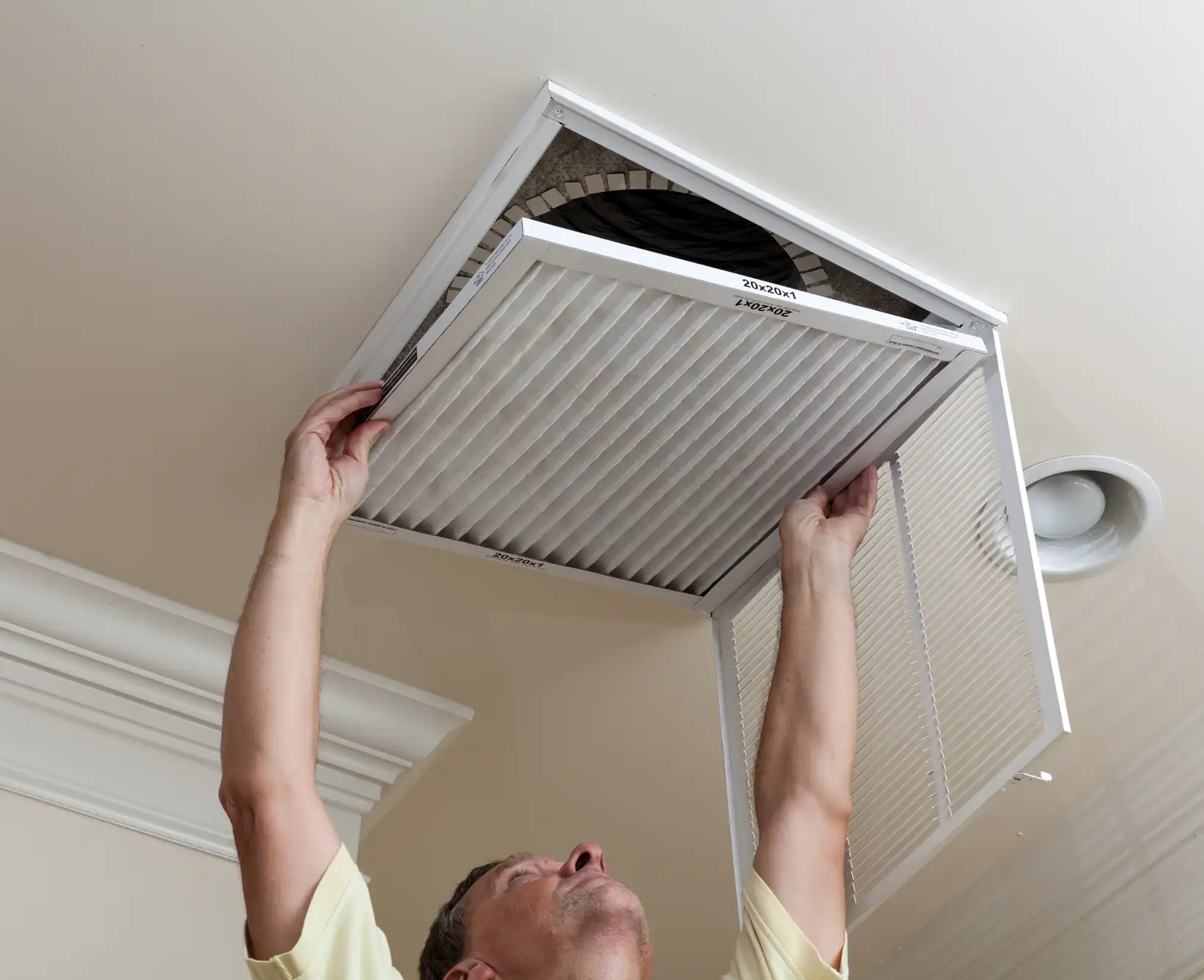
First, check your air filter and thermostat settings—about 20% of “my system isn’t working” calls are solved that easily. If those are fine, you likely have a real problem that needs professional diagnosis.
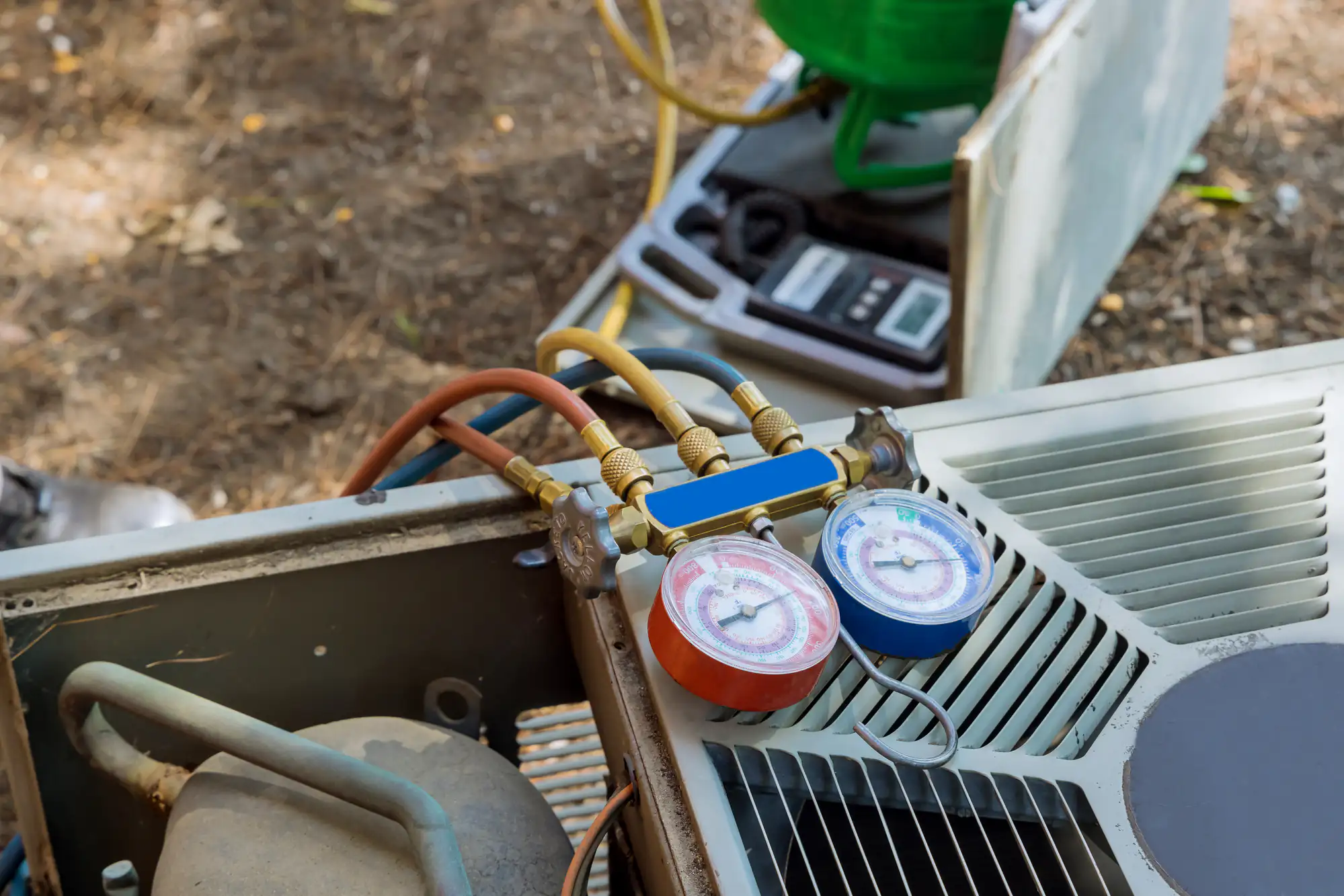
Common causes include refrigerant leaks, failed capacitors, dirty coils, or ductwork that’s leaking conditioned air into unconditioned spaces. Sometimes the system is just undersized for the space, which means it was never going to keep up on the hottest or coldest days.
Don’t keep running a struggling system hoping it’ll sort itself out. When components are failing, the system works harder to compensate, which stresses other parts and turns a simple repair into a complex one. A $200 fix this week can become a $2,000 repair next month if you wait.
Call for a diagnostic. We’ll tell you what’s wrong, what it costs to fix, and whether you’re better off repairing or replacing based on the system’s age and condition. Sometimes the honest answer is “this system owes you nothing, and you should replace it.” Sometimes it’s “replace this part and you’ll get another few years.” We’ll give you the information you need to make the right call for your situation.