Hear from Our Customers
You’re not waking up drenched in sweat at 2 AM because your bedroom hit 85 degrees. Your kids aren’t bundled in coats at the breakfast table because the heat went out overnight. You’re not watching your energy bill climb every month while your system struggles to keep up.
Your home maintains the temperature you set. Your family stays comfortable without thinking about it. When something does go wrong, you make one call and someone picks up—not an answering service, an actual person who can help.
That’s what reliable residential HVAC services look like. No drama. No emergency scrambles. Just consistent comfort and a system that works when you need it.
We’ve spent over 40 years working on the most demanding HVAC and refrigeration systems you can imagine—marine vessels, airport facilities, commercial kitchens. We’ve brought that same level of expertise to Fire Island homes since the beginning.
When you live on a barrier island, your HVAC system faces challenges most contractors never see. Salt air. Humidity. Homes that sit empty for months then need to cool down fast when you arrive for summer. We understand how Fire Island properties work because we’ve been servicing them for decades.
You’ll work with licensed, insured technicians who’ve earned dozens of five-star reviews by showing up when they say they will and fixing things right the first time.
You call our number and a real person answers—24/7, every day of the year. Not a recording. Not an answering service. Someone who can actually help you.
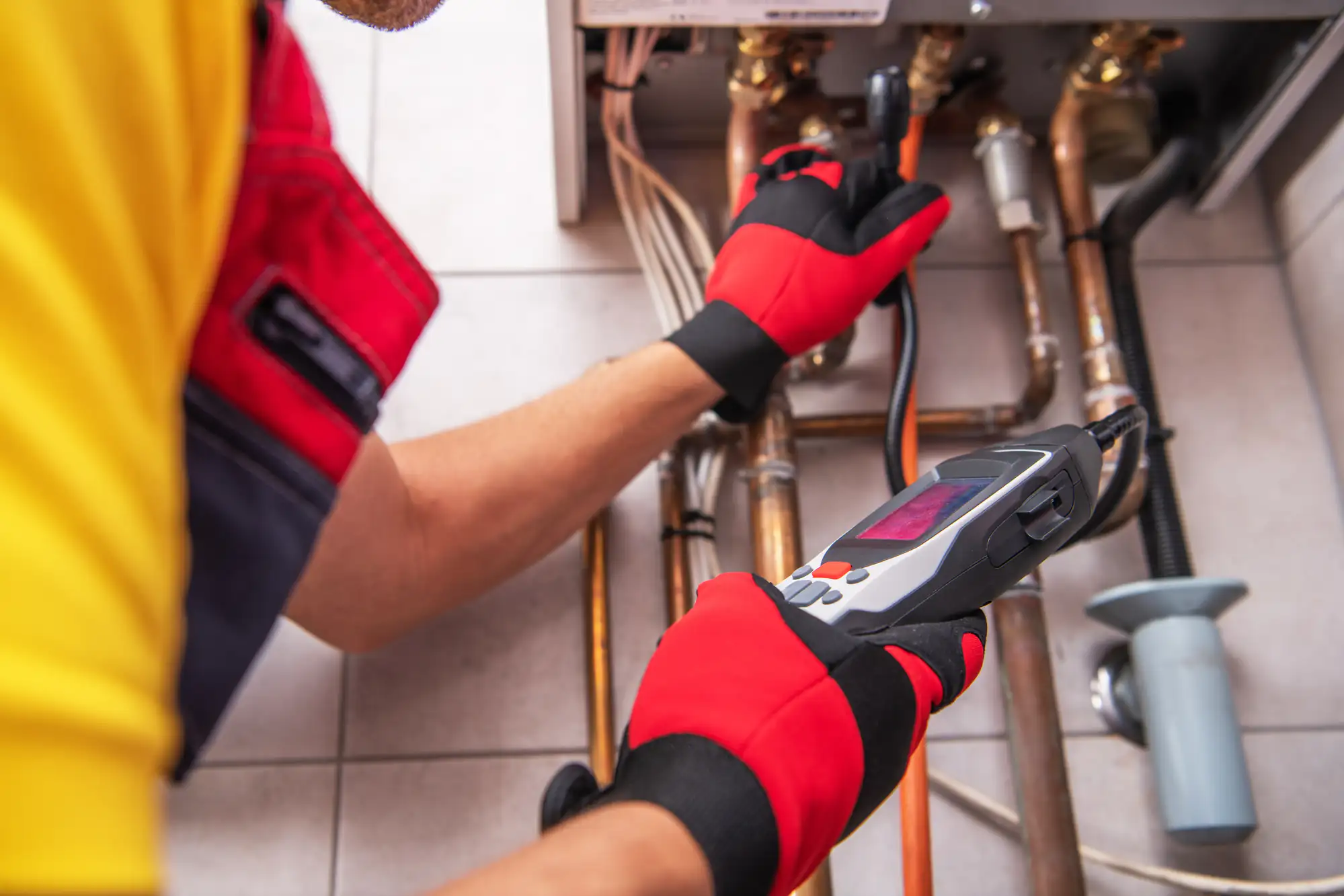
If it’s an emergency, we dispatch a technician immediately. For genuine emergencies, we’re typically on-site within two hours. Our trucks carry extensive inventory for all major brands, which means we fix about 70% of emergency calls the same day.
For installations or replacements, we schedule a free estimate at your convenience. We’ll assess your home, explain your options in plain language, and give you upfront pricing with no hidden fees. Once you’re ready to move forward, we handle everything—permits, installation, testing, and a full walkthrough so you understand how to use your new system.
After the job’s done, you have our number. If something comes up, you call the same people who did the work.
Ready to get started?
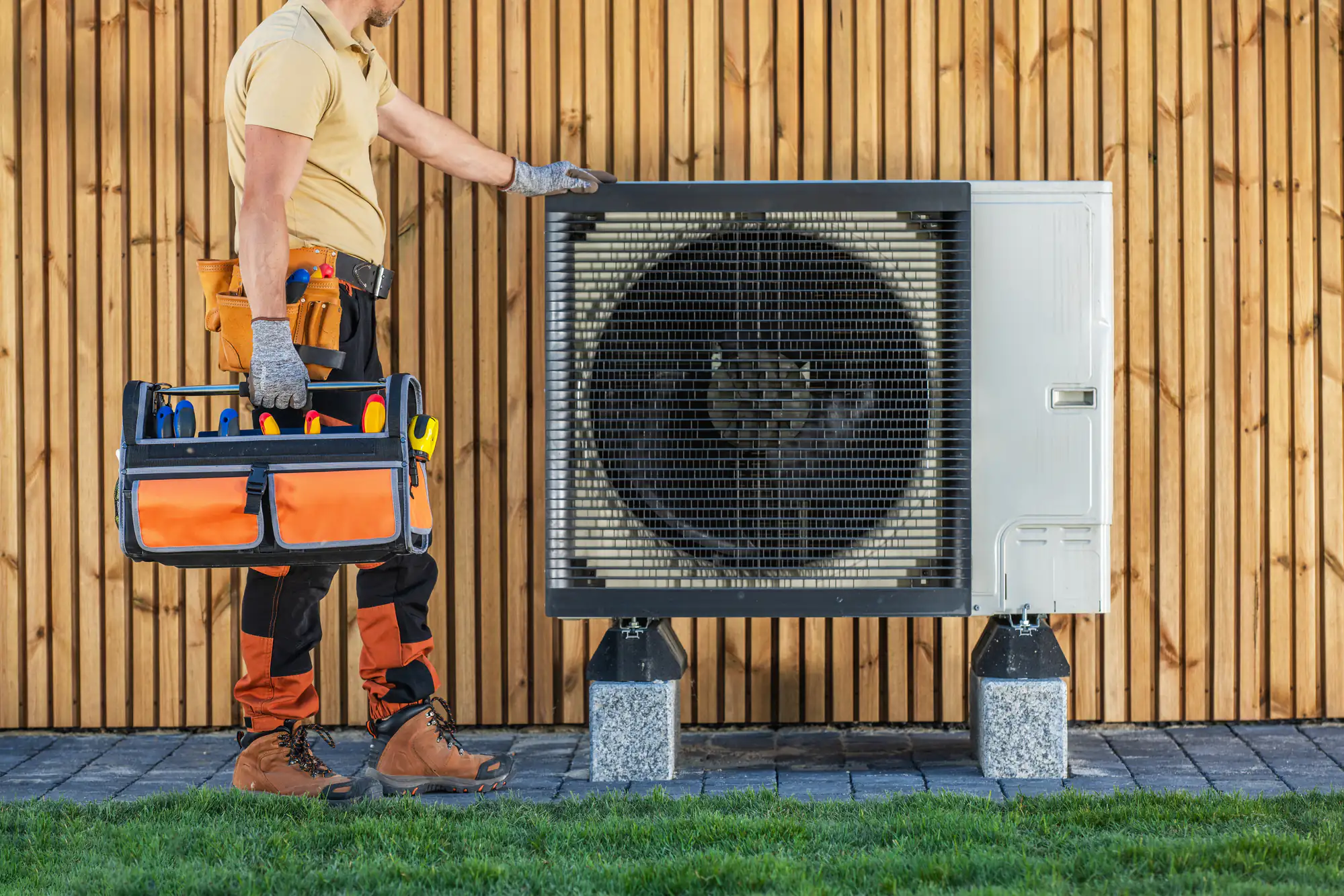
Air conditioning repair and installation for Fire Island’s brutal summer months when indoor temperatures can hit 90+ degrees. We work with all major brands and can retrofit older homes or install new high-efficiency systems that qualify for federal tax credits up to $2,000.
Furnace installation and heating system maintenance to keep you warm through Long Island winters. Whether you’re running an older oil furnace or looking to upgrade to a modern heat pump, we’ll make sure your system can handle the coldest nights without breaking down.
Indoor air quality solutions that actually matter when you’re dealing with salt air, pollen, and the unique challenges of island living. UV lights, HEPA filtration, and smart thermostats that let you control your home’s climate from anywhere.
HVAC replacement when your system finally gives up. We’ll help you choose the right size and efficiency level for your specific home—not just sell you the most expensive option. Fire Island properties range from small beach cottages to year-round colonials, and your system should match what you actually need.
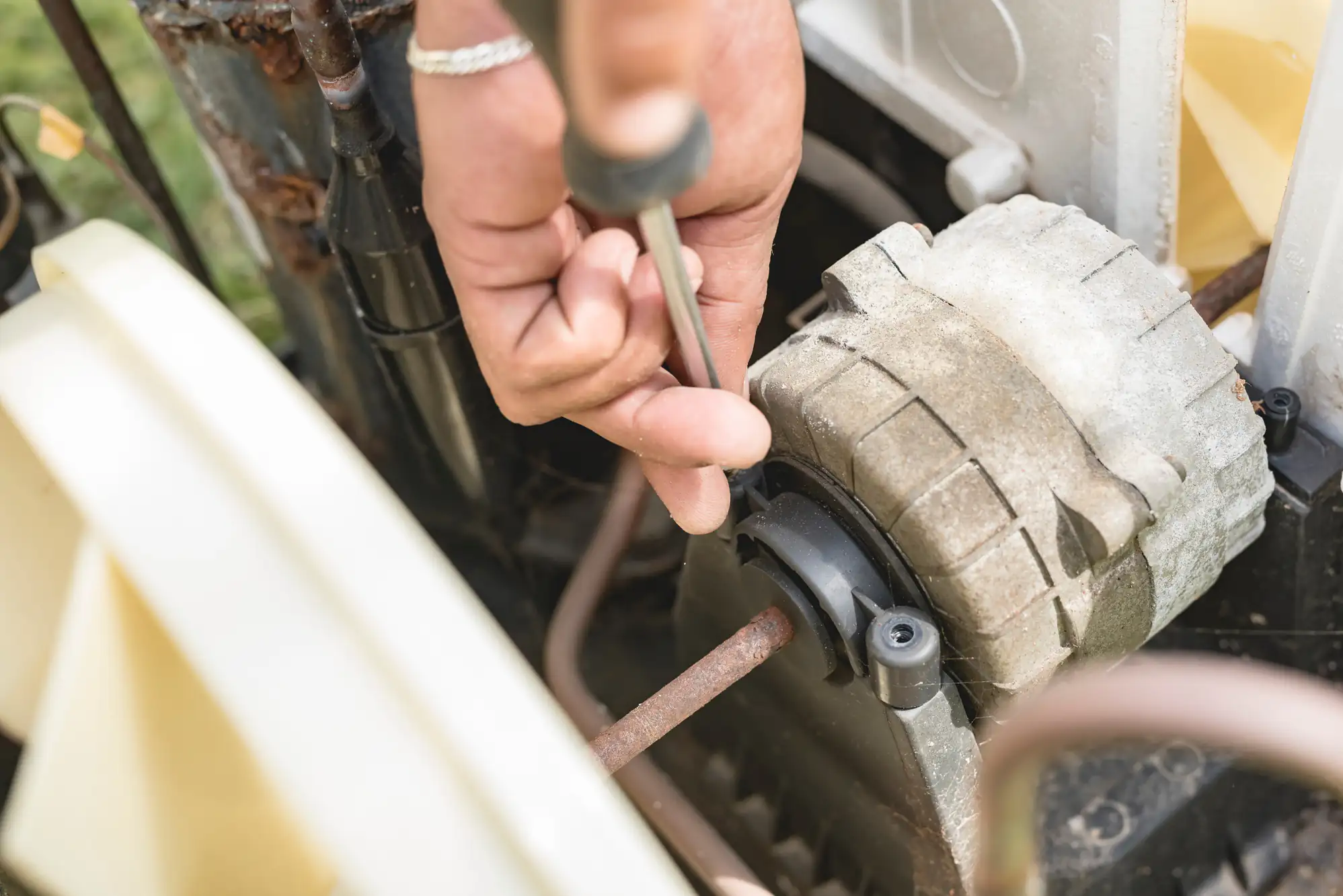
For genuine emergencies—your AC dies during a heatwave or your heat goes out in winter—we dispatch a technician immediately and typically arrive within two hours. A real person answers our phone 24/7, so you’re not leaving messages or waiting for callbacks when your home is 85 degrees at midnight.
Our trucks carry parts for all major brands. That’s why we can fix about 70% of emergency calls the same day. We’re not making multiple trips or ordering parts while you suffer through another night of no heat or AC.
If it’s not a true emergency, we’ll still get you scheduled fast. But we’re not going to charge you emergency rates for something that can wait until morning. We’ll be straight with you about what needs to happen and when.
Salt air corrodes components faster than you’d see in inland homes. Humidity levels are consistently higher. Many Fire Island properties sit vacant for months, then need to cool down quickly when owners arrive for summer—that’s harder on systems than year-round use.
Beach houses often have unique layouts with challenging ductwork. Older homes might not have been built with central air in mind. And if something breaks, you can’t just run to a big-box store for a quick fix—everything has to come across the water.
We’ve been working on Fire Island properties for over 40 years. We know which systems hold up best in salt air, how to size equipment for homes with unusual floor plans, and what maintenance schedule actually makes sense for a property that’s only occupied seasonally. That experience matters when you’re trying to keep a system running reliably in a challenging environment.
If your system is over 15 years old and needs a major repair—like a compressor or heat exchanger—replacement usually makes more financial sense. You’re looking at a big repair bill for a system that’s already near the end of its lifespan, and it’s running inefficiently compared to modern equipment.
New systems use 20-35% less energy than units from the early 2000s. If you’re spending $200+ per month cooling your home in summer, a new high-efficiency system could cut that significantly. Plus, qualifying heat pumps now come with federal tax credits up to $2,000, which helps offset the upfront cost.
That said, if your system is under 10 years old and the repair is minor, fixing it makes sense. We’ll give you honest numbers on both options—what the repair costs versus what replacement costs, and how long it’ll take for energy savings to pay back the investment. Then you can make the call that works for your situation and budget.
Your AC should be serviced every spring before cooling season starts. Your heating system should be checked every fall before you need it. That’s the baseline for any home, but Fire Island properties often need more attention because of salt air and seasonal use patterns.
Maintenance isn’t just changing filters—though that matters too, and clogged filters are the number one cause of efficiency loss. A real tune-up includes checking refrigerant levels, cleaning coils, testing electrical connections, inspecting ductwork for leaks, and catching small problems before they become expensive failures.
If you only use your Fire Island home seasonally, we recommend a startup service when you open the house and a shutdown service when you close it for winter. That prevents issues from sitting unnoticed for months and ensures your system is ready to perform when you actually need it. Most of our residential clients on maintenance plans see lower energy bills and fewer emergency repairs—the system just runs better when it’s properly maintained.
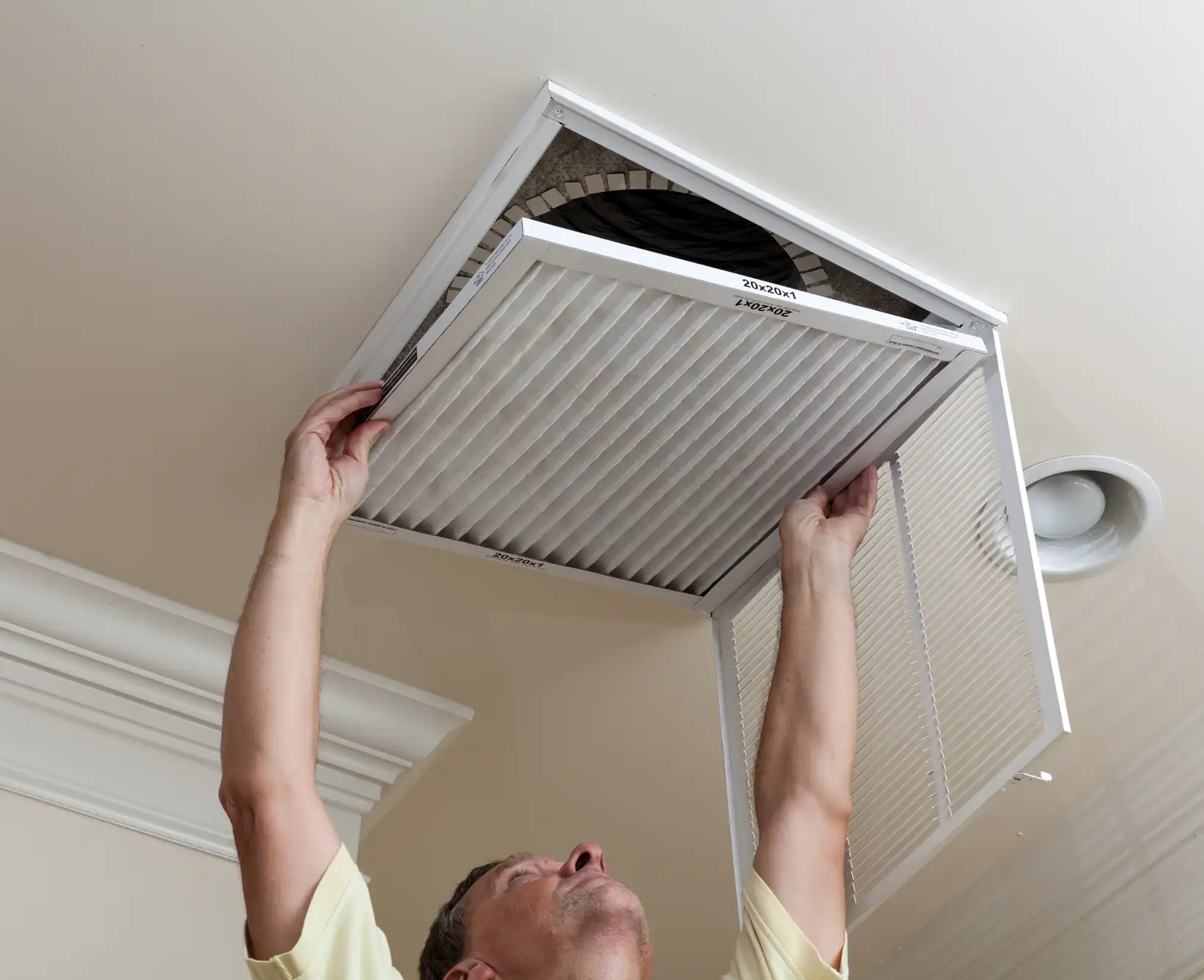
Absolutely. Older homes actually benefit the most from indoor air quality upgrades because they weren’t built with modern filtration in mind. UV lights installed in your ductwork kill mold, bacteria, and viruses before they circulate through your home. HEPA filtration catches pollen, dust, and other particles that basic filters miss.
This matters more in Fire Island than you might think. Salt air brings moisture that encourages mold growth. Spring and fall bring pollen that your HVAC system can recirculate throughout the house if you don’t have proper filtration. And if your home sits closed up for months at a time, air quality can get pretty stale.
We can retrofit almost any existing system with better filtration and air purification. It doesn’t require tearing out your whole HVAC setup. We assess what you currently have, recommend specific upgrades based on your home and how you use it, and install everything without major disruption. Most clients notice the difference immediately—less dust, fewer allergy symptoms, and air that just feels cleaner.
For a typical Fire Island home, you’re looking at $5,000 to $12,000 for a complete system replacement, depending on the size of your home, the efficiency level you choose, and whether we’re working with existing ductwork or installing new. Smaller beach cottages fall on the lower end. Larger year-round homes with complex layouts cost more.
High-efficiency systems cost more upfront but qualify for federal tax credits and save you money every month on energy bills. A basic builder-grade system is cheaper initially but will cost you more over its lifespan in higher utility bills and potentially more repairs.
We give you a free estimate with transparent pricing before any work starts. No hidden fees for “disposal” or “startup” or other charges that mysteriously appear on the final bill. You’ll know exactly what you’re paying and what you’re getting. And we’ll explain the actual difference between your options in terms of comfort, efficiency, and long-term cost—not just try to upsell you to the most expensive unit.