Hear from Our Customers
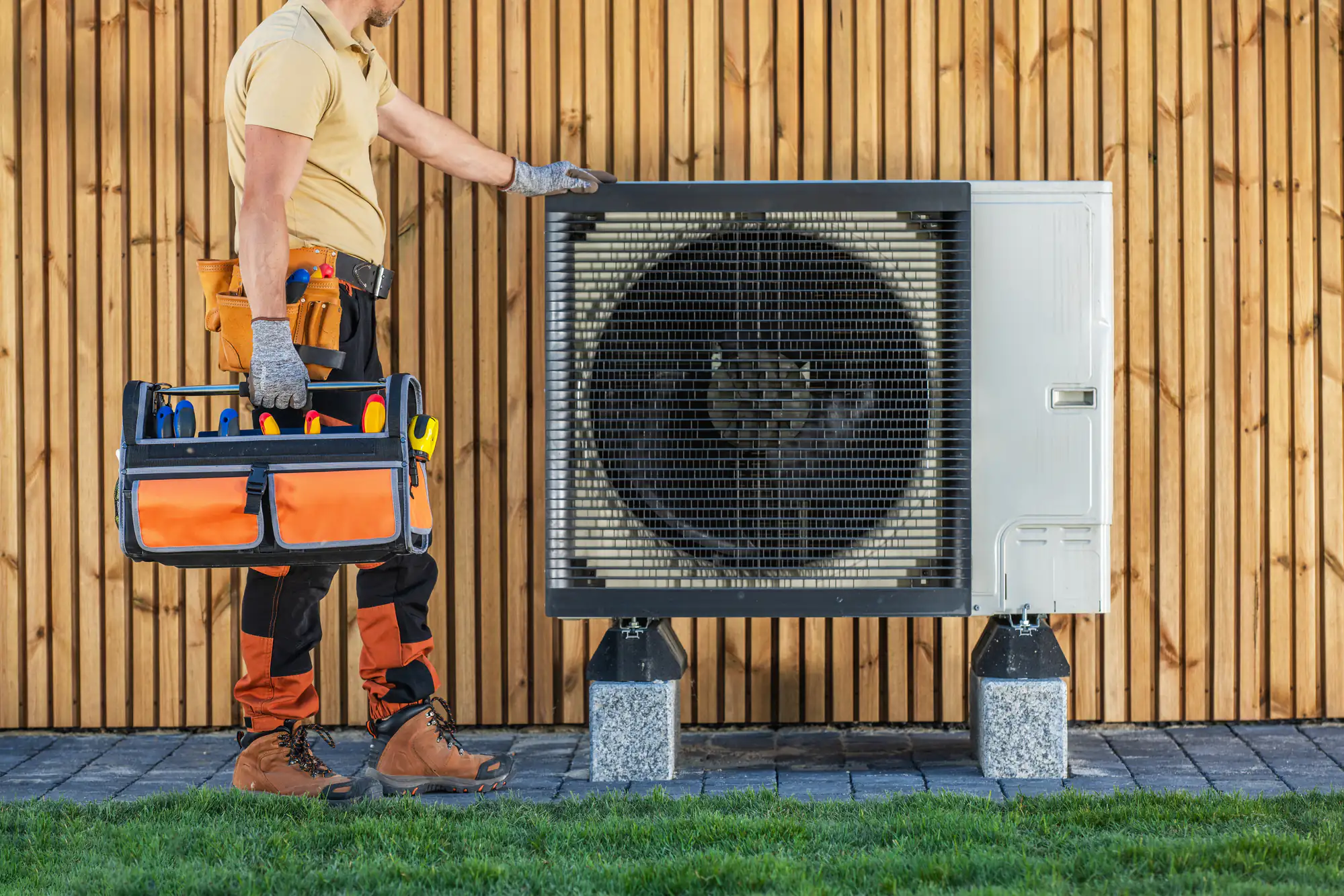
Your HVAC system shouldn’t be something you think about every day. When it’s working right, your home stays comfortable without the constant thermostat adjustments, the uneven temperatures between rooms, or the anxiety every time you hear a strange noise.
Modern systems can cut your energy costs by up to 30%. That’s real money back in your pocket every month, not just during the extreme months. And when your equipment is maintained properly, you avoid those middle-of-the-night breakdowns that always seem to happen during the worst possible weather.
The difference between a well-maintained system and one that’s limping along isn’t subtle. You’ll notice it in your comfort, your utility bills, and how often you’re calling for repairs. Most breakdowns are preventable with the right maintenance schedule and someone who actually knows what to look for during a tune-up.
We’ve spent over 40 years working on systems that most HVAC companies won’t touch. We’ve handled complex marine HVAC installations, commercial refrigeration for airports and restaurants, and custom cooling solutions that require actual problem-solving skills.
That experience matters when your residential system acts up. We’ve seen it all, and we bring that depth of knowledge to every Fort Salonga home we service. When other contractors say something can’t be done or quote you a full replacement, we often find solutions they missed.
We’re available 24/7 because HVAC emergencies don’t wait for business hours. And we offer free estimates because you deserve to know what you’re paying for before any work starts.
First, we listen. You know your system better than anyone because you live with it every day. That weird noise, the room that’s always too hot, the spike in your last energy bill—those details matter and they tell us where to look.
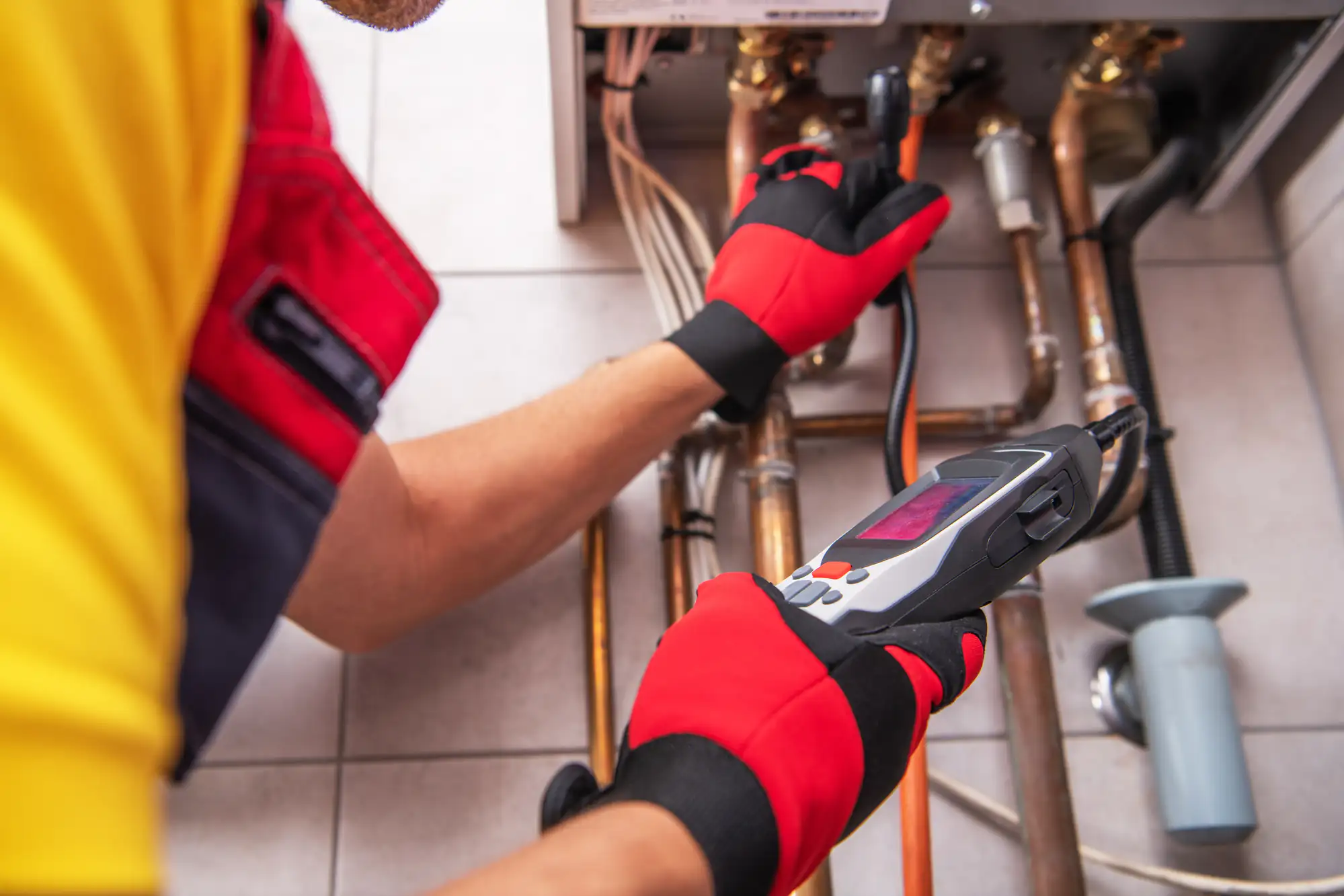
Then we diagnose the actual problem, not just the symptoms. A lot of homeowners get sold expensive repairs or replacements they don’t need because the technician didn’t take time to find the root cause. We test, measure, and verify before we recommend anything.
You get a clear explanation of what’s wrong, what it’ll cost to fix, and how long it’ll last. If you’re looking at a repair that costs more than the system is worth, we’ll tell you. If a simple fix will buy you another few years, we’ll tell you that too.
Once you approve the work, we handle it efficiently and clean up after ourselves. You’ll know the timeline upfront, and if anything changes, we communicate immediately. No surprises, no runaround.
Ready to get started?
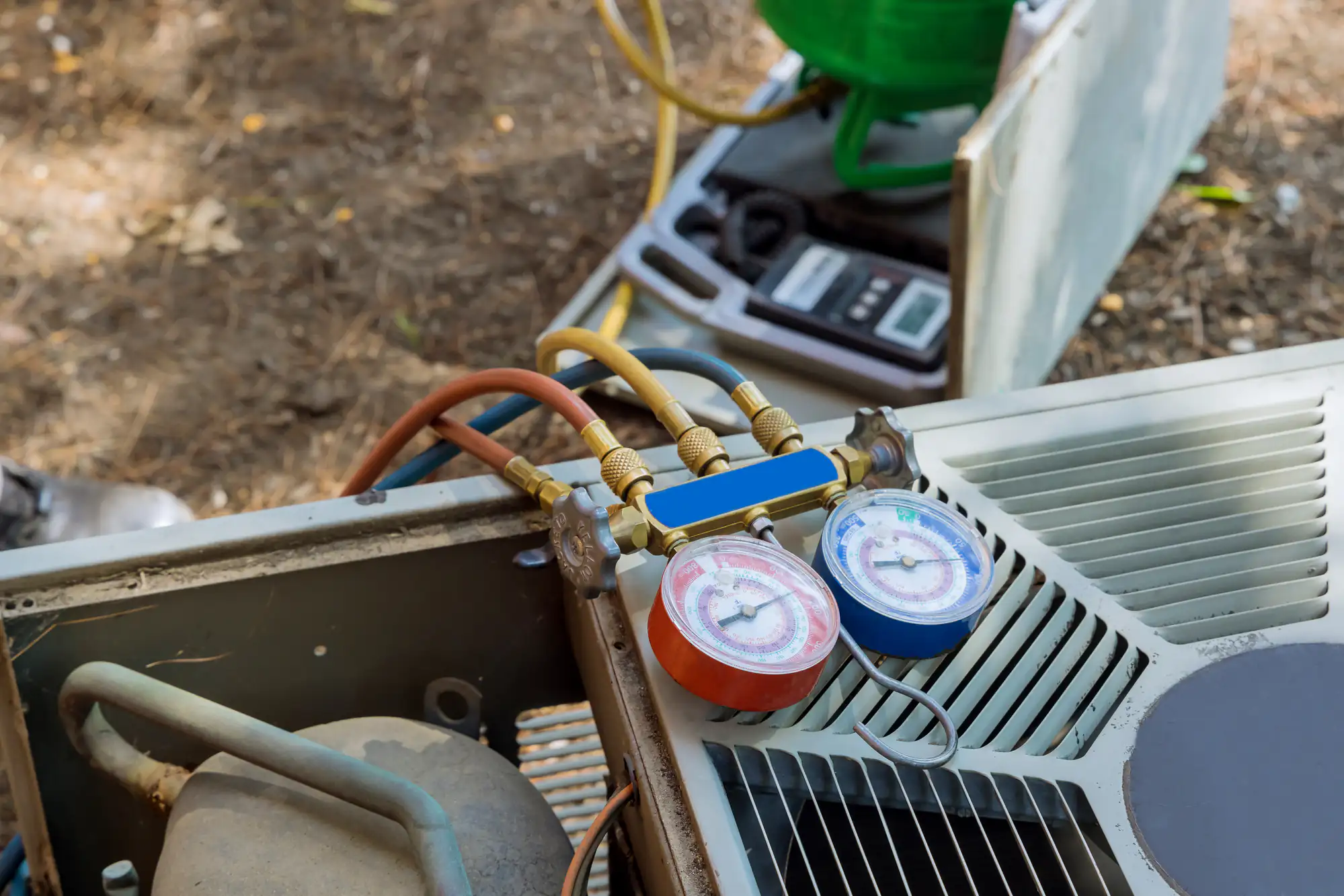
We handle air conditioning repair when your system stops cooling or starts making concerning noises. Fort Salonga summers are brutal, and waiting days for service isn’t an option. We diagnose compressor issues, refrigerant leaks, electrical problems, and airflow restrictions that kill efficiency.
Furnace installation and heating system maintenance keep you warm through Long Island’s harsh winters. We work with all fuel types and can recommend the most cost-effective options based on current heating oil prices and your home’s specific needs. Annual maintenance prevents most breakdowns and extends your equipment’s lifespan significantly.
HVAC replacement becomes necessary when repair costs multiply. If your system’s age times the repair cost exceeds $5,000, replacement usually makes more financial sense. We’ll walk through the math with you and show you how newer, high-efficiency systems pay for themselves through energy savings—often in 5-6 years with today’s fuel costs.
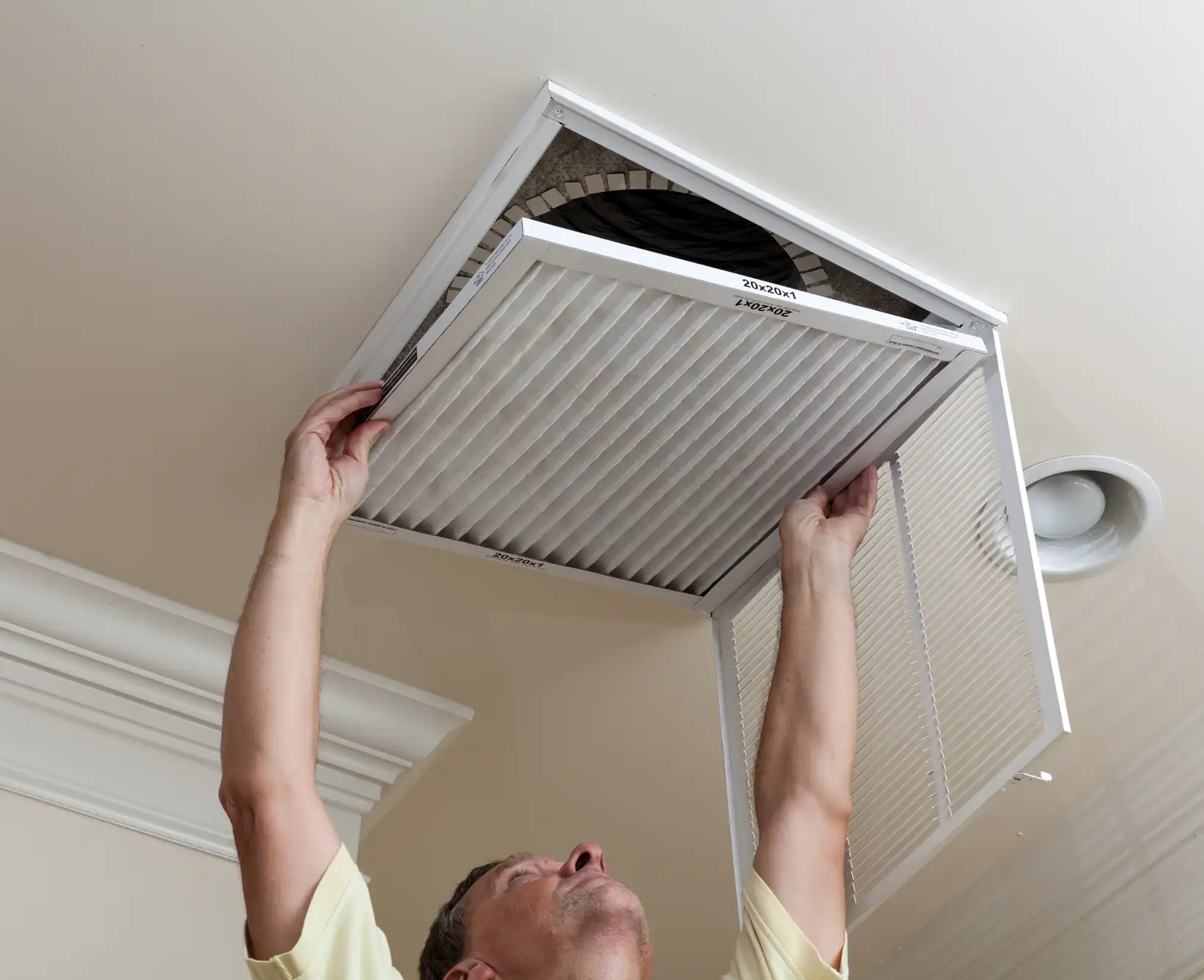
Indoor air quality solutions matter more than most homeowners realize. Poor ventilation, humidity issues, and inadequate filtration affect your health and your system’s performance. We assess your home’s specific air quality challenges and recommend solutions that actually work for Fort Salonga’s climate.
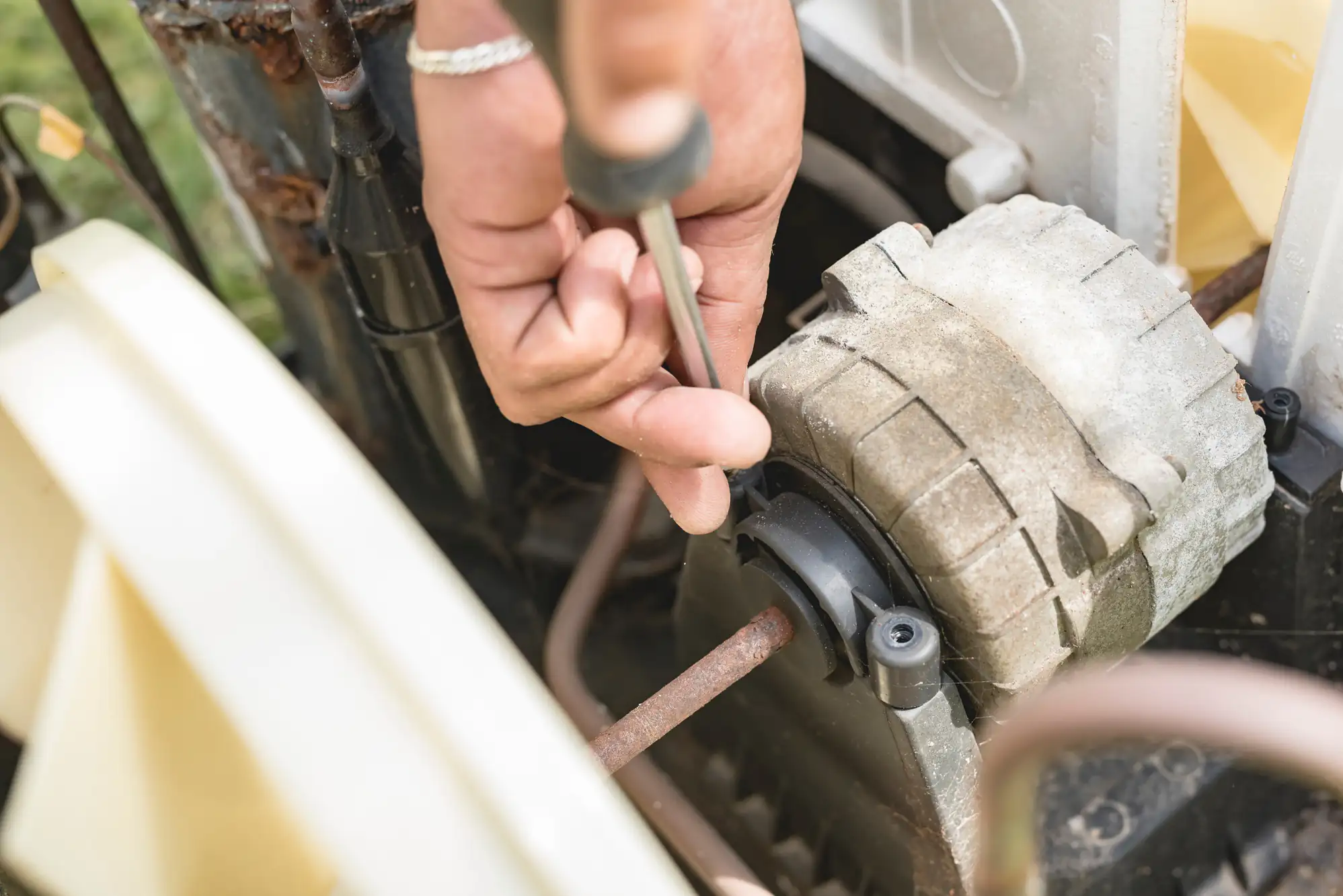
Multiply your system’s age by the repair cost. If that number exceeds $5,000, replacement usually makes more sense financially. A 15-year-old system needing a $400 repair is worth fixing. That same system needing a $1,200 repair puts you at $18,000—well past the replacement threshold.
Also consider how often you’re calling for service. If you’re scheduling repairs more than twice in a single season, your system is in what the industry calls a “death spiral.” Each fix is temporary, and you’re throwing money at a losing battle.
Energy costs matter too. If your utility bills have crept up significantly over the past few years and your usage hasn’t changed, your system is losing efficiency. Modern equipment can cut those costs by 30% or more, which means the new system starts paying for itself immediately through lower monthly bills.
Annual maintenance includes cleaning burners and heat exchangers, testing all safety controls, checking for gas leaks or carbon monoxide issues, measuring airflow and combustion efficiency, lubricating moving parts, and inspecting electrical connections. These aren’t optional nice-to-haves—they prevent the vast majority of breakdowns.
Statistics show that proper maintenance prevents up to 95% of HVAC failures. That’s not marketing hype; it’s what happens when someone catches small issues before they cascade into expensive problems. A loose electrical connection caught during maintenance costs nothing to tighten. That same connection left alone can arc, overheat, and destroy an $800 control board.
Maintenance also keeps your warranty valid. Most manufacturers require proof of annual professional service to honor warranty claims. Skip maintenance and you might find yourself paying out of pocket for a repair that should have been covered.
For Fort Salonga homeowners dealing with harsh winters and hot summers, maintenance before each season makes sense. Your system works hard here, and that wear adds up faster than in milder climates.
Most residential furnace installations take one to two days, depending on whether we’re doing a straight replacement or modifying ductwork and venting. If your new system is the same size and fuel type as the old one, we’re usually done in a day. Switching fuel types or upgrading to a significantly different system takes longer.
Before installation day, we’ll measure your home’s heating load to make sure you’re getting the right size equipment. Oversized furnaces cycle on and off too frequently, which wastes energy and wears out components. Undersized units run constantly and never quite keep up. Proper sizing matters more than most homeowners realize.
During installation, we remove your old equipment, install the new furnace, connect all ductwork and venting, wire the electrical and thermostat, test all safety controls, and verify proper combustion and airflow. You’ll have heat the same day we finish, and we’ll walk you through operating your new system before we leave.
The mess is minimal. We use drop cloths, clean up all debris, and haul away your old equipment. Most homeowners are surprised by how clean the job site stays throughout the process.
The most common cause is low refrigerant, which usually means you have a leak somewhere in the system. Refrigerant doesn’t get “used up” like gas in a car—it circulates in a closed loop. If levels are low, something is leaking, and just adding more refrigerant without fixing the leak is a temporary band-aid that’ll cost you again in a few months.
Frozen evaporator coils also cause warm air. This happens when airflow is restricted by dirty filters, blocked return vents, or a failing blower motor. Ice builds up on the coils, preventing heat absorption, and your system blows warm air even though it’s running. The fix depends on what caused the airflow restriction.
Failed compressors are the worst-case scenario. The compressor is the heart of your AC system, and when it dies, you’re looking at a major repair or full replacement decision. Compressor failure usually comes with warning signs—strange noises, hard starting, or intermittent cooling—so catching it early sometimes saves the unit.
Electrical issues can also prevent the outdoor unit from running while the indoor blower keeps going. You’ll hear the system running and feel air moving, but it’s just circulating indoor air without actually cooling it. These problems range from simple thermostat issues to failed capacitors or contactors.
Modern heat pumps handle Long Island winters much better than older models. The technology has improved significantly, and today’s cold-climate heat pumps work efficiently down to temperatures we rarely see here. They’re now 69% of the HVAC market share for good reason.
Heat pumps can reduce your heating electricity use by up to 75% compared to electric resistance heating. Even compared to oil or gas furnaces, they’re often more cost-effective to operate, especially with heating oil hovering around $4 per gallon. The math works in your favor.
The federal government is backing this technology with tax credits up to $2,000 for qualified heat pump installations. That incentive exists because heat pumps are proven, reliable technology that reduces energy consumption and costs for homeowners.
The main consideration is whether your home’s electrical service can handle the load. Some older Fort Salonga homes need electrical upgrades before installing a heat pump. We assess that during the estimate and include any necessary electrical work in the quote so there are no surprises.
One system handles both heating and cooling, which means one piece of equipment to maintain instead of two. For homeowners replacing both an old furnace and an aging AC unit, heat pumps often cost less than buying two separate systems.
We offer 24/7 emergency service because HVAC failures don’t wait for convenient times. When your heat goes out during a winter storm or your AC dies during a heat wave, waiting until Monday morning isn’t realistic.
Response time depends on current call volume and your location, but we prioritize true emergencies—no heat in winter, no cooling with health concerns, gas odors, or suspected carbon monoxide issues. We’ll give you an honest timeframe when you call, not a vague “someone will get there eventually.”
Emergency service costs more than scheduled appointments because we’re pulling technicians from off-hours and prioritizing your call over routine work. We’re upfront about pricing before dispatching, so you can decide if the situation warrants emergency rates or if it can wait until regular business hours.
Some situations feel like emergencies but can wait safely. If your AC stops working but temperatures are mild, or your heat goes out but you have space heaters and it’s not dangerously cold, waiting for a regular appointment often saves you money. We’ll help you assess the urgency honestly—we’d rather you save money on a non-emergency than overpay for rushed service you don’t actually need.