Hear from Our Customers
You’re paying too much to heat and cool your home. That’s not a guess—it’s what happens when your HVAC system is older than your kids, running inefficiently, or patched together by the lowest bidder.
Most homeowners in Nassau County don’t think about their furnace or air conditioner until something breaks. Then it’s an emergency. You’re scrambling for a contractor, comparing quotes under pressure, hoping you’re not getting ripped off.
Here’s what changes when your system actually works: your energy bills drop, rooms heat and cool evenly, and you’re not adjusting the thermostat every hour trying to find comfort. Indoor air quality improves because your system isn’t circulating dust, allergens, and whatever else has been sitting in those ducts. You stop worrying about breakdowns during the coldest and hottest weeks of the year.
A properly installed, well-maintained residential HVAC system doesn’t just keep you comfortable. It protects your investment, extends equipment lifespan, and gives you one less thing to stress about when Garden City Park weather swings from freezing to sweltering.
We’ve been handling heating and cooling across the Greater New York area since the 1980s. We’re licensed, bonded, and insured—not because it’s required, but because you deserve protection when someone’s working in your home.
Our team has seen every type of residential HVAC problem Long Island throws at us. Furnaces that won’t ignite during January cold snaps. Air conditioning systems that quit when humidity spikes in July. Uneven heating that makes your second floor feel like a sauna while your basement stays cold.
We’ve earned dozens of five-star reviews by showing up on time, communicating clearly, and doing the work right the first time. No upselling. No disappearing after installation. Just honest service from people who’ve been doing this long enough to know what actually works in homes like yours.
You call or contact us with a problem—no heat, high bills, uneven cooling, whatever’s not working. We schedule a free estimate at a time that works for you, not just when we have an opening.
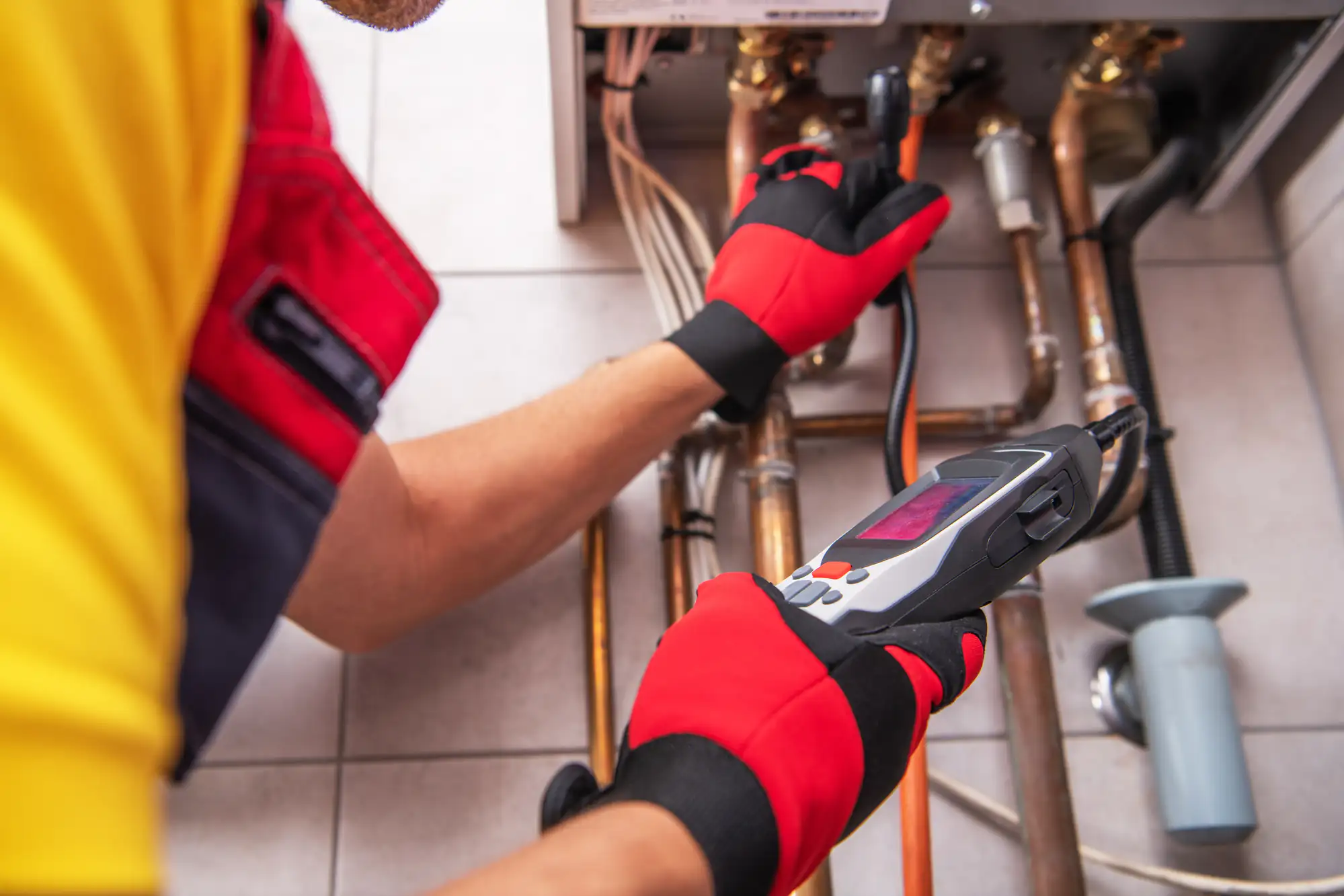
Our technician shows up, assesses your current system, and asks about what you’re experiencing. Hot and cold spots? Constant cycling? Bills that keep climbing? We’re looking at your equipment, your home’s layout, and what’s actually causing the problem—not just what’s easiest to fix.
You get a clear explanation of what’s wrong, what it’ll take to fix it, and what it costs. If you need a full HVAC replacement, we walk through options that fit your home and budget. If it’s a repair, we tell you whether it makes sense to fix or replace based on the system’s age and condition.
Once you approve the work, we handle installation or repairs with minimal disruption. We protect your floors, clean up after ourselves, and test everything before we leave. You get a system that works, a warranty that matters, and a team you can call if anything comes up.
After installation, we’re available for maintenance, emergency repairs, and any questions about operating your new equipment. You’re not handed off to a call center. You’re working with the same people who did the install.
Ready to get started?
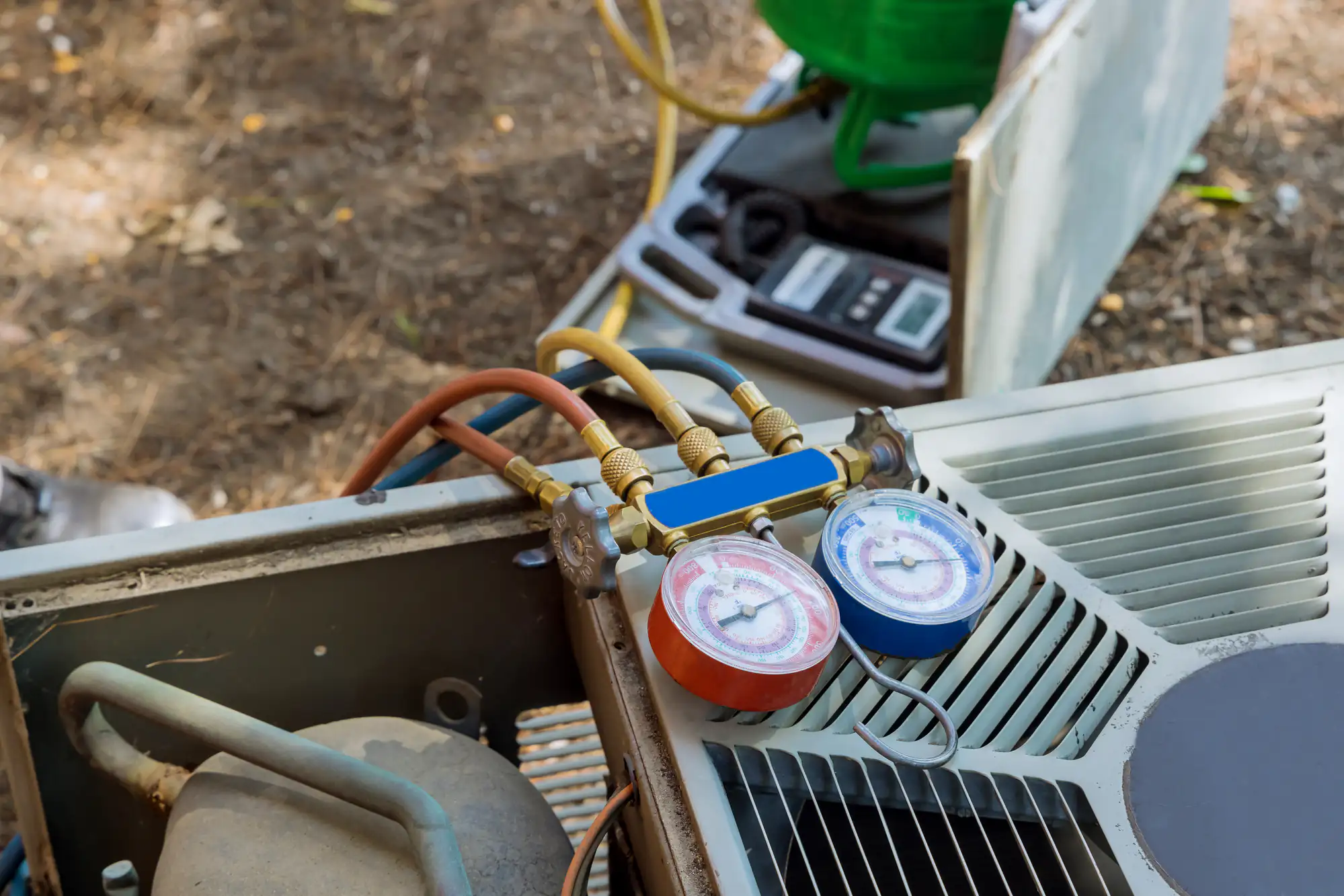
Air conditioning repair and installation for Long Island summers that hit 90+ degrees with humidity that makes it feel worse. We size systems correctly so you’re not running an undersized unit at full blast or wasting money cooling air you don’t need.
Furnace installation and heating system maintenance for winters that drop below freezing and stay there. Whether you’re running a gas furnace, oil system, or considering a heat pump, we install equipment that handles Garden City Park’s coldest months without constant repairs.
HVAC replacement when your current system is past its useful life. Most residential systems last 10-15 years before efficiency drops and repairs start adding up. We help you decide when replacement makes more financial sense than another fix.
Indoor air quality solutions that actually improve what you’re breathing. Air purifiers, humidity control, and duct cleaning that removes years of buildup. Since the pandemic, more homeowners are paying attention to what’s circulating through their vents—and they should be.
Smart thermostat installation and integration if you want control from your phone and lower energy bills without thinking about it. The technology works, the savings are real, and installation takes less time than you’d think.
Energy-efficient upgrades for homeowners tired of watching their utility costs climb every year. High-efficiency systems cost more upfront but the monthly savings add up fast, especially with how much heating and cooling costs on Long Island.
For a full central air conditioning system, you’re looking at $3,000 to $7,000 installed, depending on your home’s size, the system’s efficiency rating, and the brand you choose. Furnace replacement runs similar numbers, sometimes higher if you’re switching fuel types or upgrading to a high-efficiency model.
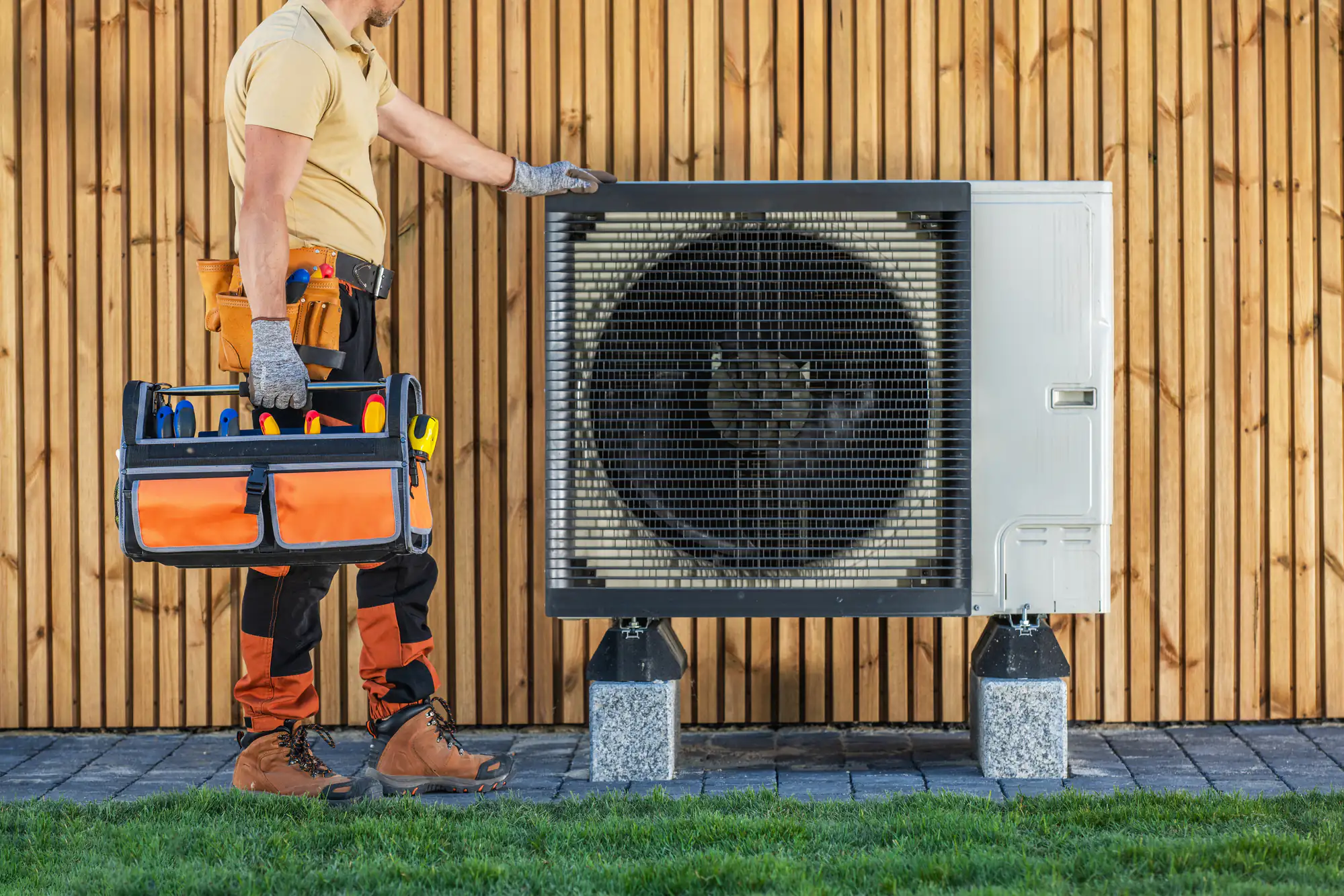
Heat pumps are gaining popularity because they handle both heating and cooling, and they’re significantly more energy-efficient than traditional systems. Expect to pay more upfront, but monthly energy savings make up the difference over time—especially with Long Island’s energy costs.
The biggest cost variables are your home’s square footage, existing ductwork condition, and whether we’re replacing like-for-like or upgrading to a more efficient system. We give you a detailed estimate after seeing your home, not a range pulled from a website. Every house is different, and cookie-cutter pricing leads to problems down the road.
Once a year, ideally in early fall before you actually need heat. Annual maintenance catches small problems before they become expensive failures in the middle of January.
During a maintenance visit, we’re checking ignition systems, cleaning burners, testing safety controls, inspecting heat exchangers for cracks, and making sure your furnace is running at peak efficiency. Skipping maintenance doesn’t just risk breakdowns—it wastes energy and shortens your equipment’s lifespan.
Most furnace failures happen during the coldest weeks because that’s when the system is working hardest. Regular maintenance reduces that risk significantly. You’re also protecting your warranty—many manufacturers require proof of annual service to honor coverage.
If your furnace is over ten years old, maintenance becomes even more important. Older systems need more attention, and a good technician will tell you when you’re approaching the point where repairs stop making financial sense.
Usually it’s ductwork problems, an undersized system, or poor insulation—sometimes all three. If your second floor is always hotter in summer and colder in winter, heat rises and your system isn’t compensating for it.
Blocked or leaking ducts are common culprits. Air that’s supposed to reach certain rooms is escaping through gaps or getting blocked by furniture, closed vents, or ductwork that was never designed properly. We see this constantly in older Long Island homes where ducts were added piecemeal over the years.
An HVAC system that’s too small for your square footage will struggle to maintain consistent temperatures. It’ll run constantly trying to keep up, driving your energy bills up while certain rooms never quite get comfortable. Proper sizing matters more than most homeowners realize.
Zoning systems solve this problem by giving you independent control over different areas of your home. It costs more than a standard setup, but if you’ve got rooms you barely use or a multi-level home with temperature swings, zoning pays for itself in comfort and efficiency.
If your system is under eight years old and the repair costs less than half the price of replacement, fix it. If it’s over twelve years old and needs a major repair, replacement usually makes more sense.
Here’s the math that matters: older systems are less efficient, so you’re already paying more to cool your home than you would with a new high-efficiency unit. Add a $1,500 repair to a 15-year-old system and you’ve just spent money on equipment that’s still outdated, still inefficient, and likely to need another repair soon.
Refrigerant type also factors in. If you’ve got an older system running R-22 refrigerant, that refrigerant is being phased out and costs a fortune. Any repair requiring refrigerant becomes expensive fast, and you’re pouring money into a system that’s on borrowed time.
We’ll give you an honest recommendation based on your system’s age, condition, and what the repair actually costs versus replacement. Sometimes a repair buys you a few more years. Sometimes it’s throwing money at a problem that’s only going to get worse.
Yes, modern heat pumps handle cold weather far better than older models. They’ve become the fastest-growing heating option in the Northeast because the technology has improved dramatically over the past decade.
Heat pumps work by extracting heat from outside air and moving it indoors. That sounds impossible when it’s 20 degrees out, but even cold air contains heat energy. New cold-climate heat pumps operate efficiently down to -15°F, which covers the vast majority of Garden City Park winter days.
The efficiency advantage is significant. Heat pumps don’t burn fuel to create heat—they move existing heat, which uses far less energy. Your monthly heating costs drop, sometimes by 30-50% compared to oil or gas furnaces. Electric heat pumps outsold gas furnaces by 25% in early 2025 for a reason.
Some homeowners keep their existing furnace as backup for the coldest days and run the heat pump the rest of the season. Others go all-in on heat pumps and never look back. It depends on your home, your current system, and what you’re trying to accomplish. We’ll walk through what makes sense for your situation.
Start with a programmable or smart thermostat. They cost a few hundred dollars installed and pay for themselves within a year by automatically adjusting temperatures when you’re asleep or away. You’re not heating or cooling an empty house, and you’re not constantly adjusting settings manually.
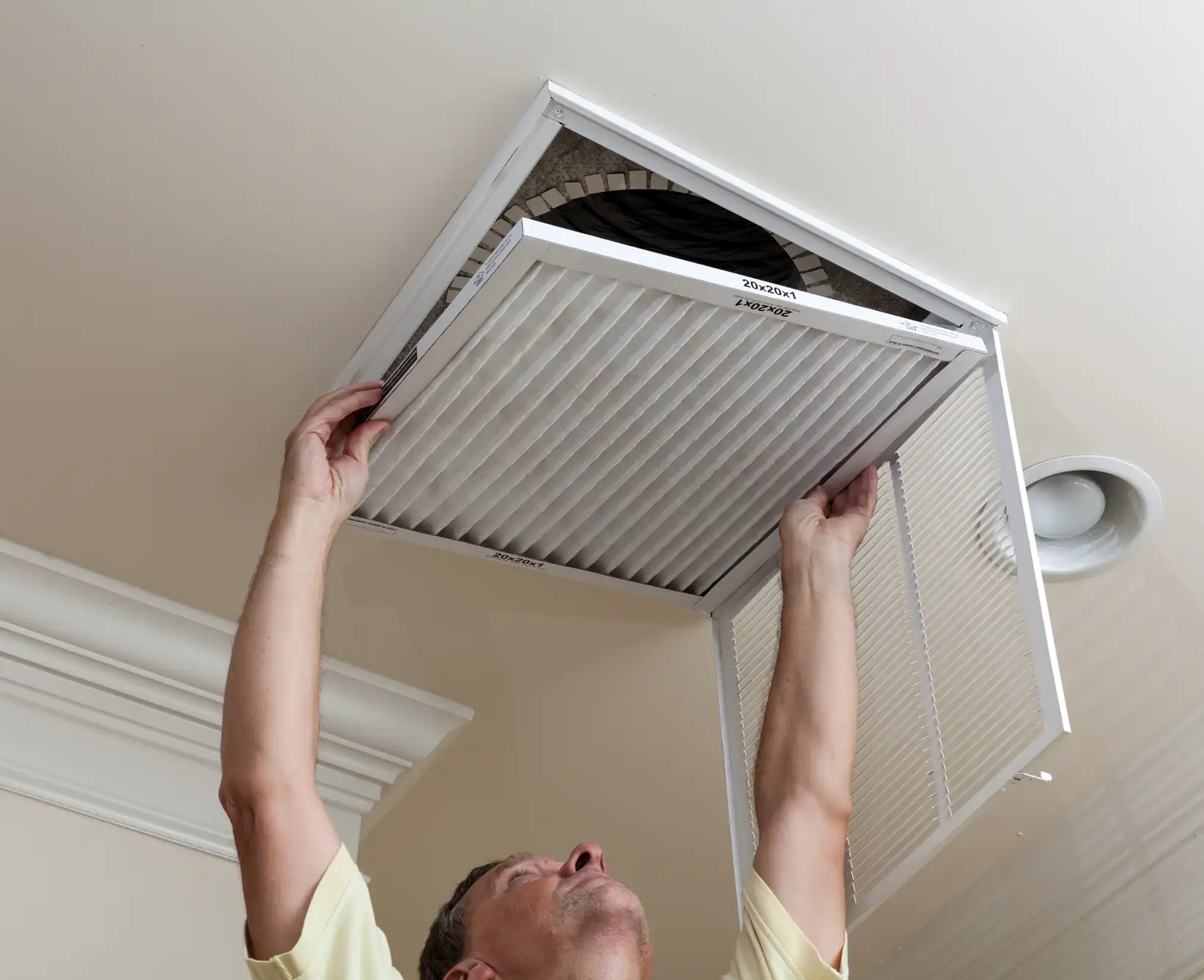
Regular maintenance keeps your system running efficiently. Dirty filters, clogged coils, and worn parts force your HVAC system to work harder and use more energy. Annual service catches those issues before they spike your bills.
Seal your ductwork. Leaking ducts waste 20-30% of the air your system produces, which means you’re paying to heat or cool air that never reaches your living space. Duct sealing isn’t glamorous, but it’s one of the fastest returns on investment for energy savings.
Check your insulation, especially in the attic. Poor insulation lets heat escape in winter and seep in during summer, forcing your HVAC system to run longer and harder. Upgrading insulation works hand-in-hand with your heating and cooling equipment.
Move furniture and drapes away from vents. Blocked airflow makes your system work harder to circulate air, which wastes energy and creates uneven temperatures. It’s a free fix that makes a noticeable difference.