Hear from Our Customers
Your energy bills shouldn’t spike every summer and winter. When your HVAC system is properly sized, installed, and maintained, you’ll notice the difference immediately—more consistent temperatures throughout your home, fewer hot and cold spots, and monthly utility costs that actually make sense.
Most Glen Head homes deal with Long Island’s humid summers and unpredictable winters. That means your heating and cooling equipment works harder than systems in milder climates. If your current setup is more than 10-15 years old, you’re likely paying 20-30% more than you should be every single month.
We size systems based on your home’s actual square footage, insulation levels, window placement, and airflow patterns. Not guesswork. Not manufacturer recommendations that pad the numbers. Just accurate load calculations that ensure your equipment runs efficiently without constantly cycling on and off or struggling to maintain temperature.
We’ve spent over 40 years handling complex commercial refrigeration and marine HVAC systems—airports, catering halls, walk-in coolers, yacht climate control. That background means we’ve seen every failure mode, every installation challenge, and every shortcut that causes problems down the road.
Glen Head homeowners call us when their current contractor can’t figure out why their system keeps failing, when they need someone who actually answers the phone at 2 a.m., or when they want straight answers about whether to repair or replace. We’re not the cheapest option, and we don’t pretend to be. You’re paying for technicians who’ve logged thousands of hours on systems far more complicated than residential HVAC.
Our service area runs from Montauk to Manhattan, but we know Glen Head specifically—the mix of older Victorian homes near the railroad station and newer construction in the quieter neighborhoods. Different homes need different approaches, and we’ve worked on enough properties here to know what actually works.
You call or submit a request online. We schedule a free estimate at a time that works for you—evenings and weekends included. During that visit, we measure your space, check your existing ductwork and electrical setup, and ask about specific comfort issues you’re experiencing.
Within 24 hours, you’ll receive a detailed proposal that breaks down equipment options, installation scope, timeline, and total cost. No pressure, no sales tactics. If you decide to move forward, we handle all permit applications and schedule inspections with Nassau County. You don’t touch any of that paperwork.
Installation typically takes one to two days depending on system complexity. We protect your floors and work areas, complete the installation, test every component, and walk you through operation and maintenance before we leave. Then we file all final permits and warranty documentation. You get copies of everything.
For repairs and maintenance, the process is faster. Emergency calls get dispatched immediately, with most technicians arriving within two hours. About 70% of emergency repairs get completed same-day because we stock common parts on every truck. Routine maintenance visits are scheduled in advance and usually take 60-90 minutes per system.
Ready to get started?
Air conditioning repair and furnace installation are the obvious services, but your comfort depends on more than just heating and cooling equipment. Indoor air quality matters, especially during Long Island’s extended allergy seasons and when wildfire smoke drifts in from other regions. We install whole-home air purification systems with HEPA filtration, UV-C light treatment, and humidity control that actually removes allergens instead of just recirculating them.
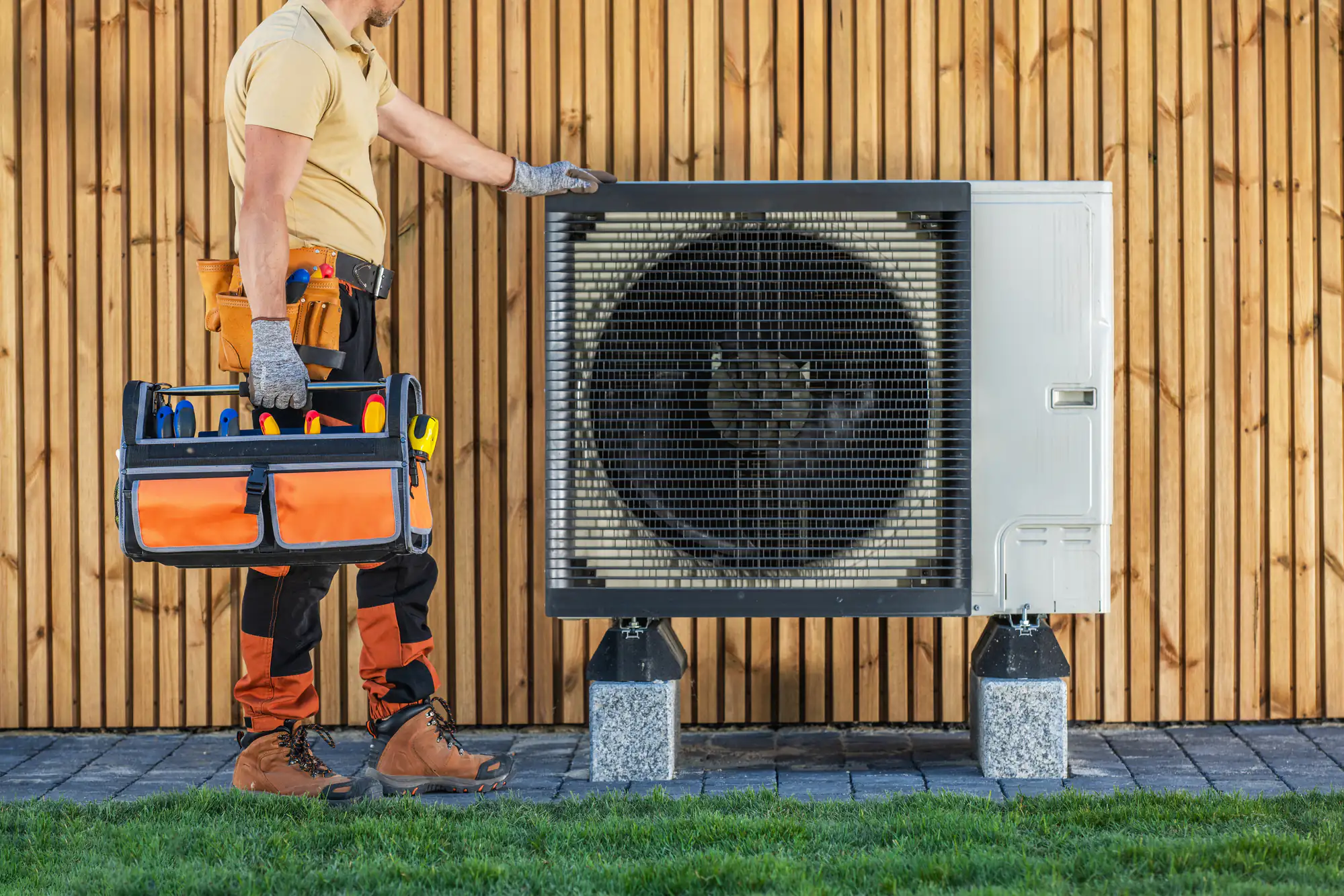
Heat pump installations have become increasingly popular in Glen Head as homeowners look for energy-efficient alternatives to traditional furnaces and central air conditioning. The federal tax credit covers 30% of installation costs up to $2,000, and properly sized heat pumps can cut your heating and cooling expenses by 25-40% compared to older systems. We’ll tell you honestly whether a heat pump makes sense for your home or if a traditional setup is the better choice.
Smart thermostat integration gives you remote control and automatic scheduling, but only if it’s programmed correctly. We set up the system based on your actual routine, not generic factory settings. Ductless mini-split systems work well for additions, converted garages, or rooms that never seem to reach comfortable temperatures. HVAC replacement projects get the same attention to detail whether you’re upgrading a single zone or replacing an entire multi-zone system.
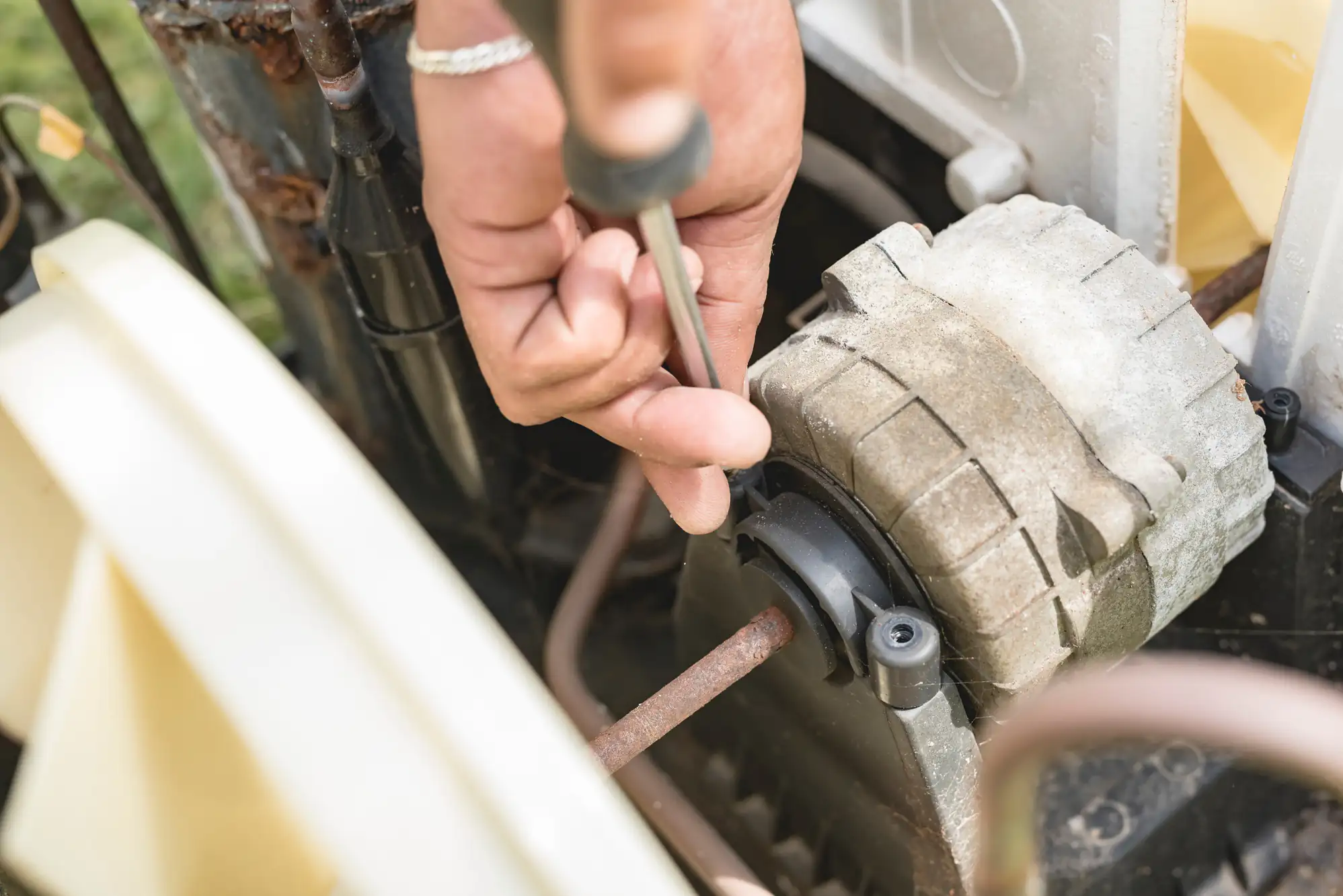
Heating system maintenance prevents most emergency breakdowns. We check heat exchangers for cracks, test safety controls, measure combustion efficiency, and clean components that affect performance. It’s not glamorous work, but it’s the difference between a system that lasts 15+ years and one that fails after eight.
Complete HVAC replacement in Glen Head typically runs between $12,000 and $18,000 for most single-family homes. That range includes removal of your old equipment, new furnace or heat pump, air conditioning condenser, indoor air handler, thermostat, all necessary permits, and professional installation with proper load calculations.
Your actual cost depends on system size, efficiency rating, brand selection, and installation complexity. A 1,200 square foot ranch with accessible ductwork and straightforward electrical will cost less than a 3,000 square foot colonial with multiple zones and outdated wiring that needs upgrading. Higher SEER ratings (Seasonal Energy Efficiency Ratio) cost more upfront but reduce your monthly energy bills significantly over the system’s 15-20 year lifespan.
We provide itemized estimates that break down equipment costs separately from labor and permit fees. You’ll see exactly what you’re paying for and why. If you’re comparing quotes, make sure other contractors are including permit fees, disposal of old equipment, and warranty coverage—those items add up quickly when they’re treated as surprise charges later.
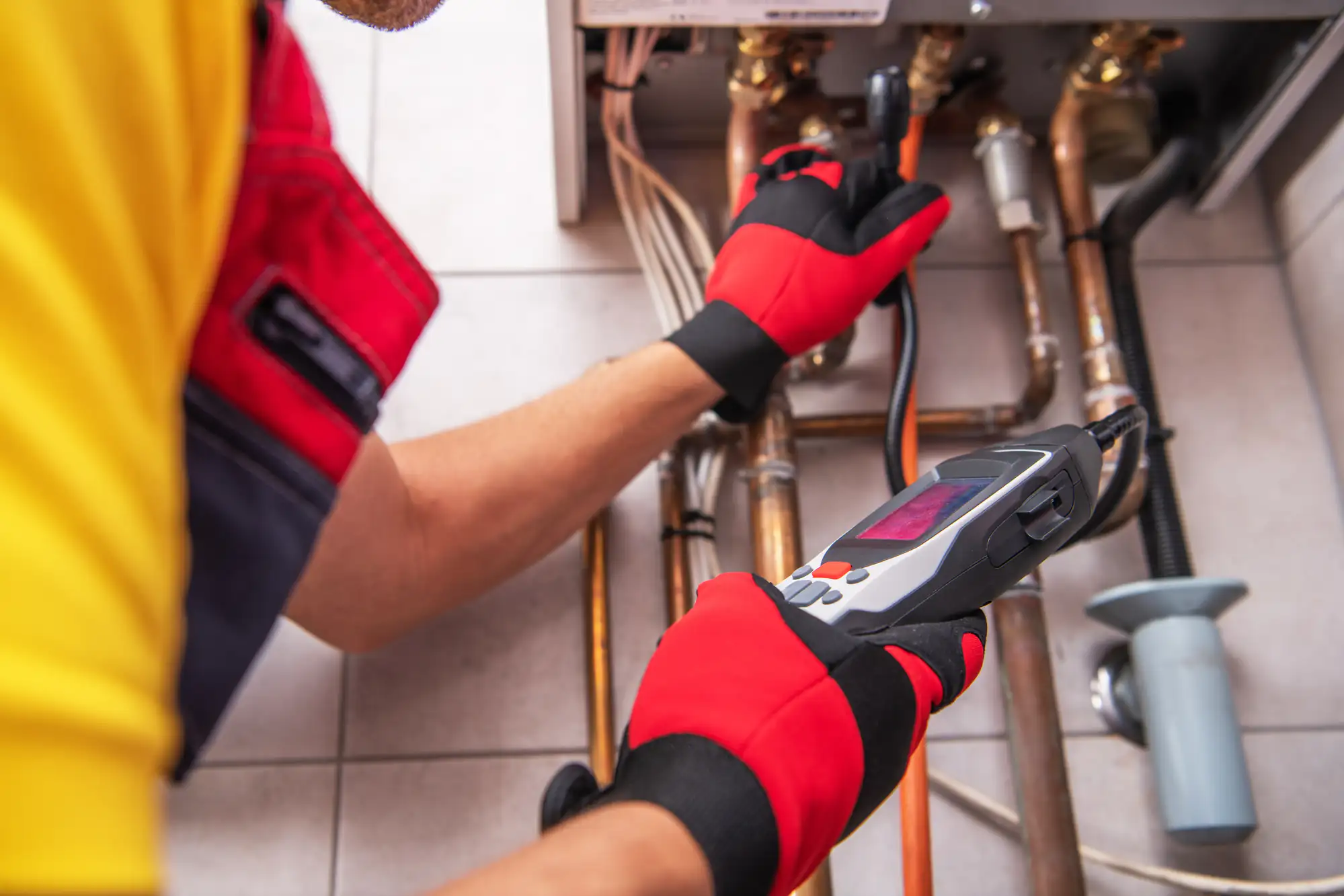
A complete maintenance visit covers your entire heating and cooling system, not just a quick filter change. We start by inspecting your furnace or heat pump, checking the heat exchanger for cracks or corrosion, testing all safety controls and limit switches, and measuring combustion efficiency to ensure you’re not wasting fuel.
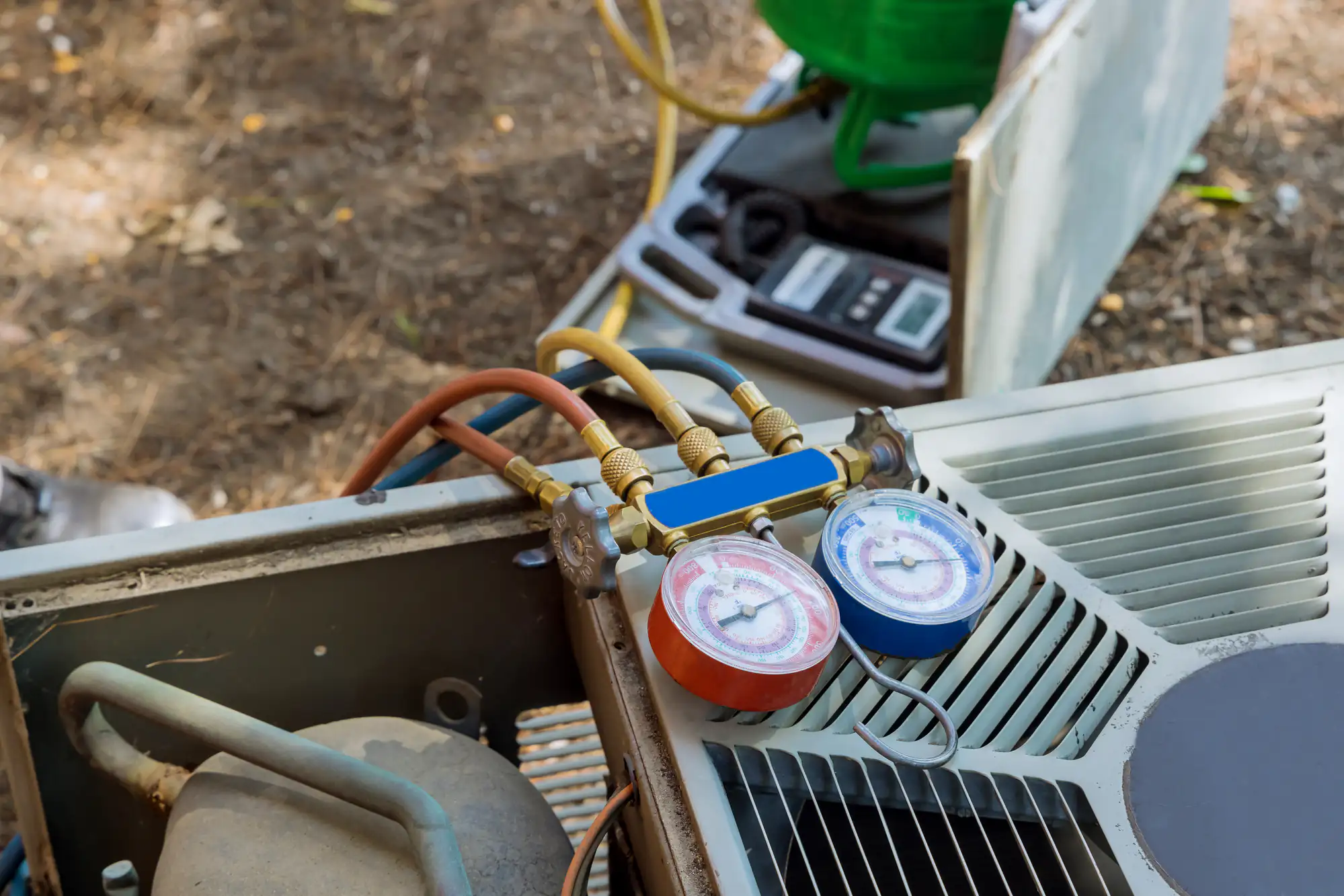
On the cooling side, we clean your condenser coils, check refrigerant levels and pressures, test the compressor and fan motor, inspect electrical connections for signs of overheating, and verify that your condensate drain is flowing properly. We also examine your ductwork for leaks, replace or clean your air filter, calibrate your thermostat, and test your system under actual operating conditions.
The whole process takes 60-90 minutes depending on system complexity. You’ll receive a written report that documents current condition, any issues we found, and recommendations for repairs or upgrades. Most manufacturers require annual professional maintenance to keep warranties valid, so this isn’t optional if you want your coverage to remain in effect. We schedule these visits in spring before cooling season and fall before heating season—the times when you need your system to work flawlessly.
Most residential HVAC installations in Glen Head take one to two full days from start to finish. Single-zone systems in homes with existing ductwork and adequate electrical service usually get completed in one long day. Multi-zone systems, homes that need ductwork modifications, or installations requiring electrical panel upgrades typically need two days.
Day one involves removing your old equipment, making any necessary modifications to ductwork or electrical connections, and installing the new indoor and outdoor units. We’ll have your system operational by end of day so you’re never without heating or cooling overnight. Day two (if needed) focuses on final connections, system testing, balancing airflow across all zones, and completing quality checks.
Weather can affect outdoor work, and permit inspections add time to the overall project timeline even though they don’t require you to be present. We schedule inspections in advance and coordinate with Nassau County to minimize delays. From the day you approve our proposal to final completion, expect about two to three weeks total—most of that time is scheduling and permits, not actual installation work. Emergency replacements when your system dies completely get prioritized and can often be completed within 48-72 hours.
If your system is less than 10 years old and the repair costs less than $1,500, repair almost always makes sense. If your system is over 15 years old and facing a major repair like a compressor or heat exchanger replacement, you’re usually better off replacing the entire system.
The gray area is systems between 10-15 years old with moderate repair costs. Here’s the math we use: multiply the repair cost by the system’s age in years. If that number exceeds $5,000, replacement is typically the smarter financial decision. A $1,200 repair on a 12-year-old system equals $14,400—well above the replacement threshold. The same $1,200 repair on an 8-year-old system equals $9,600—still high, but closer to the break-even point.
Factor in efficiency improvements too. New systems with SEER ratings of 16-20 use 30-40% less energy than units from 2010 or earlier. If your current system runs constantly, struggles to maintain temperature, or has driven your energy bills up noticeably, replacement often pays for itself within 5-7 years through lower operating costs. We’ll give you honest numbers for both options and let you decide. We make money either way, so there’s no incentive to push you toward the more expensive choice.
Yes. Real people answer our phone 24 hours a day, seven days a week—not an answering service, not a voicemail system. When you call with an emergency, you’re talking to someone who can immediately dispatch a technician and give you an accurate arrival time.
Most emergency calls in Glen Head get a technician on-site within two hours. We define emergencies as complete system failures during extreme weather, gas odors, burning smells, or situations where your home is becoming unsafe due to heating or cooling loss. If your system is running but just not keeping up, that’s urgent but not emergency-level, and we’ll typically schedule you for first thing the next morning.
About 70% of our emergency repairs get completed the same day because our trucks stock the most common failure parts—capacitors, contactors, thermostats, ignitors, and blower motors. If we need to order a specialized part, we’ll set you up with temporary heating or cooling solutions and return as soon as the part arrives. Emergency service rates apply for after-hours calls, but we tell you the exact cost before we start any work. No surprise invoices at midnight when you’re stressed and just want your heat back on.
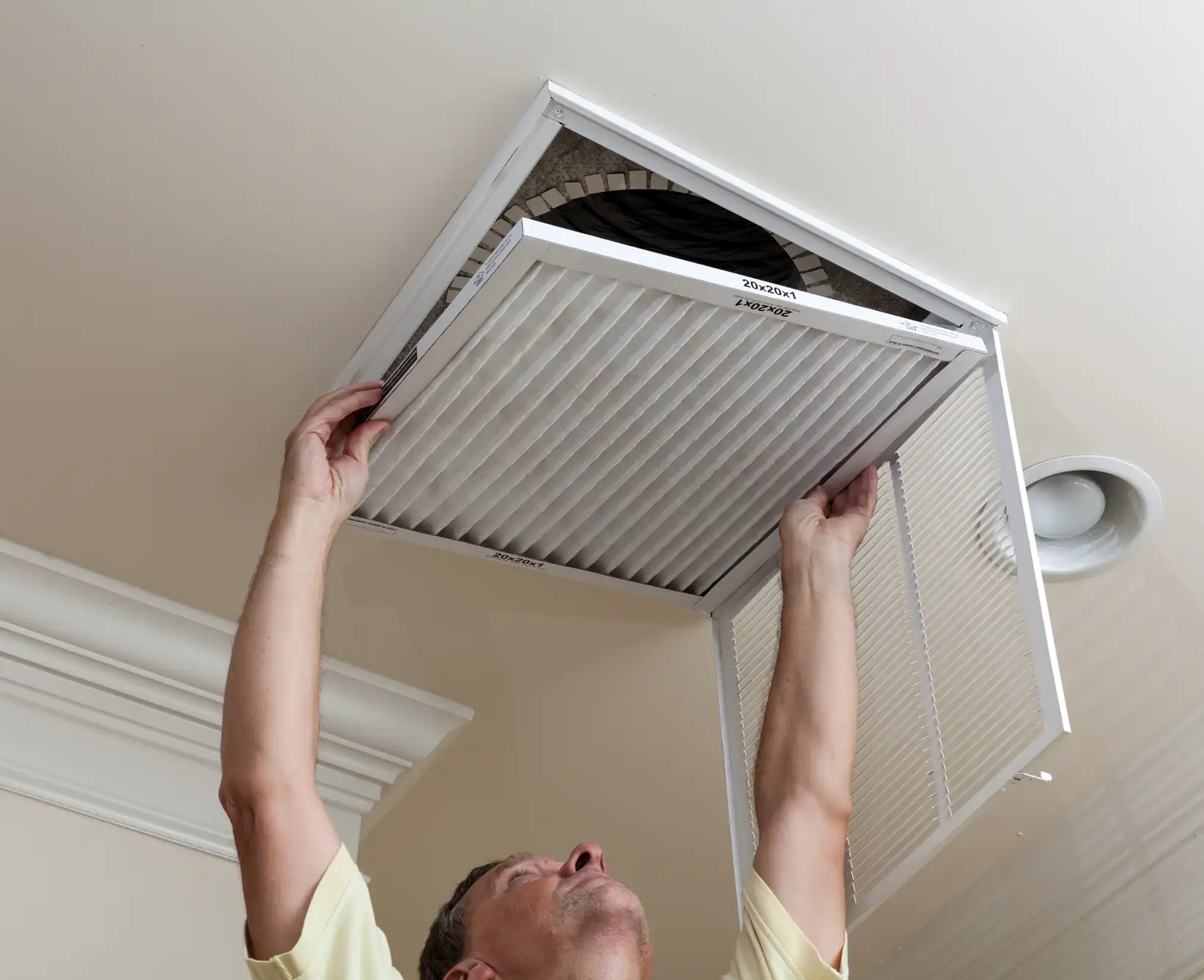
High-efficiency filtration with MERV 13 or higher ratings removes the particles that actually affect your health—pollen, mold spores, pet dander, and dust mite debris. Standard 1-inch filters that come with most systems use MERV 6-8 ratings and miss the smaller particles that trigger allergies and respiratory issues. Upgrading to a 4-inch or 5-inch media filter with MERV 13-16 rating captures significantly more contaminants without restricting airflow.
UV-C light systems installed in your ductwork kill bacteria, viruses, and mold spores as air passes through. These systems work continuously whenever your HVAC fan runs and are particularly effective in humid climates like Long Island where mold growth is common. Whole-home dehumidifiers control moisture levels that promote mold and dust mites—keeping indoor humidity between 30-50% makes your home less hospitable to allergens.
Air purifiers with bipolar ionization technology actively clean air throughout your home rather than just filtering what passes through your HVAC system. The technology releases ions that attach to particles and pathogens, making them easier to filter and reducing their ability to reproduce. This approach works well in larger homes or for families dealing with severe allergies. We’ll test your current indoor air quality and recommend specific solutions based on what we actually measure, not what manufacturers claim you need.