Hear from Our Customers
You stop worrying about whether your furnace will make it through winter. Your air conditioning doesn’t quit during the first heat wave in June. Your energy bills stop climbing every month because your system runs efficiently instead of fighting itself.
That’s what happens when your HVAC equipment is installed correctly and maintained by people who understand Long Island’s coastal environment. Salt air corrodes coils faster here than almost anywhere else. Humidity puts extra stress on compressors. Temperature swings between seasons force your system to work harder.
Most HVAC companies treat Great River homes like they’re in the midwest. They install the same equipment the same way and wonder why it fails early. We account for the coast from day one—selecting components that resist corrosion, positioning units to minimize salt exposure, and building maintenance plans around the conditions your system actually faces.
We’ve spent over 40 years working on marine HVAC systems and commercial refrigeration across Long Island. That means we’ve dealt with harsher conditions and more complex equipment than most residential contractors will see in their entire careers.
When you’re troubleshooting a walk-in freezer at a busy restaurant or keeping a yacht’s climate system running in saltwater spray, you learn what actually works. You stop guessing and start knowing. That expertise transfers directly to your home—we spot problems faster, fix them correctly the first time, and build systems that last longer because we’ve already solved the hard version of the problem.
Great River homeowners deal with the same coastal challenges our commercial and marine clients face. We’re not learning on your dime. We already know what fails, why it fails, and how to prevent it.
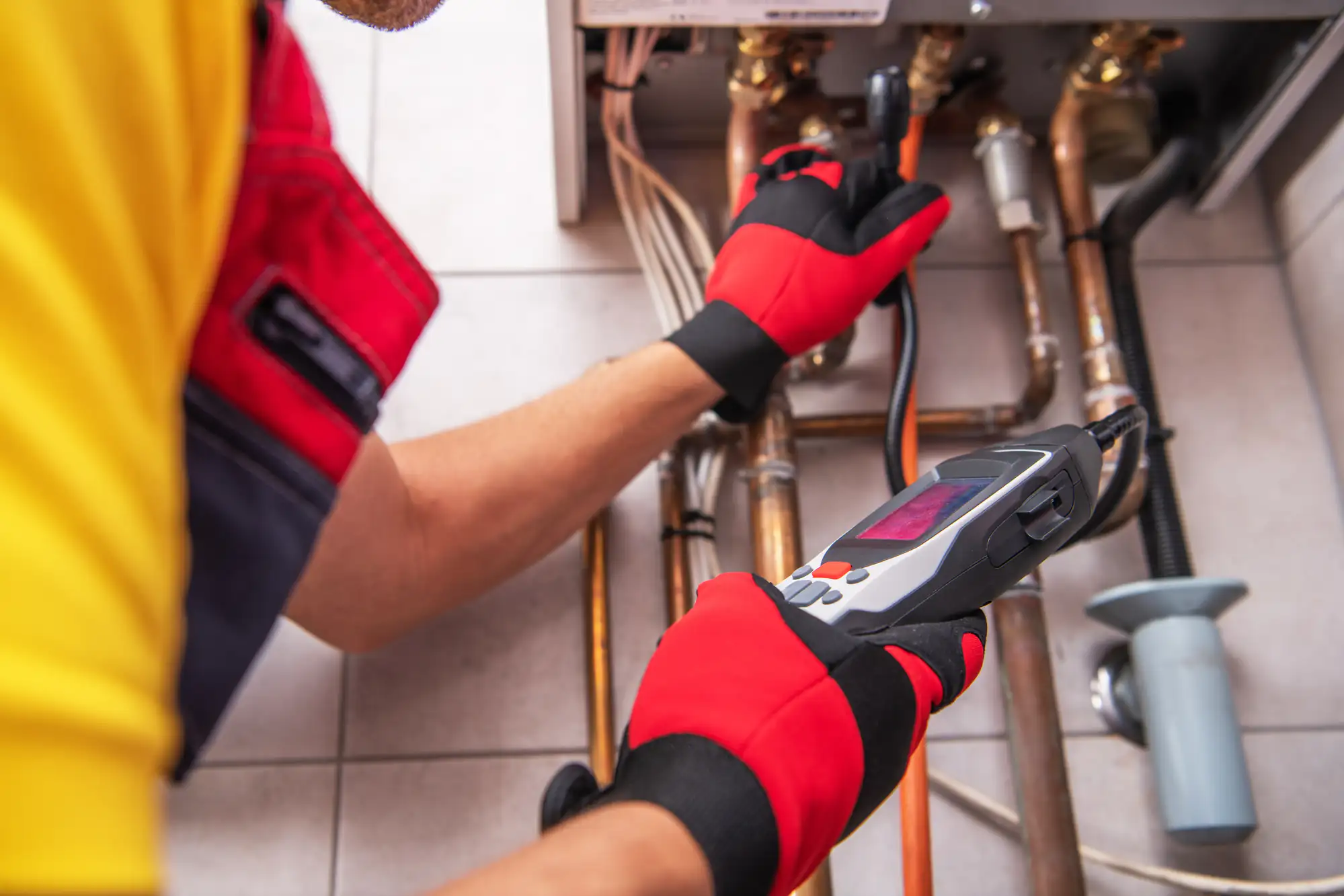
You reach out, and we schedule a time that works for you. No runaround, no phone tag with an answering service. When we show up, we assess your current system and your home’s specific needs—square footage, insulation, sun exposure, how many windows face the water.
If you need a repair, we diagnose the problem, explain what’s wrong in plain language, and give you a clear price before we touch anything. If you’re looking at replacement, we walk through your options based on your budget and how long you plan to stay in the home. We don’t upsell equipment you don’t need.
Installation takes one to three days depending on the system. We pull permits, handle inspections, and make sure everything meets local codes. After installation, we test the system under load, check refrigerant levels, verify airflow, and show you how everything works.
Maintenance is straightforward. We come out twice a year—spring and fall—to clean coils, check electrical connections, test safety controls, and catch small problems before they become expensive ones. You get a reminder before each visit. Most appointments take under an hour.
Ready to get started?
You get complete heating system maintenance, air conditioning repair, furnace installation, and HVAC replacement services designed for Great River’s climate. That includes emergency service when your system fails at 2 a.m. in January or during a summer weekend.
We handle indoor air quality improvements—whole-home dehumidifiers, air purifiers, and ventilation upgrades that matter in a coastal environment where humidity and allergens are constant issues. If your home feels stuffy or your family deals with respiratory problems, we can fix the air itself, not just the temperature.
Energy efficiency is built into everything we recommend. Heat pumps are outselling gas furnaces nationally for good reason—they’re more efficient and often qualify for tax credits that cover roughly 30% of installation costs. We’ll walk you through rebate programs and help you file the paperwork so you actually get the money back.
Great River homes average higher value than most Long Island communities, and your HVAC system should match that investment. We size equipment correctly, use quality components, and install everything to manufacturer specifications so you get the full warranty and the full lifespan from your system.
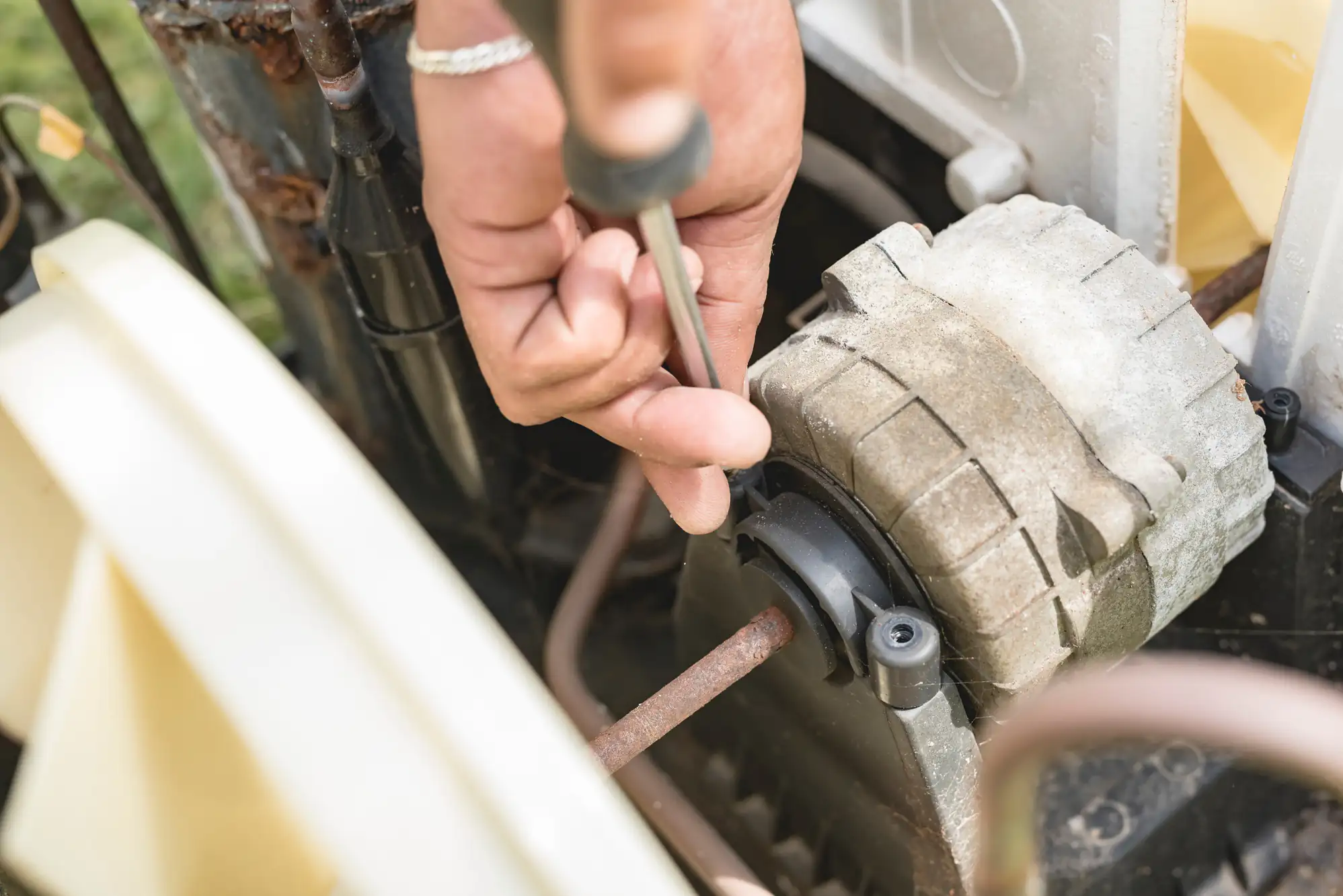
If your system is over 12 years old and the repair costs more than half what a new unit would cost, replacement usually makes more sense. That’s the industry standard, but it’s not the only factor.
Consider how often you’re calling for repairs. If you’re fixing something every season, you’re throwing money at a dying system. Also look at your energy bills—if they’ve climbed steadily even though your usage hasn’t changed, your system is losing efficiency and costing you more every month.
Location matters too. Great River’s salt air accelerates wear on outdoor units. If you’re seeing corrosion on the coils or cabinet, that damage is permanent. You can’t reverse pitting once it starts, and it will only get worse. At that point, you’re not just paying for the current repair—you’re buying time until the next failure, which could be weeks or months away.
Salt air is corrosive. It deposits on your outdoor unit’s coils and eats through the metal, causing refrigerant leaks that can’t be repaired. Most manufacturers don’t cover salt corrosion under warranty because it’s considered environmental damage, not a defect.
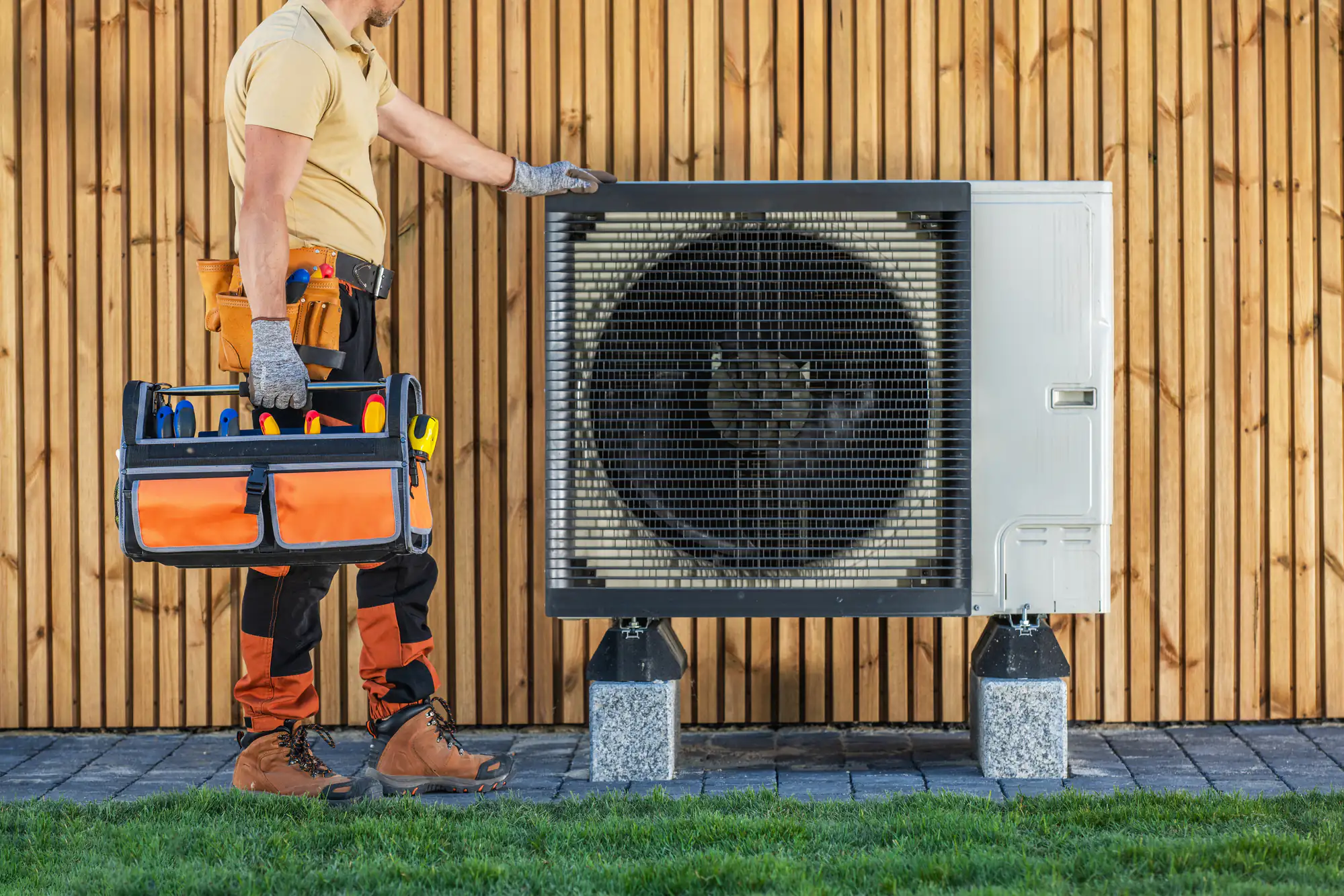
You need to rinse your outdoor unit with fresh water monthly if you’re close to the water. That removes salt buildup before it causes permanent damage. Most homeowners don’t know this, and most HVAC companies don’t mention it during installation.
We also recommend coil coatings and corrosion-resistant fasteners for coastal installs. Standard hardware rusts quickly in Great River’s environment. Coated coils last years longer than bare copper or aluminum. These upgrades cost more upfront but they’re cheaper than replacing a corroded unit at year seven instead of year fifteen.
Complete system replacement typically runs between $8,000 and $18,000 depending on your home’s size, the equipment you choose, and how much ductwork needs updating. Single-zone ductless mini-splits start around $4,000. Whole-home heat pump systems with air handlers land in the $12,000 to $16,000 range.
Those numbers include installation, permits, and startup. They don’t include the 30% federal tax credit available for qualifying energy-efficient systems, which can put $3,000 to $5,000 back in your pocket. You file for that credit when you do your taxes the following year.
Great River homes are larger on average than most Long Island communities, which means you’re likely looking at multi-zone systems or higher-capacity equipment. We give you a free estimate that breaks down exactly what you’re paying for—equipment, labor, materials, permits—so you can make an informed decision. No pressure, no surprises.
You call us. We offer 24/7 emergency service because HVAC failures don’t wait for business hours. Furnaces quit during cold snaps. Air conditioners fail during heat waves. That’s not an inconvenience—it’s a safety issue, especially if you have young children or elderly family members in the home.
We’ll walk you through basic troubleshooting over the phone first. Sometimes it’s a tripped breaker or a thermostat setting. If it’s an actual system failure, we’ll get someone to your home as quickly as possible—usually within a few hours, even on weekends and holidays.
Emergency service costs more than scheduled appointments because you’re paying for immediate availability and after-hours labor. But you’re also avoiding frozen pipes, heat exhaustion, or a hotel stay while you wait for a contractor to fit you into their schedule three days later. We’ll give you the price before we come out so you can decide if you want emergency service or if you’d rather wait until morning.
Yes, if you want your system to last and work efficiently. Spring and fall tune-ups catch problems early—before they leave you without heat in January or air conditioning in July.
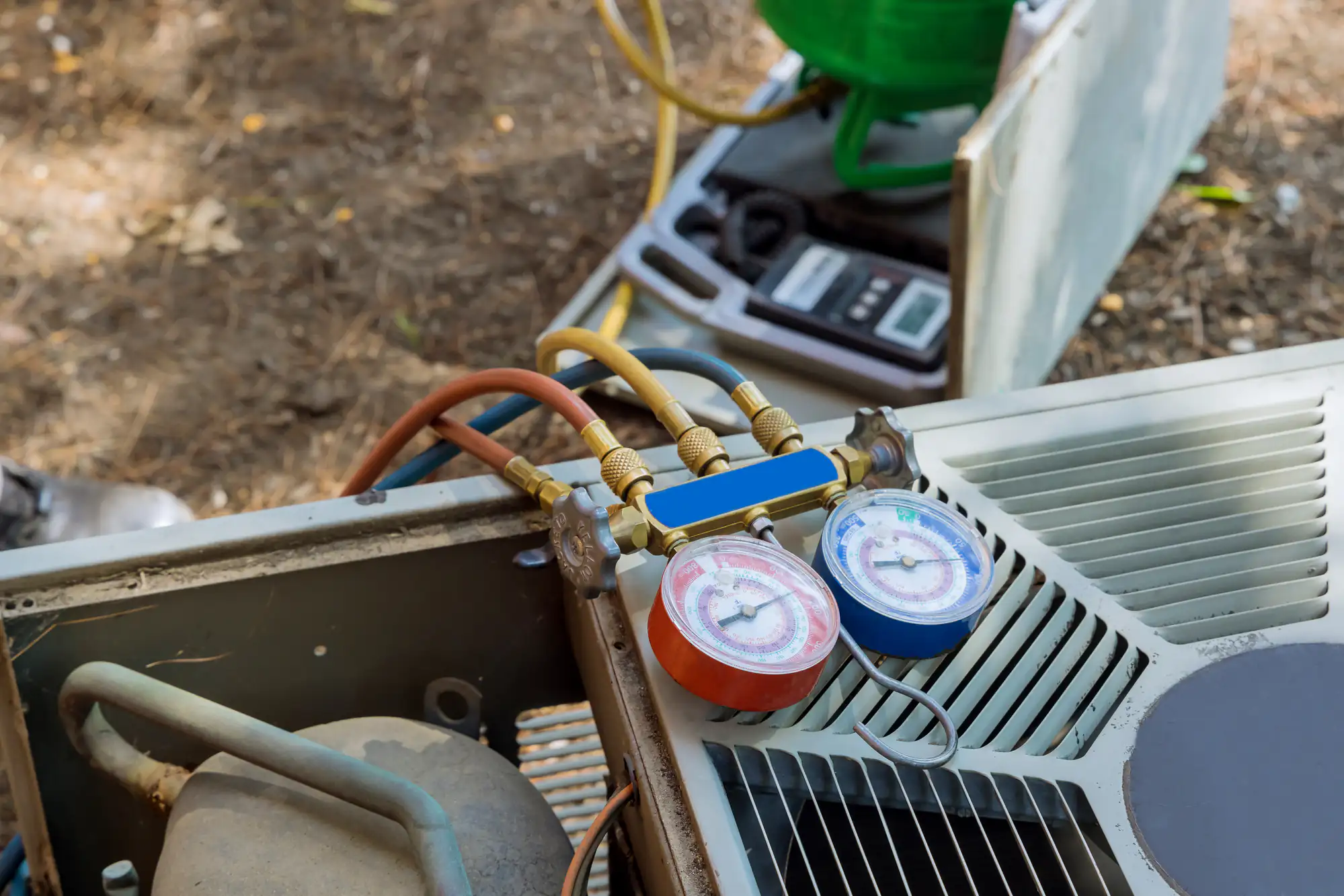
During maintenance, we’re cleaning coils that accumulate dust and salt residue, checking refrigerant levels, testing electrical connections, lubricating moving parts, and verifying that safety controls work. These aren’t optional tasks. Dirty coils reduce efficiency by up to 30%. Low refrigerant makes your compressor work harder and fail sooner. Loose electrical connections cause system shutdowns or fires.
Most manufacturers require annual maintenance to keep your warranty valid. If your system fails and you haven’t had it serviced, they can void your coverage. That turns a free compressor replacement into a $2,000 repair bill. Maintenance costs a few hundred dollars a year. Major repairs cost thousands. The math is simple.
Absolutely. Temperature control is only part of comfort. If your air is humid, stale, or full of allergens, your home won’t feel good no matter what the thermostat says.
Great River’s coastal location means higher humidity year-round. Whole-home dehumidifiers work with your HVAC system to pull moisture out of the air before it causes mold growth, musty odors, or that clammy feeling on your skin. These systems are more effective than portable units because they treat your entire home, not just one room.
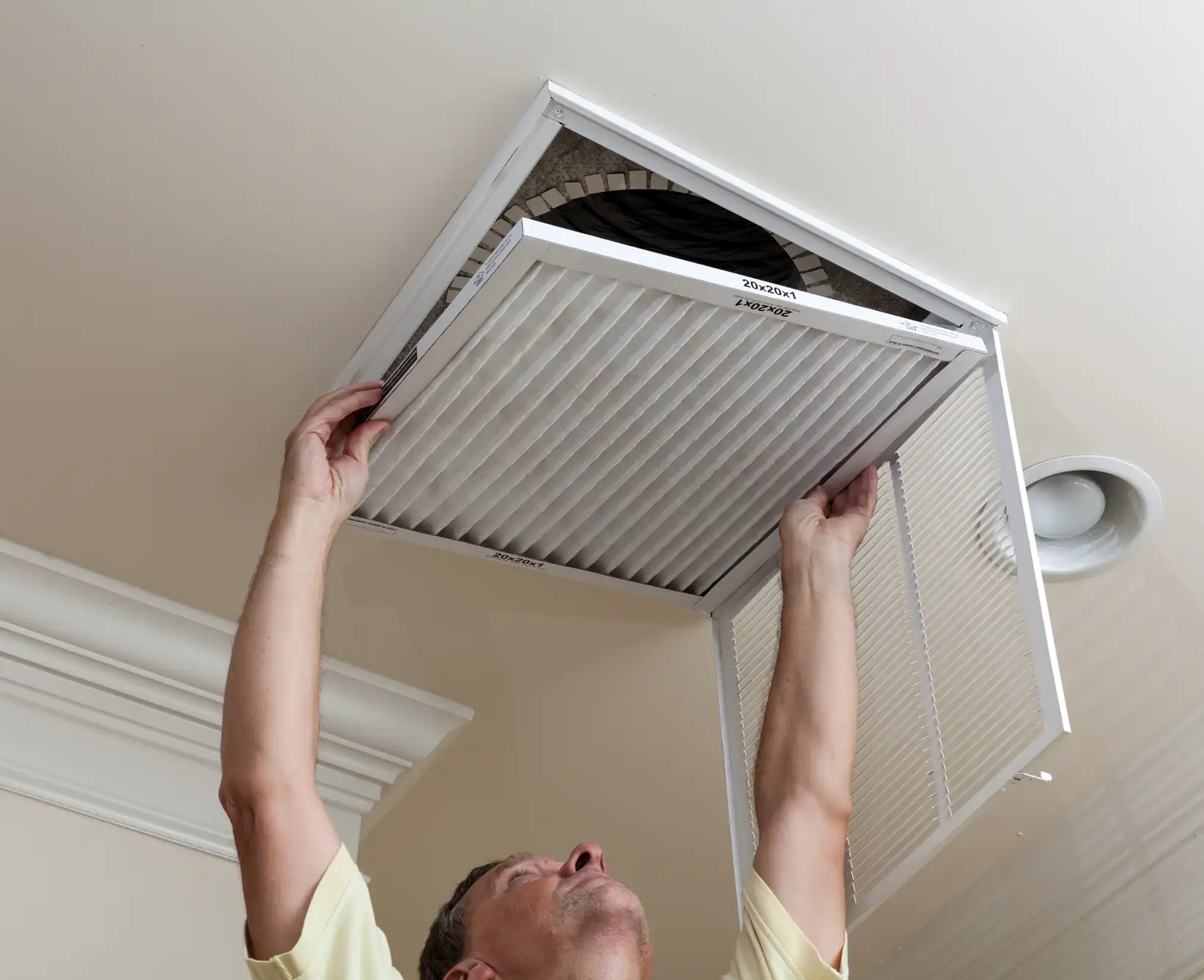
We also install air purification systems that remove particles, allergens, and odors. If someone in your family has asthma or allergies, clean air makes a measurable difference. UV lights kill mold and bacteria in your ductwork. Media filters catch smaller particles than standard furnace filters. We’ll assess your specific air quality concerns and recommend solutions that actually work, not just gadgets that sound impressive but don’t deliver results.