Hear from Our Customers
Your air conditioner quits on the hottest day in July. You’re sweating, your family’s uncomfortable, and you need someone who picks up the phone and actually shows up. Not tomorrow. Today.
That’s where most HVAC companies in Harbor Hills fall short. They’re booked out for weeks, or they send someone who doesn’t stock the right parts, or worse—they try to sell you a full replacement when a simple repair would’ve done the job.
You don’t need a sales pitch. You need your home comfortable again. Modern heating and cooling systems can cut your energy bills by 20% to 50% when they’re running right. But when they’re not, you’re throwing money away every month while dealing with hot and cold spots, strange smells, and that nagging worry about what happens when it finally dies during a nor’easter.
We’ve spent four decades fixing complex commercial refrigeration and marine HVAC systems where downtime costs thousands per hour. We bring that same urgency and expertise to your home. You get technicians who diagnose the actual problem, explain what’s happening in plain terms, and fix it right the first time.
We’ve been handling HVAC and refrigeration emergencies since the 1980s. Not just residential service calls—airports, catering halls, restaurants, marine vessels. Systems where failure isn’t an option and every minute counts.
That experience matters when your furnace stops working at 2 AM in January. We answer the phone. We dispatch within hours. We stock our trucks with parts so about 70% of emergency calls get resolved the same day without waiting on orders or return visits.
Harbor Hills homeowners deal with unique climate challenges. Summer humidity that makes poorly maintained AC systems work twice as hard. Salt air from the coast that corrodes outdoor units faster. PSEG time-of-use rates that make efficiency upgrades pay for themselves quicker than most contractors realize. We’ve been serving Nassau County long enough to know what works here and what doesn’t.
You call or contact us online. A real person answers—not a voicemail, not an answering service. If it’s an emergency, we dispatch immediately and typically arrive within two hours. For scheduled service, we work around your availability.
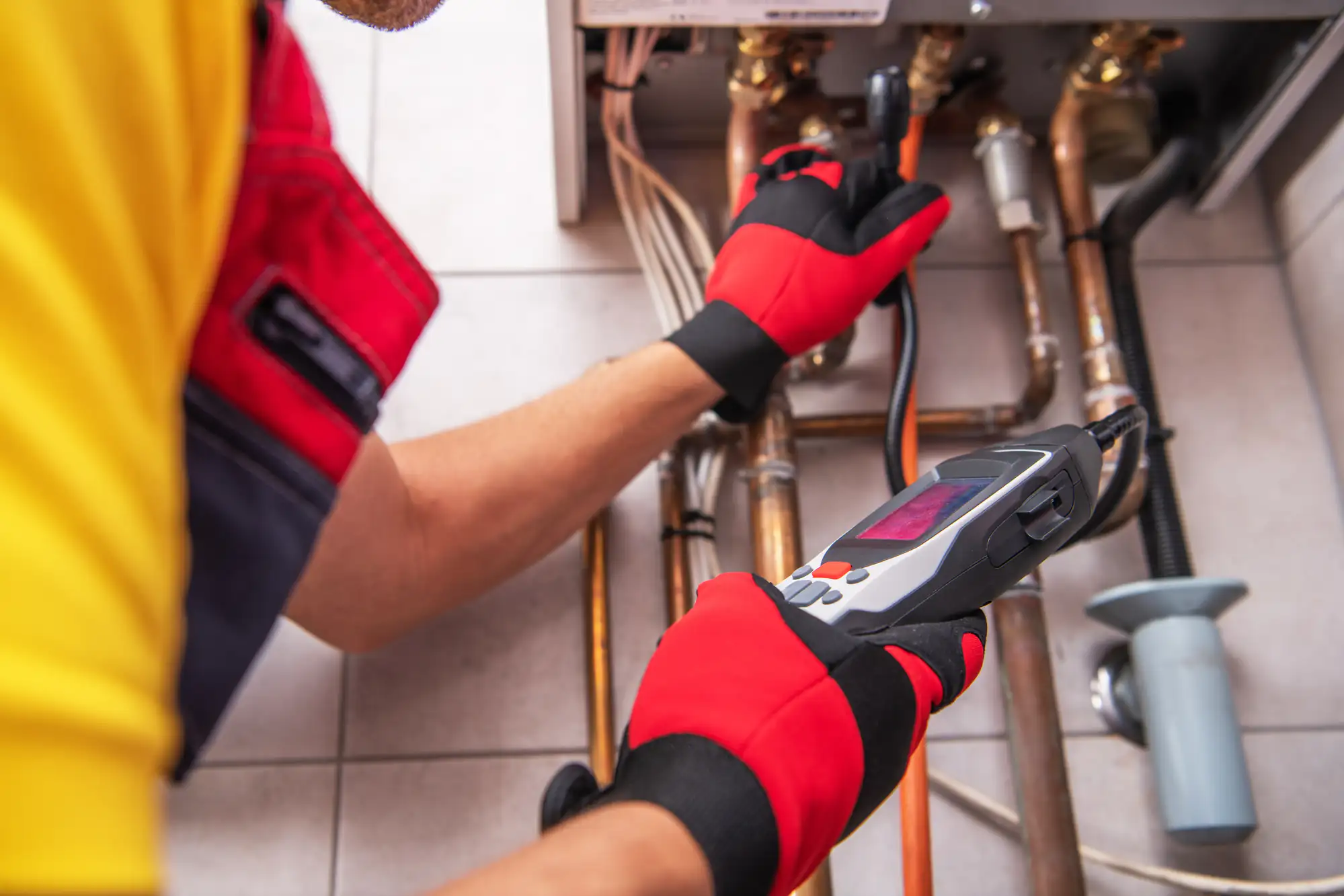
When we show up, we diagnose the problem first. No assumptions, no upselling before we know what’s actually wrong. Our technician explains what they found, what it’ll take to fix it, and gives you a clear price before any work starts. If it’s a repair, we handle it on the spot when possible. If you need a replacement, we walk through your options based on your home’s size, your budget, and what’ll actually save you money long-term.
For installations, we handle permits, proper sizing calculations, and code compliance. We’re not just swapping units—we’re making sure your new system runs efficiently for its full 15-to-20-year lifespan. After installation, we test everything, show you how to use any new controls or smart thermostats, and set you up with a maintenance plan if you want one.
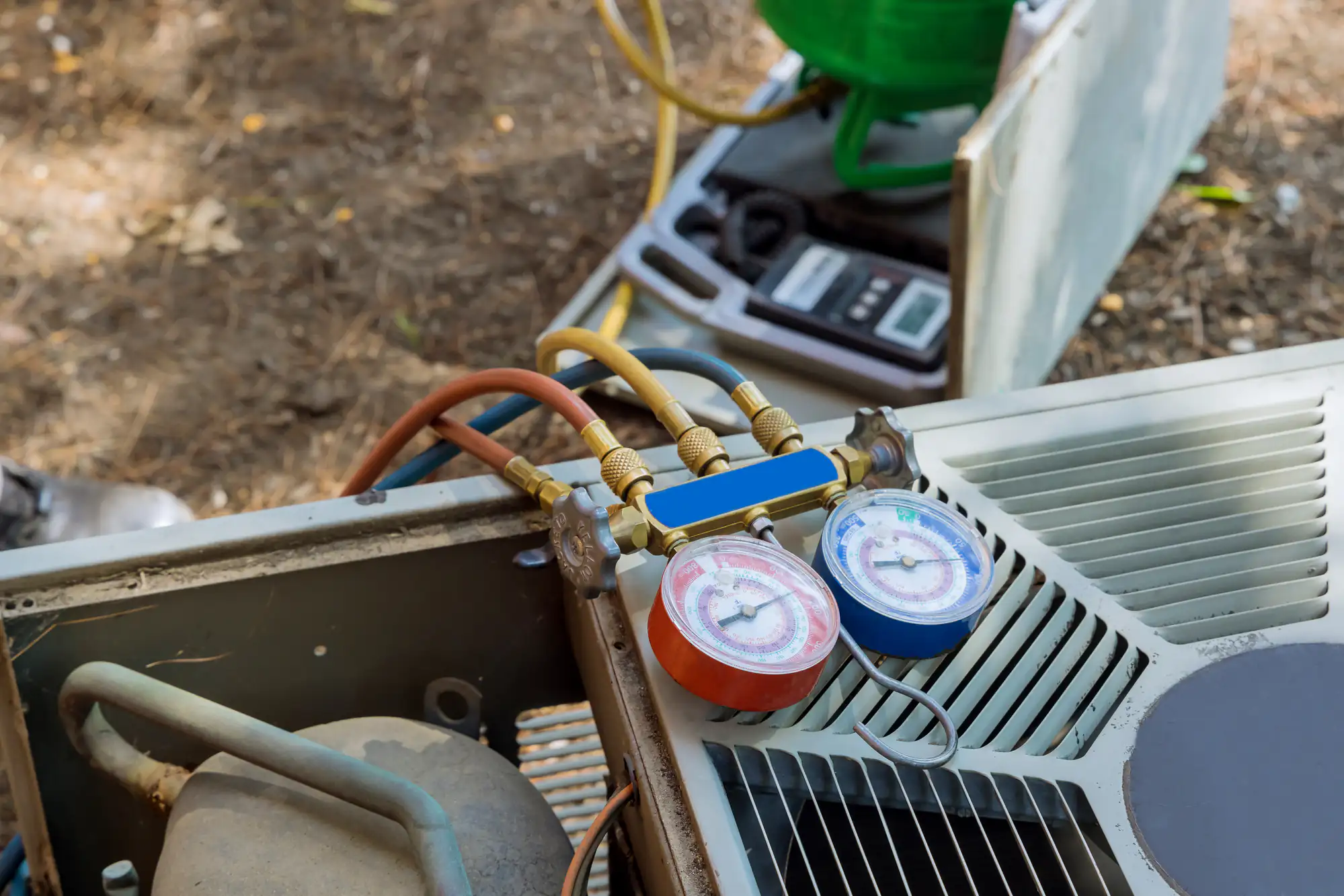
Maintenance visits are straightforward. We check refrigerant levels, clean coils, inspect electrical connections, test safety controls, and catch small issues before they become expensive emergencies. Annual maintenance prevents up to 95% of breakdowns and keeps your system running at peak efficiency, which matters when you’re looking at energy costs that can hit $32 billion annually across U.S. households.
Ready to get started?
Air conditioning repair and installation covers everything from central AC systems to ductless mini-splits. We handle refrigerant leaks, compressor failures, frozen coils, electrical issues, and airflow problems. If you’re replacing an old unit, we’ll properly size a new system—oversized units waste energy and undersized ones never keep up with Long Island summers.
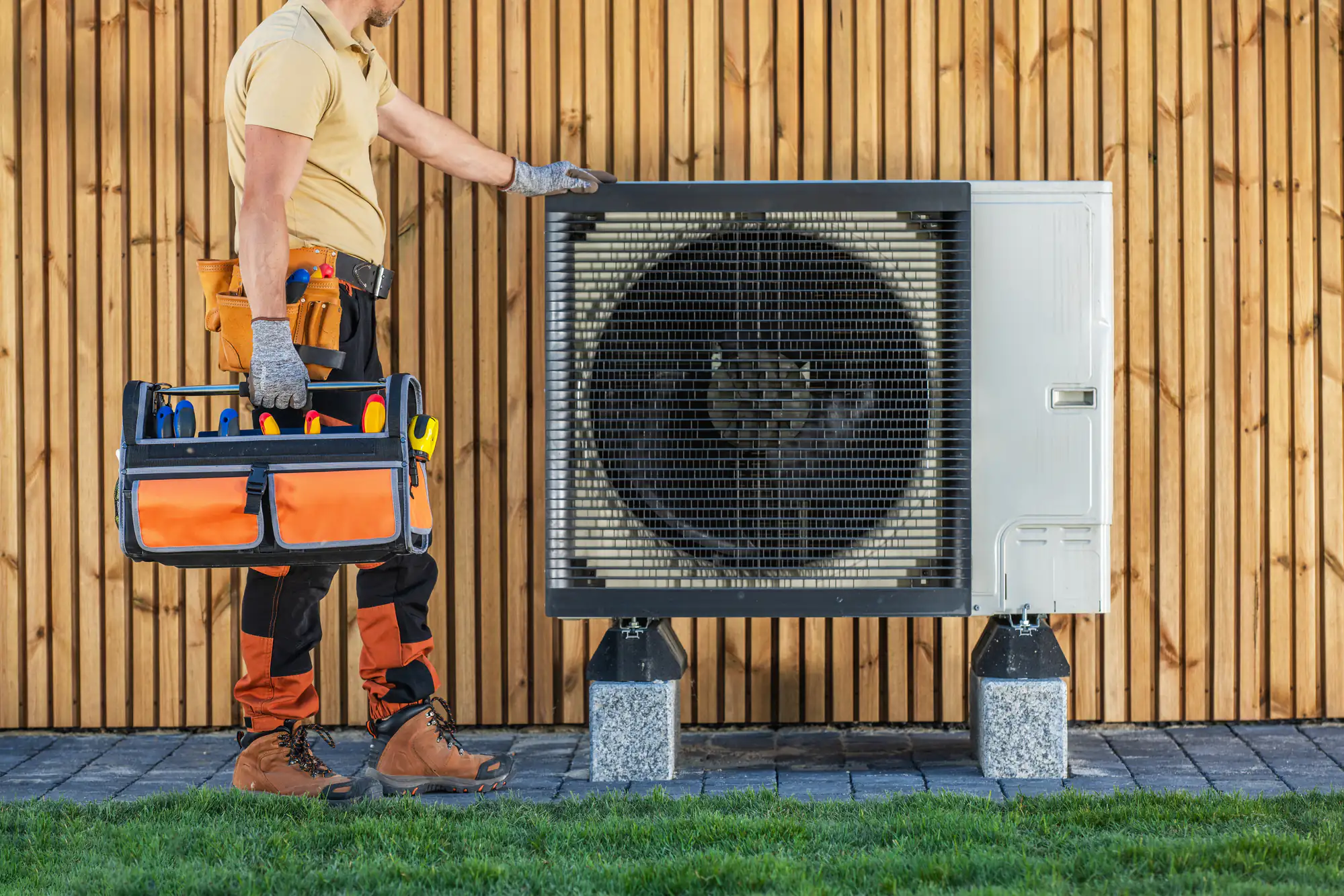
Furnace installation and heating system maintenance includes gas furnaces, electric heat, and increasingly popular heat pump systems. With 48% of U.S. households transitioning to heat pumps and federal tax credits making them more affordable, we’re installing more dual-fuel and all-electric systems than ever. We’ll tell you honestly whether a heat pump makes sense for your home or if a traditional furnace is the better call.
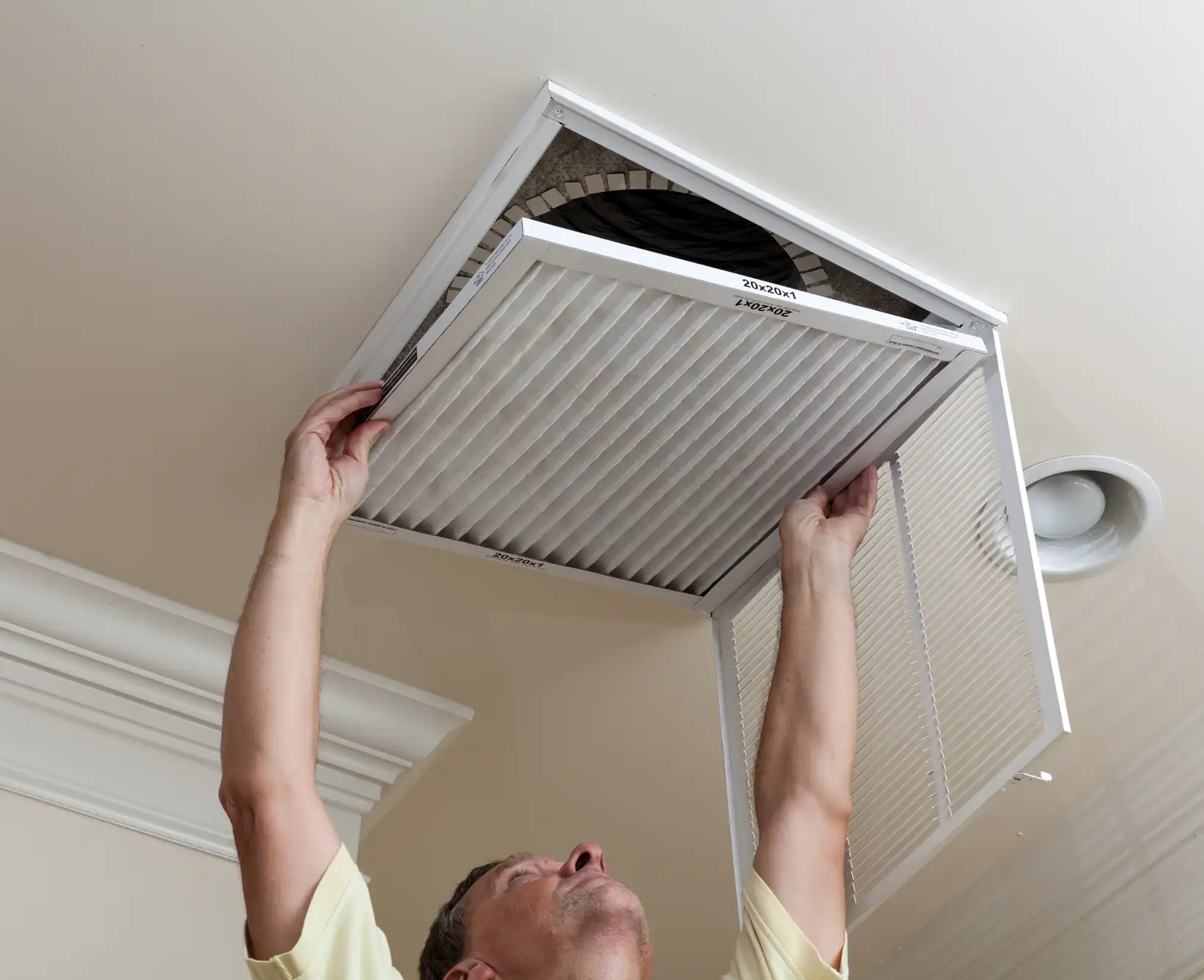
Indoor air quality solutions matter more than most homeowners realize. Whole-home air purifiers, UV lights, upgraded filtration, and proper ventilation can eliminate the strange odors, allergens, and pollutants that indicate mold, mildew, or poor circulation. We assess your specific air quality issues and recommend solutions that actually work—not just expensive add-ons.
HVAC replacement becomes necessary when repair costs approach 50% of a new system’s price, or when your equipment is over 15 years old and struggling to maintain temperature. Right now, in 2026, we’re seeing peak replacement demand as systems installed in the mid-2000s reach end-of-life. About 19% of homeowners are considering new installations this year. Modern systems with 17 SEER2 ratings or higher can cut cooling costs by 45% and reduce heating electricity use up to 75% compared to older equipment.
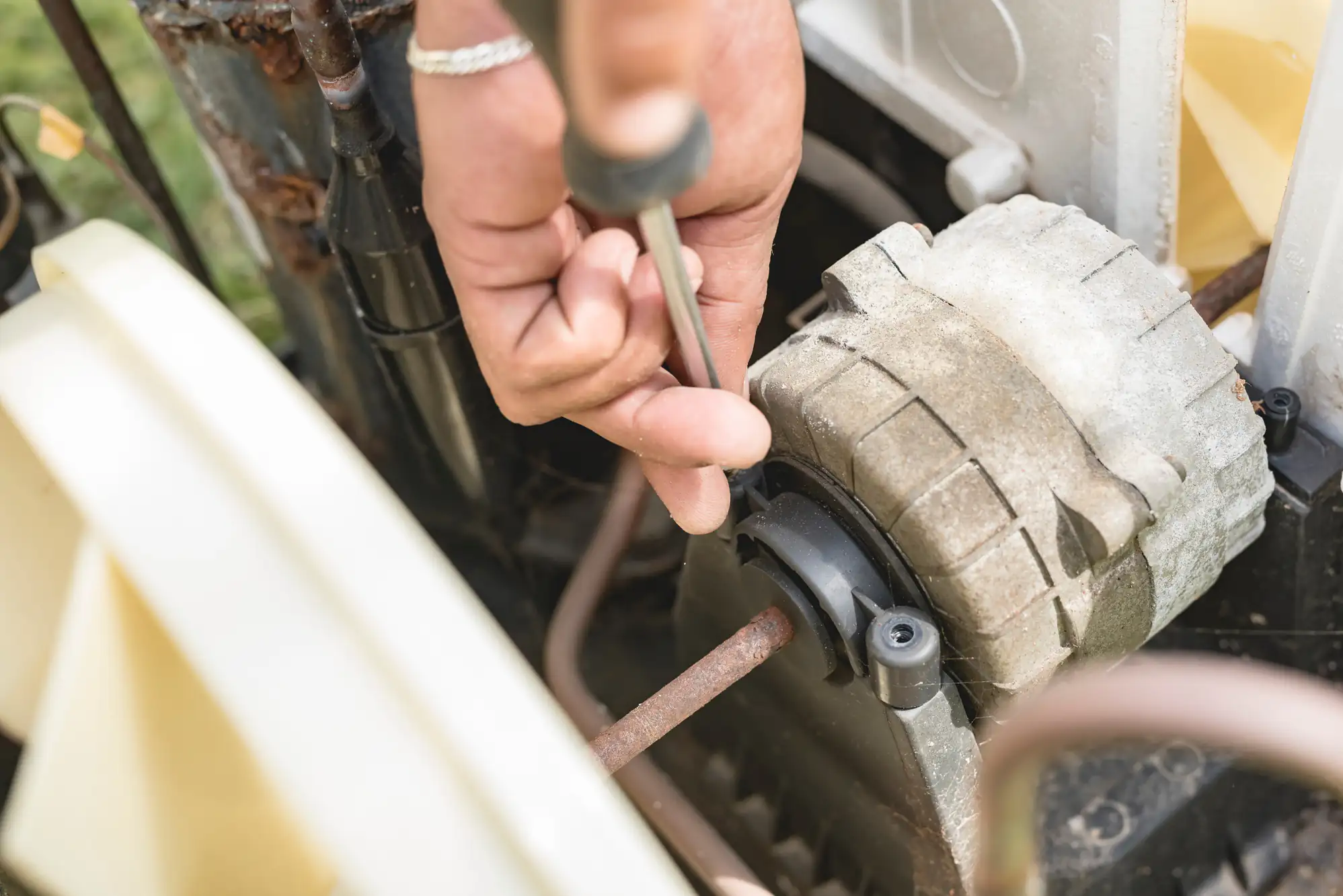
We dispatch emergency calls immediately and typically arrive within two hours. That’s not a marketing claim—it’s how we’ve operated for 40 years serving commercial clients where every minute of downtime costs real money.
When you call our emergency line, a real person answers 24/7. Not a voicemail system, not an answering service that takes a message. We assess whether it’s truly an emergency or if it can wait until morning, and we’re honest about that. If your AC dies on a 95-degree July afternoon or your heat goes out during a January cold snap, we treat it like the emergency it is.
Our trucks stock common parts for most residential systems, which is why about 70% of our emergency calls get resolved the same day. We’re not showing up to diagnose the problem and then leaving you without heat or AC for another three days while we wait on parts. We fix it right then when possible, or we’ll set you up with a temporary solution while we order what’s needed.
If your system is under 10 years old and the repair costs less than half what a new system would run, repair almost always makes sense. Once you’re looking at repair bills that approach 50% of replacement cost, or your equipment is over 15 years old, replacement usually saves you money within a few years.
Here’s the math most contractors won’t walk you through. A typical residential HVAC replacement in Harbor Hills runs $5,000 to $12,000 depending on system size and efficiency rating. If your 8-year-old system needs a $1,500 repair, that’s worth doing. But if your 16-year-old system needs a $4,000 compressor replacement, you’re better off putting that money toward new equipment that’ll run more efficiently and come with a full warranty.
Energy savings factor in too. Modern systems with higher SEER2 ratings can cut your cooling costs by 45% compared to units from the mid-2000s. If you’re spending $200 a month on summer cooling with an old 10 SEER system, upgrading to a 17 SEER2 unit could drop that to $110. That $90 monthly savings adds up to over $1,000 per year, which means a $7,000 system upgrade pays for itself in energy savings alone within seven years—and you get 15 to 20 years of life from it.
Yes, modern heat pumps work fine through Long Island winters, but there’s nuance here that matters. Cold-climate heat pumps now operate efficiently down to around 5°F, and Harbor Hills rarely sees sustained temperatures that low. Most winter days stay above 20°F, which is well within efficient heat pump range.
The concern about heat pumps in cold weather comes from older technology that struggled below 30°F. Those systems would switch to expensive backup electric resistance heat, which killed efficiency and drove up bills. Today’s cold-climate models use advanced compressors and refrigerants that maintain efficiency much lower. Some homeowners still opt for dual-fuel systems that pair a heat pump with a gas furnace backup for the coldest days, giving you efficiency most of the time with reliable heat when temperatures drop.
Federal tax credits and New York State rebates currently make heat pumps more affordable than they’ve ever been. With 48% of U.S. households transitioning to electric heating and heat pump technology improving every year, they’re becoming the default choice for HVAC replacement. We’ll assess your home’s insulation, ductwork, and heating needs to tell you honestly whether a heat pump makes sense or if you’re better off with a traditional furnace.
Annual maintenance prevents up to 95% of breakdowns and keeps your system running at peak efficiency. That’s not a sales tactic—it’s what happens when you catch small problems before they cascade into expensive failures.
Most manufacturers require annual professional maintenance to keep warranties valid. Beyond that, it’s simple economics. A maintenance visit runs $150 to $300 depending on what’s included. A new compressor costs $1,500 to $3,000. Replacing refrigerant after a slow leak goes undetected for months costs $500 to $1,200. Cleaning coils and checking electrical connections during annual maintenance catches those issues when they’re cheap and easy to fix.
You should schedule AC maintenance in spring before cooling season starts, and furnace maintenance in fall before you need heat. During these visits, we check refrigerant levels, clean coils, inspect electrical connections, test safety controls, measure airflow, and verify your thermostat is calibrating correctly. We also catch efficiency problems that cost you money every month—like dirty filters restricting airflow and making your system work 15% harder, or duct leaks wasting 30% of your conditioned air before it reaches living spaces.
Proper sizing requires a Manual J load calculation that accounts for your home’s square footage, insulation levels, window types, sun exposure, and typical occupancy. Contractors who eyeball it or just match your old system’s tonnage are setting you up for problems.
An oversized AC system cycles on and off too frequently, which wastes energy, creates temperature swings, and doesn’t run long enough to remove humidity. Long Island summers are humid, and an oversized system that can’t dehumidify properly makes your home feel clammy even when the temperature is technically right. An undersized system runs constantly, never quite catches up on hot days, and wears out faster from overwork.
Most Harbor Hills homes need between 2 and 5 tons of cooling capacity, but that’s a wide range. A well-insulated 1,800-square-foot ranch might need 2.5 tons, while a poorly insulated 2,000-square-foot colonial with lots of south-facing windows might need 4 tons. We run the actual calculations during estimates and show you the numbers. If your current system is the wrong size, we’ll explain why and what difference proper sizing makes for comfort and efficiency.
Yes, but the savings depend on what you’re replacing and what you’re upgrading to. If you’re running a 10 SEER air conditioner from 2005 and you upgrade to a 17 SEER2 system, you’ll cut cooling costs by about 40% to 45%. That’s real money on Long Island where summer AC bills can hit $250 to $400 per month for larger homes.
Here’s what that looks like in actual dollars. Say you’re spending $300 monthly on summer cooling with an old inefficient system. A modern high-efficiency system could drop that to $165 to $180. Over a four-month cooling season, that’s $480 to $540 in annual savings. Over the 15-to-20-year lifespan of the new system, you’re looking at $7,200 to $10,800 in total energy savings—which often covers a significant portion of the upgrade cost.
Heating upgrades can save even more. Switching from an old 80% efficiency furnace to a 95% model cuts heating costs by about 15% to 20%. Moving to a heat pump can reduce heating electricity use by up to 75% compared to electric resistance heat. With PSEG’s time-of-use rates, running efficient equipment during off-peak hours saves additional money that older systems can’t take advantage of. We calculate projected savings during estimates so you know exactly what to expect, not just generic efficiency percentages.