Hear from Our Customers
Your air conditioning doesn’t care that it’s 95 degrees outside when it decides to quit. And your furnace won’t wait for a convenient Tuesday morning to stop heating your home in January.
That’s the reality of living in Harbor Isle. Summers get blazing hot. Winters bring snow storms and freezing temps. And the salt air from the coast attacks outdoor units year-round, creating corrosion that most contractors don’t even think about until your system fails.
When your HVAC system is sized right, installed correctly, and maintained by people who understand coastal conditions, you get 15+ years of reliable performance. Your energy bills stay predictable. Your family stays comfortable. And you’re not scrambling to find an available technician during the hottest week of summer or the coldest night of winter.
We’ve been handling complex refrigeration and HVAC systems across the Greater New York area for over 40 years. The same salt air, humidity, and temperature swings that destroy poorly installed systems are exactly what we design around every single day.
Chill Xpert Solutions started in commercial refrigeration and marine HVAC. That means we’ve been working in the harshest conditions possible—boat engine rooms, waterfront restaurants, airport facilities—for over four decades.
When you live on a peninsula like Lloyd Neck, your HVAC system faces challenges that inland homes never see. Salt buildup on coils. Humidity that overworks compressors. Freeze cycles in winter that stress components most contractors never account for.
We bring that same level of expertise to residential HVAC services in Harbor Isle. Free estimates, transparent pricing, 24/7 emergency response, and a track record you can verify through dozens of five-star reviews. We’re not the cheapest option, and that’s intentional. You’re paying for systems that last and service that shows up when you actually need it.
You call or submit a request. We schedule a free estimate at a time that works for you, not just when we have an opening.
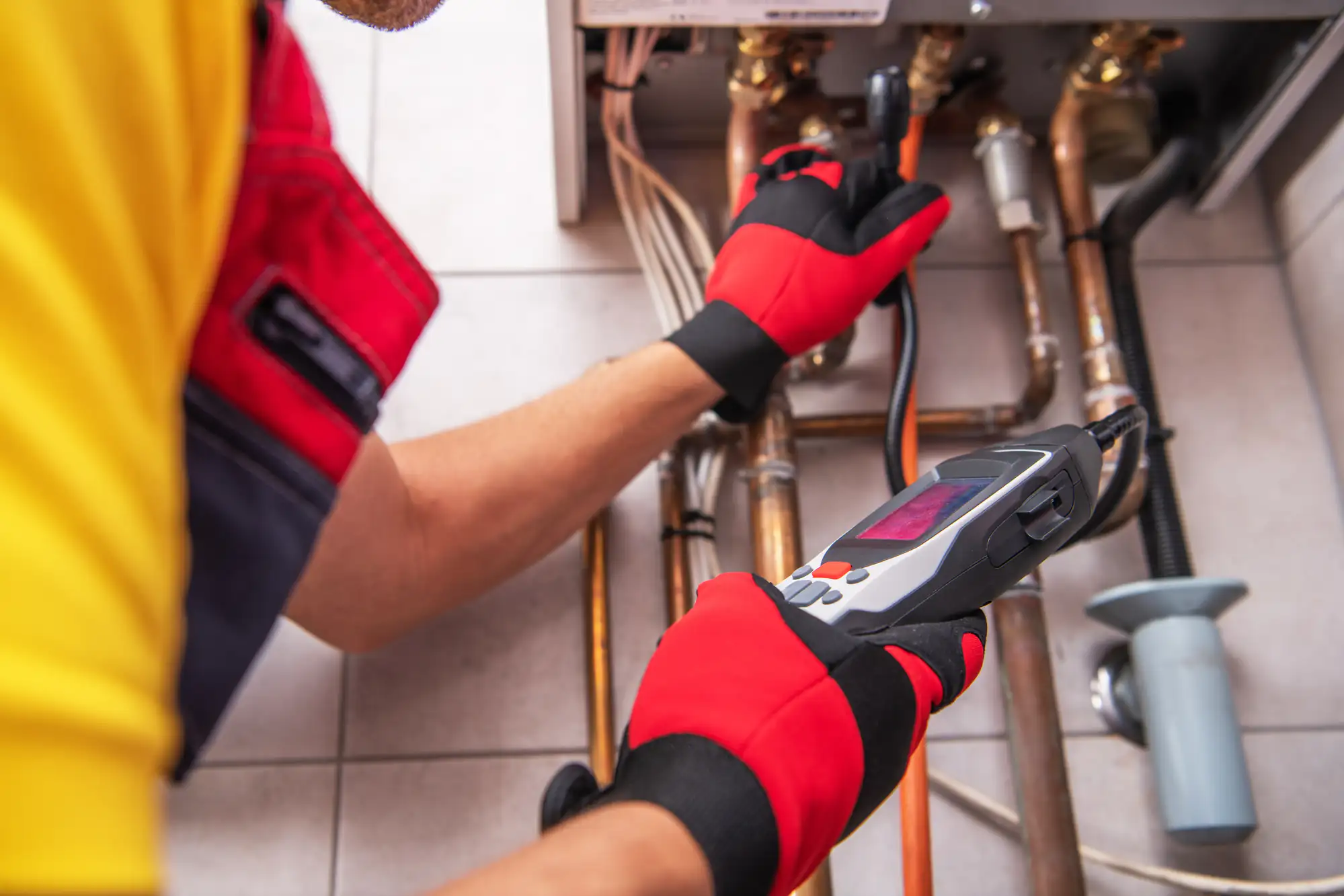
When we show up, we’re looking at your whole system—not just the unit that’s giving you trouble. We check ductwork, insulation, airflow, and whether your current system is even the right size for your home. A lot of older Harbor Isle homes were built before central air became standard, which means ductwork was added later and often done wrong.
You get a clear breakdown of what’s needed and what it costs. No hidden fees for permits, electrical work, or materials that “we didn’t know about until we opened it up.” If it’s a repair, we stock parts for most systems and fix about 70% of emergency calls on the spot. If it’s an installation, we walk through equipment options, efficiency ratings, rebates you qualify for, and realistic timelines.
Once the work starts, we follow manufacturer specs and local codes. After installation, we test everything, show you how to use your new system or thermostat, and set you up with a maintenance plan if you want one. Maintenance customers routinely get 15+ years from their equipment because we catch small problems before they become expensive failures.
Ready to get started?
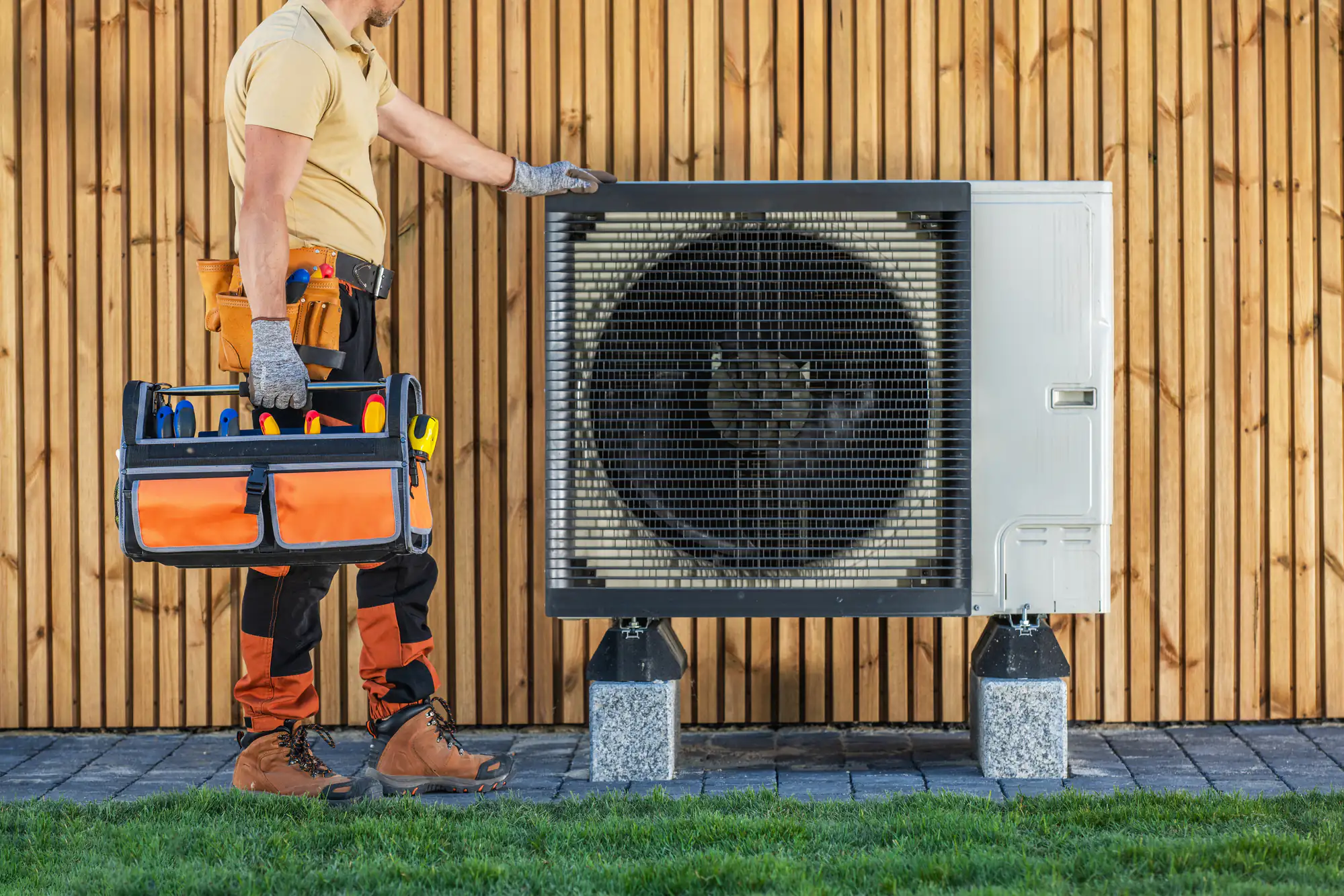
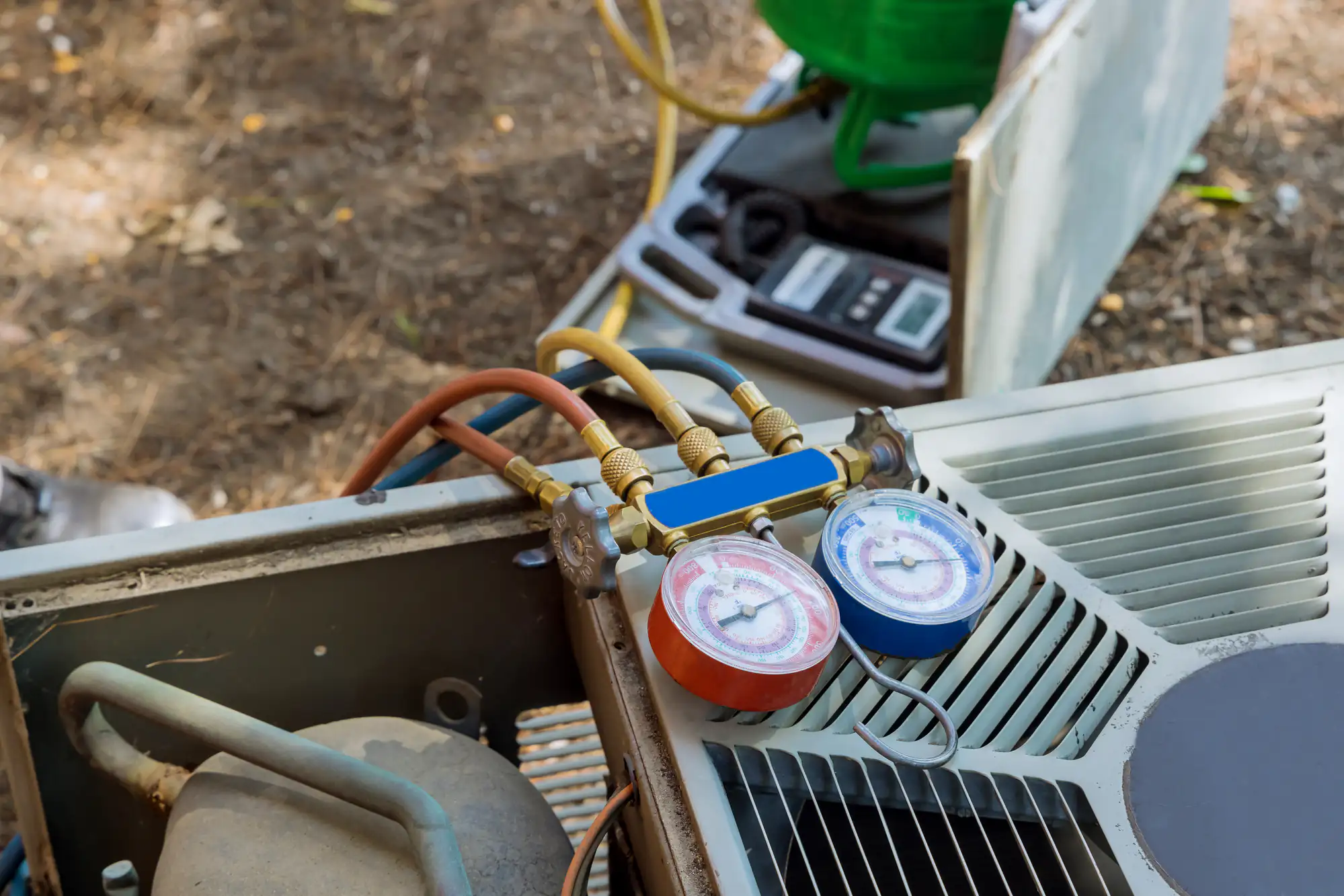
Air conditioning repair and replacement that accounts for coastal humidity. Standard systems struggle here because they’re not designed for the moisture levels Harbor Isle gets in summer. We install units with oversized condensers and corrosion-resistant materials that handle the environment without failing every few years.
Furnace installation and heating system maintenance for homes that need reliable warmth during Long Island winters. Whether you’re running an older oil furnace or looking at heat pumps that cut heating costs by up to 75%, we size equipment correctly and install it to last.
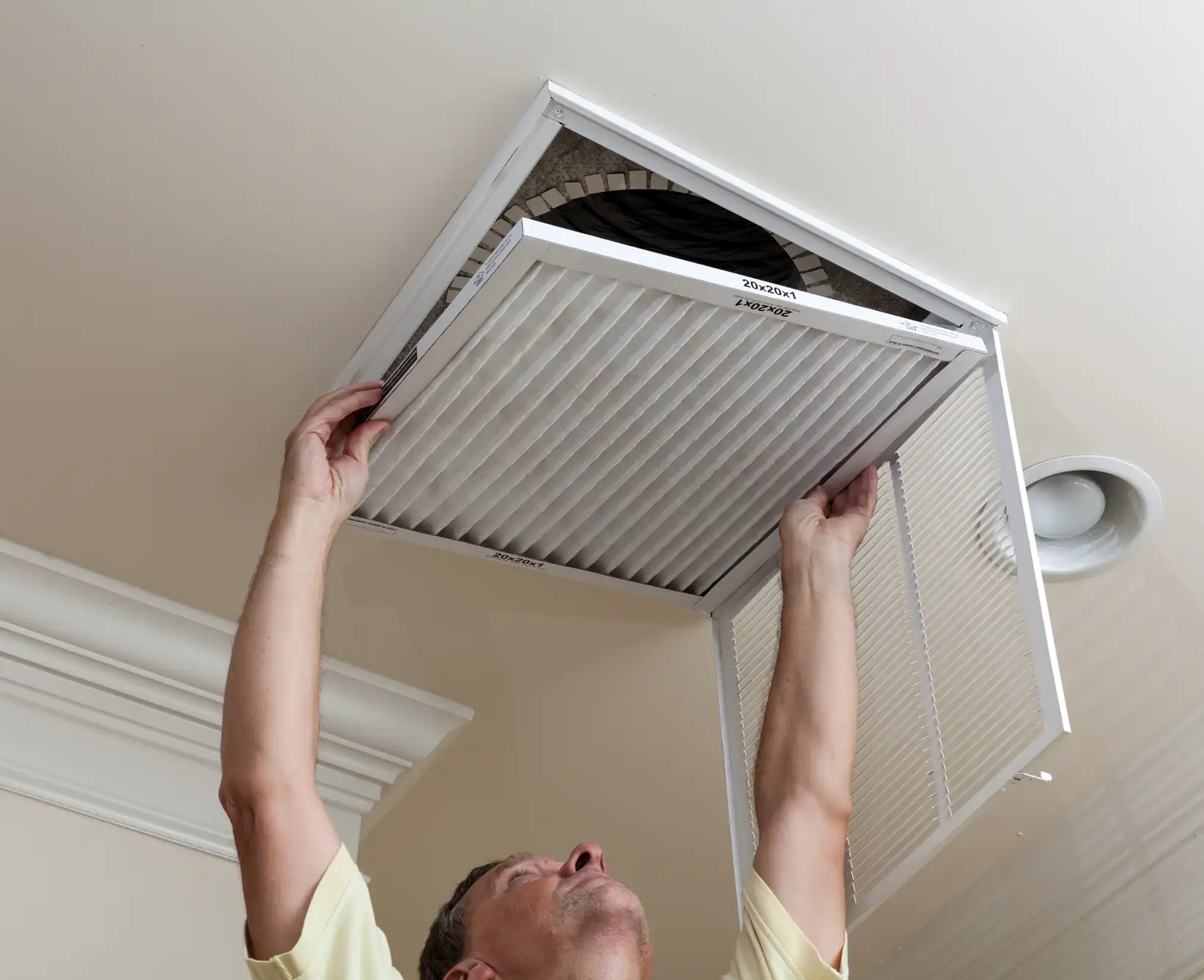
Indoor air quality solutions that go beyond just changing filters. Salt air, pollen from the surrounding nature preserves, and humidity all affect what you’re breathing inside your home. We assess your specific situation and recommend filtration, dehumidification, or ventilation improvements that actually make a difference.
HVAC replacement when repair costs don’t make sense anymore. If your system is over 15 years old and needs a major repair, you’re often better off replacing it with a modern unit that uses 30% less energy. We’ll tell you honestly which route makes more financial sense, not just which one makes us more money.
Energy-efficient upgrades and smart thermostat installation for homeowners who want lower utility bills and better control. Modern systems qualify for rebates through local utility programs, and we handle the paperwork to make sure you get every dollar you’re entitled to.
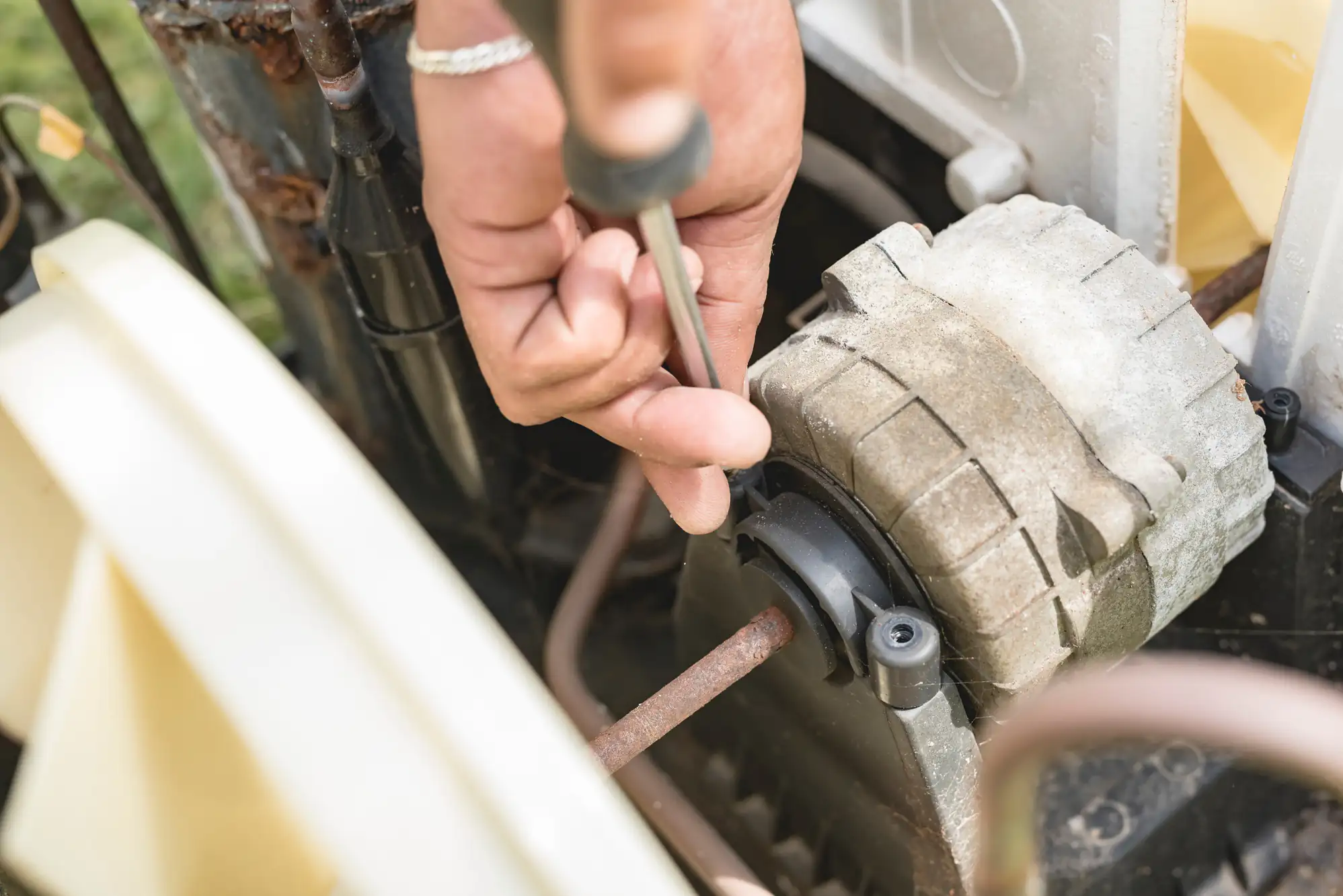
Salt air creates a layer of buildup on your outdoor unit’s coils. That buildup acts like insulation, blocking the coils from absorbing heat efficiently. Your compressor has to run harder and longer to cool your home, which increases energy bills and shortens the lifespan of the equipment.
Most HVAC contractors don’t think about this because they’re used to working inland. They install standard units with standard materials, and those systems start corroding within a few years. You’ll see rust on the cabinet, pitting on the copper lines, and premature failure of electrical connections.
We use corrosion-resistant coatings and marine-grade materials on outdoor components. We also recommend more frequent coil cleaning for Harbor Isle homes—usually twice a year instead of the standard annual service. It’s a small adjustment that adds years to your system’s life and keeps it running efficiently even with constant salt exposure.
Most contractors just look at square footage and pick a unit from a chart. That’s wrong, especially in coastal areas where humidity and insulation quality vary dramatically from home to home.
Proper sizing requires a load calculation that factors in your home’s insulation, window placement, ceiling height, ductwork condition, and how much sun exposure you get. A system that’s too small won’t keep up on the hottest days. A system that’s too large will short-cycle, meaning it turns on and off constantly without ever running long enough to remove humidity from the air.
For older Harbor Isle homes built before central air became standard, we also assess whether your existing ductwork is adequate or if you’d be better served by a ductless mini-split system. Ductless systems are perfect for homes where adding ductwork would be invasive or expensive, and they’re often more efficient because you’re not losing conditioned air through leaky ducts in your attic or crawlspace.
Twice a year minimum—once before cooling season and once before heating season. That’s more frequent than inland recommendations, but coastal conditions justify it.
During a maintenance visit, we’re cleaning coils that have salt buildup, checking for early signs of corrosion, testing refrigerant levels, inspecting electrical connections that corrode faster near the ocean, and making sure your condensate drain isn’t clogged from the extra humidity your system pulls out of the air.
Customers who skip maintenance usually call us for emergency repairs during the worst possible time—mid-July when it’s 95 degrees or mid-January when it’s 20 degrees outside. And the failure is almost always something we would have caught and fixed inexpensively during a routine visit. A clogged drain line costs $150 to clear during maintenance. When it backs up and floods your air handler, you’re looking at $800+ in repairs plus the cost of water damage to your ceiling or walls.
If your system is under 10 years old and the repair costs less than half the price of replacement, repair usually makes sense. If your system is over 15 years old and needs a major component like a compressor or heat exchanger, replacement almost always makes more financial sense.
Here’s why: older systems use R-22 refrigerant, which is being phased out and costs a fortune now. A refrigerant recharge that used to cost $300 now runs $1,200 or more. Compressor replacement on an old system can hit $2,500, and you’re still left with a 15-year-old unit that’s inefficient and likely to need another expensive repair within a year or two.
A new high-efficiency system costs $5,000 to $8,000 installed depending on size and features, but it’ll cut your energy bills by 30% or more and come with a 10-year parts warranty. You’re also eligible for utility rebates that can knock $500 to $1,000 off the installation cost. We’ll give you both options with honest numbers so you can make the call that makes sense for your situation and budget.
Yes. We run emergency service 24/7, 365 days a year, because refrigeration and HVAC problems don’t wait for business hours.
When you call with an emergency, we prioritize getting someone to your home the same day whenever possible. We stock parts for most common systems, which means about 70% of emergency calls get fixed on the first visit. For the other 30%, we’ll get your system running temporarily while we order the right part, so you’re not without heat or air conditioning for days.
Emergency calls cost more than scheduled service—that’s standard across the industry because we’re pulling a technician away from other jobs or calling someone in after hours. But we tell you the cost upfront before we dispatch, and we don’t add surprise fees once we’re at your home. If it’s a Friday night in July and your AC is out, you’ll know exactly what you’re paying before we show up.
Absolutely. Ductless mini-split systems are designed exactly for this situation, and they’re often a better solution than trying to retrofit ductwork into a home that wasn’t built for it.
A ductless system uses an outdoor compressor connected to one or more indoor air handlers mounted on your walls. Each air handler can be controlled independently, which means you’re not heating or cooling rooms you’re not using. Installation is minimally invasive—we run a small line set through the wall instead of tearing into ceilings and closets to install ductwork.
Modern ductless systems also work as heat pumps, providing both cooling and heating. They’re extremely efficient in moderate climates like Harbor Isle, and they handle humidity better than window units or portable ACs. The upfront cost is higher than a window unit, but you’re getting a permanent solution that adds value to your home and costs less to operate long-term.