Hear from Our Customers
You shouldn’t have to cross your fingers every time the temperature drops or the humidity spikes. Your HVAC system either works reliably, or it doesn’t.
When your air conditioning can’t keep up on a 90-degree afternoon, or your furnace starts making sounds you’ve never heard before, you’re not just dealing with discomfort. You’re dealing with disruption—to your routine, your budget, and your peace of mind.
Proper residential HVAC services mean your system gets diagnosed correctly the first time, repaired with quality parts, and maintained so you’re not dealing with the same issue six months later. That’s what keeps rooms comfortable, energy bills predictable, and emergency calls rare.
Whether it’s air conditioning repair before summer hits hard, furnace installation that’s sized right for your home, or heating system maintenance that catches small problems early—you want work that lasts. Not quick fixes that buy you a few weeks.
We’ve been handling HVAC systems across the Greater New York area for over 40 years. We’ve worked on everything from straightforward residential setups to complex commercial refrigeration and marine air conditioning systems that most contractors won’t touch.
That experience matters in Hauppauge, where coastal humidity and salt air put extra stress on equipment. We understand how Long Island’s climate affects your system’s lifespan and performance. We also know the housing stock here—older homes with unique ductwork challenges, newer builds with modern efficiency standards, and everything in between.
You’ll find dozens of five-star reviews from homeowners who needed reliable service, transparent pricing, and someone who actually answers the phone. We’re licensed, insured, and available 24/7 for emergencies—because HVAC problems don’t wait for business hours.
First, we listen. You tell us what’s happening—uneven temperatures, strange noises, high energy bills, system not turning on. We ask a few questions to understand the situation before we ever show up.
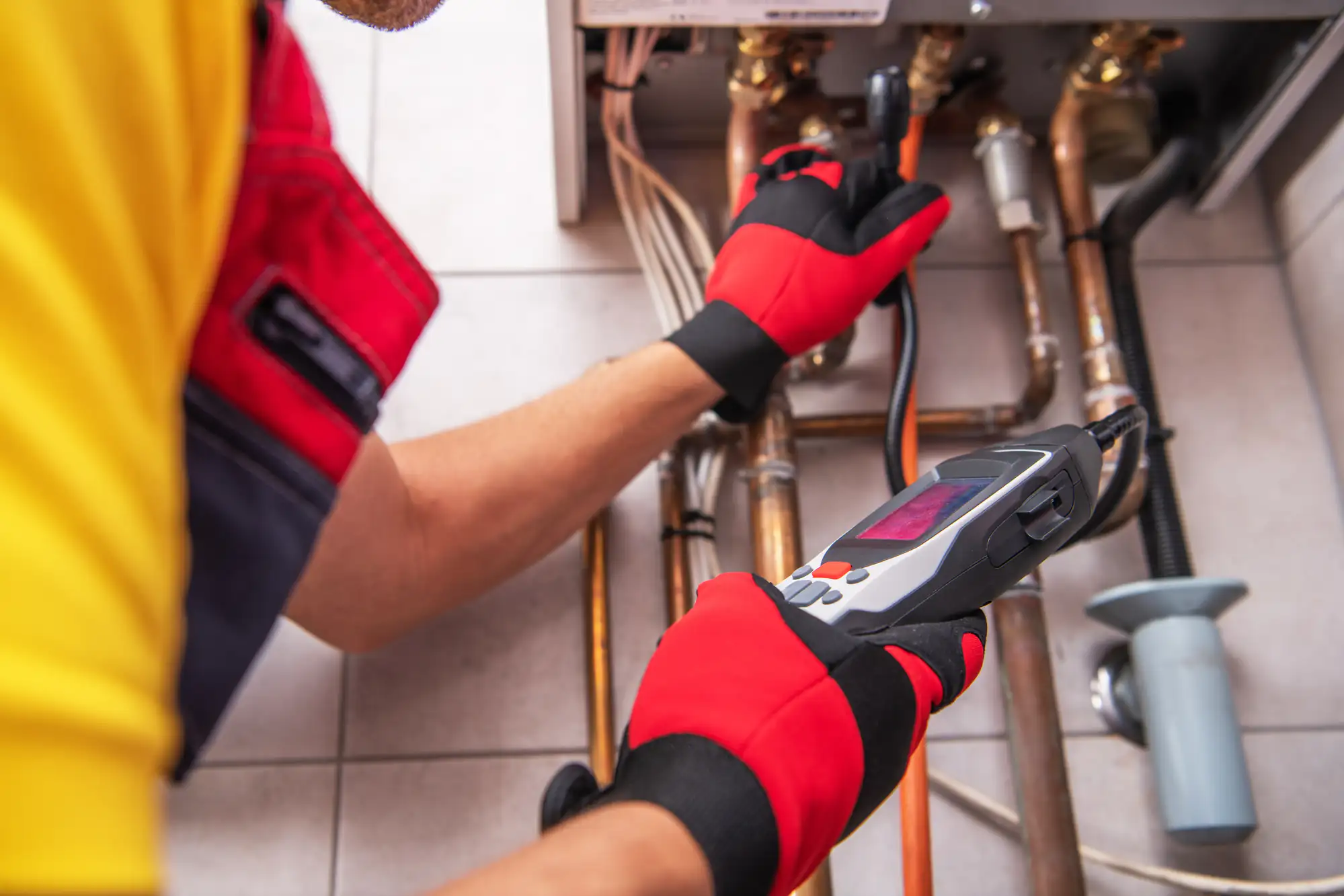
Then we schedule a time that works for you and provide a free estimate. No pressure, no hidden fees. Our technician arrives, evaluates your system, and explains what’s actually wrong in plain language. If it’s a repair, we tell you what needs fixing and why. If it’s time for replacement, we walk through your options based on your home’s size, your budget, and your efficiency goals.
Once you approve the work, we handle it right. That means proper installation following manufacturer specs, quality parts that last, and testing to make sure everything runs as it should. For furnace installation or HVAC replacement, we also make sure your new system is balanced correctly so every room gets the airflow it needs.
After the job, we clean up and show you how to maintain your system between service visits. And if something comes up later, you’ve got our number—day or night.
Ready to get started?
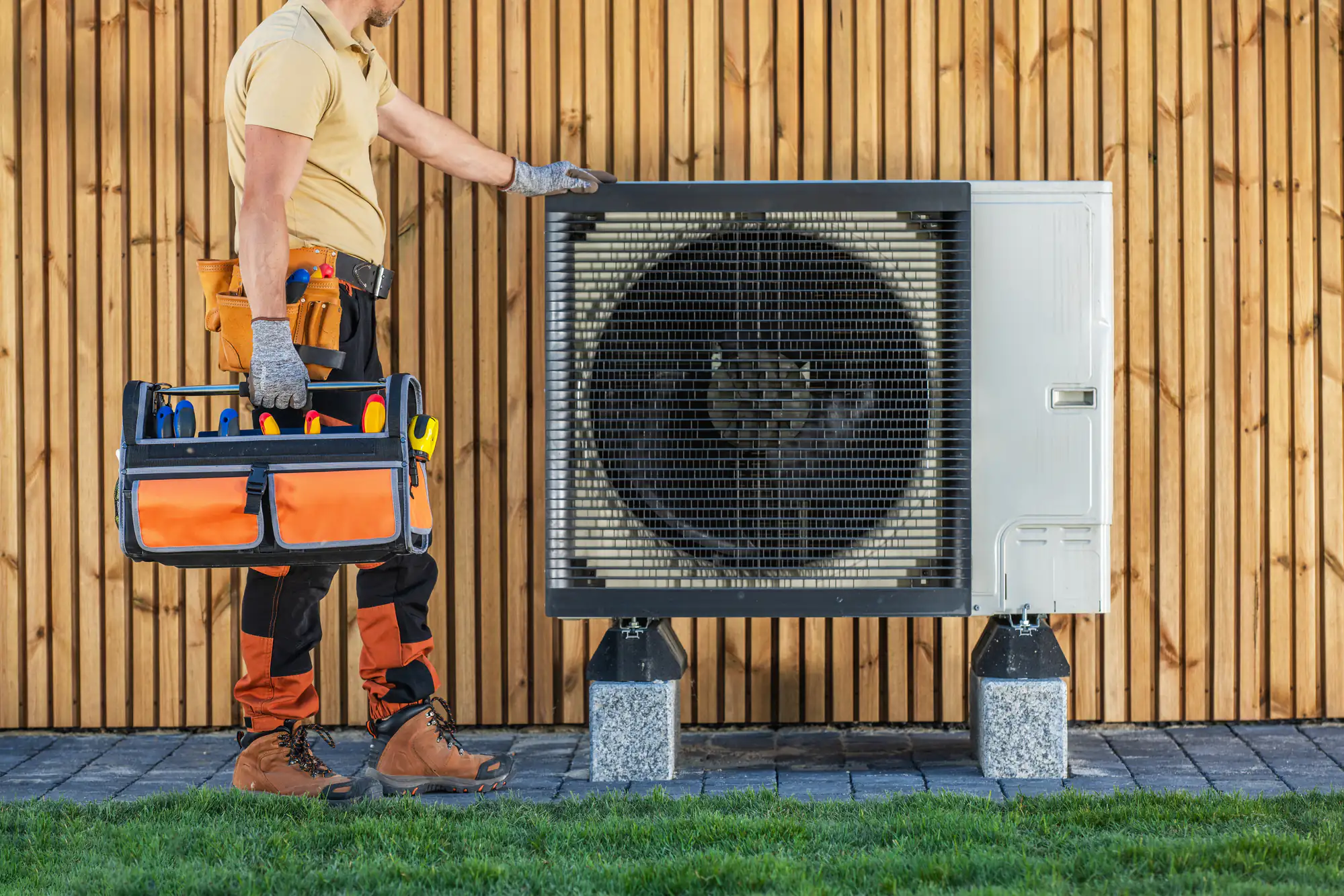
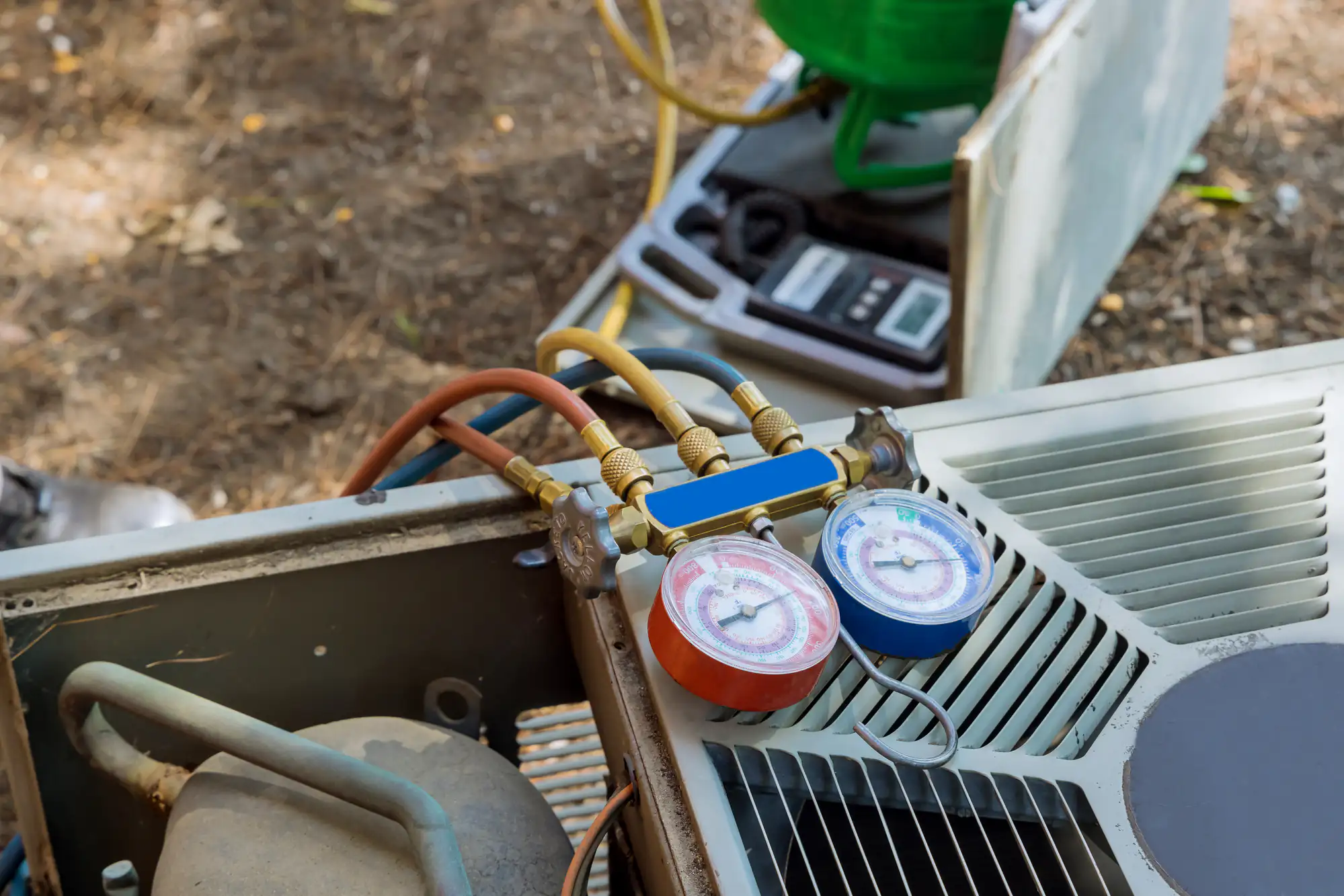
Our residential HVAC services cover the full range: air conditioning repair when your system stops cooling, furnace installation when your heating equipment finally gives out, and heating system maintenance to prevent breakdowns before they happen.
We also handle HVAC replacement for systems that are past their useful life—especially important in 2026 as many homes in Hauppauge are hitting the 15-20 year mark on equipment installed in the mid-2000s. Newer systems can cut your energy consumption by up to 30%, and with federal tax credits and state rebates available for high-efficiency models and heat pumps, the upfront cost is more manageable than it used to be.
Indoor air quality is another focus. Long Island’s spring and summer humidity can make homes feel stuffy and aggravate allergies. Upgraded filtration, proper ventilation, and balanced airflow all contribute to cleaner, more comfortable air inside your home.
We also offer same-day service when possible, because waiting three days for a repair in July isn’t realistic. Whether it’s a quick fix or a full system overhaul, the goal is the same: get your home comfortable again and keep it that way.
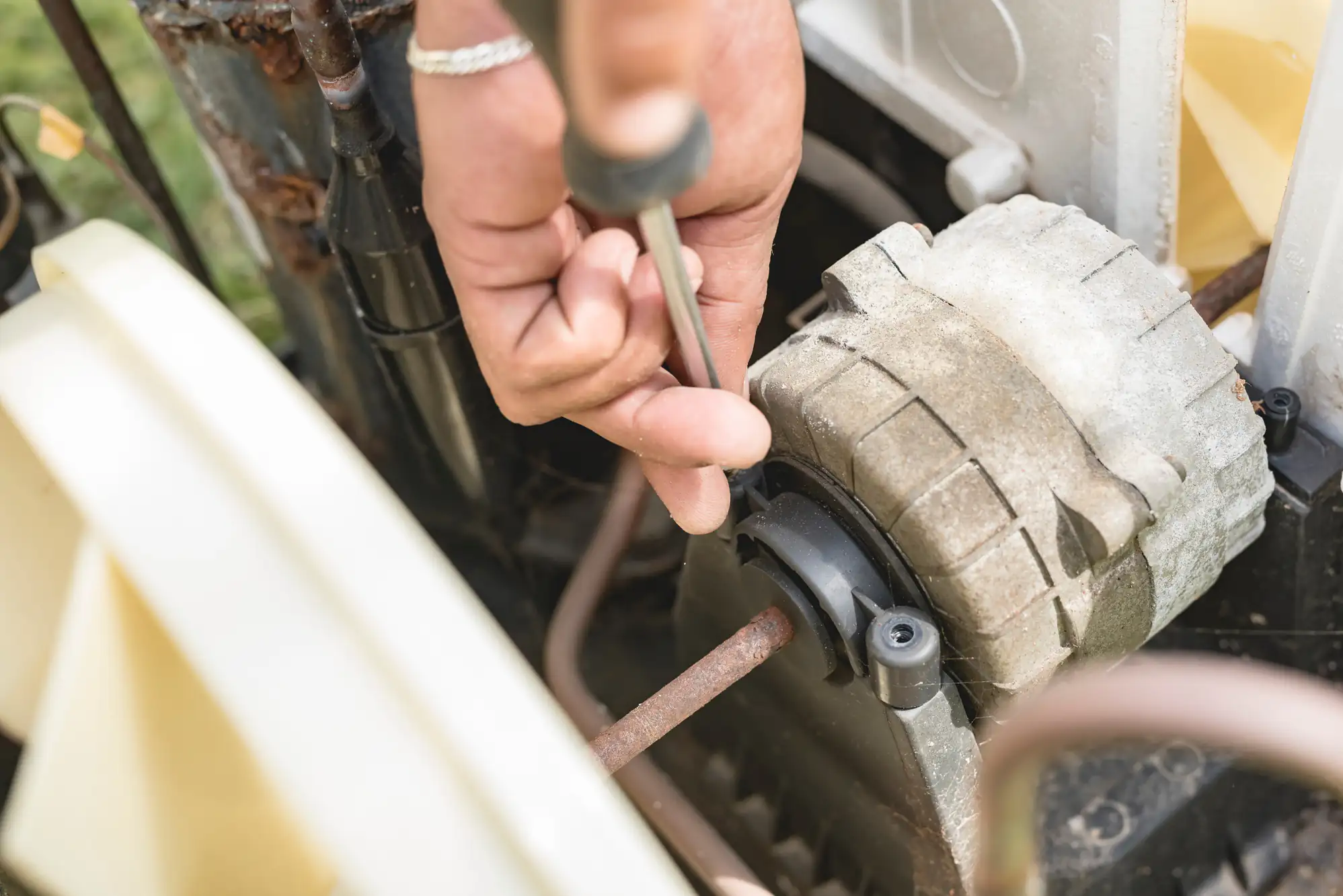
Once a year, ideally in the fall before you start relying on your furnace daily. Heating system maintenance catches issues while they’re still small—worn belts, dirty burners, airflow restrictions—so you’re not dealing with a breakdown on the coldest night of the year.
During a maintenance visit, our technician cleans components, checks for carbon monoxide leaks, tests the thermostat, inspects the heat exchanger, and makes sure your system is running efficiently. This kind of regular attention can extend your furnace’s lifespan by several years and reduce the chance of expensive emergency repairs.
If your system is older or you’ve noticed it cycling on and off more frequently, maintenance becomes even more important. Small adjustments now can prevent total failure later.
It depends on what’s broken. A refrigerant recharge might run a few hundred dollars. Replacing a compressor or condenser coil can cost significantly more. The age of your system, the type of refrigerant it uses, and the availability of parts all factor into the final price.
That’s why we provide free estimates before starting any work. You’ll know what the repair costs and whether it makes sense compared to replacing the unit. If your air conditioner is over 12 years old and needs a major repair, replacement might actually be the smarter financial move—especially with newer models offering better efficiency and lower operating costs.
We’ll walk you through both options honestly. No upselling, no scare tactics. Just the information you need to make the right call for your home and budget.
Age is the biggest factor. Most systems last 15-20 years with proper maintenance. If yours is in that range and needs a repair that costs more than half the price of a new unit, replacement usually makes more sense.
Frequent breakdowns are another sign. If you’re calling for service multiple times a year, you’re throwing money at a system that’s on its way out. Rising energy bills can also indicate your equipment is losing efficiency and working harder to keep your home comfortable.
We’ll assess your system’s condition, explain how much life it realistically has left, and give you a clear recommendation. Sometimes a repair buys you a few more good years. Other times, it’s just delaying the inevitable. Either way, you’ll know where you stand before making a decision.
Yes, especially if your current system is over 10 years old. Efficiency standards have improved significantly, and modern equipment uses less energy to produce the same heating and cooling output. Depending on your current system’s age and condition, you could see energy savings of 20-30% or more.
Over the lifetime of the equipment, that can add up to thousands of dollars. Federal tax credits and utility rebates can also offset the upfront cost, making high-efficiency models more affordable than they used to be. Heat pumps, in particular, are becoming a popular option in New York as more homeowners transition to electric heating.
The key is proper sizing and installation. An oversized or undersized system won’t run efficiently no matter how new it is. That’s where experience matters—we make sure your new equipment matches your home’s actual heating and cooling load.
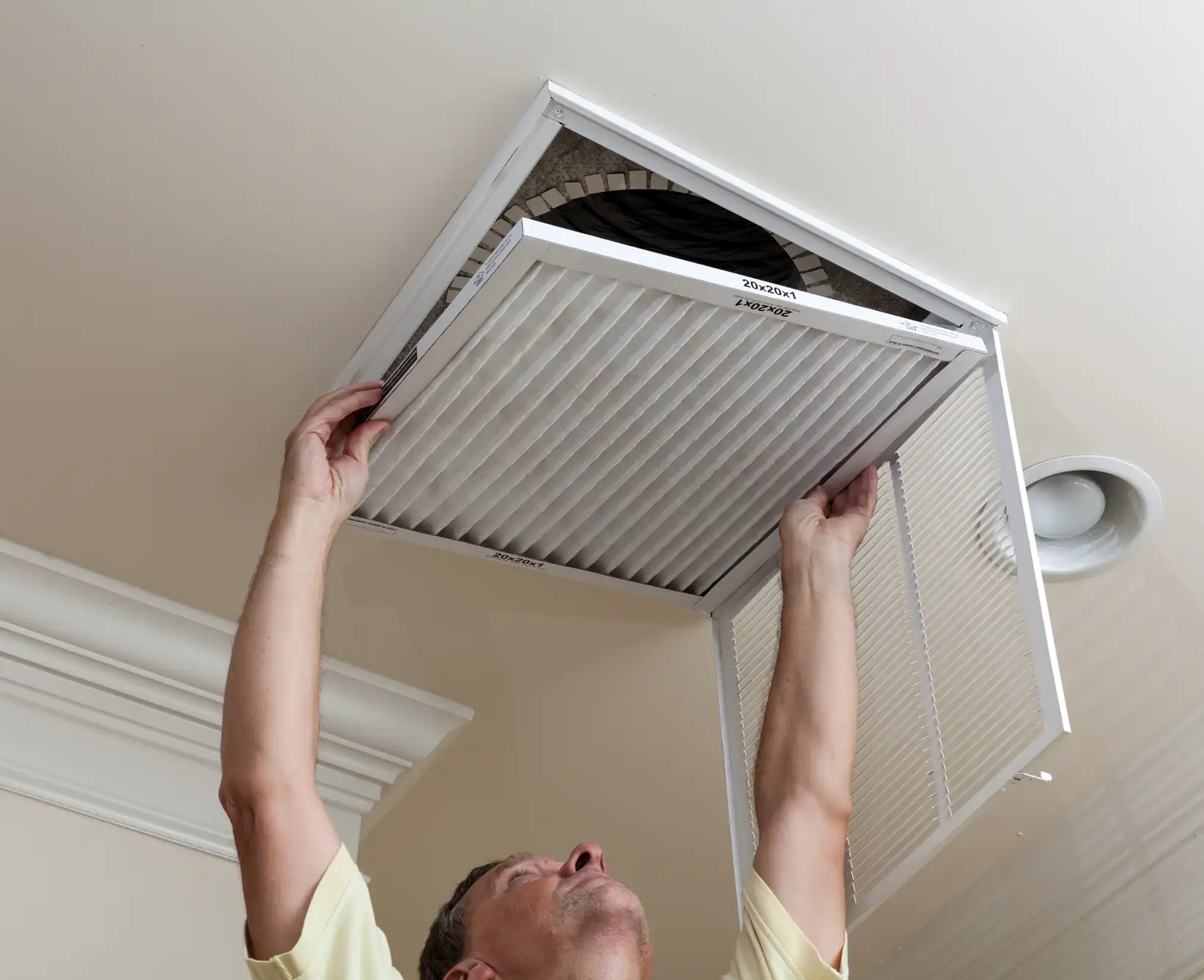
First, check your thermostat to make sure it’s set to heat and the temperature is higher than the current room temperature. Check your circuit breaker to see if it tripped. Make sure your furnace filter isn’t completely clogged—a dirty filter can cause the system to shut down as a safety measure.
If those basics don’t solve it, call us for emergency service. We’re available 24/7 because furnace failures don’t wait for convenient times. Our technician will diagnose the issue—whether it’s a faulty ignitor, a broken blower motor, a tripped safety switch, or something else—and get your heat back on as quickly as possible.
In the meantime, close off unused rooms to conserve heat, use space heaters safely if you have them, and keep cabinet doors open under sinks if temperatures drop near freezing to prevent pipe damage.
Coastal humidity and salt air are tough on HVAC equipment. Condensers and coils can corrode faster than they would inland, and moisture can lead to mold growth in ductwork if your system isn’t maintaining proper airflow and drainage.
Summer humidity also makes your air conditioner work harder. It’s not just about lowering the temperature—it’s about removing moisture from the air. If your system is undersized or aging, it may struggle to keep up during peak summer months, leading to uneven cooling and higher energy bills.
Regular maintenance helps. Cleaning coils, checking refrigerant levels, inspecting drain lines, and replacing filters all reduce the wear and tear that comes with Long Island’s climate. Choosing corrosion-resistant components during installation or replacement also extends your system’s lifespan in this environment.