
Hear from Our Customers
Your HVAC system is either saving you money or costing you more every month. When it’s running right, your energy bills stay predictable, your home stays comfortable in July and January, and you’re not dealing with emergency calls during the worst possible weather.
That’s what proper heating system maintenance and timely air conditioning repair actually deliver. Not someday benefits or marketing promises—real outcomes you’ll notice in how your home feels and what you’re spending on utilities.
Most Hempstead homes deal with salt air corrosion on outdoor units and humidity that pushes systems harder than they should work. If your furnace is cycling too often or your AC can’t keep up on hot days, you’re already losing efficiency. Fixing that now means you’re not replacing the whole system in two years because a small problem became a big one.
We’ve spent over 40 years keeping airports, restaurants, and marine vessels running in conditions most HVAC companies won’t touch. That background means when your furnace quits at 11 PM or your AC struggles in coastal humidity, you’re calling people who’ve handled worse.
Hempstead homeowners deal with unique challenges—salt air that corrodes outdoor components faster, seasonal swings that test every part of your system, and older housing stock that wasn’t built for modern efficiency standards. We’ve seen what breaks, what lasts, and what’s worth fixing versus replacing.
You’ll work with licensed, background-checked technicians who explain what’s happening in plain terms. No upselling, no disappearing after the install, no runaround when you call with questions.
You reach out—phone, email, whatever works—and we schedule a time that actually fits your day. For emergencies, we’re available 24/7 because your furnace doesn’t care that it’s Sunday.
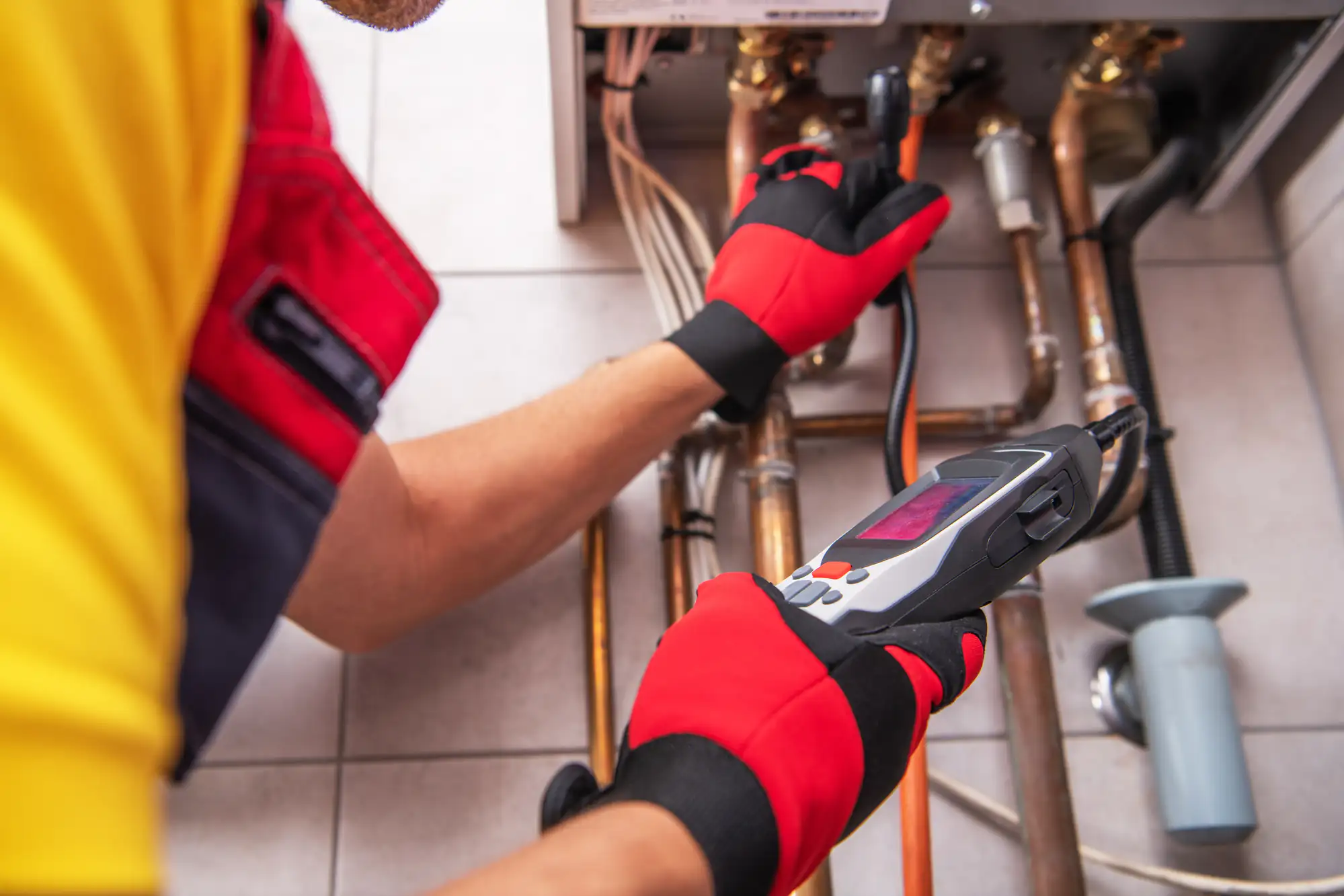
A licensed technician shows up on time, assesses what’s going on, and gives you a written estimate before any work starts. No surprises, no hidden fees. If it’s a straightforward repair, we usually have the parts on hand to finish same-day. If you’re looking at HVAC replacement or a new furnace installation, we walk through your options, explain what rebates you qualify for through NYSERDA or federal programs, and let you decide what makes sense for your home and budget.
After the work’s done, we test everything, clean up, and make sure you understand how to maintain what we just installed or repaired. Then we’re available if something comes up—questions, follow-up service, seasonal maintenance, whatever you need.
Ready to get started?
Your home’s heating and cooling covers more than just the furnace and AC unit. We handle the full scope—air conditioning repair when your system stops cooling, furnace installation when your heating system finally gives out, ductless mini-split setups for additions or problem rooms, and indoor air quality improvements when humidity or allergens are making your home uncomfortable.
Hempstead’s coastal location means your outdoor unit faces salt air that accelerates corrosion on coils and electrical components. We account for that during installation and maintenance, using materials and techniques that hold up better in marine environments. It’s the same approach we’ve used for decades on boats and waterfront commercial properties.
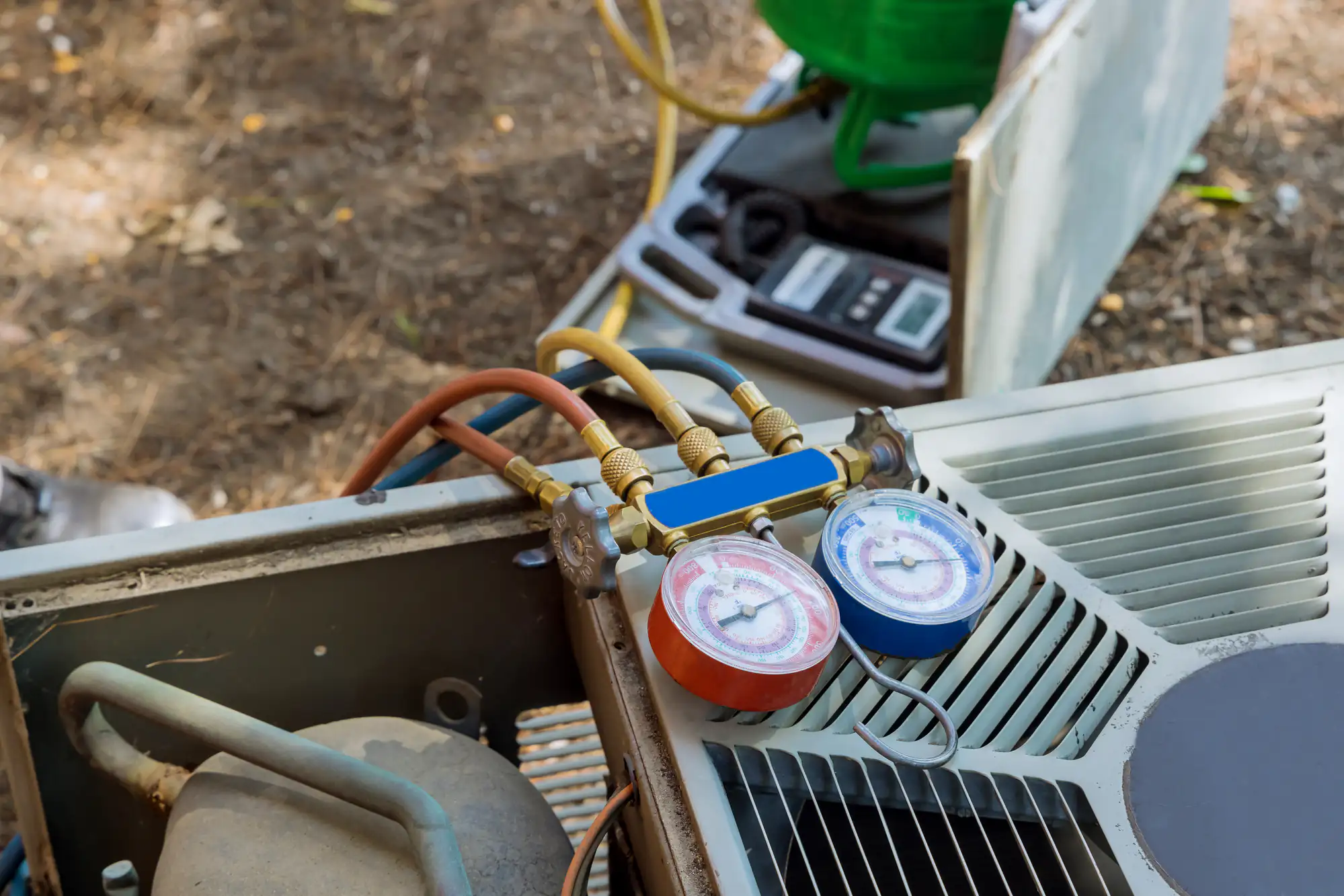
Heating system maintenance keeps small issues from becoming expensive failures. We’re checking refrigerant levels, cleaning coils, testing electrical connections, and catching wear before it turns into a midnight emergency. Most systems last 10-15 years with proper care—longer if you’re proactive about service and not running a unit that’s already struggling.
If you’re deciding between repair and replacement, we’ll be straight about what makes financial sense. Sometimes a $400 repair buys you three more years. Sometimes you’re better off replacing a 14-year-old system that’s going to need another $1,200 in parts next season.
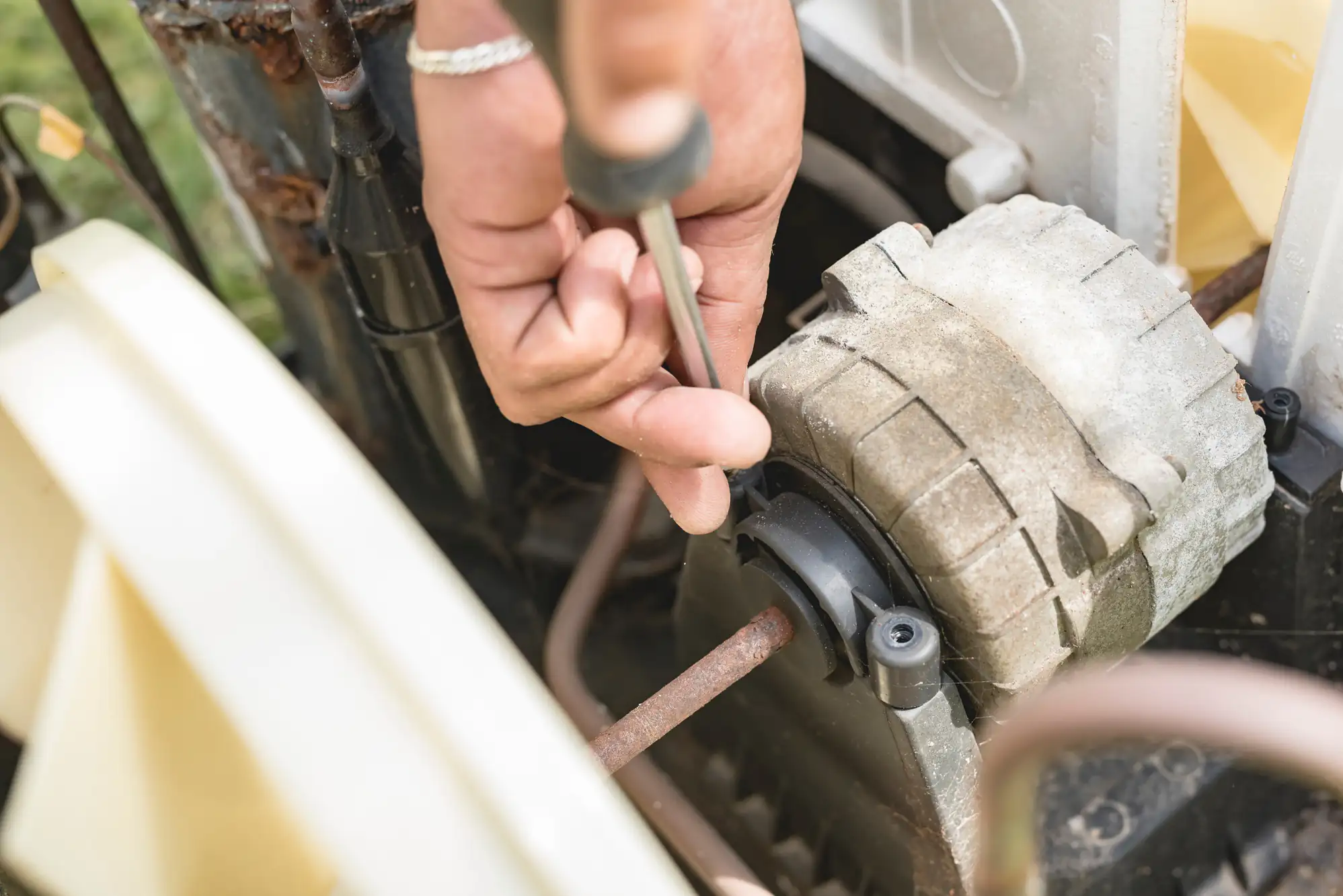
If your system is under 10 years old and the repair costs less than half of a new unit, fixing it usually makes sense. You’re buying more time without the upfront cost of replacement.
Once you’re past 12-15 years, especially if you’re facing a second or third repair in a year, the math shifts. Older systems run less efficiently, cost more to operate monthly, and parts get harder to find. A new installation might cost more now but saves you on energy bills and eliminates the cycle of repeated service calls.
We’ll give you the actual numbers—what the repair costs, what replacement costs, what you’d save on energy with a newer system, and what rebates are available right now through NYSERDA or federal programs. Then you decide based on what works for your situation and budget.
A complete maintenance visit covers everything that affects performance and safety. We’re inspecting and cleaning burners, checking gas connections and electrical components, testing thermostat calibration, examining the heat exchanger for cracks, measuring airflow, and replacing filters.
For Hempstead homes, we also check outdoor components for salt air corrosion—especially on heat pumps and AC condensers where coastal conditions wear down coils and wiring faster than inland locations. Catching corrosion early means a $150 part replacement instead of a $3,000 condenser failure.
Regular maintenance typically extends system life by 3-5 years and keeps efficiency high, which directly impacts your monthly heating bills. Most manufacturers also require annual service to keep warranties valid, so skipping maintenance can cost you coverage when you actually need it.
We’re available 24/7 for emergencies, and most calls get same-day service. If your AC fails on a 90-degree afternoon, you’re not waiting until next Tuesday for someone to show up.
Our trucks carry common parts for most major brands—Carrier, Trane, Rheem, Lennox—so straightforward repairs like failed capacitors, contactors, or refrigerant leaks usually get fixed on the first visit. More complex issues might need a part ordered, but we’ll at least diagnose the problem and give you a timeline the same day.
Emergency service costs more than scheduled appointments because you’re paying for immediate availability and after-hours response. We’re upfront about that pricing before we start work. But when your home’s hitting 85 degrees inside and you’ve got kids or elderly family members dealing with the heat, fast response is worth it.
Right now, federal tax credits through the Inflation Reduction Act cover up to 30% of installation costs for qualifying high-efficiency systems, with a maximum credit of $2,000 for heat pumps and $1,200 for furnaces or central AC units. That’s a direct reduction on your tax bill, not just a deduction.
NYSERDA offers additional rebates for New York homeowners—typically $500-$1,000 for high-efficiency furnaces and up to $8,000 for heat pump installations, depending on the system type and your household income. Some utility companies stack additional incentives on top of those.
We help you navigate what you qualify for and handle the paperwork to make sure you’re getting every available credit and rebate. The programs change periodically, so we stay current on what’s active and what requirements you need to meet for approval.
A few common reasons: your system might be undersized for your home’s square footage, your ductwork could be leaking conditioned air into your attic or crawlspace, or your insulation isn’t keeping cool air inside. Any of those makes your AC work harder and run longer without actually cooling effectively.
In Hempstead, coastal humidity also forces systems to work overtime removing moisture from the air, not just lowering temperature. If your unit wasn’t sized correctly for humidity loads or your refrigerant charge is low, you’ll feel uncomfortable even when the thermostat says 72 degrees.
We can assess what’s causing the performance gap—sometimes it’s a $200 duct sealing job, sometimes it’s a system that was never right for the house. Either way, you’ll know what’s actually wrong and what it costs to fix it properly instead of just guessing why your bills are higher than everyone else’s.
Salt-laden air corrodes metal components faster than normal conditions—especially outdoor condenser coils, copper refrigerant lines, and electrical connections. What might last 15 years inland can fail in 8-10 years near the coast if it’s not protected or maintained properly.
Corrosion starts as surface pitting on coils, then progresses to refrigerant leaks and electrical failures. Once it’s advanced, you’re usually looking at condenser replacement rather than repair because the damage is too widespread to fix economically.
Regular maintenance helps—we clean coils to remove salt buildup, apply protective coatings where appropriate, and catch early corrosion before it becomes a leak. When we install new systems in coastal areas, we also recommend corrosion-resistant materials and placement that minimizes direct salt exposure. It costs slightly more upfront but significantly extends equipment life in marine environments.