Hear from Our Customers
You know the drill. It’s 95 degrees in July and your AC starts blowing warm air. Or it’s January and your furnace decides to quit at 2 a.m. These aren’t minor inconveniences when you’re living in a Hewlett Harbor home—they’re urgent problems that need real solutions.
Here’s what changes when your HVAC system actually works the way it should. Your energy bills drop because modern, properly maintained systems don’t waste power fighting themselves. You stop worrying about breakdowns during the worst possible weather because regular maintenance catches problems before they become emergencies. Your indoor air quality improves, which matters more than most people realize until they experience the difference.
With National Grid rates climbing an average of $19 per month for Long Island customers, an inefficient system isn’t just uncomfortable—it’s expensive. Older units running at 60% efficiency are costing you real money every single month. Upgrading to a properly sized, energy-efficient system can cut those costs by around 30%, which adds up fast when you’re talking about year-round operation.
We’ve been doing this for over 40 years, and we didn’t build that track record by cutting corners or making excuses. Our background is in commercial refrigeration and marine HVAC—the kind of complex systems that require real expertise and don’t forgive mistakes.
Now we’re bringing that same level of skill to residential HVAC services in Hewlett Harbor. The mansions and seaside villas in this area aren’t cookie-cutter homes, and they don’t respond well to cookie-cutter solutions. You need someone who understands how to work with unique layouts, older construction, and high-end expectations.
We offer 24/7 consulting because HVAC emergencies don’t wait for business hours. We provide free estimates because you deserve to know what you’re getting into before committing. And we’ve earned dozens of five-star reviews by doing exactly what we say we’ll do, when we say we’ll do it.
First, we listen. You tell us what’s happening—strange noises, inconsistent temperatures, higher bills, whatever you’re dealing with. We ask questions to understand your specific situation instead of assuming we already know the answer.
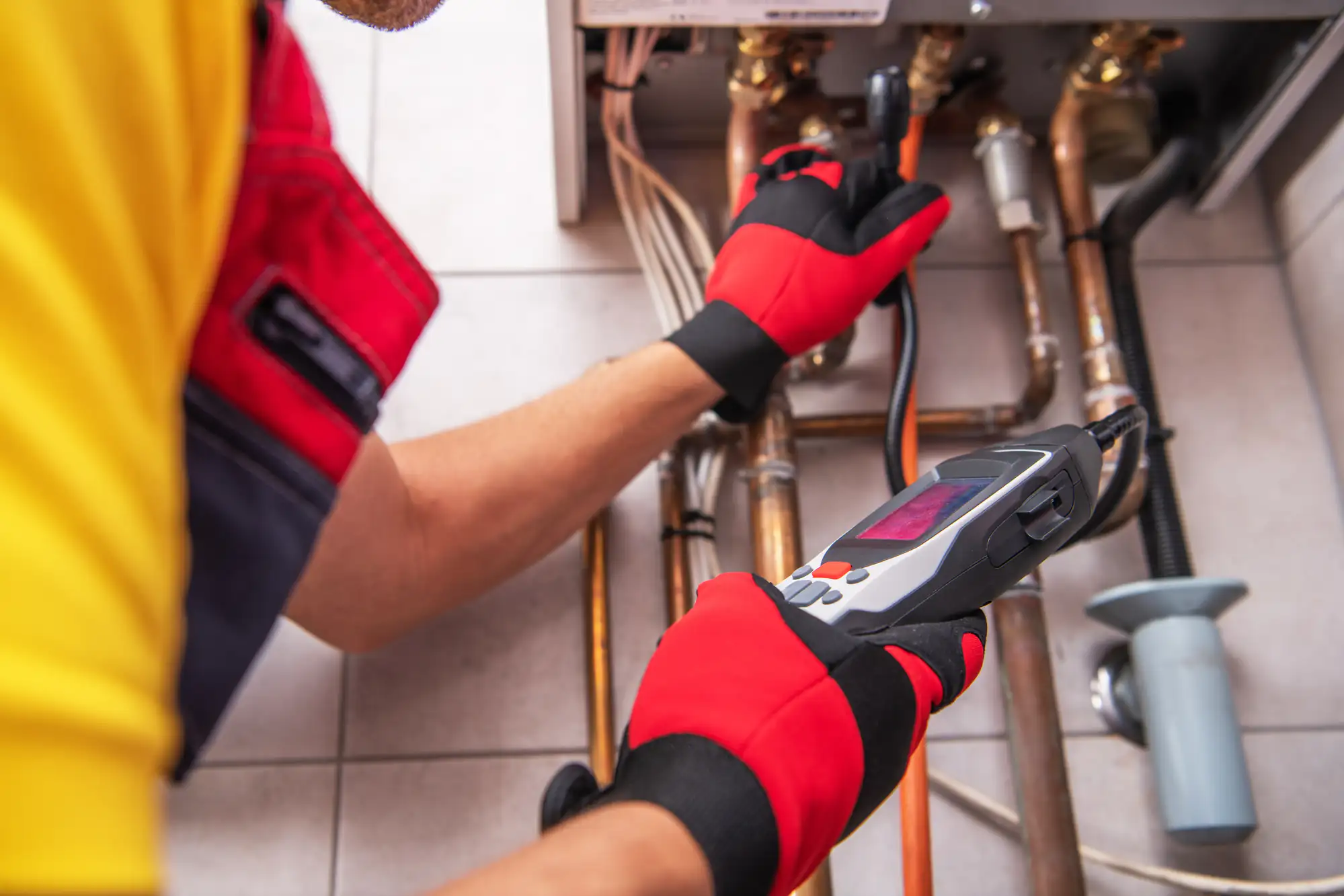
Then we come out and actually look at your system. Not a quick glance—a real assessment. We check airflow, inspect components, measure efficiency, and identify what’s causing the problem. If it’s a repair situation, we explain what’s wrong, what it’ll take to fix it, and what it’ll cost. No surprises, no upselling services you don’t need.
For installations, we take the time to properly size the system for your home. Too small and it’ll run constantly without keeping up. Too large and it’ll cycle on and off, wasting energy and wearing out faster. We calculate the right capacity based on your square footage, insulation, window placement, and how you actually use your space.
After the work is done, we test everything to make sure it’s running correctly. We show you how to maintain it between service visits. And we stay available if questions come up later, because a good installation shouldn’t need a follow-up call—but if it does, we’re here.
Ready to get started?
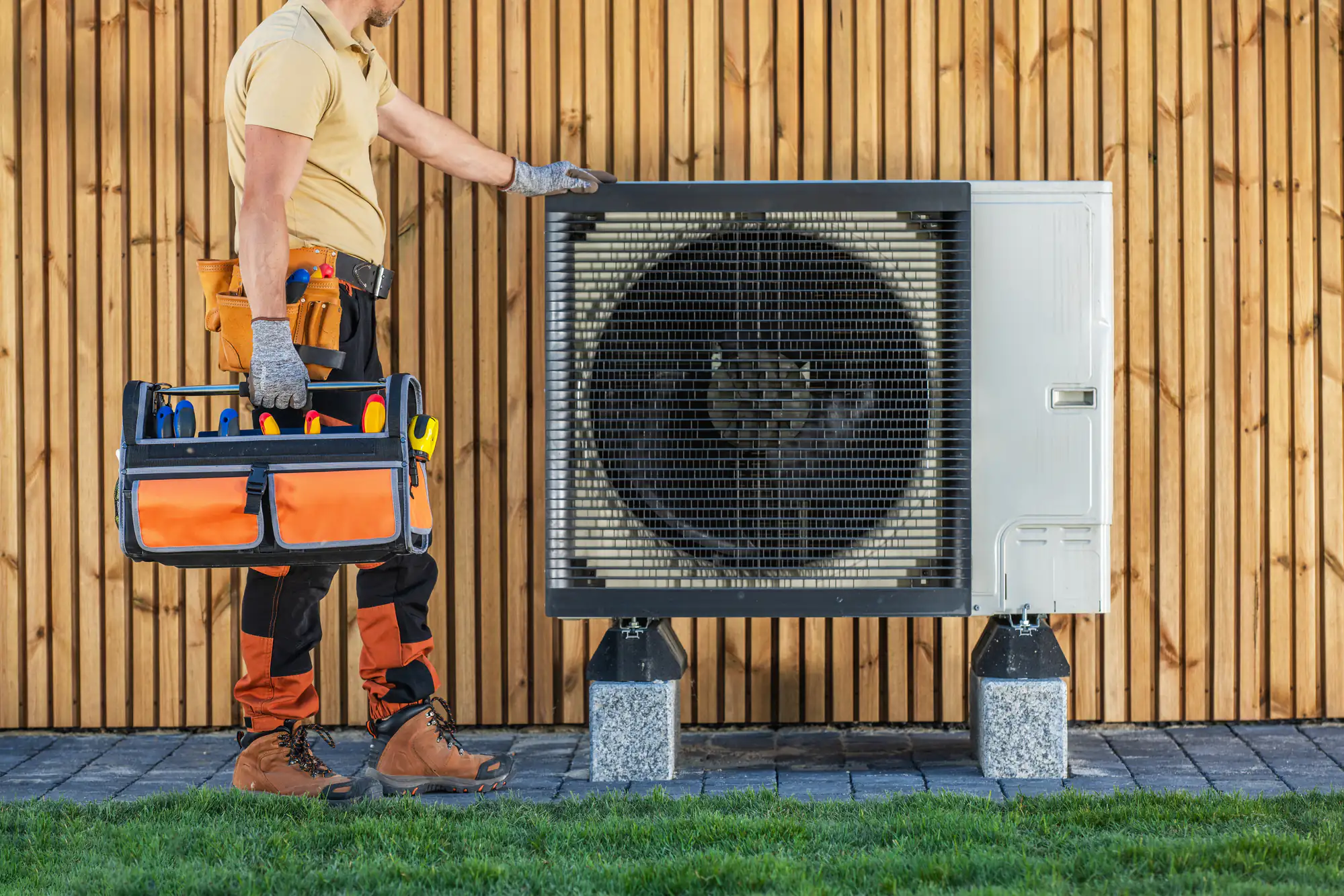
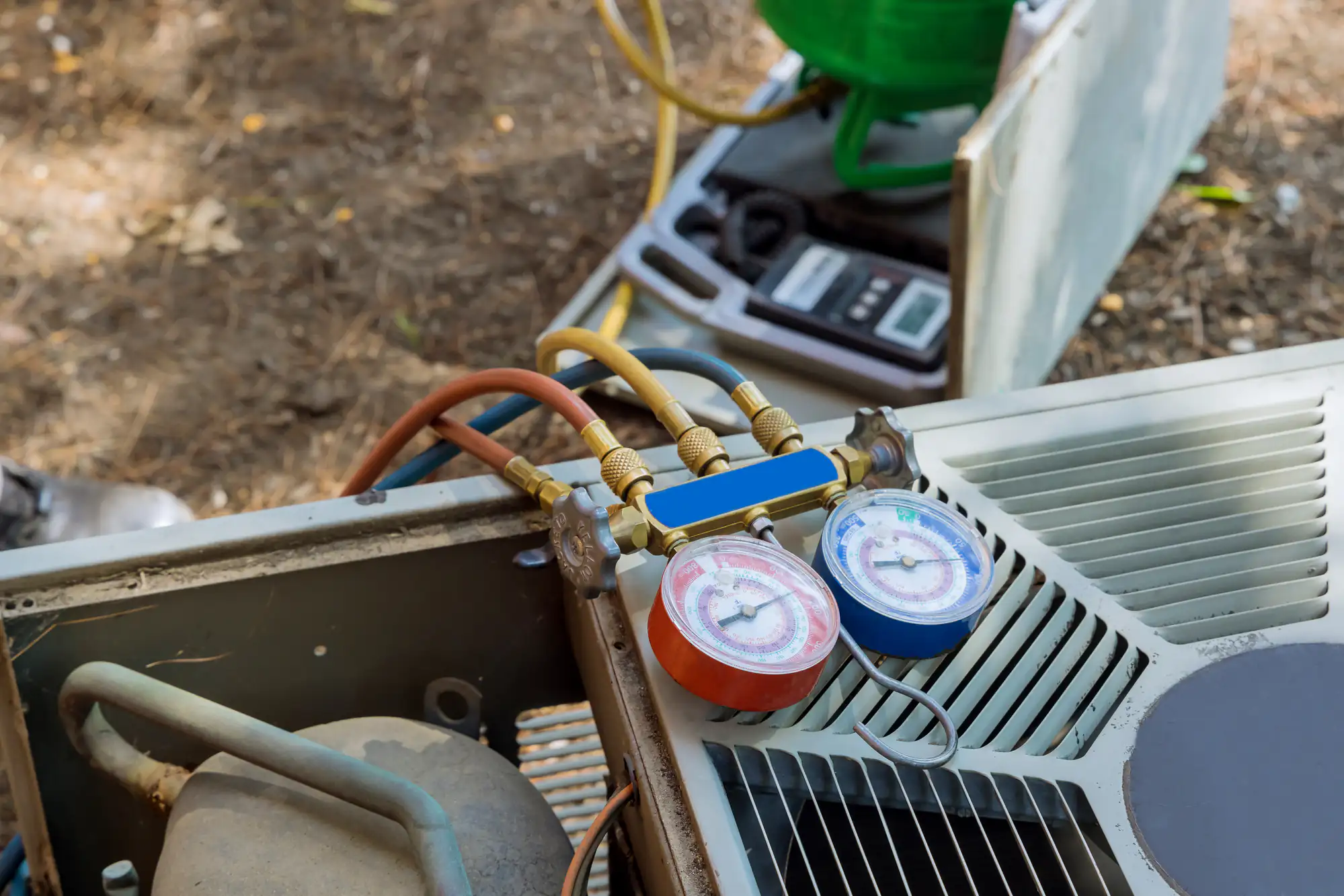
Air conditioning repair covers everything from refrigerant leaks and compressor failures to electrical issues and airflow problems. If your AC is blowing warm air, freezing up, making unusual sounds, or just not cooling like it used to, we diagnose the actual cause instead of guessing.
Furnace installation and heating system maintenance keep you warm when temperatures drop. Whether you’re replacing an old furnace that’s finally given up or you need annual maintenance to prevent mid-winter breakdowns, we handle both gas and electric systems. Regular maintenance extends your furnace’s lifespan and catches small issues before they become expensive ones.
HVAC replacement becomes necessary when repairs stop making financial sense. If your system is over 15 years old, requires frequent fixes, or costs more to run than a new unit would, replacement is usually the smarter move. We’ll walk you through the math so you can make an informed decision.
Indoor air quality improvements matter more in Hewlett Harbor than you might think. Salt air, humidity, and seasonal allergens all affect what you’re breathing inside your home. We install air purifiers, humidifiers, dehumidifiers, and advanced filtration systems that actually make a difference. You’ll notice it in how you feel, especially if anyone in your home deals with allergies or respiratory issues.
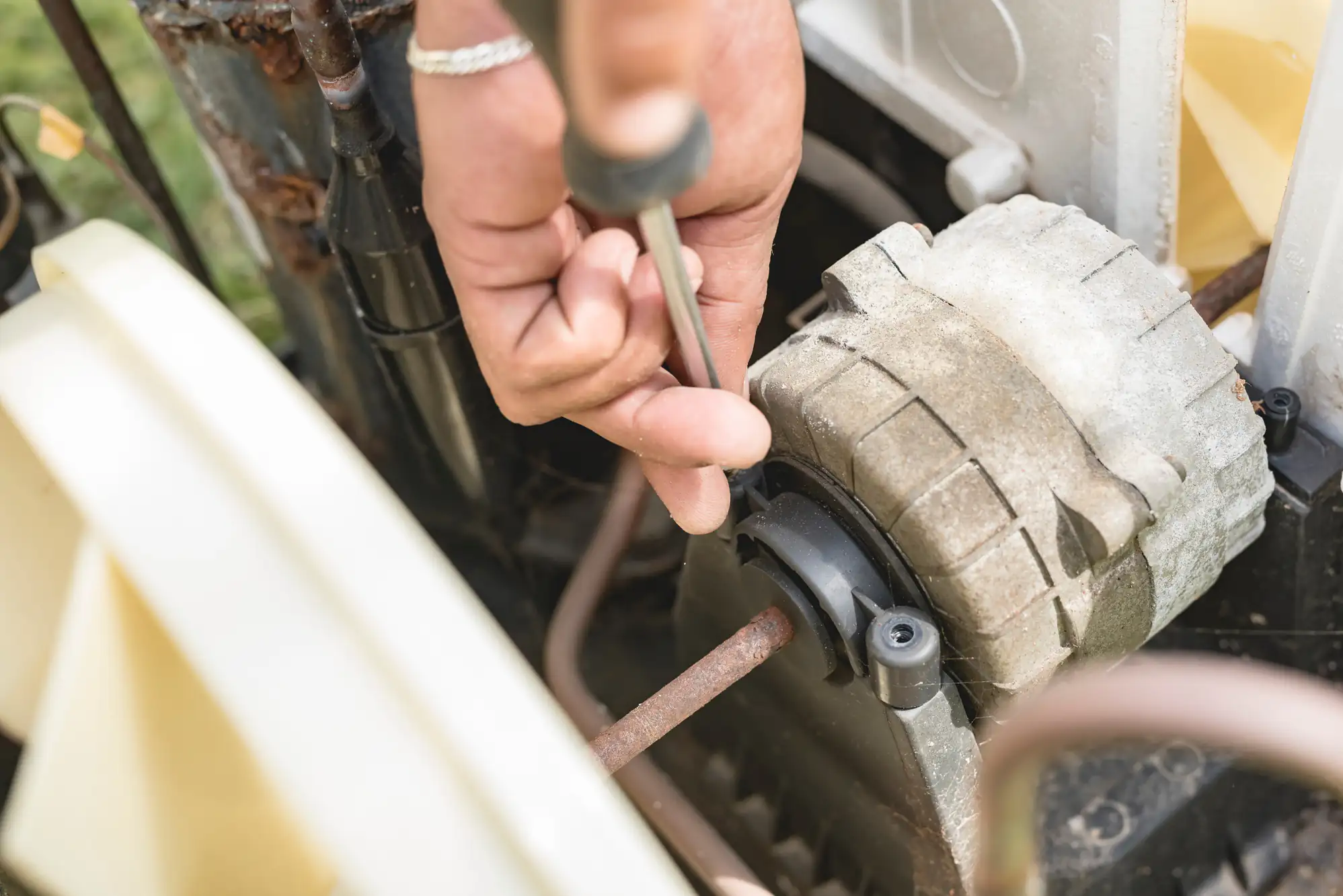
Start with age. If your system is under 10 years old and the repair costs less than half the price of replacement, fixing it usually makes sense. If it’s over 15 years old and you’re looking at a major repair—like a compressor or heat exchanger—replacement often wins out financially.
Next, consider frequency. If you’re calling for repairs multiple times per year, you’re throwing money at a losing battle. One breakdown is normal. Three or four means the system is telling you it’s done.
Finally, look at your energy bills. Older systems lose efficiency over time. If your bills have been creeping up despite similar usage, a new energy-efficient system could pay for itself in savings over a few years. We can run the numbers with you based on your actual situation, not generic estimates.
We start by inspecting all major components—blower motor, evaporator coil, condenser coil, electrical connections, and refrigerant levels. We’re looking for wear, damage, or anything that’s starting to fail.
Then we clean what needs cleaning. Dirty coils reduce efficiency. Clogged filters restrict airflow. We handle both and check your ductwork for leaks or blockages that waste conditioned air.
We also test system performance—measuring temperature differential, checking thermostat calibration, and making sure everything cycles properly. You’ll get a clear report on what we found and what (if anything) needs attention. Most maintenance visits take about an hour, and they typically catch problems while they’re still cheap and easy to fix.
If you’re running a system that’s 15-20 years old, it’s probably operating at around 60% efficiency. Modern systems hit 95% or higher. That efficiency gap translates directly to your energy bills.
For an average Hewlett Harbor home, we’re typically seeing savings around 30% on heating and cooling costs after upgrading. With National Grid rates increasing, that percentage applies to a higher baseline cost, which means the dollar savings are even more significant than they were a few years ago.
The payback period depends on your current system’s condition and your energy usage, but most homeowners see the investment pay for itself in 5-7 years through lower bills alone. After that, it’s pure savings. We can calculate your specific numbers based on your home’s size, insulation, and current energy costs.
Frozen AC coils usually come down to airflow or refrigerant issues. If your filter is clogged, not enough warm air passes over the evaporator coil. The coil gets too cold, and condensation freezes instead of draining away.
Low refrigerant causes the same problem through a different mechanism. When refrigerant levels drop (usually from a leak), the pressure changes and the coil temperature drops too low. Ice builds up, blocks airflow further, and the whole system stops working.
Sometimes it’s a failing blower motor that can’t move enough air, or closed vents restricting circulation. We diagnose the root cause instead of just thawing the ice and sending you on your way. If it’s a refrigerant leak, we find it and fix it. If it’s airflow, we identify what’s blocking it. The ice is a symptom, not the problem.
First, check your thermostat. Make sure it’s set to heat mode and the temperature is set higher than the current room temperature. It sounds basic, but it’s worth confirming before you assume the worst.
Next, check your circuit breaker and furnace power switch. Furnaces have a switch that looks like a light switch, usually located near the unit. Someone might have accidentally turned it off. If the breaker tripped, reset it once—but if it trips again, don’t keep resetting it. That indicates a real electrical problem.
If those basics don’t solve it, call us. Furnace failures can stem from ignition problems, gas valve issues, cracked heat exchangers, or failed safety sensors. Some of these are safety hazards you shouldn’t try to diagnose yourself. We offer 24/7 emergency consulting for exactly these situations, because waiting until Monday morning isn’t realistic when it’s 20 degrees outside.
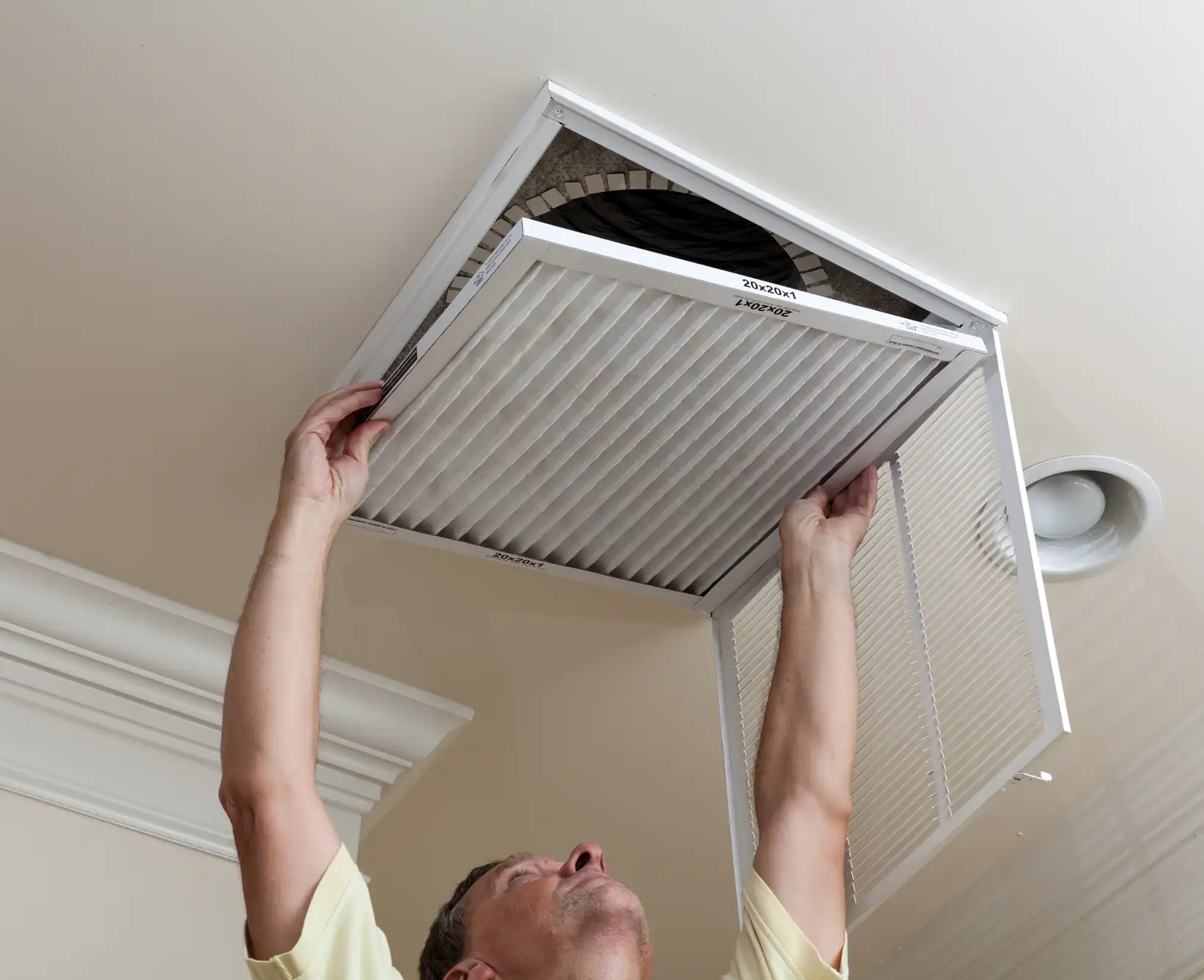
Standard 1-inch filters should be changed every 30-60 days, depending on conditions. If you have pets, you’re closer to 30 days. If you live alone with no pets and keep windows closed, you might stretch it to 60.
Thicker 4-inch or 5-inch filters last longer—usually 3-6 months. They have more surface area to trap particles before airflow becomes restricted. Check them monthly and replace when they look dirty, regardless of the timeline.
Dirty filters are one of the most common causes of HVAC problems we see. They reduce airflow, make your system work harder, increase energy costs, and can lead to frozen coils or overheating. Set a phone reminder if you need to. It’s the cheapest maintenance you can do, and it prevents expensive problems down the line.