Hear from Our Customers
Your HVAC system shouldn’t be something you think about every day. When it’s running right, every room in your home stays comfortable without the constant adjustments, the surprise breakdowns, or the bills that make you wince every month.
That’s what proper heating system maintenance and professional installation get you. Not just a working furnace or air conditioner, but a system that keeps up with Long Island’s humid summers and freezing winters without burning through your budget.
Most homes around Holtsville are dealing with systems that are overworked, undersized, or just plain old. If your energy bills keep climbing, some rooms never get comfortable, or you’re calling for repairs more than once a year, your system isn’t doing its job anymore. Fixing that doesn’t always mean full HVAC replacement—but when it does, doing it right the first time means you won’t be dealing with the same problems three years from now.
You’ll know the difference when your thermostat actually matches what the room feels like, when your utility bill drops back to normal, and when you stop wondering if the system will make it through another season.
We’ve spent over 40 years working on commercial refrigeration and marine HVAC systems—the kind of equipment that doesn’t forgive shortcuts. That experience translates directly into how we handle residential work in Holtsville and across Suffolk County.
We’re not a call center or a franchise. When you call, you’re talking to someone who knows the difference between a quick patch and a real fix. Our trucks carry parts for major brands, and about 70% of our emergency calls get resolved the same day because we stock what we need and know how to use it.
Holtsville homeowners deal with the same challenges as the rest of Long Island: coastal humidity that works HVAC systems harder, older homes that weren’t built for modern heating and cooling loads, and the reality that equipment costs have nearly doubled since 2019. We’re upfront about all of it, and we’ll tell you when a repair makes sense and when it’s just delaying the inevitable.
First, you talk to a real person—not a recording, not a dispatch service. We ask what’s going on, when it started, and what you’ve already tried. If it’s an emergency, we’re dispatching immediately and arriving in under two hours throughout Long Island.
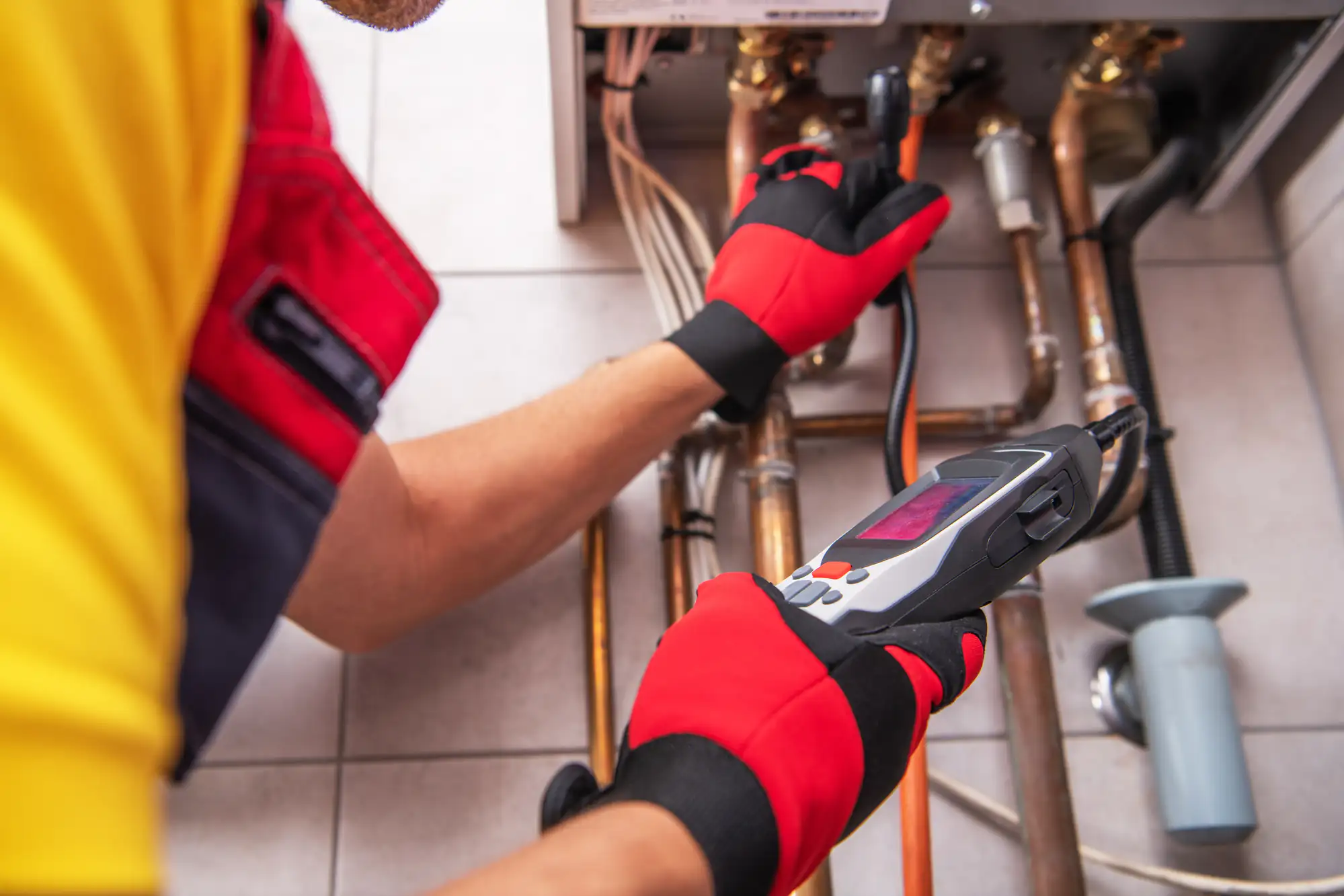
Once we’re on-site, we diagnose the actual problem. That means checking the whole system, not just the part that failed. A broken capacitor might be the symptom, but if your system is undersized or your ductwork is leaking, that’s the real issue. We’ll explain what we find in plain terms and give you options—repair, replace, or upgrade—with honest pricing for each.
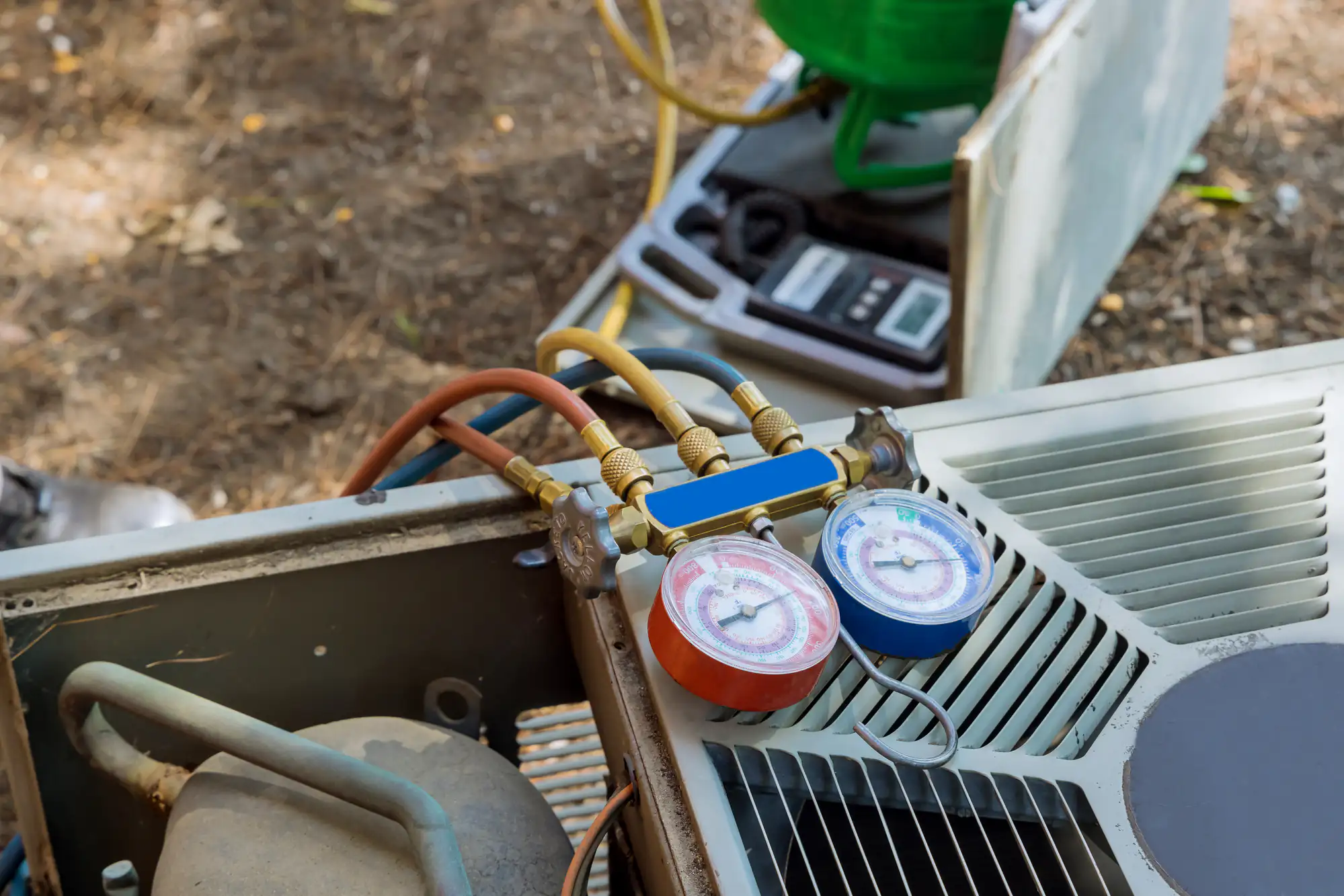
If you’re moving forward with air conditioning repair or furnace installation, we handle permits, sizing calculations, and proper installation. No guesswork, no shortcuts. Systems get tested under load, airflow gets measured, and refrigerant levels get checked against manufacturer specs.
After the install, you’re not on your own. We walk you through operation, set up any smart thermostats or controls, and make sure you know how to keep the system running efficiently. Maintenance plans are available if you want scheduled tune-ups, but we’re not pushy about it. You call when you need us.
Ready to get started?
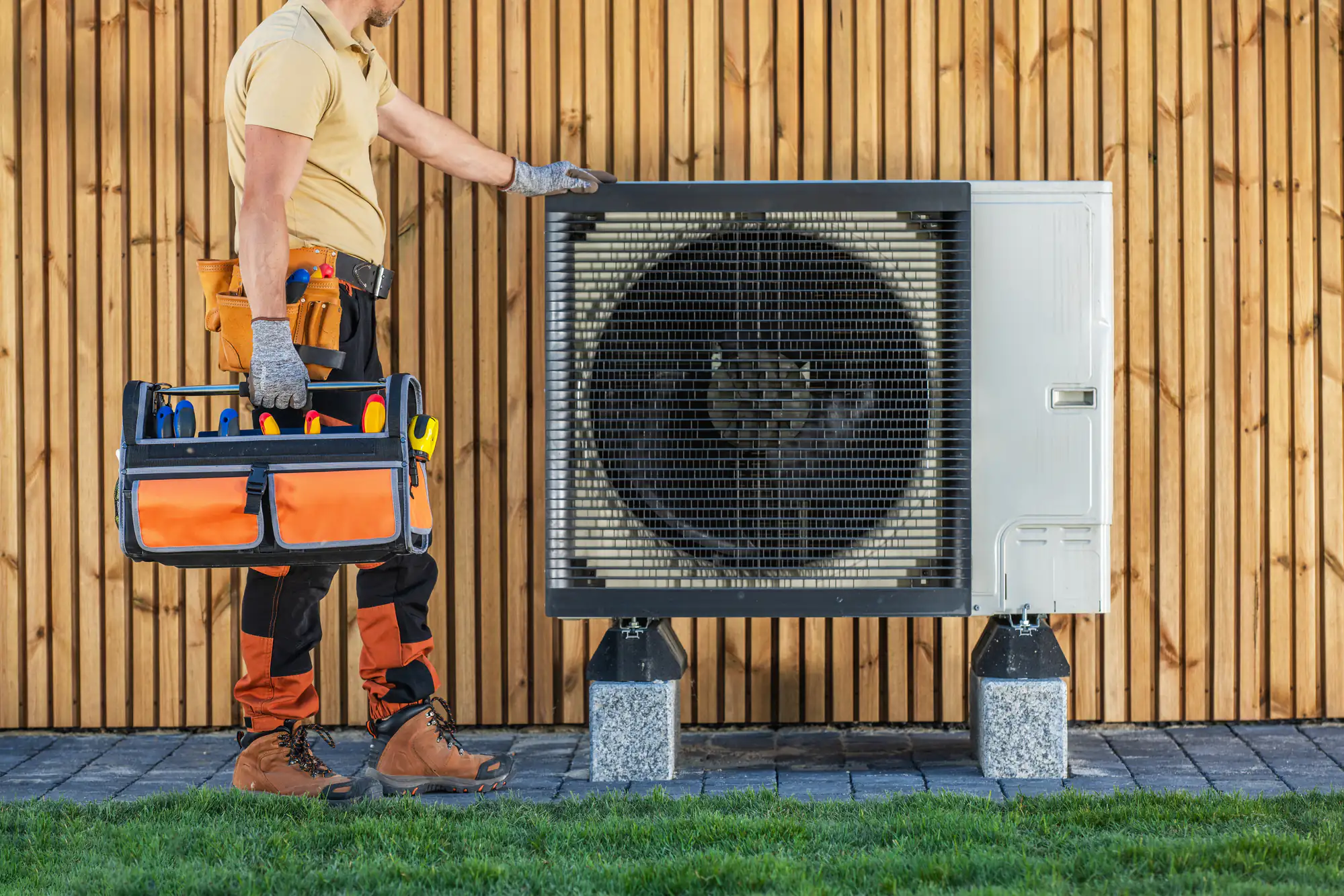
We handle the full range of residential HVAC work: emergency repairs, planned replacements, seasonal maintenance, and indoor air quality upgrades. That includes central air conditioning, gas and oil furnaces, heat pumps, ductless mini-splits, and hybrid systems that switch between fuel sources based on efficiency.
For Holtsville homes specifically, we’re seeing more interest in high-efficiency heat pumps. They make sense here—Long Island winters aren’t as brutal as upstate, and modern heat pumps handle our climate while cutting energy costs significantly. PSEG Long Island is offering rebates up to $2,000 per ton for qualifying systems, and there’s a 30% federal tax credit available through 2032. We help you navigate those incentives so you’re not leaving money on the table.
Indoor air quality is another area where we’re getting more calls. Coastal humidity, pollen from the pine barrens, and older homes with poor ventilation all contribute to air that’s harder on your lungs and your system. We install whole-home dehumidifiers, advanced filtration, and UV air purifiers that actually make a difference—not the cheap filters that clog in a month.
If your home has uneven heating or cooling, we’ll assess your ductwork and airflow. Sometimes it’s a damper issue, sometimes it’s undersized returns, and sometimes adding a zone system is the right call. We’ll tell you what’s realistic for your house and your budget.
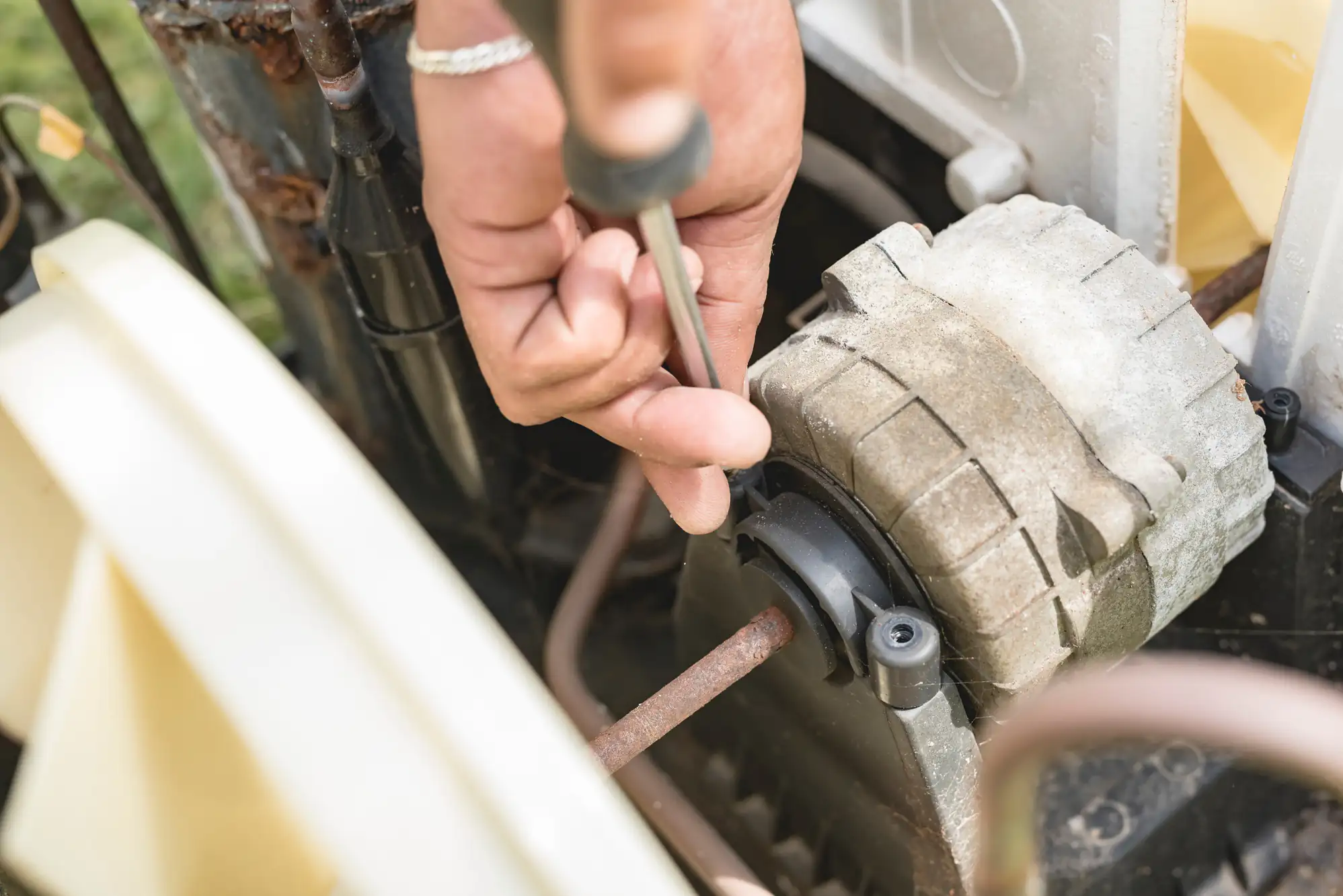
If your system is under 10 years old and this is the first major repair, fixing it usually makes sense. If it’s older than 15 years, constantly needing service, or your energy bills have crept up even though your usage hasn’t changed, replacement is probably the smarter move.
Here’s the math that matters: if the repair costs more than half of what a new system would cost, and your equipment is already past its expected lifespan, you’re throwing money at something that’s going to fail again soon. A new high-efficiency system typically pays for itself in energy savings over 7 to 10 years, and you’re not dealing with emergency breakdowns every summer.
We’ll give you both options with real numbers. Some repairs buy you a few more years at a reasonable cost, and that’s fine if you’re not ready for a full replacement. But we won’t patch a dying system five times and pretend it’s a good investment.
Uneven temperatures usually come down to airflow problems, ductwork issues, or a system that’s not sized correctly for your home’s layout. If your ducts are leaking, kinked, or poorly insulated, conditioned air never makes it to certain rooms. If your return vents are blocked or undersized, the system can’t pull enough air to circulate properly.
Sometimes it’s a zoning issue. Homes with additions, finished basements, or second floors often need multiple zones to maintain even comfort. A single thermostat in the hallway can’t account for a bedroom over the garage that bakes in summer or a finished basement that stays cold all winter.
We’ll do a room-by-room assessment, check your ductwork for leaks or restrictions, and measure airflow at each vent. If it’s a duct problem, sealing and insulating usually fixes it. If it’s a design issue, adding a zone system or a ductless mini-split for problem areas gives you real control without replacing your entire setup.
For a complete system replacement—furnace and air conditioner or a heat pump—most Holtsville homes are looking at $12,000 to $18,000 installed. That’s for a quality system, properly sized, with a solid warranty and professional installation. If you’re adding ductwork, upgrading electrical, or going with a high-efficiency setup, it can run higher.
Equipment costs have nearly doubled since 2019, and manufacturers announced another 6% to 10% increase for 2025. Tariffs and supply chain issues are pushing prices up further, so waiting doesn’t usually save you money. The good news is that rebates and tax credits can offset a big chunk of that cost—up to $2,000 from PSEG Long Island for heat pumps, plus 30% back in federal tax credits.
We give you a written estimate that breaks down equipment, labor, permits, and any extras like new thermostats or air quality upgrades. No hidden fees, no surprise charges. What we quote is what you pay, and we’ll walk you through financing options if you need them.
Yes, we offer 24/7 emergency service throughout Long Island, and we’re dispatching immediately for genuine emergencies. If your heat is out in the middle of winter or your AC dies during a heatwave, we’re arriving in under two hours in most cases.
Real people answer our phones any time, day or night—not an answering service, not a voicemail. We’ll ask a few questions to understand what’s happening, and if it’s something we can walk you through over the phone, we’ll do that first. If we need to come out, we’re already on the way while we’re talking.
Our trucks carry extensive inventory for major brands, so about 70% of emergency calls get fixed the same day without waiting for parts to ship. We’re not showing up to diagnose and leave—we’re showing up to get your system running again.
At minimum, your system needs a professional tune-up twice a year—once before cooling season and once before heating season. That includes cleaning coils, checking refrigerant levels, testing electrical connections, inspecting the heat exchanger, lubricating moving parts, and replacing filters.
Well-maintained systems last five to ten years longer than neglected ones. They also run more efficiently, which means lower energy bills and fewer breakdowns. A $200 tune-up that catches a failing part early can save you from a $1,500 emergency repair in July when every HVAC company is booked solid.
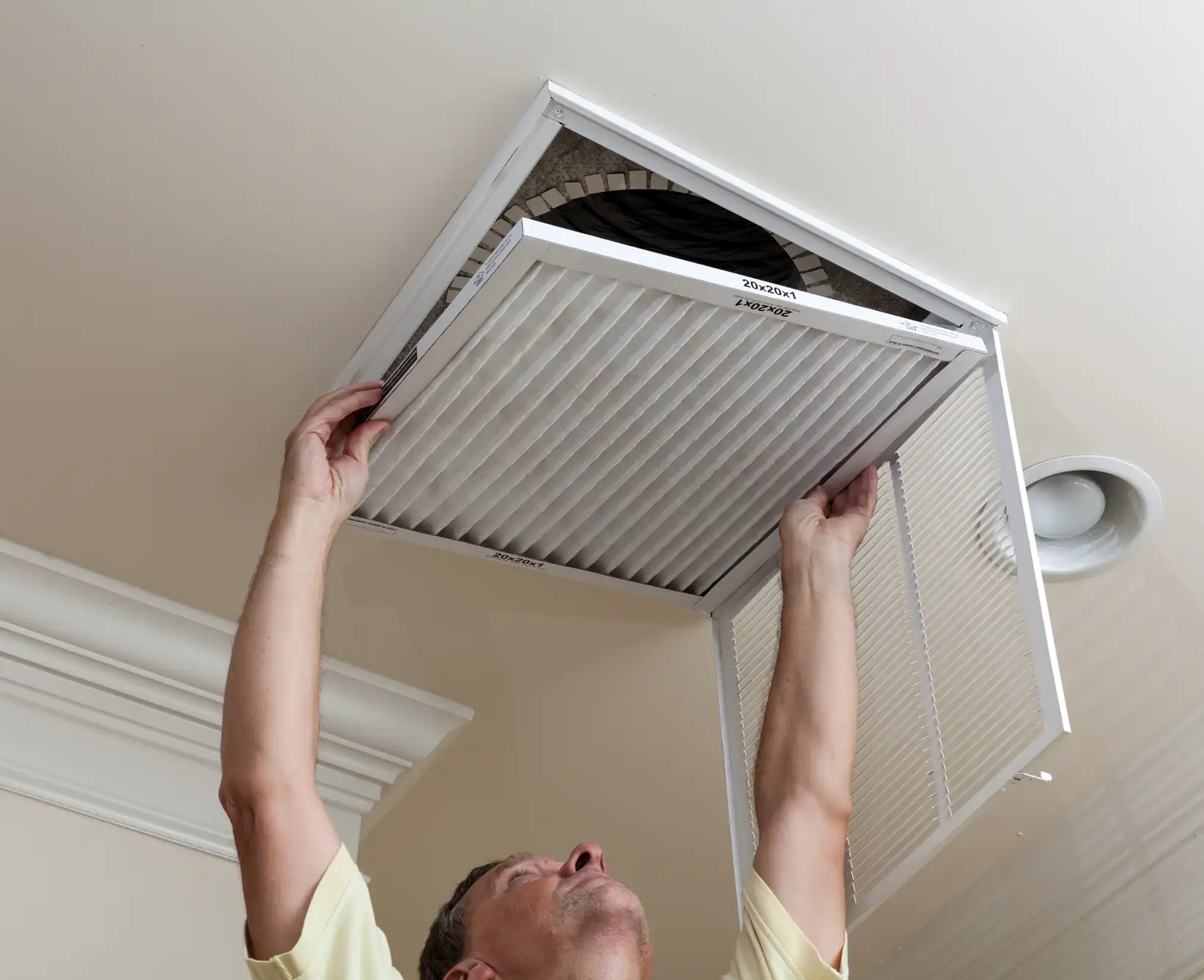
Between professional visits, you should be changing your filters every one to three months depending on the type. If you have pets, allergies, or you’re running the system constantly, change them more often. Dirty filters restrict airflow, make your system work harder, and lead to frozen coils or overheating. It’s the simplest thing you can do to avoid problems.
For most Holtsville homeowners, yes—especially with current rebates and tax credits. A high-efficiency heat pump can cut your heating and cooling costs by 30% to 45% compared to older systems, and since HVAC accounts for about half your home’s energy use, that adds up fast.
Long Island’s climate is ideal for heat pumps. We don’t get the extreme cold that makes them struggle, and they provide both heating and cooling in one system. PSEG Long Island is offering rebates up to $2,000 per ton for qualifying systems, and the federal government is giving you 30% back in tax credits through 2032. That can bring a $15,000 system down to around $10,000 after incentives.
The payback period is usually 7 to 10 years in energy savings alone, and these systems typically last 15 to 20 years with proper maintenance. You’re also future-proofing against rising energy costs and potential changes to refrigerant regulations. If you’re replacing a system anyway, the efficiency upgrade makes financial sense.