Hear from Our Customers
Most homes in Huntington Bay weren’t built with modern HVAC efficiency in mind. Victorian layouts, Colonial floor plans, crawl spaces near the water—these create specific challenges that cookie-cutter solutions can’t fix.
The right air conditioning repair or furnace installation does more than restore comfort. It cuts your energy costs, protects your home’s value, and eliminates the constant worry about whether your system will quit during a heatwave or cold snap.
When your equipment is sized correctly, installed with marine-grade components, and maintained by people who understand what salt air does to coils and heat exchangers, you stop throwing money at emergency repairs. Your system runs longer, costs less to operate, and actually keeps your home comfortable when you need it most.
We’ve spent over 40 years working in environments where HVAC systems take a beating—marine vessels, commercial kitchens, airport facilities. That experience matters when you live three blocks from Huntington Bay and your AC condenser is covered in salt residue every spring.
We’re not new to this. We’ve seen what happens when contractors install standard residential equipment in coastal homes without accounting for corrosion, humidity, or the way historic homes distribute air. We’ve also seen what works—and that’s what we bring to every residential HVAC job in Huntington Bay.
Our team answers calls 24/7 because emergencies don’t wait for business hours. We stock parts on our trucks because same-day repairs matter when it’s 15 degrees outside or 95 with 80% humidity inside your house.
First, we look at your home—not just your current system. Square footage, insulation, window placement, ductwork condition, proximity to the water. All of it affects what equipment will actually work long-term.
Then we give you options. Not a sales pitch for the most expensive unit, but honest recommendations based on your home’s layout, your budget, and what makes sense for Huntington Bay’s climate. If your ducts need sealing or your insulation needs upgrading before we install new equipment, we’ll tell you.
Installation happens with the right permits, the right materials, and attention to details that prevent callbacks. We’re talking about proper drainage for condensate lines, corrosion-resistant fittings, correctly sized refrigerant lines, and ductwork that doesn’t leak conditioned air into your attic.
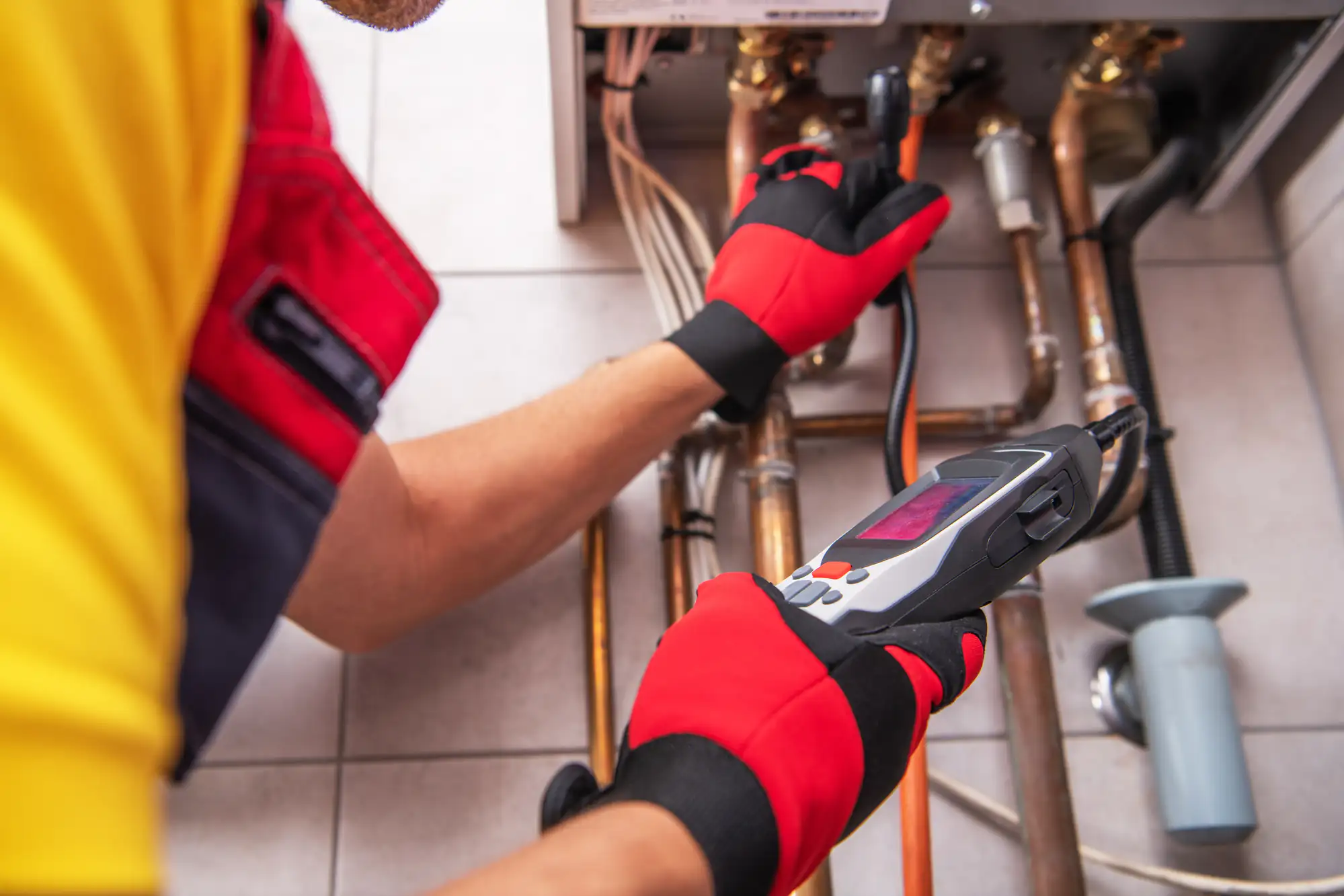
After installation, we test everything. Airflow, temperature splits, thermostat calibration, refrigerant charge. If it’s not running efficiently from day one, we fix it before we leave—not six months later when you’re wondering why your electric bill doubled.
Ready to get started?
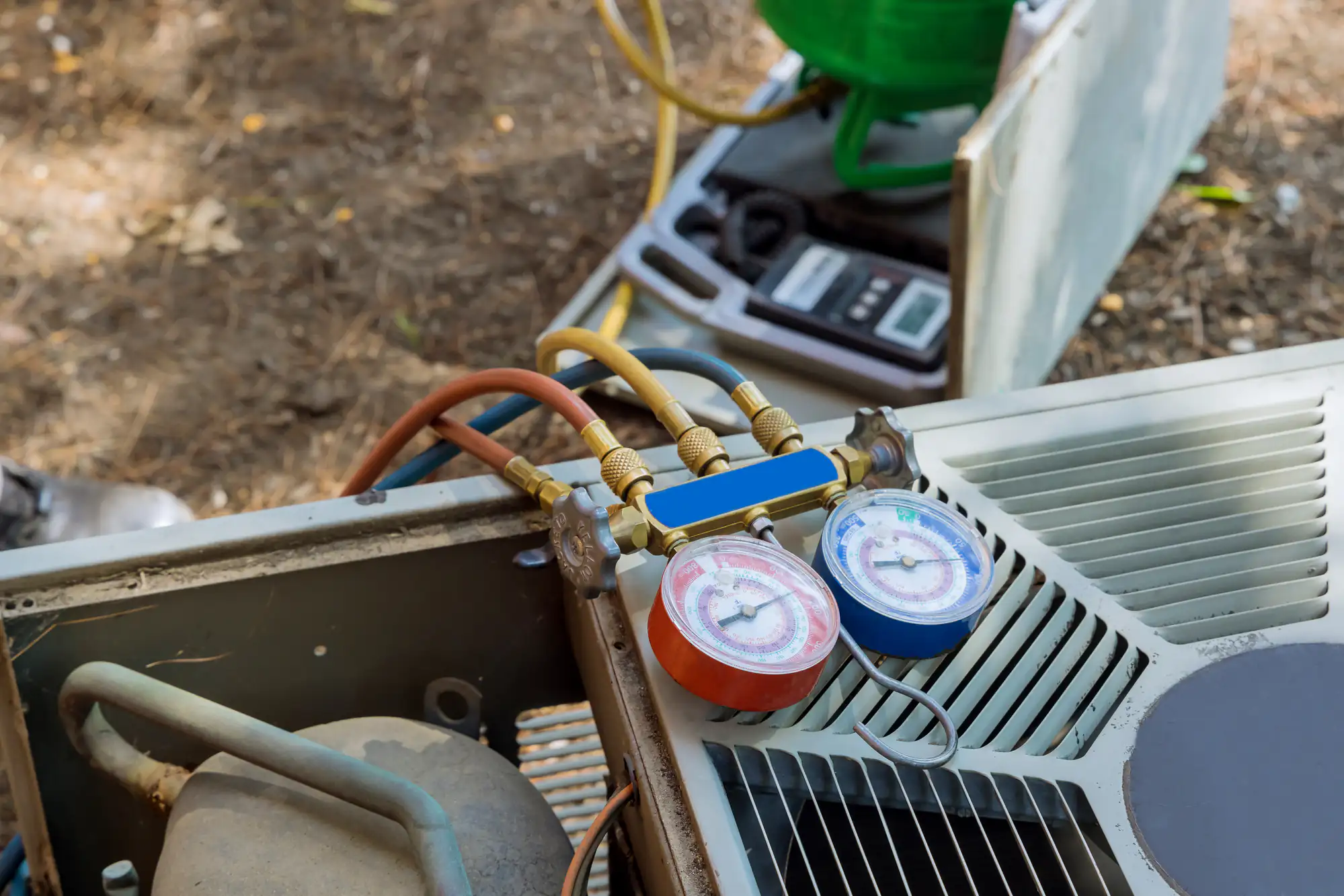
Air conditioning repair in Huntington Bay means more than recharging refrigerant. We’re checking coils for salt corrosion, testing capacitors that fail faster in humid environments, and making sure your condensate drain isn’t clogged with algae growth from coastal moisture.
Furnace installation and heating system maintenance get the same treatment. Heat exchangers crack faster when they’re cycling on and off in drafty historic homes. Ductwork in crawl spaces near the bay needs inspection for rust and air leaks. Thermostats need proper placement away from windows that let in cold air off the water.
HVAC replacement projects start with load calculations specific to your home—not guesses based on square footage alone. Indoor air quality improvements matter more here because salt air, humidity, and older home construction create conditions where mold, dust, and allergens thrive without proper filtration and ventilation.
Every service call includes honest assessment of what needs attention now versus what can wait. We’re not in the business of selling you a new system when a repair will buy you three more years. But we’re also not going to patch something that’s going to fail next month and leave you without heat in February.
Standard residential equipment typically lasts 10-15 years in most climates. In Huntington Bay, that number drops to 8-12 years if you’re using equipment not designed for salt air exposure.
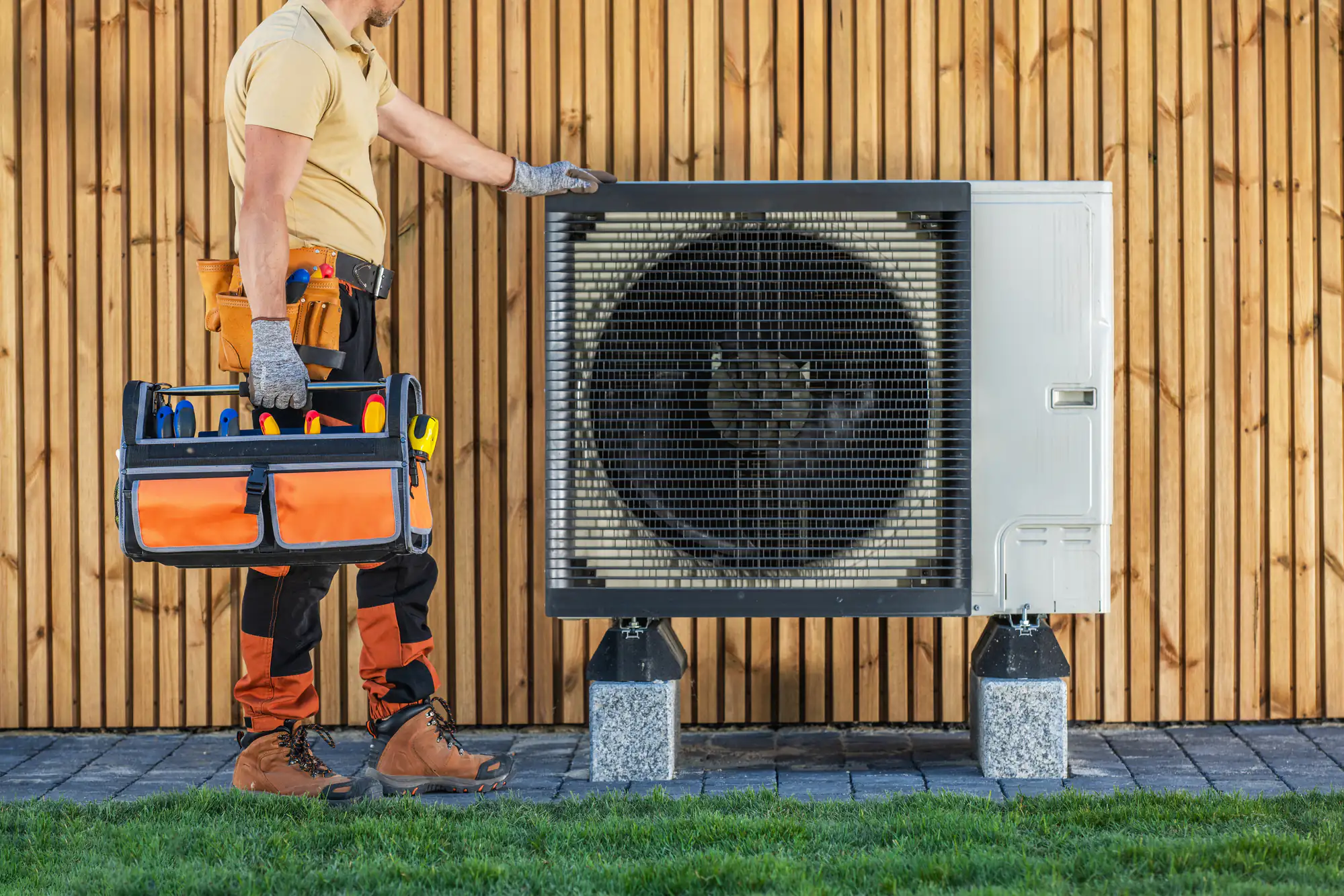
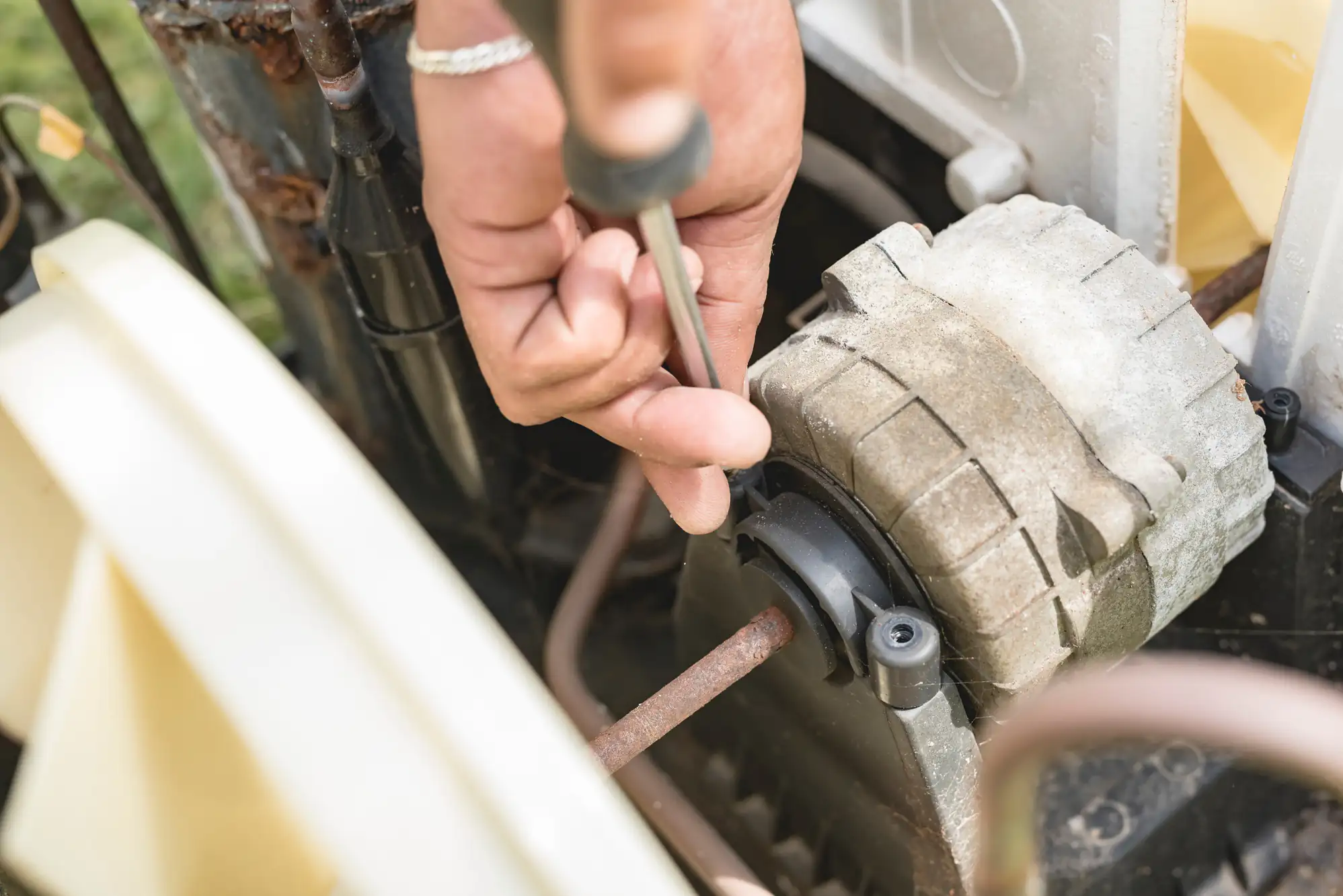
The salt air from the bay corrodes outdoor condenser coils, rusts cabinet panels, and degrades electrical connections faster than you’d see even five miles inland. AC units and heat pumps take the worst of it because they’re outside year-round.
You can extend that lifespan significantly with the right equipment choices and regular maintenance. Marine-grade coatings, corrosion-resistant fasteners, and seasonal cleaning to remove salt buildup all help. Annual maintenance that includes coil cleaning and inspection of rust-prone components catches problems before they turn into full system failures. We’ve seen properly maintained systems in coastal areas hit 15 years, but it requires attention that most homeowners don’t think about until something breaks.
Historic homes in Huntington Bay—Victorians, Colonials, older estates—weren’t designed for central air conditioning or forced-air heating. Adding modern HVAC means working around structural limitations that newer homes don’t have.
Ductwork is the biggest challenge. You can’t always run ducts through walls that are plaster and lath, or through floor joists that are irregular sizes. Sometimes the best solution is a combination system—ducted air for the main floors and ductless mini-splits for additions or upper levels. Other times it means creative routing through closets, soffits, or basement spaces.
Sizing matters more in these homes because rooms are often separated by solid doors, high ceilings change heat distribution, and insulation is inconsistent. A system sized for a 2,500 square foot ranch won’t perform the same way in a 2,500 square foot Victorian with 10-foot ceilings and single-pane windows. We measure actual heat loss and gain for each space rather than using generic calculations. It takes longer upfront but prevents the constant comfort complaints that come from guessing.
We answer calls 24/7—real people, not answering services—and our average emergency response time is under two hours for Huntington Bay and the surrounding Nassau County area.
Emergency response time matters most when your heat goes out at 11 PM in January or your AC quits during a July heatwave. We keep trucks stocked with common parts specifically so we’re not telling you we need to order something and come back in three days.
About 70% of our emergency calls get resolved the same day because we carry inventory for the most common failure points—capacitors, contactors, thermostats, ignitors, flame sensors. The other 30% usually involve compressor failures or heat exchanger cracks that require equipment replacement, not just repairs. Even then, we’ll get you temporary heating or cooling while we schedule the full replacement. Nobody should be without climate control for days because a part needs ordering.
Standard HVAC maintenance covers filter changes, thermostat checks, and basic system testing. Maintenance for homes in Huntington Bay needs to go further because of salt air exposure and coastal humidity.
We’re cleaning condenser coils multiple times per year if you’re close to the bay—not just rinsing them, but actually removing salt buildup that blocks airflow and causes corrosion. We’re inspecting cabinet panels and fasteners for rust, checking refrigerant lines for corrosion at connection points, and testing capacitors that degrade faster in humid environments.
Inside, we’re looking at condensate drain lines that clog with algae growth, ductwork in crawl spaces that may be rusting or developing air leaks, and air filters that need changing more frequently when salt particles and humidity are constant factors. Blower motors and electrical connections get inspected for corrosion you wouldn’t typically see inland. This level of maintenance catches small problems—a rusting cabinet panel, a partially clogged drain line, early-stage coil corrosion—before they become expensive failures. It’s the difference between a $200 maintenance visit and a $4,000 compressor replacement.
If your system is under 8 years old and the repair costs less than half the price of replacement, repair usually makes sense. If it’s over 12 years old and facing a major component failure, replacement is typically the better investment.
The math changes based on a few factors. Energy efficiency improvements in newer systems can cut your utility bills by 20-30%, which adds up over time. If you’re repairing the same system twice a year, those service calls start approaching the cost of new equipment. And if the repair involves a major component—compressor, heat exchanger, evaporator coil—you’re often looking at 50-70% of replacement cost for a fix that doesn’t address the age of everything else in the system.
We’ll give you honest numbers for both options. Sometimes a $600 repair buys you three more years from a system that’s otherwise solid. Other times you’re putting $1,500 into a 14-year-old unit that’s going to need another expensive repair within a year. Location matters too—systems in Huntington Bay age faster than the same equipment would inland, so a 10-year-old coastal system might be in worse shape than a 13-year-old system five miles away. We look at the actual condition, not just the age on the label.
Yes. HVAC replacement is a significant investment—typically $5,000 to $15,000 depending on your home’s size and the system type—and we understand that’s not always something you’ve budgeted for, especially when it’s an emergency replacement.
We work with financing partners that offer payment plans for qualified customers. Terms vary based on credit approval, but options typically include low monthly payments spread over several years, and sometimes promotional periods with deferred interest.
The application process is straightforward and we can usually get approval within a day. We’ll walk through the numbers with you upfront—total project cost, monthly payment options, interest rates, and any promotional terms that might apply. No pressure, no surprises. Some customers prefer to pay outright, others need financing to make it work. Either way, the quality of the installation and equipment stays the same. We’re also happy to provide detailed estimates you can take to your own financing sources if you prefer to arrange payment through your bank or credit union.