Hear from Our Customers
You shouldn’t have to wonder if your furnace will make it through winter. Or wake up sweating in July because your AC quit overnight.
When your HVAC system works the way it should, you stop thinking about it. Rooms stay comfortable. Energy bills drop. And you’re not scrambling for emergency repairs at the worst possible time.
That’s what happens when your equipment is properly sized, installed correctly, and maintained by people who know what they’re doing. Lake Grove winters hit hard, and summers get sticky. Your system needs to handle both without burning through your budget or leaving you uncomfortable.
Whether you’re dealing with uneven temperatures, rising energy costs, or a system that’s on its last leg, the fix isn’t always a full replacement. Sometimes it’s a repair. Sometimes it’s better airflow. Sometimes it’s an upgrade that pays for itself in lower utility bills within a few years.
We’ve been handling HVAC work in Lake Grove and the surrounding area since the early 1980s. We’ve seen equipment evolve, efficiency standards tighten, and homeowner expectations shift toward smarter, quieter, more reliable systems.
We’re not new to this. We’ve worked through heat waves, polar vortexes, and everything in between. Our technicians are NATE-certified, which means they’ve passed the industry’s toughest exams and stay current on new equipment and installation standards.
We offer free estimates, transparent pricing, and 24/7 emergency service because HVAC problems don’t wait for business hours. Lake Grove homeowners call us when they need straight answers, not sales pitches.
First, we listen. You tell us what’s going on—strange noises, inconsistent heat, higher bills, whatever the issue is. We ask a few questions to get a clearer picture before we even show up.
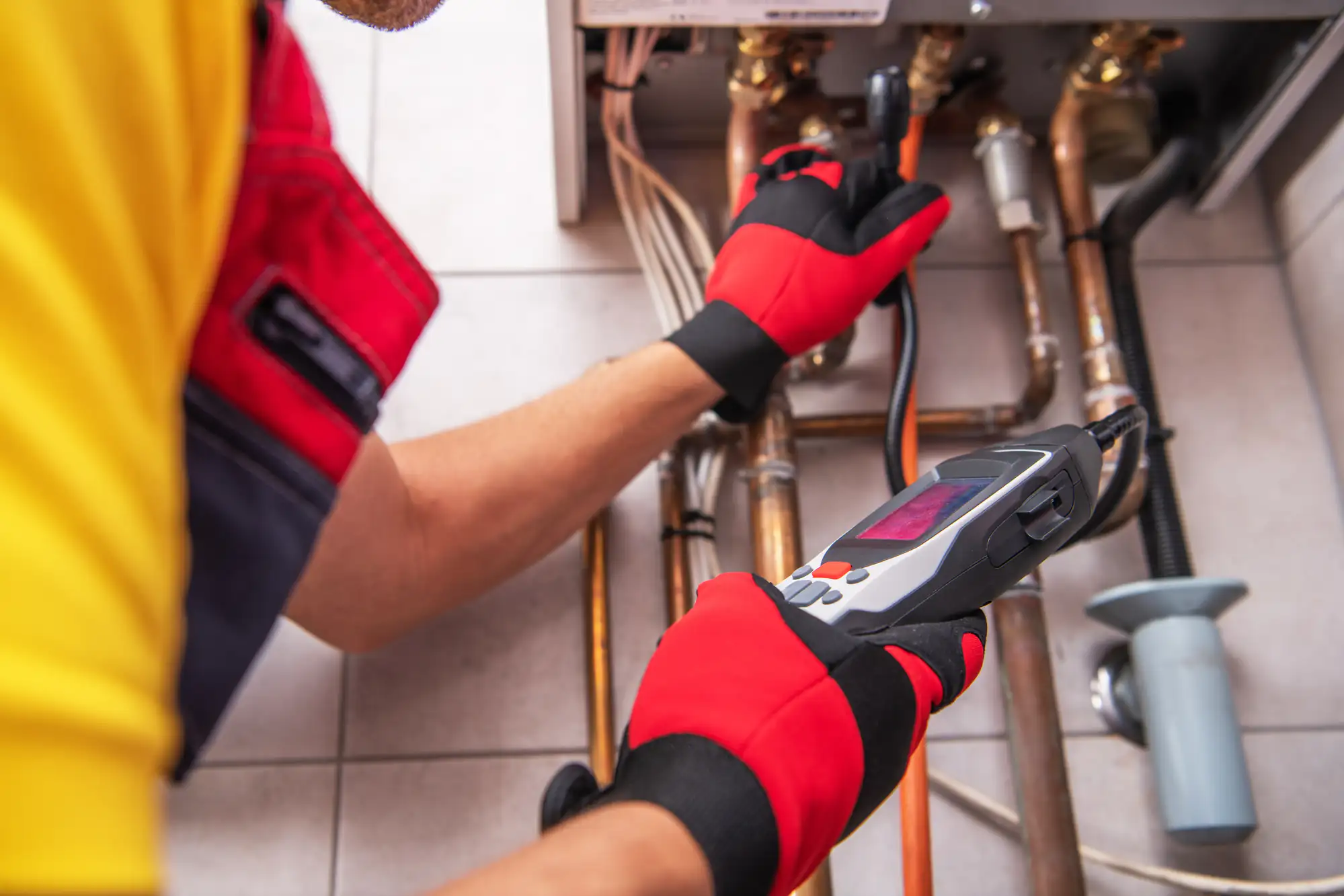
Then we schedule a time that works for you. Our technician arrives on time, runs a full diagnostic, and explains what’s happening in plain language. No jargon. No upselling. Just the facts about what’s wrong and what it’ll take to fix it.
If it’s a repair, we give you options. If it’s time for a replacement, we walk through what makes sense for your home, your budget, and your long-term comfort. We provide a written estimate before any work starts, so there are no surprises.
Once you approve, we handle the work efficiently and clean up when we’re done. You get a summary of what was done, any warranty information, and a recommended maintenance schedule to keep things running smoothly. If you ever have questions after the job, you can reach us directly.
Ready to get started?
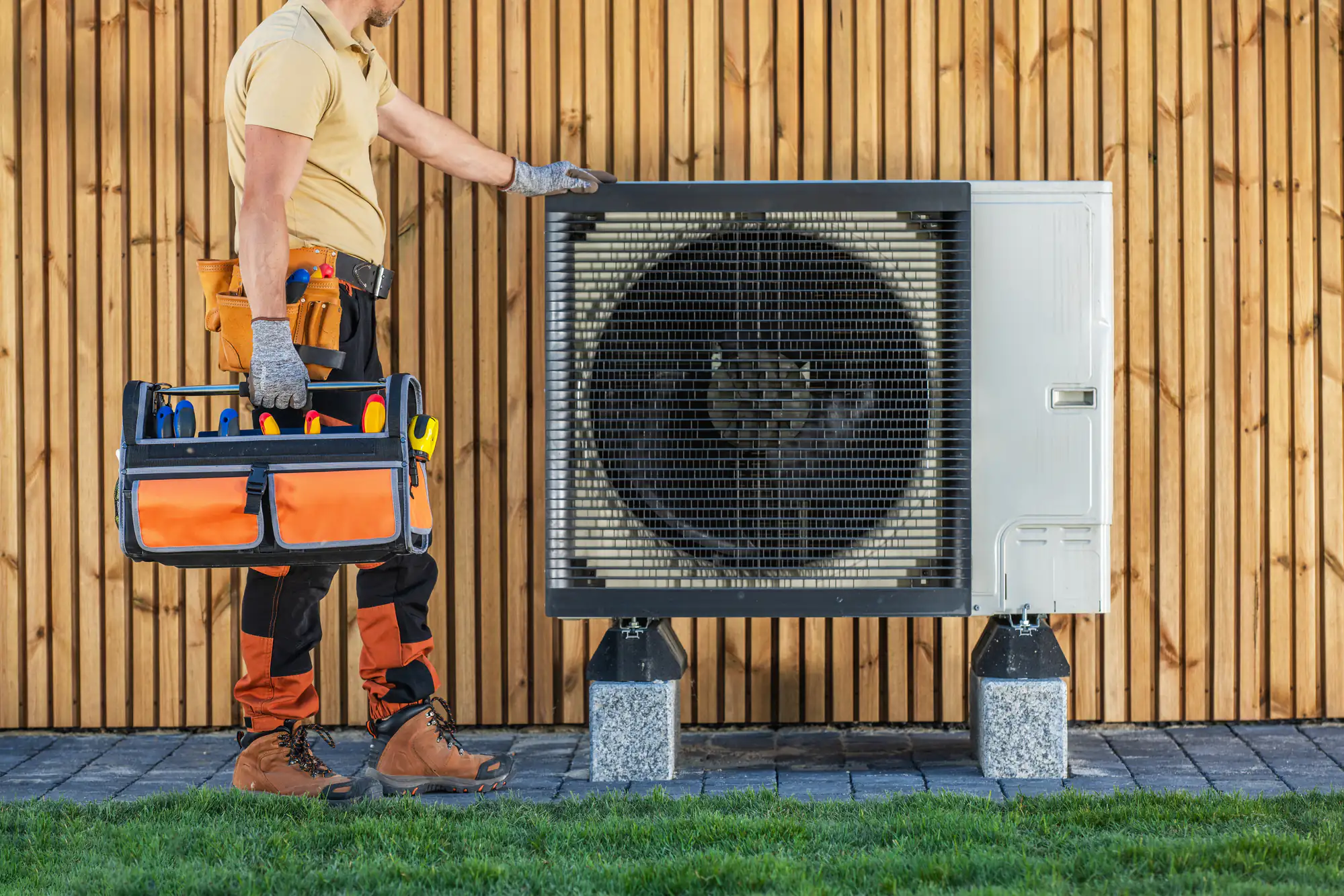
We handle furnace installation, air conditioning repair, heat pump systems, ductless mini-splits, and full HVAC replacement when your system has reached the end of its lifespan. We also address indoor air quality issues like poor ventilation, excessive dust, and humidity problems that make your home uncomfortable even when the temperature is right.
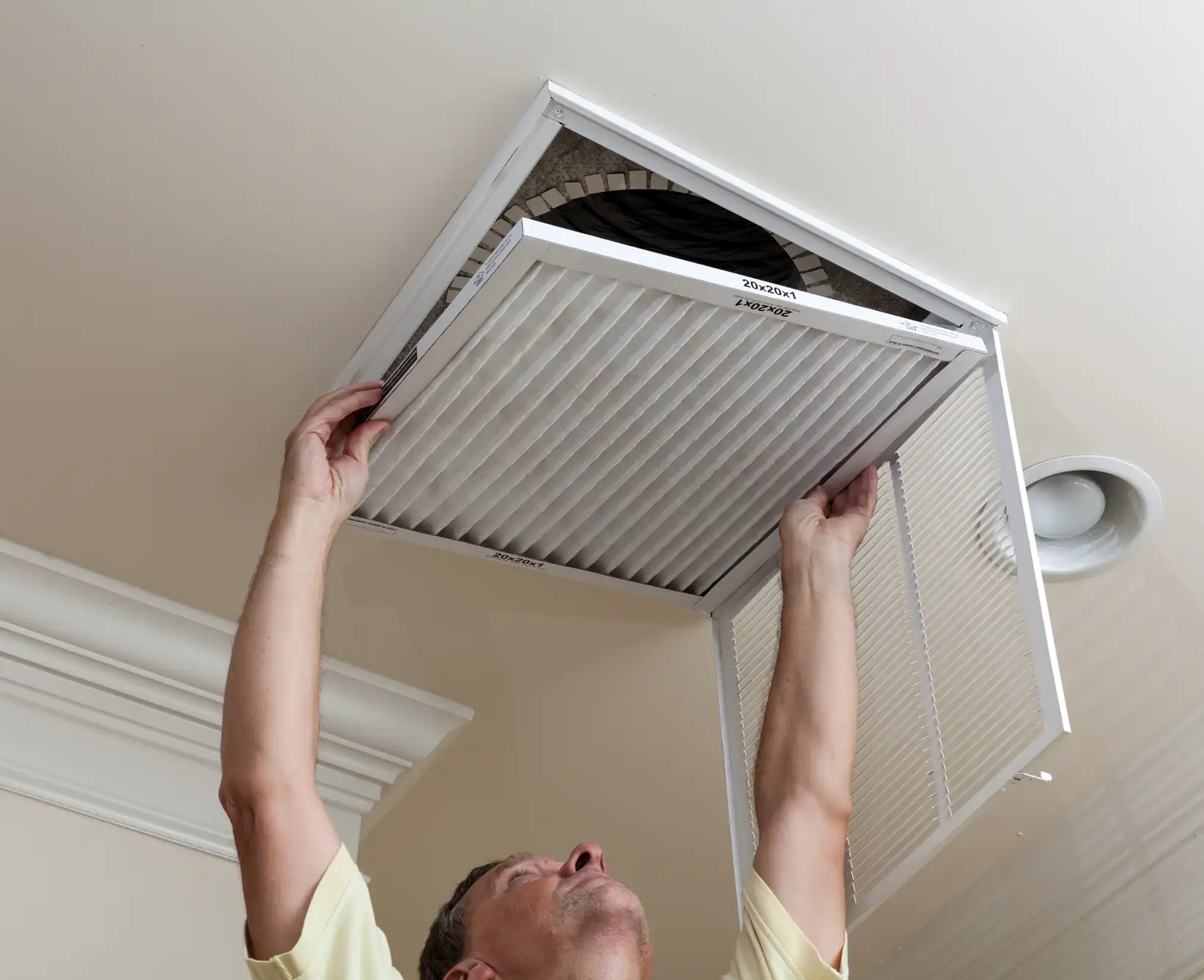
Heating system maintenance is one of the most overlooked services, but it’s also one of the most important. A yearly tune-up catches small problems before they turn into expensive failures. It keeps your system running efficiently, which lowers your energy costs and extends equipment life.
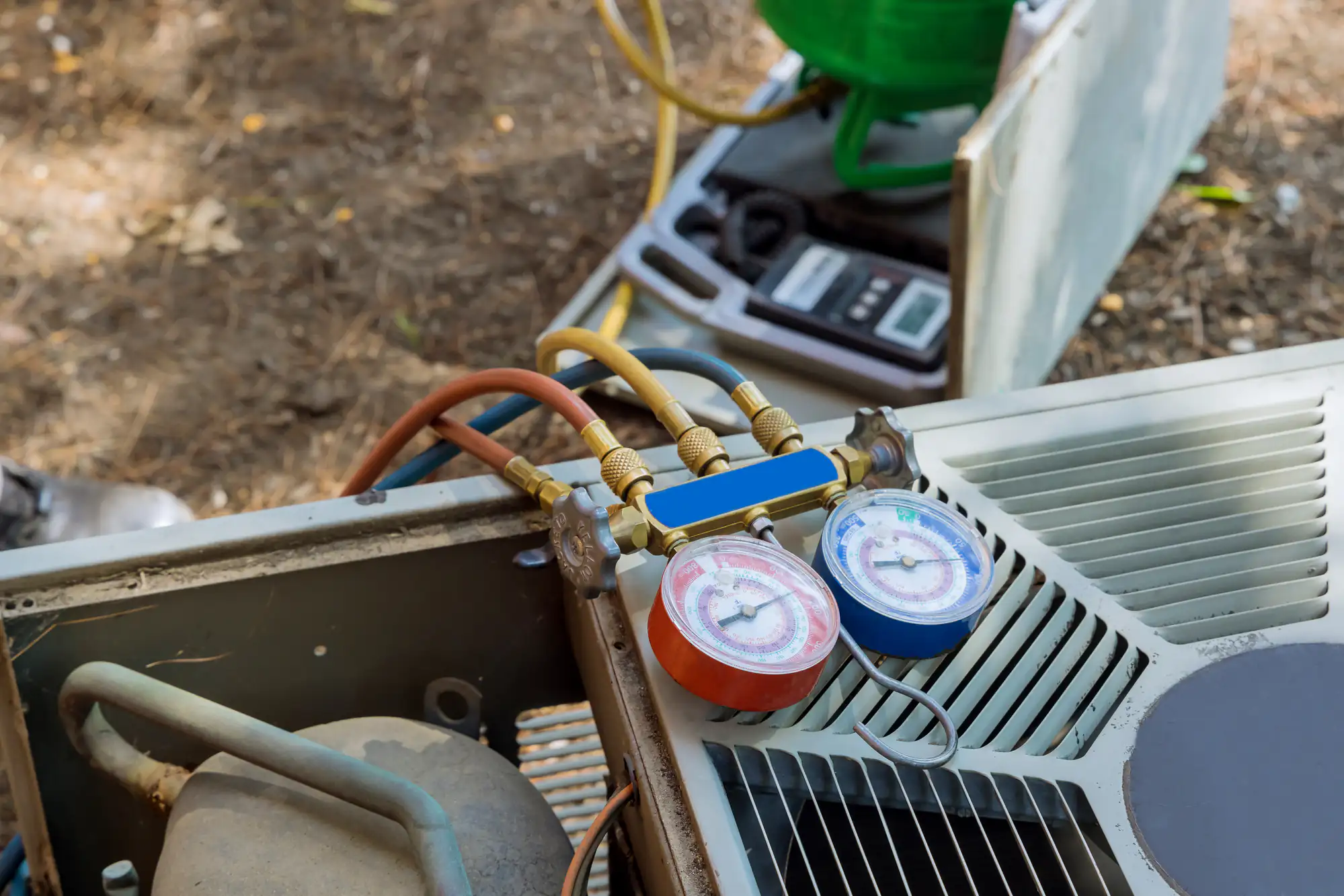
Lake Grove’s coastal climate means your HVAC system works hard in both summer and winter. Salty air, humidity, and temperature swings can accelerate wear on outdoor units. We check refrigerant levels, inspect electrical connections, clean coils, and test safety controls to make sure everything is operating safely and efficiently.
If you’re dealing with hot and cold spots in different rooms, that’s often a ductwork or airflow issue, not a thermostat problem. We assess your whole system to find the root cause, not just treat the symptoms. And if you’re eligible for rebates through PSEG Long Island or federal tax credits under the Inflation Reduction Act, we’ll help you navigate that process so you’re not leaving money on the table.
Once a year for each system. Your furnace should be serviced in the fall before heating season starts. Your air conditioner should be checked in the spring before you need it.
Regular maintenance catches issues early, keeps your system running efficiently, and prevents breakdowns during the coldest or hottest days of the year. It also keeps your manufacturer’s warranty valid, since most require proof of annual service.
During a maintenance visit, we inspect all major components, clean what needs cleaning, test safety controls, check refrigerant levels, and make sure your system is operating at peak efficiency. It’s a small investment that saves you money on energy bills and helps you avoid expensive emergency repairs.
Most systems last 15 to 20 years with proper maintenance. But that timeline can shorten if your system is oversized, undersized, or hasn’t been serviced regularly.
Lake Grove’s coastal location adds extra stress. Salt air and humidity can corrode outdoor units faster than in inland areas. If your system is over 15 years old and you’re noticing more frequent repairs, rising energy bills, or uneven temperatures, it’s worth getting an evaluation.
Newer systems are significantly more efficient than models from even 10 years ago. Upgrading can cut your energy costs by 30% or more, and you may qualify for rebates or tax credits that offset the upfront cost. We’ll run the numbers with you so you can make an informed decision.
It depends on the age and condition of your existing equipment. If one component is failing but the other is relatively new and in good shape, you can often replace just one.
But if both are over 10 years old, replacing them together usually makes more sense. Newer systems are designed to work as matched sets for maximum efficiency. Pairing a new air conditioner with an old furnace can limit performance and efficiency gains.
We’ll assess your entire system and give you options. Sometimes a single replacement is the right call. Other times, replacing both saves you more money in the long run through lower energy bills and fewer service calls. We’ll show you the cost difference and let you decide what fits your budget and goals.
It’s not about square footage alone. The right size depends on your home’s insulation, window quality, ceiling height, ductwork, and how much sun exposure you get.
An oversized system cycles on and off too frequently, which wastes energy and wears out components faster. An undersized system runs constantly and never keeps up, especially during extreme weather.
We perform a load calculation that factors in all the variables specific to your home. This ensures your new system is properly sized to keep you comfortable without wasting energy or breaking down prematurely. It’s one of the most important steps in an installation, and it’s something we do on every job.
Yes. PSEG Long Island offers rebates ranging from $500 to $1,000 per ton for qualifying air source heat pumps, with total rebates up to $5,000. They also provide free energy assessments to help you identify savings opportunities.
The federal Inflation Reduction Act offers tax credits up to $3,200 for energy-efficient HVAC upgrades, including heat pumps and high-efficiency systems. These incentives are designed to make upgrades more affordable and help homeowners reduce energy consumption.
We stay current on available programs and can help you understand what you qualify for. We’ll provide the documentation you need to claim rebates and credits, so you’re not navigating the process alone. These programs change periodically, so it’s worth asking what’s available when you’re ready to upgrade.
First, check your thermostat to make sure it’s set to heat and the temperature is set higher than the current room temperature. Check your circuit breaker to see if it tripped. If you have a gas furnace, make sure the pilot light is on.
If those basics don’t solve it, call us. We offer 24/7 emergency service because we know furnace failures don’t wait for convenient times. Our technicians carry common parts and diagnostic tools to get your heat back on as quickly as possible.
In the meantime, close off rooms you’re not using to conserve heat, and use space heaters safely if you have them. Never use your oven or stovetop to heat your home—it’s a carbon monoxide risk. We’ll get to you fast and get your system running again.