Hear from Our Customers
Your energy bills shouldn’t spike every time the weather changes. When your HVAC system runs efficiently, you’re looking at 5% to 15% savings on monthly costs—that’s real money back in your pocket, not marketing talk.
Indoor air quality matters more than most people realize. Long Island’s humidity doesn’t just make your home feel sticky. It forces your air conditioner to work overtime removing moisture before it can actually cool the air. That’s why you might notice your system running constantly but never quite getting comfortable.
Regular heating system maintenance extends equipment life by years. Most systems last 10 to 12 years with basic care. With proper attention, you’re looking at 15 to 20 years from the same unit. That’s the difference between replacing your furnace next year or a decade from now.
We’ve spent over 40 years working in conditions that test equipment limits. We’ve handled everything from airport cooling systems to marine HVAC installations where salt air corrodes components faster than anywhere else.
That experience translates directly to your home. Lake Ronkonkoma sits in a climate zone where summer humidity regularly hits 70% and winter temperatures drop below freezing for weeks. Your HVAC system deals with both extremes, often in the same month during spring and fall.
We’re available 24/7 because equipment failures don’t wait for business hours. When your furnace quits on a January night or your AC dies during a July heatwave, you need someone who answers the phone and shows up ready to fix the problem.
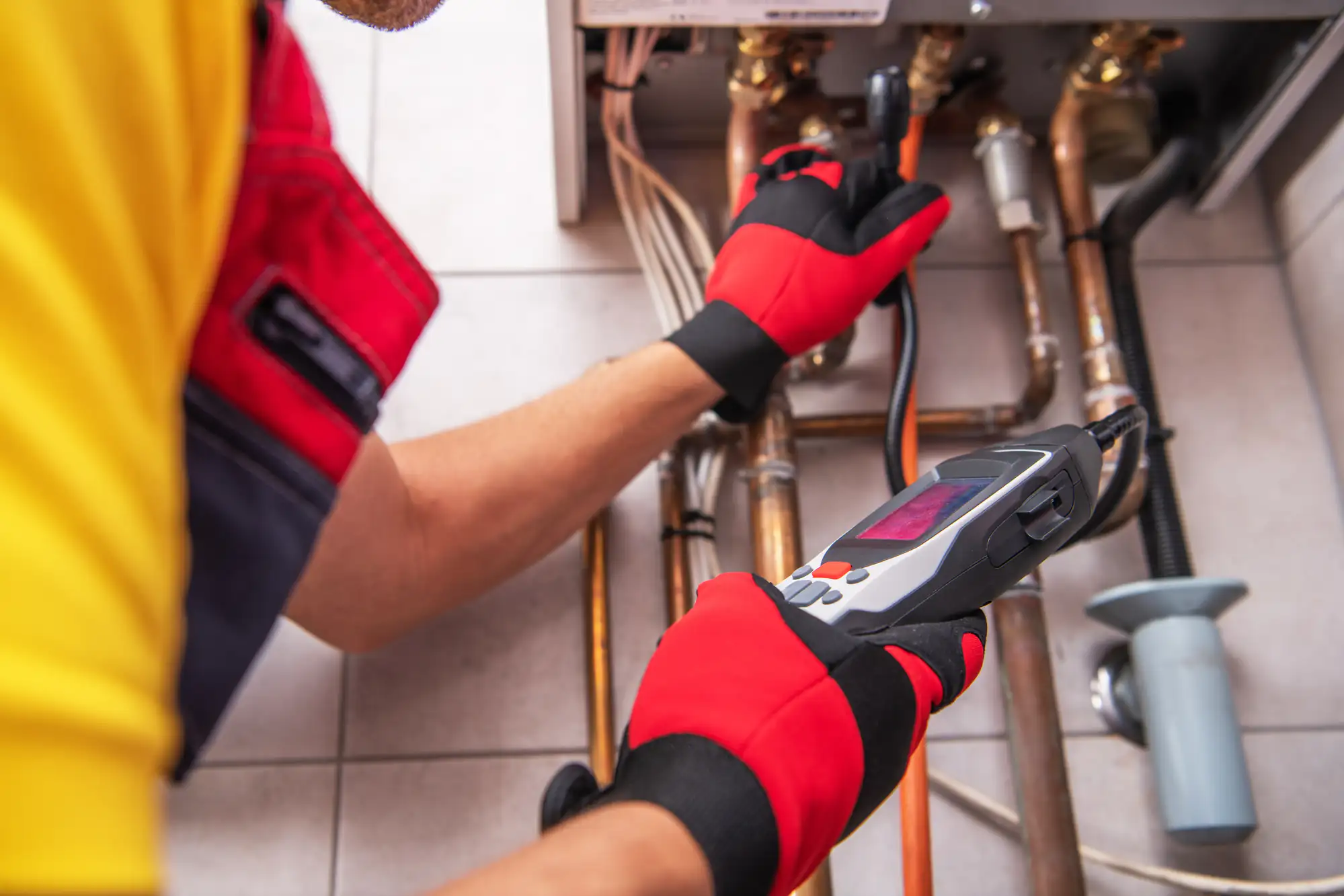
You call or message us with your issue. We ask specific questions about what you’re experiencing—strange noises, temperature inconsistencies, higher bills, whatever prompted you to reach out. This helps us arrive prepared with the right tools and parts.
We schedule a time that works for your day, not ours. Our technician shows up, assesses your system, and explains what’s actually wrong in plain language. No jargon. No upselling. If it’s a simple fix, we tell you. If you need a replacement, we explain why and give you options at different price points.
For air conditioning repair or furnace installation, we walk you through the timeline before starting work. You’ll know how long the job takes, what we’re doing, and when your system will be running again. After completion, we test everything, show you how it works, and answer any questions about maintenance or operation.
Ready to get started?
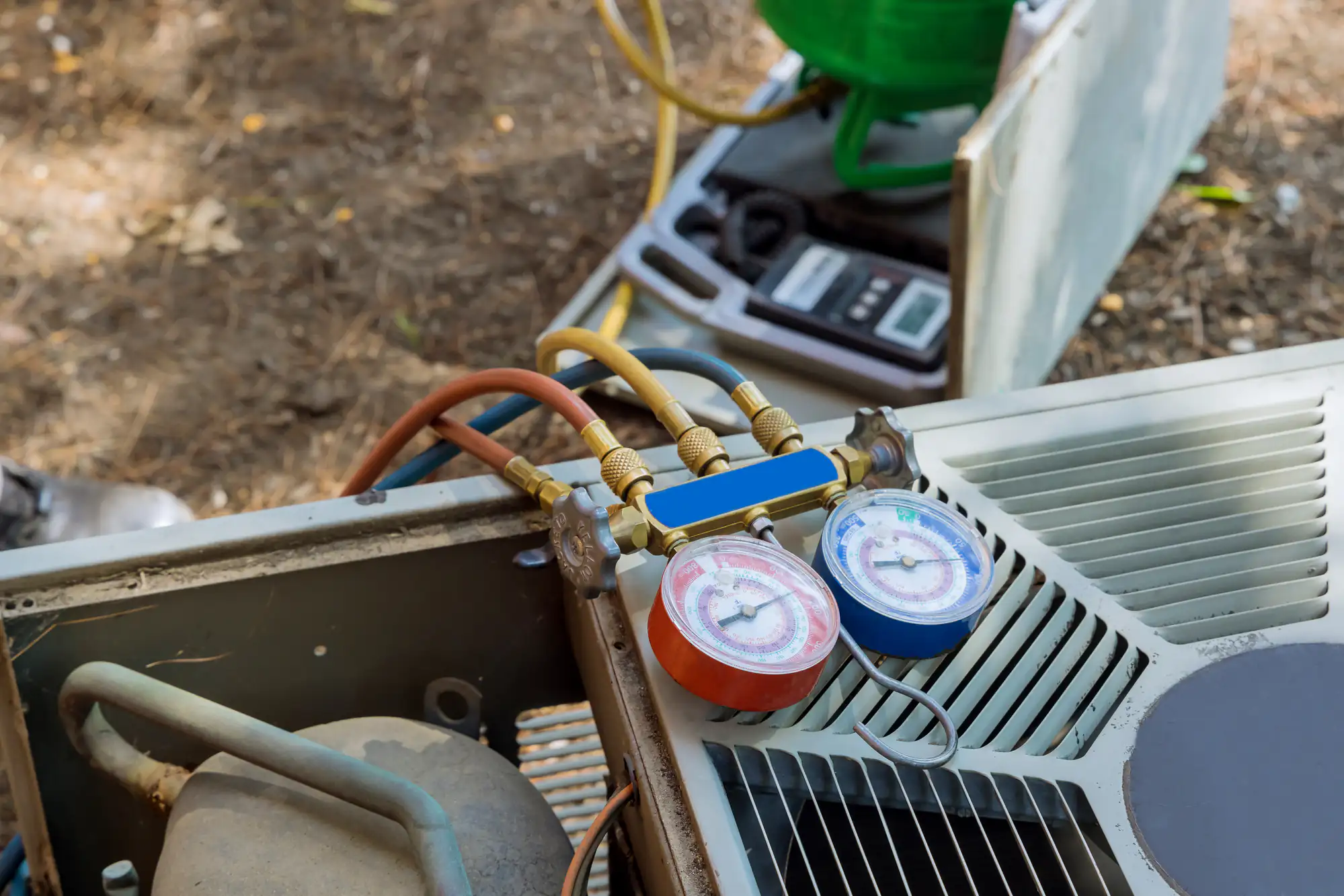
Air conditioning repair covers everything from refrigerant leaks to compressor failures. Long Island’s coastal environment means salt air gets into outdoor units, corroding coils and connections faster than inland areas. We check for this specifically because it’s a common failure point that other companies miss.
Furnace installation and heating system maintenance address uneven temperature distribution. If some rooms feel colder than others, it’s usually a duct balancing issue or inadequate insulation in specific zones. We measure airflow in each room and adjust dampers to match your actual heating needs.
Indoor air quality solutions go beyond basic filtration. Whole-house dehumidifiers work alongside your HVAC system to control moisture levels without overworking your air conditioner. This matters in Lake Ronkonkoma where humidity regularly makes 75-degree days feel like 85.
HVAC replacement becomes necessary when repair costs approach 50% of a new system’s price. We give you the actual numbers—what the repair costs, what a new energy-efficient system costs, and how much you’d save monthly with better efficiency. Then you decide what makes sense for your budget and timeline.
Twice a year—once before cooling season and once before heating season. Spring maintenance catches problems before summer humidity puts maximum stress on your air conditioner. Fall maintenance ensures your furnace fires up reliably when temperatures drop.
Lake Ronkonkoma’s climate makes this schedule more important than in other areas. Your system switches between heating and cooling more frequently during shoulder seasons. Each transition creates opportunities for small issues to become expensive failures if they’re not caught early.
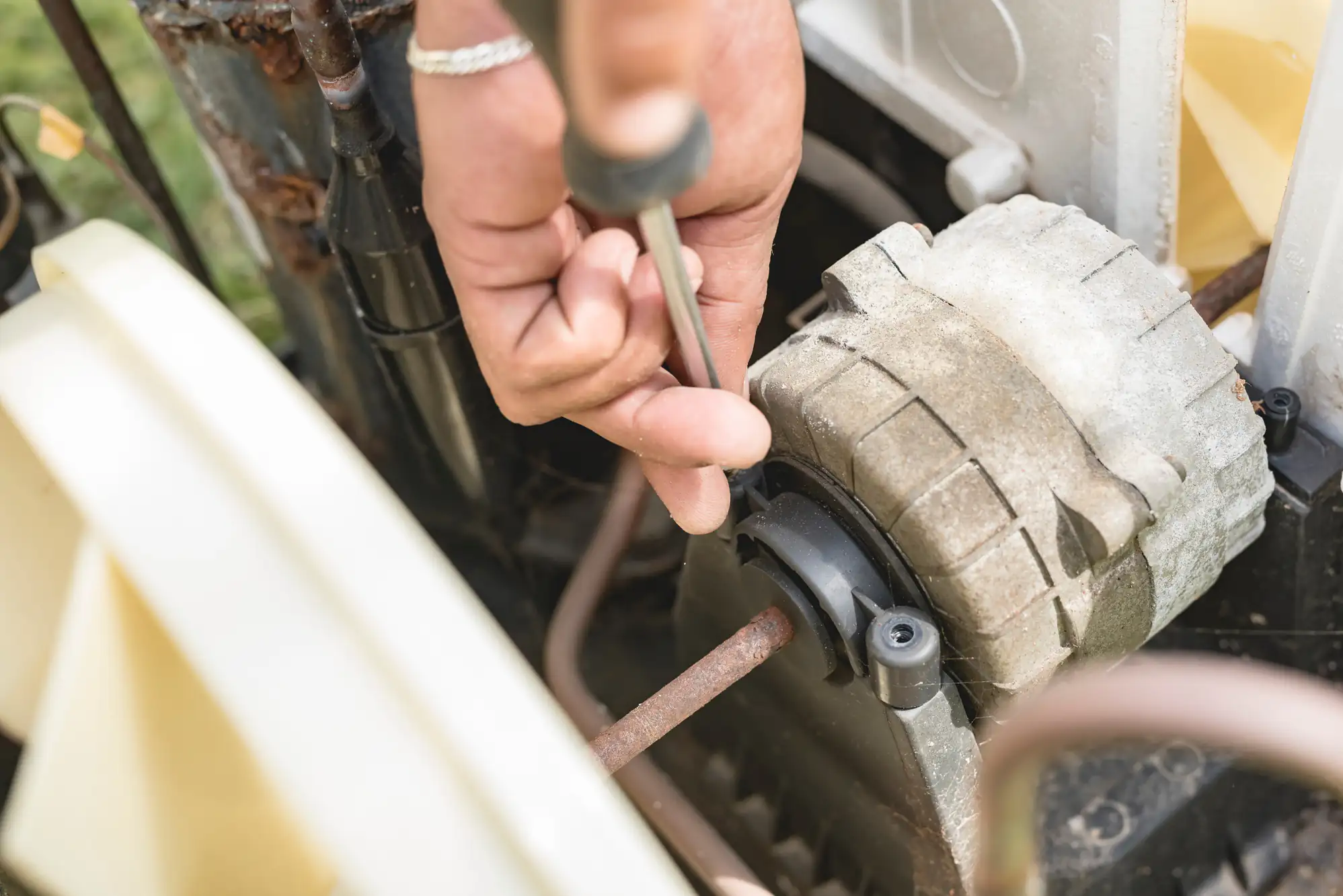
Maintenance visits include cleaning condenser coils, checking refrigerant levels, inspecting electrical connections, and calibrating thermostats. These aren’t upsells. They’re the specific tasks that prevent emergency breakdowns and extend equipment life from 10 years to 15 or 20.
Your HVAC system is working harder to maintain the same temperature. This happens when refrigerant levels drop, air filters clog, or ductwork develops leaks. Each issue forces your equipment to run longer cycles to reach the thermostat setting.
Dirty condenser coils are especially common in Long Island’s coastal areas. Salt air and pollen create a film on outdoor unit coils that acts like insulation, preventing heat transfer. Your air conditioner runs constantly but can’t cool efficiently because it can’t release heat outside.
Duct leaks waste 20% to 30% of conditioned air in most homes. You’re paying to heat or cool air that escapes into attics, crawl spaces, and wall cavities before it reaches your living areas. Sealing ducts typically pays for itself within two cooling seasons through lower energy costs.
If the repair costs more than half what a new system would cost, replacement makes better financial sense. If your system is over 12 years old and needs a major component like a compressor or heat exchanger, you’re usually better off replacing the entire unit.
Energy efficiency matters more than most people realize. A 15-year-old air conditioner uses roughly 40% more electricity than current models to produce the same cooling. Over a five-year period, that efficiency difference often covers the cost of a new system through lower utility bills.
New systems also include smart technology that older units can’t match. Programmable thermostats, variable-speed compressors, and zoned temperature control give you better comfort and lower operating costs. These aren’t luxury features anymore—they’re standard equipment that pays for itself through reduced energy consumption.
Your air conditioner is sized incorrectly or running inefficiently. Oversized units cool the air quickly but shut off before removing enough moisture. Undersized units run constantly but can’t keep up with humidity loads during peak summer months.
Long Island’s coastal climate creates humidity challenges that inland areas don’t face. Water vapor from the ocean combines with summer heat to create conditions where indoor humidity regularly exceeds 60%. Your AC needs to dehumidify before it can cool, which requires longer run times and proper refrigerant charge.
A whole-house dehumidifier solves this problem by handling moisture removal separately from temperature control. Your air conditioner focuses on cooling while the dehumidifier maintains comfortable humidity levels between 30% and 50%. This approach uses less energy and creates better comfort than forcing your AC to do both jobs.
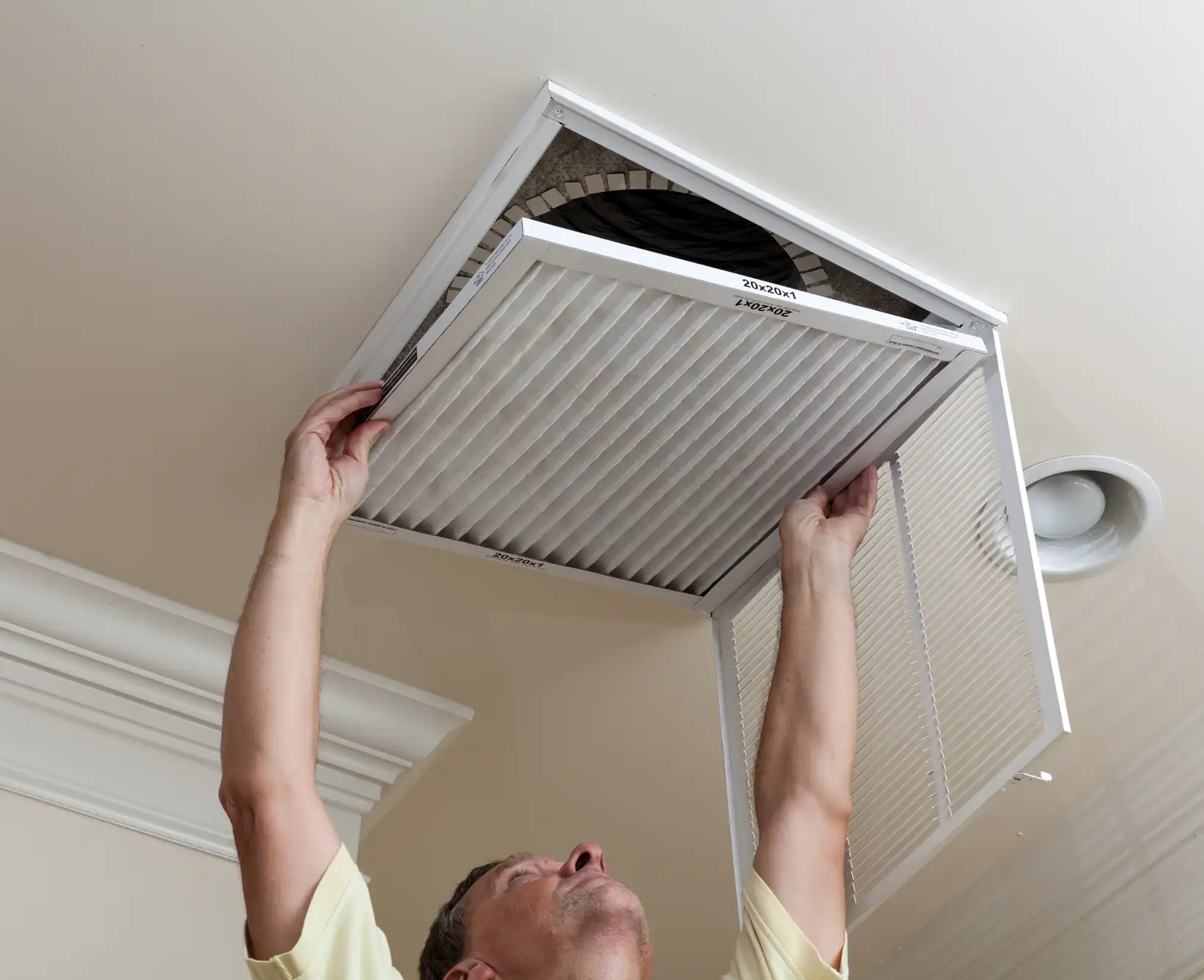
We clean or replace air filters, inspect electrical connections, check refrigerant levels, clean condenser and evaporator coils, test thermostat calibration, and measure airflow at each register. These tasks address the most common causes of system failure and inefficiency.
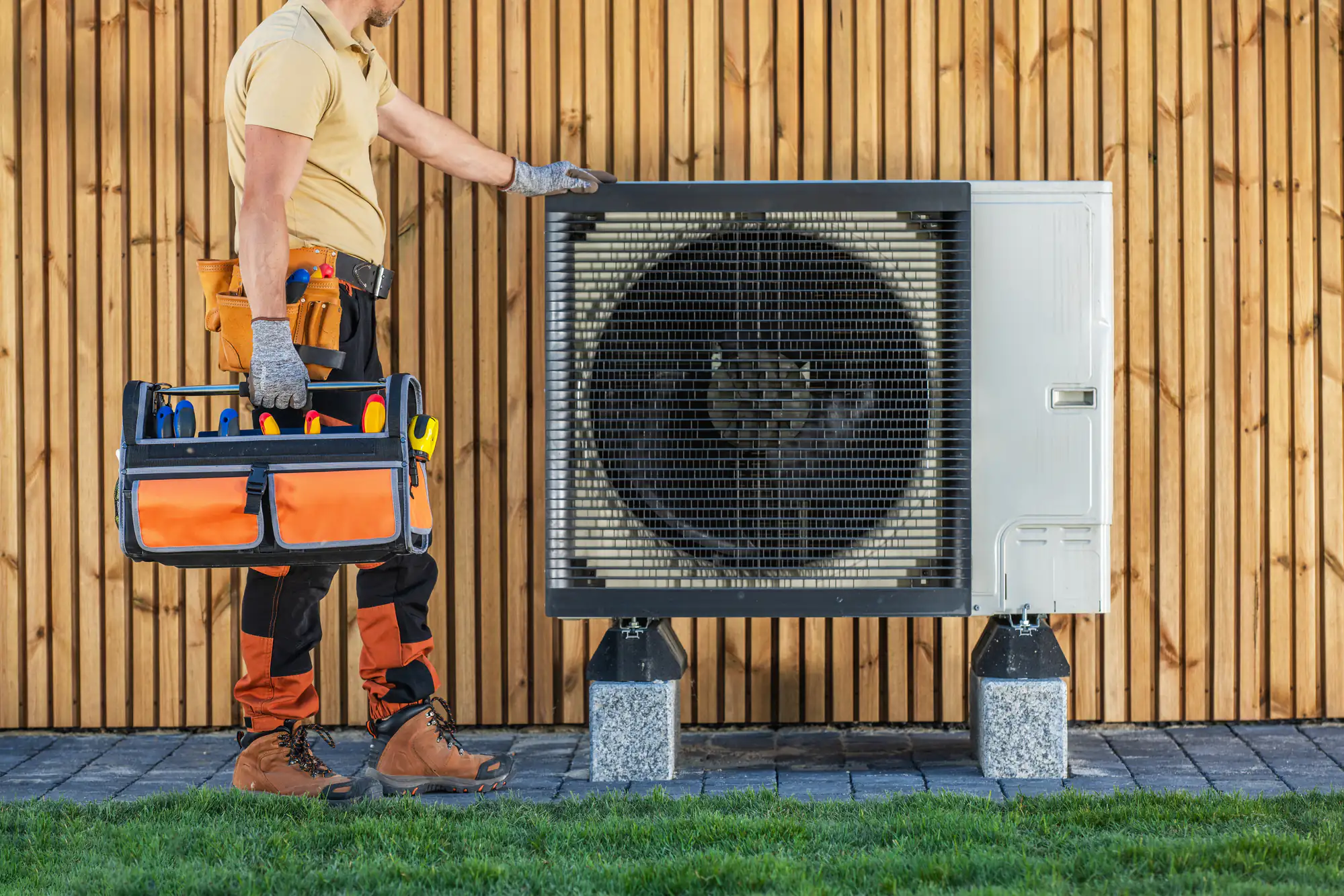
Condenser coil cleaning matters more in Lake Ronkonkoma than most areas. Salt air creates corrosion and buildup that reduces heat transfer efficiency by 30% or more. We use specialized coil cleaners that remove salt deposits without damaging the aluminum fins.
We also check for refrigerant leaks, which often develop at connection points and valves. Low refrigerant forces your compressor to work harder while producing less cooling. Catching leaks early prevents compressor damage, which is the most expensive repair your system can need.
Yes, we’re available 24/7 for emergency calls. HVAC failures during extreme weather aren’t just uncomfortable—they can be dangerous for young children, elderly family members, and anyone with respiratory conditions.
Emergency service means we answer the phone and dispatch a technician, not that we’ll get there “sometime tomorrow.” When your furnace quits on a night that’s dropping below 20 degrees, you need heat restored in hours, not days. We stock common parts and maintain service vehicles specifically for emergency response.
We charge for emergency calls because they require keeping technicians on call and maintaining inventory for immediate repairs. But we’re transparent about pricing before we arrive. You’ll know what the service call costs and what repairs might run before anyone shows up at your door.