Hear from Our Customers
You stop worrying about whether your AC will survive another scorching July afternoon. No more uneven temperatures where the upstairs feels like a sauna while the downstairs freezes. No more emergency calls on weekends because your furnace quit in the middle of a cold snap.
Your energy bills drop because your system isn’t working overtime to compensate for failing equipment. You breathe cleaner air because modern filtration removes the salt, humidity, and allergens that coastal living brings into your home.
Your property value stays protected. When it’s time to sell, buyers see updated, efficient HVAC systems that won’t need replacing in two years. That matters in a market where median home values hit $847,900 and buyers expect everything to work right.
We’ve spent over 40 years handling complex HVAC and refrigeration projects across Long Island—from Montauk to Manhattan. We’ve built our reputation on the jobs other companies won’t touch, which means your residential system gets the same expertise we bring to airports, restaurants, and marine vessels.
We’re available 24/7 because HVAC emergencies don’t wait for business hours. You get direct access to technicians who can walk you through immediate steps while they’re already on the way to your home.
Lido Beach homes face unique challenges. Salt air corrodes equipment faster. Coastal humidity puts extra strain on cooling systems. We design and maintain systems that account for those conditions, not generic setups that fail in three years.
You reach out for a free estimate. We schedule a time that works for you, show up when we say we will, and assess your current system and your home’s specific needs. No pressure. No upselling equipment you don’t need.
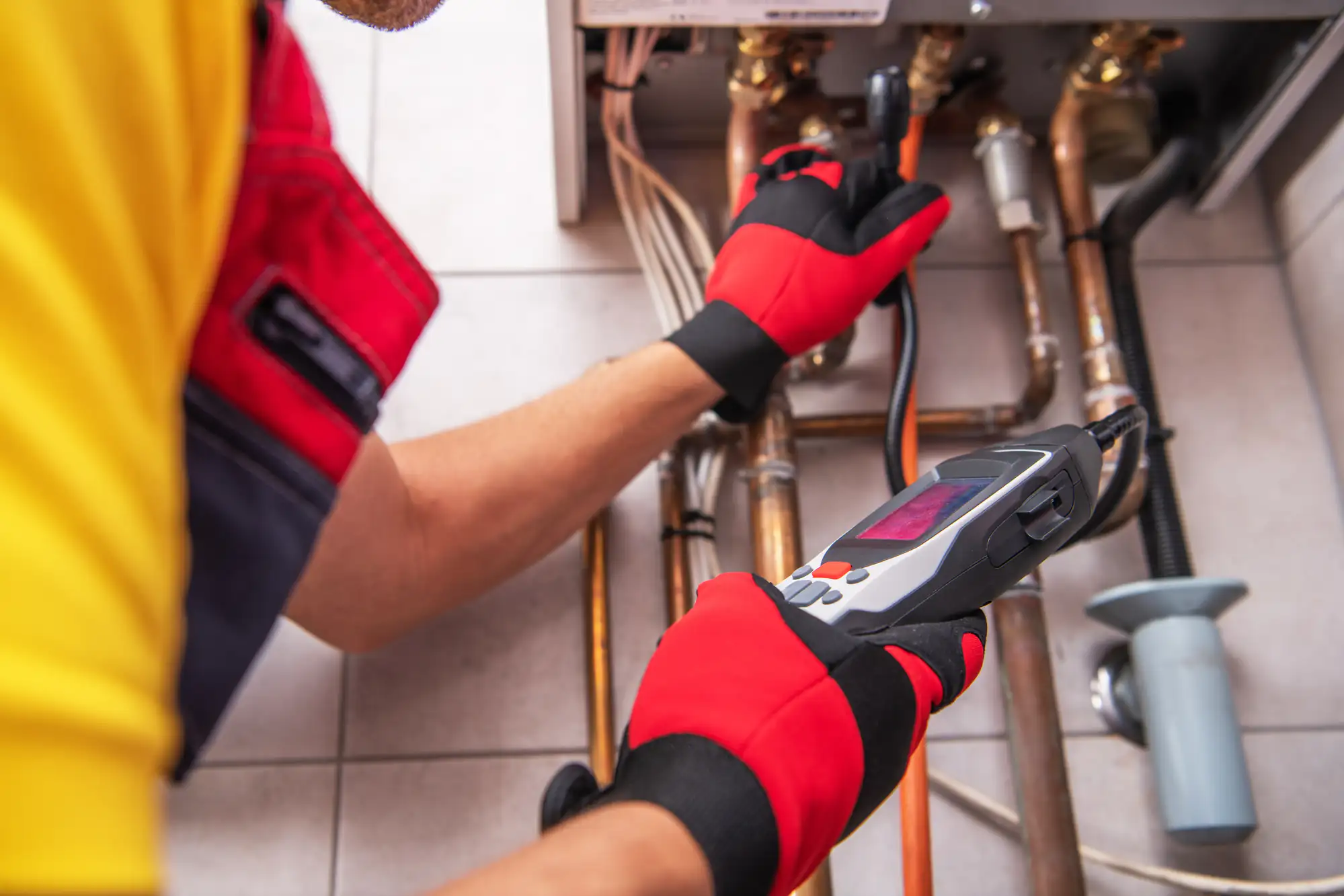
If you’re dealing with a repair, we diagnose the problem and explain what’s wrong in plain language. You get transparent pricing upfront—what it costs, what we’re doing, and how long it takes. If replacement makes more sense than another patch job, we’ll tell you why.
For new installations or full replacements, we walk through your options based on your home’s size, layout, and how you actually use your space. We handle permits, coordinate with local codes, and install systems designed for Long Island’s coastal climate. After installation, we test everything, show you how it works, and make sure you’re comfortable before we leave.
You’re not stuck figuring this out alone. We stay in touch, answer questions, and provide ongoing maintenance so your system keeps running efficiently.
Ready to get started?
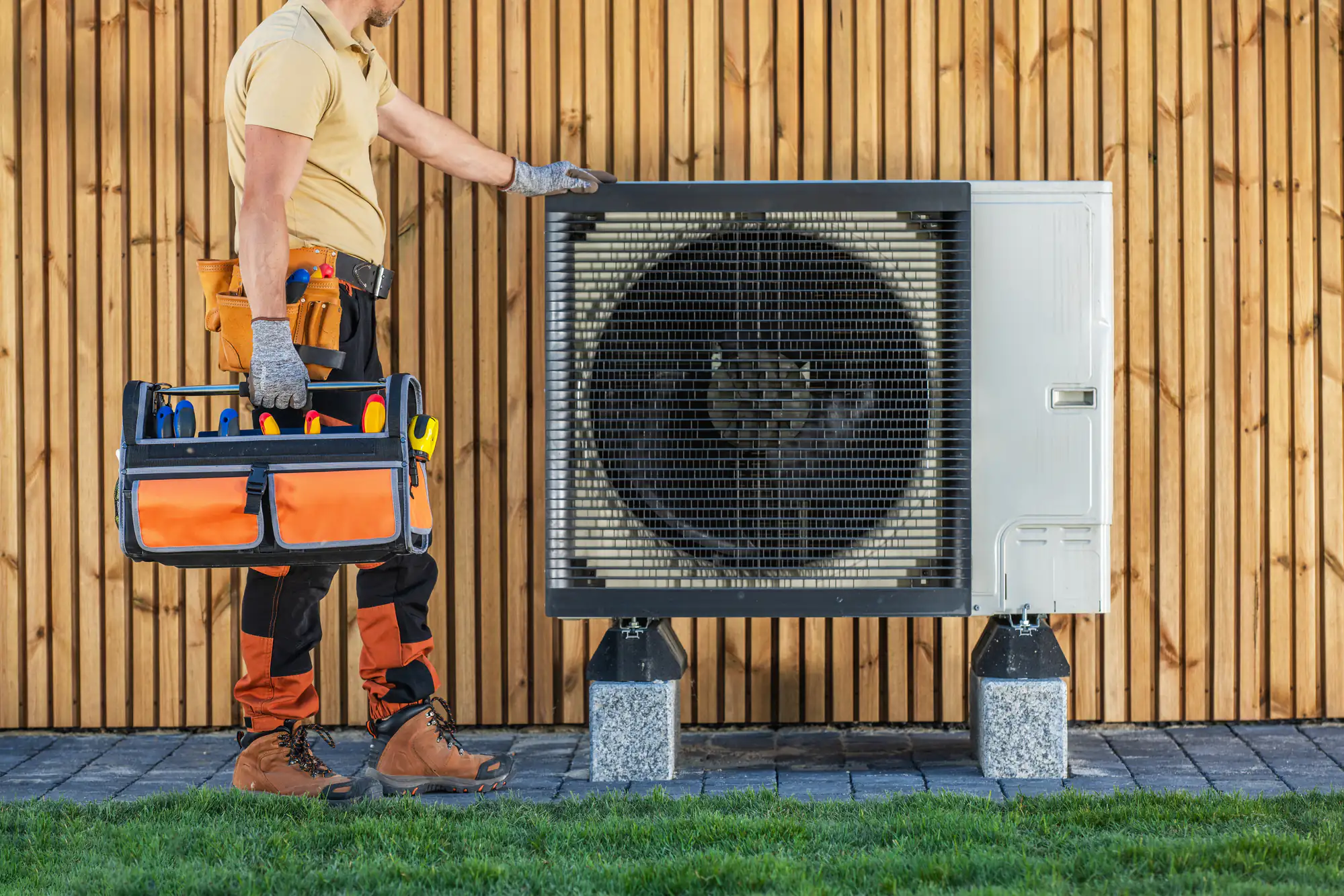
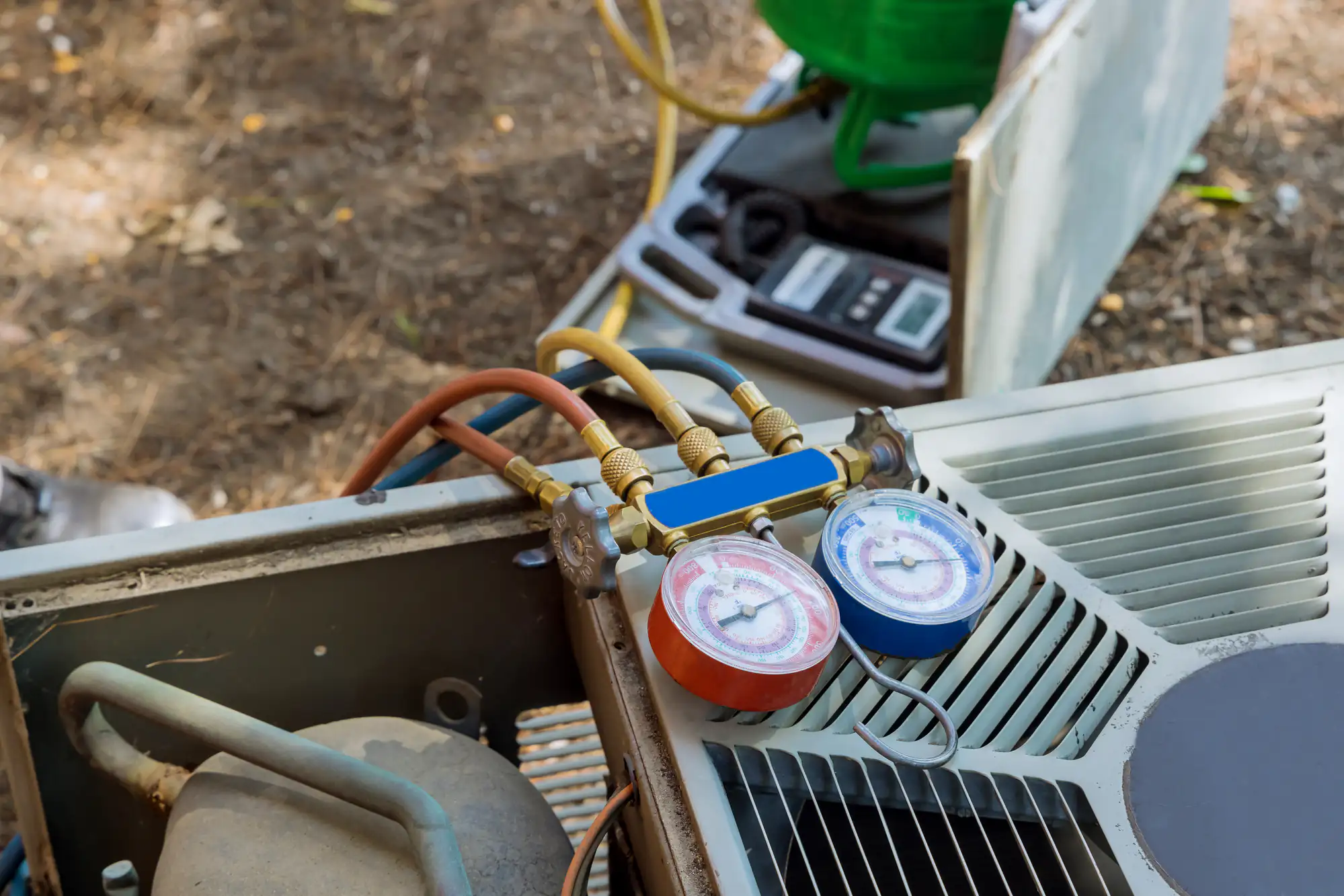
Air conditioning repair and replacement for systems struggling with Lido Beach’s summer heat. We handle everything from refrigerant leaks to full central AC installations that cool your entire home evenly.
Furnace installation and heating system maintenance to keep you warm through unpredictable winters. Whether you’re upgrading to a high-efficiency model or need emergency heating repair, we work with all major brands and fuel types.
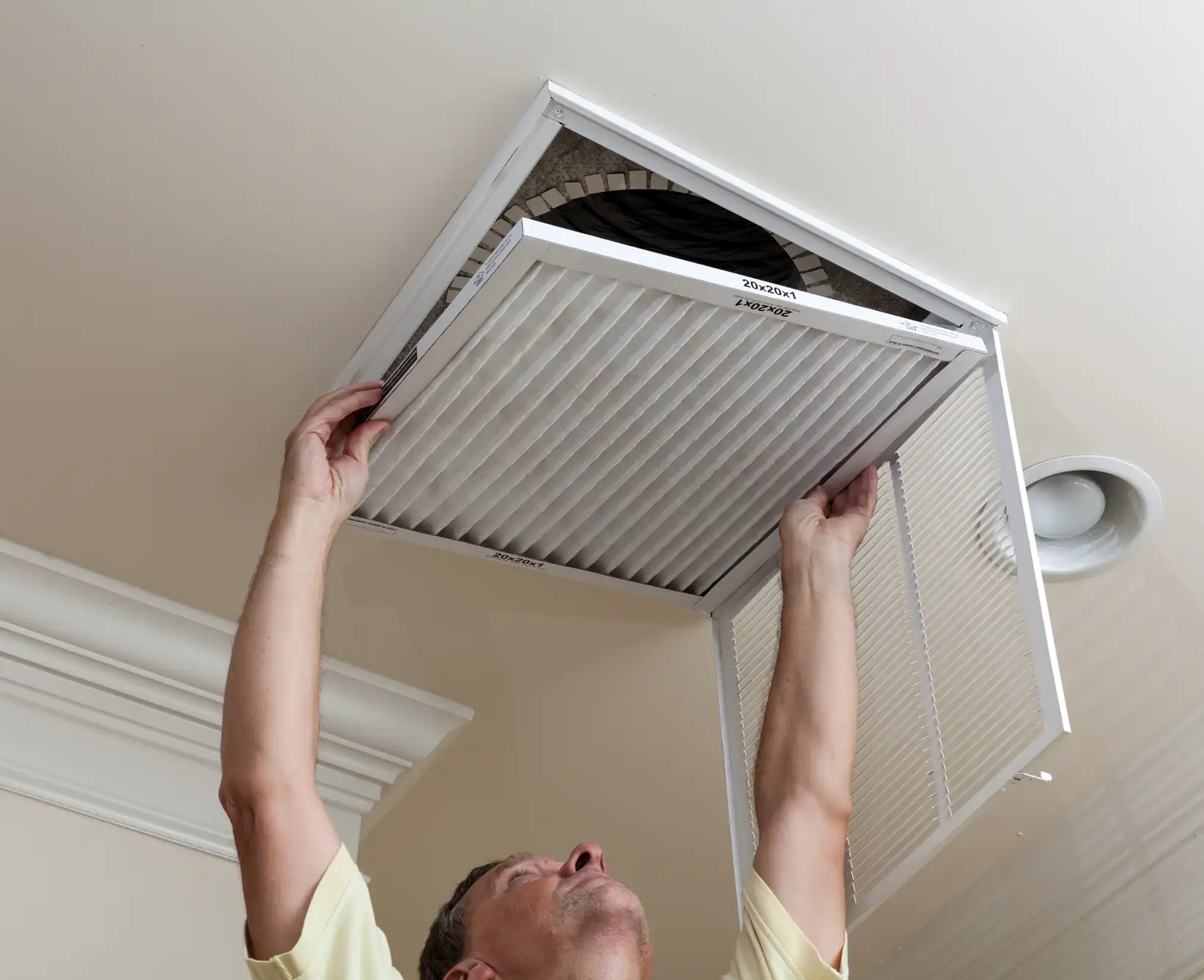
Indoor air quality solutions that address the allergens, dust, and salt particles circulating through coastal homes. Modern filtration and ventilation systems make a noticeable difference, especially if anyone in your household deals with asthma or allergies.
HVAC replacement when your current system is costing more to repair than it’s worth. We help you choose energy-efficient models that lower utility bills and qualify for available rebates. In Nassau County, where replacement projects grow faster than new construction, upgrading now protects your investment and avoids the rush when equipment fails during peak season.
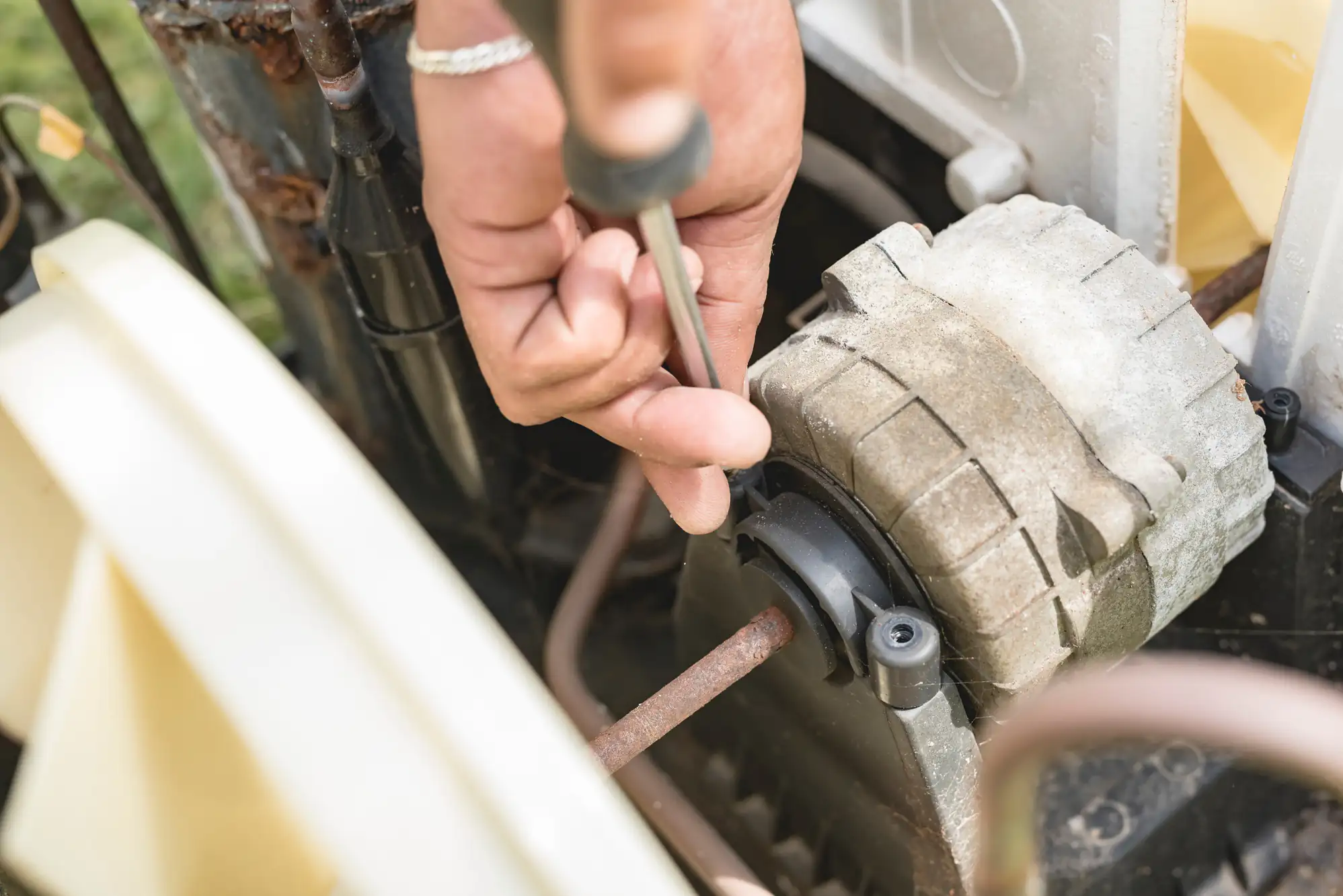
Full HVAC replacement in the New York metro area typically runs between $6,500 and $8,500, higher than the national average because of local labor costs, permitting requirements, and the specific equipment needed for coastal conditions. That range covers removal of your old system, installation of new heating and cooling equipment, and any necessary ductwork modifications.
Your actual cost depends on your home’s size, the efficiency level you choose, and whether your existing ductwork needs updates. A 1,500-square-foot home needs less capacity than a 3,000-square-foot property. Higher SEER-rated units cost more upfront but significantly lower your energy bills over time.
We provide free estimates that break down exactly what you’re paying for. No hidden fees. No surprise charges after the work starts. You’ll know the full scope and cost before we begin.
Once a year, ideally in early fall before you need your furnace regularly. Annual maintenance catches small issues before they become expensive emergency repairs in January when temperatures drop and every HVAC company is booked solid.
During a maintenance visit, we inspect your heat exchanger for cracks, test your thermostat calibration, check gas connections for leaks, clean burners, and verify your system is operating at the efficiency it’s rated for. We also replace filters and examine ductwork for air leaks that waste energy.
Skipping maintenance doesn’t just risk breakdowns. It voids most manufacturer warranties, which require proof of regular professional service. In coastal areas like Lido Beach, salt air accelerates wear on HVAC components, making annual checkups even more important than they’d be inland.
Uneven cooling is the most common early warning. If your bedroom stays hot while the living room freezes, something’s wrong with airflow, refrigerant levels, or your ductwork. Strange noises—grinding, squealing, or banging—mean components are failing and need attention before they damage other parts of the system.
Higher energy bills without increased usage indicate your AC is working harder than it should to maintain temperature. Ice forming on your outdoor unit or refrigerant lines signals a serious problem, usually low refrigerant from a leak or restricted airflow from a clogged filter.
If your system cycles on and off constantly or won’t stay running, that’s a sign of electrical issues, thermostat problems, or a failing compressor. Don’t wait until it quits completely in the middle of summer. Early repairs cost less and prevent total system failure when you need cooling most.
Yes, especially in Lido Beach where you’re running AC heavily through summer and heating through winter. A high-efficiency system with a SEER rating above 16 uses significantly less electricity than older 10-SEER models, cutting your utility bills by 20-40% depending on usage.
The upfront cost is higher—usually $1,500 to $3,000 more than standard-efficiency equipment. But you recoup that through lower energy bills over the system’s 15-20 year lifespan. High-efficiency systems also increase your home’s resale value, which matters in a market where median home values approach $850,000 and buyers expect modern, efficient mechanicals.
Many high-efficiency models qualify for utility rebates and tax credits that offset the initial investment. We help you navigate available incentives and choose equipment that makes financial sense for how long you plan to stay in your home.
Salt air is corrosive. It deteriorates outdoor condenser coils, electrical connections, and metal components faster than you’d see a few miles inland. Standard HVAC equipment that lasts 15-20 years elsewhere might need replacement in 10-12 years near the coast without proper maintenance and protection.
Humidity levels stay higher year-round in Lido Beach, forcing your AC to work harder removing moisture from the air. That extra workload increases wear on your compressor and blower motor. Systems not properly sized for coastal humidity struggle to maintain comfortable indoor conditions even when temperatures seem moderate.
We install and maintain systems with corrosion-resistant coatings and components designed for marine environments. Regular coil cleaning removes salt buildup before it causes damage. Proper drainage prevents moisture accumulation that accelerates rust and mold growth in ductwork. These aren’t extras—they’re necessities for HVAC systems on the barrier island.
If your system is under 10 years old and the repair costs less than half the price of replacement, fixing it usually makes sense. A failed capacitor, refrigerant leak, or broken blower motor are straightforward repairs that extend your system’s life for a reasonable cost.
Replacement becomes the smarter choice when your equipment is over 15 years old, needs frequent repairs, or when a major component like the compressor or heat exchanger fails. At that point, you’re investing significant money into outdated, inefficient equipment that will need replacing soon anyway.
We’ll be straight with you about which option makes financial sense. If a $600 repair buys you three more years from a well-maintained system, we’ll tell you. If you’re looking at a $2,500 repair on a 17-year-old unit that’s already inefficient, we’ll explain why replacement protects you better long-term. You decide based on honest information, not a sales pitch.
Other Services we provide in Lido Beach