Hear from Our Customers
Your furnace kicks on the first cold night without that grinding noise. Your AC cools every room evenly instead of leaving the upstairs like a sauna. You’re not calling for emergency repairs every few months or wondering if this winter will be the one where everything fails.
That’s what a properly installed and maintained residential HVAC system does. It runs quietly in the background while you focus on everything else.
Long Island’s climate is tough on equipment. Humid summers make your AC work overtime. Salt air from the ocean corrodes outdoor components faster than you’d expect. And when your system does fail during a heatwave or cold snap, you need someone who answers the phone and shows up prepared.
You also want to know what’s wrong, what it costs, and whether repair makes sense before anyone starts work. That’s not asking too much—it’s basic transparency.
We’ve been handling heating and cooling systems across Long Island since the 1980s. We built our reputation on commercial refrigeration and marine HVAC—complex systems that don’t tolerate guesswork or shortcuts.
Now we’re bringing that same level of expertise to residential HVAC services in Lindenhurst and throughout Nassau County. Same attention to detail. Same commitment to doing it right the first time.
Our technicians carry EPA Section 608 certification and stock parts for most common repairs. When you call, you talk to us directly—not voicemail. When we diagnose a problem, we explain what’s happening and give you options before touching anything. And when we install new equipment, it’s sized correctly for your home and built to handle what Long Island weather throws at it.
It starts with a conversation. You tell us what’s happening—no heat, weak airflow, strange sounds, whatever the issue is. We ask a few questions to understand the situation and schedule a time that works for you.
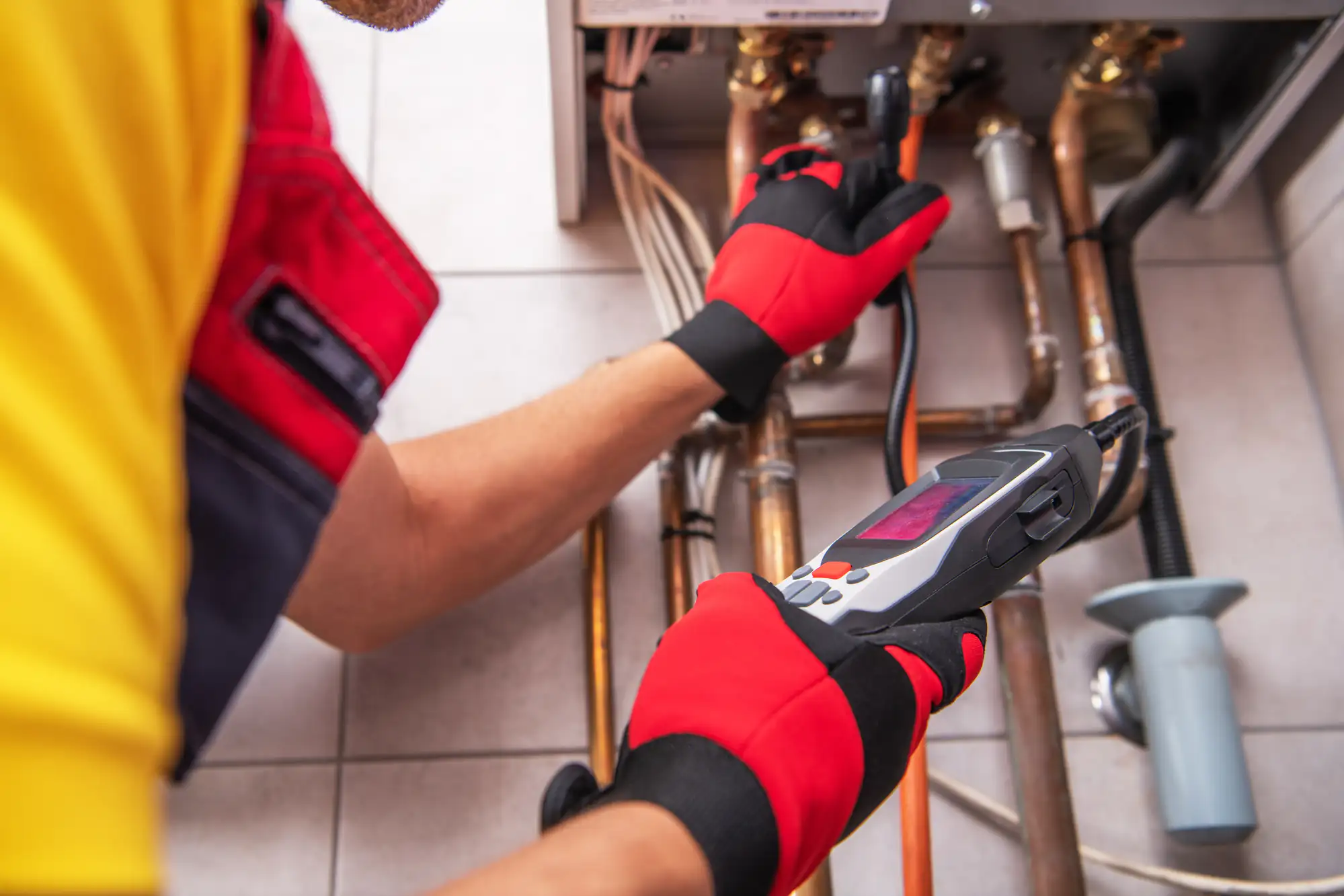
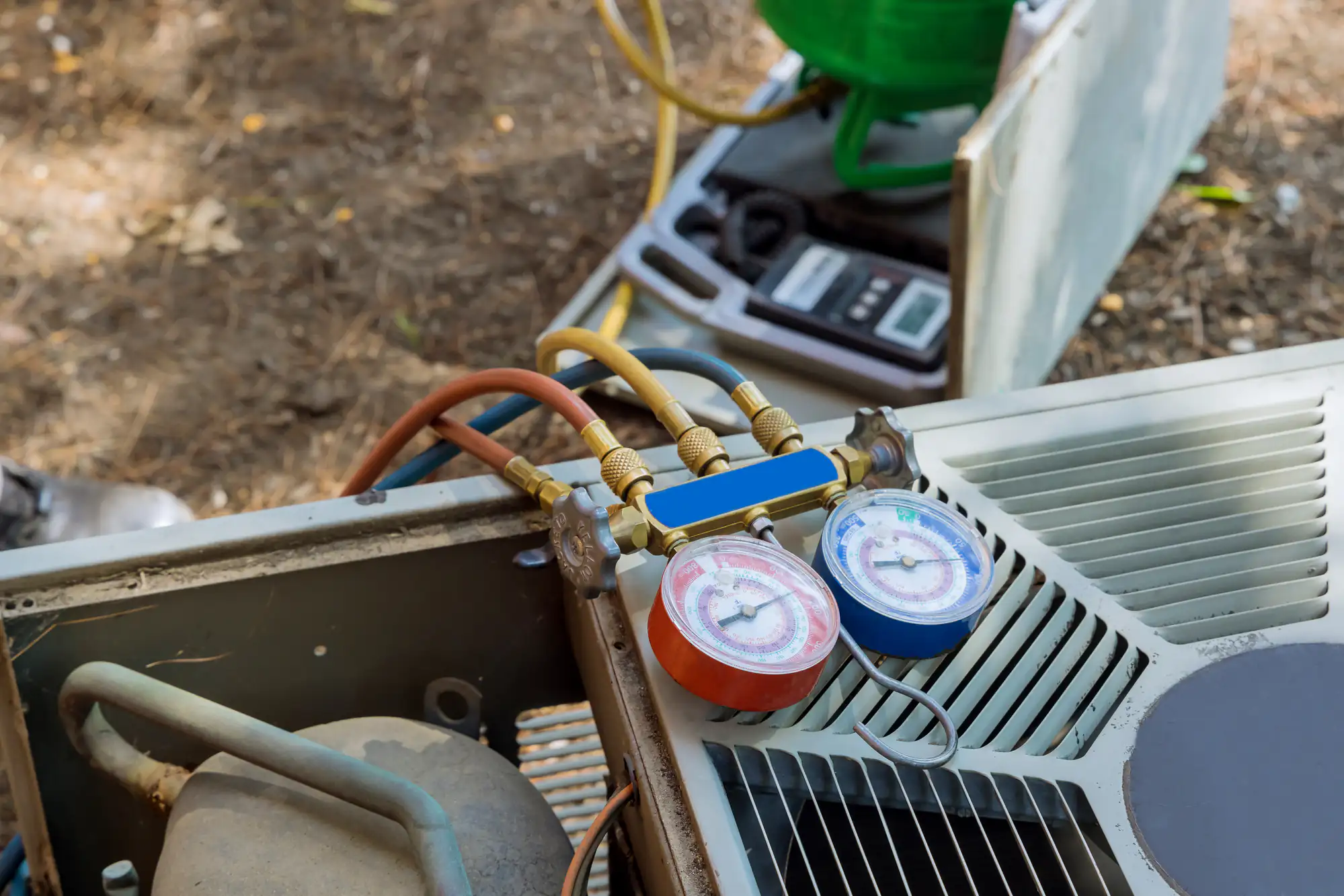
When we arrive, we run a full diagnostic. That means checking the obvious stuff and the things most homeowners wouldn’t think to look at. Electrical connections, refrigerant levels, airflow, safety controls. We’re looking for the actual problem, not just the symptom.
Once we know what’s wrong, we walk you through it. What failed, why it failed, what it takes to fix it, and what it costs. If you’re looking at a repair-or-replace decision, we’ll give you the information you need to make that call yourself.
For installations—whether it’s a new furnace, AC unit, heat pump, or ductless system—we start with proper sizing. Your home’s square footage, insulation, window placement, and layout all matter. An oversized system cycles on and off constantly and wastes energy. An undersized one runs nonstop and never quite gets the job done. We take measurements, run the calculations, and install equipment that fits your actual needs.
After installation, we test everything, show you how it works, and make sure you’re comfortable with the new system before we leave.
Ready to get started?
Air conditioning repair when your system stops cooling or starts leaking. We handle refrigerant leaks, compressor failures, frozen coils, and electrical issues. Most repairs happen the same day because our trucks carry the parts we need.
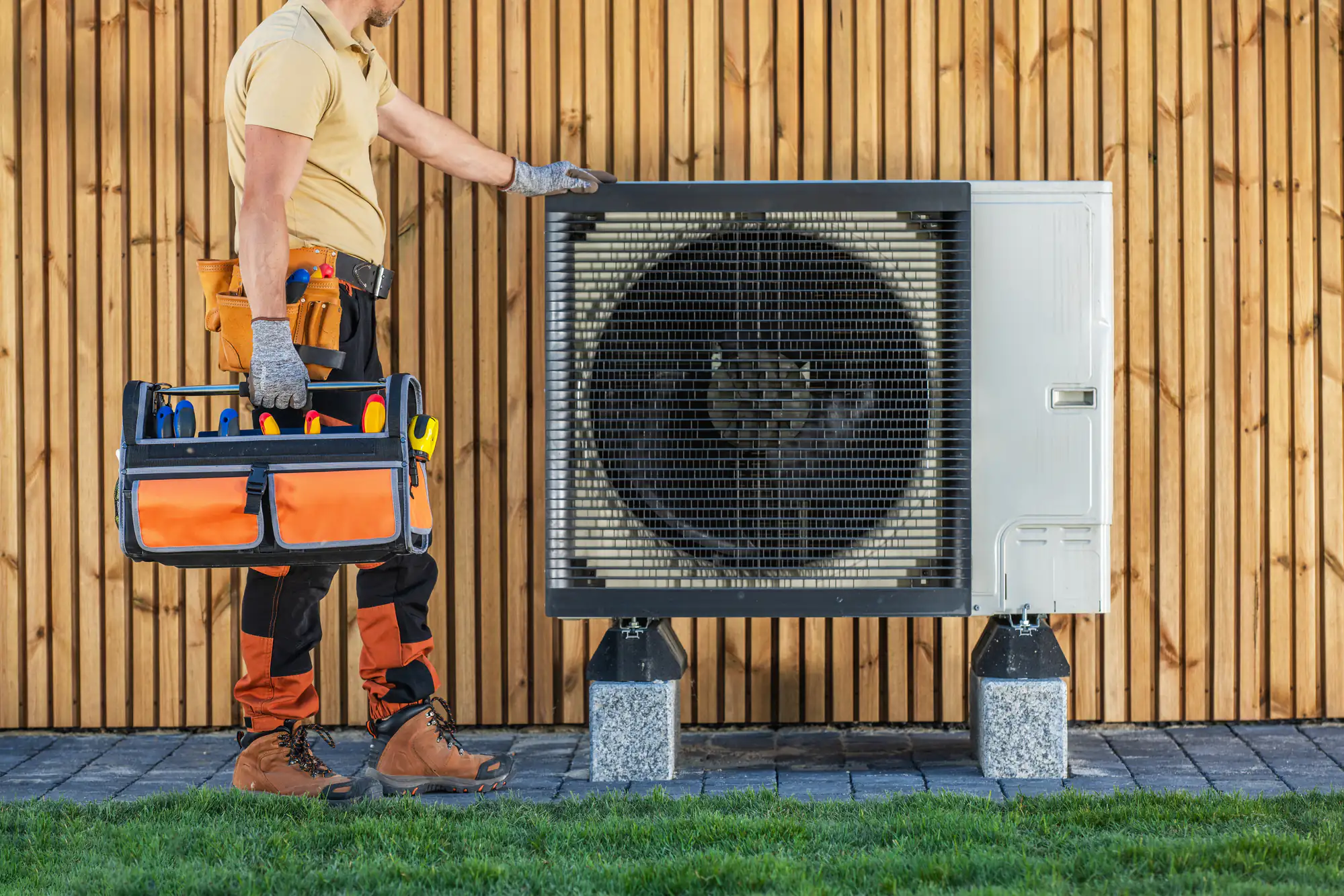
Furnace installation and heating system maintenance for Long Island winters. Whether you’re replacing an old gas furnace, upgrading to a heat pump, or installing a ductless mini-split, we size equipment correctly and install it to manufacturer specs. Regular maintenance visits catch small problems before they become expensive ones and keep your system running efficiently.
HVAC replacement when repair doesn’t make financial sense anymore. If your system is 15 years old and needs a major component replaced, we’ll run the numbers with you. Sometimes fixing it buys you a few more years. Sometimes you’re better off replacing it now and avoiding the next breakdown.
Indoor air quality solutions for homes that feel stuffy or trigger allergies. Lindenhurst homes stay sealed tight during extreme weather, which means pollutants circulate instead of venting out. We install air purifiers, upgrade filtration, add ventilation, and address humidity issues that make your home uncomfortable.
Energy-efficient systems that lower your utility bills without sacrificing comfort. Heat pumps, programmable thermostats, and high-efficiency equipment cost more upfront but pay you back over time. We’ll explain what qualifies for rebates and tax credits so you know what’s available.
Once a year, ideally in early fall before you need heat. That gives you time to address any problems before the first cold snap hits.
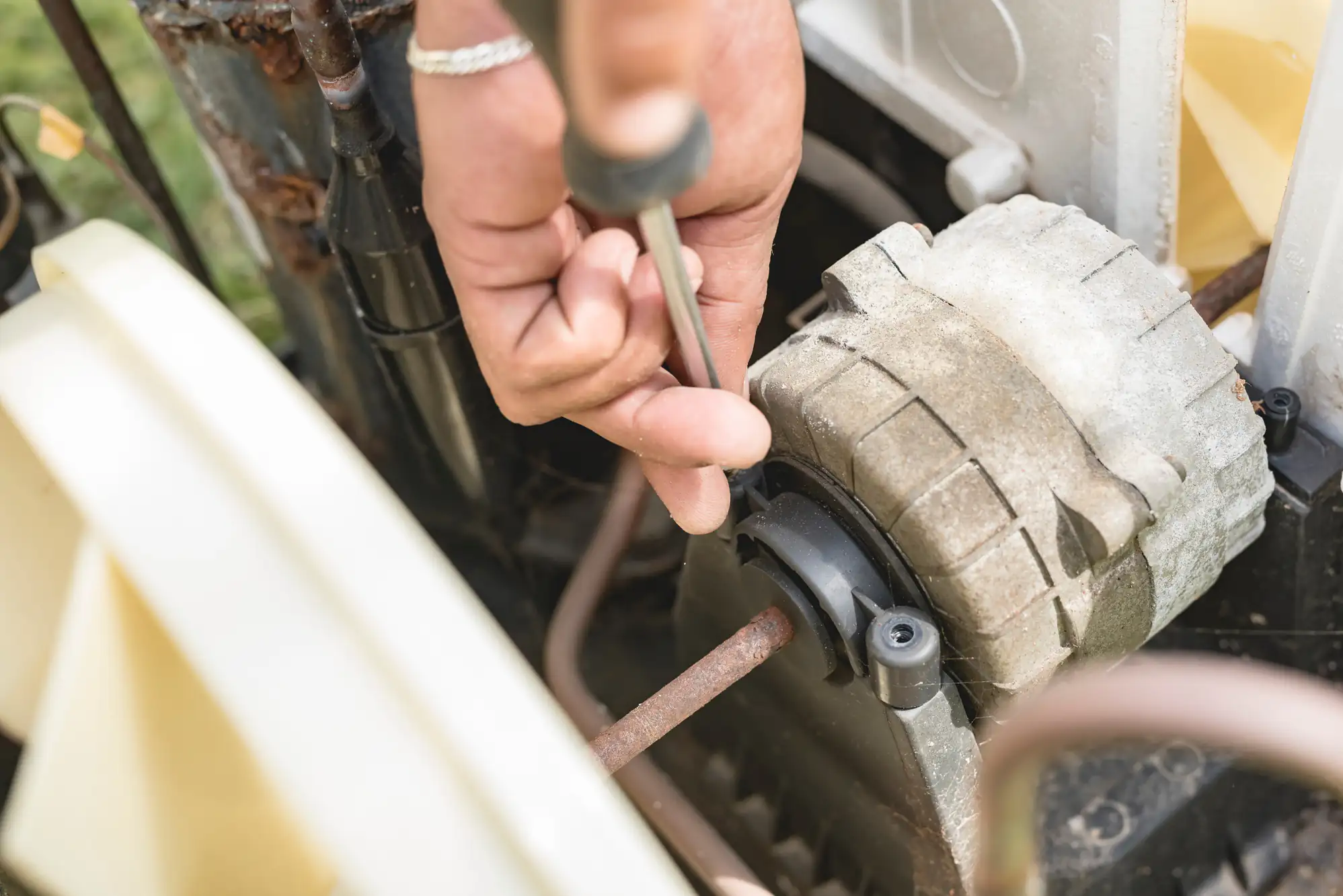
Annual maintenance includes cleaning burners, checking gas connections, testing safety controls, inspecting the heat exchanger for cracks, and verifying proper airflow. These checks catch issues like carbon monoxide risks, efficiency losses, and parts wearing out.
Long Island’s humidity and salt air are harder on HVAC equipment than drier climates. Components corrode faster. Outdoor units take more abuse. Regular maintenance extends equipment life and reduces the chance of a breakdown when you actually need heat.
It depends on your home’s size, the equipment you choose, and whether you’re replacing just the AC, just the furnace, or both. A straightforward replacement for an average-sized home typically runs between $5,000 and $12,000.
Higher-efficiency systems cost more upfront but use less energy. Heat pumps handle both heating and cooling but require a larger initial investment than a standard AC unit. Ductless mini-splits work well for additions or homes without existing ductwork but price out differently than central systems.
We give you a detailed estimate after seeing your home and understanding what you need. That includes equipment costs, labor, any modifications to ductwork or electrical, permits, and cleanup. No surprises, no hidden fees. And we’ll explain what rebates or tax credits you might qualify for—New York offers incentives for energy-efficient heat pumps and other upgrades that can offset some of the cost.
If your system is under 10 years old and the repair costs less than half the price of replacement, repair usually makes sense. If it’s over 15 years old and needs a major component like a compressor, replacement is often the smarter move.
Here’s why: older systems use less efficient technology and cost more to run. When a major part fails, you’re paying for an expensive repair on equipment that’s already near the end of its lifespan. You might get another few years out of it, or you might face another breakdown next season.
We’ll walk you through the math. Repair cost versus replacement cost. How much longer you can reasonably expect the system to last. What you’d save on energy bills with a newer, more efficient unit. Then you decide what makes sense for your situation and budget.
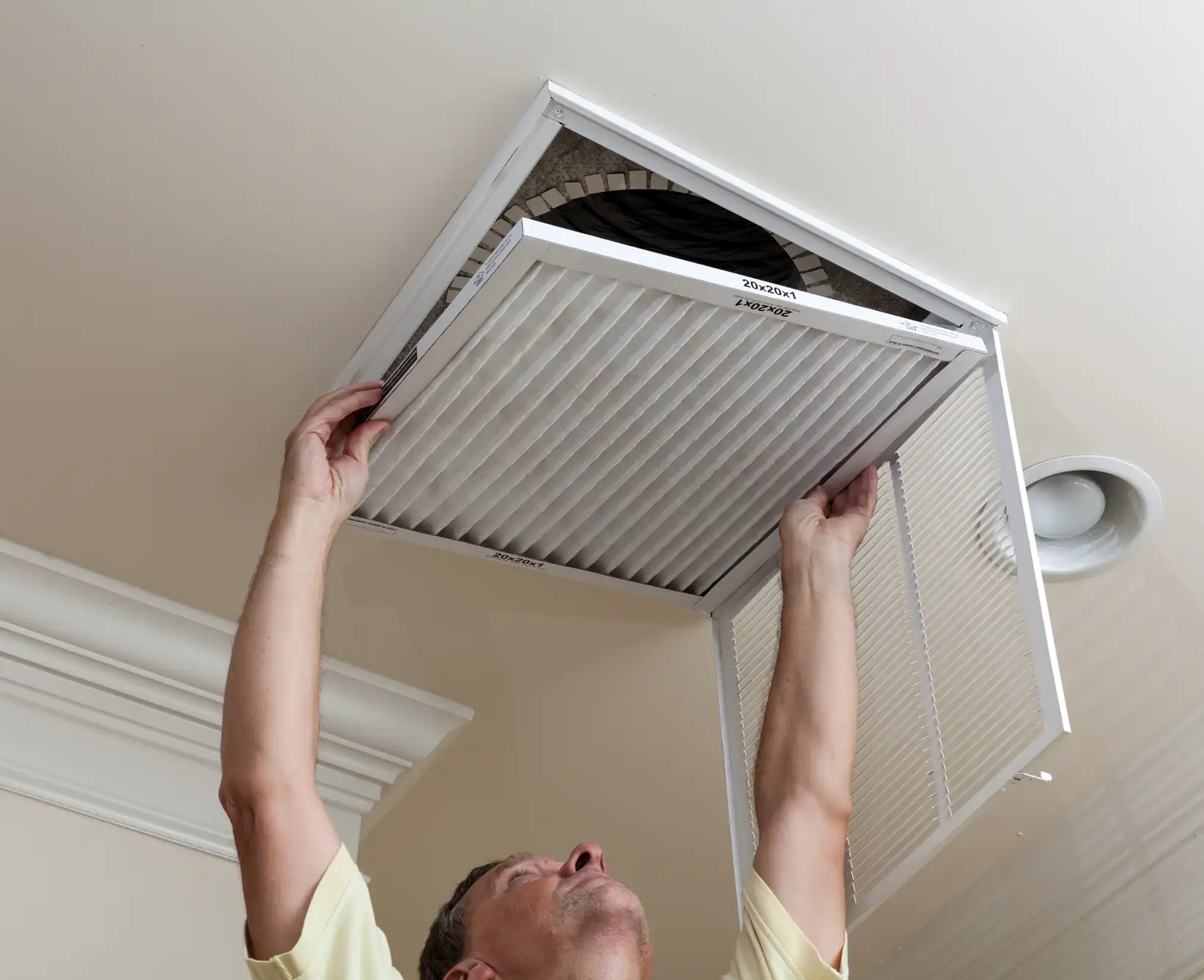
Start with your HVAC filter. Most homes use cheap fiberglass filters that barely catch anything. Upgrading to a higher MERV-rated filter traps more dust, pollen, and allergens without restricting airflow.
Beyond filters, consider an air purifier integrated into your HVAC system. These units use UV light or electronic filtration to remove particles your standard filter misses. They’re especially helpful if anyone in your home deals with allergies or asthma.
Humidity control matters too. Long Island’s humid summers make homes feel sticky and promote mold growth. A whole-home dehumidifier works with your AC to maintain comfortable humidity levels. In winter, when heating dries out indoor air, a humidifier prevents the scratchy throat and static electricity that come with overly dry conditions. We assess your home’s specific air quality issues and recommend solutions that actually address what you’re dealing with.
Yes. We provide 24/7 emergency service throughout Nassau County because HVAC failures don’t wait for business hours.
When your furnace quits on a freezing night or your AC dies during a heatwave, you need help fast. We answer our phones directly—no voicemail system to navigate. We’ll ask a few questions to understand the situation and get someone to your home as quickly as possible, typically within a few hours.
Our service trucks carry an extensive parts inventory, which means we fix about 70% of emergency calls on the spot. For the repairs that need a special-order part, we’ll do everything we can to get you temporary comfort while we source what’s needed. Emergency rates apply for after-hours calls, but we’re upfront about pricing before we start work. No surprises when you’re already dealing with a broken system.
It depends on your home’s square footage, insulation quality, window placement, ceiling height, and how many people live there. There’s no one-size-fits-all answer, which is why proper sizing requires an actual assessment.
An oversized system cools or heats your home quickly but shuts off before completing a full cycle. That causes temperature swings, wastes energy, and wears out components faster. An undersized system runs constantly, struggles to maintain comfort, and drives up your utility bills.
We use Manual J load calculations—the industry standard for proper HVAC sizing. We measure your home, account for insulation levels, check window efficiency, and factor in Long Island’s climate. Then we recommend equipment that matches your home’s actual heating and cooling needs. It’s not the fastest way to give you a quote, but it’s the right way to make sure you’re not overpaying for equipment you don’t need or undershooting and ending up uncomfortable.