Hear from Our Customers
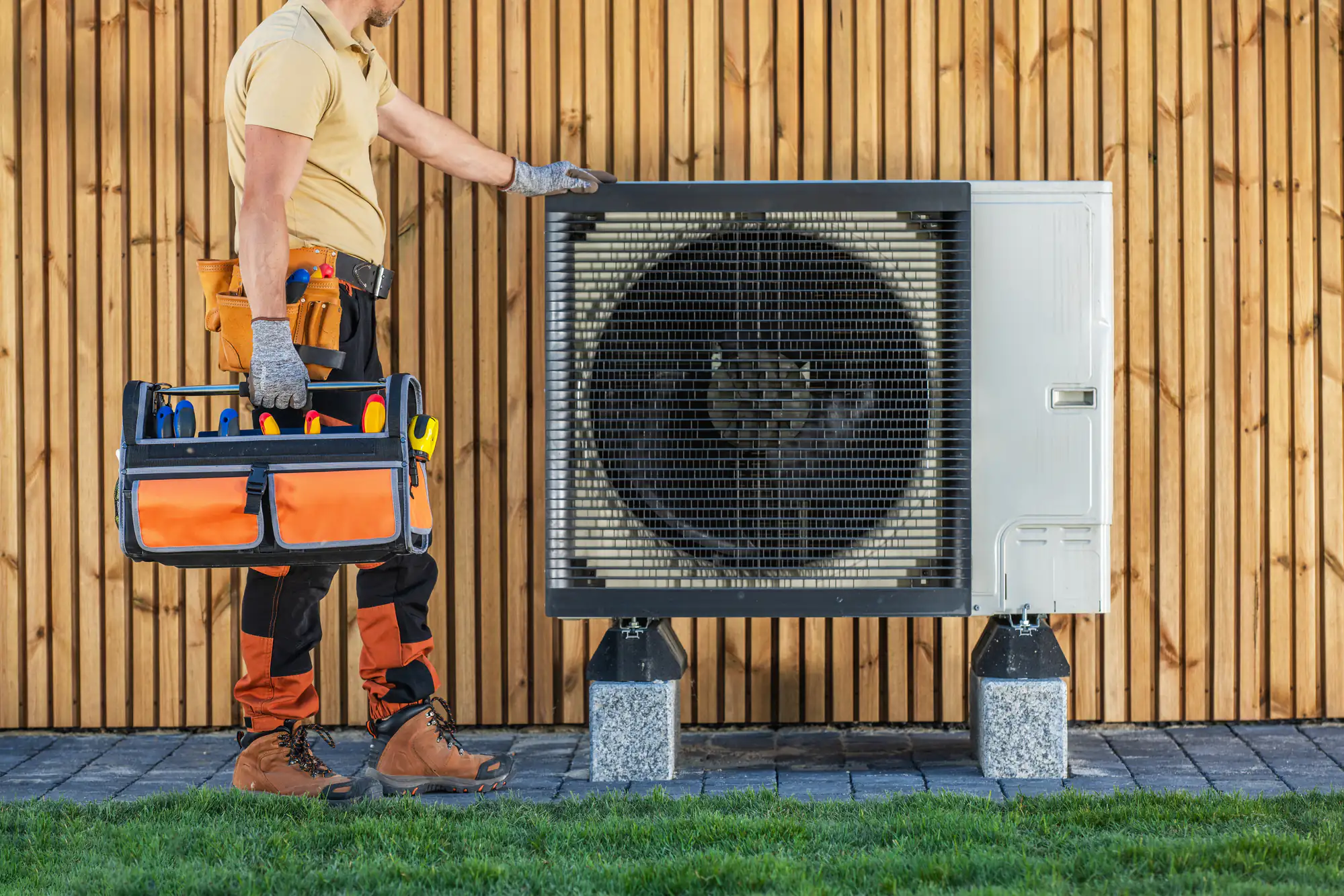
Your HVAC system shouldn’t be something you think about until it stops working. But when you’re paying to cool your attic instead of your living room, or your furnace quits during a January cold snap, it becomes the only thing on your mind.
A properly installed and maintained system can cut your energy bills by 10-30%. That’s not marketing talk—that’s what happens when ductwork doesn’t leak, filters get changed on schedule, and equipment actually matches your home’s needs. You stop throwing money at utility companies and start keeping your house at the temperature you set.
The homeowners we work with in Manhasset Hills aren’t looking for the cheapest option. They want systems that last, technicians who show up when they say they will, and service that doesn’t require three follow-up calls. When your median home value is over $800,000, your HVAC system should work as well as everything else in your house.
We’ve spent 40+ years handling HVAC and refrigeration for airports, restaurants, catering halls, and marine applications. These aren’t simple installations. They’re systems that can’t fail, in environments that don’t forgive mistakes.
Now we’re bringing that same level of precision to residential HVAC services in Manhasset Hills, NY. The technical skills that keep a commercial kitchen running or a yacht comfortable in the Atlantic translate directly to your home—just with better hours and less salt water.
You’re not getting a crew that learned on YouTube. You’re getting licensed professionals who’ve solved problems most residential techs have never seen. And when your AC dies at 9 PM on a Saturday in July, we’re available—because we’ve always run 24/7 for our commercial clients.
You call or submit a request. We schedule a time that works for you—not just “sometime Tuesday between 8 and 5.” If it’s an emergency, we’re there the same day.
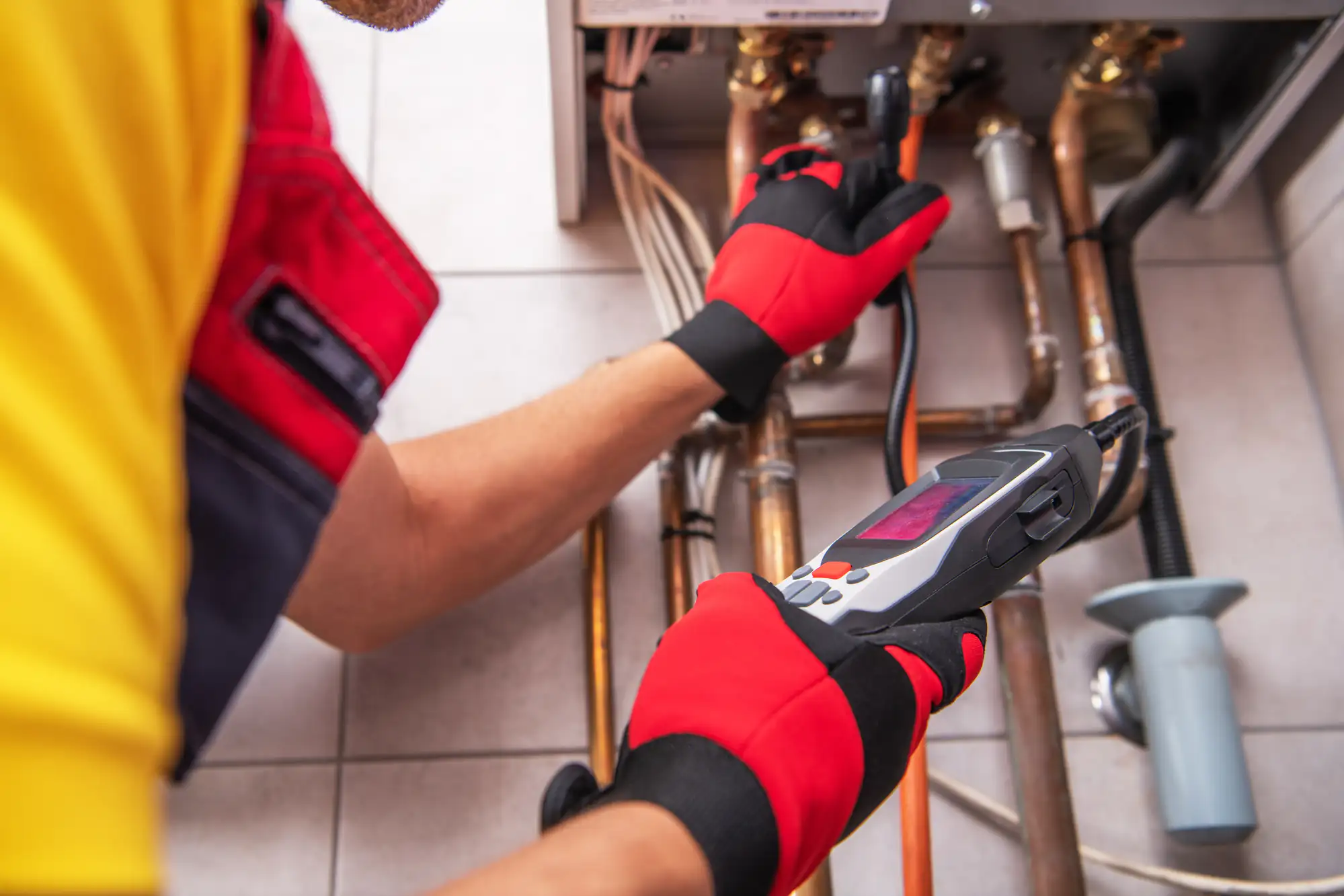
Our technician shows up and actually diagnoses the problem before selling you anything. That means testing, measuring, and explaining what’s wrong in plain language. You get a written estimate before any work starts. No surprises, no “while we’re here” upsells that weren’t discussed.
If it’s a repair, we fix it and test the system to make sure it’s running correctly. If it’s an installation, we walk you through equipment options based on your home’s size, your budget, and what you actually need—not what has the highest margin. After the work is done, we clean up and show you how everything operates.
Then we follow up. Not to sell you something else, but to make sure the system is performing the way it should.
Ready to get started?
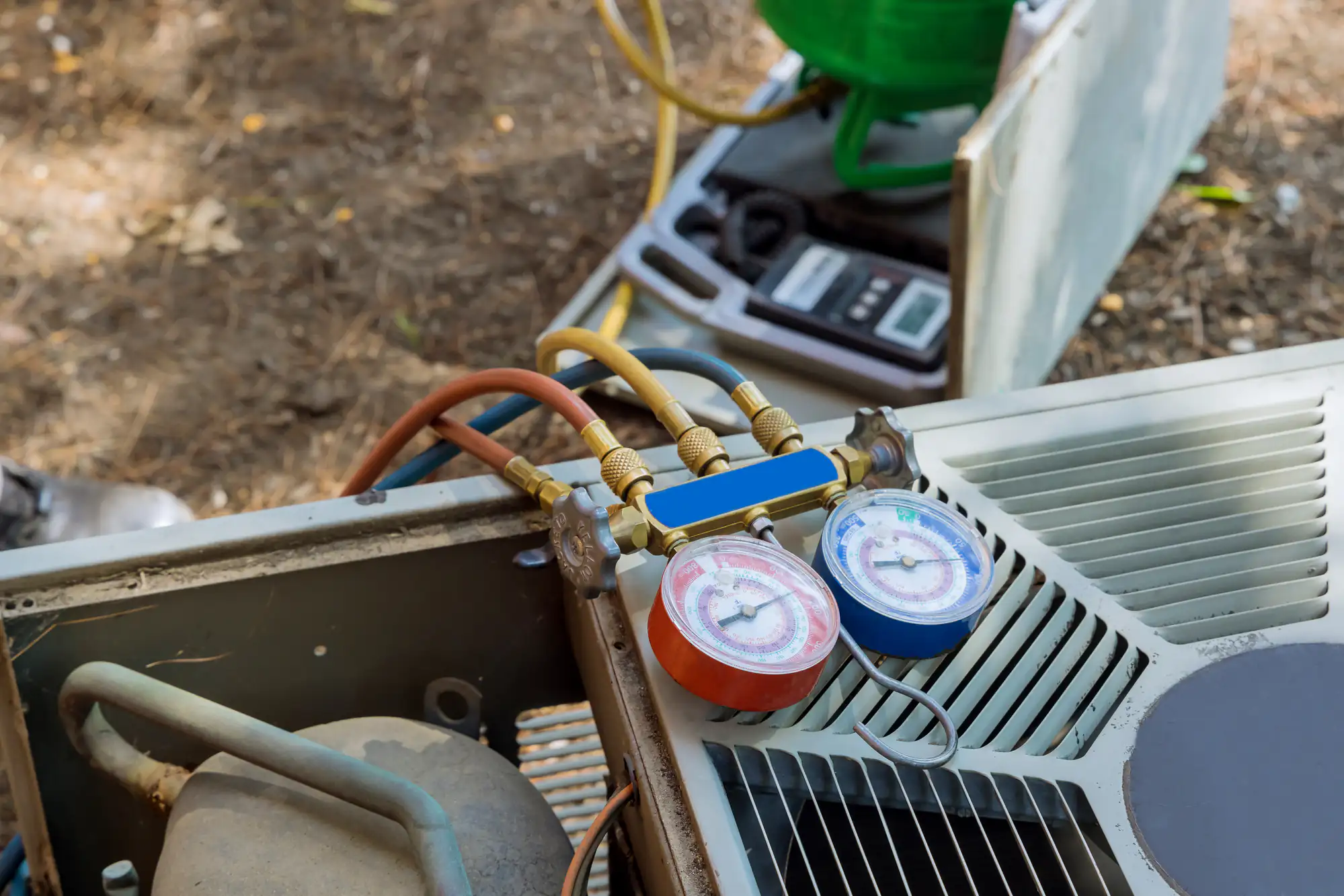
Every residential HVAC service we provide in Manhasset Hills starts with a real assessment. That means looking at your entire system—not just the part that’s broken. Ductwork, airflow, thermostat calibration, refrigerant levels, electrical connections. If something’s going to cause a problem in six months, you should know about it now.
For heating system maintenance, that includes cleaning burners, checking heat exchangers for cracks, testing safety controls, and making sure your furnace isn’t running at half capacity because nobody’s touched it in three years. For air conditioning repair, it’s refrigerant pressure, coil cleaning, drain line clearing, and airflow verification.
With energy costs in Manhasset running higher than surrounding areas, efficiency isn’t optional. We measure temperature splits, check for duct leakage, and make sure your system isn’t working twice as hard as it should. When we install new equipment, we calculate load requirements properly—because an oversized system costs more to run and doesn’t dehumidify correctly.
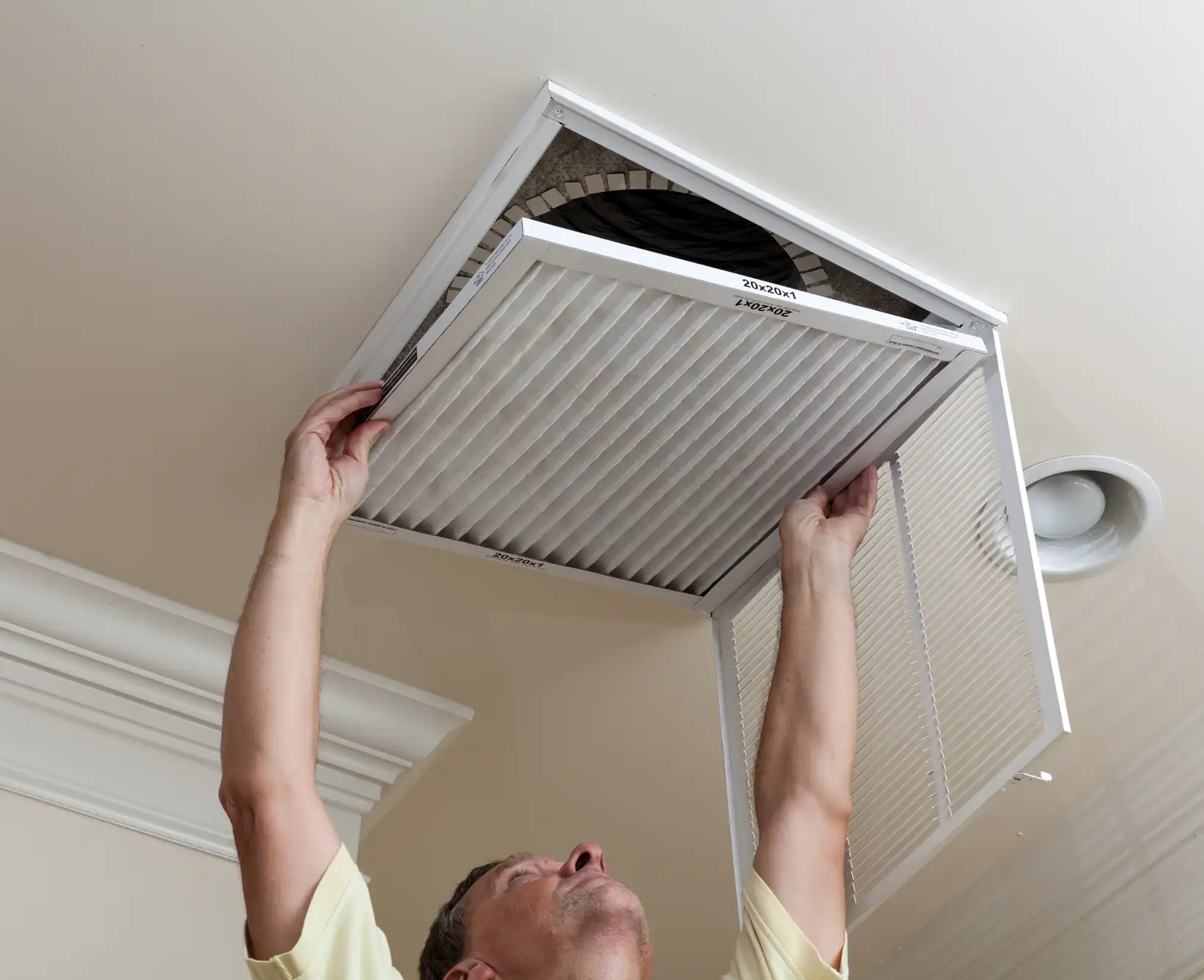
Indoor air quality matters too. If you’re dusting twice a week and still seeing buildup, your ductwork might be the problem. We check for leaks, seal what needs sealing, and recommend filtration upgrades when they’ll actually make a difference.
Once a year, ideally in early fall before you need the heat. That gives you time to address any issues before the first cold snap hits in November or December.
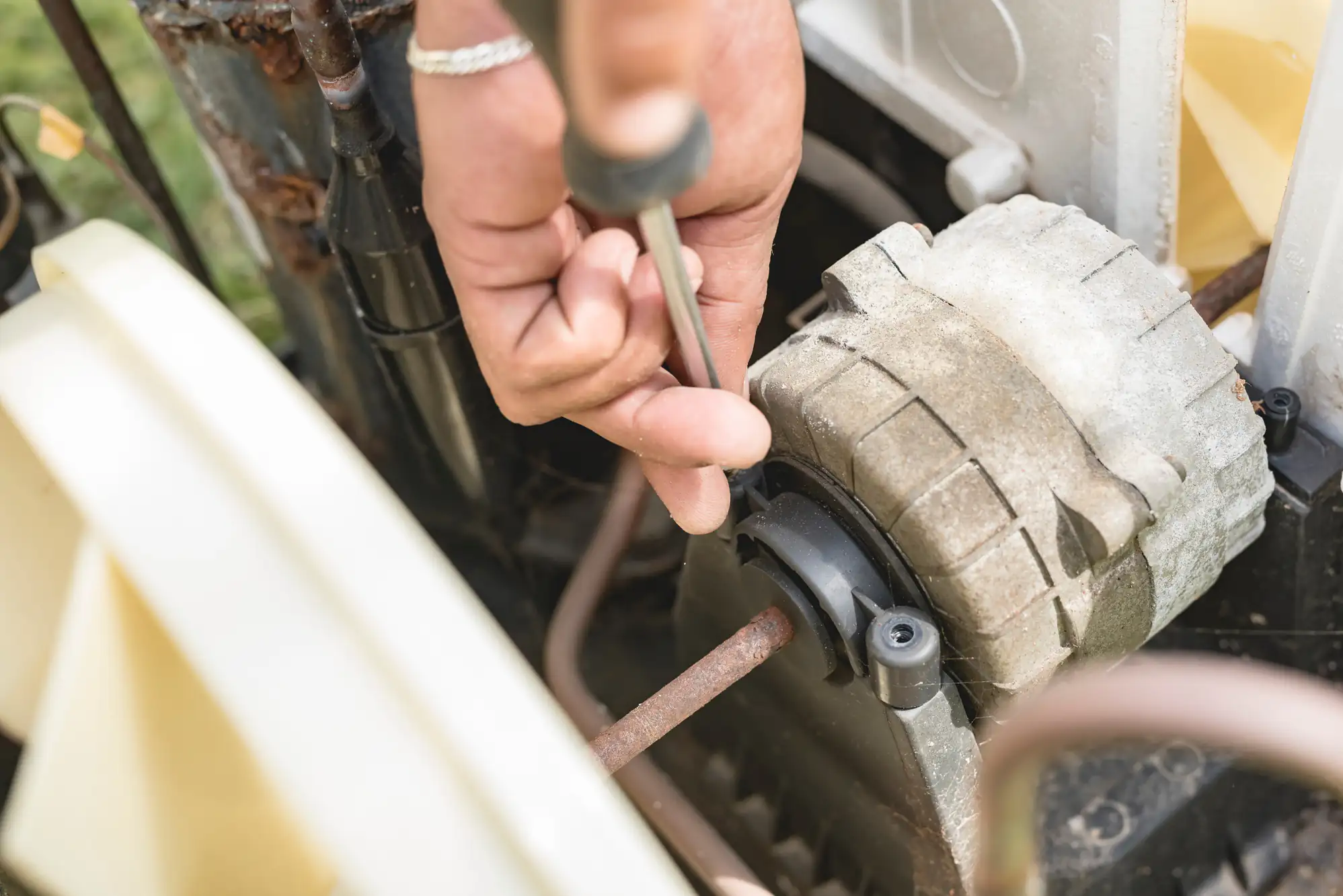
Annual maintenance isn’t just about preventing breakdowns. It’s about efficiency. A furnace that hasn’t been cleaned or tuned in two years can lose 15-20% of its efficiency. You’re burning more fuel to get the same amount of heat, and your utility bills reflect that.
During a maintenance visit, we’re checking components that wear out gradually—igniters, flame sensors, blower motors, heat exchangers. Catching a cracked heat exchanger during maintenance prevents a carbon monoxide issue during operation. Replacing a failing blower motor before it seizes prevents a no-heat emergency at midnight.
For a complete system replacement in a typical Manhasset Hills home, you’re generally looking at $8,000 to $18,000, depending on the size of your home, the equipment you choose, and how complex the installation is.
A 2,500 square foot home with straightforward ductwork and a mid-tier system usually falls in the $10,000-$13,000 range. Larger homes, high-efficiency equipment, or installations that require ductwork modifications will run higher. If you’re adding zoning, upgrading to a variable-speed system, or replacing old ductwork, expect to be on the upper end.
Equipment prices have increased roughly 40% since 2020, so older quotes aren’t reliable anymore. What matters more than the total price is what you’re actually getting—proper sizing, quality installation, and equipment that matches your home’s needs. An undersized system will run constantly and never keep up. An oversized system will short-cycle and cost more to operate.
Same day for true emergencies. If your AC dies during a heatwave or your heat goes out when it’s 20 degrees outside, that’s not a “next available appointment” situation.
We run 24/7 availability because we’ve always operated that way for commercial clients. A restaurant’s walk-in cooler failing at 11 PM is an emergency. Your AC failing in July when you have young kids or elderly family members at home is equally urgent.
When you call with an emergency, you’re talking to someone who can actually dispatch a technician—not an answering service that takes a message. We’ll give you a realistic timeframe and keep you updated if anything changes. Most emergency calls in Manhasset Hills get a technician on-site within 2-4 hours, depending on where our crews are when you call.
If you’re replacing a system that’s 15+ years old, yes—usually by 20-30% on your heating and cooling costs. But the savings depend on proper installation, not just the efficiency rating on the box.
A high-efficiency system installed incorrectly won’t perform any better than your old equipment. Duct leaks, improper refrigerant charge, and incorrect airflow will kill efficiency regardless of what the SEER rating says. That’s why we measure and verify everything during installation.
The other factor is sizing. An oversized system costs more upfront, costs more to run, and doesn’t control humidity properly. We calculate heat load based on your home’s square footage, insulation, window area, and orientation. In Manhasset Hills, where homes average over 2,000 square feet and energy costs run high, proper sizing makes a measurable difference in your monthly bills.
Age is the biggest factor. If your furnace is over 15 years old and needs a major repair—like a cracked heat exchanger or failed blower motor—replacement usually makes more financial sense than repair.
Here’s why: a heat exchanger replacement can cost $1,500-$2,500 in parts and labor. A blower motor is $800-$1,200. If your furnace is already 18 years old, you’re putting $2,000 into equipment that’s near the end of its lifespan anyway. You’ll likely face another expensive repair within two years.
Other signs include rising energy bills even though your usage hasn’t changed, uneven heating throughout your home, or the furnace cycling on and off constantly. Yellow flames instead of blue indicate incomplete combustion, which is a safety issue. If you’re calling for repairs every year, the cumulative cost of keeping an old system limping along usually exceeds the cost of replacement when you factor in efficiency losses and reliability.
Start with your ductwork. Leaky ducts pull in dust, insulation particles, and unconditioned air from your attic or crawl space. Sealing duct leaks and adding proper filtration addresses the source of most indoor air quality problems.
Upgrading to a higher-MERV filter helps, but only if your system can handle the increased resistance. Forcing a MERV 13 filter onto a system designed for MERV 8 will restrict airflow and reduce efficiency. We measure static pressure to make sure your blower can handle a better filter without overworking.
UV lights installed in your ductwork kill mold and bacteria. Whole-home dehumidifiers control moisture, which prevents mold growth and makes your home more comfortable. Air purifiers with HEPA filtration capture particles your standard filter misses. The right solution depends on what you’re trying to solve—allergies, dust, odors, or humidity. We test and measure first, then recommend what will actually work for your specific situation.