
Hear from Our Customers
You’re not just paying for cooler air. You’re paying for a system that handles July humidity without running constantly, dehumidifies properly so your home doesn’t feel clammy, and doesn’t quit the day before a holiday weekend.
Mill Neck homes deal with challenges most HVAC contractors never see. Salt air corrodes outdoor units faster. Stop-and-start spring weather hides problems until summer heat makes them impossible to ignore. Your system needs to work harder and smarter than systems ten miles inland.
When your air conditioning repair or furnace installation is done right the first time, you’re not calling someone back in three months. You’re not wondering why your energy bills jumped. You’re just comfortable, and your system runs the way it should.
We’ve spent over 40 years working on complex HVAC and refrigeration systems across Nassau County and the Greater New York area. That means we’ve seen what breaks, what lasts, and what coastal properties like yours actually need.
Most of our work has been commercial—airports, restaurants, marine applications. We’re used to systems that can’t go down and clients who need straight answers. Now we’re bringing that same level of expertise to residential HVAC services in Mill Neck.
You won’t get a runaround. You’ll get someone who knows how to handle furnace installation in homes with radiant zones, air conditioning repair on units exposed to salt air, and heating system maintenance that actually prevents problems instead of just checking boxes.
You call or reach out online. We schedule a time that works for you—not just what’s convenient for us. If it’s an emergency, we respond fast. We’ve been doing 24/7 consulting for commercial clients for years, and that doesn’t change for residential.
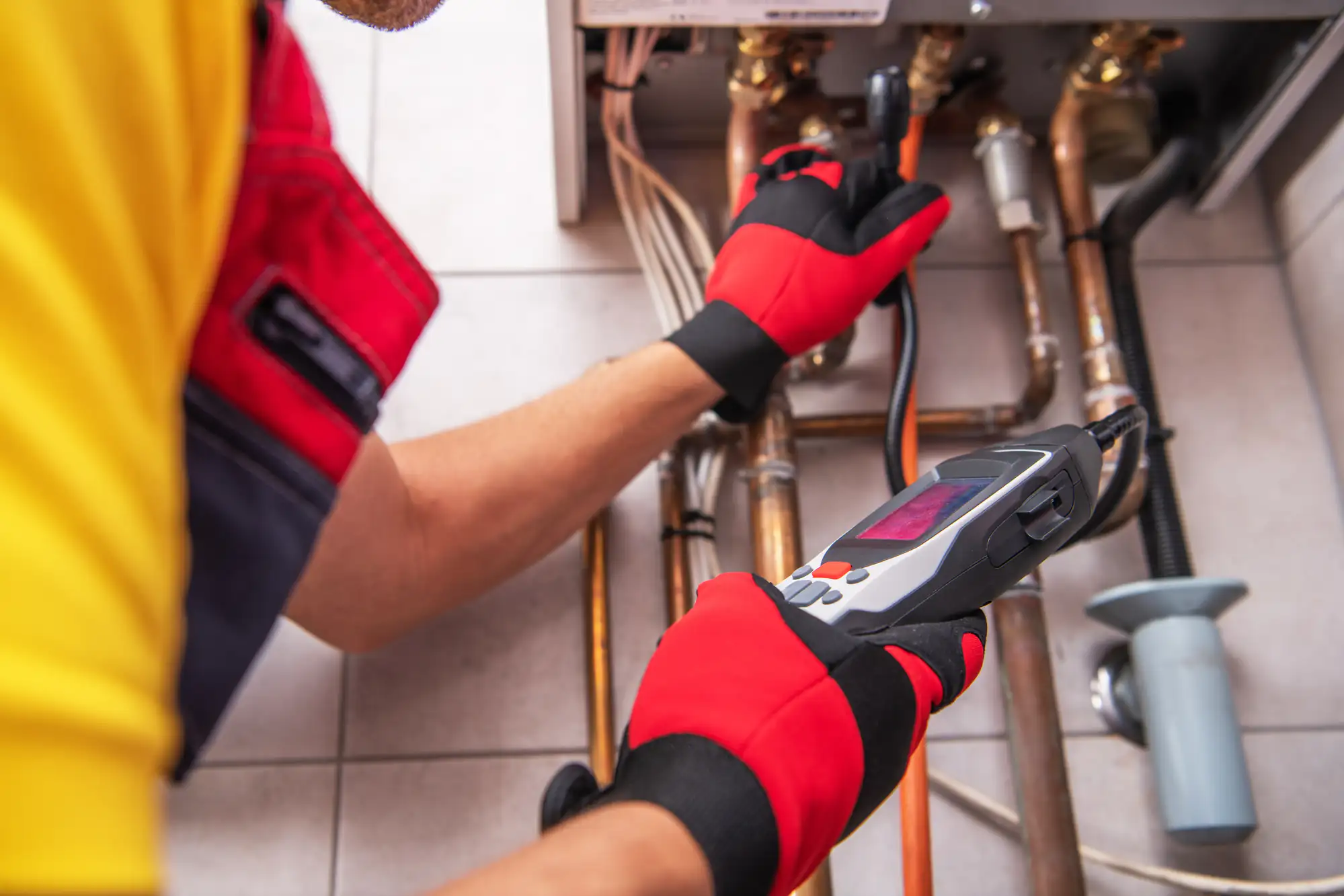
When we show up, we diagnose the actual problem. Not what we think it might be, not what’s easiest to fix. We explain what’s wrong, what it’ll take to fix it, and what it costs before we start. No surprises on the bill.
If it’s a repair, we fix it right. If you need HVAC replacement or a new furnace installation, we walk you through options that make sense for your home, your budget, and Mill Neck’s coastal environment. We’re not pushing the most expensive system. We’re recommending what’ll actually work long-term.
After the work’s done, we test everything. We make sure your indoor air quality is where it should be, your system is running efficiently, and you understand how to keep it that way.
Ready to get started?
Every residential HVAC service we do in Mill Neck starts with understanding your property. Homes here aren’t cookie-cutter. You’ve got everything from historic Gold Coast estates to modern builds, and your HVAC needs reflect that.
We handle air conditioning repair that accounts for coastal corrosion—not just standard wear and tear. We do furnace installation and heating system maintenance that works with your existing setup, whether that’s forced air, radiant, or a combination. And when you need HVAC replacement, we’re looking at energy efficiency that actually lowers your bills, not just meets minimum standards.
Mill Neck’s median home value is well over a million dollars. Your HVAC system should match that investment. We install systems designed for Long Island’s humidity, temperature swings, and the salt air that eats through cheaper equipment. We also focus on indoor air quality, because coastal homes deal with moisture issues that can turn into mold problems if your system isn’t dehumidifying properly.
You’re not getting a one-size-fits-all approach. You’re getting someone who’s worked on marine HVAC systems, commercial refrigeration, and complex setups that require actual expertise—not just following a flowchart.
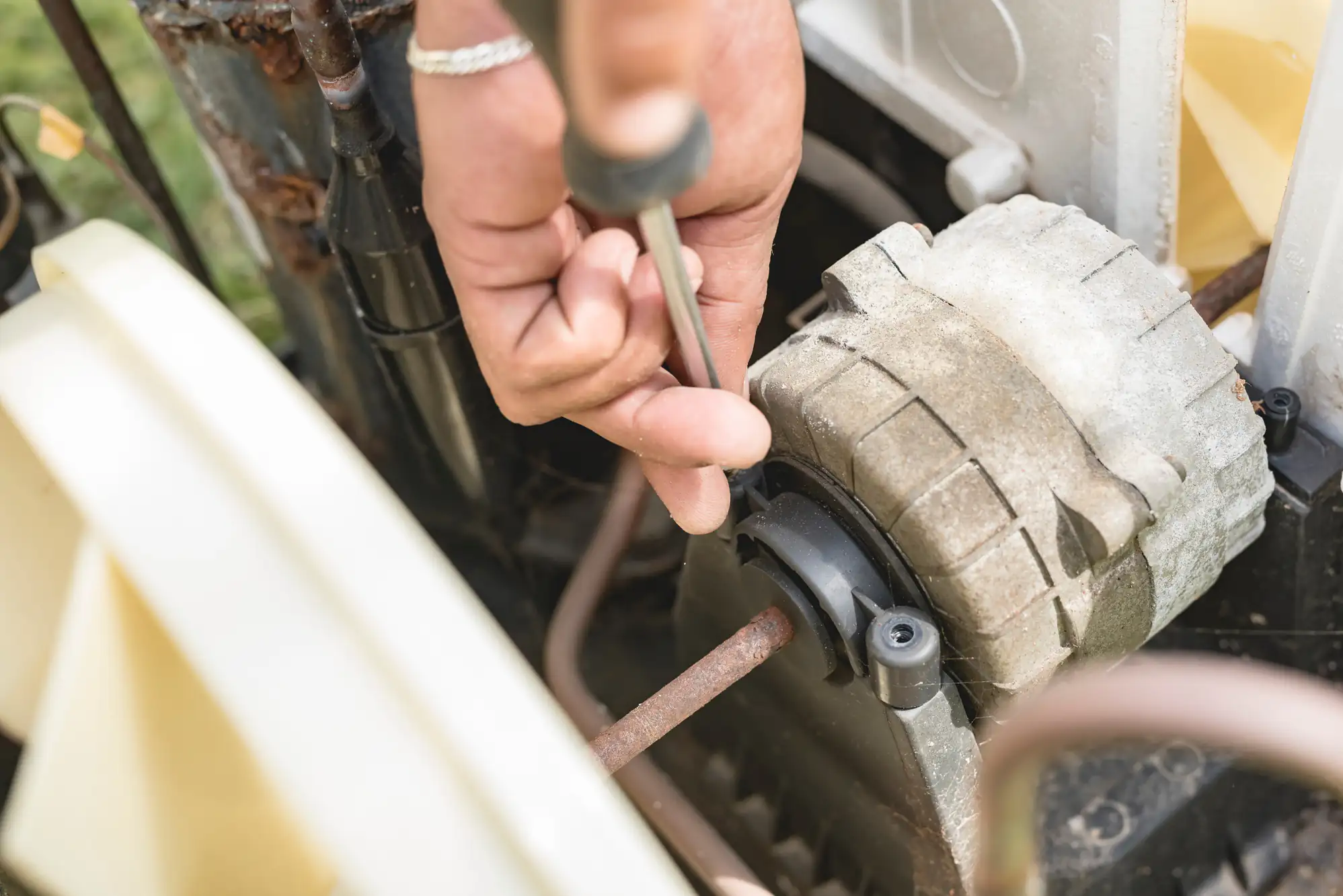
Salt air accelerates corrosion on outdoor HVAC units, especially the condenser coils and metal housing. If you’re within a few miles of the water—which most of Mill Neck is—you’re dealing with airborne salt particles that settle on your equipment and start breaking it down faster than normal wear and tear.
Standard HVAC maintenance doesn’t always catch this early enough. You need someone checking for corrosion, applying protective coatings when necessary, and replacing parts before they fail completely. Coastal units also need more frequent coil cleaning, because salt buildup reduces efficiency and makes your system work harder than it should.
If your current contractor isn’t specifically looking for salt damage during heating system maintenance or air conditioning repair, you’re likely going to face bigger problems down the line. We’ve worked on marine HVAC systems for years, so we know what to look for and how to protect your equipment.
HVAC replacement costs vary based on your home’s size, the system type you’re installing, and whether you’re upgrading to something more efficient. For most Mill Neck homes, you’re looking at anywhere from $8,000 to $20,000+ depending on those factors.
But here’s what matters more than the sticker price: what you’re actually getting. A cheaper system that can’t handle humidity properly or fails in three years isn’t saving you money. You want a system that’s sized correctly for your square footage, rated for coastal environments, and efficient enough that you’re not burning through energy costs every summer.
Right now in 2026, there are rebates and incentives for energy-efficient heat pumps and high-efficiency systems. We’ll walk you through what qualifies and what makes sense for your property. The goal isn’t to sell you the most expensive option—it’s to install something that works well and lasts, so you’re not replacing it again in five years.
At minimum, once a year before heating season starts. But if you’re in a coastal area like Mill Neck, twice a year is smarter—once before winter, once before summer. Long Island’s weather is unpredictable enough that your system can develop issues during those stop-and-start spring and fall months, and you won’t notice until you really need it.
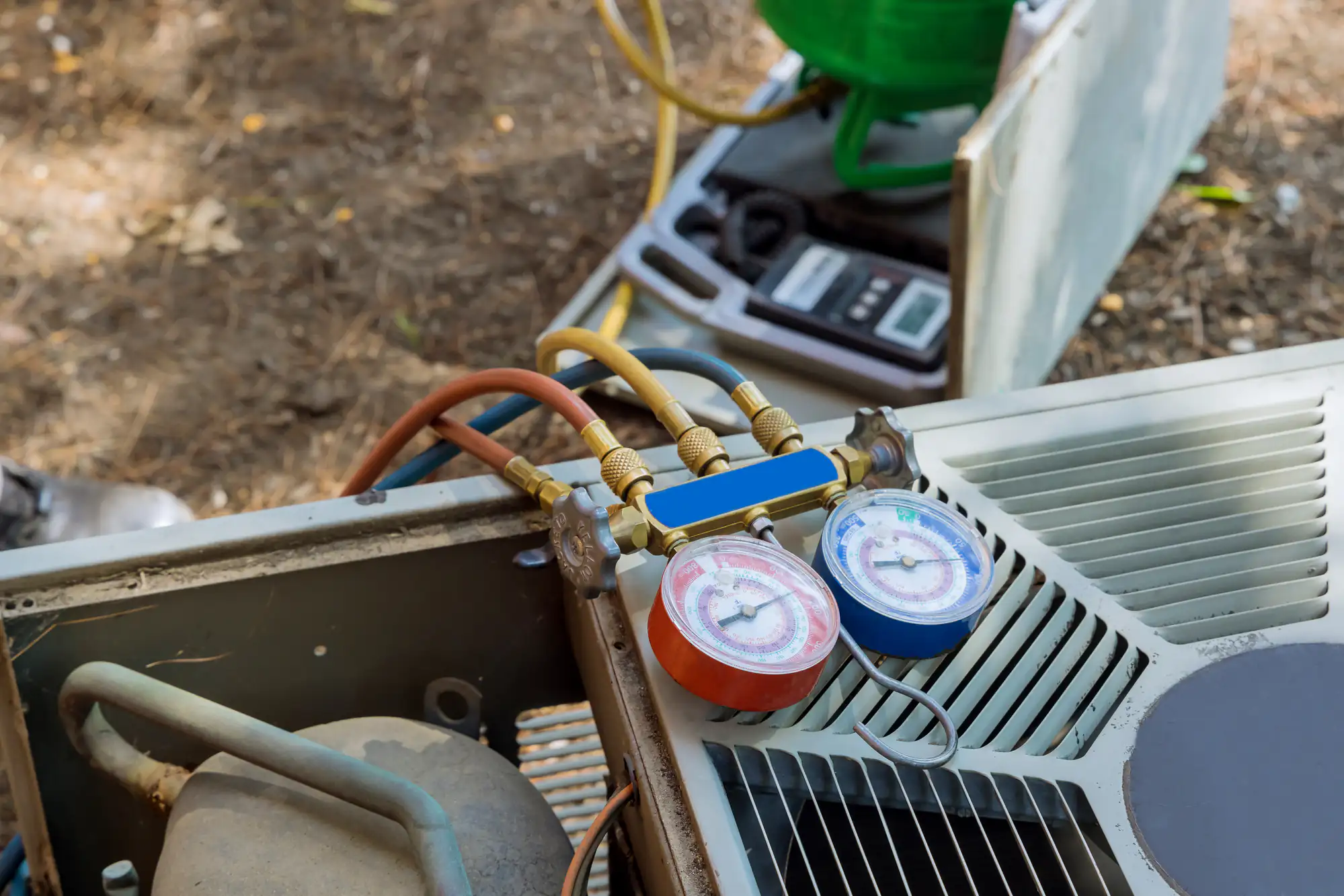
Regular heating system maintenance catches problems early. Cracked heat exchangers, failing igniters, clogged filters, refrigerant leaks—these don’t just appear overnight. They develop over time, and a good maintenance visit finds them before they turn into emergency repairs.
Preventive maintenance also keeps your energy costs down. A system that’s running efficiently uses less fuel, and with heating oil over $4 per gallon right now, that adds up fast. You’re also protecting your property value. If you go to sell, a well-maintained HVAC system with service records is a selling point. A system that’s been ignored is a red flag.
First, make sure they’re licensed and insured to work in New York. That’s non-negotiable. Beyond that, you want someone who can diagnose the actual problem instead of just swapping parts until something works.
Air conditioning repair in Mill Neck isn’t the same as AC repair in other parts of Long Island. Coastal humidity and salt exposure create specific issues. Your contractor should understand how to handle corrosion, check for refrigerant leaks caused by environmental factors, and make sure your system is dehumidifying properly—not just cooling.
You also want transparent pricing. If someone can’t give you a clear estimate before they start work, or if the final bill is wildly different from what they quoted, that’s a problem. We’ve seen too many homeowners get hit with bills ranging from $130 to $2,000 for the same type of repair, and that usually comes down to poor communication and inconsistent pricing.
Look for a company that explains what’s wrong, what it’ll cost, and why. If they can’t do that, keep looking.
Heat pumps are becoming more popular in 2026, especially with the rebates and efficiency incentives available right now. They work well in moderate climates, and Long Island generally qualifies—but there are some things to consider for Mill Neck specifically.
Heat pumps are efficient and can handle both heating and cooling, which simplifies your system. But in very cold winter stretches, they lose efficiency and may need a backup heat source. If your home is well-insulated and you’re okay with a hybrid setup, a heat pump can lower your energy costs significantly compared to oil or older electric systems.
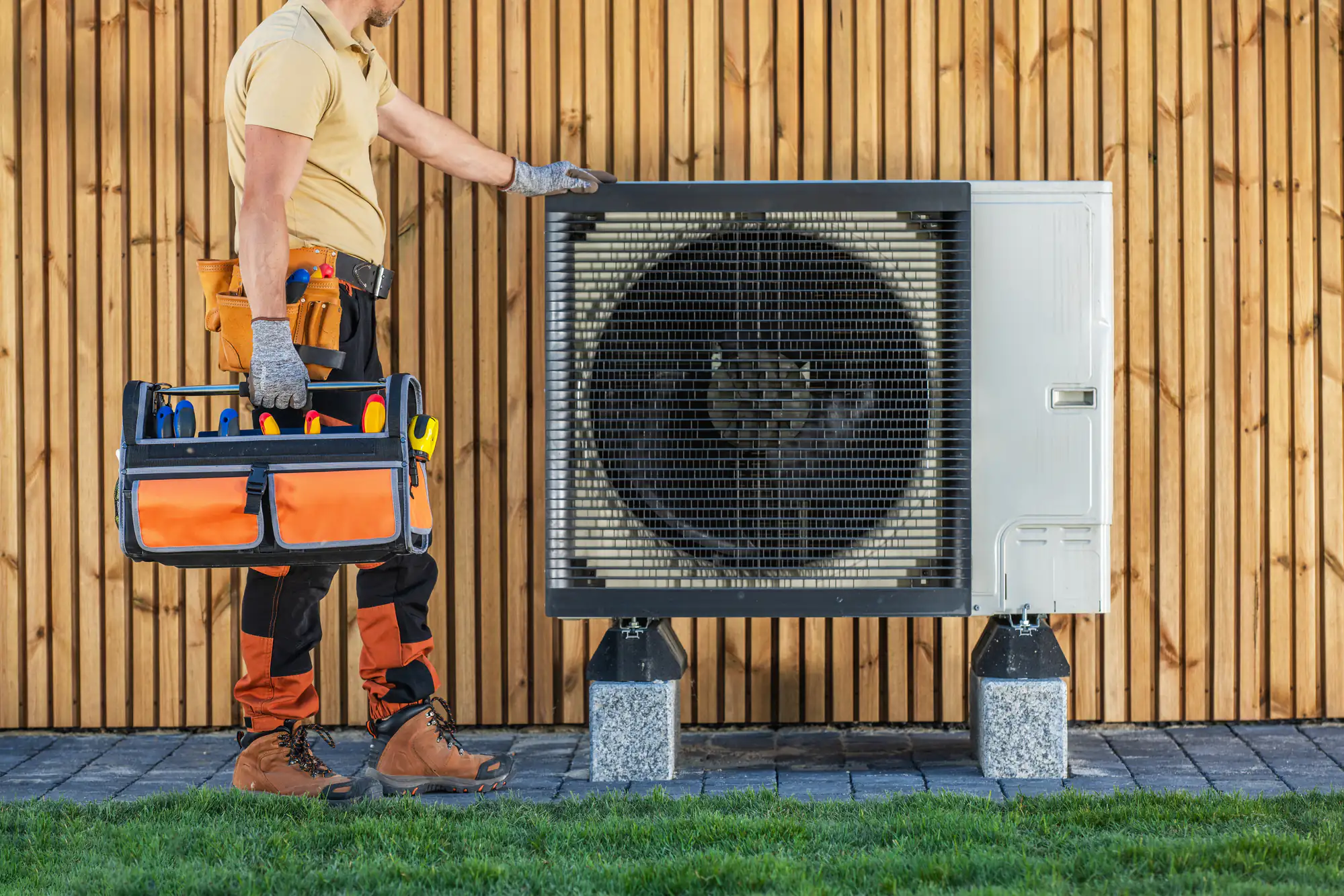
The other factor is salt air. Heat pumps have outdoor components that are exposed year-round, so you need a unit that’s built to handle coastal conditions and a maintenance plan that includes regular corrosion checks. We’ve installed and serviced heat pumps in marine environments, so we know which brands hold up and which don’t.
If you’re considering a heat pump as part of an HVAC replacement project, we’ll walk you through whether it makes sense for your home, your budget, and your long-term comfort.
Indoor air quality in coastal homes is tricky because you’re dealing with higher humidity levels, salt air, and potential mold growth if your HVAC system isn’t dehumidifying properly. The first step is making sure your system is running correctly and removing moisture from the air—not just cooling it.
Beyond that, you can add air purifiers, upgrade to higher-rated filters, and install UV lights in your ductwork to kill mold and bacteria. Whole-home dehumidifiers are also worth considering if you’re noticing condensation on windows, musty smells, or that clammy feeling even when the AC is running.
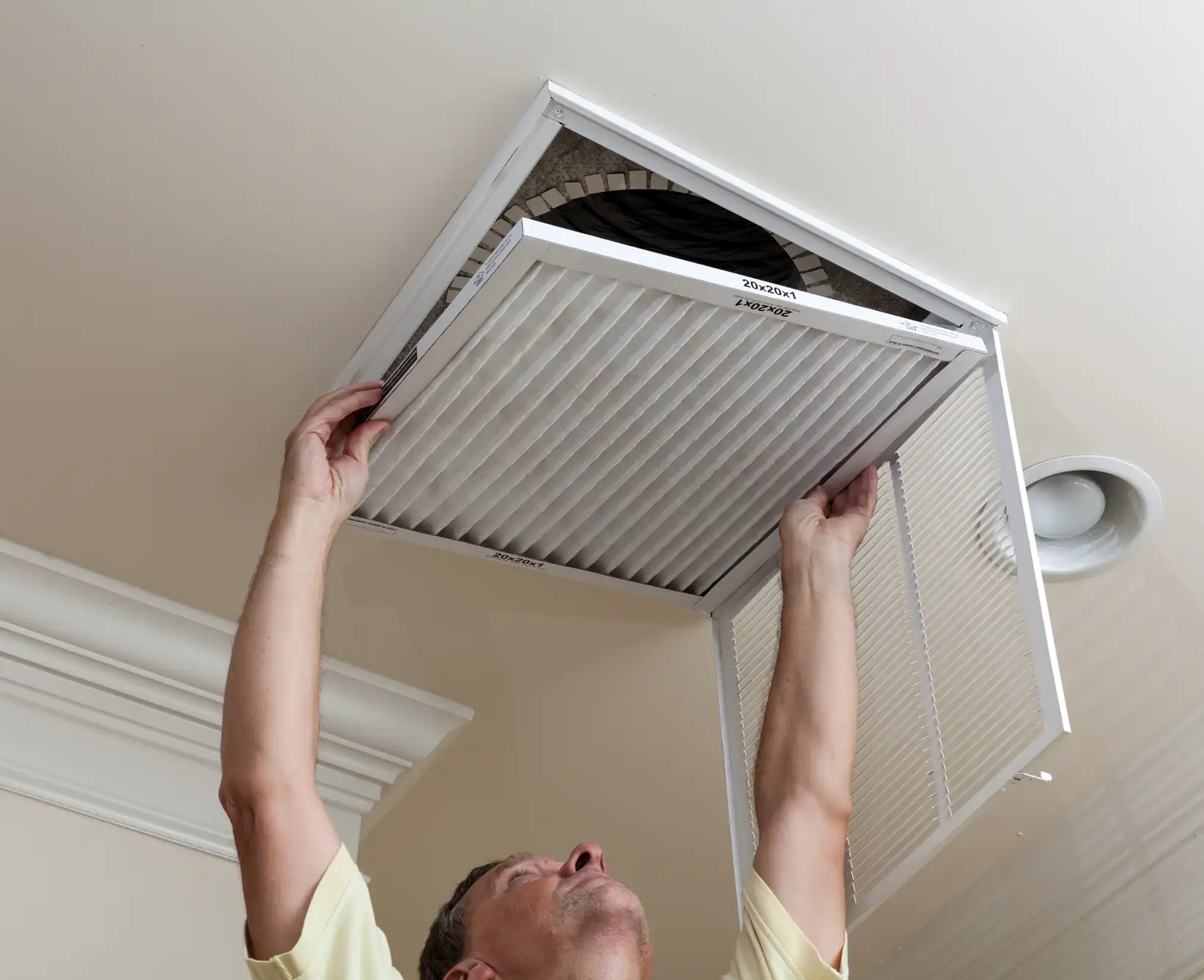
Your ductwork matters too. If it’s leaking or hasn’t been cleaned in years, you’re circulating dust, allergens, and potentially mold spores every time your system runs. We can inspect your ducts, seal leaks, and recommend cleaning if needed.
Indoor air quality isn’t just about comfort—it’s about health. If anyone in your home has allergies, asthma, or respiratory issues, improving your air quality can make a noticeable difference. We’ll assess your current setup and recommend changes that actually help, not just add-ons that sound good but don’t do much.