Hear from Our Customers
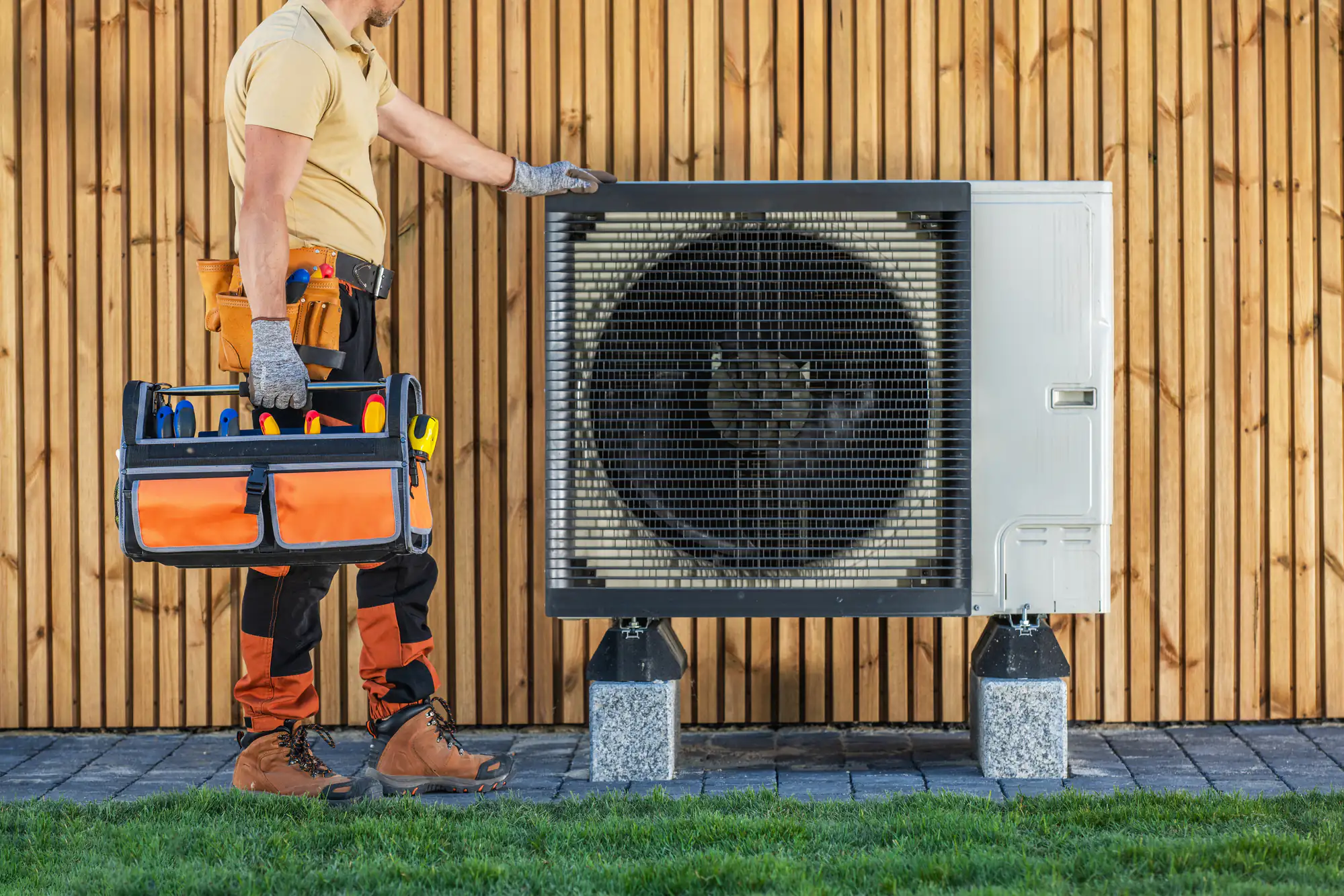
Your HVAC system shouldn’t be something you worry about. It should work when you need it—keeping your family comfortable during July humidity and January freezes without draining your bank account every month.
That’s what happens when your system is properly sized, correctly installed, and maintained by people who actually know what they’re doing. Your energy bills drop because the equipment runs efficiently instead of fighting itself. Breakdowns become rare because small issues get caught early. And when something does go wrong, you get straight answers and fair pricing—not scare tactics or unnecessary replacements.
You also breathe cleaner air. Indoor air quality isn’t just about comfort—it’s about health. Proper filtration, humidity control, and regular maintenance mean fewer allergens, less mold risk, and air that doesn’t make you feel stuffy or sick in your own home.
We’ve been solving complex HVAC and refrigeration problems for over 40 years. We started in marine and commercial work—airports, restaurants, catering halls—where systems are complicated and downtime isn’t an option. That background means we bring a level of technical skill to residential work that most contractors simply don’t have.
We’re not a call center or a franchise. When you call, you talk to someone who knows the work. When we show up, we’re there to fix the problem—not sell you things you don’t need.
Napeague homeowners deal with salt air, high humidity in summer, and bitter cold in winter. Your HVAC system takes a beating here. We understand those conditions because we’ve worked in them for decades, and we know what holds up and what doesn’t.
First, we listen. You tell us what’s going on—no heat, high bills, uneven temperatures, strange noises—and we ask the right questions to understand the real issue. If it’s an emergency, we respond fast. If it’s not urgent, we schedule a time that works for you.
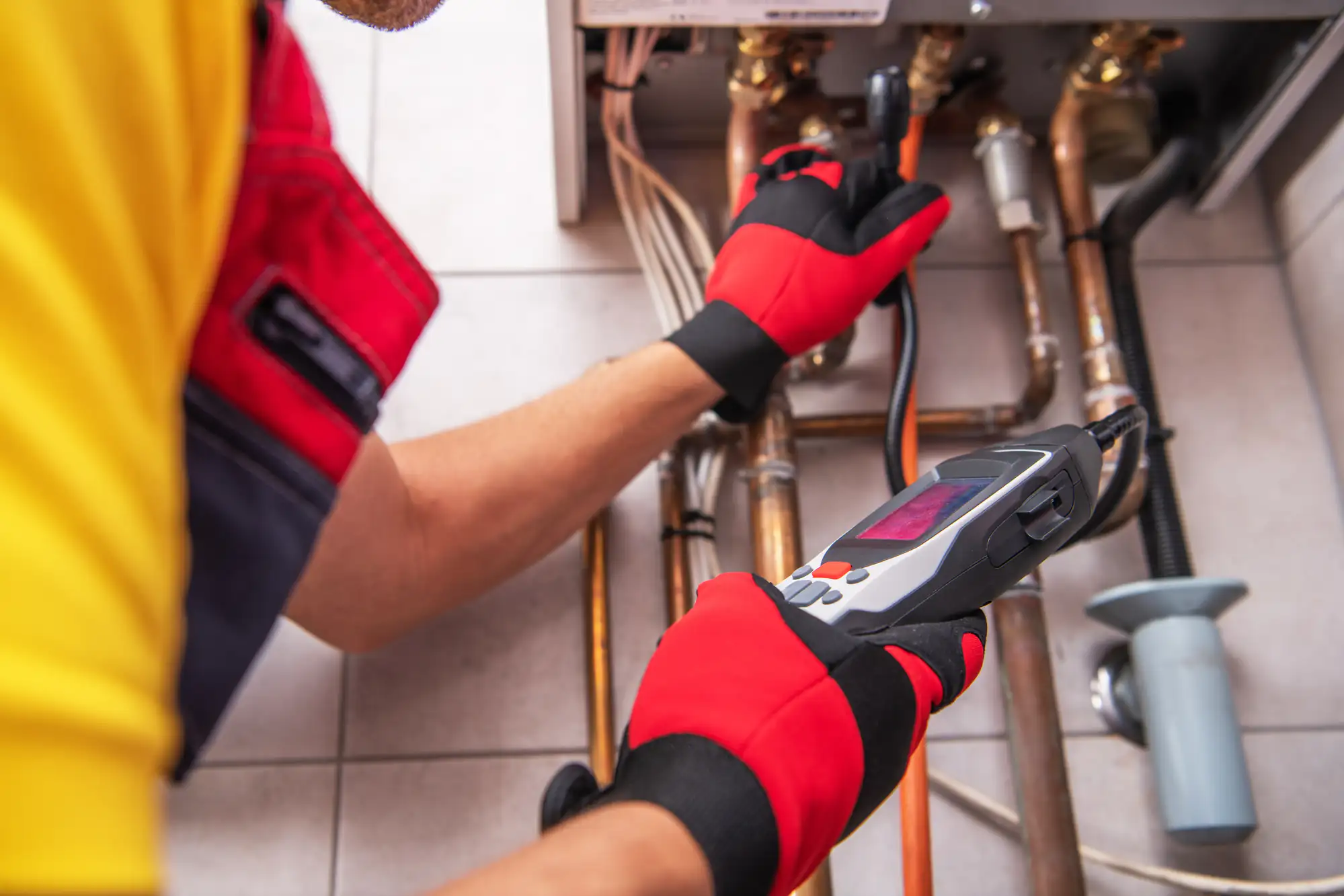
When we arrive, we diagnose the problem properly. That means checking the whole system, not just the obvious part. A furnace that won’t start might have a bad ignitor, but it might also have a gas valve issue, a cracked heat exchanger, or a problem with airflow. We find the actual cause.
Then we explain what’s wrong in plain language. You get a clear estimate that breaks down labor, parts, and what the repair will actually accomplish. If replacement makes more sense than repair, we’ll tell you why and show you the math. If a simple fix will buy you another few years, we’ll tell you that too.
Once you approve the work, we do it right. Proper installation matters—undersized equipment runs constantly and wears out fast, oversized equipment short-cycles and wastes energy, and bad ductwork kills efficiency no matter what equipment you have. We size everything correctly, install it to manufacturer specs, and test it before we leave.
Ready to get started?
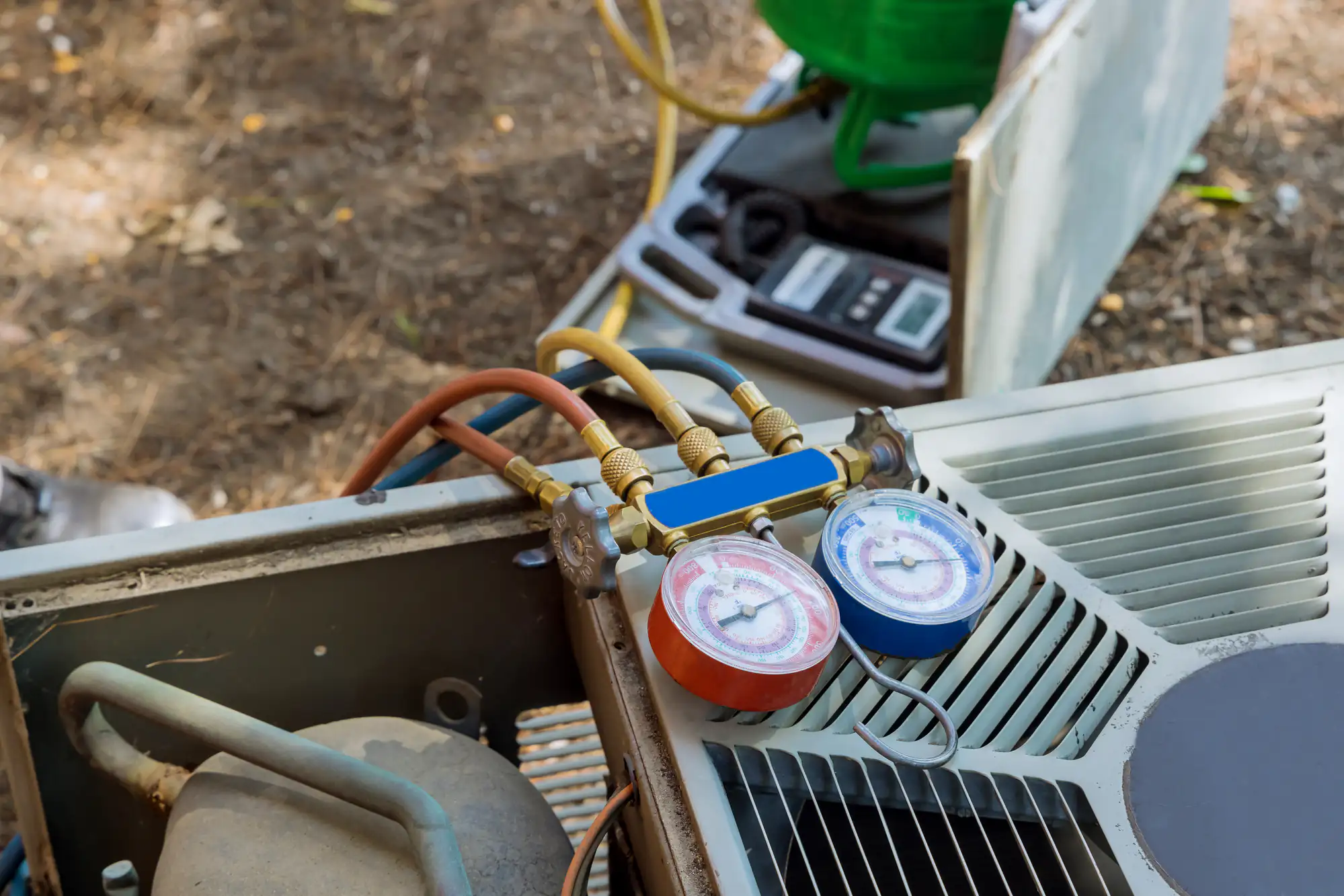
Air conditioning repair and installation is a big part of what we do. Long Island summers are brutal—high heat plus high humidity means your AC works overtime from June through September. We handle everything from refrigerant leaks and compressor failures to full system replacements with high-efficiency units that actually lower your electric bill.
Furnace installation and heating system maintenance keep you warm when temperatures drop. We work on gas, oil, and electric systems. Annual maintenance catches problems before they leave you without heat on the coldest night of the year, and when it’s time to replace an old furnace, we’ll help you choose equipment that fits your home and your budget.
HVAC replacement isn’t just about swapping out old equipment. It’s about designing a system that works for your specific house—the square footage, insulation, window quality, and how you actually use the space. We calculate heat load properly so you’re not stuck with equipment that’s too big, too small, or configured wrong.
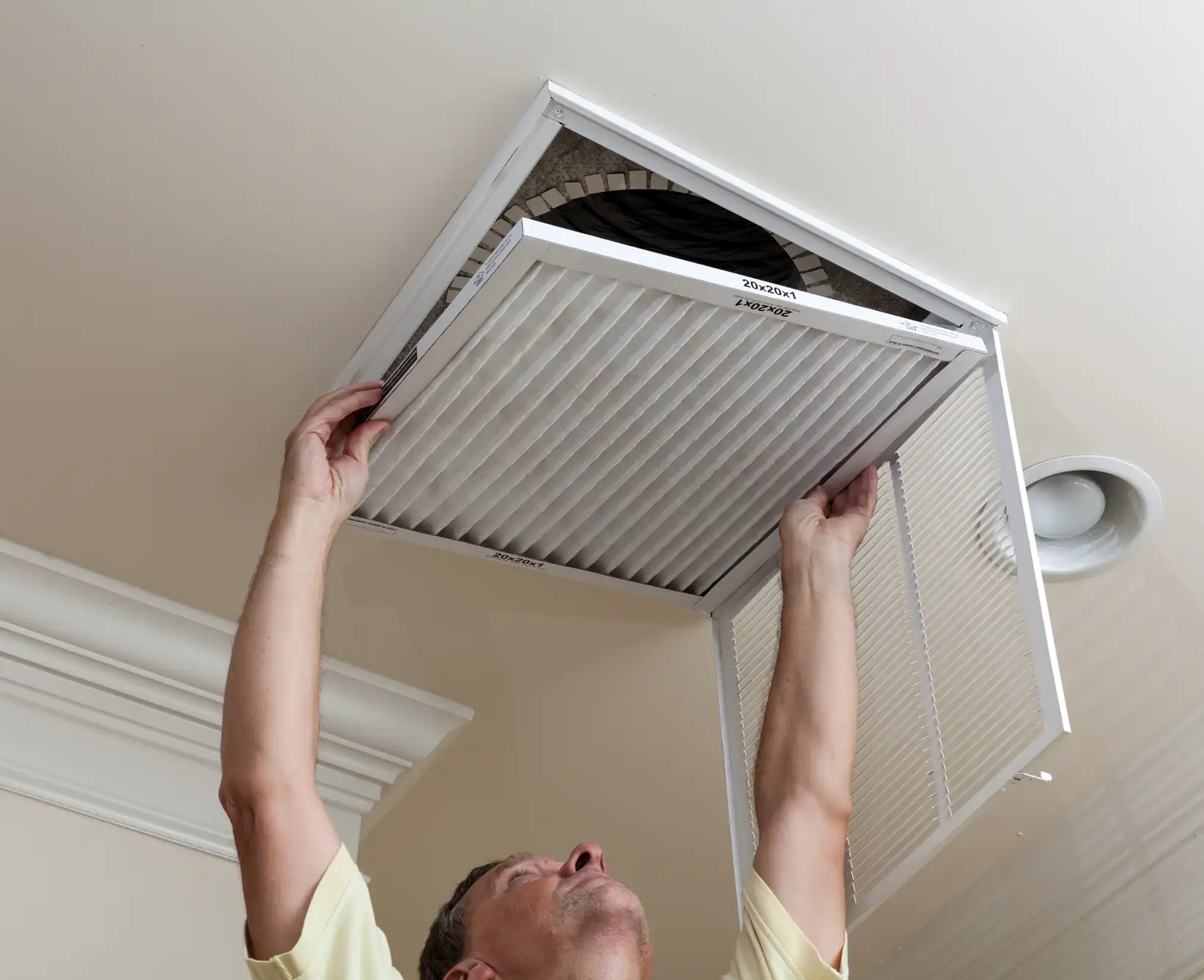
Indoor air quality solutions matter more than most people realize. We install whole-home air purifiers, humidifiers, dehumidifiers, and advanced filtration systems that remove allergens, control moisture, and make your home healthier. If someone in your house has asthma or allergies, this makes a real difference.
Once a year, ideally in the fall before you need your heat. Annual maintenance catches small problems—worn belts, dirty burners, failing igniters—before they cause a breakdown in January when every HVAC company is slammed with emergency calls.
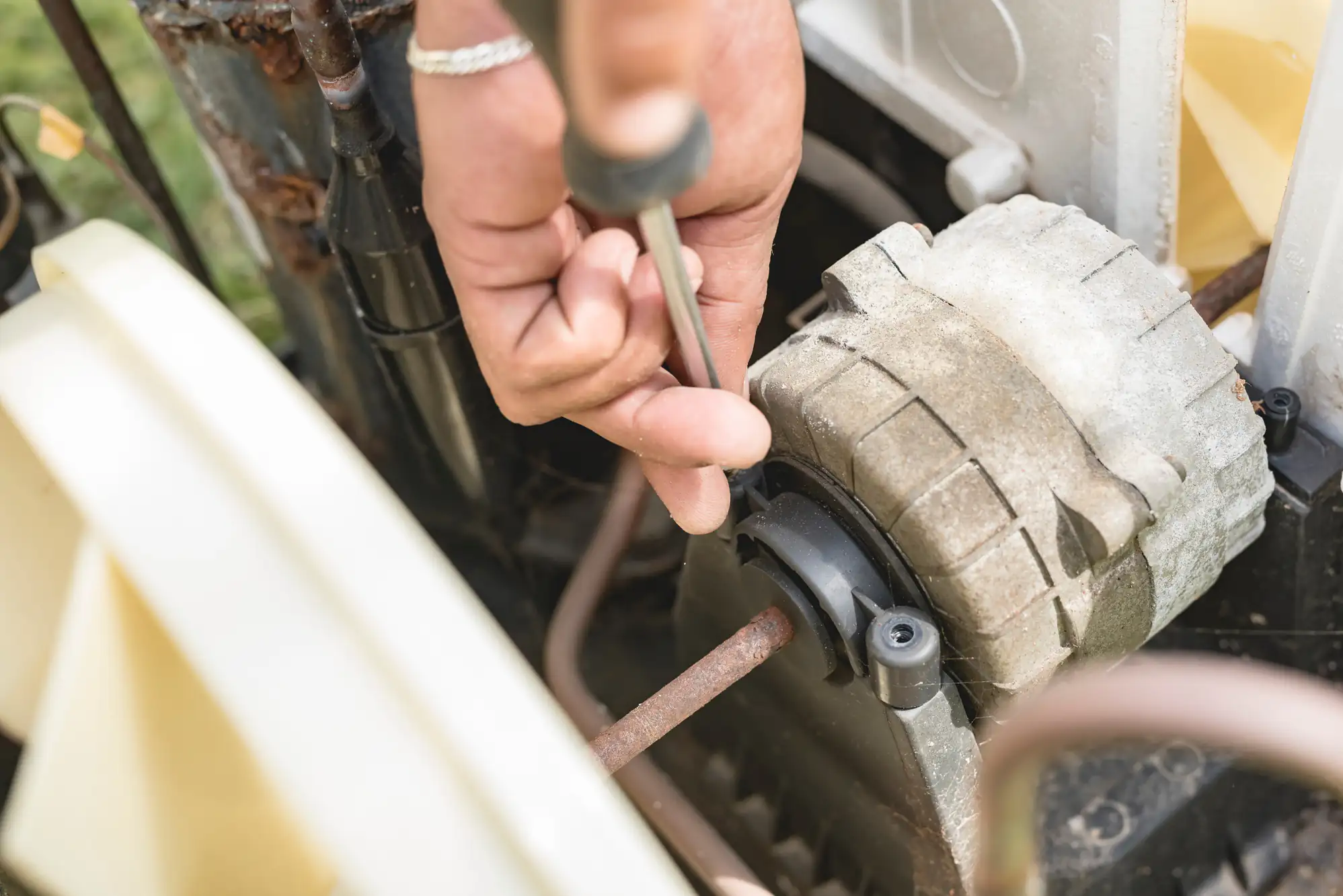
During a maintenance visit, we clean components, test safety controls, check combustion efficiency, inspect the heat exchanger for cracks, and make sure everything is running the way it should. This keeps your system efficient, extends its lifespan, and keeps your manufacturer’s warranty valid.
Skipping maintenance doesn’t save money. It just means you pay more later when something fails, your energy bills creep up because the system runs inefficiently, and you risk a dangerous situation like a cracked heat exchanger leaking carbon monoxide.
It depends on the age of your unit, what’s broken, and how much life it has left. If your AC is under 10 years old and the repair costs less than half the price of replacement, fixing it usually makes sense. If it’s over 15 years old and needs a major repair like a compressor or condenser coil, replacement is often smarter.
Here’s why: older units use R-22 refrigerant, which is expensive and being phased out. They’re also less efficient, so they cost more to run every month. A new high-efficiency system might cost more upfront, but it saves you 20-30% on cooling costs every summer and won’t need expensive repairs for years.
We’ll give you both options with real numbers so you can make the call. Sometimes a repair buys you a couple more years while you save up for replacement. Sometimes it’s throwing money at a system that’s going to fail again in six months.
Your system might be running, but that doesn’t mean it’s running efficiently. Dirty filters restrict airflow and make your equipment work harder. Leaky ductwork loses 20-30% of conditioned air before it reaches your rooms. An aging system that’s lost efficiency over time uses more energy to do the same job it used to do easily.
Thermostat settings also matter. If your system is constantly fighting to maintain a temperature that’s way different from outside, your bills will reflect that. A programmable or smart thermostat can cut your heating and cooling costs by 10-15% just by adjusting temperatures when you’re asleep or away.
Sometimes the problem is the equipment itself—undersized units run constantly trying to keep up, oversized units short-cycle and waste energy, and systems installed incorrectly never perform the way they should. We can run a full efficiency check and tell you exactly where your money is going.
If you’re dusting constantly, dealing with stuffiness, noticing mold or mildew smells, or if anyone in your house has worsening allergies or asthma, your indoor air quality probably needs attention. Most homes have air that’s more polluted than outdoor air because of dust, pet dander, mold spores, and chemicals from cleaning products and building materials.
Your HVAC system circulates all of that unless you have proper filtration. Standard filters catch large particles but miss the small stuff that affects your health. Upgrading to HEPA filtration, adding UV lights to kill mold and bacteria, or installing a whole-home air purifier makes a noticeable difference.
Humidity is the other big factor. Too much moisture encourages mold growth and makes your home feel muggy. Too little dries out your skin and respiratory system. A whole-home humidifier or dehumidifier keeps levels in the healthy range year-round.
Proper sizing is the most important thing, and it’s where most contractors cut corners. Your new system needs to match your home’s actual heating and cooling load—not just square footage, but insulation quality, window efficiency, ceiling height, and sun exposure. Oversized equipment costs more, runs inefficiently, and wears out faster. Undersized equipment never keeps up.
Efficiency ratings matter for your monthly bills. SEER ratings measure cooling efficiency—higher numbers mean lower electric bills. AFUE ratings measure furnace efficiency—a 95% AFUE furnace wastes less fuel than an 80% model. The upfront cost difference usually pays for itself within a few years.
Brand reliability and warranty coverage protect your investment. Some manufacturers build equipment that lasts 20 years with minimal issues. Others have a reputation for problems. We only install brands we trust, and we make sure you understand what’s covered and for how long.
Yes. HVAC emergencies don’t wait for business hours—your heat fails at midnight in February, your AC quits during a heat wave, your water heater floods the basement on Sunday morning. We offer 24/7 emergency consulting and response because we know those situations can’t wait until Monday.
When you call with an emergency, you talk to someone who can actually help—not an answering service reading a script. We assess the situation, give you immediate troubleshooting steps if it’s something simple, and dispatch a technician if you need hands-on repair.
Emergency service costs more than scheduled work because we’re pulling someone away from their family or other jobs to help you right now. But we’re upfront about pricing, and we don’t use emergencies as an opportunity to oversell or take advantage. You get honest diagnosis and fair pricing, even at 2 AM.