
Hear from Our Customers
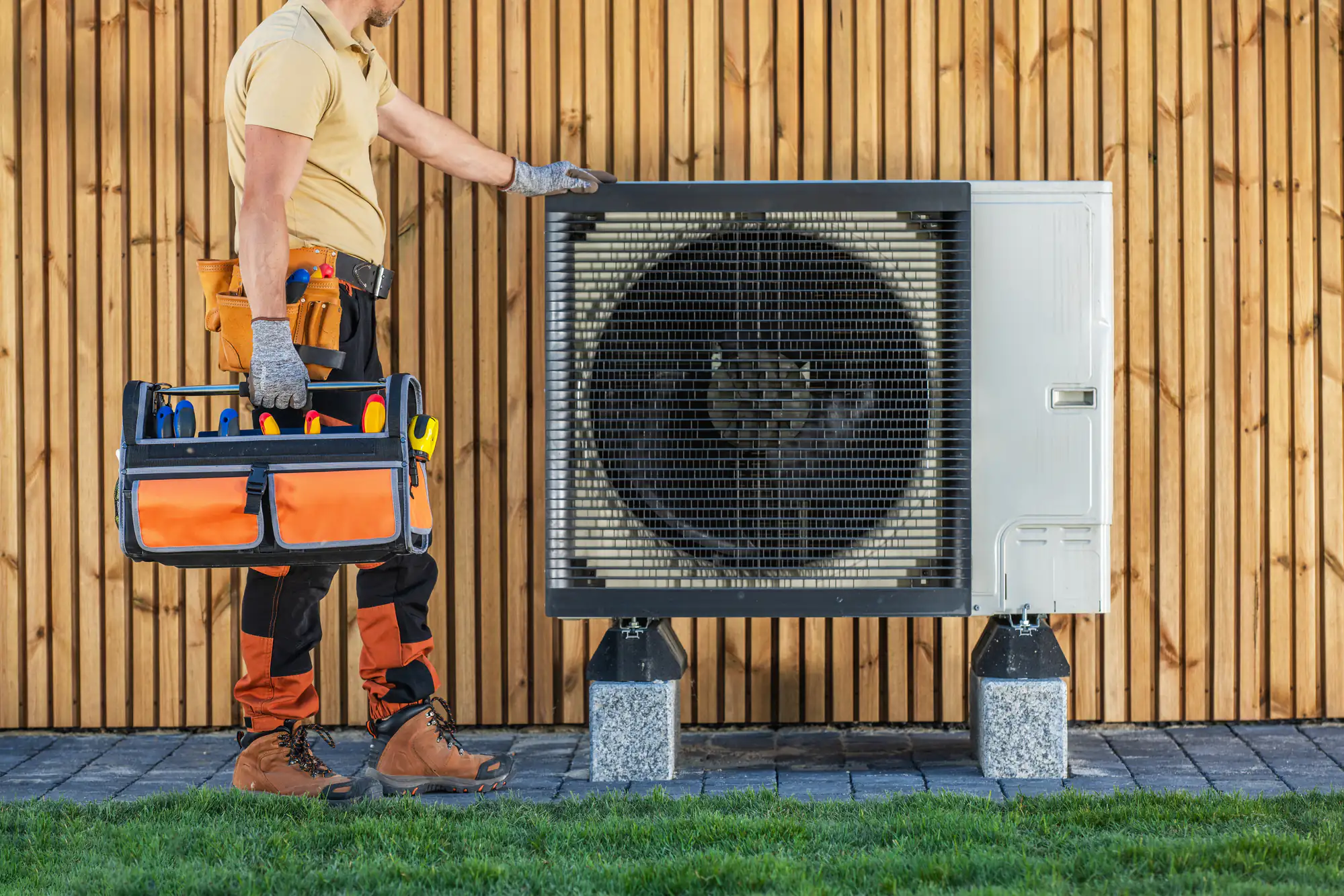
Your HVAC system should keep your home comfortable without draining your wallet. When it’s running efficiently, you’re not watching your thermostat wondering why your energy bill jumped forty percent last month.
Most North Babylon homeowners don’t realize their system is struggling until something breaks. Your air conditioning works harder when filters are clogged or refrigerant is low. Your furnace burns more fuel when the heat exchanger is dirty or the blower motor is wearing out.
Regular heating system maintenance catches these issues before they turn into expensive repairs. You get consistent temperatures in every room. Your utility bills stay predictable. And when summer hits 90 degrees or winter drops to 20, your system handles it without drama.
We’ve been handling HVAC systems in North Babylon since before smart thermostats existed. Forty-plus years means we’ve seen every type of system, every brand, every failure mode that happens in Long Island’s humid summers and freezing winters.
Most of our work comes from commercial refrigeration and marine HVAC, which means we’re diagnosing complex systems every day. When you call about your home’s furnace installation or air conditioning repair, you’re getting technicians who troubleshoot airport cooling systems and restaurant walk-ins.
We’re available 24/7 because HVAC emergencies don’t wait for business hours. And we give you a free estimate before any work starts, so you know exactly what you’re paying for.
You call or message us, and we schedule a time that works for you. No waiting three weeks for an appointment. If it’s an emergency, we come out the same day.
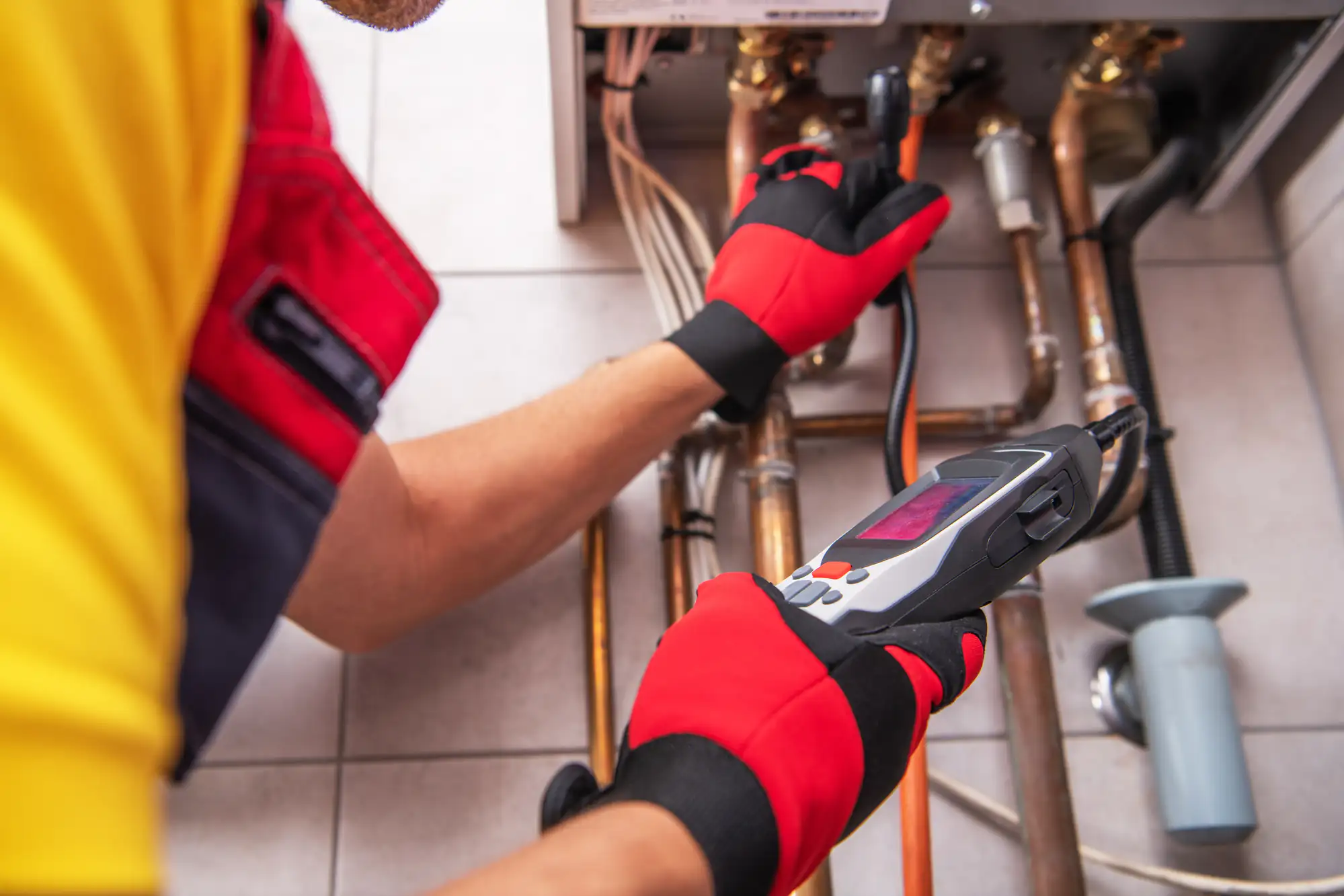
When we arrive, we diagnose the actual problem, not just the symptoms. If your AC isn’t cooling, we check refrigerant levels, compressor function, airflow, electrical connections, and thermostat calibration. We explain what’s wrong in plain language and give you options with upfront pricing.
For HVAC replacement or new installations, we assess your home’s size, insulation, ductwork, and heating/cooling needs. We recommend systems that fit your budget and your actual usage, not the most expensive unit we carry. Then we install it correctly the first time, test everything, and show you how to maintain it.
You get a system that works, a clear invoice, and a phone number that someone actually answers when you call back.
Ready to get started?
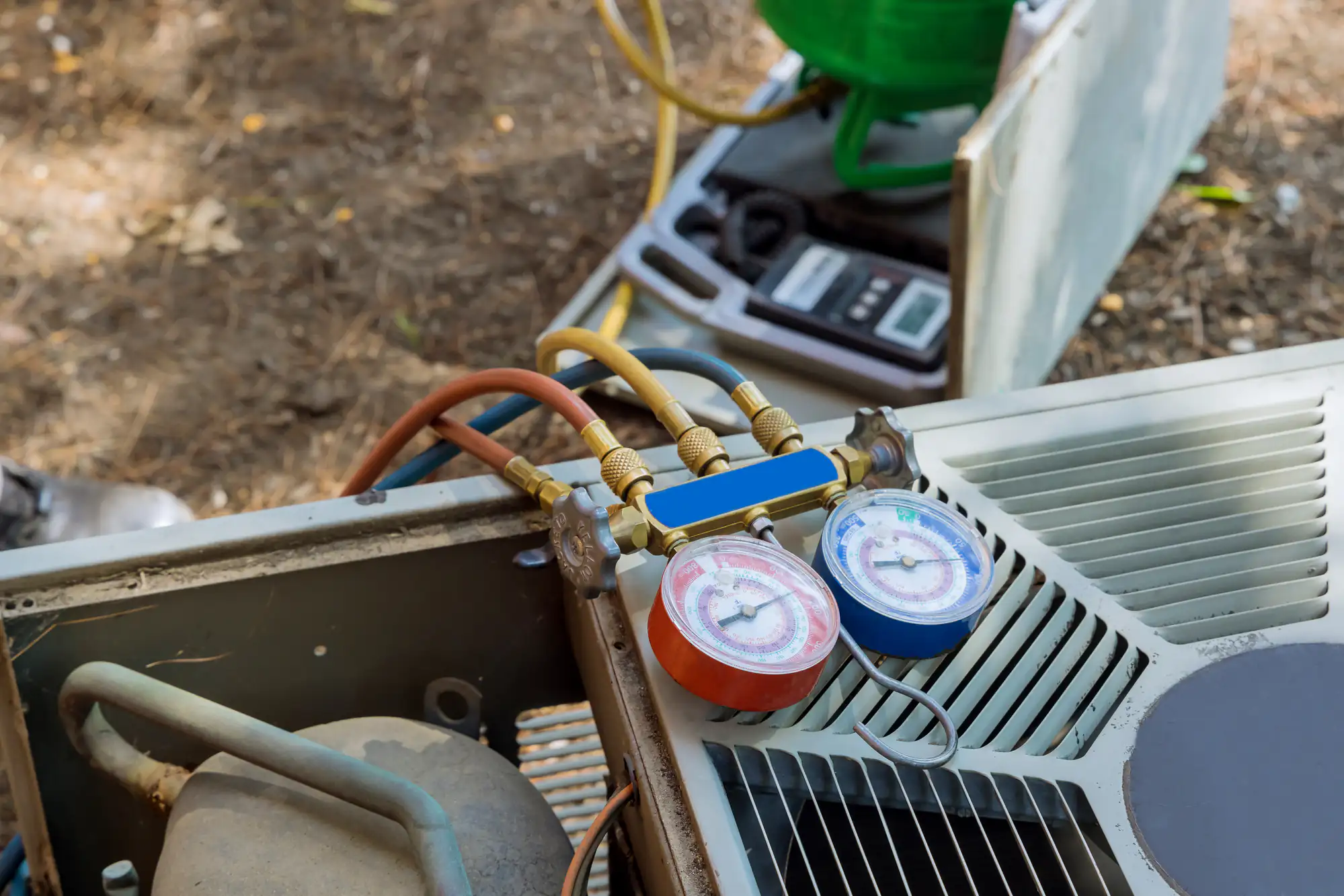
Residential HVAC services cover everything that keeps your home comfortable. Air conditioning repair means fixing refrigerant leaks, replacing failed compressors, cleaning coils, and repairing ductwork that’s bleeding cold air into your attic.
Furnace installation involves sizing the system correctly for your square footage, connecting it to existing ductwork or installing new runs, setting up proper venting, and configuring your thermostat. In North Babylon, where property values average $470,000 and homeownership sits above 85%, a properly installed system protects your investment and keeps your family comfortable.
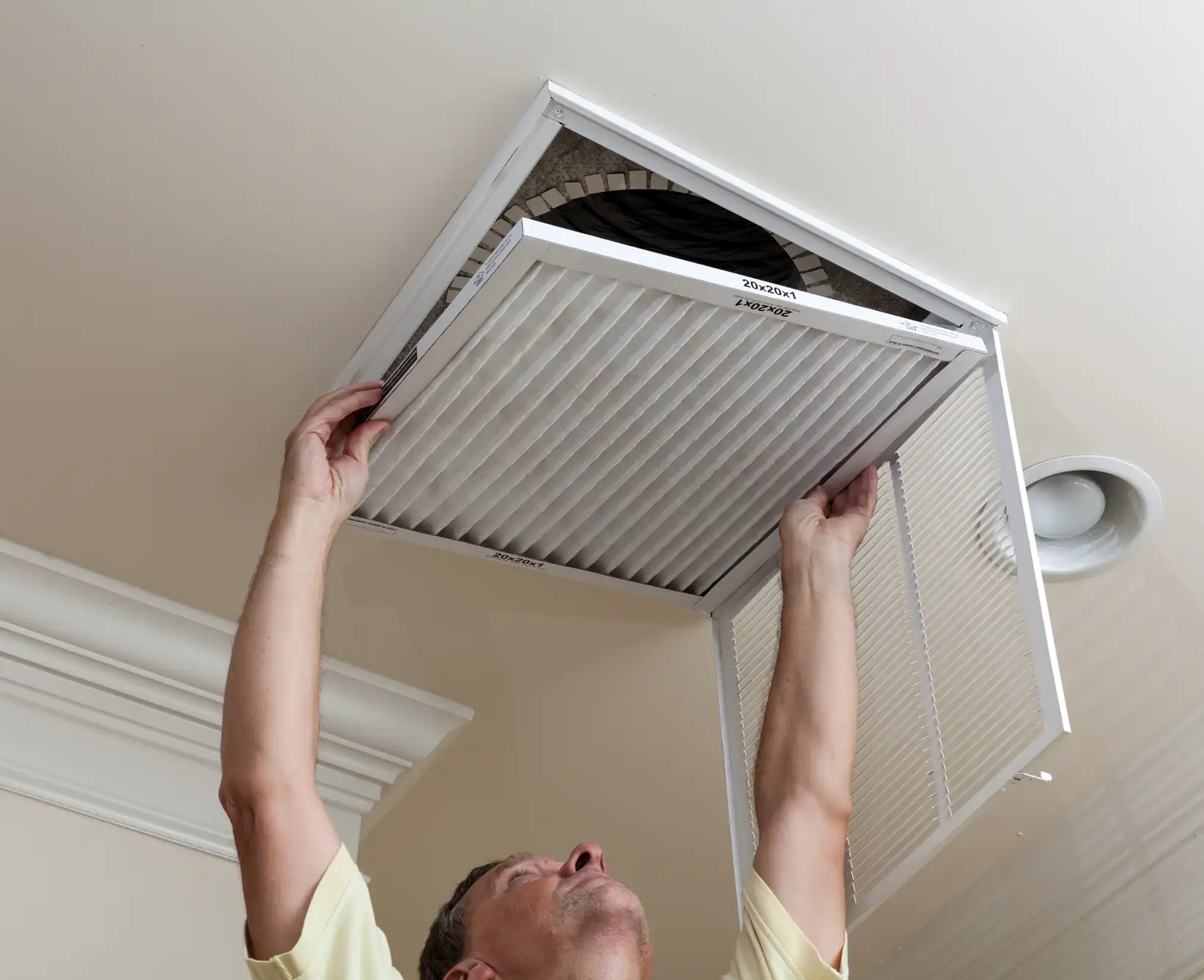
Heating system maintenance includes filter changes, blower motor inspection, heat exchanger cleaning, safety control testing, and efficiency adjustments. Indoor air quality solutions add filtration, humidity control, and ventilation that actually make a difference when Long Island’s seasonal allergies kick in.
We also handle HVAC replacement when repair costs don’t make sense anymore. With current energy prices and available tax credits up to $2,000 for qualifying systems, replacing an old inefficient unit often pays for itself in five to six years through lower utility bills.
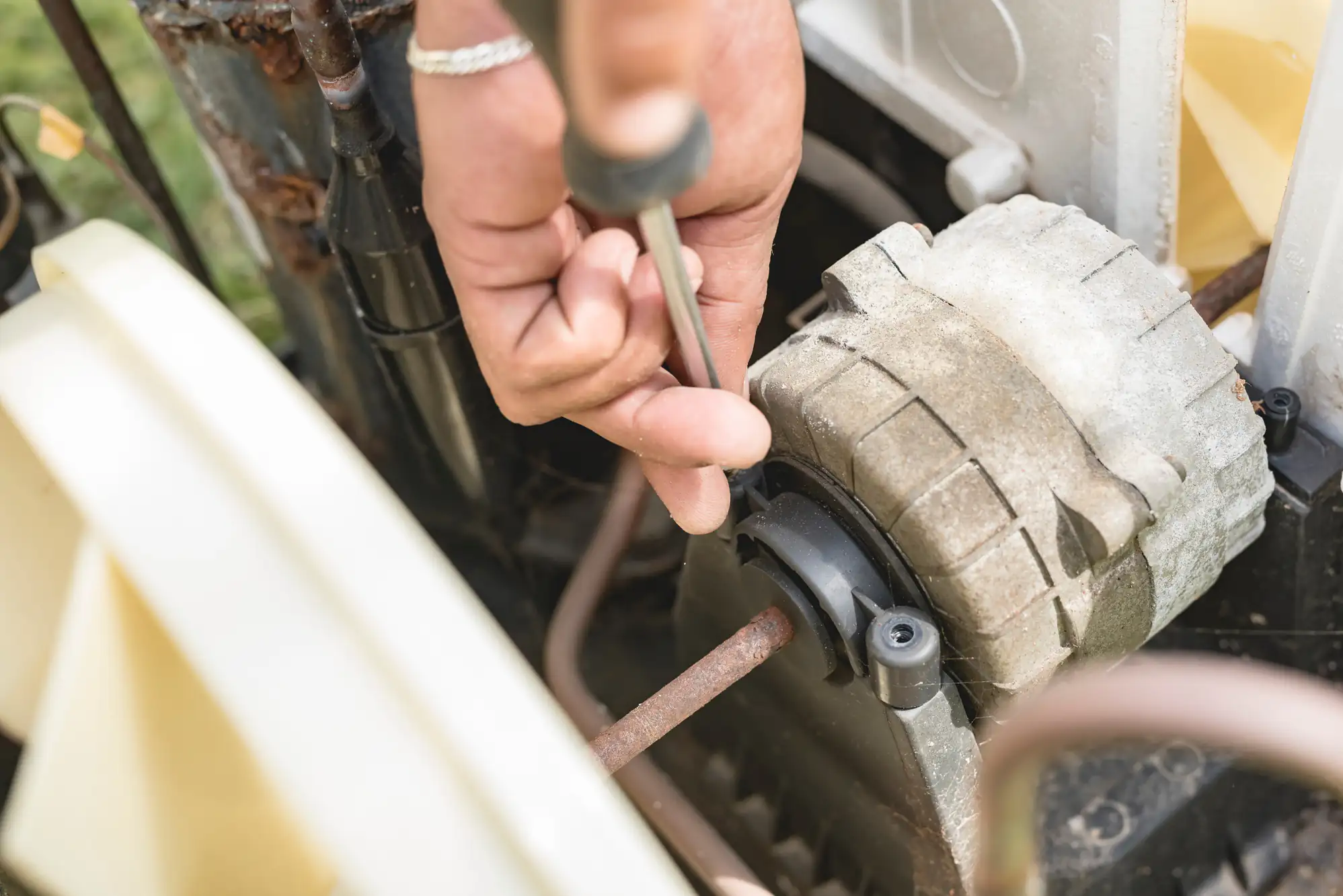
Twice a year is the standard recommendation: once before cooling season and once before heating season. For North Babylon’s climate, that means servicing your AC in April or May and your furnace in September or October.
Spring maintenance catches issues before you’re running your air conditioning daily through July and August. Fall maintenance ensures your heating system is ready when temperatures drop in December and January. Skipping maintenance is how small problems turn into emergency repairs during the worst possible weather.
Regular service also keeps your system running efficiently, which matters when heating oil is over four dollars per gallon and electric rates keep climbing. Most breakdowns happen because of neglected maintenance, not because the equipment randomly fails.
If your system is under ten years old and the repair costs less than half the price of replacement, repair usually makes sense. If it’s over fifteen years old and needs a major component like a compressor or heat exchanger, replacement is often smarter.
Here’s why: older systems run less efficiently even when they’re working. A new high-efficiency system can cut your energy bills by twenty to thirty percent. With current tax credits and rebates, the upfront cost gets reduced, and the payback period on energy savings has dropped from ten years to five or six years.
We’ll give you honest numbers for both options. Sometimes a $800 repair buys you three more years. Sometimes a $6,000 replacement saves you $1,200 annually in energy costs and eliminates constant service calls. You decide what makes sense for your situation.
Your AC is probably working harder than it should to deliver the same cooling. Dirty coils, low refrigerant, clogged filters, or leaky ductwork force the system to run longer cycles to reach your thermostat setting.
When refrigerant is low, your compressor runs continuously trying to cool air that can’t absorb enough heat. When your outdoor coil is covered in dirt and pollen, heat transfer drops and runtime increases. When your ductwork has gaps or poor insulation, you’re cooling your attic instead of your living room.
Most homeowners in North Babylon see this pattern: bills creep up gradually over two or three years until suddenly they’re paying forty percent more than they used to. A thorough inspection usually finds multiple small issues that add up. Fixing them brings your bills back down and extends your system’s life.
Yes. Indoor air quality upgrades work with your existing system in most cases. You can add whole-home air purifiers, upgrade to high-efficiency filters, install UV lights in your ductwork, or add humidity control.
Long Island’s seasonal changes mean your indoor air swings from dry in winter to humid in summer. That affects comfort, health, and how hard your HVAC system works. A whole-home dehumidifier in summer reduces that sticky feeling and lets you set your thermostat higher without discomfort. A humidifier in winter stops the dry air that cracks woodwork and irritates sinuses.
Air purification systems capture particles that standard filters miss: pollen, mold spores, pet dander, and bacteria. If someone in your house has allergies or asthma, the difference is noticeable within days. These systems install directly into your ductwork and work automatically whenever your HVAC runs.
Call us immediately at our 24/7 line. While you’re waiting, check three things: make sure your thermostat is set to heat and the temperature is set higher than the current room temperature, verify your circuit breaker hasn’t tripped, and confirm your furnace’s power switch is on.
Most furnace failures in North Babylon happen during the coldest stretches in January and February when systems run nonstop. Common causes include failed igniters, tripped safety limits, clogged filters restricting airflow, or frozen condensate lines. Some of these we can fix in under an hour.
Don’t try to force your system to restart repeatedly. Modern furnaces have safety controls that shut down when something’s wrong. Overriding them or ignoring warning signs can turn a simple repair into a dangerous situation. We’ll get your heat running safely and explain what failed and why.
Most residential furnace installations take one full day, sometimes two if we’re also replacing ductwork or adding zone controls. The timeline depends on your home’s layout, whether we’re replacing an existing system or installing in a new location, and what additional work is needed.
We start by removing your old furnace and inspecting the existing ductwork, venting, and electrical connections. Then we position and secure the new unit, connect it to your duct system, run new venting if required, wire it to your thermostat, and test everything. We don’t leave until your heat is running properly and you understand how to operate your new system.
In North Babylon, where most homes were built decades ago, we sometimes find ductwork that needs modification or venting that doesn’t meet current codes. We’ll identify those issues during the estimate so there are no surprises on installation day. You’ll know the timeline and total cost before we start work.