Hear from Our Customers
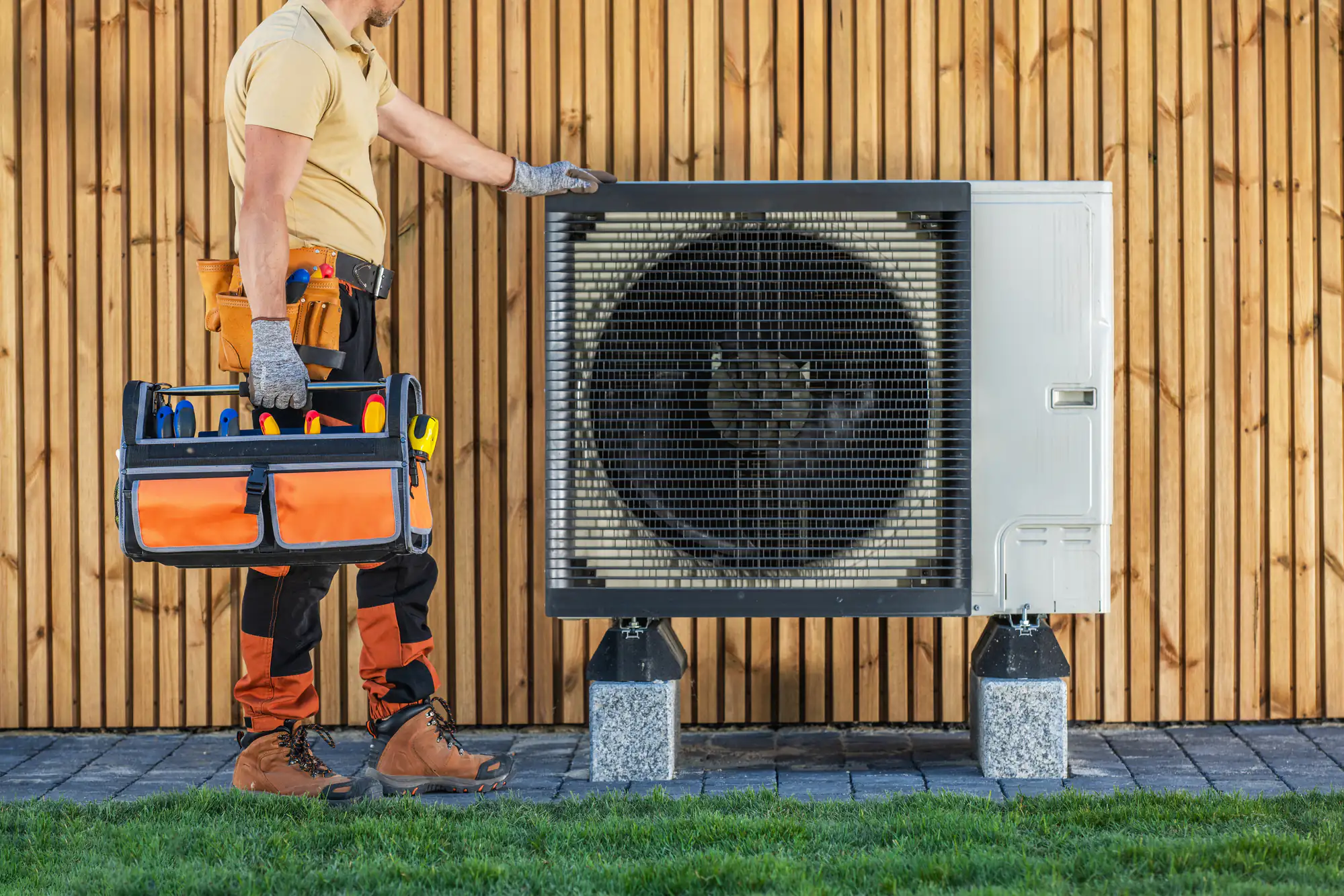
Your air conditioner stops fighting humidity and actually cools the house. Your furnace kicks on when temperatures drop to 26 degrees in January, not three days later when you’re already freezing.
You’re not calling for emergency HVAC repair every summer because your system was installed by someone who understands what salt air does to outdoor units. The coils don’t pit out in eight years. The compressor doesn’t fail the first week of a heat wave.
Your energy bills drop because the system isn’t working twice as hard to dehumidify before it can cool. Indoor air quality improves because the equipment was sized correctly for your space and your proximity to the water. You’re comfortable year-round, and the system lasts 15 years instead of 10.
We’ve spent 40+ years installing and servicing complex commercial refrigeration systems and marine air conditioning. That means we’ve handled equipment in harsher conditions than your home will ever see.
When you live within a mile of the Great South Bay, your outdoor HVAC unit faces direct salt spray. We know which systems use aluminum tubing and fin structures that resist corrosion. We know how often coastal units need maintenance to neutralize salt deposits before they cause refrigerant leaks.
North Great River homes deal with temperature swings, high humidity, and equipment that ages faster than it should. We’ve been solving those problems since before most HVAC companies in the area existed.
You call or submit a request. We schedule a free estimate at a time that works for you, usually within 24 hours unless it’s an emergency—then we’re there faster.
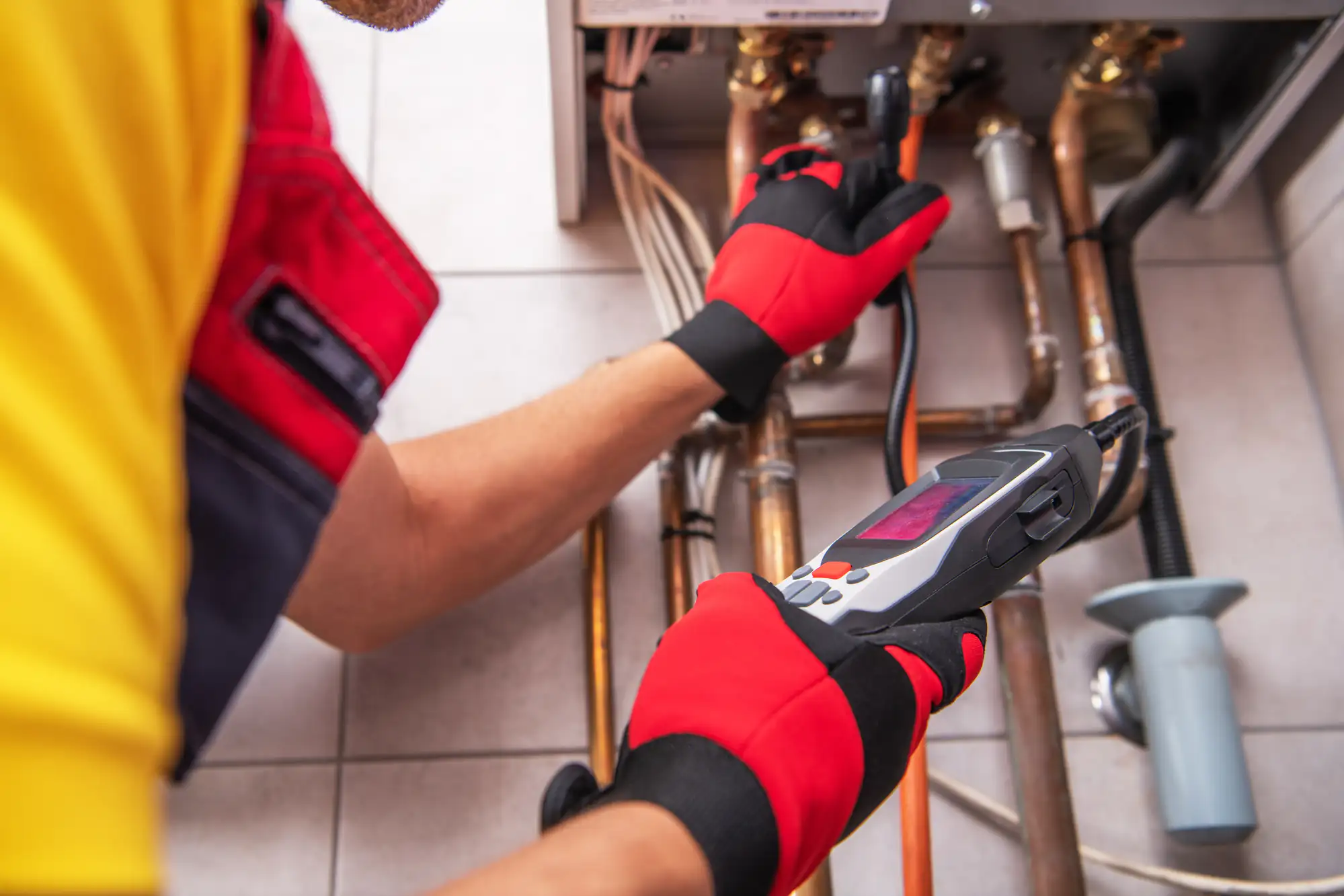
Our technician shows up in a fully stocked service vehicle. Most air conditioning repair jobs get completed the first visit because we carry common parts. If it’s a furnace installation or full HVAC replacement, we assess your space, your usage patterns, and how close you are to the water. Then we recommend systems that’ll actually last in your environment.
We explain what’s wrong, what it costs, and how long it takes. No upselling. No inflating a $400 repair into a $10,000 replacement. If your system can be fixed, we fix it. If it’s time to replace, we tell you why and show you options that fit your budget and your home’s needs.
After the work’s done, you have our number for 24/7 support. If something goes wrong at 2 a.m. in the middle of winter, you’re not waiting until Monday.
Ready to get started?
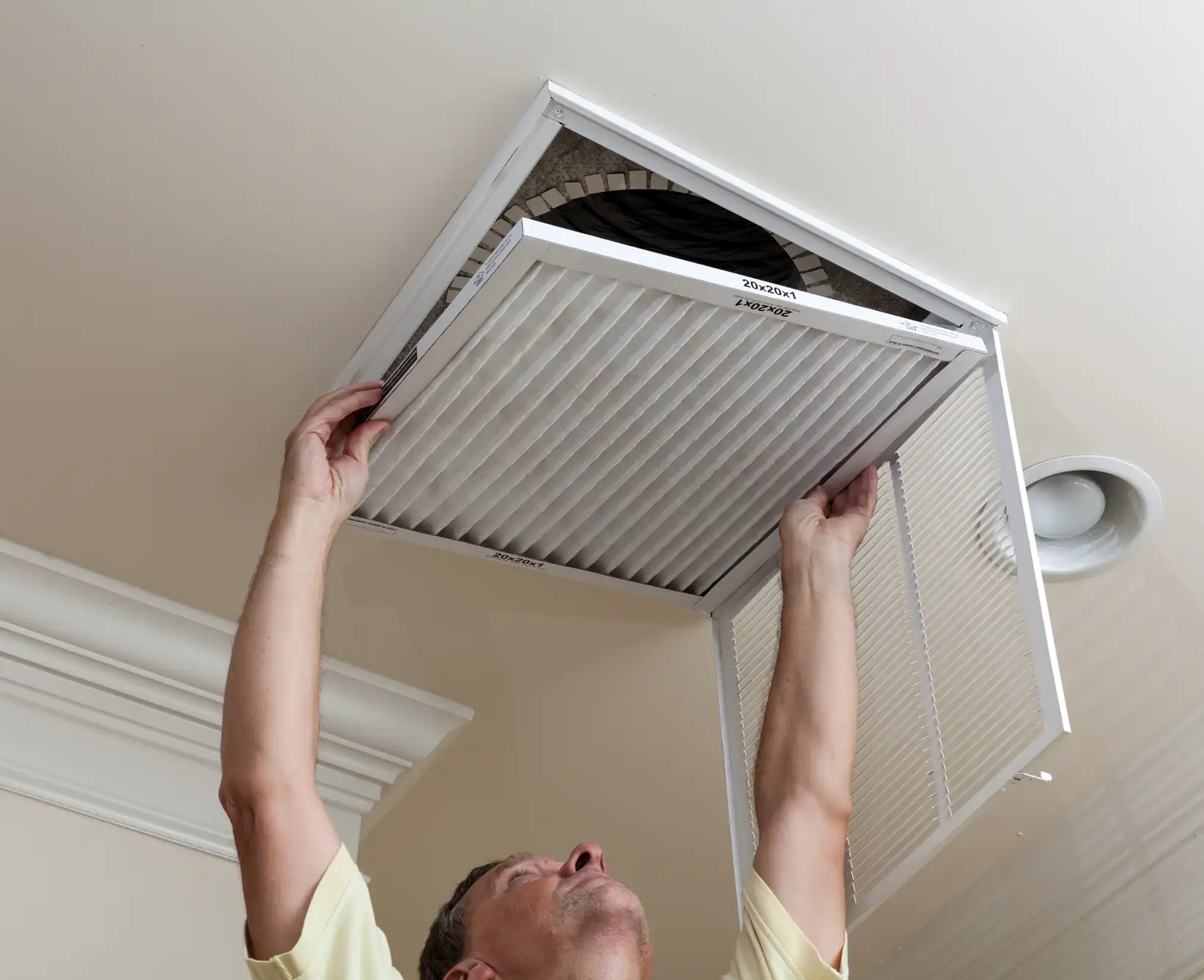
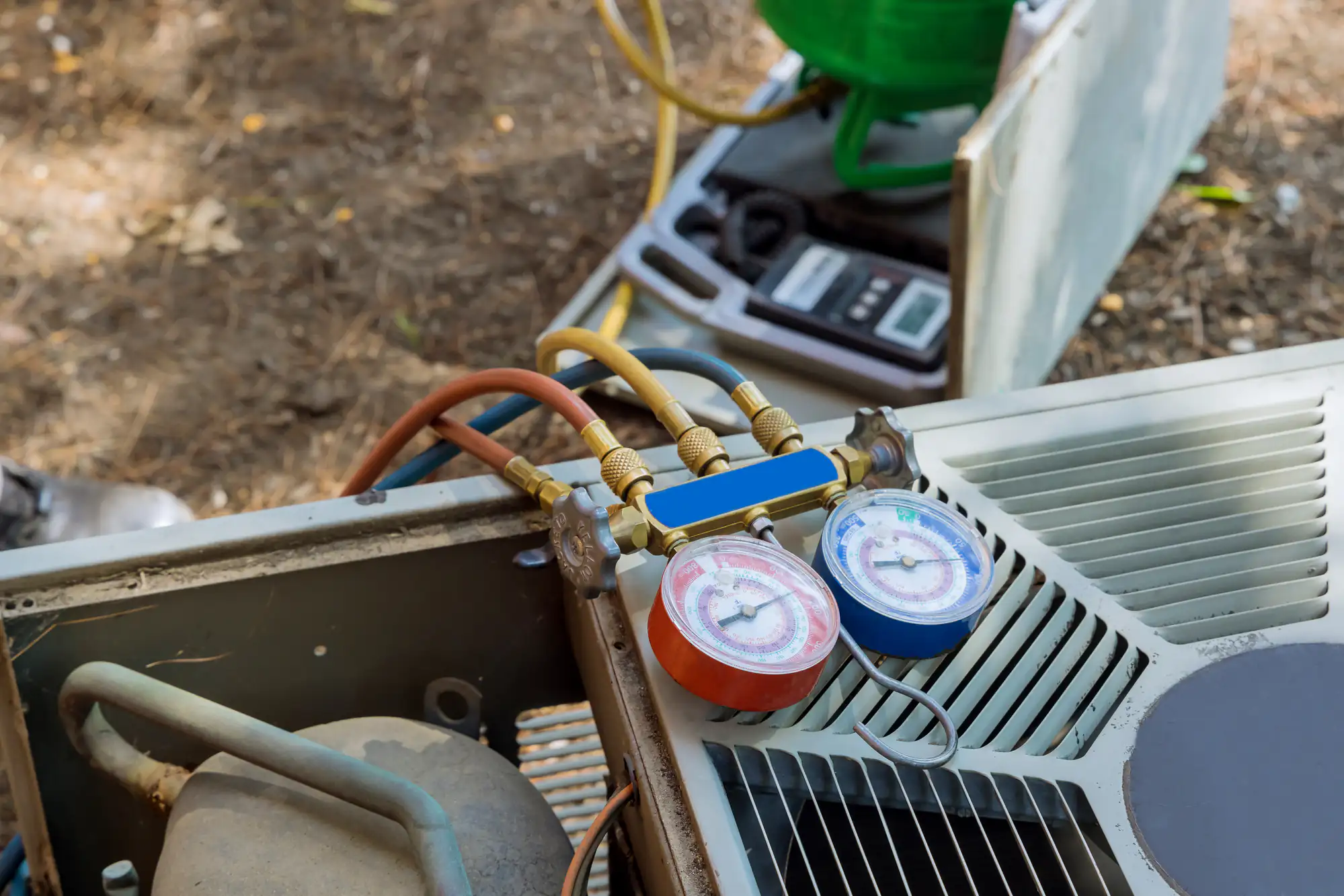
Air conditioning repair covers everything from clogged filters and blocked ductwork to failed compressors and refrigerant leaks. We handle inconsistent cooling, warm air blowing from vents, and systems that run constantly but never reach temperature.
Furnace installation and heating system maintenance keep you warm when Long Island winters hit. We install energy-efficient systems, replace aging units before they fail, and maintain equipment so it works when you need it. Heat pump repairs get handled fast because a failed heat pump in 26-degree weather isn’t something you wait on.
HVAC replacement gets done right the first time. We account for your home’s volume, your proximity to salt air, and how hard your system has to work to dehumidify before cooling. Homes near the bays need different equipment than homes five miles inland. We size systems correctly and install units designed to handle coastal humidity.
Indoor air quality improvements include dehumidification solutions, air filtration upgrades, and ductwork repairs. If your home feels muggy even when the AC is running, or if you’re dealing with mold because humidity isn’t controlled, we fix that.
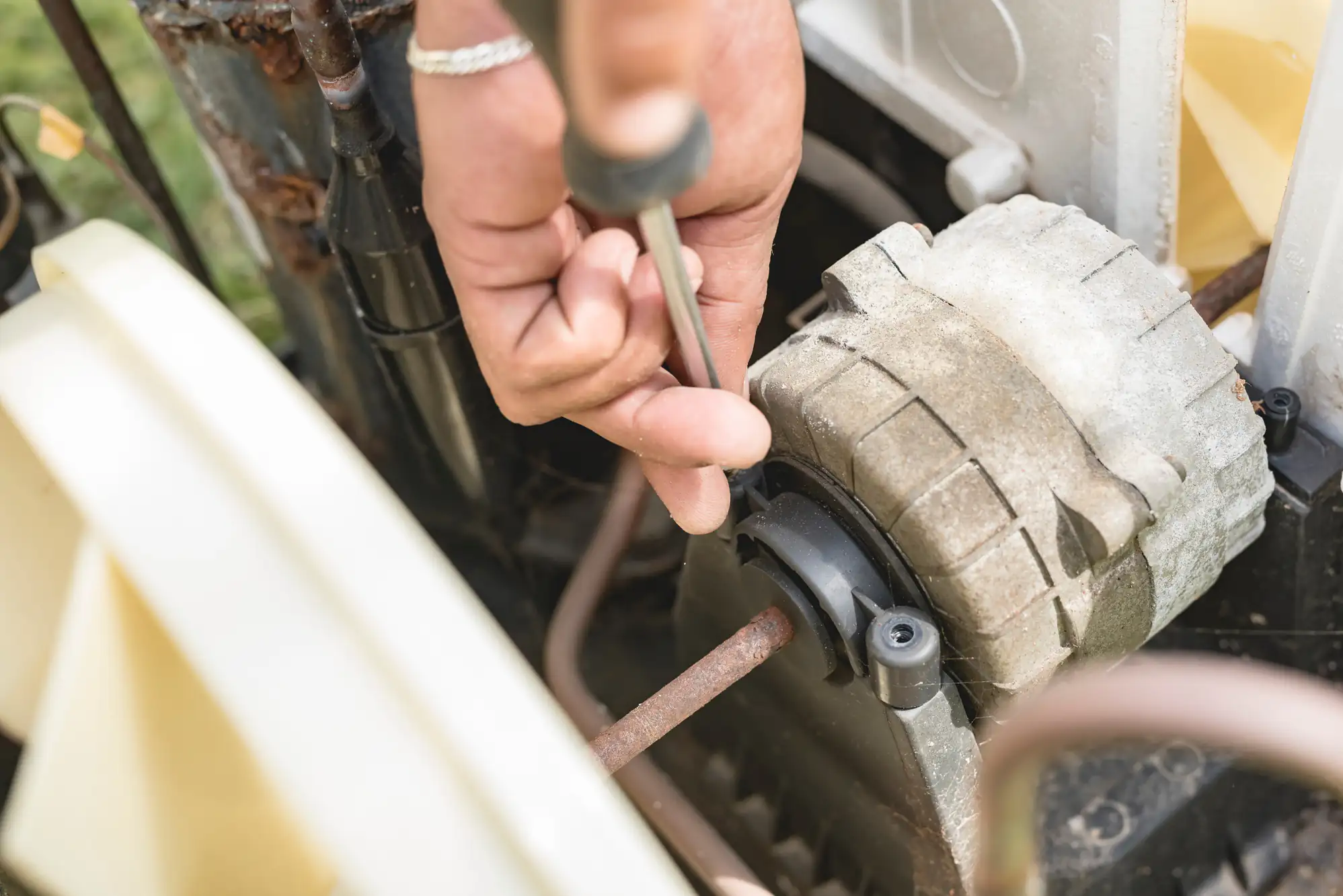
It depends on your home’s size, the system type, and how close you are to the water. A standard residential HVAC replacement for a 1,500-square-foot home typically runs between $5,000 and $12,000. Larger homes or properties requiring coastal-rated equipment with corrosion-resistant components cost more.
If you’ve been quoted $10,000+ for a repair, that’s usually a sign the system is beyond fixing. We’ll tell you straight whether repair makes sense or if replacement is the smarter move. Energy-efficient systems cost more upfront but can cut your energy bills by 20% to 50%, which adds up over a 15-year lifespan.
We provide free estimates and transparent pricing. You’ll know exactly what you’re paying for and why before any work starts.
Salt air is likely corroding your outdoor unit’s coils. If you’re within a mile of the Great South Bay, salt deposits cause pitting that eventually leads to refrigerant leaks. Most HVAC systems installed without coastal considerations last 10-12 years instead of 15-20.
Clogged air filters, blocked ductwork, and undersized systems also cause failures. Coastal homes deal with higher humidity, so your AC works harder to dehumidify before it can cool. If the system wasn’t sized correctly or isn’t maintained regularly, it’ll fail during the first heat wave.
Regular maintenance neutralizes salt deposits and catches small problems before they become expensive repairs. We recommend maintenance at least twice a year for homes near the water—once before cooling season, once before heating season.
If it’s an emergency, we’re available 24/7 and typically arrive within a few hours. When temperatures drop to 26 degrees overnight, a failed furnace isn’t something you wait on until morning.
Most furnace repairs get completed the same day because our service vehicles carry common parts. If it’s a more complex issue requiring special-order components, we’ll set you up with temporary heating solutions while we source what’s needed.
For non-emergency heating system maintenance or planned furnace installation, we usually schedule within 24-48 hours. We don’t make you wait a week when your family’s comfort and safety are on the line.
Salt air corrodes metal components faster than normal wear and tear. Outdoor units near the water face direct salt spray that causes coil pitting, refrigerant leaks, and compressor failure. Homes within a mile of the coast see HVAC lifespans of 10-12 years versus 15-20+ years for inland properties.
Humidity also forces systems to work harder. Your air conditioner has to dehumidify the air before it can cool it, which means more runtime, more strain, and faster component degradation. If the system wasn’t designed for coastal conditions, it’ll burn out sooner.
Using equipment with aluminum tubing and corrosion-resistant fin structures helps. So does regular maintenance to clean salt deposits and apply protective coatings. We install systems built for Long Island’s coastal climate and maintain them so they last as long as possible.
Yes, especially if you’re running your system hard to manage humidity and temperature swings. Energy-efficient systems reduce energy consumption by 20% to 50%, which translates to lower utility bills every month. Over a 15-year lifespan, that adds up to thousands in savings.
Air conditioning accounts for about 7% of all electricity used in the U.S., costing homeowners roughly $32 billion annually. If your current system is old or inefficient, you’re likely paying more than you should. Upgrading to a high-efficiency unit cuts those costs significantly.
With 19% of homeowners planning HVAC replacements in 2026, demand for energy-efficient systems is rising. Rebates and incentives are available for qualifying equipment, which can offset some of the upfront cost. We’ll walk you through options that make sense for your budget and your home’s needs.
At least twice a year—once before summer, once before winter. If you’re within a mile of the water, quarterly maintenance makes more sense because salt deposits accumulate faster and cause damage sooner.
Regular maintenance catches clogged filters, blocked ductwork, refrigerant leaks, and worn components before they cause system failures. It also extends your equipment’s lifespan by neutralizing corrosion and keeping everything running efficiently.
Skipping maintenance is how you end up with a failed air conditioner during the first heat wave or a dead furnace in January. We offer maintenance plans that keep your system in shape year-round so you’re not dealing with emergency repairs at the worst possible time.