Hear from Our Customers
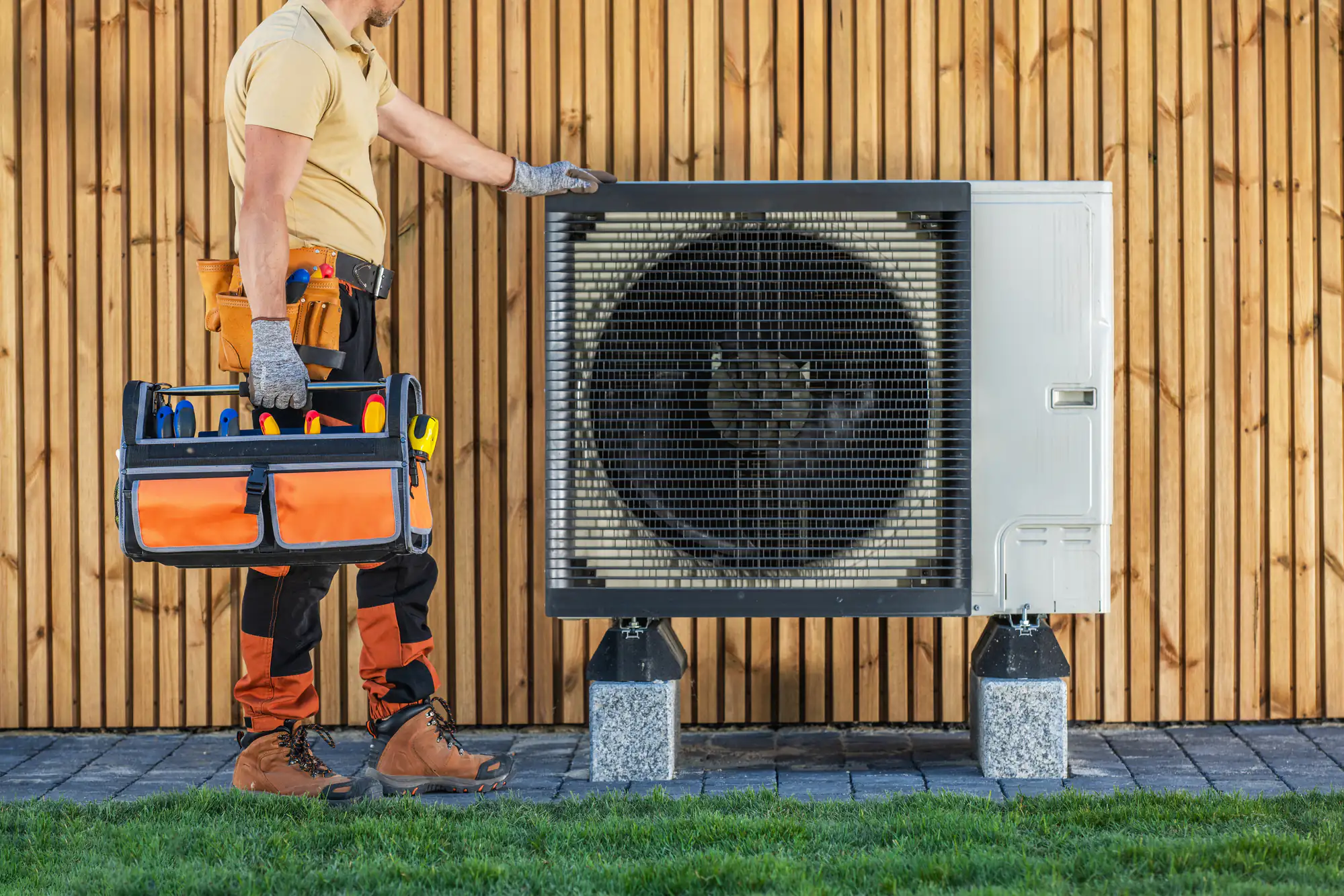
When your furnace quits on a January morning or your AC dies during a humid August afternoon, you’re not thinking about features. You’re thinking about how fast someone can get your home back to normal.
That’s where most HVAC companies fall short. They show up late, diagnose half the problem, or sell you equipment you don’t actually need. You end up paying twice—once for the service call, again when the issue comes back.
Here’s what changes when your system is handled right. Your energy bills drop because the equipment runs efficiently instead of fighting itself. You stop worrying about breakdowns during the coldest and hottest weeks of the year. And when you do need service, someone picks up the phone and actually shows up on time.
You’re not looking for the cheapest option. You’re looking for the one that works and keeps working. That’s what over 40 years of handling complex commercial and marine HVAC systems teaches you—how to diagnose correctly the first time, fix it right, and keep it running longer than the industry average.
We didn’t start with residential HVAC. We built our reputation on marine air conditioning and commercial refrigeration—systems where failure isn’t an option and complexity is the standard. Walk-in coolers at busy restaurants, custom beer systems, airport HVAC setups. The kind of work that requires you to actually know what you’re doing.
That background matters when you’re dealing with North Haven homes. These aren’t cookie-cutter builds. You’ve got older systems mixed with newer tech, coastal salt air eating at coils, and homeowners who expect things done right the first time. We’ve been serving Long Island for over 40 years because we show up, we communicate clearly, and we don’t leave until it’s fixed.
You’ll find dozens of five-star reviews from people who’ve dealt with the same frustrations you have—contractors who don’t call back, techs who guess instead of diagnose, companies that disappear after the install. We’re still here because we do the opposite.
You reach out—phone, email, whatever works for you—and we set up a time that actually fits your schedule. No two-hour windows where you’re stuck waiting around. We give you a real arrival time and we hit it.
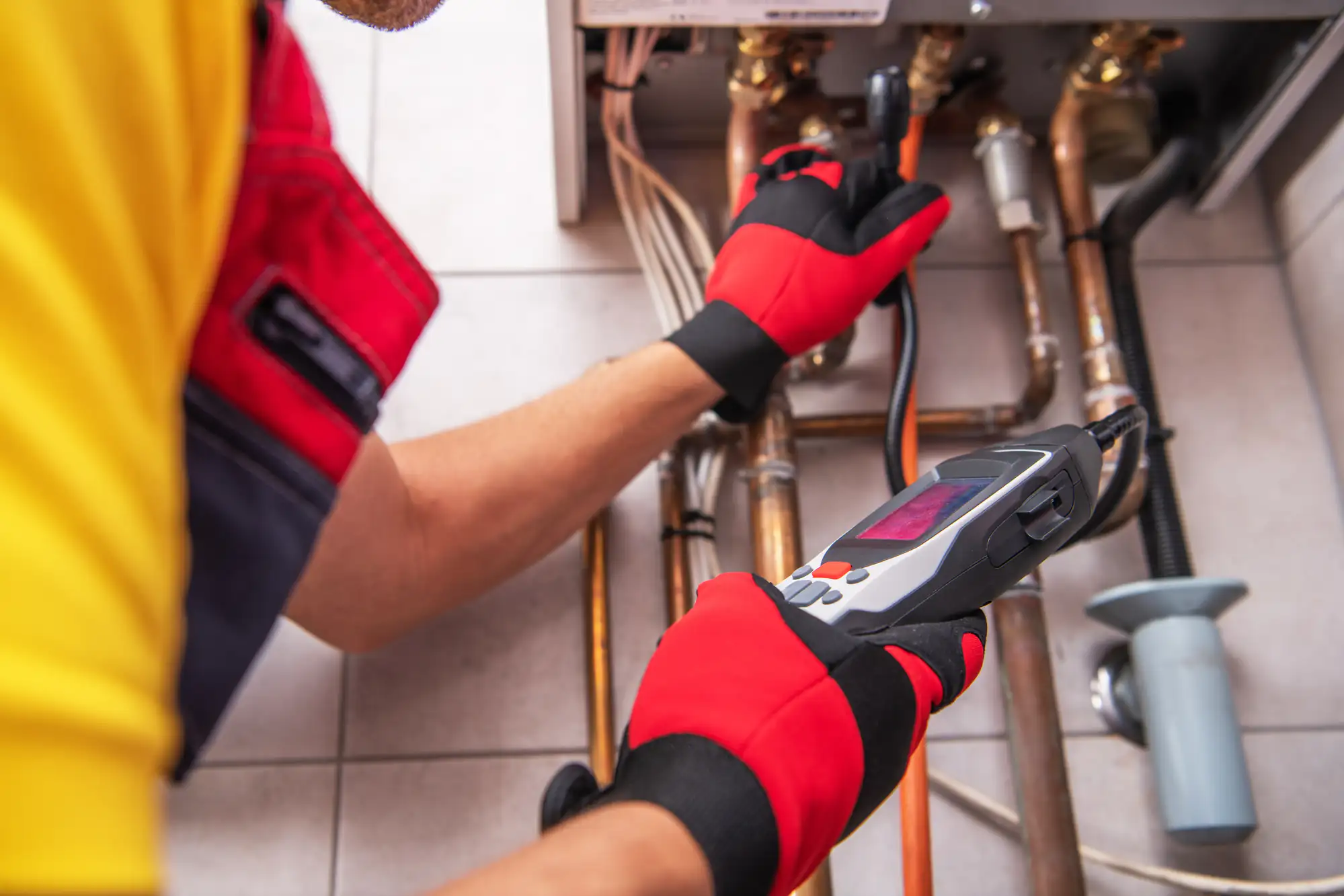
Our tech shows up with a fully stocked service vehicle. That matters more than you’d think. Most companies send someone out to look, then they have to order parts, then they come back three days later. We carry the parts that fail most often, which means same-day repairs happen more often than not.
We diagnose the actual problem, not just the symptom. Your AC isn’t cooling? Could be refrigerant, could be the compressor, could be a clogged filter or a failing capacitor. We test, we measure, we confirm. Then we explain what’s wrong in plain terms and what it’ll cost to fix before we touch anything.
After the repair or installation, we walk you through what we did and what to watch for. If it’s a maintenance visit, we catch the small stuff before it becomes expensive stuff—checking refrigerant levels, cleaning coils, testing electrical connections, making sure your system isn’t working harder than it needs to.
You get a follow-up. We check in to make sure everything’s still running right. And if something feels off, you call us back. We’re available 24/7 because HVAC emergencies don’t wait for business hours.
Ready to get started?
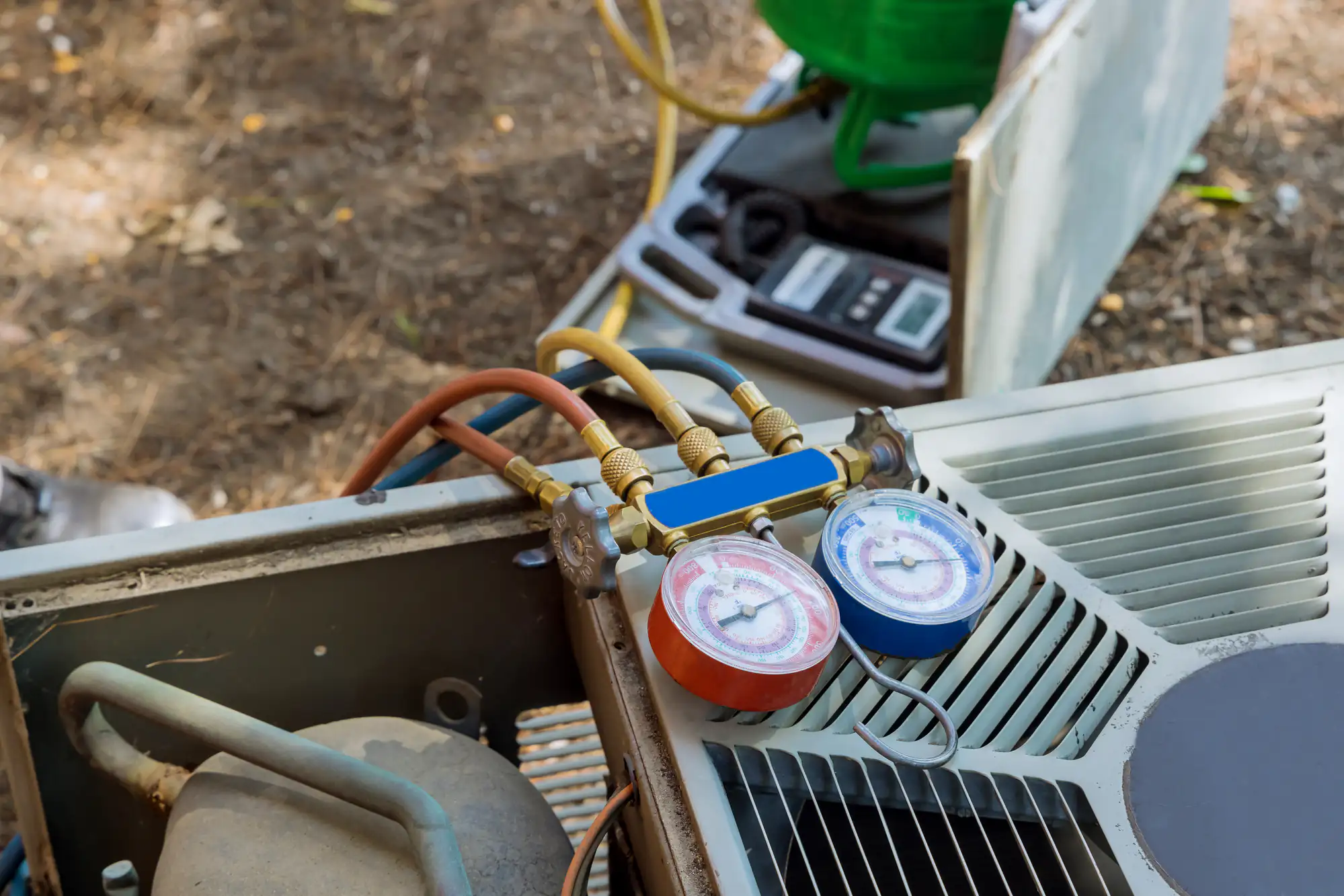
You’re getting air conditioning repair when your system stops cooling or starts making sounds it shouldn’t. We handle refrigerant leaks, compressor failures, electrical issues, and the kind of salt air corrosion that’s common this close to the water. North Haven’s coastal location accelerates coil degradation, and we’ve seen it enough to know what to look for before it becomes a full replacement.
Furnace installation and heating system maintenance cover you through Long Island’s winters. Average lows hit the 20s, and polar vortex events can drop below zero. Your heating system doesn’t get a break from November through March, which is why preventive maintenance matters. We’re talking about extending your equipment’s lifespan from the typical 10 years to 15 or even 20—just by catching issues early and keeping everything clean and calibrated.
HVAC replacement happens when repair stops making financial sense. We don’t upsell you into a new system if yours has good years left, but we also won’t keep patching something that’s costing you more in energy bills and service calls than a new install would. We walk you through the math and let you decide.
Indoor air quality upgrades matter more than most people realize. Humidity control, filtration, ventilation—it all affects how your home feels and how much your system has to work. We integrate smart thermostats and zoning systems that let you control temperatures room by room, cutting energy waste and keeping everyone comfortable.
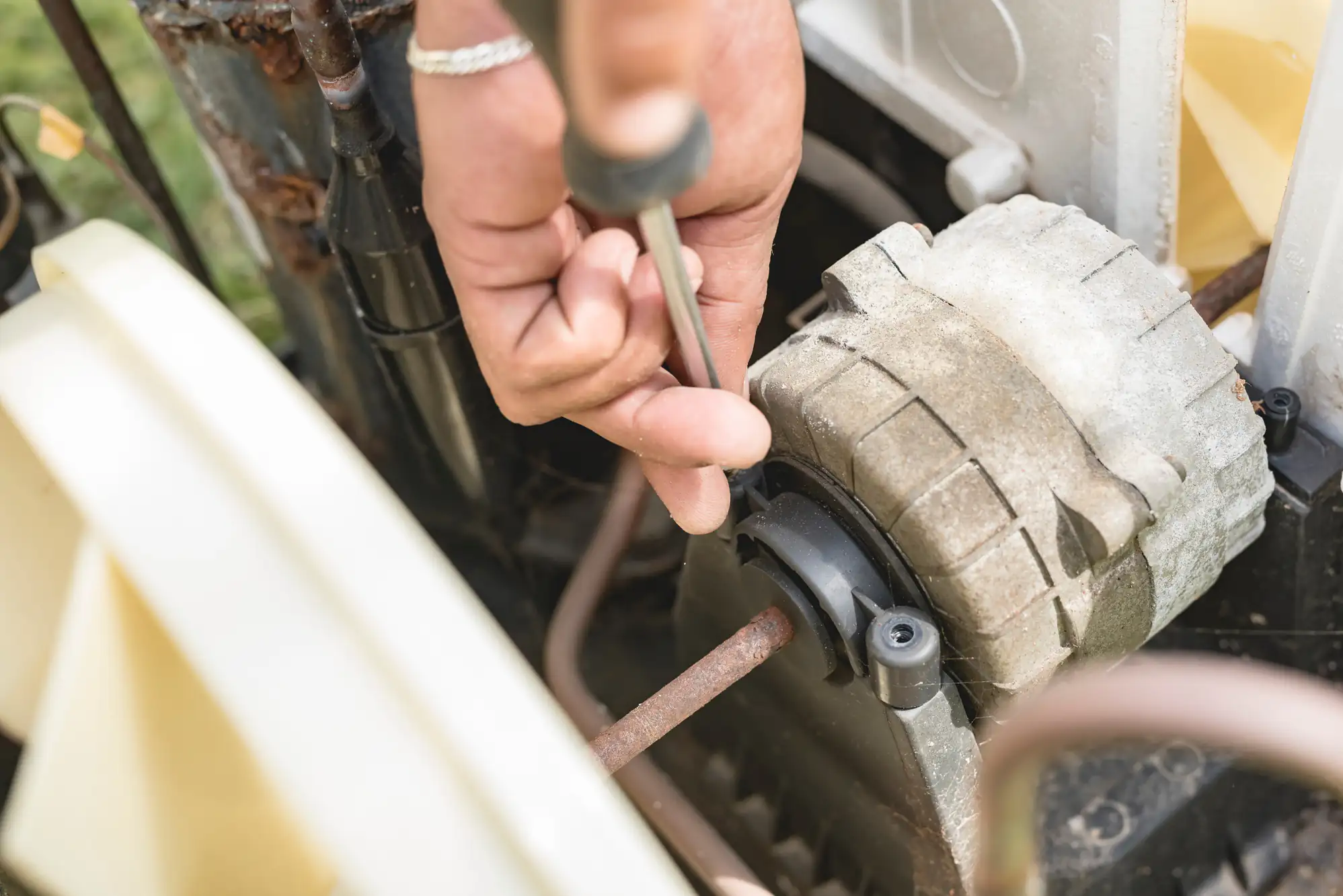
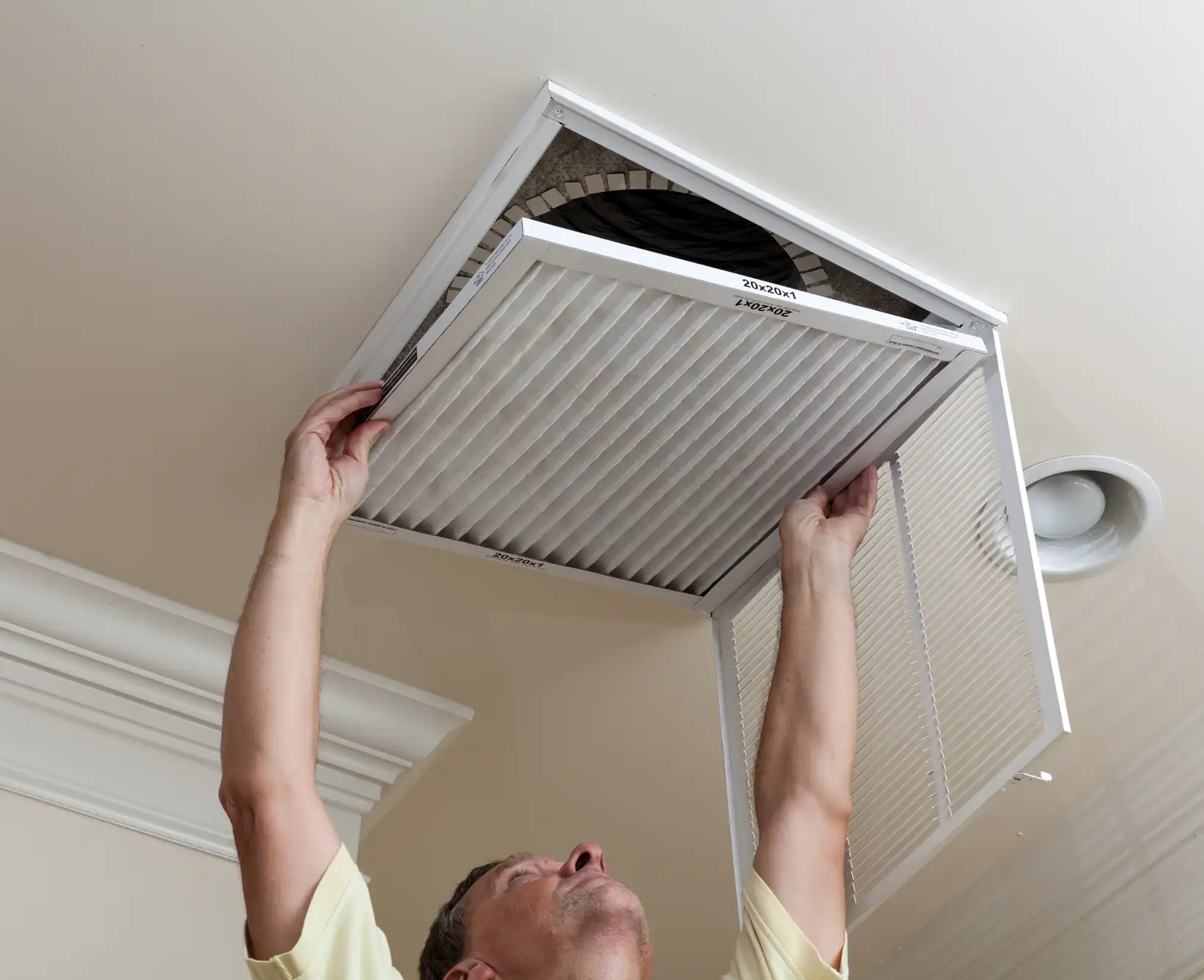
Twice a year is the standard—once before cooling season, once before heating season. That usually means a spring check for your AC and a fall check for your furnace or heat pump.
Long Island’s climate puts year-round demand on your system. Summers are hot and humid, winters are cold, and your equipment rarely gets a long break. Regular maintenance catches refrigerant leaks, dirty coils, worn belts, and failing capacitors before they turn into no-heat or no-cool emergencies.
Here’s the part most people don’t think about: North Haven’s coastal location means salt air. That accelerates corrosion on your outdoor unit’s coils and components. A maintenance visit includes cleaning and inspecting those parts, which can add years to your system’s life. You’re looking at 15 to 20 years of service instead of the 10-year average when you stay on top of it.
Energy bills are the big one. ConEd bills for Long Island homeowners average around $250 per month during heating season, and older systems can push that higher by 20% to 30%. Inefficient equipment works harder to hit the same temperature, which means you’re paying for wasted energy every month.
Then there’s the repair frequency. Systems older than 12 to 15 years start failing more often—capacitors, contactors, motors, refrigerant leaks. Each service call adds up, and if you’re calling someone out three or four times a year, you’re spending close to what a new system’s annual operating cost would be.
The hidden cost is comfort. Older systems struggle with humidity control and temperature consistency. You end up with hot and cold spots, higher indoor humidity in summer, and dry air in winter. Newer systems with variable-speed technology and better controls handle those issues without working as hard, which saves you money and makes your home more comfortable year-round.
Start with the age of your system. If it’s under 10 years old and the repair cost is less than half the price of a new unit, repair usually makes sense. If it’s over 15 years old and you’re looking at a major component failure—compressor, heat exchanger, evaporator coil—replacement is often the smarter move.
Look at your repair history. If you’ve called for service two or three times in the past year, that’s a pattern. You’re putting money into a system that’s telling you it’s done. At that point, you’re better off investing in new equipment that comes with a warranty and won’t need constant attention.
Energy efficiency is the other factor. Older systems run at 8 to 10 SEER, while new ones hit 16 SEER or higher. That difference cuts your cooling costs nearly in half. If your summer energy bills are climbing and your system is running constantly just to keep up, a new install pays for itself faster than you’d think. We’ll walk you through the actual numbers so you can make the call based on real costs, not guesswork.
Service calls typically run $150 to $250 depending on the issue and time of day. Emergency calls outside business hours cost more, but you’re paying for availability when you actually need it. Repairs range from $200 for something simple like a capacitor replacement to $1,500 or more for compressor or coil work.
New system installations vary based on your home’s size, the equipment you choose, and whether ductwork needs modification. You’re generally looking at $5,000 to $12,000 for a full residential HVAC replacement in a North Haven home. Higher-end systems with variable-speed technology, better efficiency ratings, and advanced controls push toward the top of that range, but they also cut your operating costs and last longer.
Maintenance contracts usually cost $200 to $400 per year and cover your twice-annual tune-ups plus discounts on repairs. That’s cheaper than skipping maintenance and dealing with an emergency replacement in the middle of summer or winter. We give you transparent pricing upfront—no surprises, no hidden fees. You know what it costs before we start the work, and you decide if it makes sense.
Yes, and it’s one of the upgrades that actually makes a difference in how your system runs. Smart thermostats learn your schedule, adjust temperatures automatically, and let you control everything from your phone. You’re not heating or cooling an empty house, which cuts energy waste by 15% to 25% depending on your habits.
We install and integrate systems like Nest, Ecobee, and Honeywell Home with your existing HVAC setup. That includes connecting to your home’s WiFi, programming schedules, setting up zoning if your system supports it, and walking you through how to use it. Zoning is especially useful in larger North Haven homes—you can keep bedrooms cooler at night and living areas warmer during the day without running the whole system at full blast.
The integration side matters if you’ve already got smart home devices. We make sure your thermostat works with Alexa, Google Assistant, or whatever platform you’re using. It’s not complicated, but it does require someone who knows both the HVAC side and the tech side. Our background with complex commercial systems means we’ve dealt with automation and controls for years—it’s just applied to your home instead of a restaurant or marina.
We offer 24/7 emergency service because HVAC failures don’t wait for convenient times. Your furnace quits at 11 p.m. on a February night, or your AC dies during a weekend heat wave. You need someone who picks up the phone and actually shows up.
Response times depend on where we are and what else is happening, but we’re typically on-site within a few hours for true emergencies. Our service vehicles are stocked with the most common failure parts—capacitors, contactors, thermostats, refrigerant—so there’s a good chance we can fix it the same visit instead of scheduling a follow-up.
Emergency calls cost more than scheduled service, but you’re paying for availability and speed. We’ll tell you the cost upfront before we dispatch, and we’ll let you know if it’s something that can wait until morning or if it genuinely needs immediate attention. We’re not going to sell you emergency service if your issue can hold—but if your heat’s out and it’s 20 degrees outside, we’re coming out.