Hear from Our Customers
You’re not looking for an HVAC company. You’re looking for someone who picks up the phone at 9 PM when your furnace quits in January. Someone who understands that salt air from the Sound eats through outdoor units faster than most contractors realize.
Your energy bills shouldn’t climb every summer even though you haven’t changed how you live. Your second floor shouldn’t feel like a different climate zone than your first. And you shouldn’t need to keep a space heater running in the bedroom because your heating system can’t keep up.
When your HVAC system actually works the way it should, you stop thinking about it. Rooms stay comfortable. Humidity doesn’t make your house feel sticky in July. Your monthly bills drop because the system isn’t fighting itself to do basic work. That’s what happens when someone who knows coastal homes does the job right the first time.
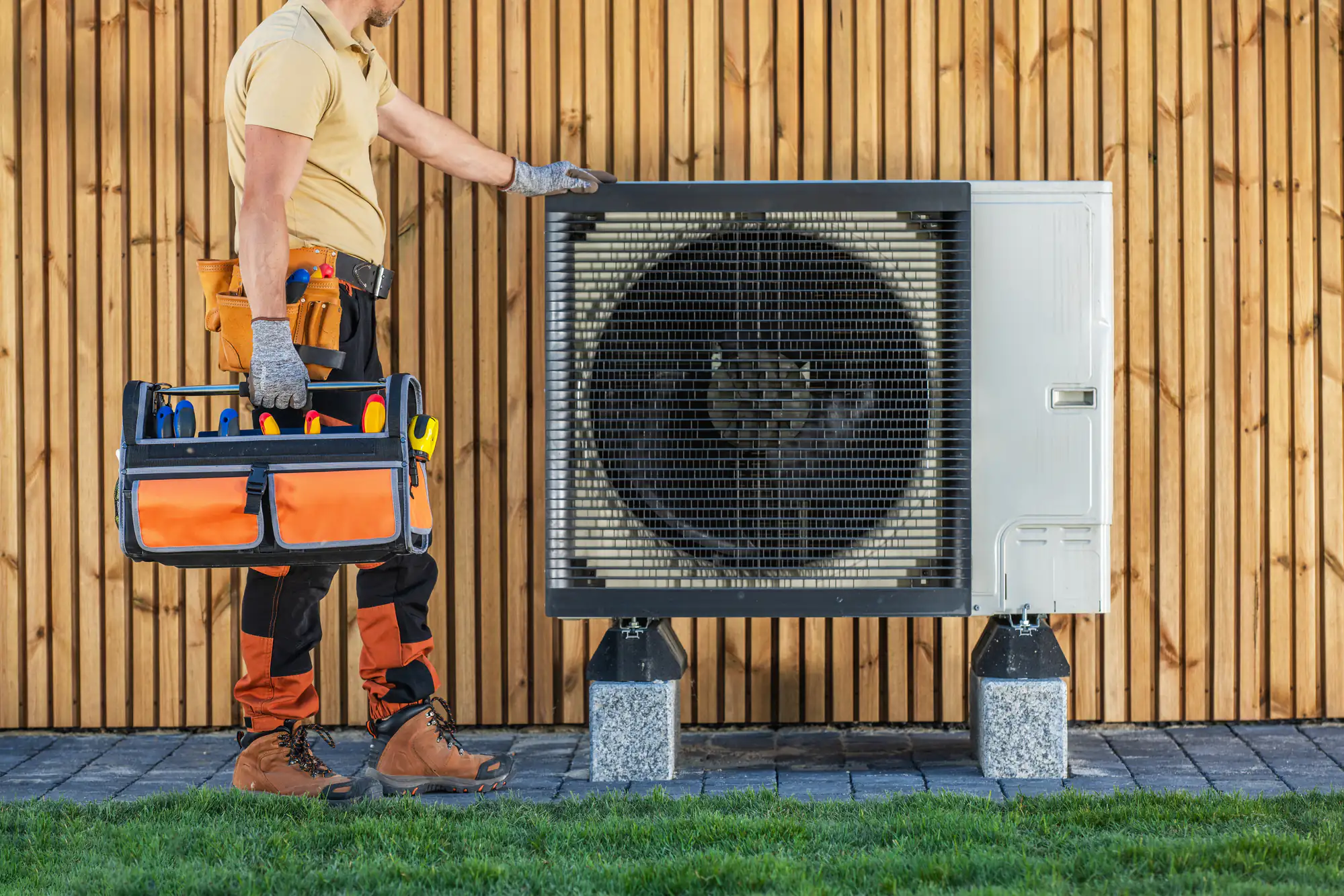
We’ve been doing this since before heat pumps were a thing anyone talked about. Forty years means we’ve worked on systems most contractors have only seen in manuals. We know which parts suppliers still stock components for older equipment, and we understand how North Hempstead’s proximity to the water changes what your outdoor unit deals with every single day.
You’ll talk to the same people when you call. We’re licensed, insured, and available 24/7 because HVAC emergencies don’t wait for business hours. We’ve handled installs in historic homes with tight spaces, multi-family buildings with complicated ductwork, and waterfront properties where standard equipment fails in three years instead of fifteen.
We don’t do high-pressure sales. You get a free estimate, a straight answer about what your system actually needs, and options that make sense for your home and your budget.
First, we listen. You tell us what’s going on—weird noises, uneven temperatures, rising bills, whatever brought you here. We ask questions that matter, not script questions designed to upsell you.
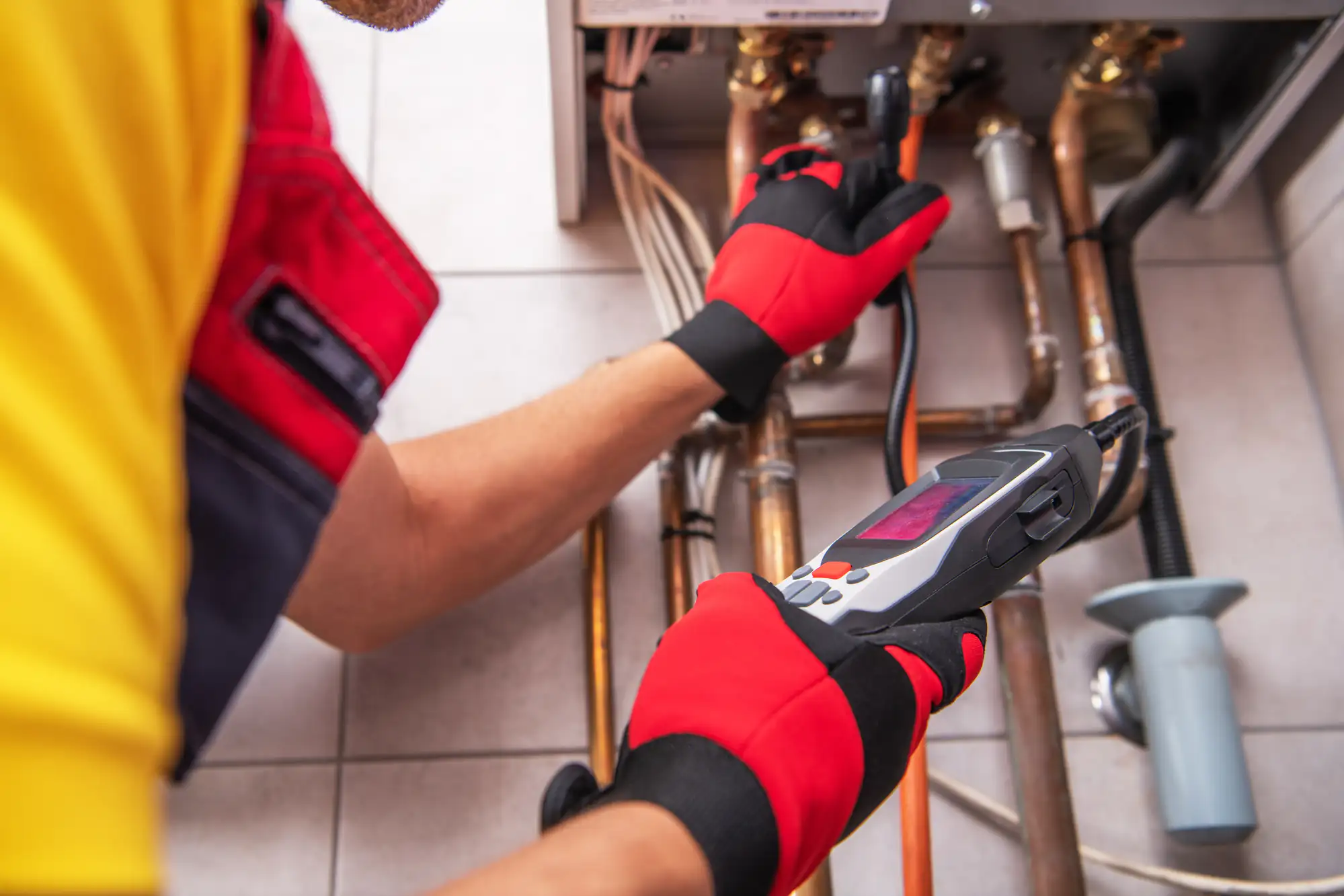
Then we come out and actually look at your system. Not just the obvious parts. We check airflow, measure temperature splits, inspect your ductwork for leaks, and look at how your outdoor unit is holding up against coastal conditions. If you’re near the water, we’re checking for corrosion on the condenser coils because that’s usually where problems start.
You get options, not a single “this is what you need” pitch. Sometimes that’s a repair. Sometimes it’s a replacement. Sometimes it’s addressing ductwork issues that no amount of new equipment will fix. We explain what each option gets you, what it costs, and what rebates or incentives you qualify for. New York State is offering significant rebates for heat pump installations right now—sometimes $4,000 to $11,000 depending on your situation—and we handle that paperwork.
If you move forward, we schedule around your life, not ours. Installation gets done right: proper sizing, correct refrigerant charge, ductwork modifications if needed, and a system that’s actually calibrated for Long Island’s humidity levels. You’re not waiting weeks. Most installs happen within days.
Ready to get started?
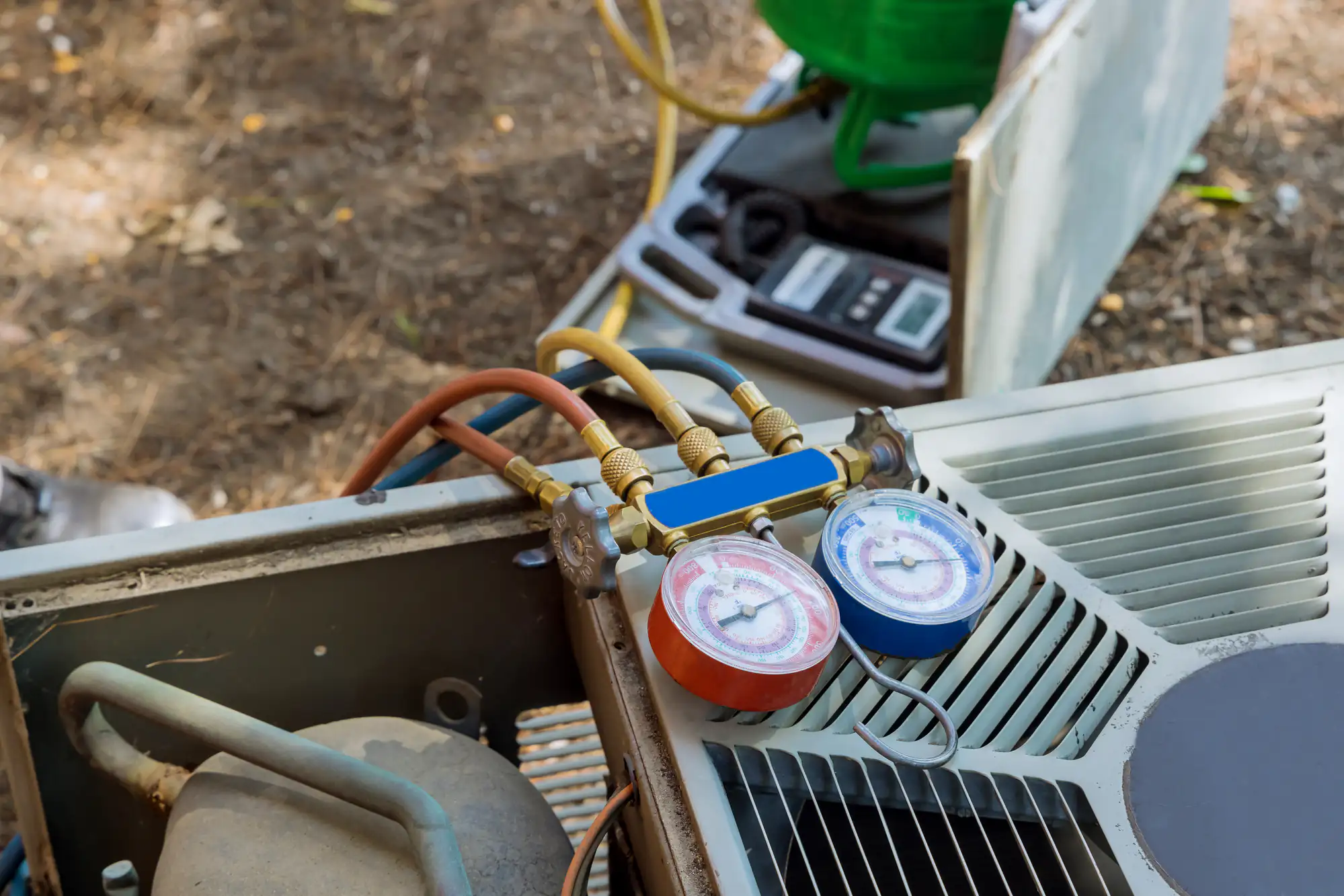
Air conditioning repair in North Hempstead means understanding that your system fights humidity as much as heat. When your AC runs but doesn’t dehumidify, that’s usually a sign of low refrigerant, a failing compressor, or airflow issues. We fix the actual problem, not just add refrigerant and hope it holds.
Furnace installation isn’t just swapping boxes. Modern high-efficiency furnaces hit 98% AFUE ratings, which means you could cut your gas consumption by 30-40% compared to a system from the 1990s. But only if it’s sized correctly and your ductwork can actually handle the airflow. We make sure both happen.
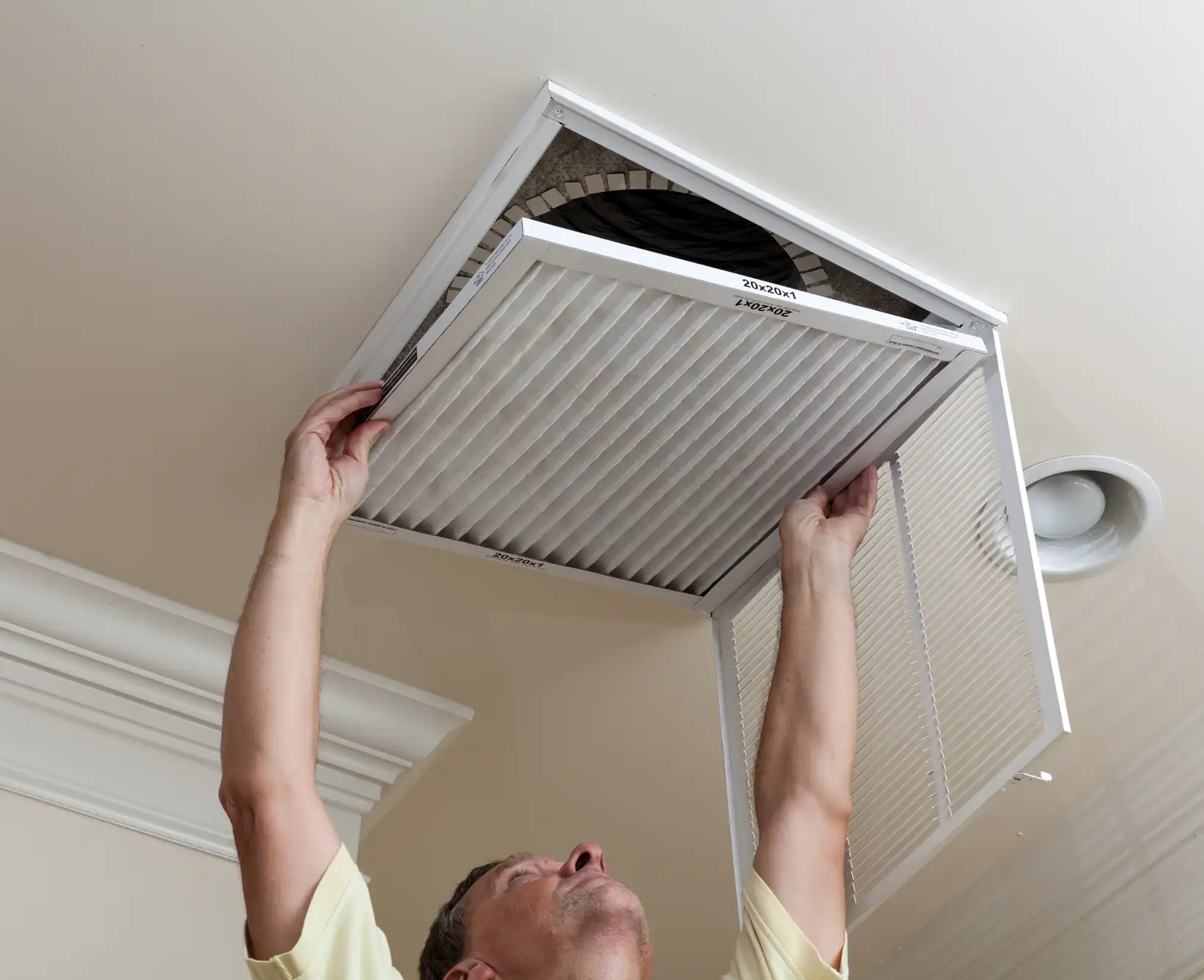
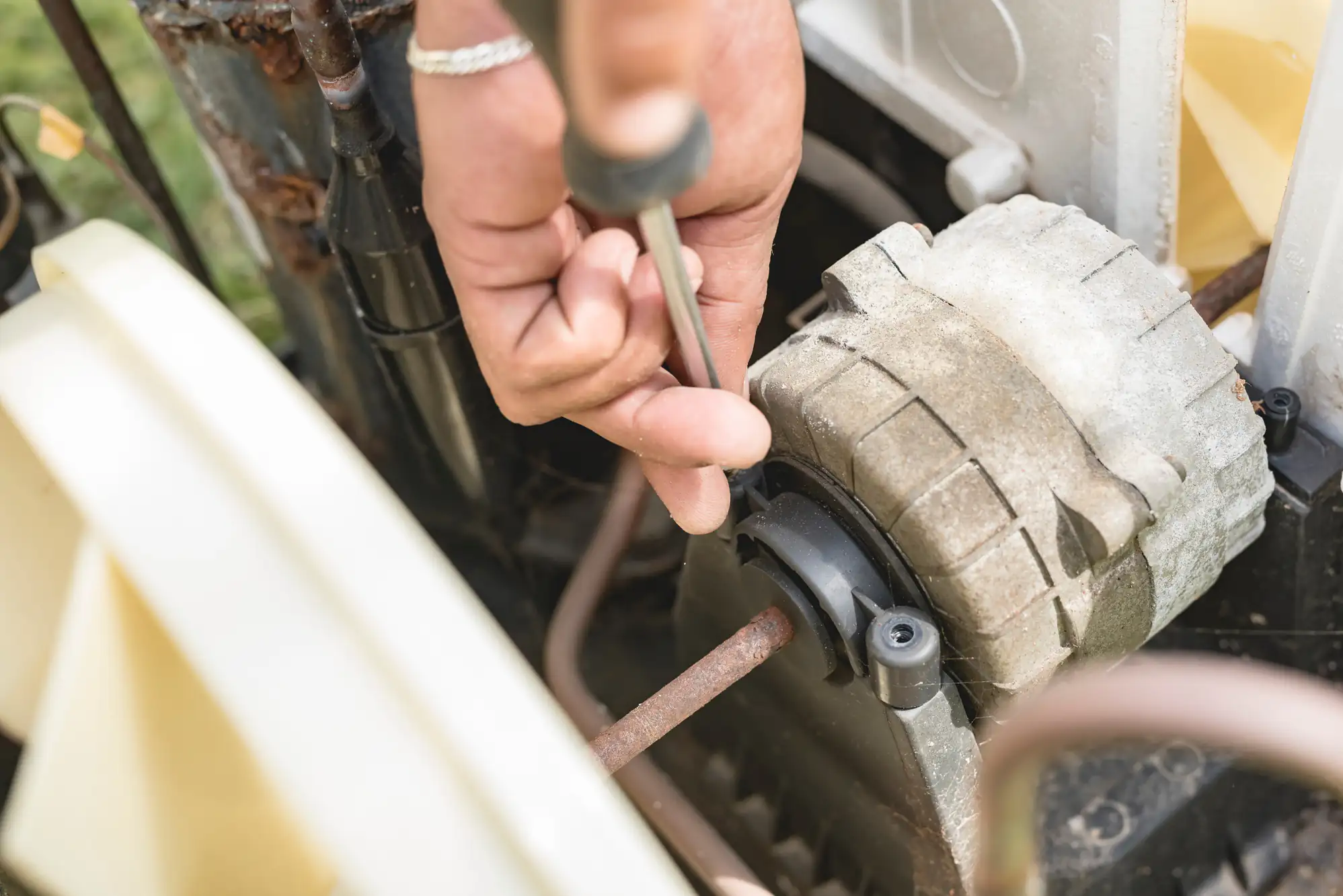
Heating system maintenance catches problems before they become emergencies. A blower motor drawing too much current. A heat exchanger starting to crack. Ductwork connections that have separated and are dumping heated air into your attic. Most of what we find during maintenance visits would have turned into expensive repairs or complete failures within months.
HVAC replacement is where experience matters most. Heat pumps are becoming the standard for Long Island homes, especially with current rebates, but they need to be spec’d for coastal conditions. We’re installing systems with corrosion-resistant coatings and components that survive salt air. Indoor air quality solutions—whole-home filtration, UV purification, proper humidity control—make the biggest difference during Long Island’s spring allergy season and summer humidity spikes.
Twice a year if you’re near the water. Once a year minimum if you’re inland.
Spring maintenance for your AC before summer hits, and fall maintenance for your heating system before winter. That’s the standard advice, and it’s good advice. But if your home is within a couple miles of the Sound or the Atlantic, that salt air accelerates wear on your outdoor unit. Aluminum fins corrode faster. Electrical connections deteriorate quicker. Twice-yearly maintenance catches that before it becomes a compressor failure in the middle of a heat wave.
During a real maintenance visit, we’re checking refrigerant levels, cleaning coils, testing capacitors, inspecting electrical connections, measuring airflow, and looking for early signs of failure. Not just changing a filter and calling it done. Most system failures we see could have been prevented if someone had caught the warning signs six months earlier.
If your system is under ten years old and the repair costs less than half of a replacement, repair usually makes sense. If it’s over fifteen years old and you’re looking at a major component failure, replacement almost always wins.
Here’s the math that matters: a compressor replacement on an older AC unit runs $1,500 to $3,000 depending on the system. A new high-efficiency system starts around $5,000 to $8,000 for a complete install, but you’re getting equipment that uses 30-40% less energy and qualifies for rebates that can knock $2,000 to $4,000 off that price. Your old system, even after a $2,500 compressor replacement, is still running on 15-year-old technology with 15-year-old efficiency ratings.
We’ll tell you honestly which makes more sense for your situation. Sometimes a repair buys you two more years while you save for a replacement. Sometimes it’s throwing money at a system that’s going to fail again in six months. The decision depends on what else is wearing out, how efficient your current system is, and what rebates you qualify for right now.
Usually it’s one of three things: undersized equipment, ductwork problems, or insulation issues. Sometimes it’s all three.
Hot air rises, so second floors naturally run warmer. But if the temperature difference is more than a few degrees, something’s wrong. A lot of North Hempstead homes have ductwork that was designed for the original system but never updated when someone replaced the unit. Or the ductwork has leaks—sometimes 20-30% of your conditioned air is escaping into the attic before it reaches the rooms you’re trying to cool.
Undersized AC units can’t keep up when it’s 90 degrees outside. They run constantly, never quite catching up, and the second floor suffers most. Proper load calculation before installing a new system fixes this. Insulation matters too. If your attic insulation has settled or gotten wet, heat radiates right through your ceiling into the second floor bedrooms.
We do a full assessment: measure actual airflow to second floor vents, check for duct leaks, calculate whether your current system is sized correctly, and look at insulation levels. Then you know exactly what needs to happen to fix it.
Modern cold-climate heat pumps work fine in North Hempstead winters. The old ones from ten years ago struggled below 25 degrees. Today’s equipment keeps working efficiently down to zero degrees and below.
The technology changed. Cold-climate heat pumps now use variable-speed compressors and advanced refrigerants that extract heat from outdoor air even when it feels freezing to you. They’re not fighting to stay warm—they’re designed for this. Most of our installs in the past two years have been heat pump systems, and they’re handling winter without issues.
Here’s what makes them worth considering: they heat and cool, so you’re replacing both your AC and your furnace with one system. They’re dramatically more efficient than older heating systems—you’re typically cutting heating costs by 30-50%. And right now, New York State rebates for heat pump installations are substantial. We’re seeing homeowners get $4,000 to $11,000 back depending on income qualifications and the specific equipment installed.
The catch is installation quality. Heat pumps need to be sized correctly, installed with proper refrigerant charge, and spec’d with components that handle coastal conditions. A standard heat pump will corrode faster near salt water. We install marine-grade components on waterfront properties for exactly that reason.
If your system won’t turn on at all, check your thermostat batteries and your circuit breaker first. If it’s running but not heating or cooling properly, you likely need professional help.
Thermostat issues cause about 20% of the “my system isn’t working” calls we get. Dead batteries, incorrect settings, or a thermostat that’s located in a spot that doesn’t represent the actual temperature of your home. Circuit breakers trip sometimes, especially during storms or power fluctuations. Those are quick checks you can do yourself.
But if your system is running and blowing air that isn’t the right temperature, that’s usually refrigerant levels, a failing compressor, a bad capacitor, or airflow restrictions. If you’re hearing grinding, squealing, or banging noises, that’s a blower motor issue, a loose component, or something worse. If your energy bills have jumped without explanation, your system is working harder than it should—low refrigerant, dirty coils, ductwork leaks, or a system that’s on its way out.
Strange smells mean stop and call someone. Burning smells can indicate electrical problems. Musty smells usually mean mold in your ductwork or a clogged condensate drain. We can diagnose the actual problem in one visit and tell you exactly what it’ll take to fix it.
New York State’s Clean Heat Program is offering some of the best rebates we’ve seen. Heat pump installations can qualify for $4,000 to $11,000 depending on your household income and the equipment you’re installing. Federal tax credits add another $2,000 on top of that.
The state is pushing hard for building electrification from 2026 through 2030, which means the rebate money is real and available now. Income-qualified households get the highest rebates—up to $11,000 for a complete heat pump system. Even if you don’t qualify for income-based rebates, standard rebates still run $2,000 to $4,000 for high-efficiency heat pump installations.
There are also rebates for high-efficiency furnaces, central AC systems, and smart thermostats, though the amounts are smaller. The catch is that the equipment has to meet specific efficiency standards and the installation has to be done by a qualified contractor. We handle the paperwork and make sure the equipment qualifies before we install it.
Rebates change. What’s available today might not be available in six months, and funding can run out if enough people apply. If you’ve been thinking about upgrading your system, now is legitimately the time to do it.