
Hear from Our Customers
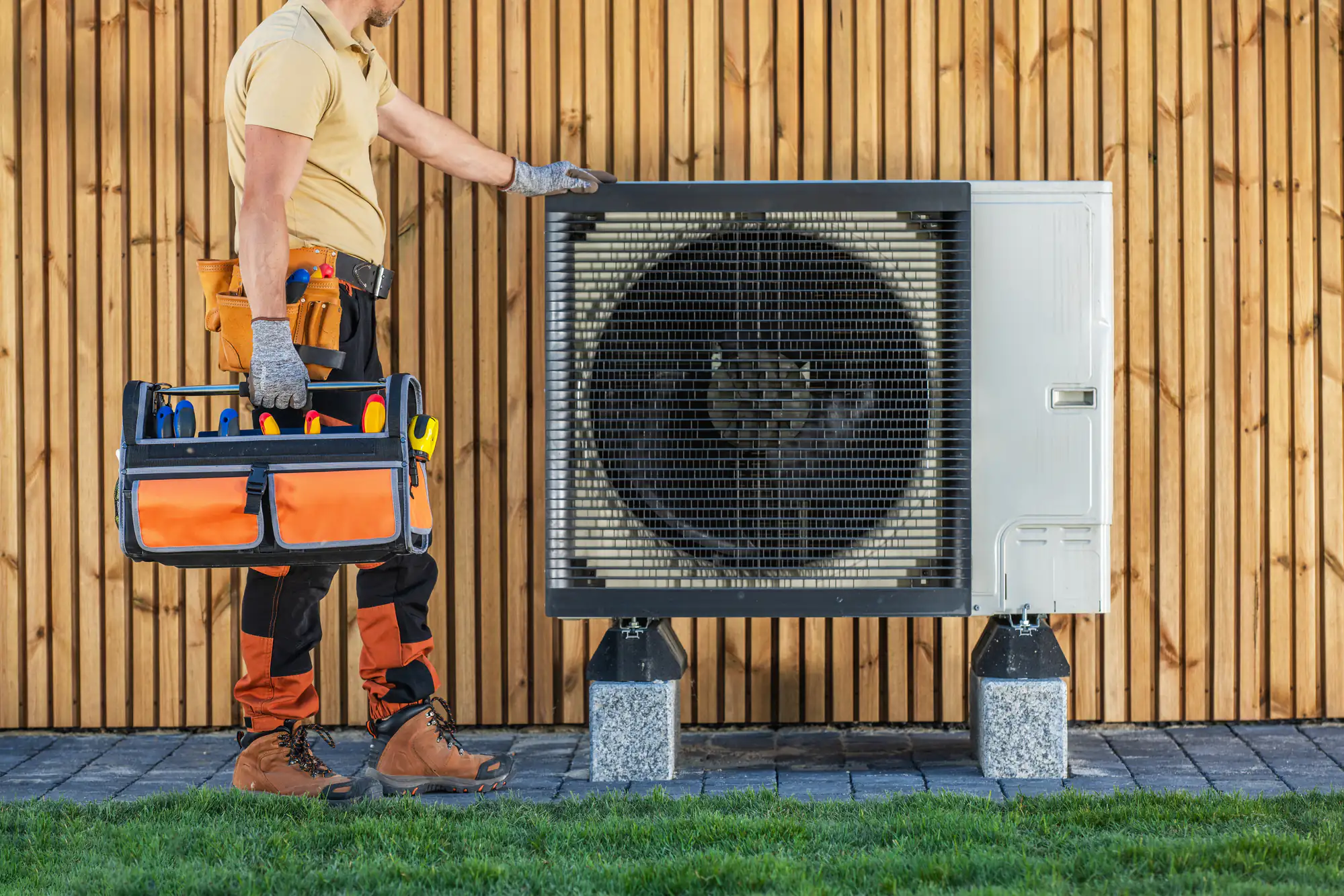
Your HVAC system shouldn’t be something you think about every day. When it’s working right, your home stays comfortable year-round without the constant thermostat adjustments, the mystery cold spots in the bedroom, or the anxiety every time you open your utility bill.
That’s what proper residential HVAC services actually deliver. Not just a band-aid repair that buys you another month, but real solutions that address why your system isn’t performing the way it should.
Most homes in North Lindenhurst were built in the 1950s and 60s. If your HVAC system is original or even 15+ years old, you’re likely dealing with inefficiency you can’t see but definitely pay for. Modern systems use 30% less energy than units installed even a decade ago, which matters when Long Island has some of the highest utility rates in the country.
You also get consistent temperatures in every room, better humidity control during our sticky summers, and fewer emergency service calls in the middle of a heat wave or cold snap. That’s the difference between maintaining a system and actually upgrading your home’s comfort.
We’ve spent over 40 years working on complex commercial refrigeration and marine HVAC systems across Long Island and the greater New York area. That background means we’ve seen every possible failure mode, worked in the toughest conditions, and learned how to diagnose problems fast.
We’re expanding into residential services because homeowners kept asking. When you’re known for keeping walk-in coolers running at airports and restaurants, people trust you with their home comfort too.
North Lindenhurst homeowners deal with specific challenges: coastal humidity that makes air conditioners work overtime, salt air that corrodes outdoor units faster than inland areas, and an aging housing stock that wasn’t built with modern HVAC efficiency in mind. We understand those conditions because we’ve worked in them for decades, and we know how to spec and maintain systems that actually hold up here.
First, we listen. You tell us what’s going on: no heat, AC not cooling, weird noises, high bills, uneven temps. We ask a few questions to narrow down the likely cause before we even show up.
Then we schedule a time that works for you. If it’s an emergency, we’re available 24/7 and can usually get someone out the same day. For non-urgent work, we offer free estimates and consultations so you know exactly what you’re looking at before committing to anything.
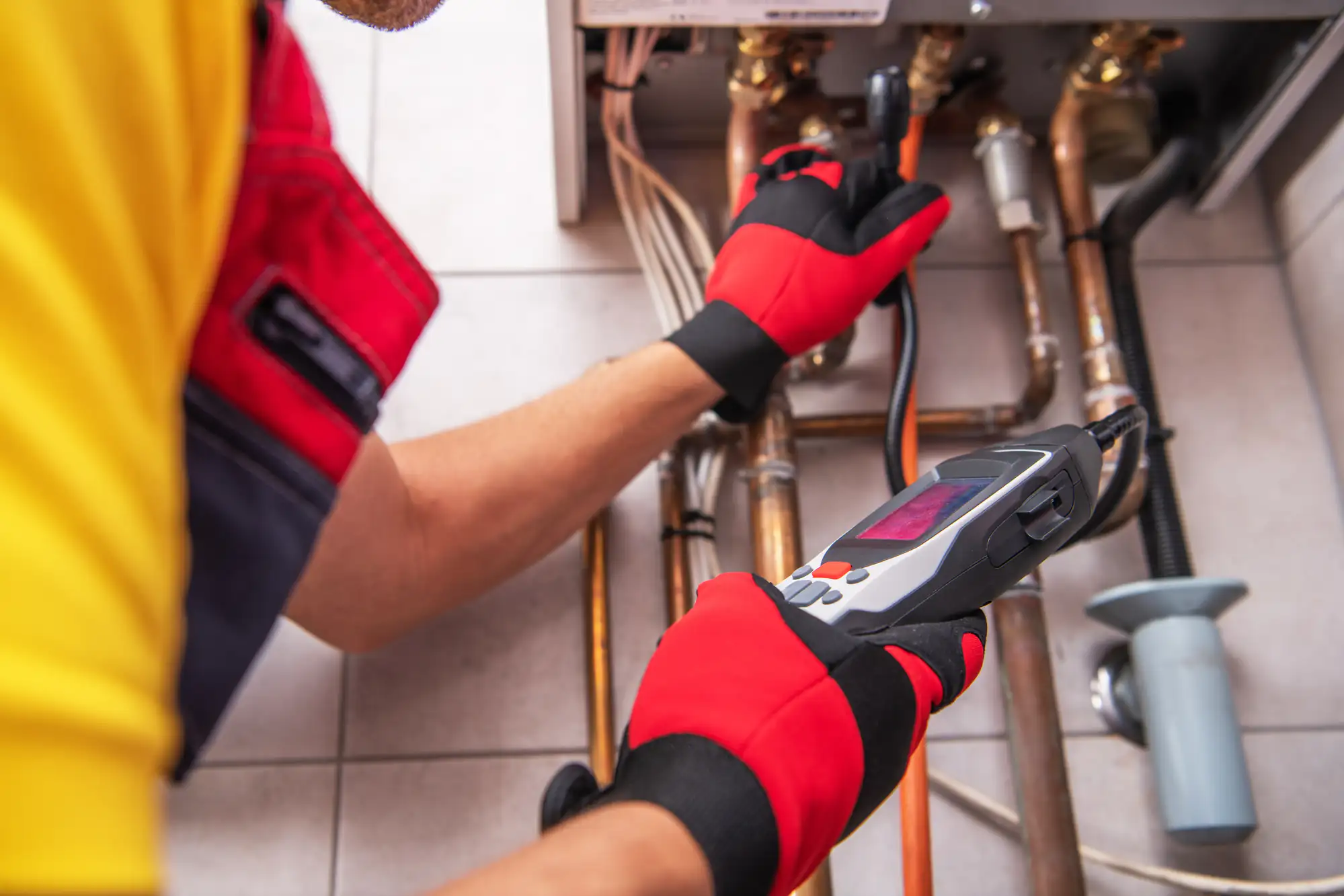
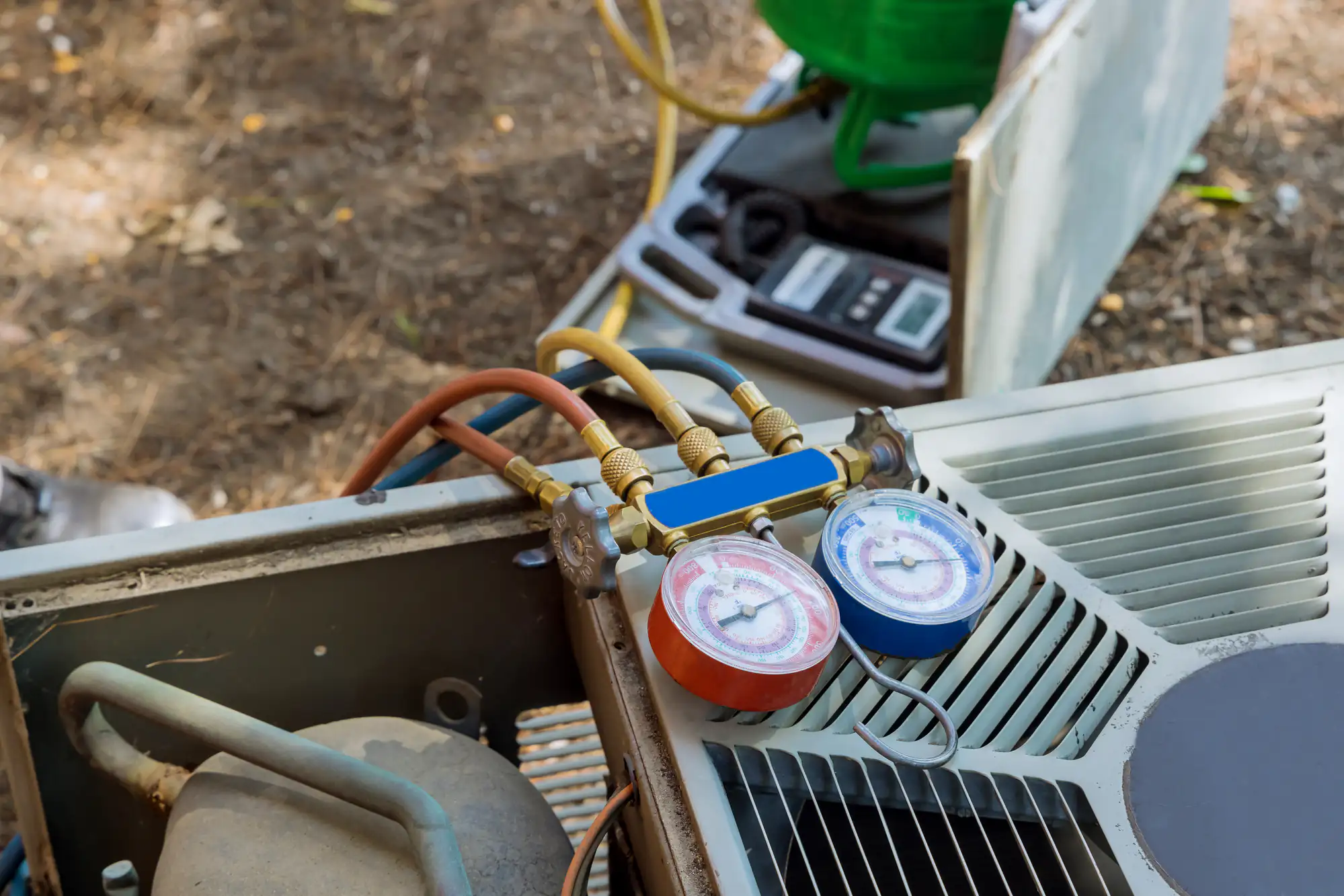
When we arrive, we run a full diagnostic. That means checking airflow, refrigerant levels, electrical connections, ductwork, thermostat calibration, and anything else that could be causing the issue. We don’t guess. We test, measure, and confirm before recommending a solution.
If it’s a repair, we explain what failed, why it failed, and what it’ll take to fix it. If replacement makes more sense, we’ll do a proper load calculation for your home’s square footage, insulation, window placement, and exposure. Undersized systems run constantly and wear out fast. Oversized systems short-cycle and waste energy. Proper sizing matters, and most contractors skip this step.
After the work is done, we walk you through what we did, answer your questions, and make sure the system is running the way it should. All our work is warranty-backed, and we’re always available if something doesn’t feel right.
Ready to get started?
We cover the full range of residential HVAC services: air conditioning repair and replacement, furnace installation and service, heat pump systems, ductwork evaluation and sealing, thermostat upgrades, and indoor air quality improvements like humidity control and filtration.
Air conditioning repair is one of our most common calls, especially during Long Island’s humid summers when systems have to work harder to dehumidify before they can cool. If your AC is running but not cooling, short cycling, leaking water, or making strange noises, those are all signs of specific failures we can diagnose and fix. Coastal properties also need regular coil cleaning because salt deposits accelerate corrosion and reduce efficiency.
Furnace installation and heating system maintenance become critical as we head into fall. Many North Lindenhurst homes still have furnaces from the 80s and 90s, and while they might still turn on, they’re burning way more fuel than necessary. Modern high-efficiency furnaces and heat pumps can cut your heating costs significantly, and with federal tax credits up to $2,000 available in 2026 for heat pump installations, the upfront cost is more manageable than it’s been in years.
We also focus on proper system sizing and load calculations. A system that’s too big or too small will never perform well, no matter how expensive it is. We take the time to measure your home’s actual heating and cooling needs so you get a system that runs efficiently and lasts its full 15-20 year lifespan.
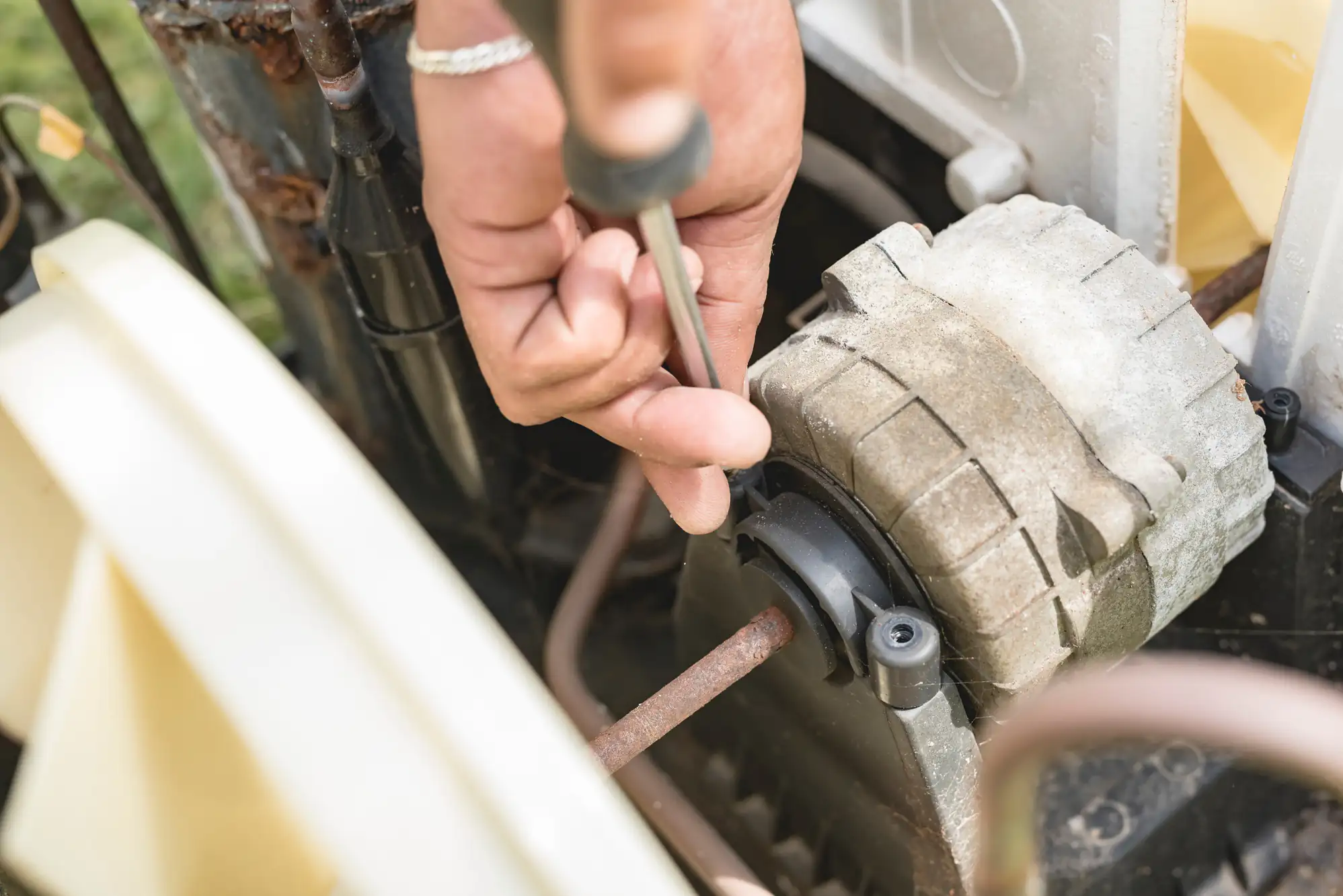
If your system is under 10 years old and the repair costs less than half the price of a new unit, repair usually makes sense. If it’s over 15 years old, needs frequent repairs, or uses R-22 refrigerant that’s been phased out, replacement is often the smarter move.
Here’s the math most homeowners don’t consider: older systems lose efficiency every year, which means higher energy bills even when they’re “working.” A 20-year-old AC might still blow cold air, but it’s using 40-50% more electricity than a modern unit to do the same job. Over a few years, that difference in operating cost can exceed the price of a new system.
We’ll always give you both options with transparent pricing. If a repair buys you another 5+ years of reliable service, we’ll tell you. If you’re throwing money at a system that’s going to fail again in six months, we’ll tell you that too.
System size depends on your home’s square footage, insulation quality, number of windows, ceiling height, sun exposure, and even how many people live there. The only way to know for sure is a Manual J load calculation, which most contractors skip because it takes time.
Undersized systems run constantly, never quite reaching the temperature you set, and burn out components faster from overuse. Oversized systems cycle on and off too frequently, which wastes energy and doesn’t dehumidify properly. Both scenarios leave you uncomfortable and cost you more money.
We perform load calculations on every installation because guessing based on square footage alone doesn’t account for how your specific home loses and gains heat. A 1,500 square foot ranch with great insulation and new windows needs a different system than a 1,500 square foot colonial with original single-pane glass and an uninsulated attic.
Your system might be running, but that doesn’t mean it’s running efficiently. Common culprits include dirty coils, low refrigerant from slow leaks, ductwork leaks that dump conditioned air into your attic or crawlspace, and thermostats that aren’t calibrated correctly.
Long Island’s coastal humidity also makes your AC work harder. If your system isn’t dehumidifying properly before cooling, it runs longer cycles and uses more energy. Dirty outdoor coils covered in salt residue reduce heat transfer, forcing the compressor to work overtime.
We see this constantly in North Lindenhurst homes: the system technically works, but it’s operating at 60-70% efficiency because of maintenance issues that built up over years. A full tune-up, coil cleaning, refrigerant check, and duct inspection usually reveals exactly where your money is going. Sometimes a $200 service call saves you $1,000+ per year in wasted energy.
Once a year, ideally in early fall before you actually need your heat. Furnaces and boilers sit unused all summer, and that’s when dust builds up, pilot lights go out, and small issues turn into bigger ones.
Annual maintenance includes cleaning burners, checking gas connections, testing safety controls, inspecting heat exchangers for cracks, verifying proper airflow, and making sure your system can actually keep up when temperatures drop. A cracked heat exchanger isn’t just inefficient, it’s dangerous because it can leak carbon monoxide into your home.
Most furnace breakdowns happen during the first cold snap of the season when everyone fires up their heat at once. If you wait until November to find out your system doesn’t work, you’re competing with every other homeowner for emergency service. Getting ahead of it in September means you’re not scrambling, and you’re not paying emergency rates.
Heat pumps provide both heating and cooling in one system, and modern cold-climate models work efficiently even when temperatures drop below freezing. For Long Island’s relatively mild winters, they’re an excellent option that can cut your heating costs by 30-50% compared to oil or propane furnaces.
The federal government is also offering a $2,000 tax credit for heat pump installations through 2032, and New York has additional rebate programs that can offset another few thousand dollars depending on your income and the system you choose. That makes the upfront cost much more manageable than it used to be.
Heat pumps also improve indoor air quality because they don’t burn fuel inside your home, which means no combustion byproducts and better humidity control. If you’re tired of dry air in winter and sticky air in summer, a properly sized heat pump with a good thermostat solves both problems.
Yes. We’re available 24/7 for heating and cooling emergencies, and we can usually get someone to your home the same day you call. No heat in January or no AC during a July heat wave aren’t problems you can wait on.
Emergency service costs more than scheduled work because we’re pulling a technician off other jobs or calling someone in after hours, but we’re upfront about pricing before we start. You’ll know what you’re paying and why.
We also keep common parts in stock so we can complete most repairs in one visit instead of diagnosing the problem, ordering parts, and coming back days later. When your system is down, speed matters, and we’ve built our service model around getting you back up and running as fast as possible.