Hear from Our Customers
Your home should feel right year-round without constant thermostat adjustments or surprise breakdowns. That means reliable heating when winter hits Long Island, air conditioning that keeps up during July humidity, and air quality that doesn’t trigger allergies every spring.
Most North Massapequa homes deal with aging ductwork, systems worn down by coastal salt air, and equipment that’s been limping along for years. You’ve probably noticed uneven temperatures between rooms, rising energy bills, or that musty smell when the system kicks on.
When your HVAC works the way it should, you stop thinking about it. No emergency calls at midnight. No choosing between comfort and your electric bill. Just consistent temperature control and air that feels clean when you breathe it.
We’ve spent over 40 years working on complex refrigeration and HVAC systems across the Greater New York area. We’ve handled everything from marine air conditioning to commercial walk-in coolers, which means residential heating and cooling systems are well within our wheelhouse.
North Massapequa homeowners deal with specific challenges—salt air that corrodes outdoor units faster, older suburban homes with outdated ductwork, and temperature swings that put extra strain on equipment. We’ve seen these issues hundreds of times and know how to address them without overselling you on equipment you don’t need.
Our technicians work directly for us, not subcontractors. When you call, you get real people who can actually help, whether it’s 2 PM or 2 AM.
First, you reach an actual person who understands HVAC emergencies. We’ll ask a few questions about what’s happening with your system and schedule a time that works for you—often same-day if it’s urgent.
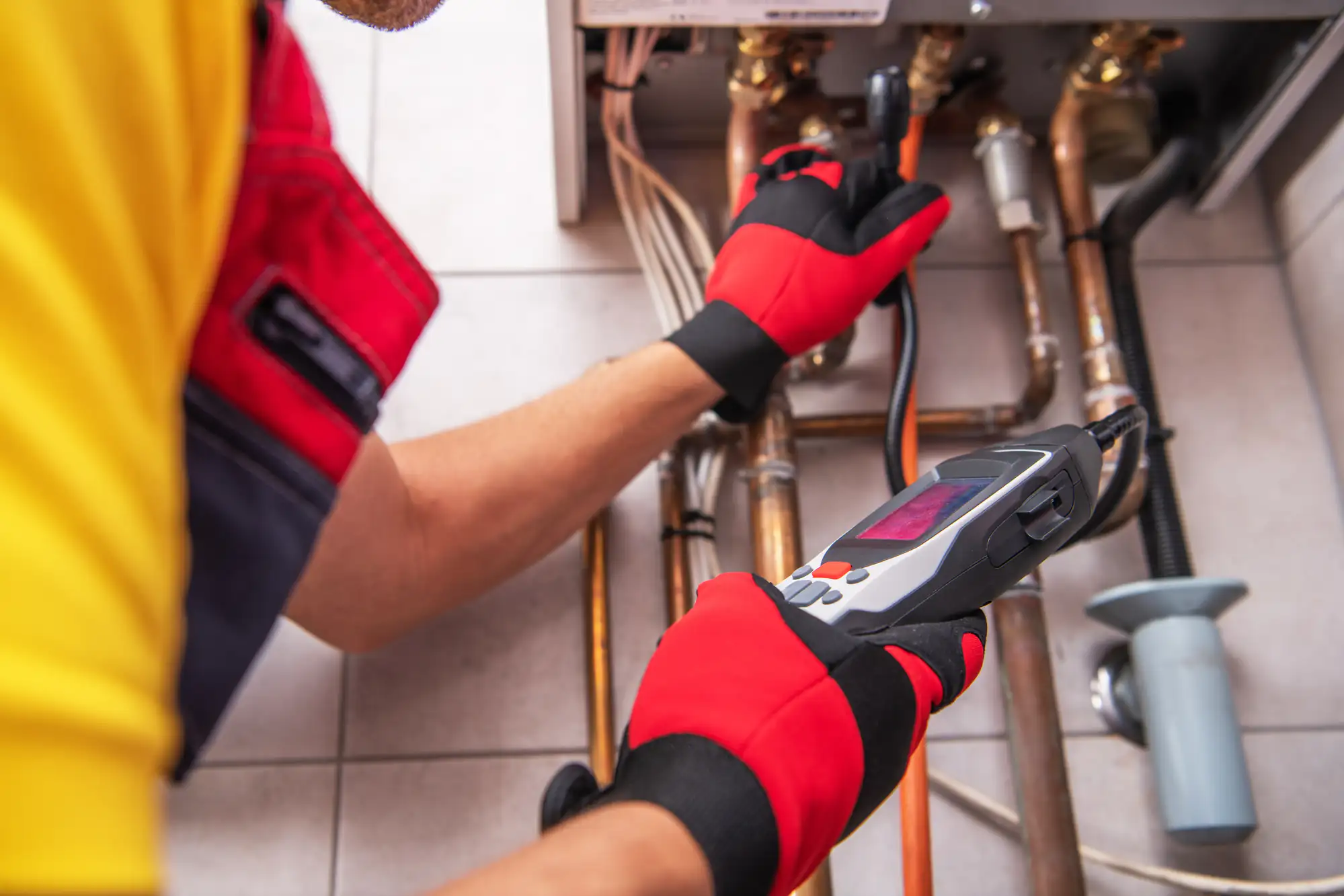
When our technician arrives, they’ll diagnose the issue and explain what’s wrong in plain terms. No jargon. No upselling. If it’s a repair, we’ll tell you the cost before we start work. About 70% of our emergency calls get resolved the same day because our trucks carry common parts for most systems.
For installations or replacements, we’ll walk you through your options based on your home’s layout, your budget, and Long Island’s climate demands. We’ll discuss energy-efficient options like heat pumps if they make sense for your situation, and we’ll handle everything from permits to final testing. Once the job’s done, we’ll show you how to maintain your new system and answer any questions before we leave.
Ready to get started?
Air conditioning repair and furnace installation are the basics, but your home’s comfort system involves more than just heating and cooling. We handle heating system maintenance to catch problems before they become expensive emergencies, especially important before Long Island winters when furnaces work overtime.
HVAC replacement becomes necessary when your system hits 12-15 years old or when repair costs approach half the price of a new unit. We’ll assess whether replacement makes financial sense or if a repair gets you through another few seasons. For North Massapequa homes, we also look at indoor air quality—HEPA filtration, UV-C light systems, and humidity control that addresses the mold and allergen issues common in coastal areas.
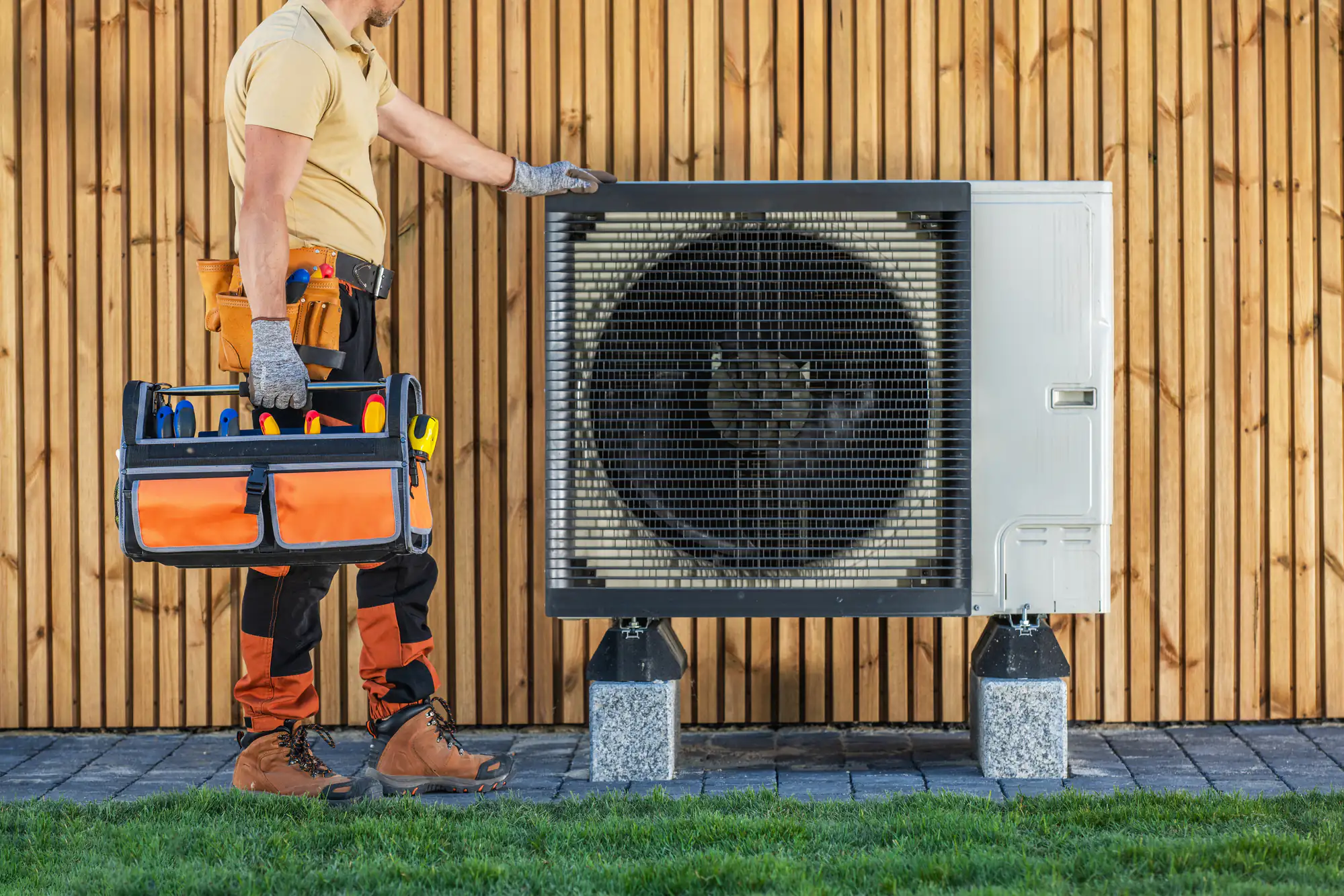
Heat pumps are worth discussing if you’re replacing an old system. They run at 2-4 times the efficiency of traditional furnaces and handle both heating and cooling. With federal tax credits up to $2,000 available for energy-efficient installations, the upfront cost often balances out faster than you’d expect. We’ll show you the actual numbers based on your home’s square footage and current energy usage.
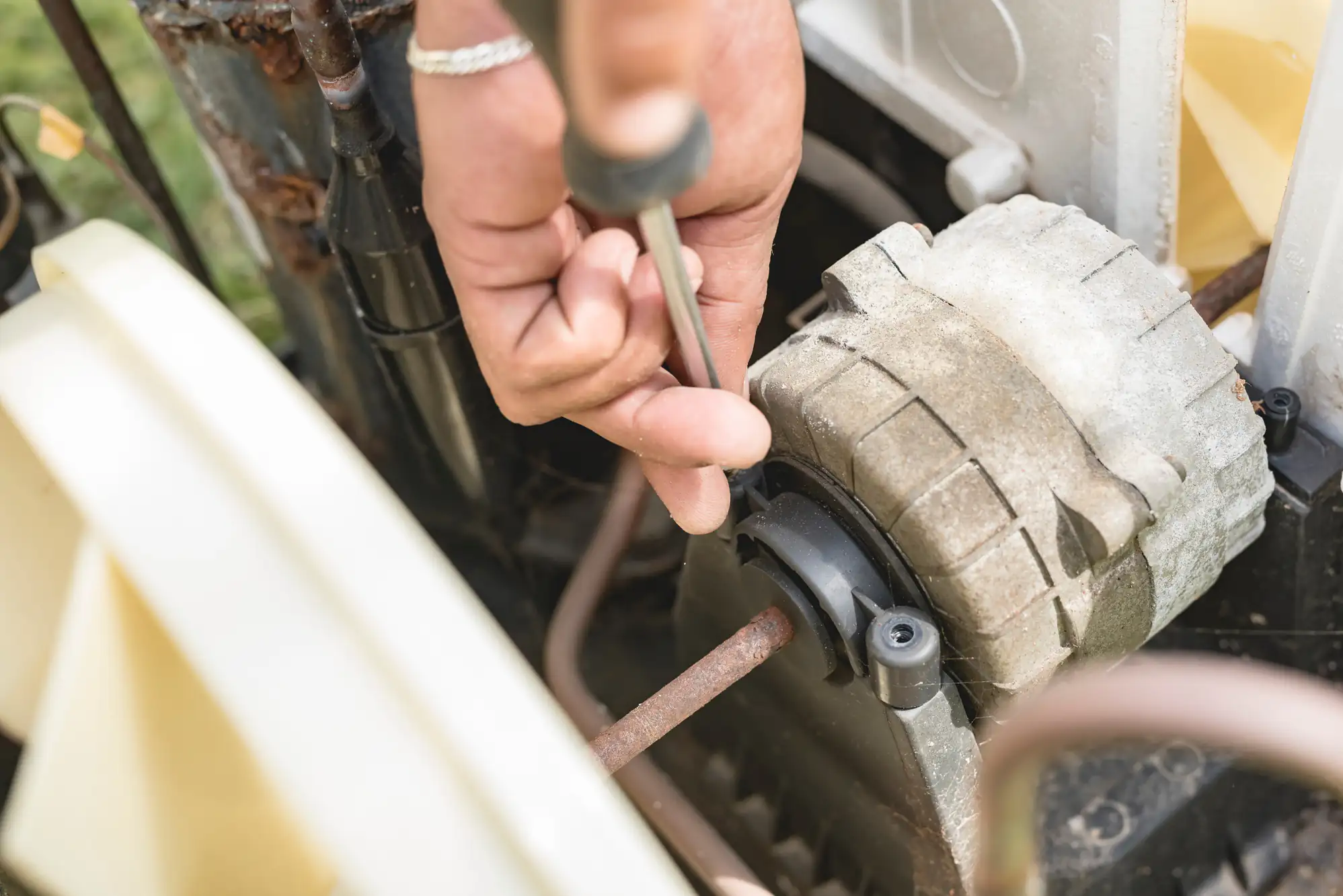
We answer calls 24/7 with real people, not answering services. Response time depends on current call volume and your location, but we typically arrive within two hours for genuine emergencies—no heat in winter or no AC during a heat wave.
Our trucks stock parts for most common residential systems, which is why about 70% of emergency repairs get completed the same day. If we need to order a part, we’ll let you know upfront how long it’ll take and whether there’s a temporary solution to keep you comfortable in the meantime.
Emergency service costs more than scheduled maintenance, but we’re transparent about pricing before we start work. If you’re dealing with a middle-of-the-night breakdown, we’ll give you options—sometimes a temporary fix gets you through until morning when we can do the full repair at standard rates.
The common rule is this: if repair costs exceed 50% of replacement cost and your system is over 12 years old, replacement usually makes more financial sense. But that’s not always the answer.
A 10-year-old furnace with a failed blower motor? Repair it. A 16-year-old system that’s had three repairs in two years and struggles to heat your home evenly? Replacement saves you money long-term. We’ll look at your system’s age, repair history, and current efficiency, then show you what both options actually cost over the next five years.
North Massapequa’s coastal air is hard on HVAC equipment, so systems here often need replacement sooner than the national average of 15-20 years. We’ll also factor in energy savings—newer systems can cut your heating bills by 20-30%, and if you qualify for federal tax credits on energy-efficient equipment, that changes the math significantly.
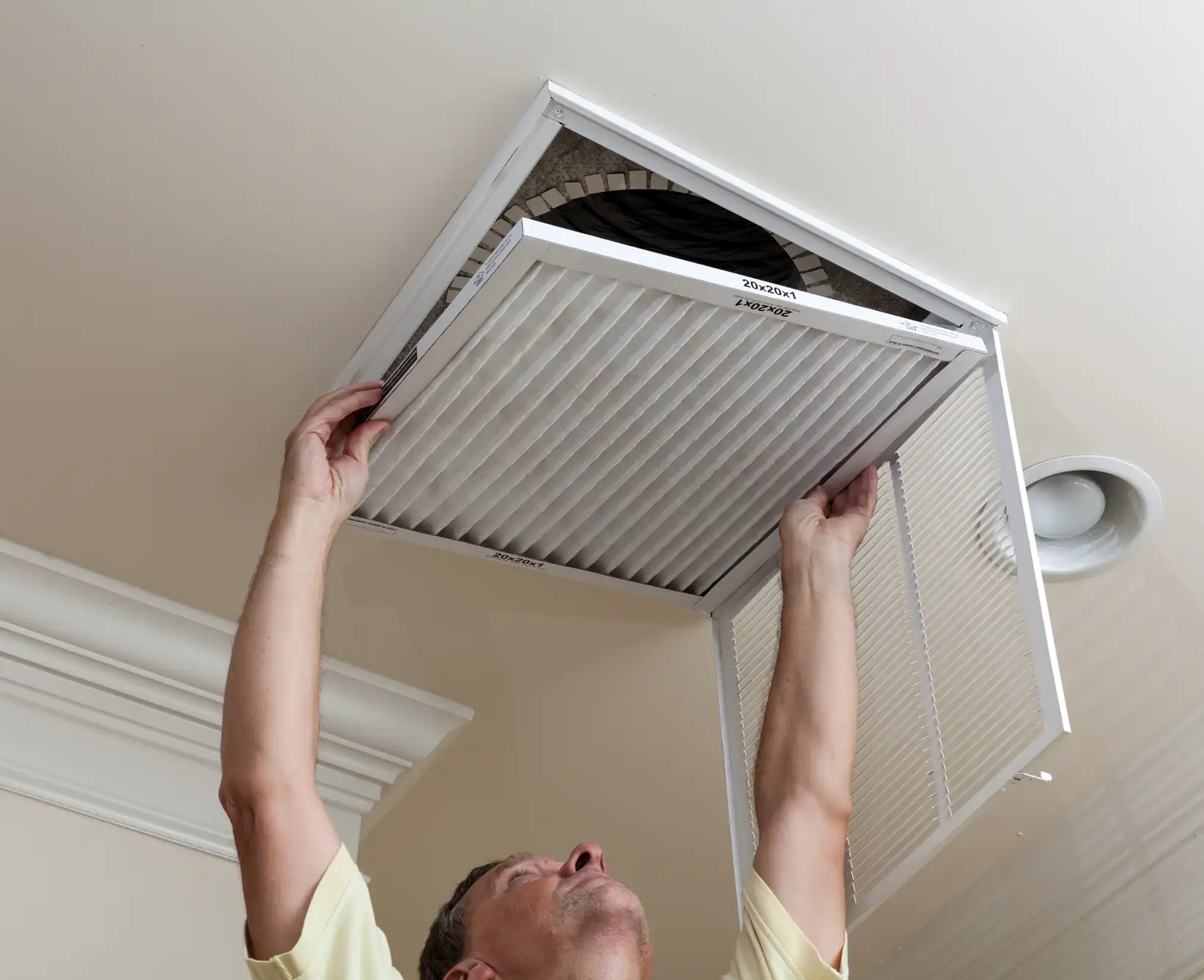
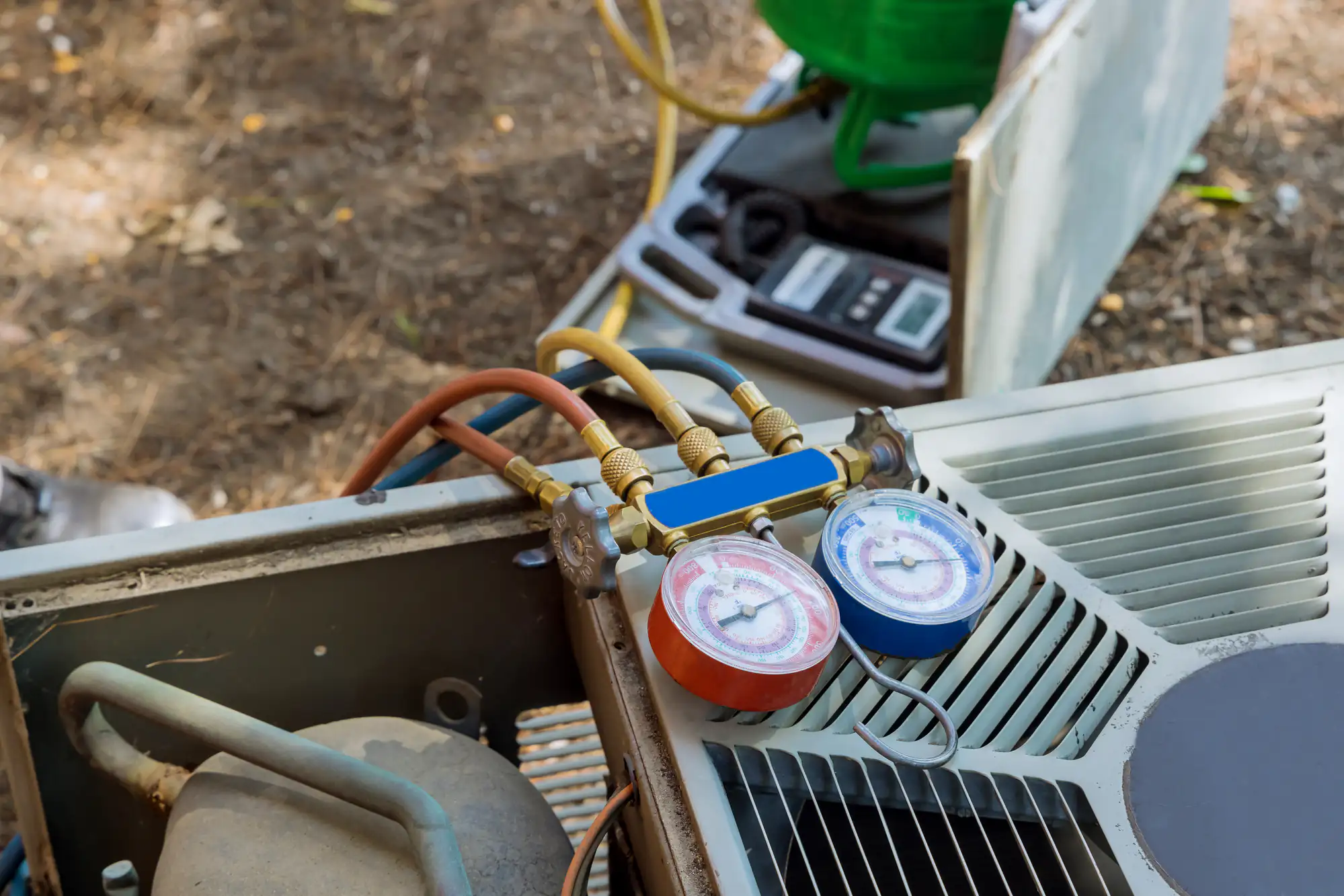
Maintenance means catching small problems before they become expensive failures. For air conditioning, that’s cleaning coils, checking refrigerant levels, testing electrical connections, and replacing filters before summer heat arrives. For heating, it’s inspecting the heat exchanger, testing ignition systems, and making sure airflow is balanced throughout your home.
Most manufacturers require annual maintenance to keep warranties valid. Beyond that, maintained systems last 3-5 years longer than neglected ones and run 15-20% more efficiently, which shows up in lower utility bills.
We recommend scheduling AC maintenance in spring before you need it and furnace maintenance in fall before heating season. If you’re in North Massapequa near the water, your outdoor unit faces extra wear from salt air—we’ll check for corrosion and clean components that coastal conditions damage faster. Maintenance visits typically take 45-60 minutes, and we’ll tell you if we spot anything that needs attention soon.
You’ll notice symptoms before you see test results. Dust accumulating faster than normal. Family members with worsening allergies or asthma, especially in spring when your HVAC recirculates pollen. Musty odors when the system runs. Uneven humidity—either too dry in winter or too humid in summer.
Long Island homes deal with specific air quality challenges. Coastal moisture encourages mold growth in ductwork. Older homes often have return air systems that pull in dust and allergens. Standard 1-inch filters catch large particles but miss the smaller irritants that affect breathing.
Solutions range from upgrading to HEPA filtration (catches 99.97% of particles) to adding UV-C lights that kill mold and bacteria in your ductwork. Whole-home dehumidifiers help in basements and lower levels where Nassau County’s high water table creates dampness. We can test your indoor air quality and show you what’s actually in the air you’re breathing, then recommend solutions based on what we find—not what’s most expensive.
Modern heat pumps work fine in Long Island winters. Older models struggled below 25°F, but current technology handles temperatures well below zero. They heat your home in winter and cool it in summer, replacing both your furnace and air conditioner with one system.
The efficiency is real—heat pumps move heat rather than generate it, so they use 2-4 times less energy than traditional furnaces. Your monthly utility bills drop noticeably. Federal tax credits currently cover up to $2,000 of installation costs for qualifying systems, and if you pair a heat pump with rooftop solar, your heating and cooling costs drop even further.
The tradeoff is upfront cost. Heat pump installation runs higher than replacing a furnace alone, though you’re also replacing your AC unit in the same project. For North Massapequa homes with aging HVAC systems, the math often works out—especially if your current furnace and AC are both near end-of-life. We’ll calculate actual costs and savings based on your home’s size, insulation, and current energy usage so you can make an informed decision.
We’ve spent 40+ years working on complex commercial refrigeration and marine HVAC systems—walk-in coolers, beer systems, boat air conditioning in harsh saltwater environments. Residential HVAC is straightforward by comparison, but that background means our technicians understand systems at a deeper level than most residential-only contractors.
You’re not getting a subcontractor or a different tech every visit. Our team works directly for us, and we answer our phones 24/7 with actual people who can help. We don’t use high-pressure sales tactics or push unnecessary upgrades—if your system has good years left, we’ll tell you.
North Massapequa’s coastal location creates specific HVAC challenges that inland contractors might miss. Salt air corrosion. Higher humidity. Temperature swings between waterfront and inland properties. We account for these factors when diagnosing problems and recommending solutions because we’ve seen how they affect equipment longevity and performance across hundreds of Long Island homes.