Hear from Our Customers
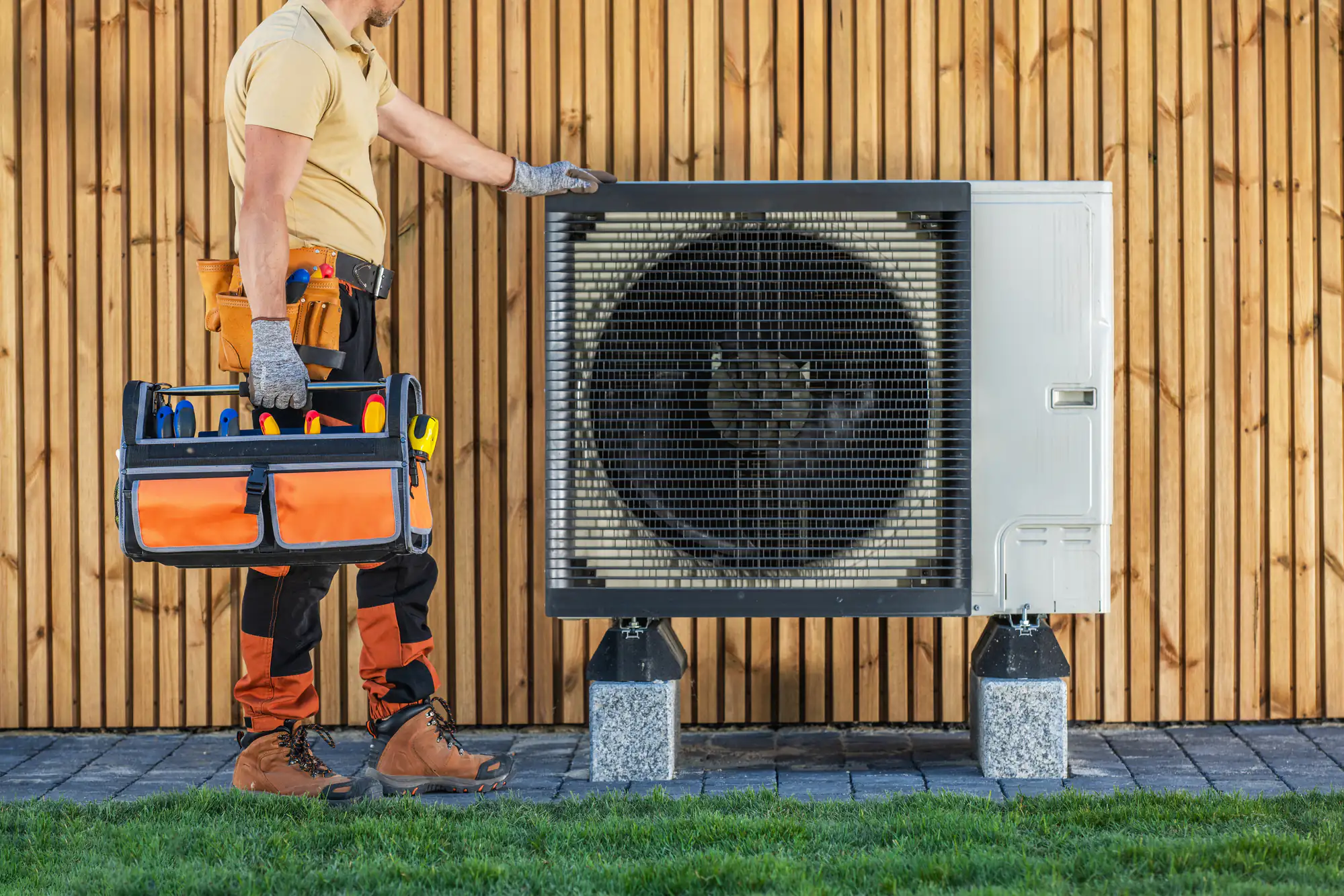
Your energy bills drop because the system isn’t fighting itself. You stop worrying about breakdowns during heat waves or cold snaps. The air in your home feels cleaner, and you’re not constantly adjusting the thermostat trying to find comfort.
That’s what proper HVAC work looks like. Not a temporary fix that buys you six months. Not equipment that’s oversized because the installer didn’t want to do the math. A system that’s sized right, installed correctly, and maintained by people who understand how salt air eats through coastal equipment faster than you’d think.
Most homeowners in North Patchogue deal with humidity that makes cooling harder and winds that make heating more expensive. Your system needs to account for that. When it does, you’ll notice the difference in how your home feels and what you’re paying each month.
For over forty years, we’ve handled commercial refrigeration and marine HVAC systems across Long Island—airports, restaurants, yacht clubs, walk-in coolers. The kind of work where failure isn’t an option and complexity is standard.
Now we’re bringing that same level of technical skill to residential HVAC services in North Patchogue. Same 24/7 availability. Same attention to detail. Same expectation that the job gets done right the first time.
We’re not the biggest name in residential yet. But we’re the team that understands how coastal conditions affect your equipment, what actually goes wrong with modern HVAC systems, and how to fix problems that require more than swapping parts and hoping.
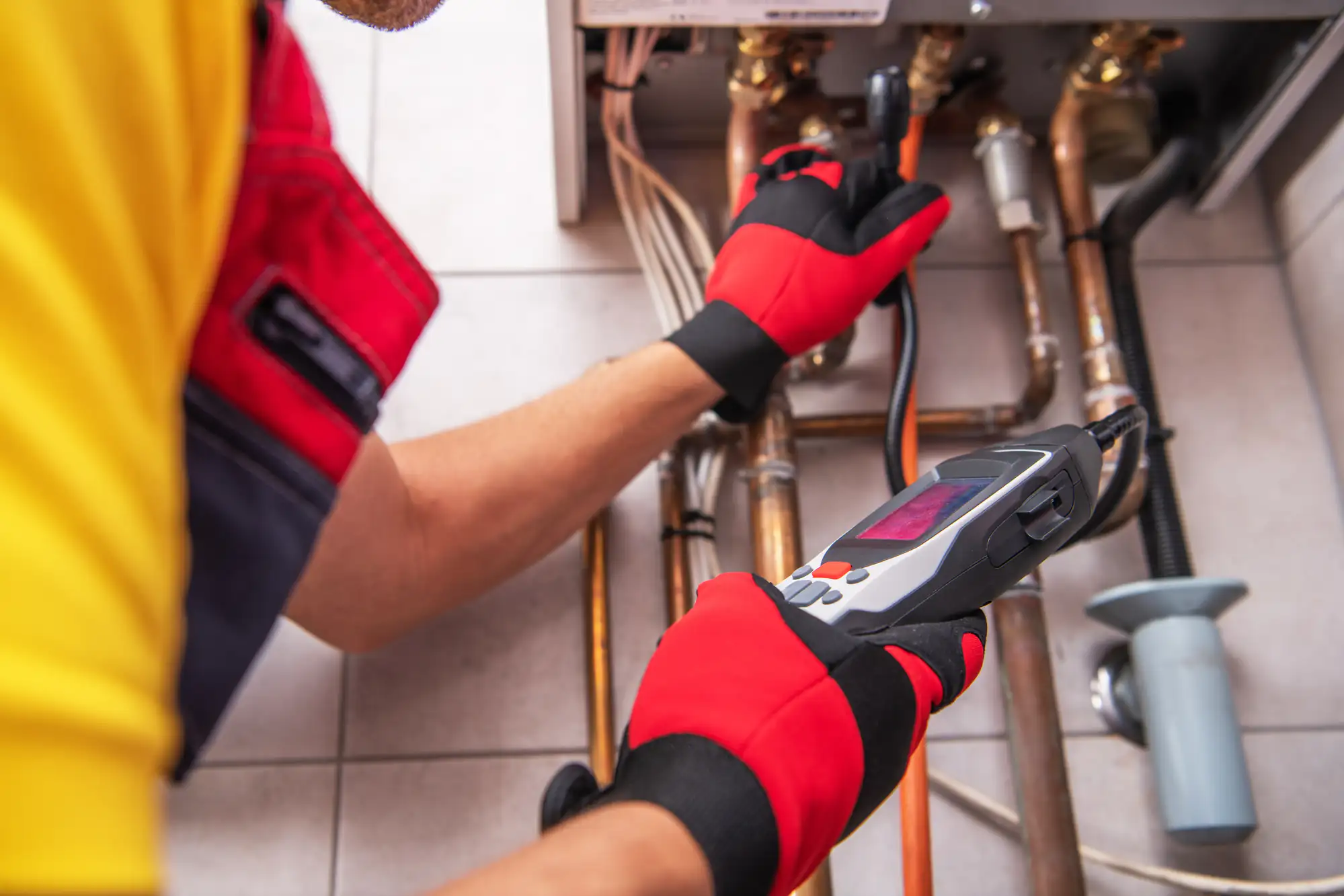
First, we show up when we say we will and give you a free estimate. No pressure, no upselling—just an honest assessment of what your system needs and what it’ll cost.
If it’s a repair, we diagnose the actual problem instead of throwing parts at symptoms. If it’s a replacement, we calculate the right size system for your home’s square footage, insulation, and exposure. Oversized units cycle on and off too much. Undersized units run constantly and never catch up. Either way, you’re wasting money.
Installation means protecting your floors and workspace, running new lines if needed, checking refrigerant levels, testing airflow at every register, and making sure your thermostat actually communicates with the equipment. Then we walk you through what we did and what to watch for.
Maintenance means catching problems before they become emergencies. We check refrigerant, clean coils, inspect electrical connections, and test safety controls. Most systems last five to ten years longer when someone’s actually looking at them twice a year.
Ready to get started?
Air conditioning repair when your system stops cooling or starts making noise it shouldn’t. Furnace installation when your heating system finally gives out after fifteen winters. Heating system maintenance before the cold hits and you’re stuck waiting three days for an emergency call.
HVAC replacement when repair costs don’t make sense anymore—and we’ll tell you honestly when you’ve crossed that line. Indoor air quality solutions if you’re dealing with humidity, allergens, or air that just feels stale no matter what you do.
North Patchogue homes face specific challenges. Salt air corrodes aluminum fins and copper lines faster than inland properties. Humidity makes cooling systems work harder. Older homes often have ductwork that’s undersized or leaking conditioned air into attics and crawl spaces.
We account for all of it. That’s the difference between HVAC work that lasts and HVAC work that becomes your problem again in two years. You’re not just getting equipment installed—you’re getting a system designed for exactly where you live and how your home is built.
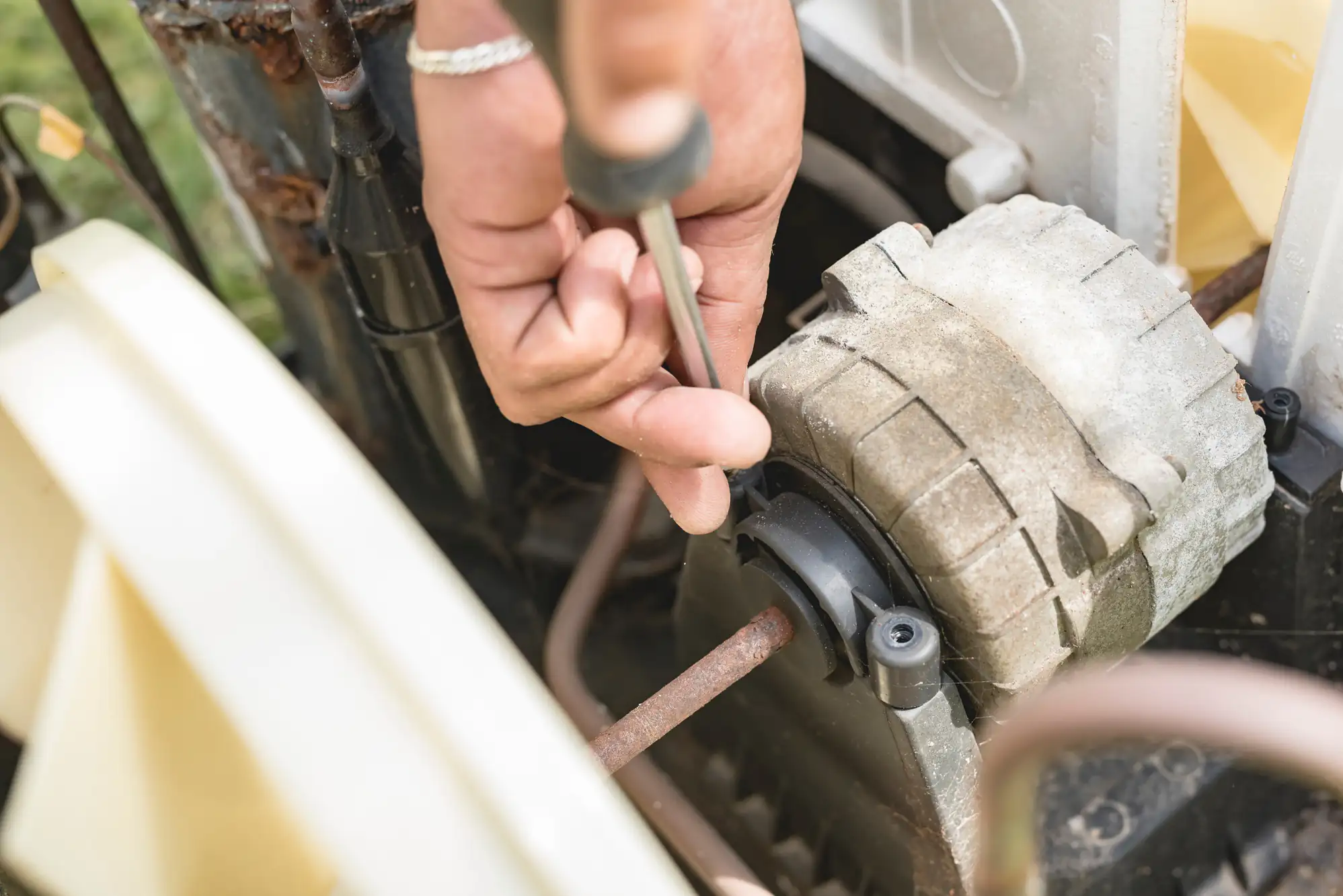
If your system is under ten years old and the repair costs less than half of replacement, fix it. If it’s over fifteen years old and you’re looking at a major component failure—compressor, heat exchanger, evaporator coil—replacement usually makes more sense.
Here’s why: older systems use refrigerants that are being phased out, which makes future repairs more expensive. They’re also less efficient, so you’re paying more every month to run them. A new system might cost more upfront, but you’ll recover some of that in lower energy bills.
We’ll give you the actual numbers. Repair cost versus replacement cost. How much longer the system will likely last. What your monthly savings would look like with a newer, more efficient unit. Then you decide what makes sense for your situation and budget.
A cheap install means the crew shows up, swaps the old unit for a new one, connects the lines, and leaves. They don’t resize the ductwork. They don’t check airflow. They don’t verify the system is actually performing to spec. You’ll have heat and air conditioning, but the system will work harder, cost more to run, and fail sooner.
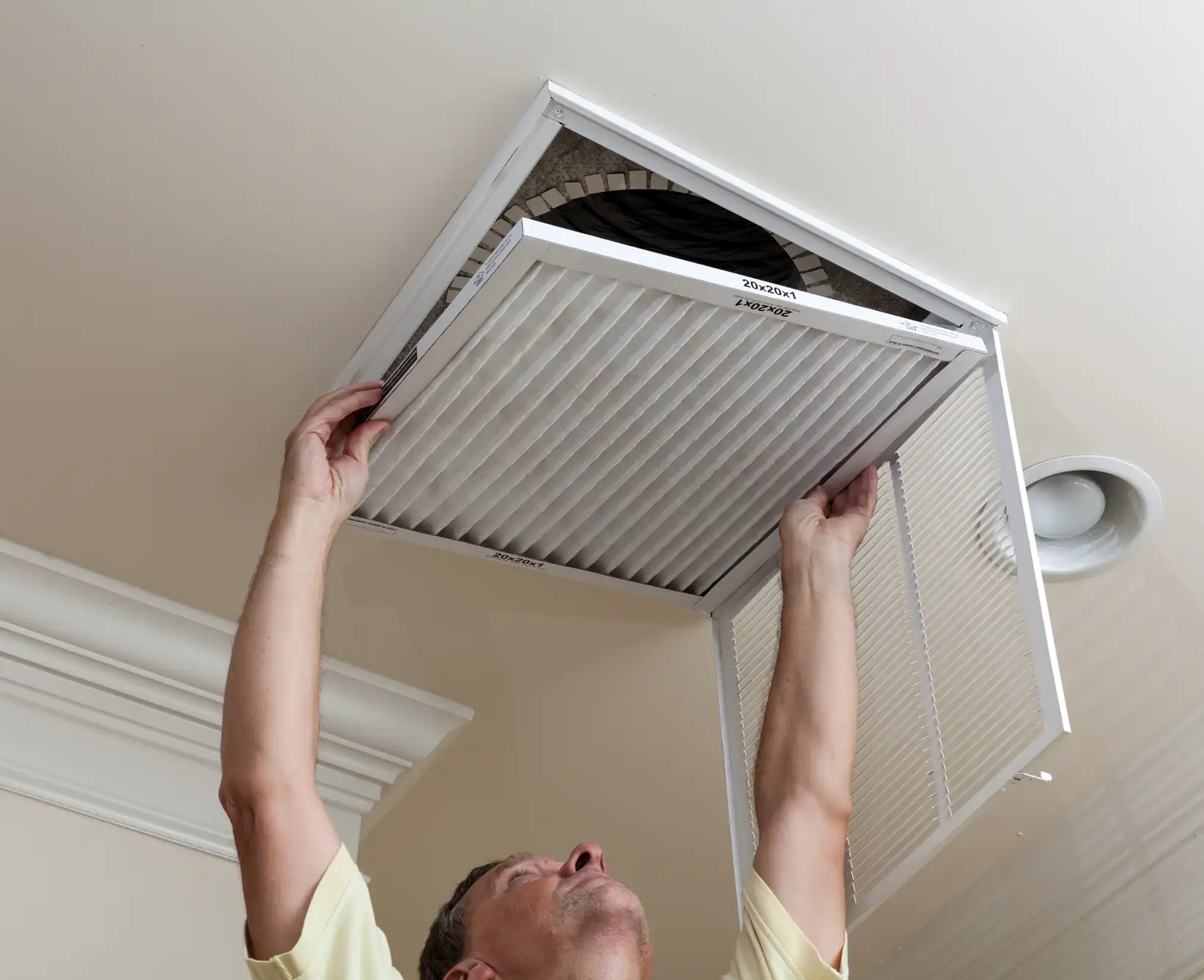
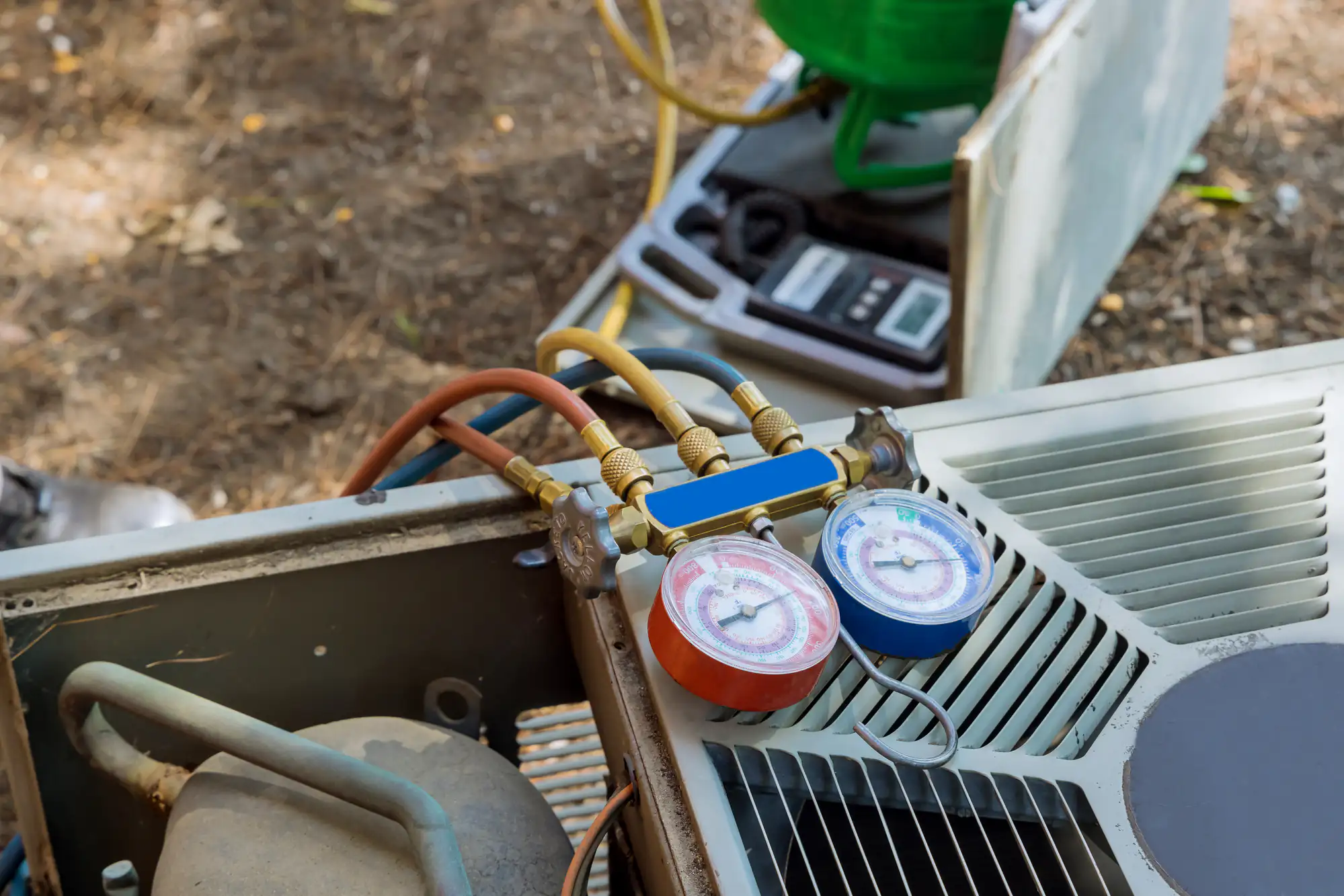
A proper install means load calculations to size the equipment correctly for your home. Ductwork inspection and modification if needed. Refrigerant charge verified with gauges, not guesswork. Airflow tested at the registers. Thermostat calibrated and programmed correctly.
The equipment itself might be identical. But one install gives you ten to fifteen years of reliable service, and the other gives you problems within three years. Most homeowners can’t tell the difference until something goes wrong—and by then, the installer who cut corners is long gone.
Twice a year if you want it to last. Once before cooling season, once before heating season. Each visit takes about an hour and catches the small problems before they become expensive ones.
During maintenance, we’re checking refrigerant levels, cleaning coils, inspecting electrical connections, testing capacitors, lubricating motors, and verifying safety controls. Most system failures happen because something small was ignored—a dirty coil that makes the compressor work too hard, a failing capacitor that eventually kills the motor, a refrigerant leak that slowly gets worse.
Skipping maintenance doesn’t break your system immediately. It just shortens its lifespan by years and increases the chance of a breakdown during the worst possible time—the hottest day of summer or the coldest night of winter. The maintenance visit costs a fraction of an emergency repair, and it keeps your energy bills lower because the system runs efficiently.
Could be a dozen different reasons. Your home might have more sun exposure, less insulation, or ductwork that’s leaking conditioned air. Your system might be undersized for your square footage. The previous owner might have finished a basement or added a room without upgrading the HVAC capacity.
In coastal areas like North Patchogue, salt air also plays a role. It corrodes the aluminum fins on your outdoor unit, which reduces airflow and makes the system work harder to move the same amount of heat. Some homes are more exposed to salt spray than others, even on the same street.
The only way to know for sure is to have someone actually look at your system and your home. We’ll check the equipment size against your square footage, inspect the ductwork for leaks, measure airflow at the registers, and test refrigerant levels. Then we’ll tell you exactly what’s causing the problem and what it’ll take to fix it.
You call us. We run 24/7 emergency service because HVAC failures don’t wait for business hours. Most of our commercial clients can’t afford downtime, so we’ve always maintained trucks and crews ready to respond any time.
Emergency calls get priority dispatch. We’ll walk you through temporary measures over the phone if there’s something you can safely do while we’re on the way. When we arrive, we diagnose the problem and give you options—temporary fix to get you through the night, permanent repair, or replacement if the system is done.
You’ll pay more for emergency service than scheduled work. That’s standard everywhere because you’re paying for immediate availability. But you won’t pay for unnecessary work, and we won’t tell you the system is shot if it just needs a capacitor. Forty years in business means we don’t need to scare people into buying equipment they don’t need.
Usually, yes. Indoor air quality problems come from humidity, allergens, or poor ventilation—and most of those can be addressed without touching your heating and cooling equipment.
Whole-home dehumidifiers work with your existing system to pull moisture out of the air, which makes your home feel more comfortable and reduces mold growth. Air purifiers with HEPA filters catch allergens and particles your standard filter misses. UV lights installed in the ductwork kill bacteria and mold spores before they circulate through your home.
If your air quality issues are severe, we might recommend an ERV or HRV system—equipment that brings in fresh outdoor air while recovering the energy from the air being exhausted. That’s more common in newer, tightly sealed homes where there’s not enough natural air exchange.
We’ll test your indoor humidity levels and ask about specific problems you’re experiencing—stuffiness, allergens, odors, condensation on windows. Then we’ll recommend the most cost-effective solution for your situation. Sometimes it’s as simple as upgrading your filter and adjusting your ventilation. Sometimes it requires additional equipment. Either way, you’ll know exactly what you’re getting and why it matters.