Hear from Our Customers
You call because something’s wrong. Your AC quit in July, or your furnace is making that sound again. The last thing you need is a three-day wait, a vague estimate, or a bill that’s double what you expected.
Here’s what actually happens when your system works the way it should. Your home stays at the temperature you set it to. Your energy bills don’t spike every month because your equipment is running efficiently. You’re not wondering if the air your family breathes is full of dust, allergens, or worse.
That’s the baseline. But most people in North Sea don’t realize how much stress they’re carrying until their HVAC system just works. No 2 a.m. panic when the heat goes out. No waiting around all day for a tech who shows up late or not at all. You get a straight answer about what’s broken, what it costs, and how long it takes.
We’ve been in business for over 40 years. That’s not just a number—it means we’ve seen every type of system, every kind of failure, and every brand of equipment that’s come through Long Island homes.
We started in marine HVAC and commercial refrigeration, which means we handle complexity most residential contractors never touch. Airports, restaurants, catering halls—environments where downtime isn’t an option. That background shows up in how we approach your home. We don’t guess. We don’t oversell. We diagnose it right the first time.
North Sea homeowners deal with coastal humidity, salt air, and temperature swings that put extra strain on HVAC systems. We’ve worked in this area long enough to know what fails first and how to prevent it. You’re not getting a generic service call. You’re getting someone who understands the local conditions and has the track record to back it up.
You reach out—phone, email, whatever works for you. We ask a few questions to understand what’s going on. If it’s an emergency, we move fast. If it’s a planned replacement or maintenance, we schedule around your availability.
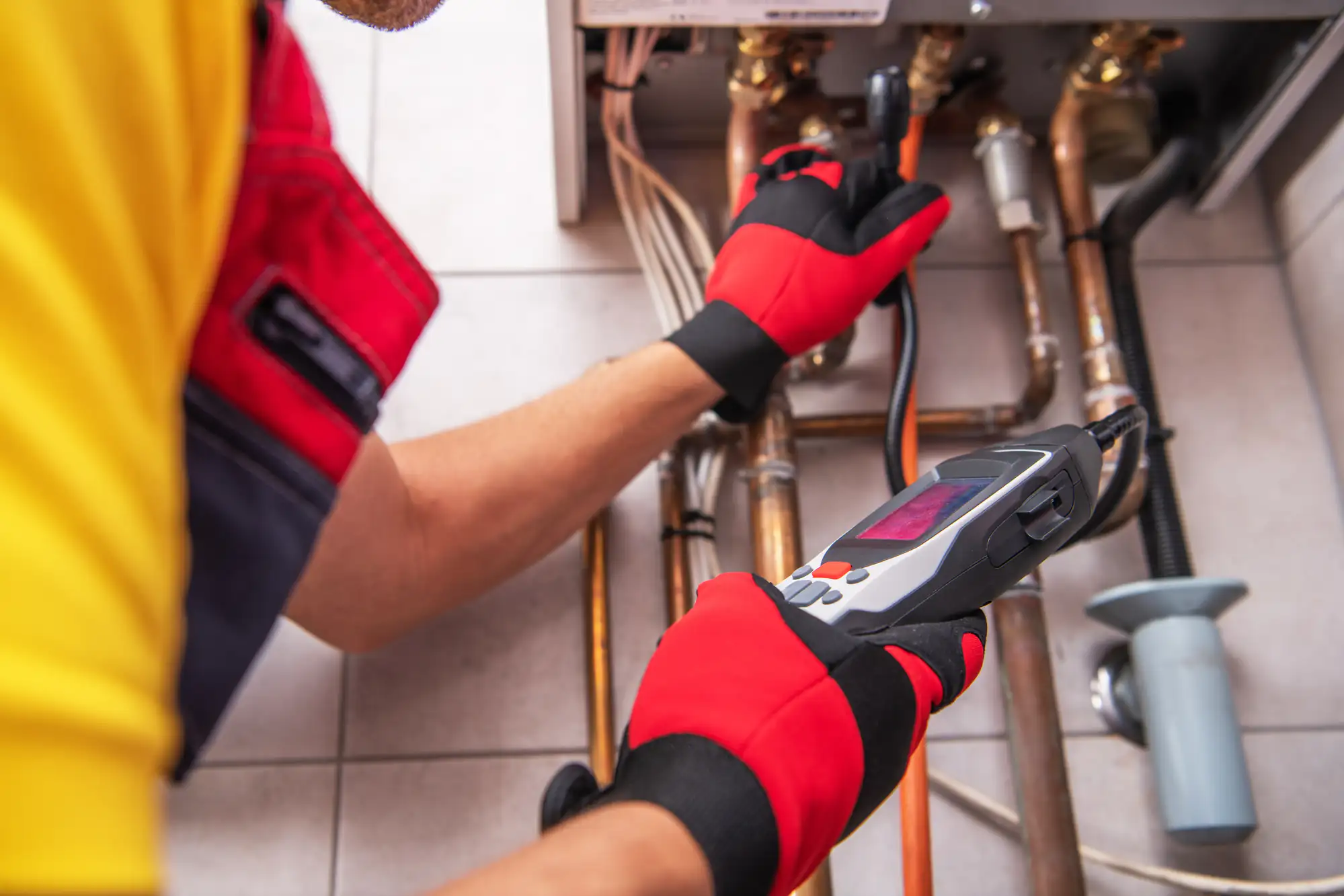
When we show up, we assess the system. That means checking the obvious stuff and the things most techs skip—airflow, refrigerant levels, electrical connections, ductwork integrity. We’re looking for the root cause, not just the symptom. Then we explain what we found in plain terms. No jargon. No upselling. Just the facts about what’s broken, what it costs to fix, and how long it lasts.
If it’s a repair, we handle it on the spot whenever possible. If it’s an installation, we walk through your options—what fits your home, your budget, and your energy goals. After the work’s done, we test everything to make sure it’s running right. You get a clear invoice, and we’re available if anything comes up later. That’s it.
Ready to get started?
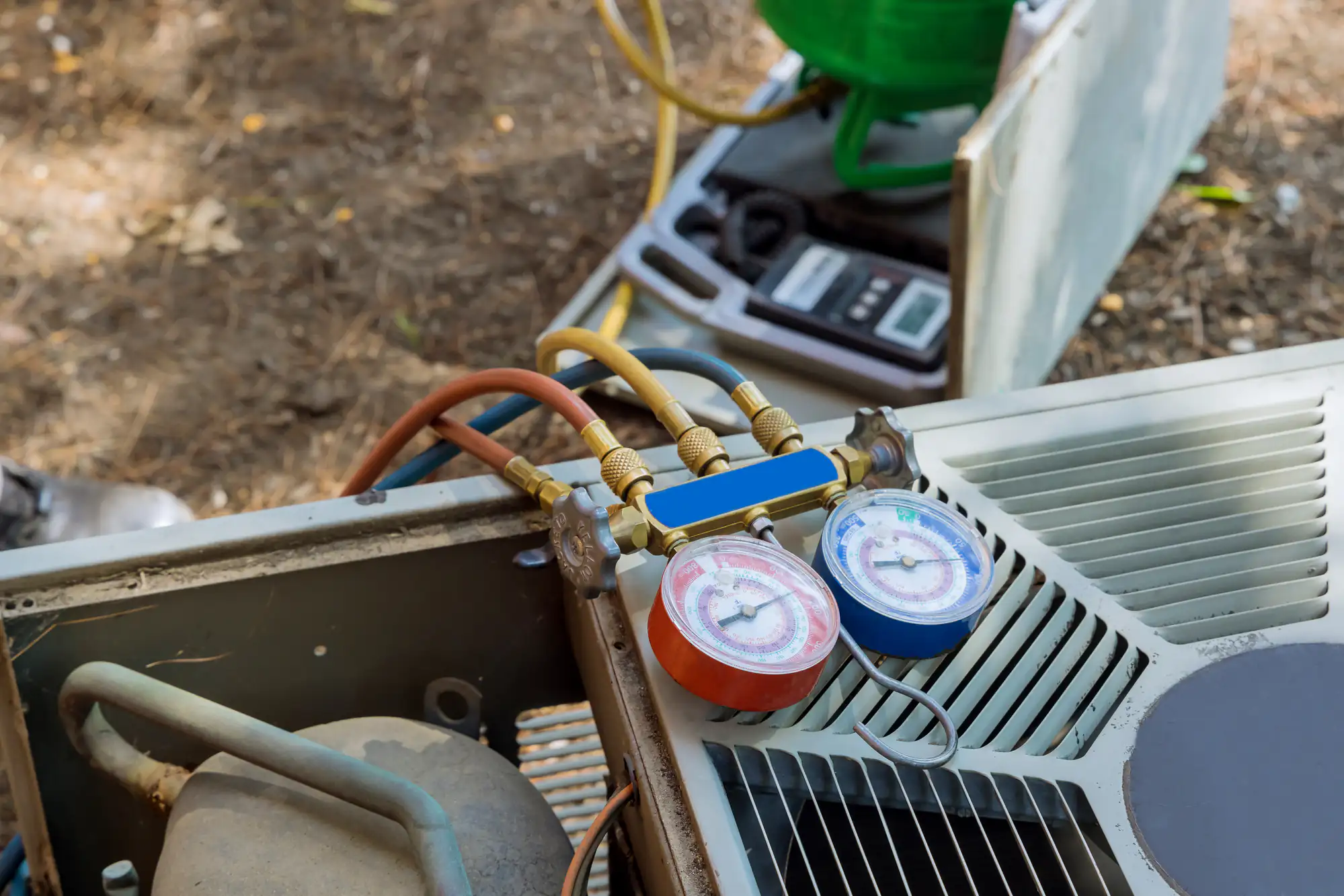
Air conditioning repair is one of the most common calls we get in North Sea, especially during summer. When your AC stops cooling or starts blowing warm air, it’s usually a refrigerant issue, a failed compressor, or a clogged filter. We carry parts for most major brands and can get you back up and running the same day in most cases.
Furnace installation is where experience matters. A system that’s too small won’t heat your home. One that’s too large cycles on and off constantly, wasting energy and wearing out faster. We size it correctly based on your square footage, insulation, and layout. New furnaces also need to meet updated efficiency standards, and we make sure you’re compliant while keeping your monthly costs down.
Heating system maintenance prevents the breakdowns that happen at the worst possible time. We inspect burners, test safety controls, clean components, and catch small issues before they become expensive ones. Most people don’t think about their furnace until it stops working. A yearly checkup changes that.
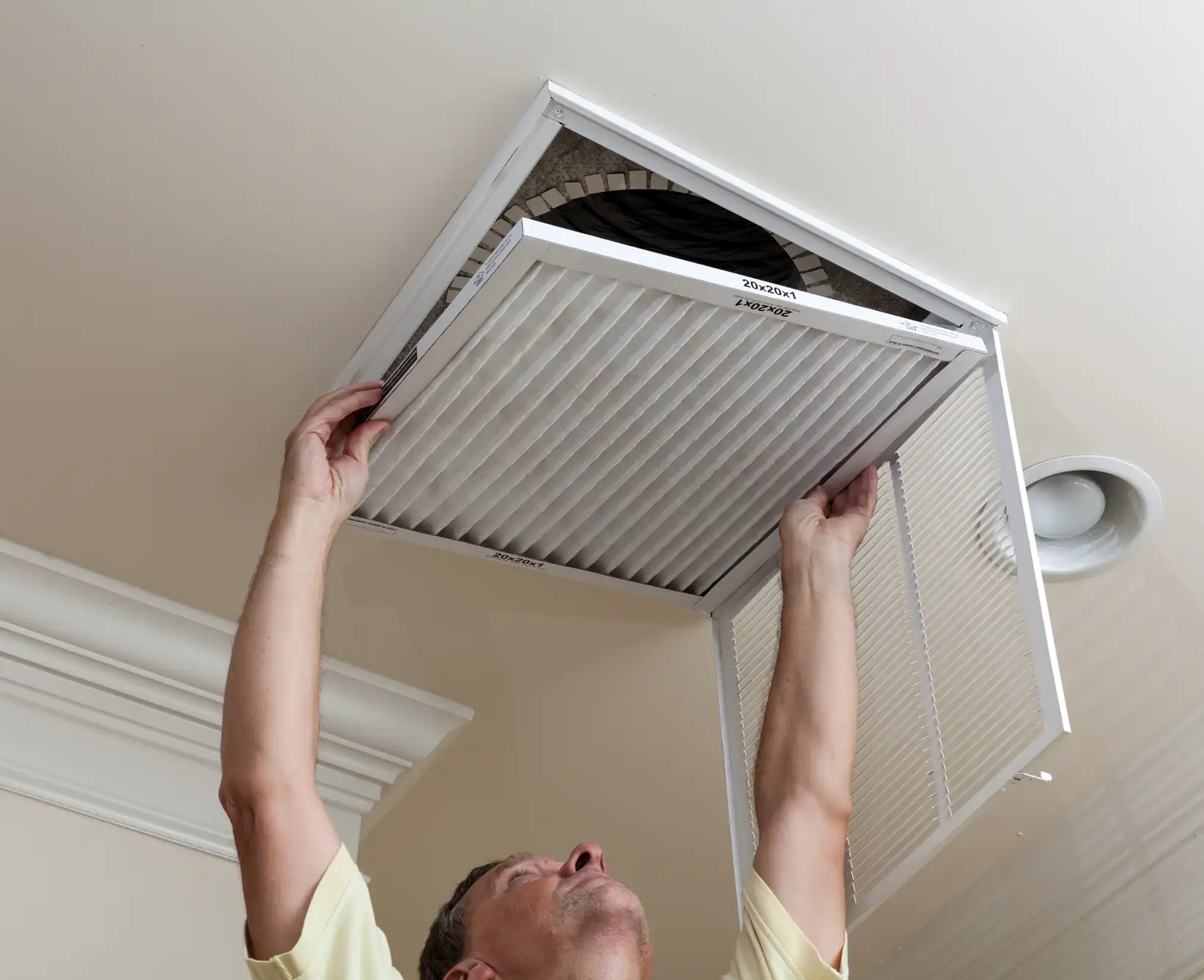
Indoor air quality is something more homeowners are paying attention to now, and for good reason. Dust, mold, allergens—they all circulate through your HVAC system if it’s not maintained. We install filtration systems, UV lights, and humidity controls that actually make a difference. You’ll notice it in how your family feels, especially if anyone deals with asthma or allergies.
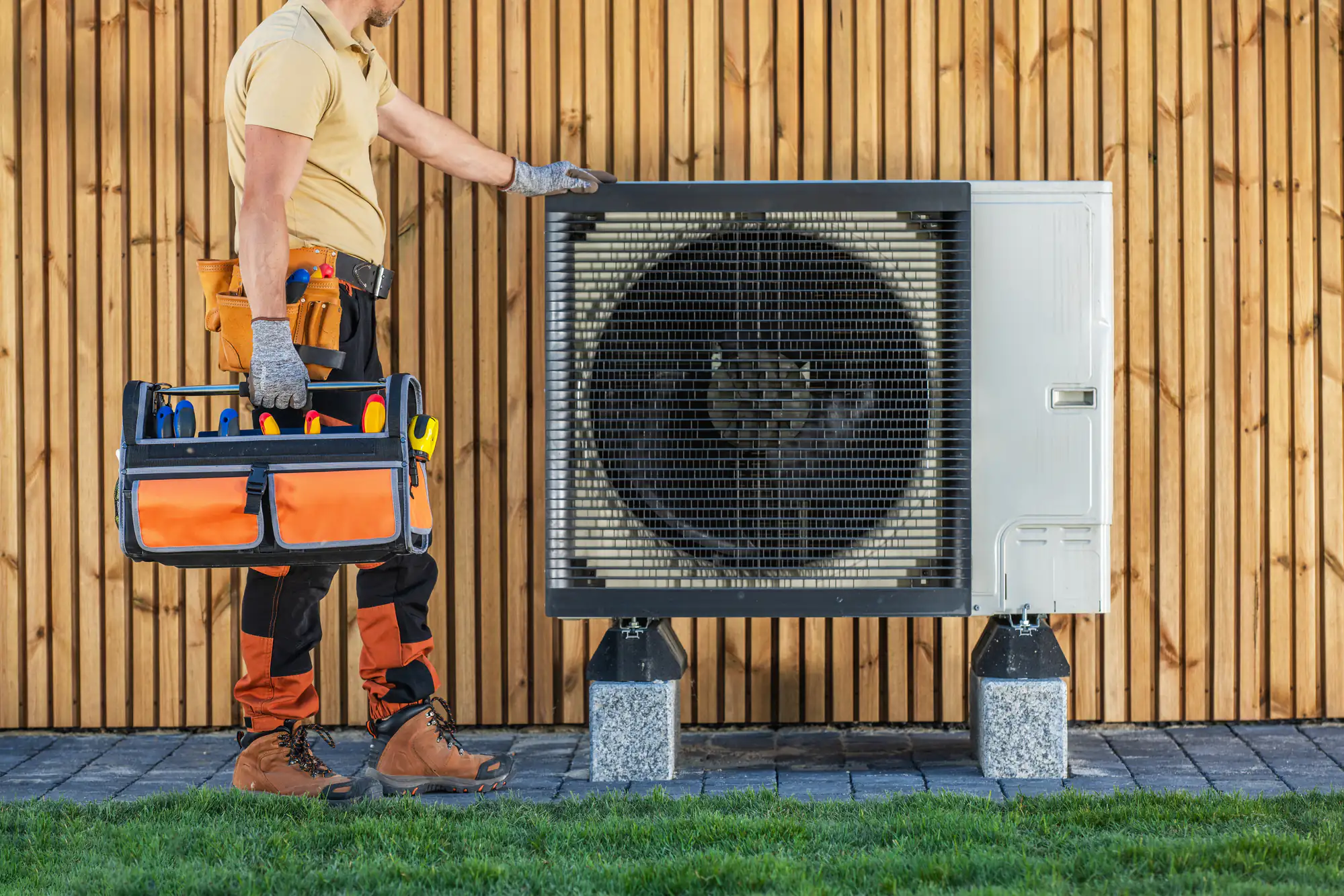
HVAC replacement is a big decision. If your system is over 15 years old, repairs start costing more than the equipment is worth. We help you compare options—traditional split systems, heat pumps, ductless mini-splits. Heat pumps are getting more popular on Long Island because they heat and cool efficiently, and right now there are federal tax credits covering up to 30% of the cost. We walk through the numbers so you know exactly what you’re getting.
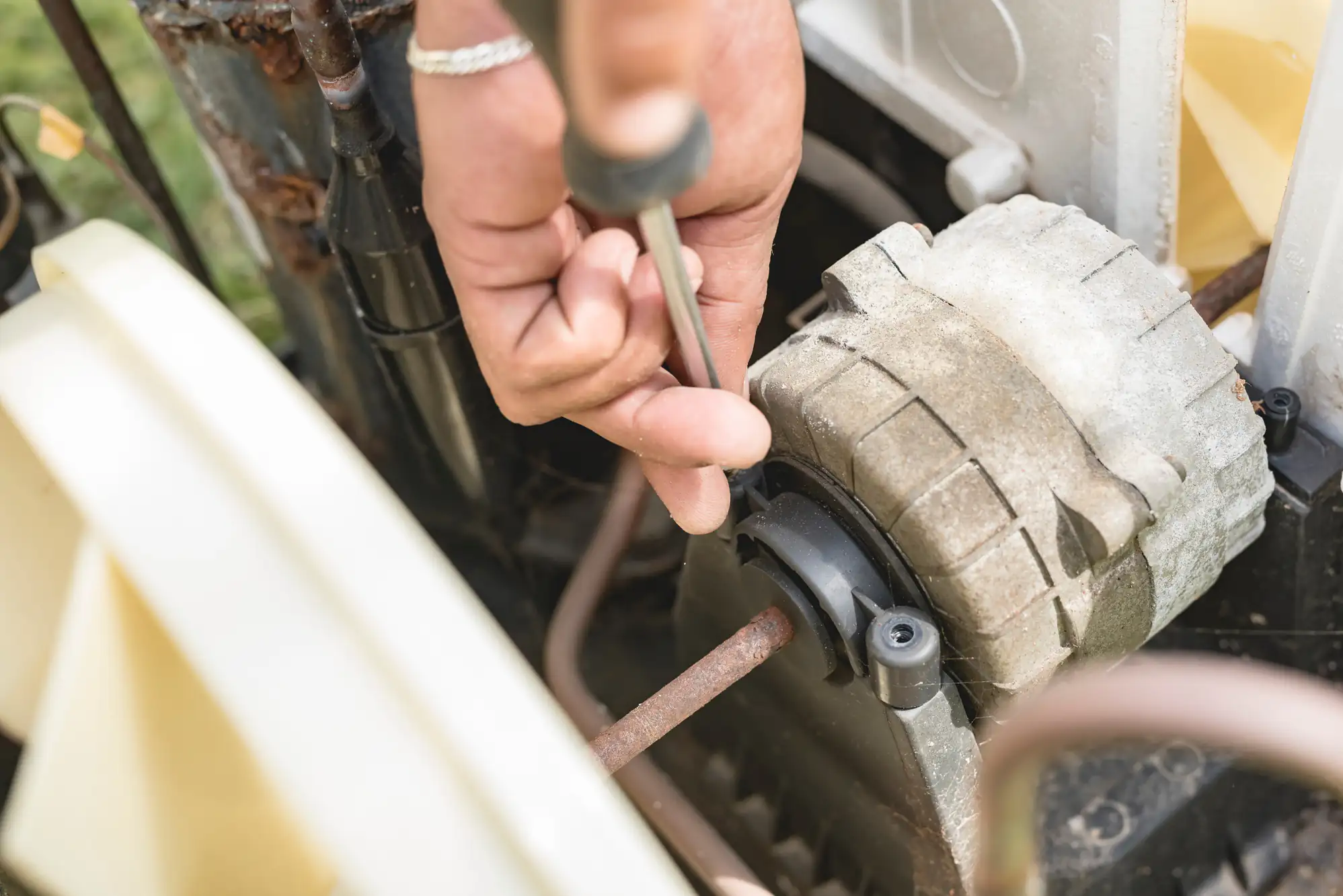
We offer 24/7 emergency service because we know system failures don’t wait for business hours. Most homeowners expect help within 24 hours when their heat or AC goes out, and nearly a third want same-day service. We do everything we can to meet that expectation.
Response time depends on where we are when you call and what else is in the queue, but we prioritize emergencies. If it’s the middle of winter and your heat’s out, that moves to the front of the line. Same goes for AC failures during a heatwave.
When we say emergency service, we mean it. We’re not telling you to wait until Monday or giving you a four-hour window. You get a real arrival time, and we show up ready to fix the problem.
There’s no one-size-fits-all number because every home is different. A 1,200-square-foot ranch needs a smaller system than a 3,000-square-foot two-story. The type of equipment matters too—a basic furnace and AC setup costs less than a high-efficiency heat pump or a ductless mini-split system.
For a typical North Sea home, you’re usually looking at somewhere between $5,000 and $15,000 for a full replacement, depending on the size and efficiency level you choose. That includes removal of the old system, installation of the new one, and any modifications needed to make it work with your existing ductwork.
Right now, federal tax credits cover 30% of the cost for qualifying heat pumps, up to $2,000. There are also utility rebates and state incentives that can bring the price down further. We walk through all of that during the estimate so you know what your actual out-of-pocket cost will be. No surprises.
Once a year, ideally in the fall before you start using it regularly. That gives us time to catch any issues before the coldest months hit. Most furnace failures happen in January or February when the system’s working hardest, and a lot of those could’ve been prevented with a simple tune-up.
During a maintenance visit, we inspect the heat exchanger for cracks, test the ignition system, check gas pressure, clean the burners, and replace the filter. We also make sure the safety controls are working—things like the limit switch and flame sensor. These components wear out over time, and if they fail, your furnace shuts down.
Regular maintenance also keeps your warranty valid. Most manufacturers require proof of annual service if you ever need to file a claim. Beyond that, a well-maintained furnace runs more efficiently, which means lower energy bills. It’s a small upfront cost that saves you money and stress down the road.
If your AC is blowing warm air, not turning on at all, or making loud grinding or squealing noises, that’s a repair situation. Same goes for short cycling—when the system turns on and off every few minutes instead of running a full cooling cycle. These aren’t things a tune-up fixes.
Weak airflow is another red flag. It usually means a blower motor issue, a refrigerant leak, or blocked ductwork. You might also notice ice forming on the outdoor unit or the refrigerant lines. That’s a sign the system’s low on refrigerant or the evaporator coil is dirty.
Higher-than-normal energy bills can also point to a problem, especially if nothing else in your usage has changed. When an AC struggles to cool your home, it runs longer and works harder, which drives up your electric bill. A repair gets it back to normal efficiency. If you’re seeing any of these signs, don’t wait—small problems turn into expensive ones fast.
Yes, and the difference is noticeable for most people. Your HVAC system circulates air throughout your entire home, and if that air is full of dust, pollen, pet dander, or mold spores, you’re breathing it in constantly. Standard filters catch some of it, but not the smaller particles that trigger respiratory issues.
Upgrading to a high-efficiency filter or adding a whole-home air purifier removes a much higher percentage of allergens. UV lights installed in the ductwork kill mold and bacteria before they circulate. A dehumidifier keeps moisture levels in check, which prevents mold growth in the first place. These aren’t gimmicks—they’re proven solutions that improve the air you’re breathing every day.
We’ve had customers tell us their kids’ asthma symptoms improved after we installed better filtration. Others notice they’re not waking up congested anymore. It’s one of those upgrades that pays off immediately in how you feel, not just in some abstract health benefit years down the road.
If your system is less than 10 years old and the repair costs less than half the price of a new unit, fixing it usually makes sense. If it’s over 15 years old and you’re looking at a major repair—like a compressor or heat exchanger replacement—you’re better off replacing it.
Here’s why: older systems are less efficient, so they cost more to run every month. They also use refrigerants that are being phased out, which makes future repairs more expensive as parts become harder to find. A new system pays for itself over time through lower energy bills, and you get the peace of mind that comes with a warranty and reliable performance.
We don’t push replacements if a repair makes sense. But we also won’t keep patching a system that’s going to fail again in six months. We give you the honest assessment and let you decide. If replacement is the right move, we help you choose equipment that fits your home and your budget, and we make sure you’re taking advantage of any available rebates or tax credits.
Other Services we provide in North Sea