Hear from Our Customers
Your heating and cooling system accounts for about 40% of your home’s energy use. When it’s running inefficiently, you’re paying for it every month – and you’ll keep paying until something breaks completely.
Most homeowners in Northwest Harbor don’t realize their system is struggling until it quits on the hottest day in July or the coldest night in January. By then, you’re looking at emergency rates and limited options.
Proper maintenance and timely repairs change that. Your energy bills drop because your system isn’t working overtime to maintain temperature. You catch small problems before they become expensive ones. And when it’s time for a replacement, you’re making the decision on your timeline – not scrambling because your furnace died at midnight.
Indoor air quality improves too. Long Island’s humidity and salt air create unique challenges for HVAC systems. When your equipment is maintained correctly, it filters better, controls moisture better, and keeps your home healthier.
We’ve been handling heating and cooling systems across Long Island for over 40 years. We’ve seen every type of residential HVAC problem this coastal climate can create – from salt air corrosion to humidity issues that most contractors don’t understand.
We’re licensed and insured, and we answer our phones 24/7. Not an answering service – actual people who can help you right away.
Most of our emergency calls get resolved the same day because our trucks carry extensive inventory for major brands. We’re not showing up to look at your system and then ordering parts. We’re showing up to fix it.
Northwest Harbor homeowners deal with temperature swings, coastal weather, and aging systems that need someone who knows what they’re doing. That’s what we’ve been doing here since before most HVAC companies in the area existed.
You call or contact us, and we schedule a time that works for you. For emergencies, we dispatch immediately – you’re not waiting days for someone to show up.
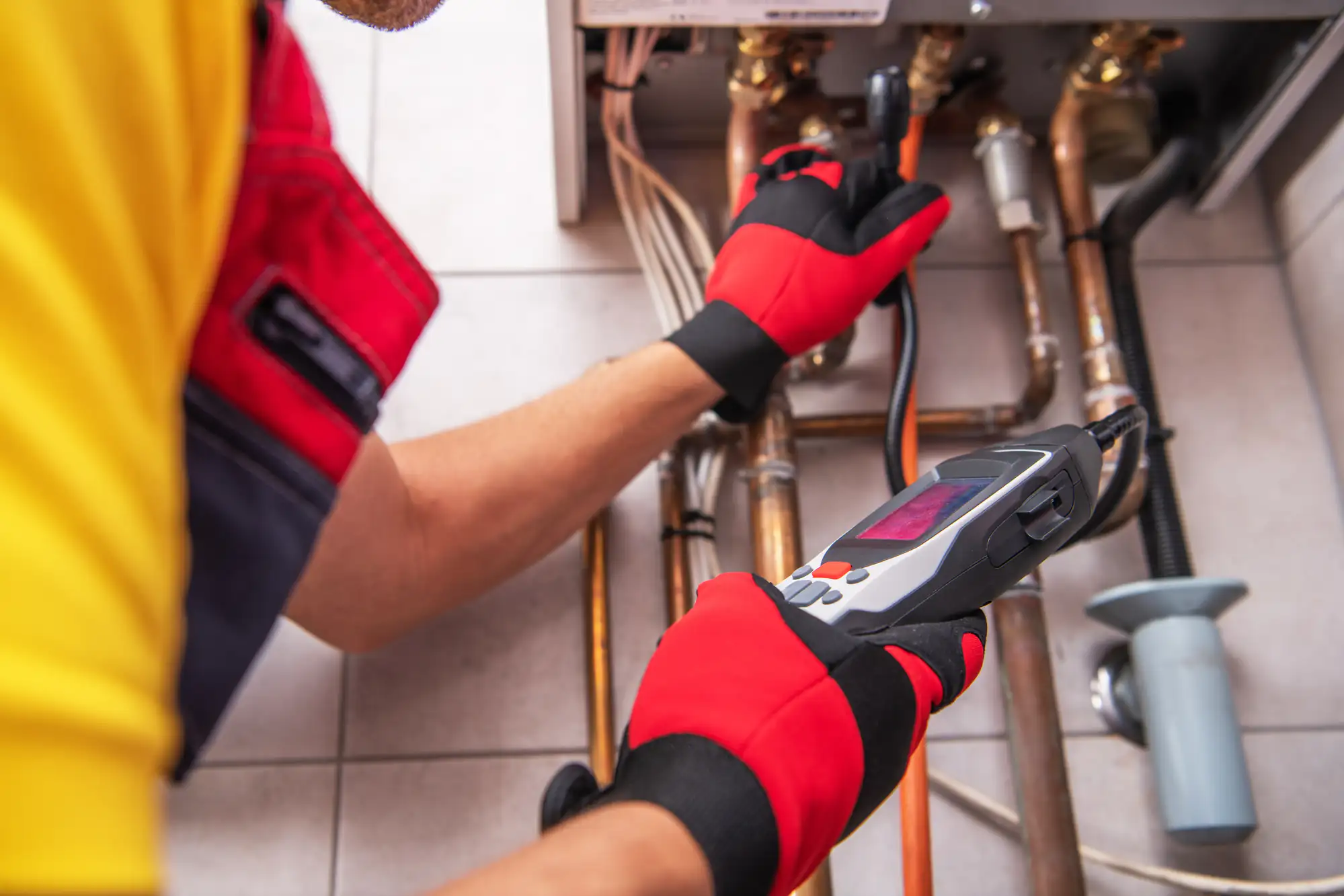
Our technician arrives with a fully stocked truck. They assess your system, explain what’s wrong in plain language, and give you a transparent estimate before any work starts. No hidden fees, no pressure to replace things that can be repaired.
If it’s a repair, we handle it on the spot in most cases. If it’s an installation, we walk you through your options based on your home’s size, your budget, and Long Island’s climate demands. We’re not upselling you on features you don’t need.
After the work is done, we test everything to make sure it’s running correctly. You get a clear explanation of what was done and what to watch for going forward.
For maintenance, we check all the components that typically fail, clean what needs cleaning, and catch problems while they’re still small. Most residential HVAC systems last 15 to 20 years when they’re maintained properly. Without maintenance, you’re lucky to get 10.
Ready to get started?
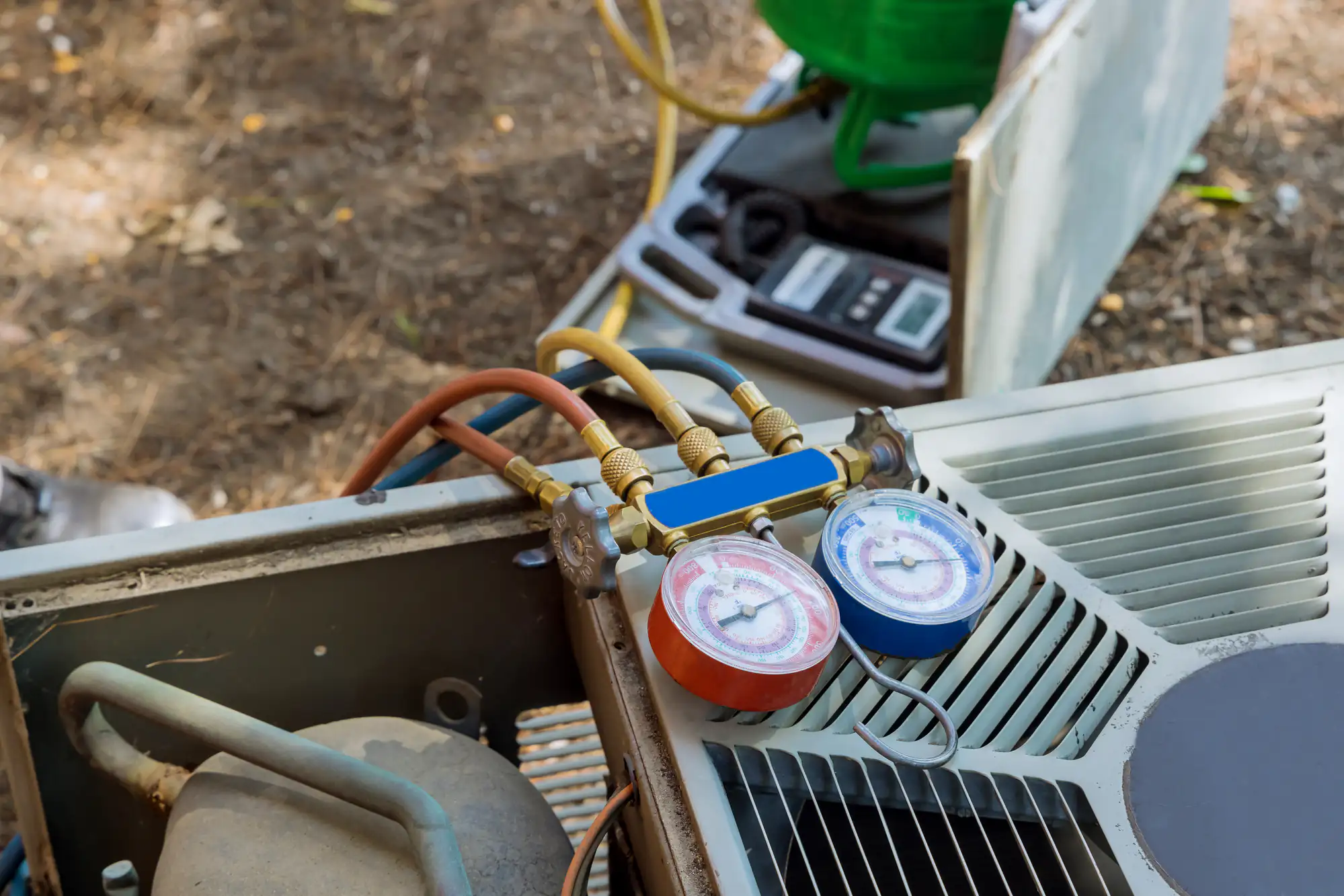
We handle air conditioning repair when your system isn’t cooling properly or when it quits completely. That includes diagnosing refrigerant leaks, replacing failed compressors, fixing electrical issues, and addressing airflow problems.
Furnace installation and heating system maintenance cover both new equipment and keeping your current system running efficiently. Long Island winters aren’t extreme, but when your heat goes out, it’s a problem. We work with gas furnaces, heat pumps, and electric systems.
HVAC replacement becomes necessary when your system is over 15 years old, needs frequent repairs, or can’t keep up with your home’s demands anymore. We’ll assess whether repair makes sense or if replacement is the smarter financial move.
Indoor air quality services address humidity control, filtration, and ventilation – especially important in coastal areas where salt air and moisture create challenges. Poor air quality shows up as stuffiness, uneven temperatures, and higher energy bills.
Northwest Harbor’s location means your HVAC system deals with conditions that inland systems don’t face. We account for that in every installation and repair. Your equipment needs to handle humidity, salt exposure, and temperature swings without constant breakdowns.
Twice a year is the standard recommendation – once before cooling season and once before heating season. That means spring and fall for most homeowners.
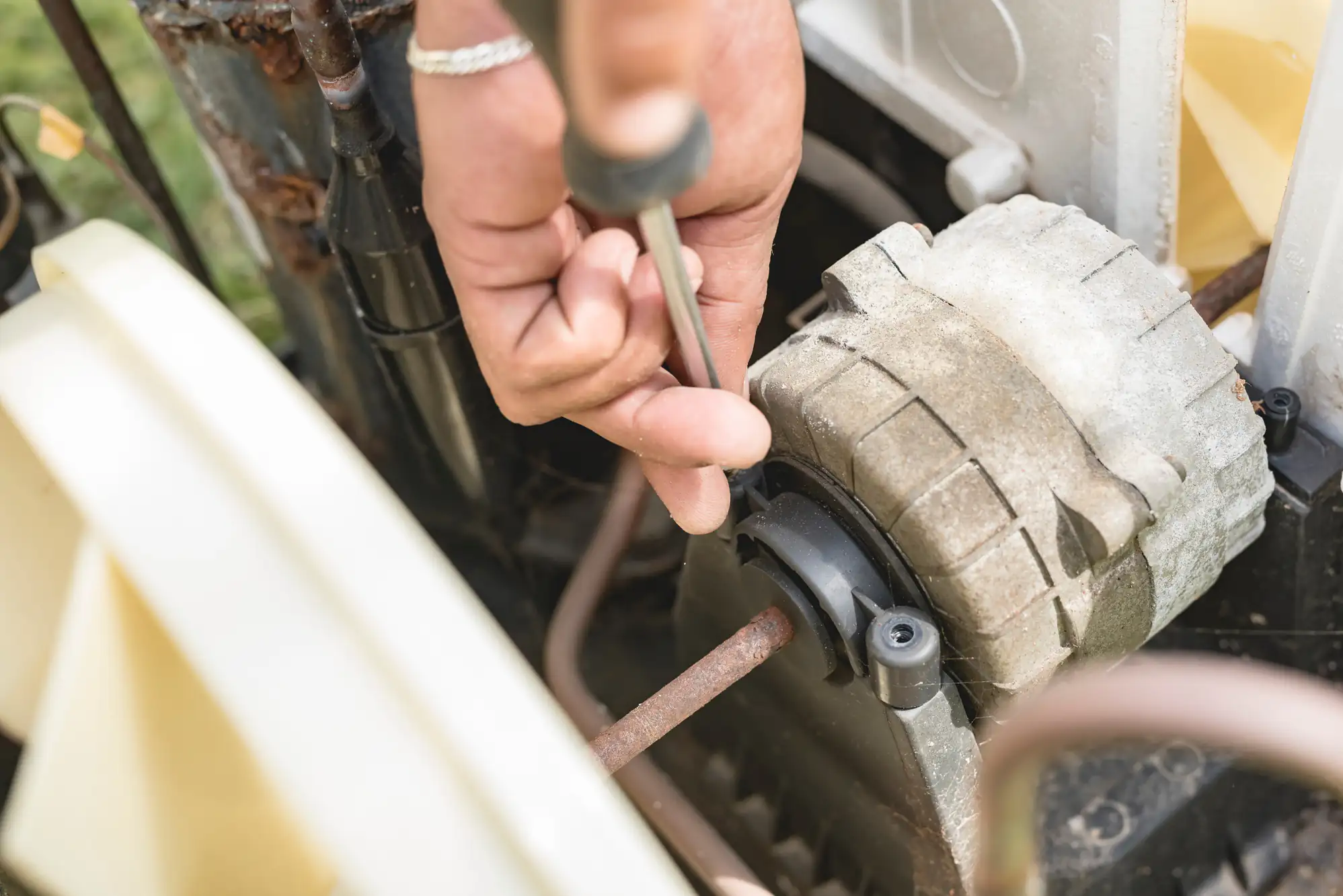
Spring maintenance prepares your air conditioning for summer. The technician checks refrigerant levels, cleans coils, tests electrical connections, and makes sure airflow is correct. Small problems get caught before you’re running the system hard in July heat.
Fall maintenance does the same for your heating system. Furnaces and heat pumps need inspection before you’re relying on them daily. Dirty filters, worn parts, and minor issues become major failures when the equipment is working constantly.
If you skip maintenance, you’re not just risking breakdowns. You’re reducing efficiency, which means higher energy bills every month. Systems that aren’t maintained lose efficiency gradually – you might not notice until your bills are 20% higher than they should be.
Weak airflow is one of the first signs. If some rooms aren’t cooling properly or the air coming from vents feels weak, something’s wrong with your system’s ability to move air.
Strange noises – grinding, squealing, or banging – mean a component is failing or already broken. Normal operation is relatively quiet. Loud or unusual sounds require immediate attention before minor damage becomes major.
Rising energy bills without increased usage indicate your system is working harder than it should to maintain temperature. That’s inefficiency, and it’s costing you money while signaling an underlying problem.
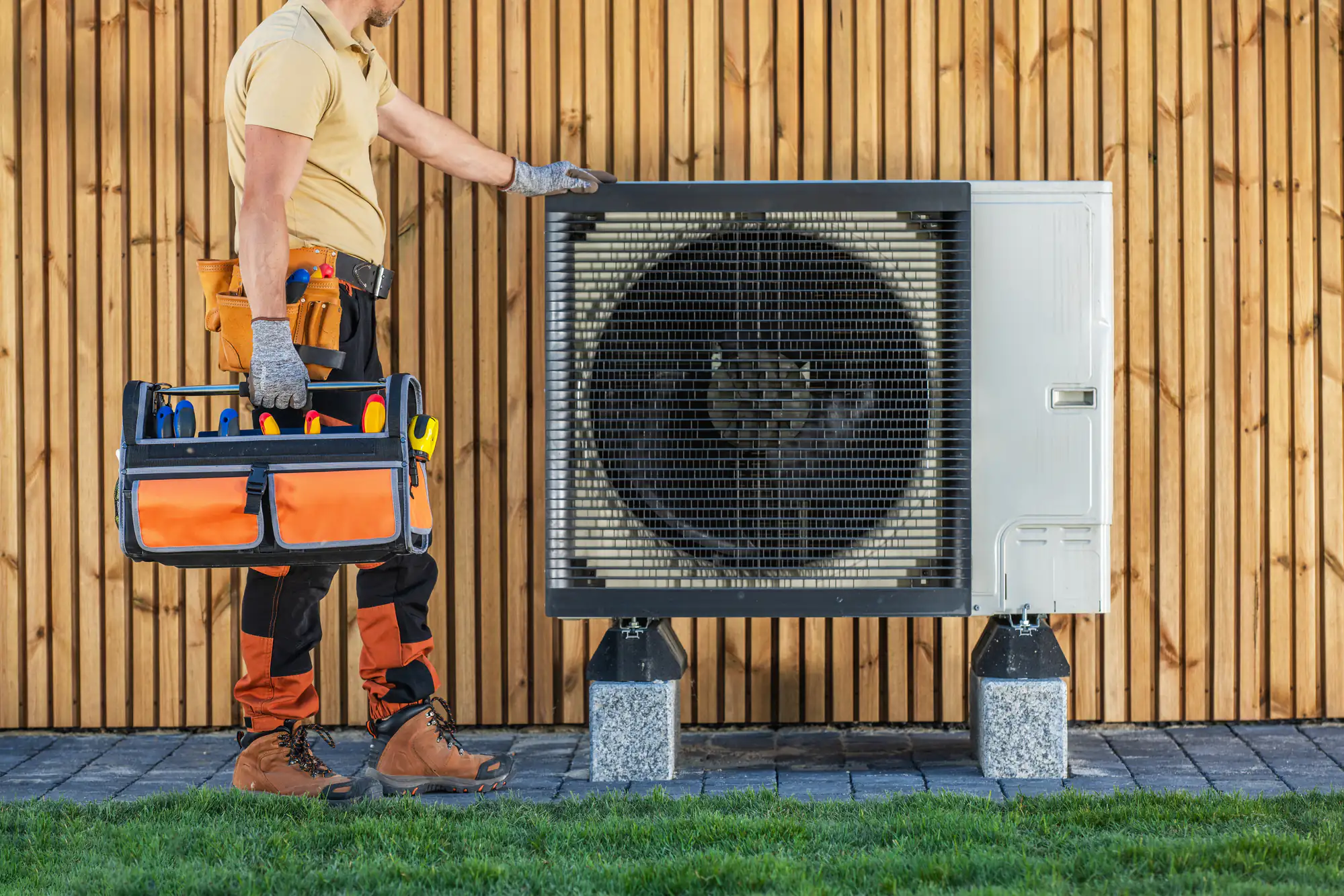
Ice forming on your outdoor unit or refrigerant lines means airflow issues or refrigerant problems. Your AC shouldn’t be freezing up. If it is, shut it down and call for service before you damage the compressor.
Uneven temperatures throughout your home – hot spots and cold spots – suggest ductwork issues, failing equipment, or a system that’s undersized for your space. Your HVAC should distribute conditioned air evenly.
Most residential furnace installations take one full day for straightforward replacements. If you’re replacing an existing furnace with a similar model and the ductwork is in good condition, expect 6 to 10 hours from start to finish.
More complex installations take longer. If ductwork needs modification, if you’re switching fuel types, or if your home requires additional ventilation work, you’re looking at two days or possibly more.
The process includes removing your old furnace, making any necessary modifications to gas lines or electrical connections, installing the new unit, connecting ductwork, testing all safety controls, and verifying proper operation. Rushing this creates problems.
We don’t leave until your heat is working correctly and you understand how to operate your new system. That includes explaining thermostat settings, filter replacement, and what to watch for during the first few weeks of operation.
Weather matters too. If we’re installing during a cold snap, we work faster to minimize the time your home is without heat – but we don’t cut corners that compromise safety or performance.
If your system is under 10 years old and the repair costs less than half the price of replacement, repair almost always makes sense. You’re extending the life of equipment that still has years left.
Once your system hits 15 years old, the math changes. Repairs might be cheaper upfront, but you’re fixing aging equipment that will need more repairs soon. Multiple service calls add up fast, and you’re still running an inefficient system that’s costing you on energy bills.
A good rule: multiply the repair cost by your system’s age. If that number exceeds the cost of a new system, replacement is the smarter financial decision. Example: a $600 repair on a 16-year-old system equals $9,600 – well above replacement cost.
New systems are significantly more efficient than equipment from even 10 years ago. The energy savings alone can offset a portion of the replacement cost over the system’s lifespan. You’re also getting modern features like smart thermostats and better humidity control.
We’ll give you honest numbers for both options. Some contractors push replacement because it’s more profitable. We’d rather you make the decision that actually makes sense for your situation and budget.
If your heat goes out in winter when temperatures are below freezing, that’s an emergency. Pipes can freeze, and your home becomes unlivable quickly. Same with AC failure during extreme heat if you have young children, elderly family members, or health conditions affected by temperature.
Strange smells – especially gas odors or burning smells – require immediate attention. Shut down your system and call right away. Don’t wait to see if it goes away.
Water leaking from your HVAC system can cause serious damage to your home if left unchecked. While it might not feel like an emergency, it can become one fast if water is pooling or spreading.
Most other issues can wait for regular business hours. If your AC isn’t cooling as well as usual but it’s still running, or if you’re hearing odd noises but the system works, schedule service soon – but it’s not an emergency.
The risk with waiting on obvious problems is that minor failures often cascade into major ones. A small refrigerant leak becomes a burned-out compressor. A dirty filter becomes a frozen coil. Addressing problems quickly, even if they’re not emergencies, saves money and prevents actual emergencies later.
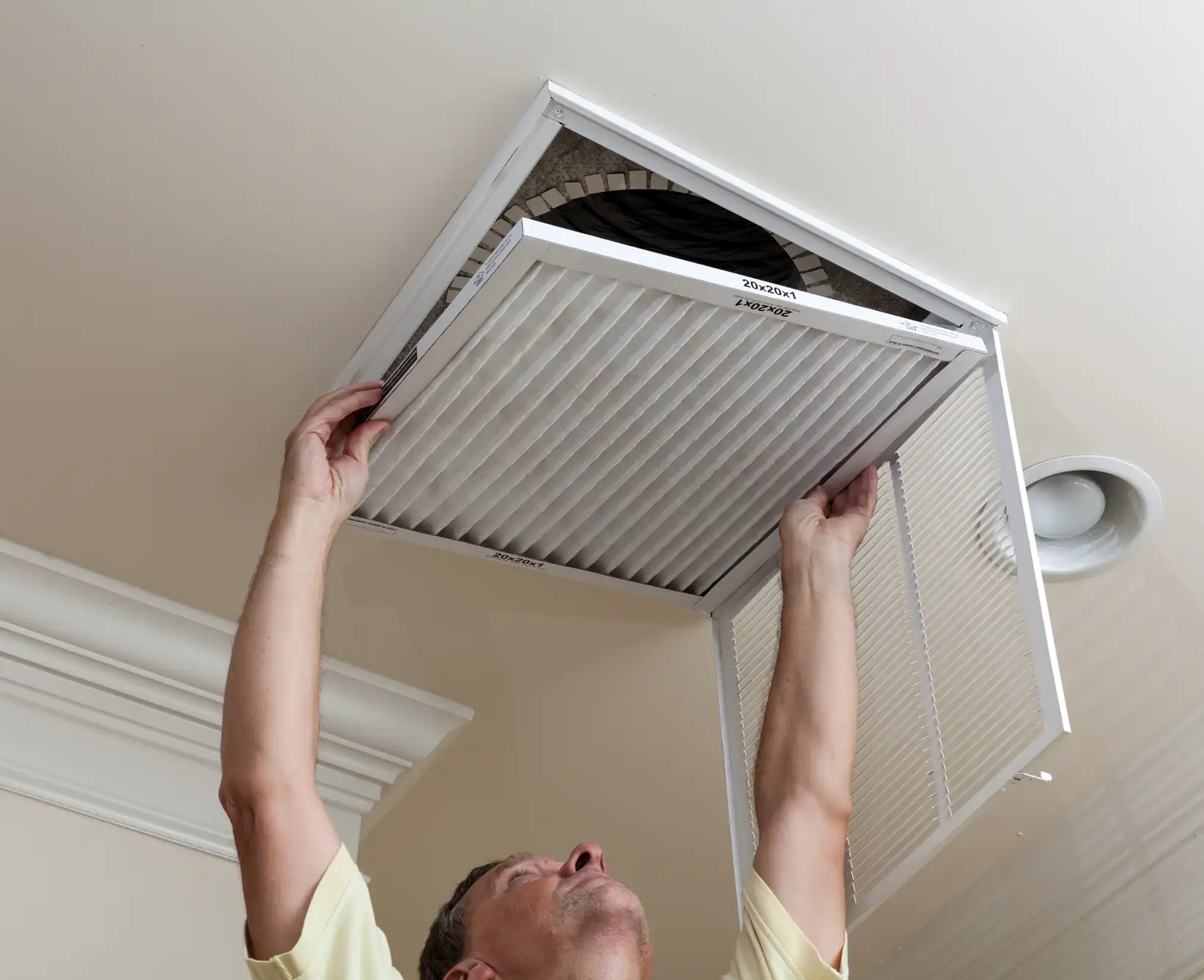
Start with your filter. Most homeowners use the cheapest filter available, which does almost nothing for air quality. Upgrading to a HEPA or high-MERV filter captures significantly more particles, allergens, and contaminants.
Change that filter regularly – every 30 to 90 days depending on your home. A clogged filter doesn’t just reduce air quality; it restricts airflow and makes your system work harder, which increases energy costs and wear on components.
Humidity control matters in Northwest Harbor’s coastal climate. Too much humidity promotes mold growth and makes your home feel uncomfortable. Too little dries out your respiratory system. A whole-home humidifier or dehumidifier integrated with your HVAC maintains ideal levels automatically.
UV lights installed in your ductwork kill mold, bacteria, and viruses before they circulate through your home. This is especially useful if anyone in your household has allergies, asthma, or respiratory sensitivities.
Duct cleaning removes accumulated dust, debris, and contaminants that build up over years. If you’ve never had your ducts cleaned, or if you notice dust accumulating quickly after cleaning your home, it’s worth doing. Just make sure you’re working with someone who does it properly – poor duct cleaning can make things worse.