Hear from Our Customers
You stop worrying about whether the AC will die on the hottest day of summer. You stop hearing that grinding noise from the furnace at 2 a.m. You stop watching your energy bill climb every month because your system is working twice as hard to do half the job.
When your HVAC system is installed correctly and maintained properly, your home stays comfortable without you thinking about it. That’s the standard. If your current setup makes you check the thermostat three times a day or wonder if you’ll wake up freezing, something’s wrong.
A properly functioning system doesn’t just heat or cool your home. It runs quietly, cycles normally, and doesn’t spike your utility costs. You’re not calling for emergency repairs every season, and you’re not replacing parts that should last years. You’re living in a home that feels right, year-round, without the constant background stress of “what’s going to break next?”
We’ve been handling complex HVAC and refrigeration work across the Greater New York area for over 40 years. We’ve built our reputation on commercial refrigeration and marine HVAC—systems that don’t tolerate mistakes or shortcuts. That same precision applies when we work on your home.
Orient’s housing stock includes everything from historic homes with original plasterwork to modern builds near the water. We’ve worked in both. We know how to install a modern heat pump without ripping out crown molding, and we understand what salt air does to outdoor units over time.
You’ll find dozens of five-star reviews from homeowners and business owners who needed someone reliable. We’re available 24/7 for consulting, we give free estimates, and we don’t disappear after the install. If you’ve been burned by contractors who overpromise and underdeliver, we get it. That’s not how we operate.
First, we listen. You tell us what’s happening—strange noises, uneven temperatures, higher bills, whatever the issue is. We ask questions to understand your system and your home, not to upsell you on things you don’t need.
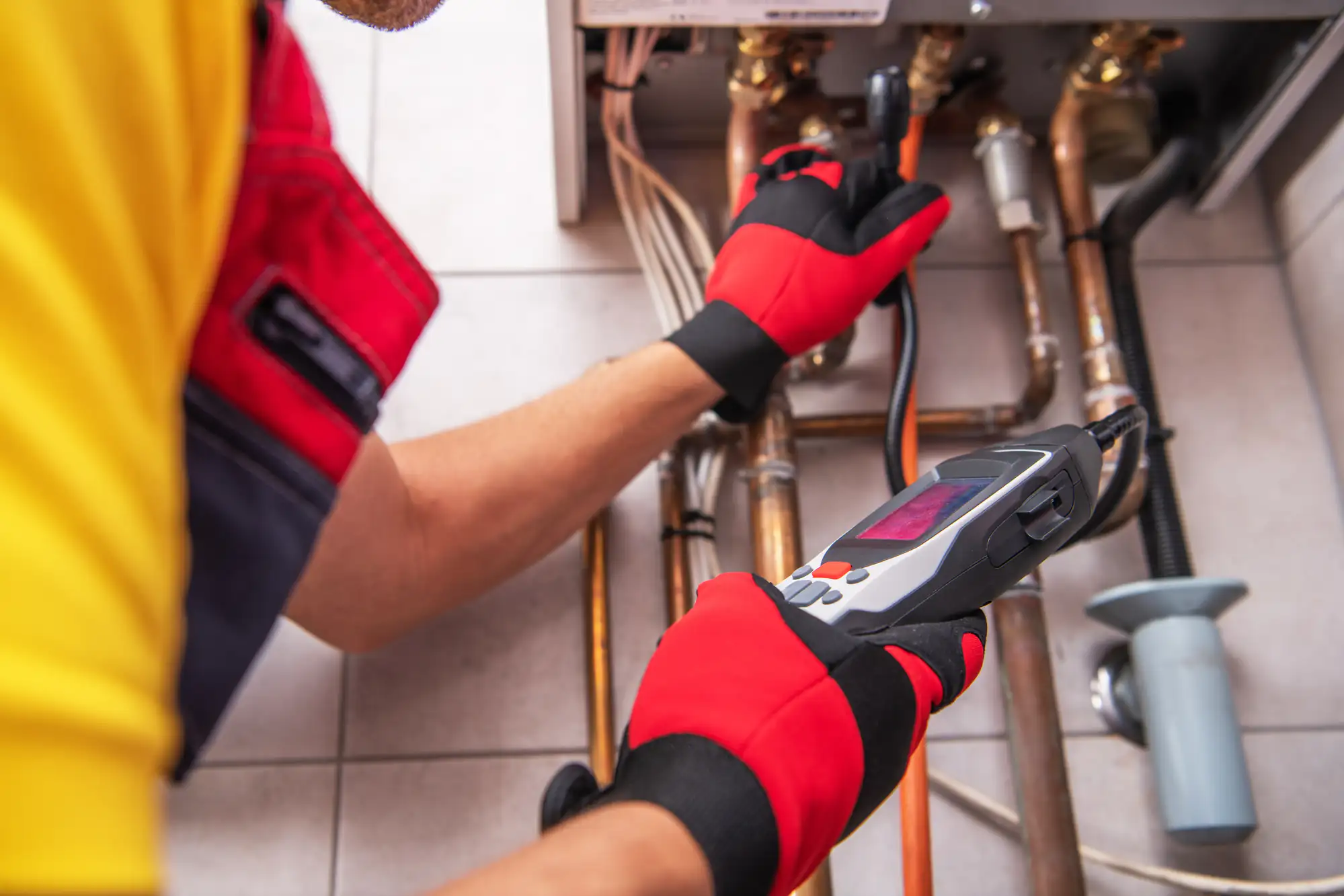
Then we schedule a visit that works for you. We show up on time, assess the situation, and explain what we find in plain language. If it’s a repair, we tell you what’s broken and what it’ll cost. If it’s time for a replacement, we walk through your options based on your home’s size, your budget, and how you actually use your space.
Once you approve the work, we handle it. Installations are clean and code-compliant. Repairs are done right the first time. We test everything before we leave, and we make sure you understand how to operate and maintain your system going forward.
After the job, we’re still here. You have questions a month later? Call us. Something doesn’t seem right? We’ll come back. That’s the difference between a contractor who wants your business once and one who wants to earn it every time.
Ready to get started?
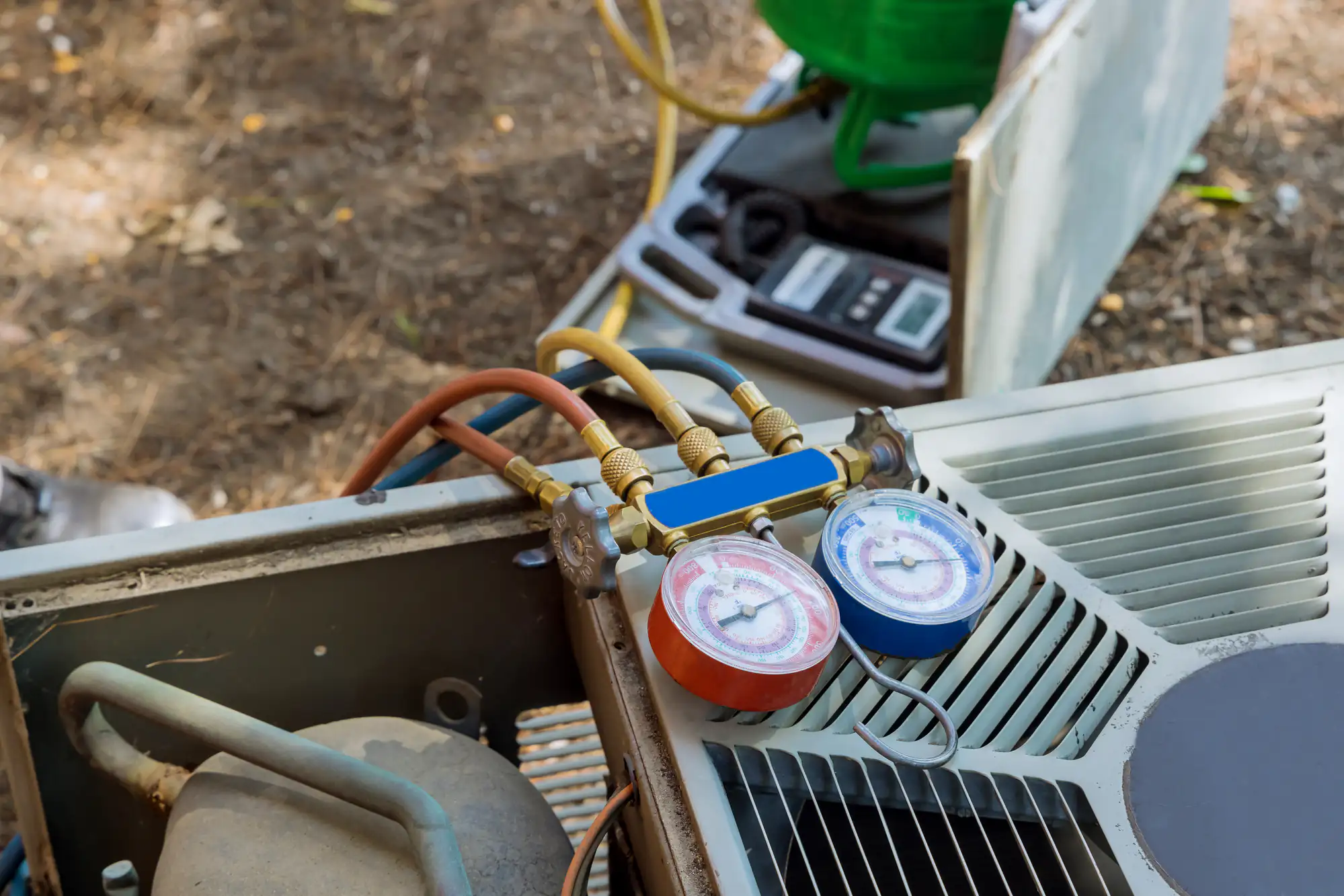
Air conditioning repair is one of our most common calls during Long Island summers. If your AC is blowing warm air, cycling constantly, or making noises it shouldn’t, we diagnose the problem and fix it. Refrigerant leaks, compressor issues, electrical failures—we’ve seen it all.
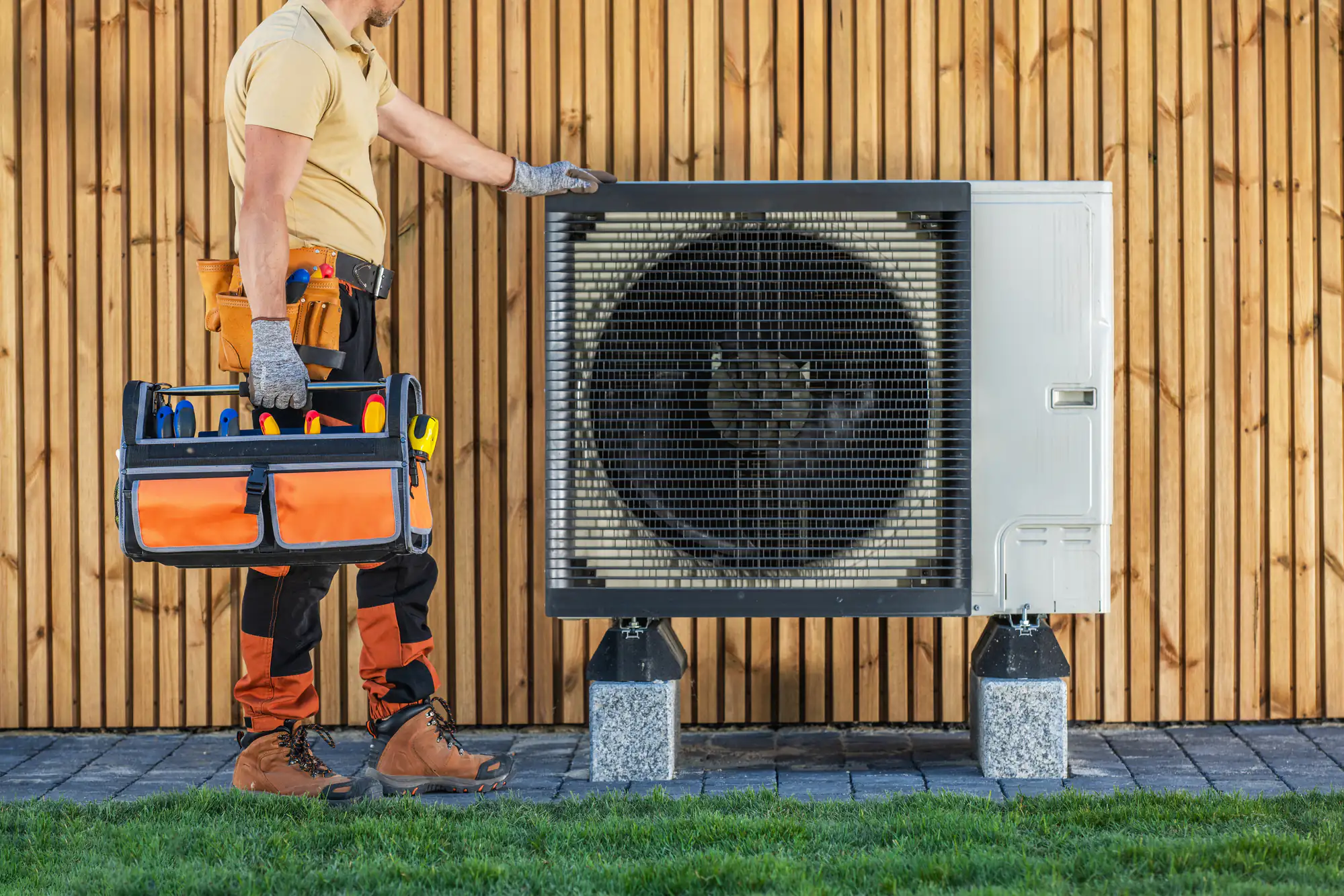
Furnace installation and heating system maintenance keep Orient homes warm through unpredictable winters. Whether you’re running a traditional furnace, a boiler, or considering a heat pump upgrade, we handle the install and the ongoing service. Heat pumps are becoming more popular here, and for good reason—they’re efficient, they qualify for rebates, and they handle both heating and cooling. We’ll tell you if one makes sense for your home.
HVAC replacement is a bigger investment, but if your system is over 15 years old and costing you more every year in repairs and energy, replacement often pays for itself. We’ll give you a straight answer on whether repair or replacement makes more financial sense. No pressure, just numbers.
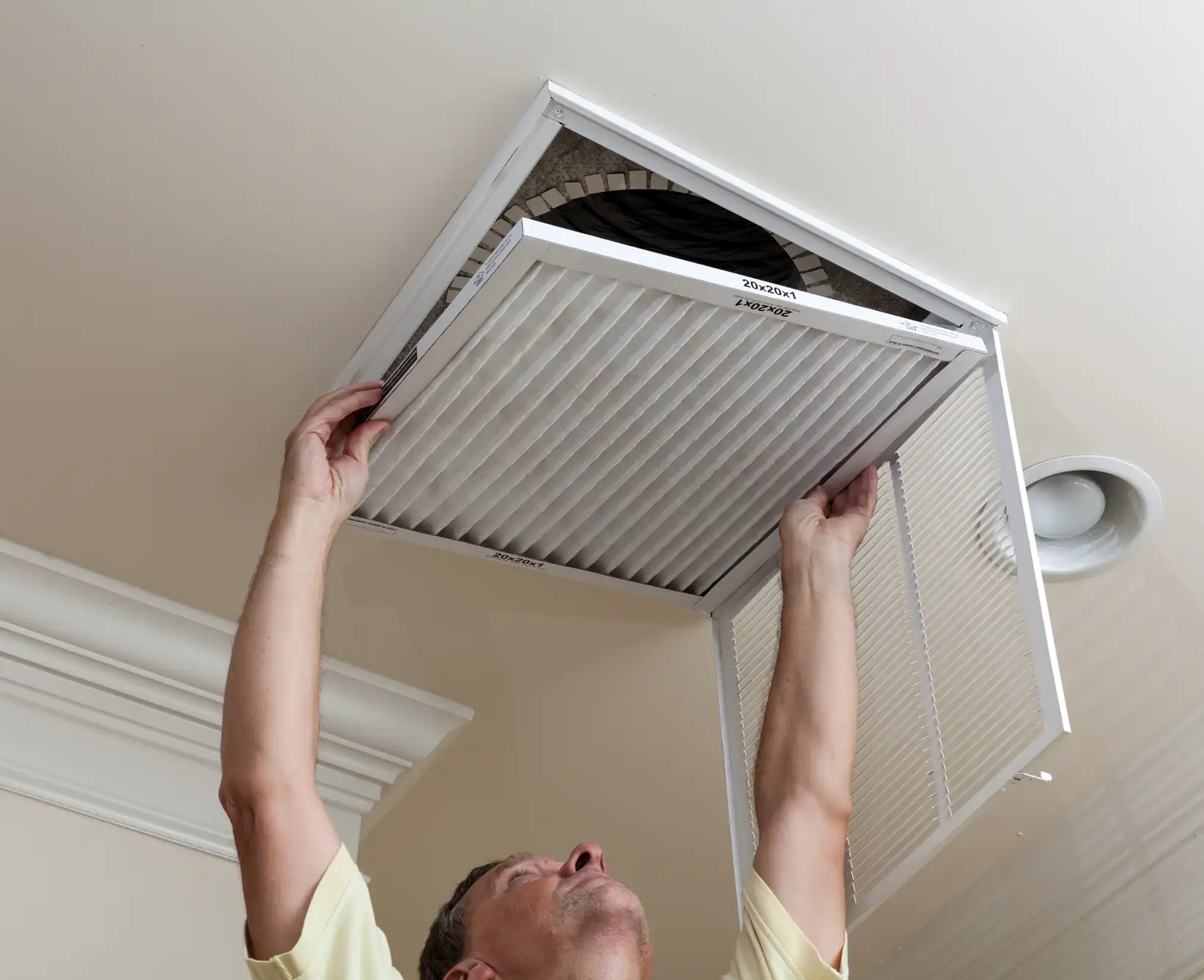
Indoor air quality matters more than most people realize. If you’re dealing with dust, allergens, or humidity issues, we can assess your ventilation and filtration. Sometimes it’s a simple fix. Sometimes it requires equipment upgrades. Either way, you’ll know what’s causing the problem and what it takes to solve it.
Once a year, ideally before heating season starts. That’s usually late summer or early fall, before you’re relying on your furnace or boiler every day.
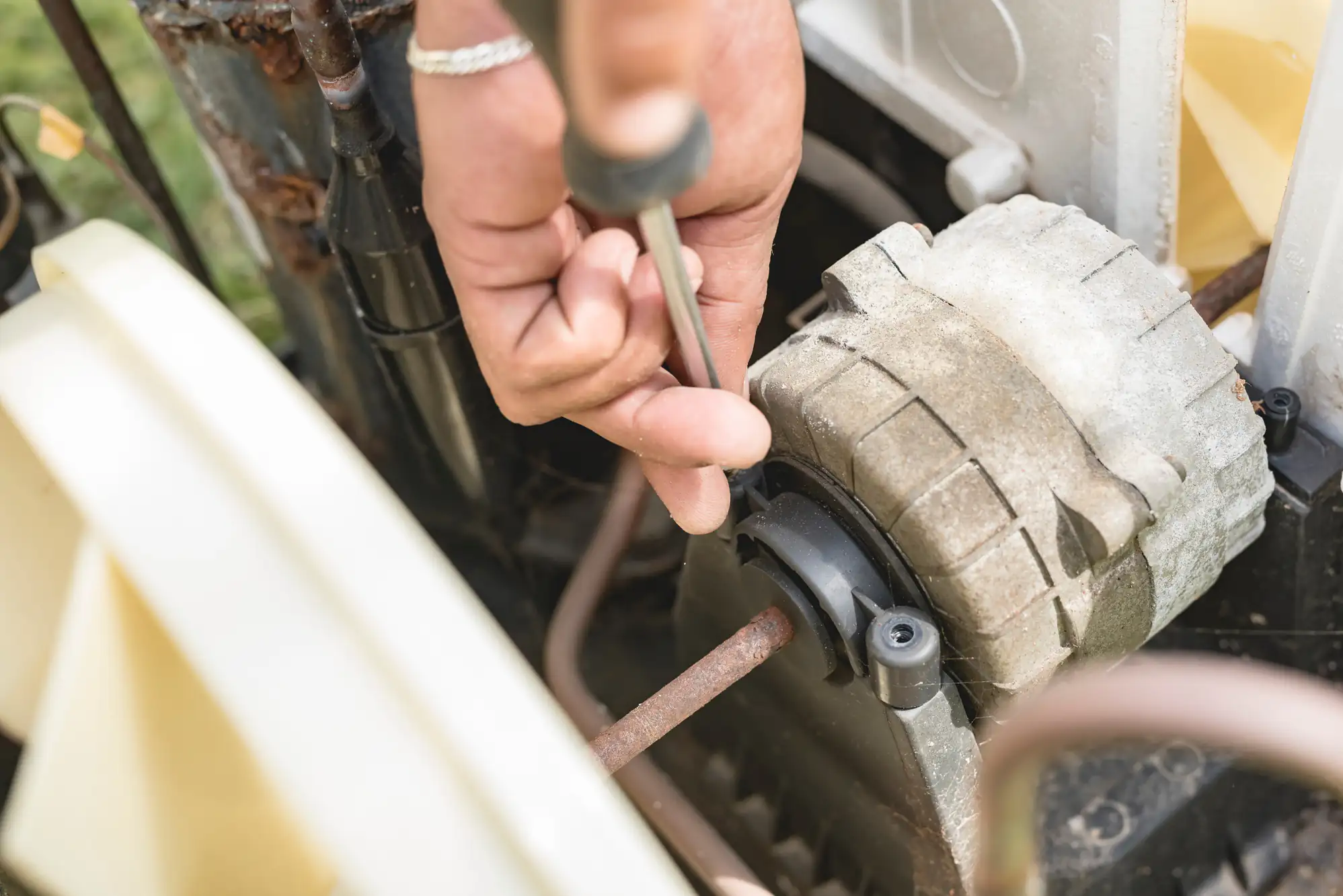
Annual maintenance catches small problems before they become expensive ones. A technician will inspect your system, clean components, check for wear, test safety controls, and make sure everything’s running efficiently. It’s not glamorous, but it’s the difference between a system that lasts 15 years and one that dies at 10.
If you’re running a heat pump that handles both heating and cooling, you might want to schedule maintenance twice a year—once before summer, once before winter. These systems work year-round, so they need more attention. Skipping maintenance doesn’t just risk breakdowns. It voids most manufacturer warranties and costs you money in wasted energy every month.
If your AC is blowing warm air, that’s a repair, not a tune-up. Same goes for weak airflow, constant cycling, strange smells, or unusual noises like grinding or squealing.
A tune-up is preventive. It’s what you do when the system is working fine but you want to keep it that way. A repair is what you need when something’s already broken or failing. Refrigerant leaks, frozen coils, compressor problems, electrical issues—these don’t fix themselves, and they get worse the longer you wait.
One other sign: your energy bill jumps without explanation. If your usage hasn’t changed but your costs have, your system is probably working harder than it should. That usually means something’s wrong. Call us before the whole unit fails on the hottest day of the year, because that’s when it’ll happen.
Yes, especially if you’re replacing an old furnace or want to eliminate fossil fuel heating. Heat pumps work well in Long Island’s climate, and the technology has improved dramatically in the last decade.
Modern heat pumps handle cold weather better than older models. They’re efficient, they heat and cool, and they qualify for federal tax credits and state rebates that can cut your upfront cost significantly. Over 48% of U.S. households now use electric heating, and that number’s growing fast.
That said, heat pumps aren’t always the right fit. If your home has specific insulation issues, ductwork problems, or electrical limitations, those need to be addressed first. We’ll assess your home and tell you whether a heat pump makes sense or if you’re better off with a different system. The goal is to recommend what actually works for your situation, not what’s trendy.
It depends on your home’s size, the type of system you’re installing, and whether you need ductwork modifications. A straightforward furnace or AC replacement might run $5,000 to $10,000. A full heat pump system with upgrades could be $12,000 to $20,000 or more.
That’s a wide range because every home is different. A 1,200-square-foot ranch has different needs than a 3,000-square-foot historic home with multiple zones. We don’t give ballpark estimates over the phone because they’re usually wrong. We come to your home, assess your system and your space, and give you an accurate number based on what you actually need.
Financing and rebates can help. Federal tax credits cover up to 30% of heat pump installations, and New York offers additional incentives. We’ll walk you through what’s available. The key is understanding what you’re paying for—not just the equipment, but the installation quality, the warranty, and the support after the job’s done.
Call us. We offer 24/7 emergency service because furnace failures don’t wait for business hours. While you’re waiting, check a few things: make sure your thermostat is set correctly, your circuit breaker hasn’t tripped, and your furnace filter isn’t completely clogged.
If those aren’t the issue, don’t try to fix it yourself. Furnaces involve gas lines, electrical components, and safety controls that can be dangerous if handled incorrectly. A failed ignitor, a cracked heat exchanger, or a malfunctioning blower motor all require professional repair.
In the meantime, close off rooms you’re not using, use space heaters safely (never leave them unattended), and keep interior doors open to circulate whatever heat you have. If it’s extremely cold and you have vulnerable family members, consider temporary accommodations until we can restore your heat. We’ll get there as fast as we can and get your system running again.
Yes. Orient has beautiful historic homes, and we’ve worked in plenty of them. Installing modern HVAC in a home with original plasterwork, crown molding, or unique architecture requires care and experience.
We plan installations around your home’s layout and features. That might mean creative ductwork routing, using mini-split systems to avoid major construction, or carefully cutting access points that can be properly restored. The goal is modern comfort without compromising what makes your home special.
We’ve handled marine HVAC and complex commercial systems for decades, so we’re used to working in tight spaces and around obstacles. If you’ve been told your home “can’t” support central air or efficient heating without major renovations, get a second opinion. There’s usually a way to do it right—it just takes someone willing to think through the details instead of forcing a one-size-fits-all solution.