Hear from Our Customers
Your energy bills stop creeping up for no reason. Modern high-efficiency systems can cut your gas consumption by 30-40% compared to what you’re running now, especially if your furnace is from the 90s or earlier.
Every room in your house feels the same temperature. No more cold spots in the back bedroom or that one bathroom that’s always freezing in January.
You stop worrying about breakdowns during heat waves or cold snaps. When your system is properly maintained and sized correctly for your home, it just works. And if something does go wrong, you’ve got 24/7 access to people who actually know what they’re doing.
Your indoor air gets cleaner. If anyone in your house deals with allergies or asthma, upgrading your air filtration and humidity control makes a noticeable difference within days.
We’ve been handling heating, cooling, and air quality issues across Nassau County since the early 80s. We’ve seen every configuration of colonial, ranch, and split-level home this area has to offer.
Oyster Bay Cove homes come with specific challenges. Coastal humidity means your AC works overtime just to dehumidify before it can cool. Older homes built in the 60s and 70s often have undersized return grilles and ductwork that wasn’t designed for modern efficiency standards.
We’re not the cheapest option, and that’s intentional. You’re paying for systems that last, technicians who show up when they say they will, and straight answers about what you actually need versus what someone’s trying to sell you.
You call or message us with what’s going on. We ask a few questions to understand whether you’re dealing with an emergency, a failing system, or just planning ahead.
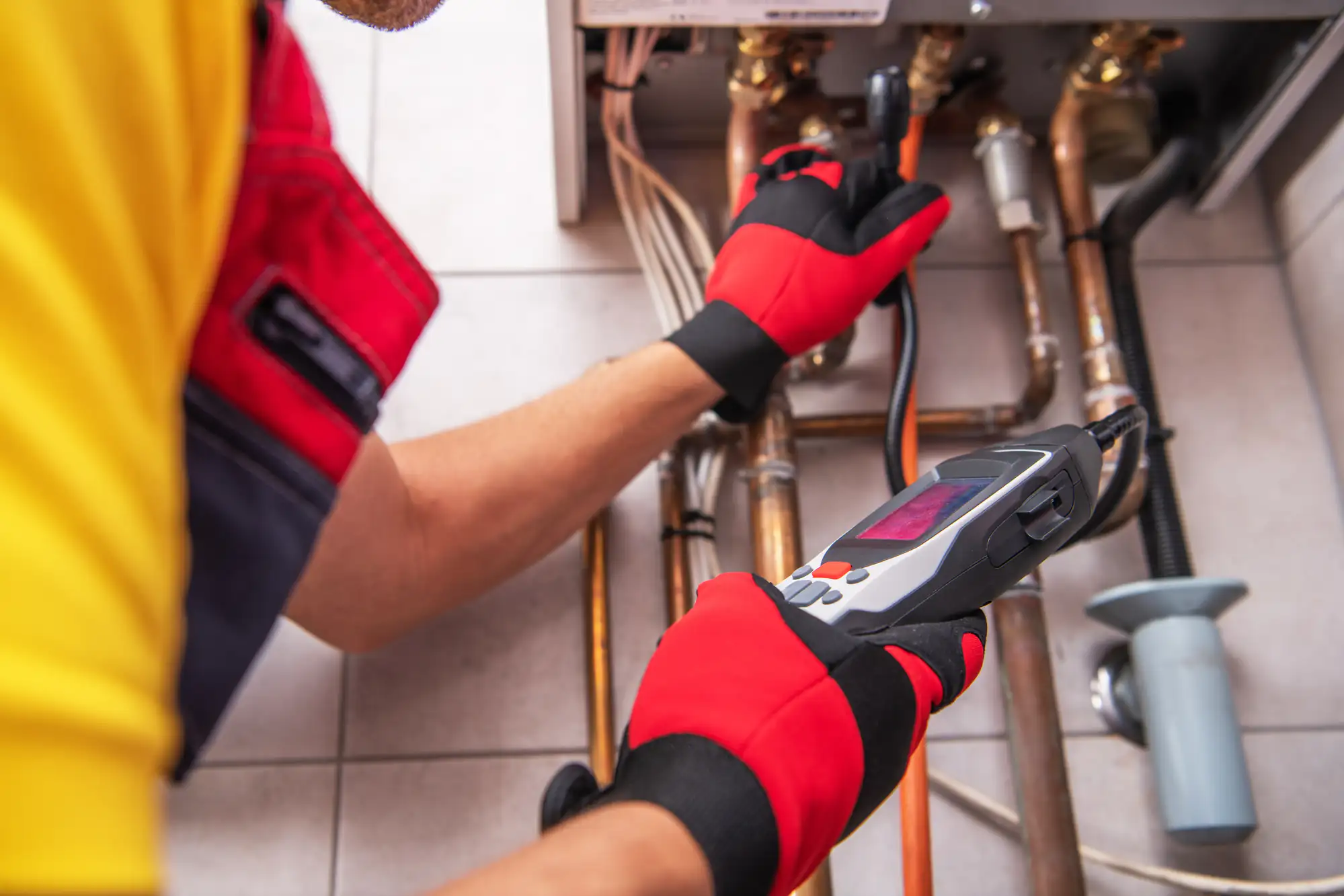
We schedule a time that works for you and show up when we say we will. For repairs, we diagnose the problem, explain what’s wrong in plain terms, and give you options with transparent pricing before we do anything.
For installations or replacements, we do a full assessment of your home. That means measuring your space, checking your existing ductwork, looking at insulation, and calculating the actual load requirements. We’re not just swapping out equipment and hoping it works.
Once we agree on a plan, we handle permits, coordinate the work, and complete the installation without tearing up your house more than necessary. After everything’s running, we walk you through the new system, show you how to use any smart controls, and make sure you’re comfortable with maintenance basics.
You get a follow-up within the first few weeks to confirm everything’s working as expected. And if you ever have questions or issues down the road, you’ve got our number.
Ready to get started?
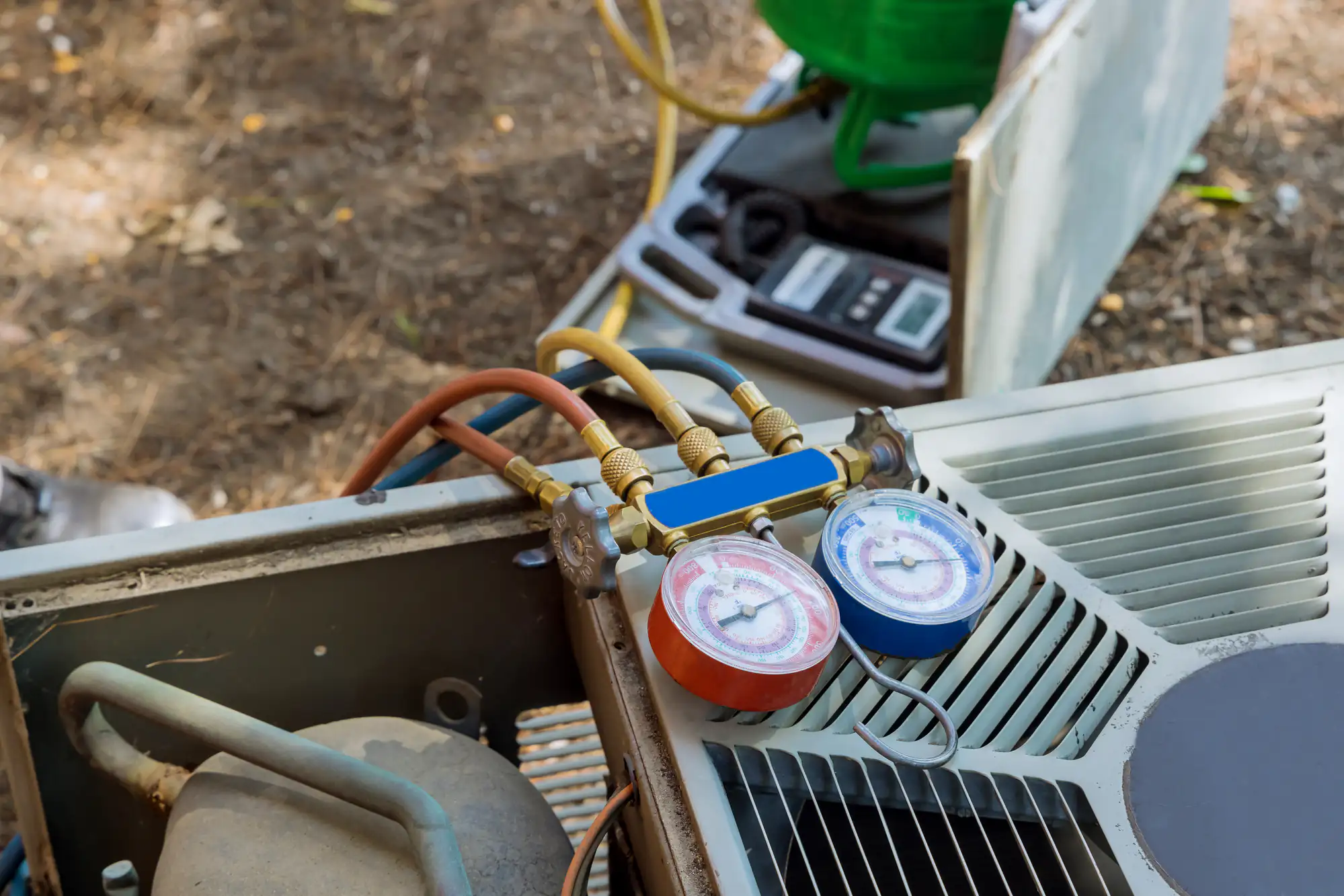
Air conditioning repair and installation covers everything from fixing refrigerant leaks to replacing aging central AC units that can’t keep up anymore. If your system is over 15 years old and needs a major repair, replacement often makes more financial sense, especially with the new EPA refrigerant regulations that took effect in January 2025.
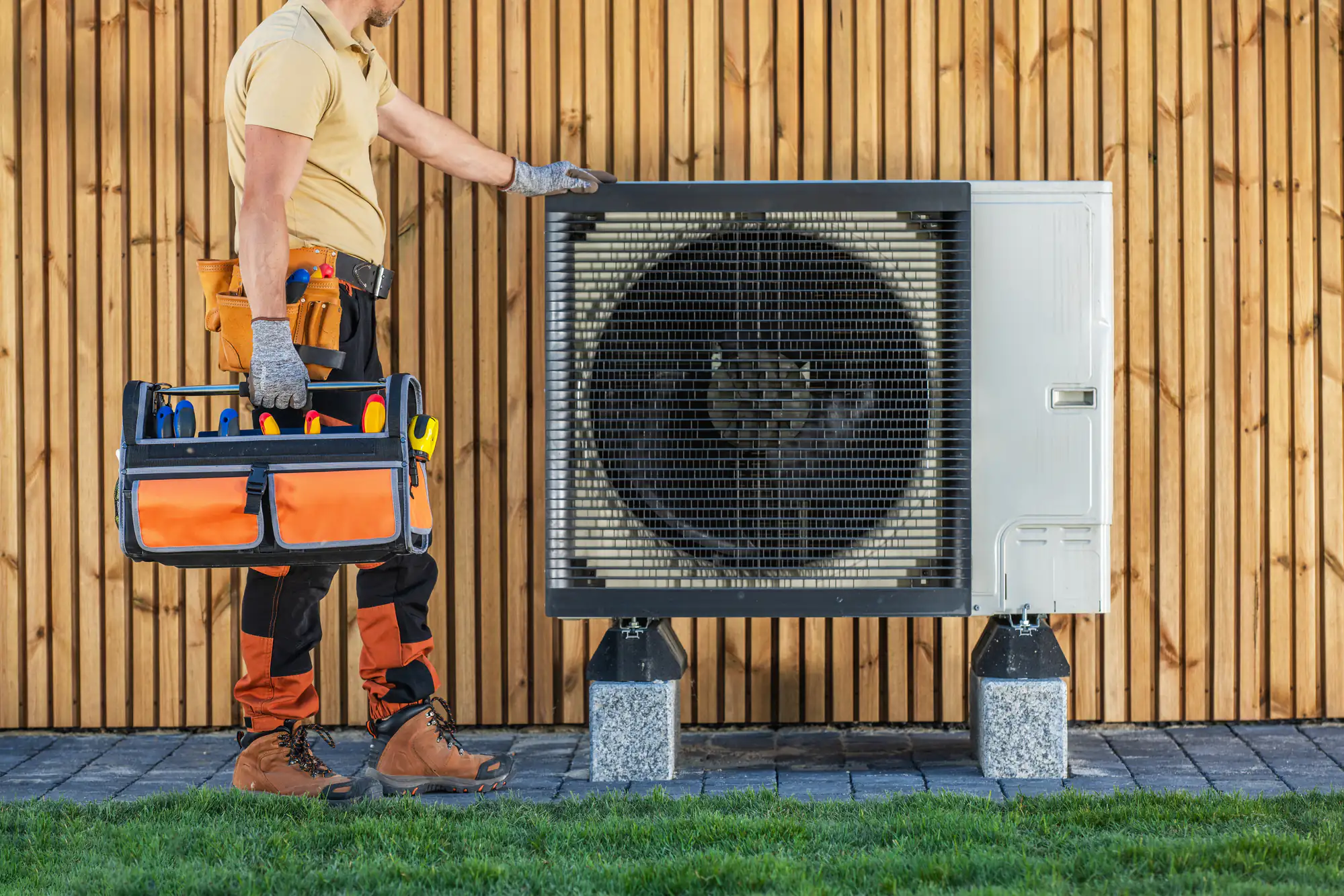
Furnace installation and heating system maintenance includes gas furnaces, heat pumps, and hybrid systems. Modern furnaces hit AFUE ratings up to 98%, meaning almost all the fuel you’re paying for actually heats your home instead of going up the chimney. We also handle safety inspections for older systems, checking for carbon monoxide risks and venting issues.
Indoor air quality solutions go beyond just changing your filter. We install whole-home HEPA filtration, UV-C light disinfection, bipolar ionization systems, and smart humidity control. Long Island’s proximity to water means basements stay damp and mold becomes a real issue if your HVAC system isn’t managing moisture properly.
Smart thermostat installation and integration lets you control everything from your phone, set schedules that actually save energy, and get alerts if something’s not running right. These systems learn your preferences and adjust automatically, which can improve efficiency by 15% without you thinking about it.
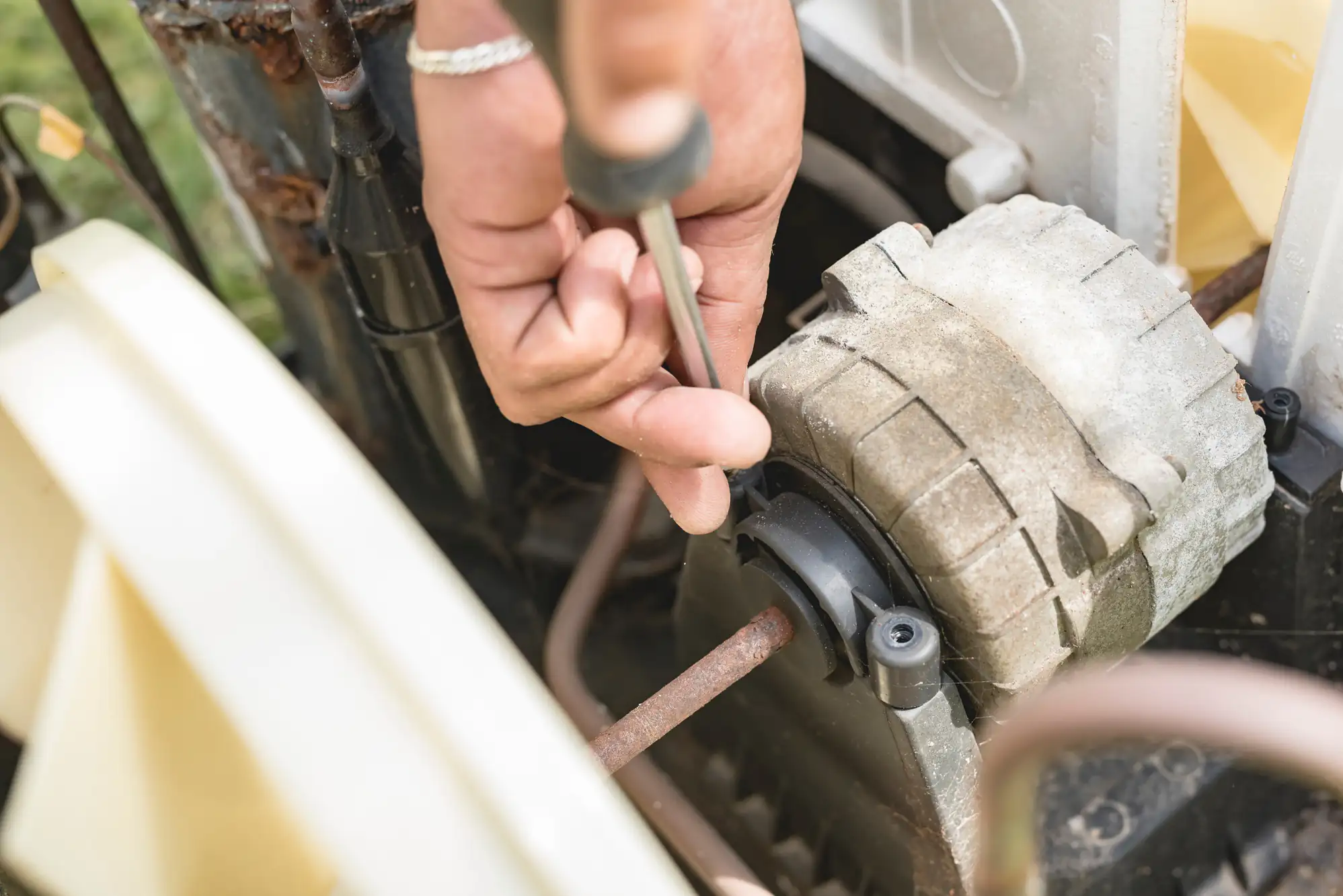
If your system is under 10 years old and the repair costs less than a third of what replacement would run, fixing it usually makes sense. But if you’re looking at a $2,000 repair on a 15-year-old furnace, you’re throwing money at something that’s going to fail again soon.
Age matters more than most people realize. The median home construction year in Oyster Bay is 1960, which means a lot of systems are original or close to it. Anything over 15 years old is on borrowed time, especially with how hard coastal humidity makes air conditioners work.
Your energy bills tell you a lot too. If your usage hasn’t changed but your costs keep climbing, that’s your system losing efficiency. Modern equipment pays for itself faster than you’d think when you’re currently running something that’s 60-70% efficient at best.
Cheap companies size your system wrong, skip the load calculation, and just match tonnage to square footage. That’s how you end up with an oversized AC that short-cycles, never dehumidifies properly, and dies in 8 years instead of 15.
Good contractors spend time measuring your home, checking ductwork, testing airflow, and calculating the actual heating and cooling load. They also pull permits, follow code, and don’t disappear when something goes wrong six months later.
The other big difference is transparency. You should get a clear explanation of what’s broken, why it broke, and what your options are with real numbers attached. If someone’s pushing you toward the most expensive option without explaining why, or they’re offering a price that seems too good to be true, trust your gut.
Twice a year is the standard recommendation, and it’s not just a sales pitch. You want your furnace checked before winter and your AC checked before summer. Each visit should include cleaning, safety checks, airflow testing, and catching small problems before they become expensive ones.
Skipping maintenance is how you end up with a dead furnace on the coldest night of the year. Ignition systems fail, heat exchangers crack, and blower motors burn out when they’re running dirty. Same with AC—refrigerant leaks and compressor failures almost always start as small issues that get ignored.
A typical maintenance visit costs $150-200 and takes about an hour. Compare that to an emergency service call at 2 AM in July when your AC quits, which starts at $500 before we even fix anything. The math isn’t complicated.
If you’re replacing a system from the 90s or early 2000s, yes, the difference is significant. Old furnaces run at 70-80% efficiency, meaning 20-30% of your fuel cost goes straight out the vent. Modern units hit 95-98% efficiency, so you’re burning 30-40% less gas for the same heat.
Air conditioning improvements are harder to quantify because efficiency depends on how well your home is insulated and whether your ductwork leaks. But a new high-efficiency AC with proper sizing and a smart thermostat typically cuts cooling costs by 20-30% compared to a 15-year-old unit.
The NYS Clean Heat Program is offering substantial rebates for high-efficiency heat pumps through 2030, which can offset a big chunk of the cost difference between repairing your old system and upgrading. Heat pumps also handle both heating and cooling, so you’re replacing two systems with one.
First, check your thermostat batteries and make sure it’s actually set to cool. Sounds obvious, but it happens more than you’d think. Then check your circuit breaker, both the one inside and the disconnect box outside near the condenser unit.
If those are fine, check your air filter. A completely clogged filter can shut down your system as a safety measure. If you haven’t changed it in months and it’s packed solid, replace it and give the system 30 minutes to reset.
Beyond that, you’re looking at a refrigerant leak, a failed capacitor, a bad compressor, or a control board issue. Those aren’t DIY fixes. Call us, and we’ll get someone out the same day if it’s an emergency. We keep common parts in stock specifically for summer breakdowns because waiting three days for a part when it’s 90 degrees outside isn’t acceptable.
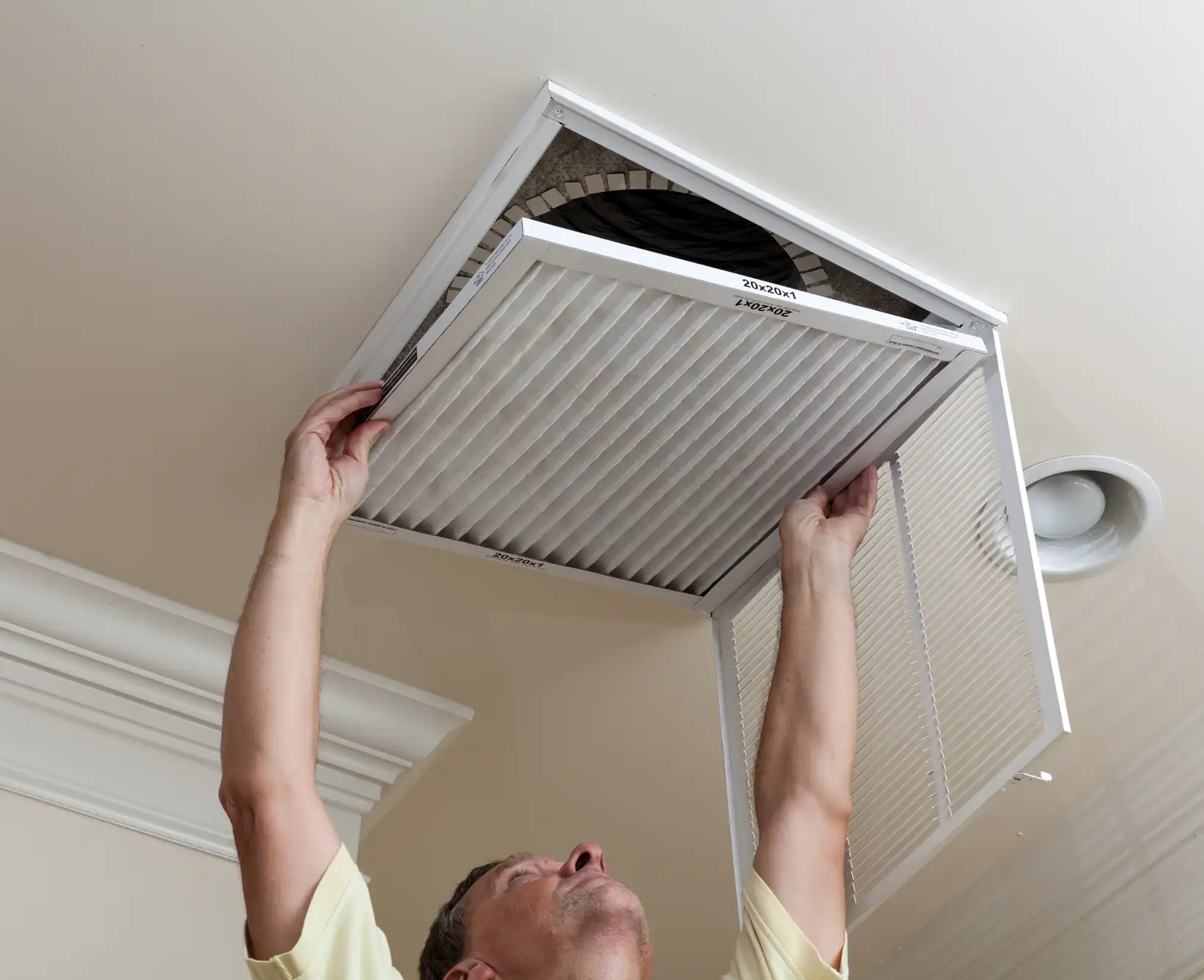
Start with a better filter. Most homes use cheap fiberglass filters that catch almost nothing. Upgrading to a MERV 11-13 pleated filter removes dust, pollen, and most allergens without restricting airflow. Change it every 60-90 days, not every six months.
Add a standalone air purifier with HEPA filtration in bedrooms or main living areas. These work independently of your HVAC system and make a noticeable difference for anyone with allergies or asthma. Look for units rated for your room size, not the cheapest option on Amazon.
If you want a whole-home solution, we can install UV-C lights in your ductwork that kill mold and bacteria as air passes through, or add a bipolar ionization system that actively cleans the air throughout your house. Humidity control matters too—a whole-home dehumidifier keeps your basement from turning into a mold factory and makes your AC more effective at actually cooling instead of just fighting moisture.
Other Services we provide in Oyster Bay Cove