Hear from Our Customers
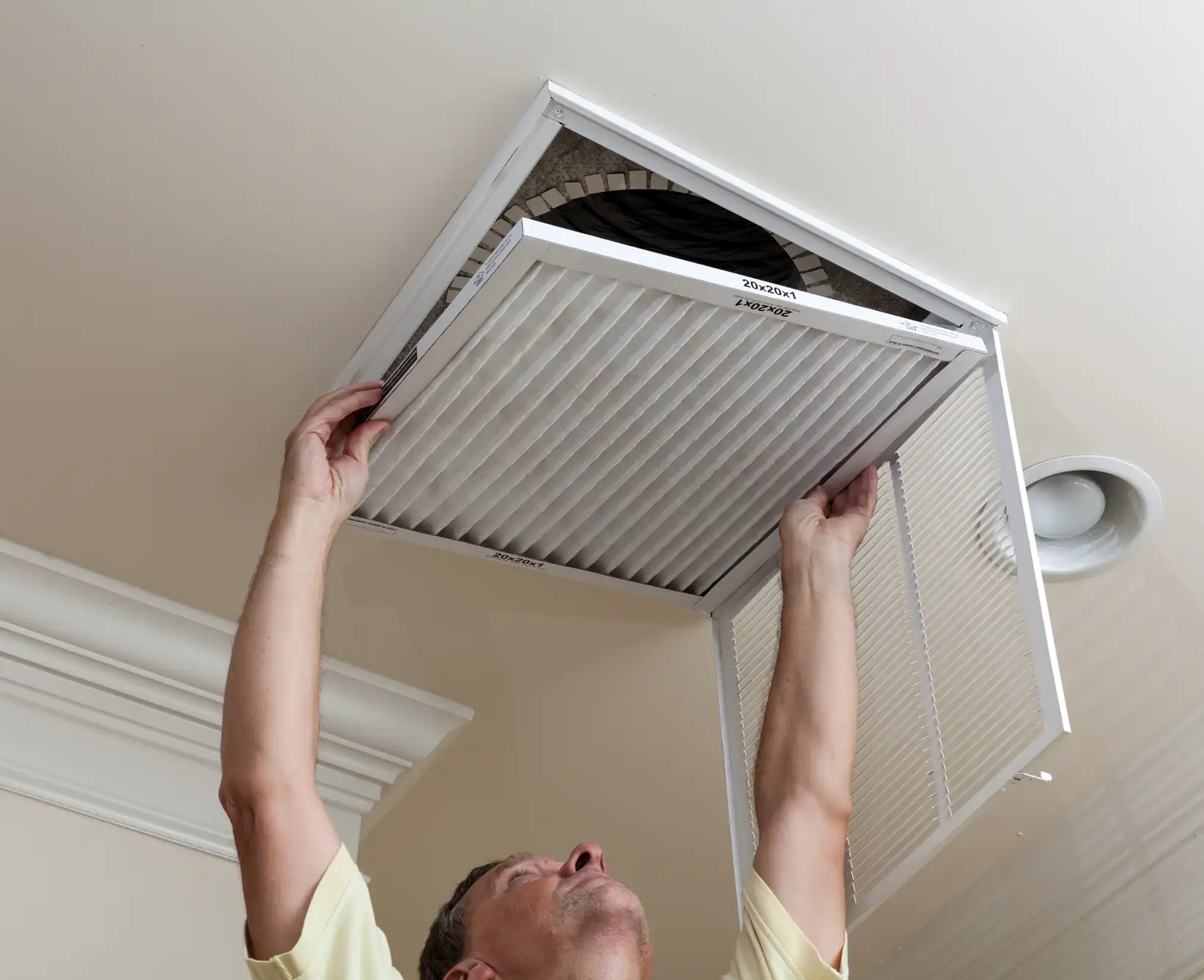
Your home stays comfortable when your HVAC system actually works the way it should. That means balanced humidity in August when the air feels thick. Consistent heat in January when Nor’easters roll through. And energy bills that don’t spike every time the weather shifts.
Most Port Jefferson Station homes deal with coastal humidity that makes standard systems work overtime. Your AC runs constantly but the house still feels sticky. Or your heating system can’t keep up when temperatures drop below freezing.
The right system handles these conditions without struggling. It removes moisture efficiently, maintains even temperatures in every room, and runs reliably when you need it most. You’re not adjusting the thermostat every few hours or calling for emergency repairs during the worst weather of the year.
We’ve spent over 40 years fixing HVAC and refrigeration systems across Nassau and Suffolk Counties. That includes marine systems on boats, walk-in coolers for restaurants, and complex commercial setups that most contractors won’t touch.
Residential work is different, but the fundamentals are the same. Coastal air corrodes components faster. Humidity puts extra strain on compressors. And when something breaks during extreme weather, every hour counts.
We know Port Jefferson Station homes face the same salt air and weather swings that challenge commercial systems. The difference is we bring commercial-grade expertise to residential jobs. You get systems designed for local conditions, not generic installations that struggle after a few seasons.
You call, and a real person answers. Not a voicemail system or a call center three states away. We ask what’s happening with your system and schedule a time that works for you. For emergencies, we’re usually there in under two hours.
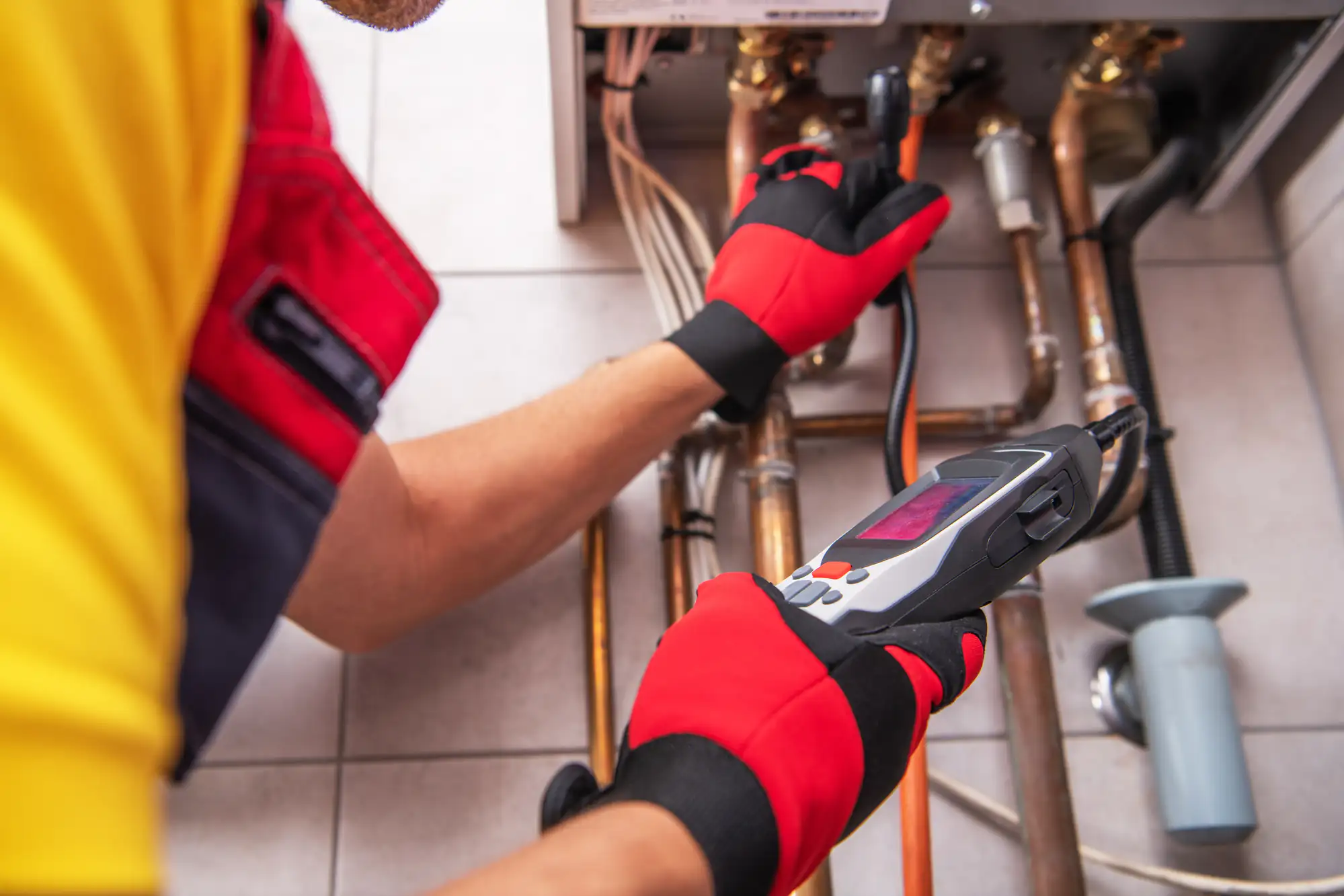
When we arrive, we diagnose the actual problem. Not what we think it might be or what we hope it is so we can sell you something expensive. We explain what’s wrong in plain language, what it’ll take to fix it, and what it costs before we start any work.
About 70% of our emergency calls get fixed the same day because our trucks carry the parts most systems need. If your situation requires a new installation, we design the system for your home’s specific needs – accounting for square footage, insulation, ductwork, and how coastal humidity affects performance.
After installation or repair, we test everything to make sure it’s running efficiently. Then we’re available 24/7 if something goes wrong, because HVAC problems don’t wait for business hours.
Ready to get started?
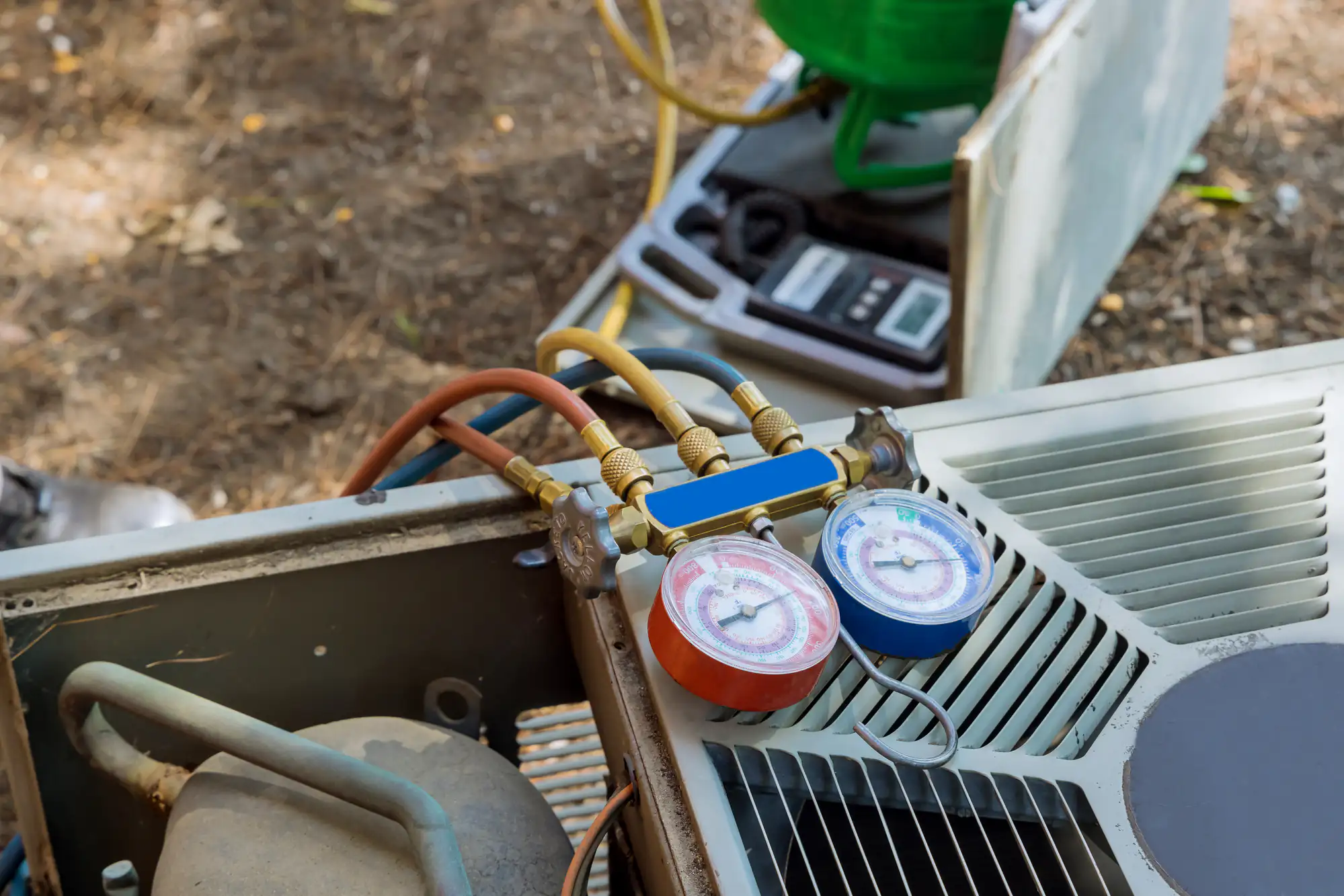
Air conditioning repair covers everything from refrigerant leaks to failed compressors to electrical issues that shut your system down. We handle all makes and models, and we stock parts for the most common residential units in this area.
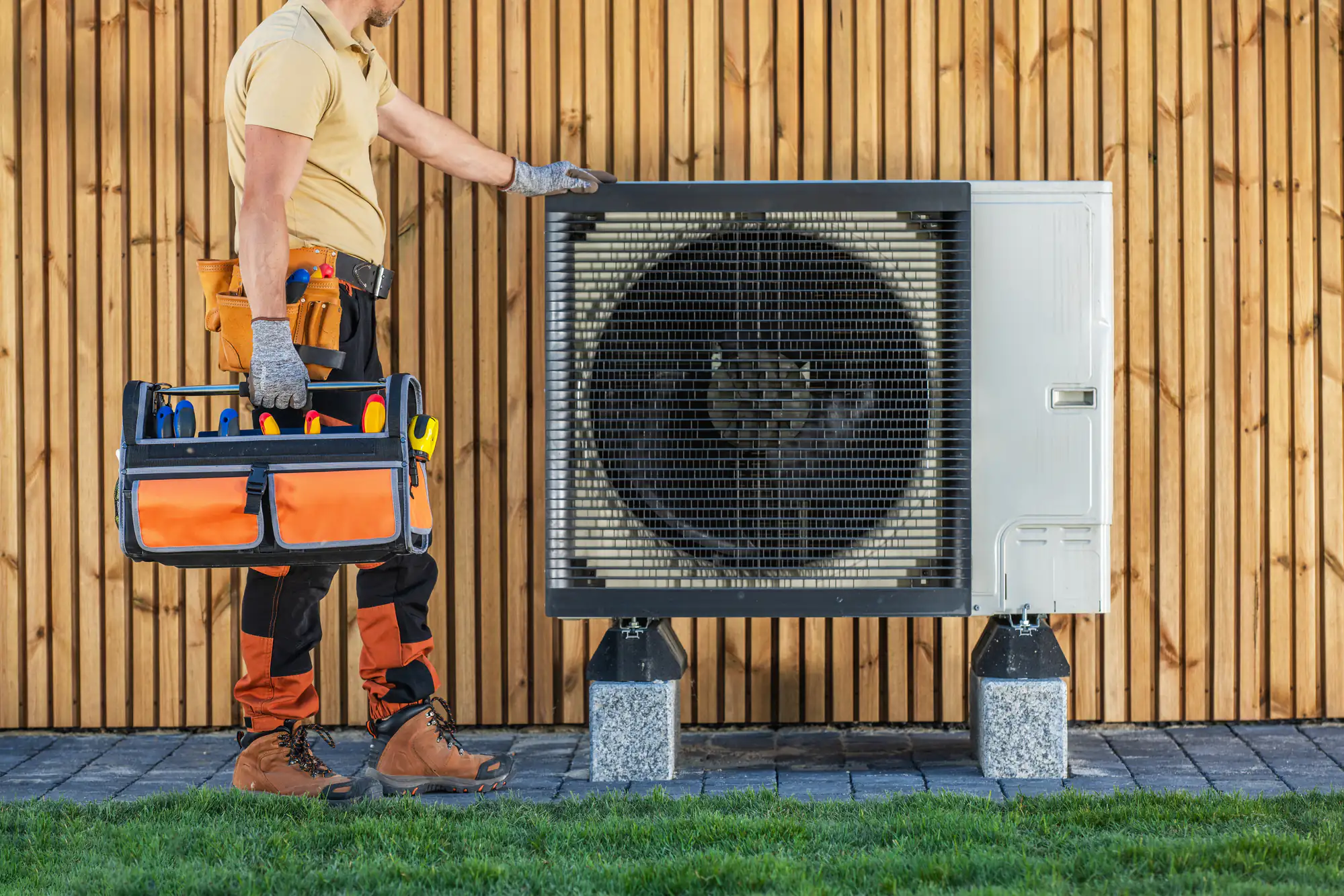
Furnace installation and heating system maintenance keep you warm when temperatures drop. That includes new high-efficiency furnaces, heat pump installations, and seasonal tune-ups that catch small problems before they become expensive failures in January.
HVAC replacement becomes necessary when your system is over 15 years old, needs frequent repairs, or can’t keep up with demand anymore. We’ll assess whether repair makes sense or if replacement saves you money long-term. Then we size and install equipment that matches your home’s actual heating and cooling load.
Indoor air quality improvements matter more in coastal areas where humidity breeds mold and salt air carries particles into your home. We install whole-home dehumidifiers, air purifiers, and ventilation systems that keep your air clean without making your HVAC work harder.
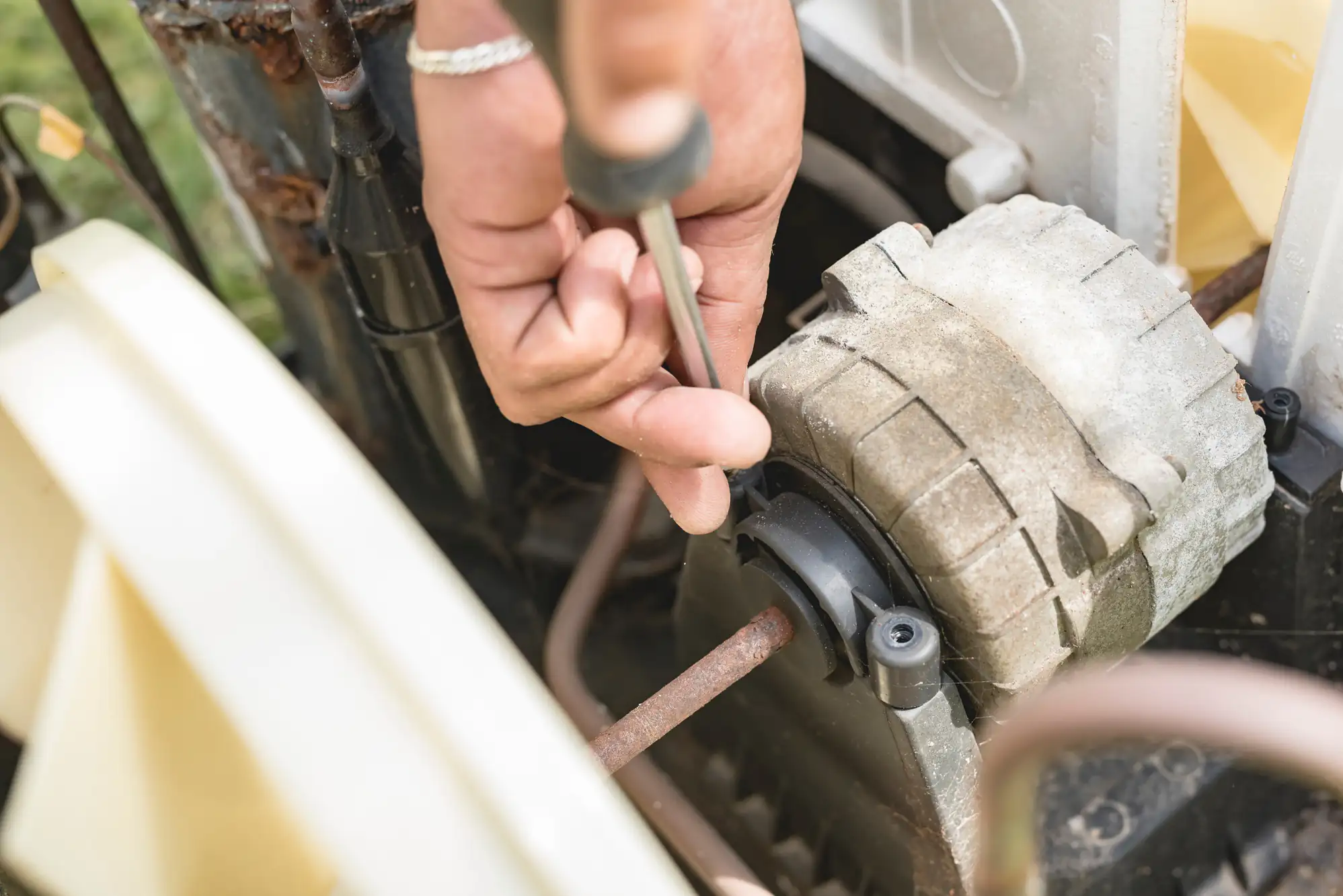
We typically arrive in under two hours for genuine emergencies across Nassau and Suffolk County. That’s not an estimate or a goal – it’s what actually happens when you call our emergency line.
Our trucks stay stocked with common parts, so most repairs happen the same day. About 70% of emergency calls get resolved without waiting for parts orders or return visits. The other 30% usually involve specialized components we need to order, but we’ll get your system running temporarily if possible while we wait for the right part.
We answer our phones 24/7 with real people, not answering services. When your heat dies at 2 AM in January or your AC quits during a July heatwave, you talk directly to someone who can dispatch a technician immediately.
Salt air corrodes metal components faster than inland environments. Your condenser coils, electrical connections, and refrigerant lines all face constant exposure to moisture and salt particles that accelerate wear.
Humidity also forces your AC to work harder. Standard systems designed for drier climates struggle to remove enough moisture from Long Island air, so they run longer cycles and wear out faster. You’ll notice this when your home feels sticky even though the thermostat says 70 degrees.
We account for these factors during installation by using corrosion-resistant materials where possible and sizing systems to handle humidity loads without constant operation. Proper maintenance also matters more here – cleaning coils and checking refrigerant levels twice a year instead of once prevents most premature failures.
If your system is under 10 years old and the repair costs less than half the price of replacement, repair usually makes sense. If it’s over 15 years old or needs its third major repair in two years, replacement saves you money long-term.
Here’s the math that matters: older systems cost more to run even when they’re working properly. A 15-year-old AC uses about 40% more electricity than a new high-efficiency model. If you’re spending $200 monthly to cool your home in summer, a new system might cut that to $120 – a $960 annual savings that pays for itself over time.
We’ll give you honest numbers for both options. Sometimes a $400 repair buys you three more years from a system that’s otherwise solid. Other times you’re throwing money at equipment that’s going to fail again in six months, and replacement makes more financial sense.
Twice a year minimum – once before cooling season and once before heating season. Coastal conditions make this more important than the standard annual checkup most contractors recommend for inland areas.
Spring maintenance catches problems before summer heat arrives. We clean condenser coils that accumulate salt residue, check refrigerant levels, test electrical connections, and make sure your system can handle humidity loads. This prevents breakdowns during the hottest weeks when you need AC most.
Fall maintenance prepares your heating system for winter. We inspect heat exchangers for cracks, test ignition systems, clean burners, and verify your furnace can produce enough heat when temperatures drop below freezing. Most heating failures happen during the first cold snap because small issues that developed over summer suddenly matter when you need heat.
It depends on your home’s square footage, insulation quality, window efficiency, and how many people live there. But here’s what matters more: most homes have oversized systems that cost more to run and don’t control humidity properly.
Contractors often install bigger units thinking more capacity equals better cooling. But oversized ACs cool your home too quickly without running long enough to remove humidity. You end up with a cold, clammy house that feels uncomfortable even at the right temperature.
We do actual load calculations before recommending equipment. That means measuring your home, checking insulation, accounting for sun exposure, and calculating the precise heating and cooling capacity you need. The right-sized system runs longer cycles that remove humidity, maintains more consistent temperatures, and costs less to operate than an oversized unit that short-cycles all day.
Yes, and we’ll walk you through options that make sense for your situation. HVAC replacement typically runs $5,000 to $12,000 depending on your home’s size and the equipment you choose, so financing helps spread that cost over time.
Federal tax credits currently cover 30% of high-efficiency heat pump installations, up to $2,000, through the end of 2025. That’s money back at tax time for upgrading to qualifying equipment. We’ll identify which systems qualify and help you understand the actual cost after credits.
We also work with financing companies that offer payment plans for qualified buyers. Some include interest-free periods if you pay the balance within a set timeframe. We’ll explain all your options upfront with real numbers, so you can decide what works for your budget without pressure or confusion.
Other Services we provide in Port Jefferson Station