Hear from Our Customers
You stop worrying about whether your furnace will make it through February. Your energy bills become predictable instead of shocking. The upstairs bedroom finally feels the same temperature as the rest of the house.
That’s what proper HVAC installation and maintenance gets you. Not just equipment that runs, but a system designed for your specific home that keeps every room comfortable without burning through your budget every month.
When your air conditioning repair gets handled by someone who actually knows Long Island’s coastal climate, you’re not calling back three weeks later because the same problem returned. When your heating system maintenance happens on a schedule instead of when something breaks, you’re not scrambling for emergency service on the coldest night of the year.
More than half your energy bill goes to heating and cooling. If your system isn’t running efficiently, you’re paying for comfort you’re not getting. Port Washington North homes deal with humidity from the bay, salt air that wears on equipment faster, and temperature swings that push systems harder than inland properties face.
We’ve spent over 40 years solving complex cooling and heating problems across Nassau County. We built our reputation on commercial refrigeration and marine HVAC systems where failure isn’t an option and precision matters.
That same expertise translates directly to residential work. When you’ve kept airport systems running and yacht climate control functioning in salt air for decades, a home HVAC installation or furnace repair isn’t guesswork.
We’re licensed, insured, and we answer our phones. When you call, you get real people who can dispatch a truck in under two hours for genuine emergencies. Our technicians work directly for us, not subcontractors you’ve never met, which means consistent quality every single time someone shows up at your door.
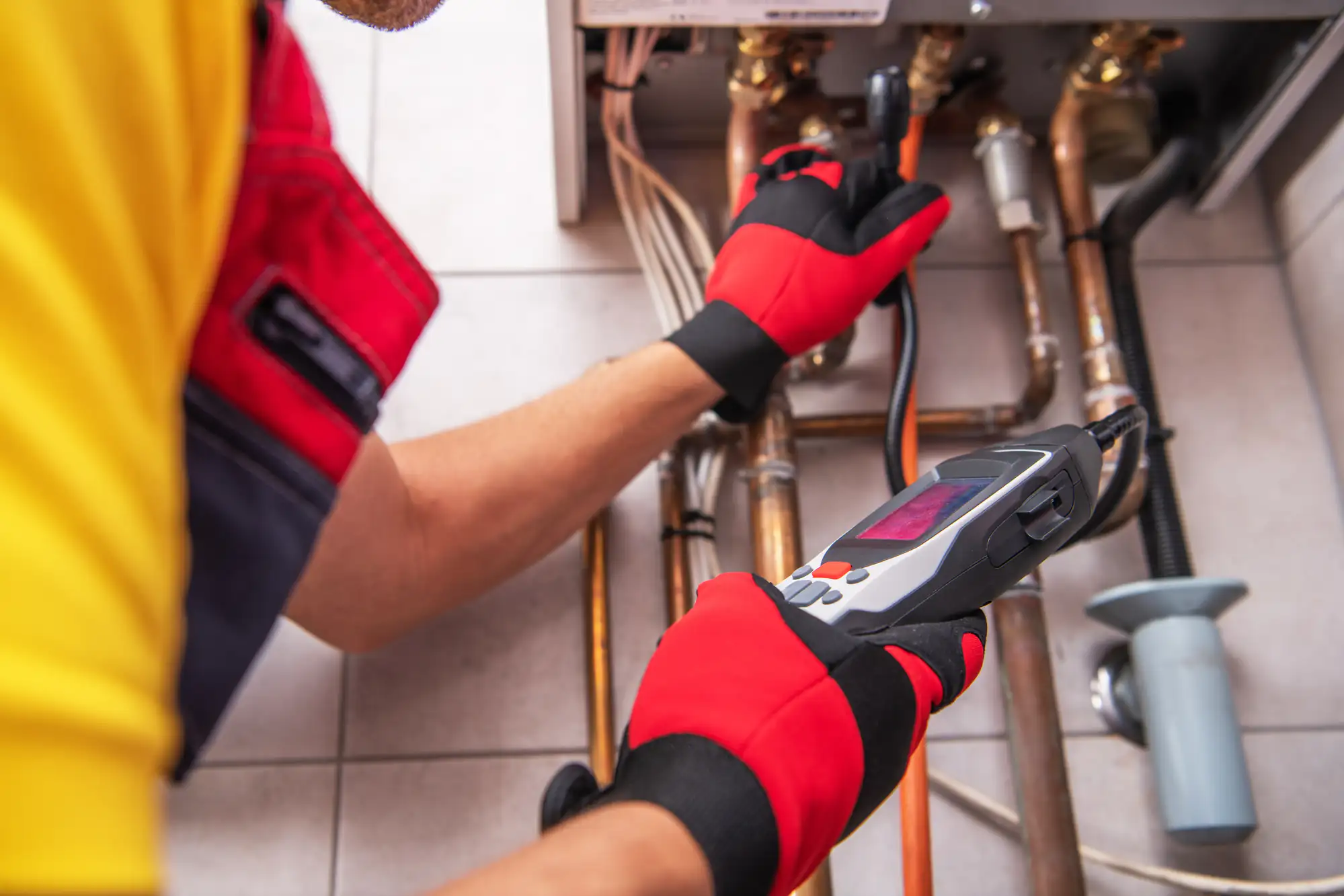
First, we listen. You tell us what’s happening, and we ask the questions that help us understand whether this is an emergency that needs immediate attention or scheduled service that can happen at your convenience.
If it’s a repair, our trucks carry extensive inventory for major brands. About 70% of our emergency calls get resolved the same day without waiting for parts to arrive. If it’s an HVAC replacement or new installation, we schedule a time to evaluate your home, measure properly, and design a system that actually fits your space instead of guessing at capacity.
During installation, we handle permits, coordinate inspections, and make sure everything meets code. We test the system thoroughly before we leave, show you how everything works, and explain what maintenance looks like going forward.
After the work’s done, you get documentation of what we did, warranty information, and a direct line if questions come up. Our maintenance programs include priority service and discounted rates on future repairs, which matters when you need help fast during peak season.
Ready to get started?
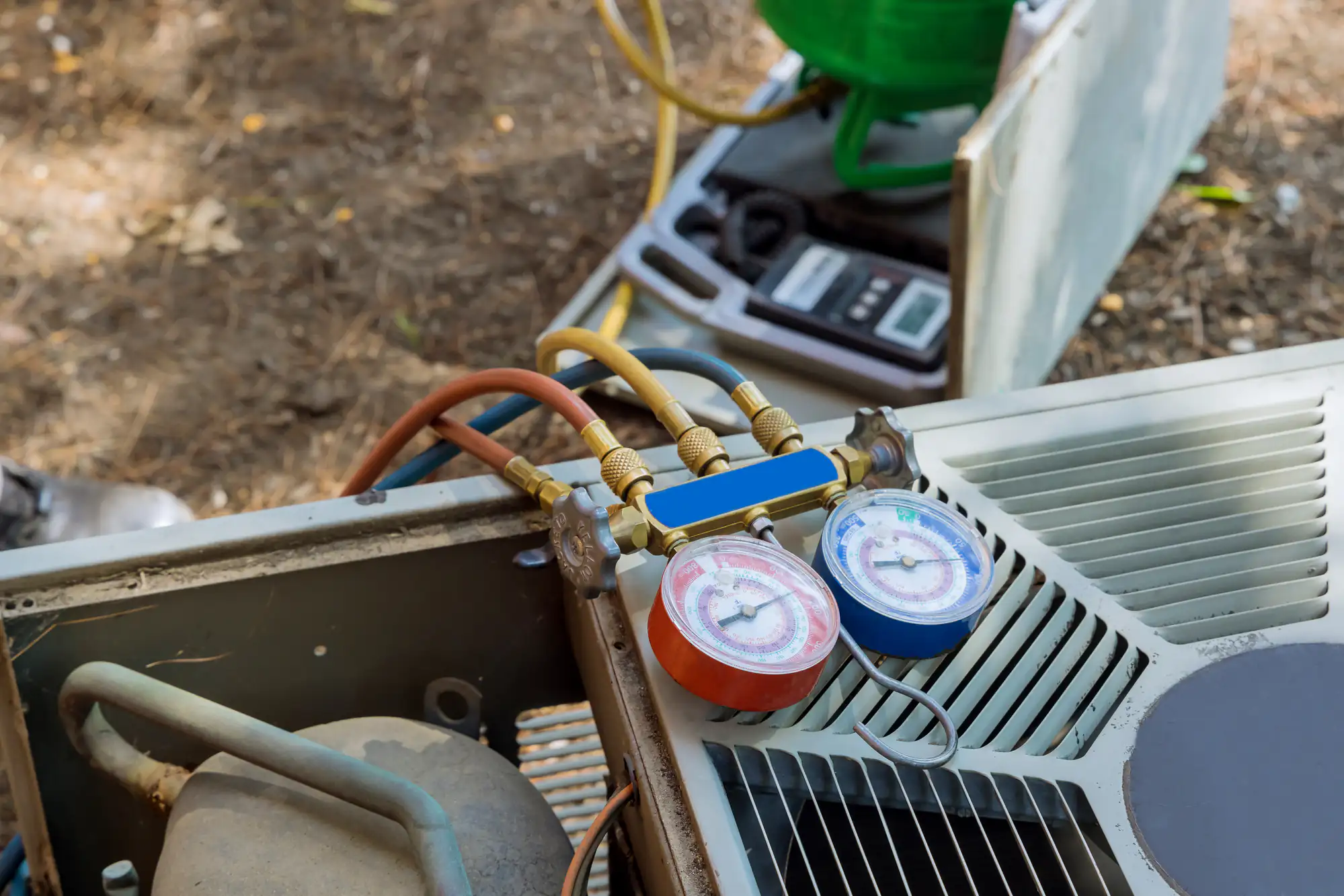
Air conditioning repair covers everything from refrigerant leaks to compressor failures. Coastal humidity and salt air create problems you don’t see inland, and we’ve been dealing with those conditions for decades across Long Island.
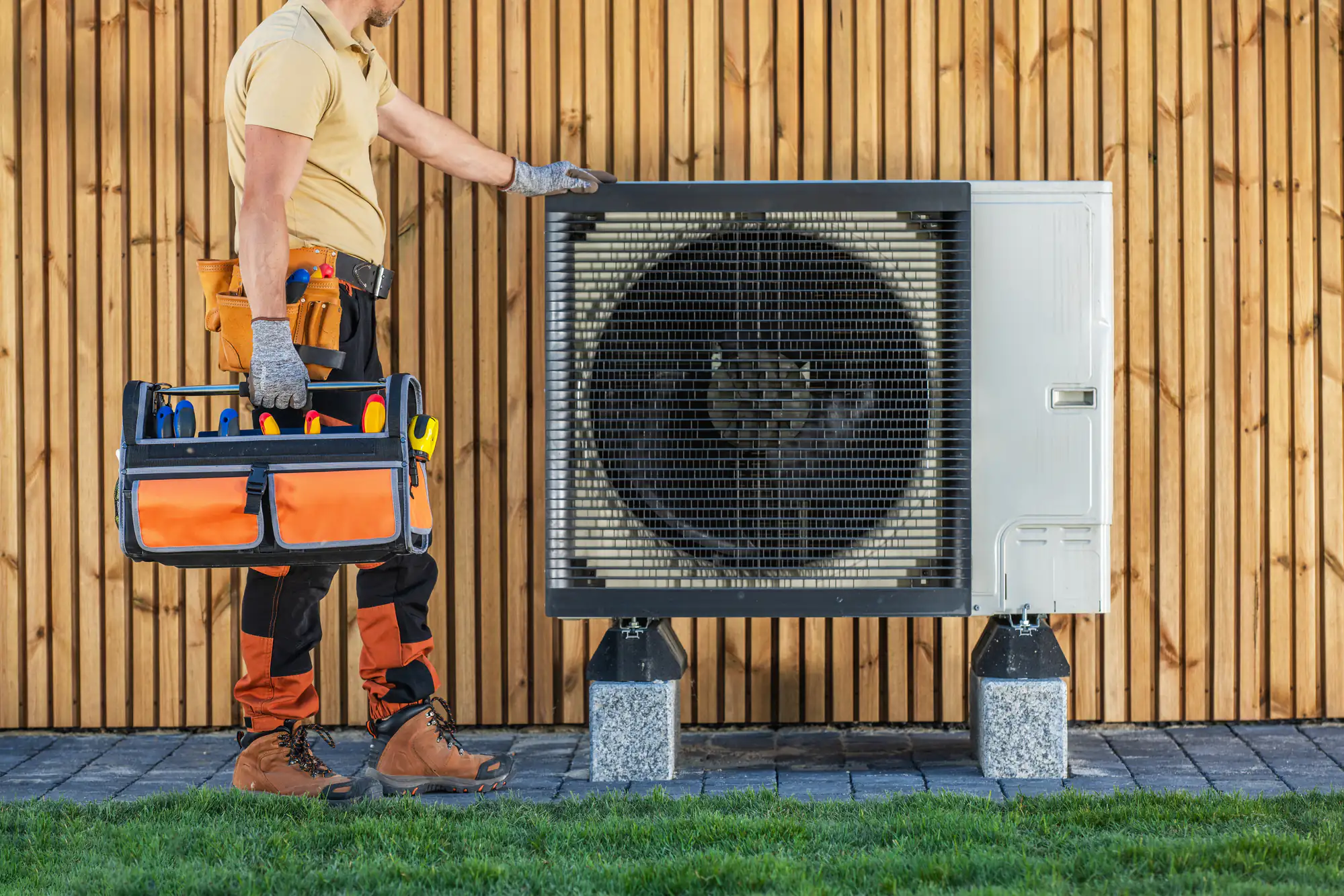
Furnace installation and heating system maintenance keep you warm when temperatures drop. We work with gas, oil, and electric systems, and we understand what works best in Port Washington North homes based on your existing infrastructure and energy costs.
HVAC replacement isn’t just swapping old equipment for new. Proper sizing matters. A system that’s too large cycles on and off constantly, wearing out faster and never dehumidifying properly. Too small, and it runs constantly without keeping up. We calculate heat load based on your home’s actual characteristics, not generic estimates.
Indoor air quality solutions address the humidity, allergens, and air circulation issues that make homes uncomfortable even when temperature is fine. That includes ventilation improvements, filtration upgrades, and humidity control that works with your existing system.
Starting January 2026, all new systems must use low-GWP refrigerants instead of older R-410A. That doesn’t just affect new installations. As supplies of older refrigerants shrink, repair costs for aging systems will climb. If your system is over 10 years old, replacement might make more financial sense than another repair.
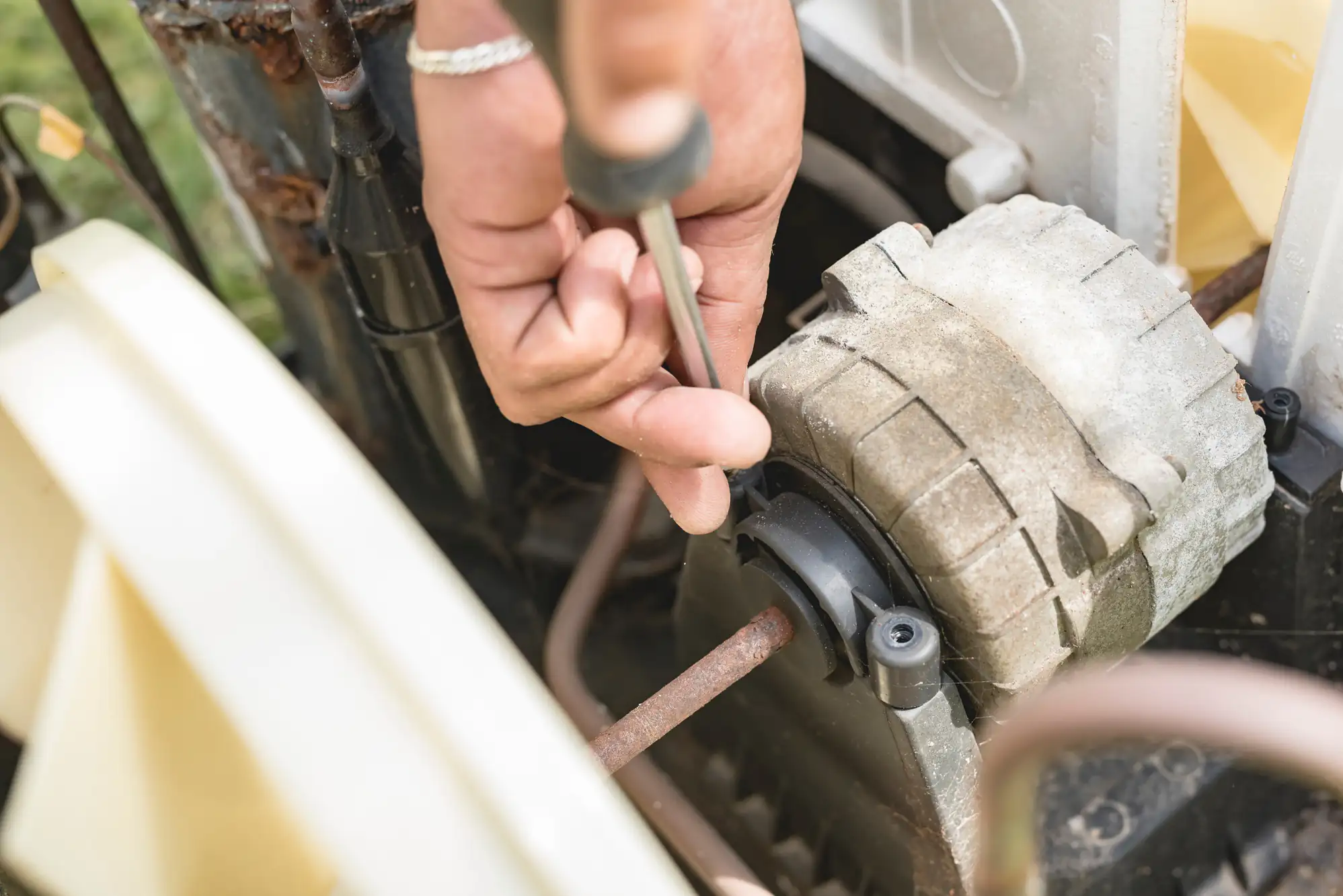
Age is the first indicator. If your system is over 15 years old and needs a major repair like a compressor or heat exchanger, replacement usually makes more sense financially. You’re putting money into equipment that’s near the end of its lifespan anyway.
Repair costs matter too. If the repair costs more than half what a new system would cost, and your equipment is over 10 years old, replacement is typically the smarter move. You avoid throwing money at aging equipment that will likely need another expensive repair soon.
Energy bills tell you something’s wrong even if the system still runs. If your bills have climbed without usage changes, your system is losing efficiency. Older equipment also uses refrigerants that are being phased out, which means future repairs will cost more as those refrigerants become scarce. Frequent repairs add up fast. If you’re calling for service multiple times per year, you’re paying for repairs that could go toward a new system that won’t need constant attention.
Size isn’t about square footage alone. Your home’s insulation, window quality, ceiling height, sun exposure, and how many people live there all affect what capacity you need. Coastal homes also deal with higher humidity, which impacts cooling requirements.
We calculate heat load using Manual J procedures, which account for all those variables. A 2,000 square foot home with poor insulation and west-facing windows needs different capacity than the same square footage with good insulation and mature trees providing shade.
Contractors who size systems based only on square footage often get it wrong. An oversized system costs more upfront, cycles on and off too frequently, never removes humidity properly, and wears out faster from constant starting and stopping. An undersized system runs constantly, never quite reaches comfortable temperatures, and drives up energy bills while working itself to death. Proper sizing means the system runs in longer, more efficient cycles, maintains consistent temperatures, controls humidity, and lasts longer because it’s not being overworked or short-cycled.
Annual maintenance before heating season starts is standard. That means scheduling service in fall before you’re relying on your furnace daily. Catching small issues during maintenance prevents emergency breakdowns when you actually need heat.
During a maintenance visit, our technicians clean burners, check gas connections, test safety controls, inspect heat exchangers for cracks, verify proper airflow, and make sure your system operates efficiently. Small adjustments during maintenance often improve efficiency enough to lower your monthly bills.
If you have a heat pump that handles both heating and cooling, you should schedule maintenance twice yearly—once before cooling season and once before heating season. Heat pumps work harder than traditional systems because they run year-round, so they need more frequent attention. Skipping maintenance doesn’t just risk breakdowns. Dirty filters and coils make your system work harder, which increases energy costs and shortens equipment life. Most manufacturers require annual maintenance to keep warranties valid, so skipping service could void your coverage right when you need it most.
System prices have nearly doubled since 2019. What used to cost $6,000 to $8,000 now runs $12,000 to $15,000 or higher depending on your home’s size, the equipment you choose, and installation complexity.
Several factors affect final cost. Higher efficiency systems cost more upfront but lower monthly energy bills. If your ductwork needs repairs or modifications, that adds to the project. Homes without existing ductwork might benefit from ductless mini-split systems, which install differently and have different pricing.
The cheapest bid isn’t always the best value. Low bids often mean shortcuts on installation, inferior equipment, or contractors who won’t be around when you need warranty service. You’re better off paying fair market rates to a company that will still answer the phone in five years when you need service. Financing options exist if upfront costs are a concern. Many manufacturers offer promotional financing, and some utility companies provide rebates for high-efficiency equipment. The key is understanding total cost of ownership—not just purchase price, but energy costs and expected lifespan—before making a decision.
Yes. Real people answer our phones 24/7, and we dispatch trucks for genuine emergencies throughout Nassau County. We aim to arrive within two hours when you’re dealing with a complete system failure during extreme weather.
Emergency service costs more than scheduled repairs because it requires keeping technicians on call and stocking trucks with extensive parts inventory. But when your heat fails in January or your air conditioning quits during a July heat wave, waiting until normal business hours isn’t realistic.
We carry parts for major brands, which means most emergency calls get resolved the same day without waiting for special orders. Our technicians work directly for us, not subcontractors, so you get consistent quality regardless of when you call. Not every after-hours call requires emergency pricing. If your system is struggling but still running, we can often schedule service for the next business day at regular rates. When you call, we’ll ask questions that help determine whether this truly needs immediate attention or if scheduled service makes more sense for your situation and budget.
Salt air accelerates corrosion on outdoor units. Condenser coils, electrical connections, and cabinet panels deteriorate faster near the water than they do inland. That means equipment near Manhasset Bay needs more frequent inspection and maintenance to catch corrosion before it causes failures.
Humidity is higher in coastal areas, which makes your air conditioning work harder to dehumidify while cooling. If your system isn’t sized and installed properly, you might have cool air but clammy, uncomfortable humidity. Proper installation includes attention to airflow and refrigerant charge that affects dehumidification as much as temperature control.
Power outages happen more frequently on Long Island’s North Shore because tall trees threaten power lines during storms. Hurricane Sandy left some families without power for weeks. If reliable climate control matters to you, backup power solutions or generators sized to run your HVAC system might be worth considering. We’ve worked with marine HVAC systems for decades, which means we understand how salt air affects equipment better than contractors who only work inland. That experience translates directly to residential installations near the water, where choosing the right equipment and protecting it properly extends lifespan significantly.