Hear from Our Customers
Your HVAC system is eating up over half your energy costs right now. If it’s running inefficiently, you’re throwing money away every month. And if it fails during a heat wave or cold snap, you’re stuck waiting for the next available technician while your family sweats or freezes.
Here’s what changes when your system actually works the way it should. Your energy bills drop—sometimes by 15-30% depending on what you’re upgrading from. Your home stays the temperature you set it to, in every room, without constant adjusting. And when something does go wrong, you have someone who picks up the phone at 2 AM and shows up the same day.
You’re not just buying heating and cooling. You’re buying predictability. No more wondering if this is the summer your AC dies. No more space heaters in the bedroom because your furnace can’t keep up. Just consistent comfort and lower monthly costs.
We’ve been handling HVAC systems in the Greater New York area for over 40 years. That means we’ve seen what salt air does to outdoor units in Port Washington. We know how coastal humidity affects your indoor air quality. And we understand that when your system fails on the hottest day of summer, you need someone who actually answers the phone.
Our background is in complex commercial refrigeration and marine HVAC—the kind of systems that can’t afford to fail. That same expertise applies to your home. We’re licensed, insured, and we don’t disappear after the install.
Port Washington homeowners deal with unique challenges. Your property values are high, your expectations are higher, and your equipment takes a beating from the coastal environment. We get it because we’ve been working in this exact climate for decades.
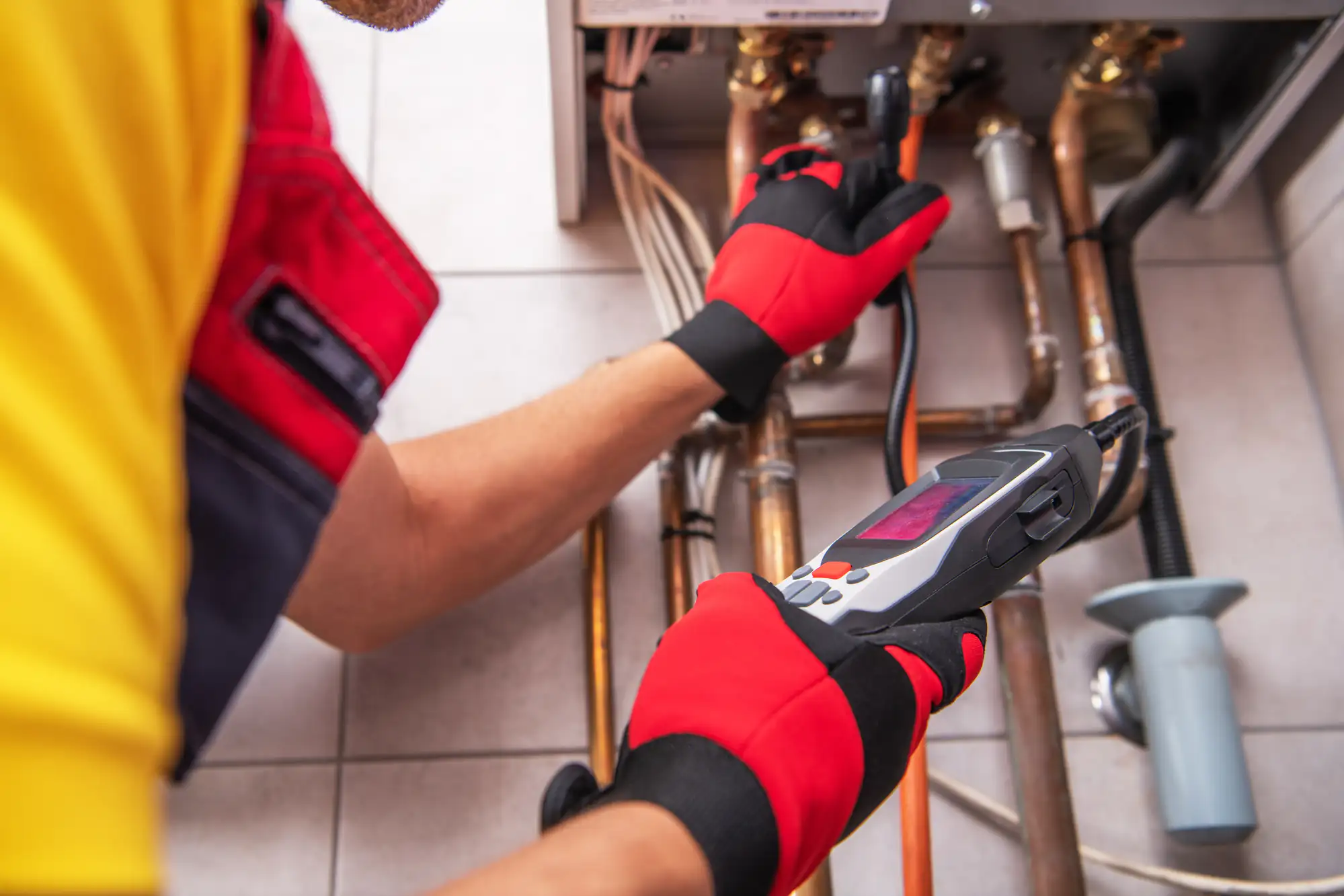
First, we come out and actually look at your system—not just sell you a replacement. You get a free estimate that breaks down what’s wrong, what your options are, and what each one costs. No pressure, no bait-and-switch pricing later.
If you’re dealing with a repair, we diagnose the problem, explain it in plain terms, and fix it right the first time. Most repairs happen same-day. If you need a replacement, we walk you through efficiency ratings, sizing for your specific home, and what rebates or financing might be available. Then we schedule installation at a time that works for you.
Installation typically takes one to two days depending on the system. We pull permits, handle inspections, and make sure everything meets local codes. You’re not left guessing whether it was done right.
After installation, we test everything, show you how to use your new thermostat, and set you up with a maintenance plan if you want one. Then we clean up and get out of your way. If something comes up later, you call the same number and talk to people who already know your system.
Ready to get started?
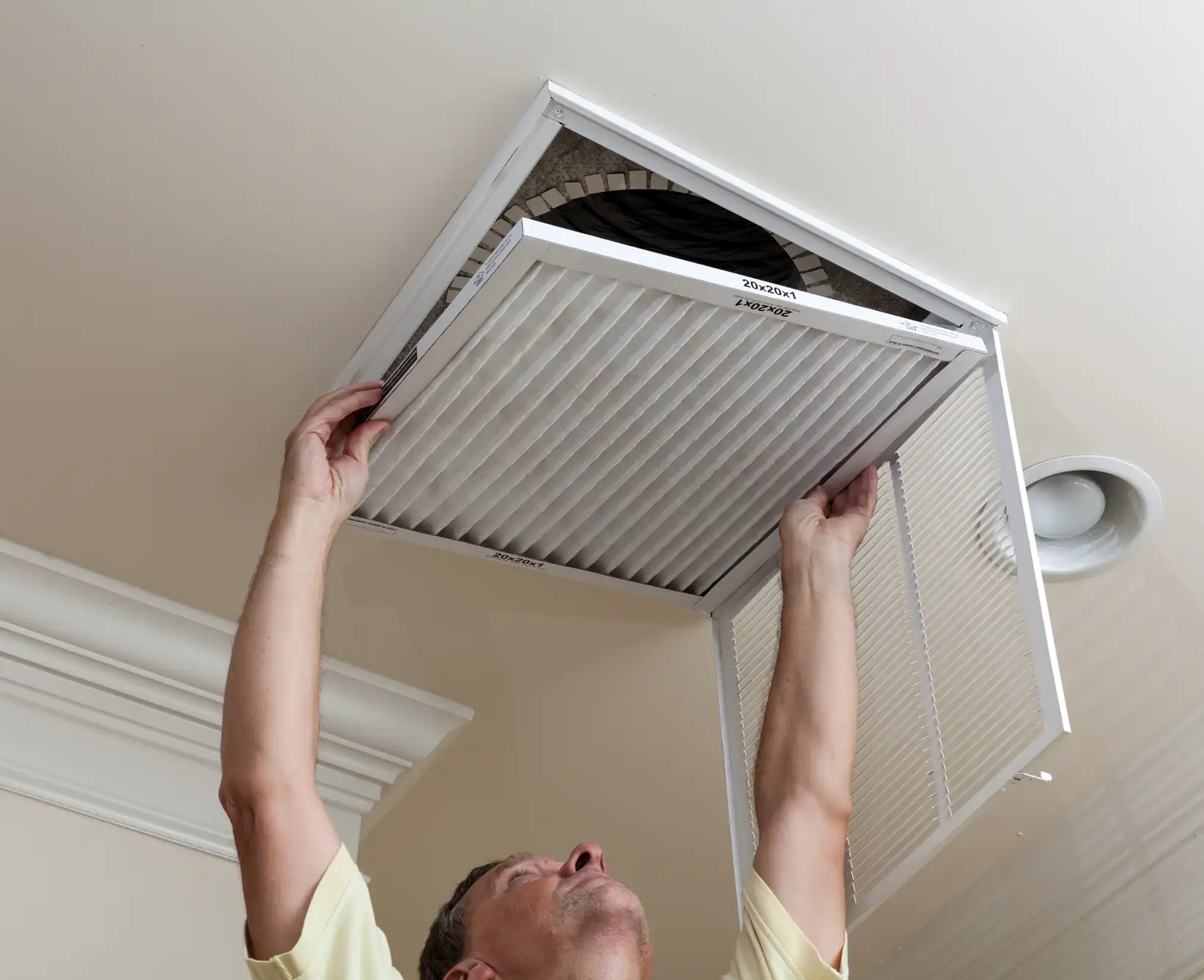
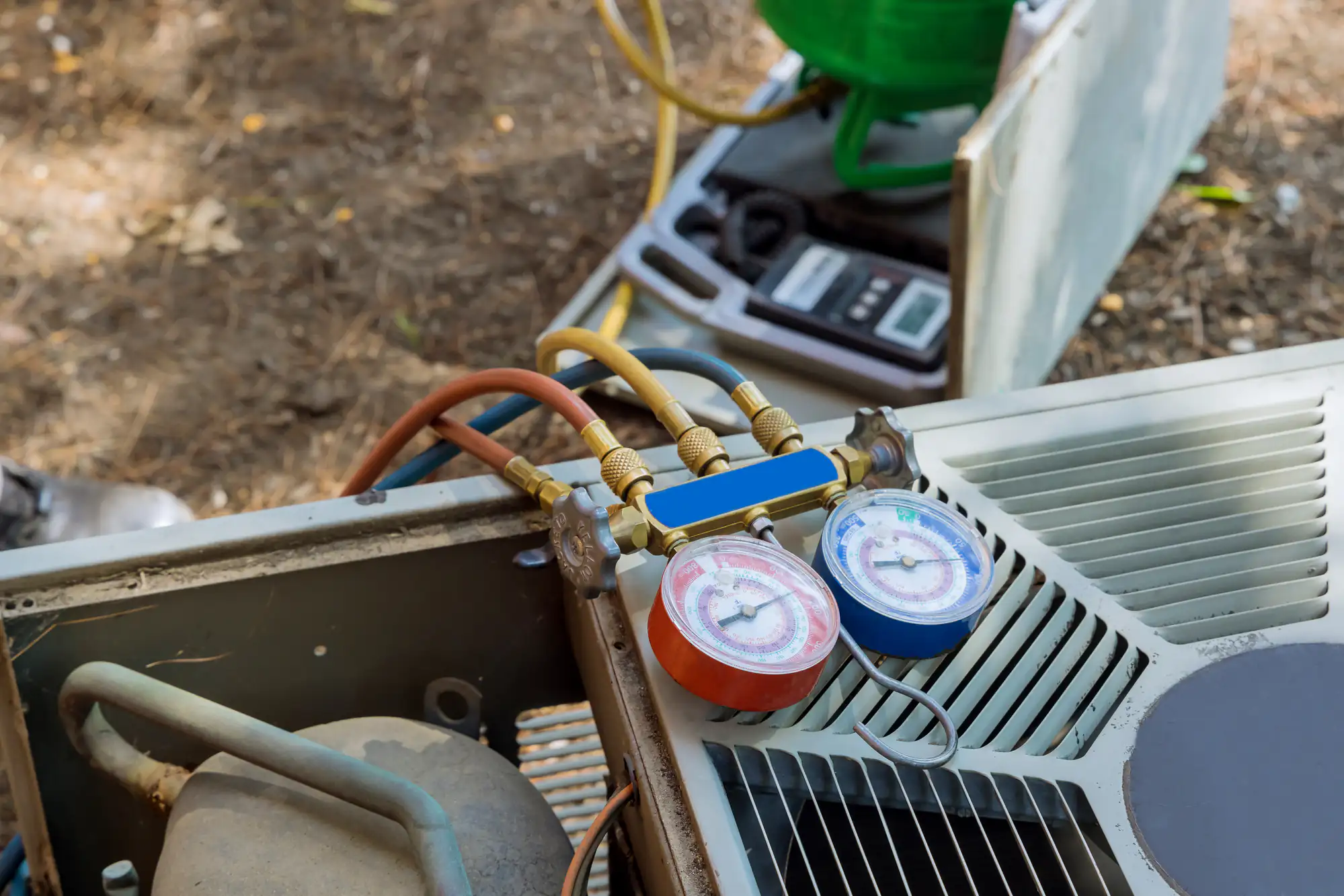
You get emergency air conditioning repair when your system quits in July. You get furnace installation before winter hits and heating system maintenance that catches problems before they become expensive failures. We handle HVAC replacement when repair stops making financial sense, and we improve your indoor air quality with filtration systems that actually work in coastal environments.
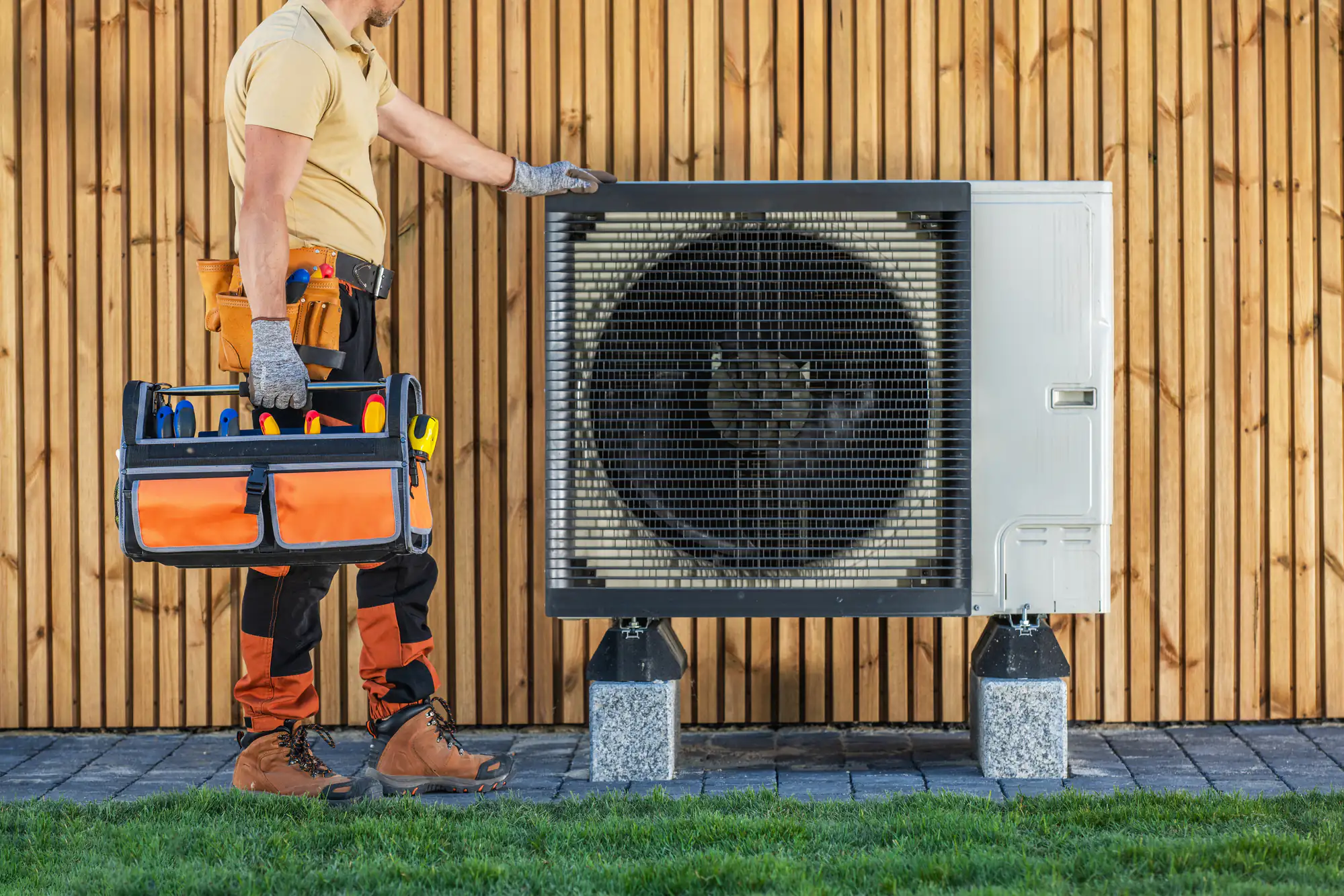
Port Washington homes face specific issues. Salt air corrodes outdoor units faster than inland properties. Humidity levels affect both comfort and equipment lifespan. And when storms knock out power on the North Shore, your system needs to restart without damage.
We size systems correctly for your square footage and insulation—not just swap in whatever fits the old footprint. We install programmable and smart thermostats that save you 8-30% on heating and cooling costs. And we set up preventive maintenance schedules that extend your equipment life and reduce breakdown risk by 40%.
You also get access to high-efficiency systems that qualify for rebates and financing options that make upgrades affordable now instead of waiting until your system dies at the worst possible time.
Complete system replacements in Port Washington typically range from $8,000 to $18,000 depending on your home size, the equipment efficiency you choose, and whether you need ductwork modifications. A basic 2-ton AC unit with standard efficiency starts around $8,000 installed. A high-efficiency heat pump system for a larger home can run $15,000 to $18,000.
Here’s what affects your actual cost: square footage, insulation quality, number of zones, and whether your existing ductwork is sized correctly. Coastal homes often need corrosion-resistant outdoor units, which adds to the upfront cost but saves you money on premature replacements.
The good news is that energy-efficient systems pay you back through lower utility bills. Depending on what you’re upgrading from, you could save $100 to $300 monthly during peak seasons. We give you a detailed estimate that breaks down equipment, labor, permits, and any rebates you qualify for—before you commit to anything.
If your system is over 15 years old and the repair costs more than half the price of replacement, it’s time to upgrade. Older systems use outdated refrigerants that are being phased out, making future repairs increasingly expensive. And they’re burning through 30-50% more energy than modern high-efficiency units.
Do the math on this: if your current system costs $250 monthly to run during summer and a new high-efficiency system would cost $150, you’re saving $1,200 per cooling season. That pays for a significant chunk of the replacement within a few years.
Also consider frequency. If you’re calling for repairs multiple times per year, you’re already spending thousands in service calls plus dealing with the inconvenience of breakdowns. One replacement ends that cycle. We’ll walk you through the actual numbers for your specific situation so you can make the call based on real costs, not guesswork.
Maintenance isn’t upselling—it’s the difference between a system that lasts 10 years and one that lasts 20. Regular service catches refrigerant leaks before they damage your compressor. It identifies electrical issues before they cause a complete failure. And it keeps your system running at peak efficiency instead of working harder and costing more every month.
Here’s what happens without maintenance: dust builds up on coils and reduces efficiency by 5% every year. Filters clog and force your system to work harder. Small problems turn into expensive failures. And your manufacturer’s warranty might actually be voided if you can’t prove regular professional service.
The numbers back this up. Maintained systems have 40% fewer breakdowns and use 15-20% less energy. A typical maintenance visit costs $150 to $200. A compressor replacement costs $2,000 to $3,500. You’re either paying a little now or a lot later—your choice.
Sizing an HVAC system isn’t about matching your old unit—it’s about calculating the actual heating and cooling load for your specific home. We do a Manual J load calculation that factors in your square footage, insulation, window quality, ceiling height, and even which direction your home faces.
Most homes need between 1.5 and 5 tons of cooling capacity. A typical 2,000 square foot home in Port Washington usually needs a 3-ton system, but that changes if you have poor insulation, lots of windows, or high ceilings. Oversized systems cycle on and off too frequently, which wastes energy and doesn’t dehumidify properly. Undersized systems run constantly and never quite get your home comfortable.
Coastal humidity also affects sizing. You need a system that handles moisture removal, not just temperature control. We measure everything, run the calculations, and show you exactly how we arrived at the recommended size. No guessing, no just swapping in whatever’s on the truck.
Start with a programmable or smart thermostat—that alone saves 8-15% on heating and cooling costs by automatically adjusting when you’re asleep or away. They cost $200 to $500 installed and pay for themselves within a year for most Port Washington homes.
Next, seal your ductwork. Leaky ducts waste 20-30% of your conditioned air before it even reaches your rooms. Professional duct sealing costs $1,000 to $2,000 but immediately improves comfort and cuts your bills. You’ll feel the difference in rooms that were always too hot or too cold.
Regular maintenance keeps your system running efficiently. Dirty coils and clogged filters make your system work harder and use more energy. And if your system is low on refrigerant, it’s running constantly without actually cooling effectively. A $150 tune-up often saves you $50 to $100 monthly during peak seasons. Also check your insulation—especially in the attic. Poor insulation makes your HVAC system work overtime regardless of how efficient the equipment is.
Salt air is brutal on HVAC equipment. Outdoor units near the water corrode faster, refrigerant lines deteriorate, and electrical connections fail prematurely if you don’t use coastal-rated components. Standard equipment that lasts 15 years inland might only give you 8-10 years in Port Washington without proper protection.
We use corrosion-resistant coatings on outdoor units, marine-grade electrical connections, and we position equipment to minimize salt exposure. We also account for higher humidity levels that affect both comfort and indoor air quality. Your system needs to dehumidify effectively, not just cool the air.
Coastal homes also deal with more severe weather—nor’easters, tropical storms, and high winds that can damage outdoor units. We secure equipment properly and recommend surge protection to prevent damage when power flickers during storms. This isn’t optional stuff—it’s what makes your system last in this specific environment. Contractors who don’t understand coastal conditions end up installing systems that fail early and cost you thousands in premature replacements.