Hear from Our Customers
Your HVAC system isn’t just about temperature. It’s about sleeping through the night without waking up sweating. It’s about not worrying whether your furnace will make it through another winter. It’s about walking into your home after work and actually wanting to be there.
When your system runs efficiently, your energy bills drop. When it’s installed correctly the first time, you’re not calling for repairs every few months. When the air quality improves, your family stops dealing with constant allergies and respiratory issues that seem to get worse every spring.
Living in Quogue means dealing with coastal humidity that makes your AC work overtime and temperature swings that put real stress on heating systems. You need equipment that’s sized right for your home and installed by someone who understands how Long Island’s climate affects performance. That’s the difference between a system that struggles for five years and one that runs reliably for fifteen.
We’ve been handling complex HVAC and refrigeration work since the early 1980s. We’ve built our reputation on commercial projects—airports, restaurants, marine systems—where failure isn’t an option and the work has to be done right.
Now we’re bringing that same level of expertise to residential HVAC services in Quogue and throughout Long Island. When you’ve spent 40 years solving problems that stump other contractors, residential heating and cooling becomes straightforward. We know what works, what doesn’t, and how to give you honest answers about repair versus replacement.
You’ll find dozens of five-star reviews from customers who appreciate straight talk and reliable service. We offer free estimates, 24/7 availability for emergencies, and the kind of communication where you actually understand what’s happening with your system. No pressure, no runaround—just clear options so you can make the right call for your home and budget.
First, we listen. You tell us what’s going on—whether your system isn’t cooling properly, you’re hearing strange noises, or you’re just tired of high energy bills. We schedule a time that works for you, and we show up when we say we will.
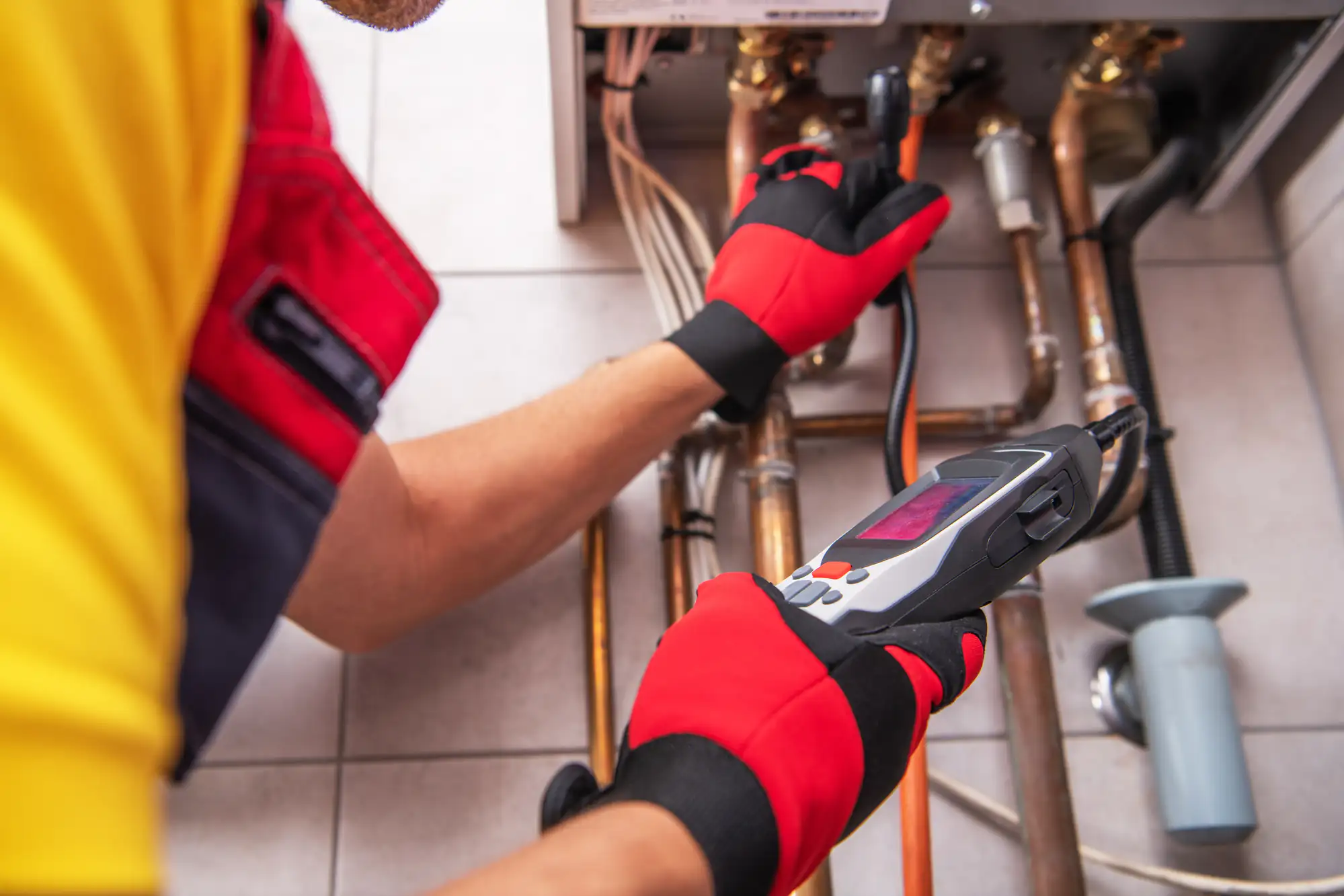
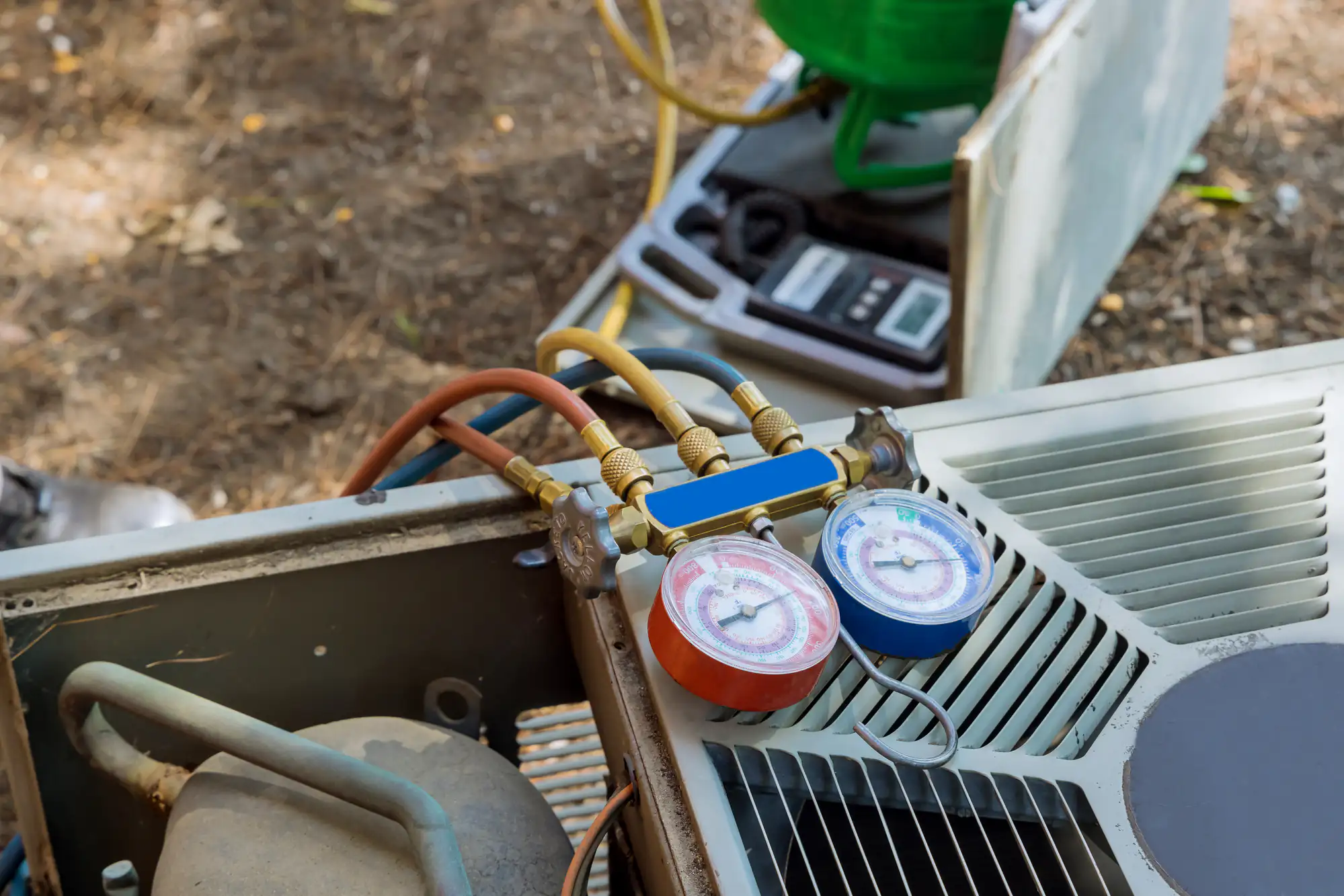
During the visit, we run a complete diagnostic on your system. We’re checking refrigerant levels, airflow, ductwork, thermostat calibration, and all the components that affect performance. We’re looking for the actual problem, not just the symptoms.
Then we explain what we found in plain language. If it’s a simple fix, we tell you. If your system is on its last legs and you’re throwing money at repairs, we tell you that too. We walk through your options, including costs, so you can decide what makes sense. No pressure to upsell, no scare tactics about imminent failure.
If you move forward, we complete the work efficiently and test everything before we leave. For installations, we handle permits, proper sizing calculations, and all the details that determine whether your new system performs the way it should. You get a system that works, documentation for warranties, and our number if anything comes up.
Ready to get started?
Air conditioning repair is one of our most common calls during Quogue’s humid summers. Coastal moisture makes your AC work harder, and when systems aren’t maintained properly, they fail right when you need them most. We handle refrigerant issues, compressor problems, ductwork leaks, and all the repairs that keep your home comfortable when temperatures spike.
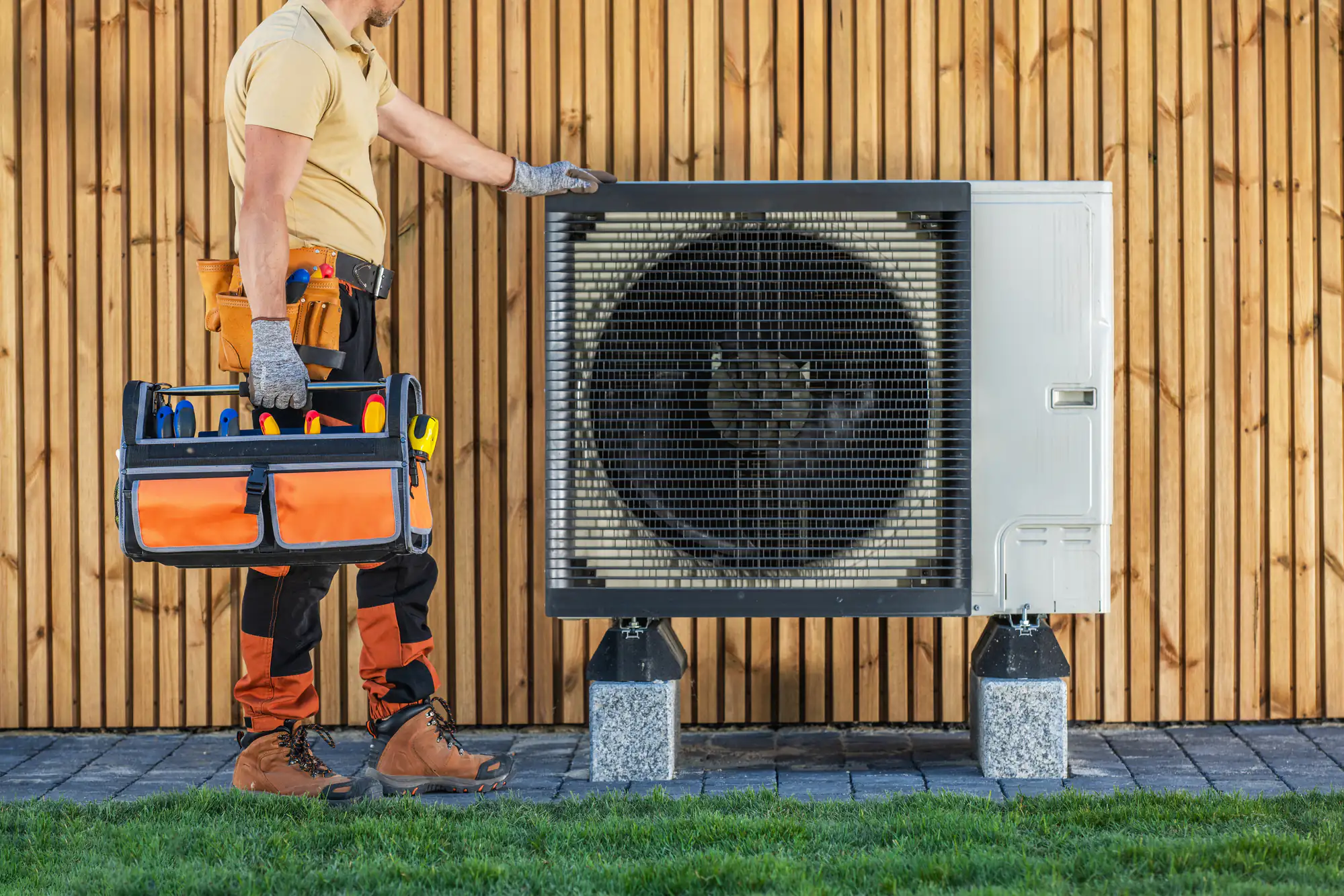
Furnace installation and heating system maintenance become critical as you head into Long Island winters. Your heating system needs to handle those cold snaps without breaking down at 2 AM. We install high-efficiency furnaces, heat pumps, and hybrid systems that lower your energy costs while keeping your home warm. Regular maintenance catches small issues before they become expensive emergencies.
HVAC replacement is a bigger decision, and it’s one where experience matters. We help you navigate the 50% rule—if repairs cost more than half of a new system, replacement usually makes more sense. We’ll show you energy-efficient options that qualify for federal tax credits up to $2,000, and we’ll size the system correctly so you’re not paying for more capacity than you need.
Indoor air quality has become a major concern for Long Island homeowners dealing with allergies and respiratory issues. We install HEPA filtration, UV air purifiers, and whole-home dehumidification systems that actually make a difference. When your HVAC system is also cleaning your air, you notice it—fewer allergy symptoms, less dust, and better sleep.
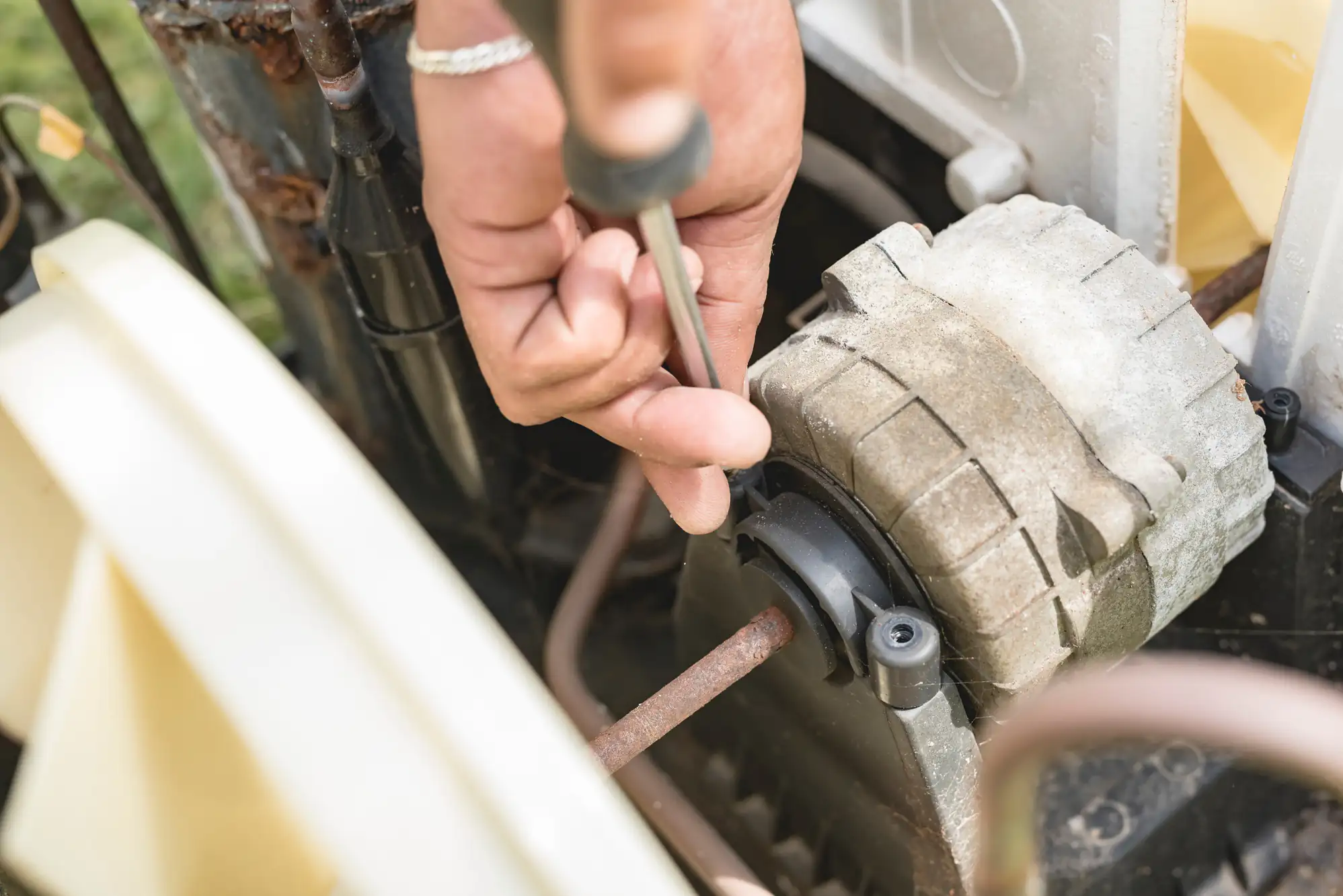
The 50% rule is your starting point. If the repair costs more than half the price of a new system, replacement usually makes more financial sense. But age matters too—if your system is over 15 years old, even smaller repairs might not be worth it because efficiency has dropped and other components are likely to fail soon.
Look at your energy bills over the past few years. If they’ve been creeping up even though your usage hasn’t changed, your system is losing efficiency. That inefficiency costs you money every month, and those costs add up quickly over the remaining life of an old system.
Consider the refrigerant in your current system. If you have an older unit using R-22 refrigerant, repairs involving refrigerant are getting extremely expensive because R-22 is being phased out. New systems use R-410A or newer refrigerants that are more affordable and environmentally friendly. Sometimes the refrigerant issue alone tips the scale toward replacement.
Proper sizing requires a Manual J load calculation, which factors in your home’s square footage, insulation levels, window placement, ceiling height, and even which direction your house faces. Too many contractors skip this step and just guess based on square footage alone, which leads to oversized or undersized systems that don’t perform well.
An oversized system cycles on and off too frequently, which wastes energy and doesn’t remove humidity effectively. In Quogue’s coastal climate, humidity control is just as important as temperature control. Short cycling also puts extra wear on components, shortening your system’s lifespan.
An undersized system runs constantly, struggles to maintain temperature on extreme days, and burns out faster from overwork. It’ll also drive up your energy bills because it’s working at maximum capacity all the time. The right size system runs in longer, more efficient cycles, maintains consistent temperature and humidity, and lasts longer because it’s not constantly stressed.
Your AC should be serviced every spring before cooling season starts, and your furnace should be serviced every fall before heating season. This timing catches problems before you’re relying on the system daily, which means you’re not stuck without heat or AC when you actually need it.
During maintenance, a good technician checks refrigerant levels, cleans coils, inspects electrical connections, tests safety controls, and verifies airflow. These checks prevent most of the common failures that lead to emergency service calls. Regular maintenance also keeps your manufacturer’s warranty valid—many warranties require proof of annual maintenance.
If you skip maintenance, small issues turn into big ones. A dirty coil makes your system work harder and use more energy. A loose electrical connection can cause a compressor failure that costs thousands to replace. A clogged drain line leads to water damage. Spending a couple hundred dollars on annual maintenance beats spending thousands on premature replacement.
Uneven temperatures usually point to ductwork problems, airflow issues, or improper system balancing. If certain rooms are always too hot or too cold, your ducts might have leaks, poor insulation, or design flaws that prevent proper air distribution. Sealing and insulating ducts can make a significant difference in comfort and efficiency.
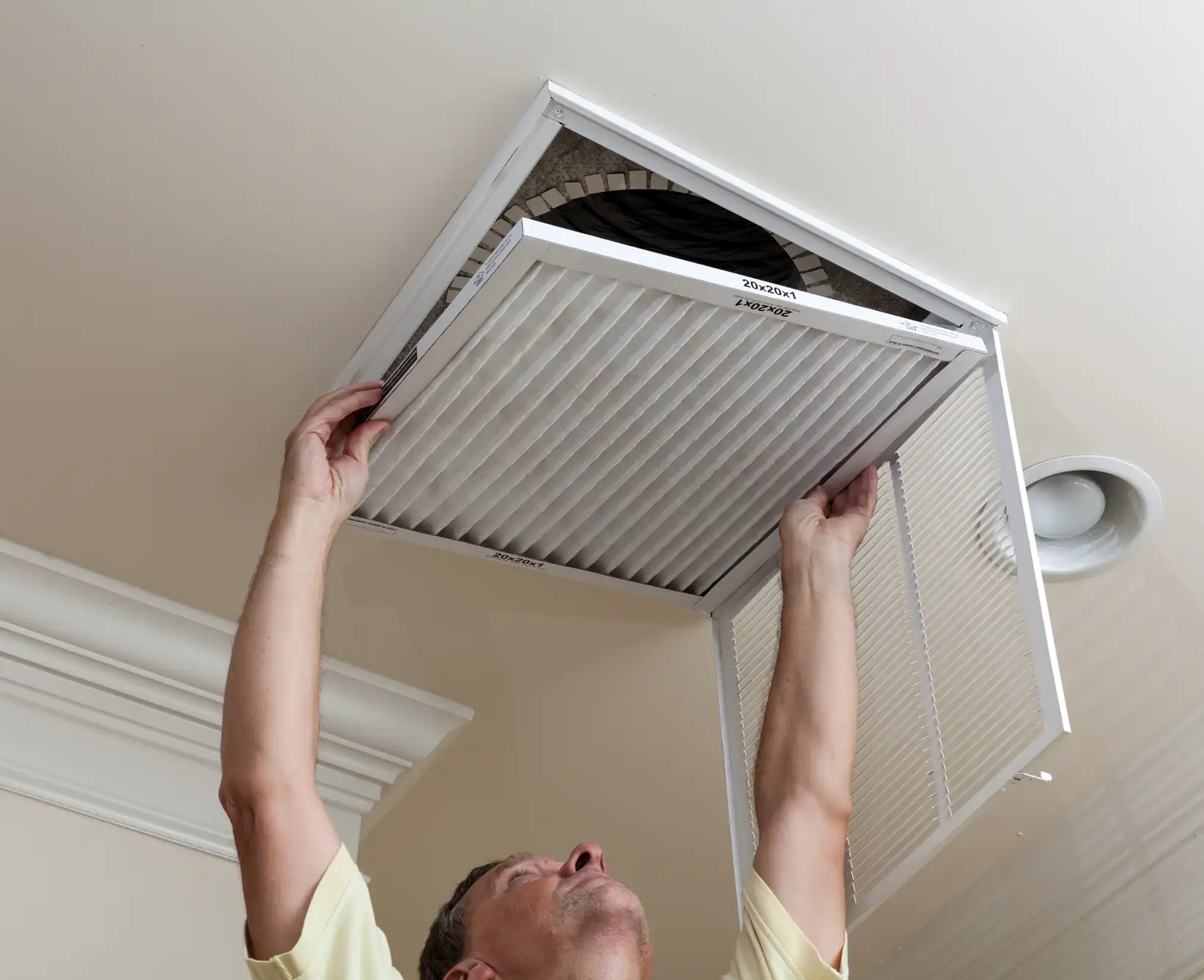
Airflow problems often come from closed or blocked vents, dirty filters, or undersized return air ducts. Your system needs proper airflow to distribute conditioned air evenly throughout your home. Something as simple as replacing your filter regularly or opening vents in unused rooms can help, but sometimes the ductwork itself needs modification.
Zoning systems offer another solution if you have consistent hot or cold spots. A zoned system uses multiple thermostats and dampers to control temperature in different areas independently. This works well for multi-story homes, additions, or rooms with different sun exposure. It costs more upfront but gives you precise control and can lower energy bills by not conditioning spaces you’re not using.
High-efficiency systems cost more upfront but save you money every month on energy bills. A system with a SEER rating of 16 or higher uses significantly less electricity than older 10-SEER units. Over the 15-20 year lifespan of the equipment, those monthly savings add up to thousands of dollars—often more than the initial price difference.
Federal tax credits sweeten the deal right now. Qualifying heat pumps and high-efficiency systems can get you up to $2,000 in tax credits, which directly reduces your upfront investment. Some utility companies also offer rebates for energy-efficient equipment, which can save you several hundred dollars more.
The efficiency question also depends on how long you plan to stay in your home. If you’re selling in a year or two, you might not recoup the investment. But if you’re staying for five years or more, the combination of lower bills, tax credits, and increased home value usually makes high-efficiency equipment the smarter financial choice. Plus, these systems often run quieter and maintain more consistent temperatures.
First, check your thermostat to make sure it’s set to cooling mode and the temperature is set lower than the current room temperature. It sounds basic, but thermostat issues cause a surprising number of service calls. Also check your circuit breaker to see if the system tripped—reset it if needed.
Next, look at your air filter. A completely clogged filter can cause your system to shut down as a safety measure. If the filter is dirty, replace it and see if the system starts working again. Also check that all your vents are open and nothing is blocking airflow around your indoor and outdoor units.
If those quick checks don’t solve the problem, you’re dealing with something that needs professional diagnosis—refrigerant leaks, compressor failure, electrical issues, or frozen coils. That’s when you call for emergency service. We offer 24/7 availability because we know AC failures don’t wait for business hours, especially during Long Island heat waves when your system is working its hardest.