
Hear from Our Customers
You’re not looking for another sales pitch. You need your air conditioning to work when it’s 90 degrees and humid, and your furnace to fire up when temperatures drop. You want to stop wondering if this is the year your system finally dies, and you’d rather not get hit with a four-figure emergency bill at the worst possible time.
Here’s what changes when your HVAC system actually works the way it should. Your energy bills drop because the equipment isn’t fighting itself to maintain temperature. You’re not adjusting the thermostat every hour trying to find a comfortable setting. The air in your home feels cleaner, and humidity stays where it belongs instead of making everything feel sticky or dry.
Most importantly, you stop thinking about your HVAC system. It runs quietly in the background, doing its job, while you focus on literally anything else. That’s what proper installation, honest maintenance, and coastal-specific expertise gets you.
We’ve been handling heating and cooling challenges across Long Island for over 40 years. We’ve worked on thousands of residential systems in Ridge, Brookhaven, and throughout Suffolk County, which means we understand exactly what salt air does to outdoor units and how humidity affects indoor comfort in homes near the water.
We’re not the biggest HVAC company on Long Island, and we’re fine with that. Our technicians work directly for us, not subcontractors we can’t vouch for. We show up when we say we will, we explain what’s actually wrong before we touch anything, and we give you options instead of pressure.
Ridge homeowners deal with unique climate challenges that inland contractors don’t always understand. We’ve built our reputation on solving those specific problems with honest service and equipment that’s properly sized for your home and your location.
You call or contact us, and we schedule a time that actually works for your schedule. No four-hour windows where you’re stuck waiting around. For emergencies, we dispatch immediately and typically arrive within two hours.
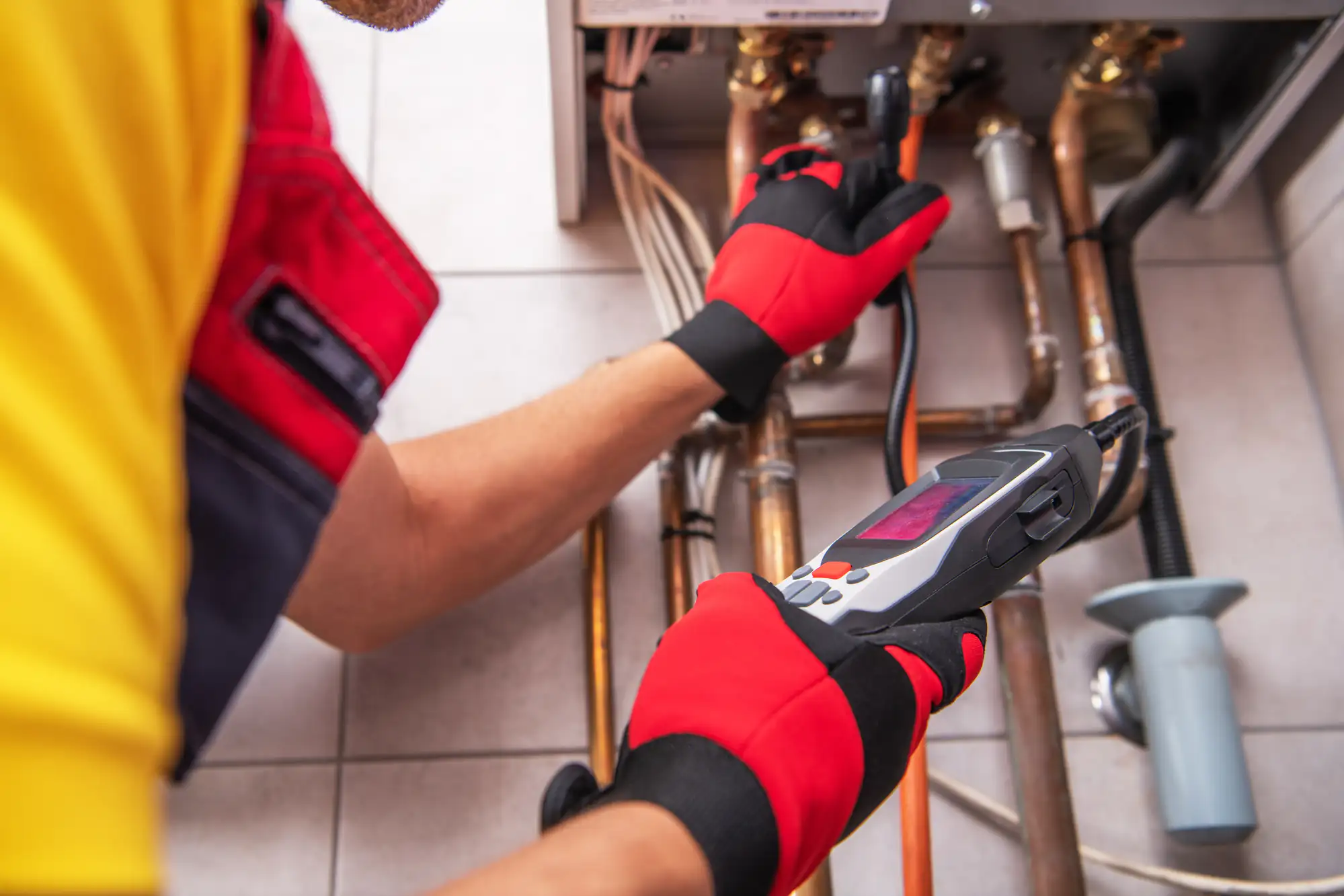
When we show up, we assess what’s happening with your system. We’ll explain what we find in plain language, not technical jargon designed to confuse you into approving work you don’t need. If it’s a repair, we’ll tell you whether fixing it makes sense or if you’re throwing money at a system that’s near the end of its lifespan. If it’s a replacement, we’ll properly size the equipment for your home’s square footage, insulation, and location relative to the coast.
About 70% of our emergency calls get resolved the same day. For installations, we walk you through the timeline upfront. We protect your floors, we clean up our work area, and we test everything before we leave. Then we show you how to maintain your new system and answer any questions you actually have, not the ones we wish you’d ask.
Ready to get started?
Our residential HVAC services cover everything from air conditioning repair and furnace installation to heating system maintenance and complete HVAC replacement. We also handle indoor air quality improvements, which matters more than most people realize when you’re dealing with Long Island’s humidity levels and seasonal allergens.
Ridge sits close enough to the water that salt air corrosion is a real concern, not a sales tactic. We use corrosion-resistant materials on outdoor components and recommend protective coatings for condenser units within a mile of the coast. Homes near the water typically see HVAC lifespans of 10-12 years instead of the 15-20 you’d get further inland. Knowing that upfront helps you plan instead of getting blindsided.
We also focus on proper system sizing, which most contractors skip because it takes more time. An oversized AC will cool your house but won’t run long enough to remove humidity. An undersized furnace will run constantly and still leave cold spots. We do the load calculations to get it right the first time, which is why our installations perform better and last longer than the quick jobs other companies rush through.
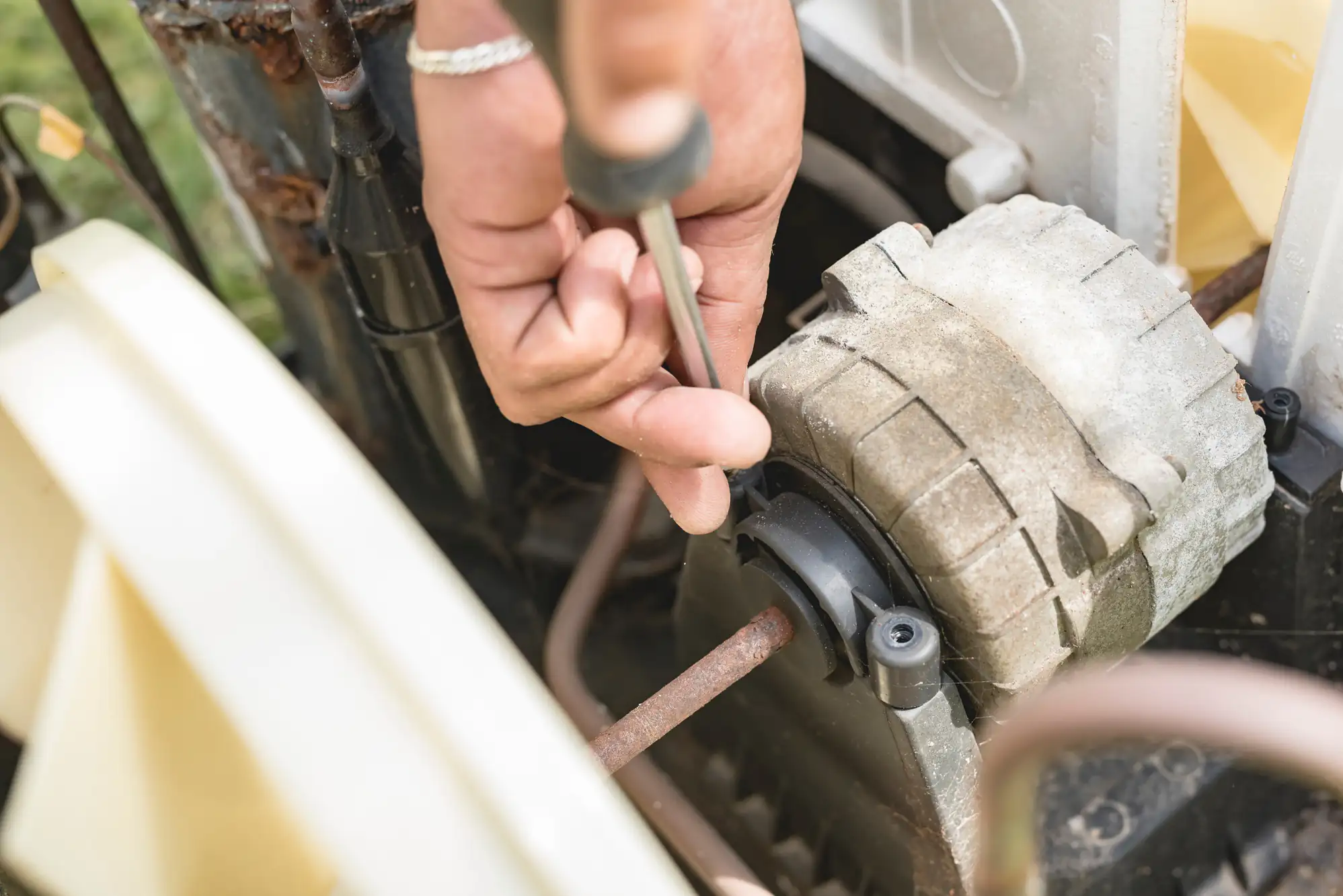
Full HVAC replacement for a typical Ridge home usually runs between $5,000 and $12,000, depending on your home’s size, the equipment you choose, and whether we’re dealing with any ductwork issues. That’s a wide range because a 1,200 square foot ranch needs different equipment than a 2,500 square foot two-story, and coastal homes often need corrosion-resistant components that cost more upfront but last significantly longer.
We give you a free estimate that breaks down exactly what you’re paying for. Equipment costs, labor, permits, any modifications to existing ductwork or electrical, and optional upgrades like improved air filtration or humidity control. No hidden fees that magically appear on the final invoice.
Here’s what matters more than the sticker price: a properly installed system that’s correctly sized for your home will cost less to operate and last years longer than a cheap installation. We’ve seen homeowners save $30-50 per month on energy bills after replacing an old, inefficient system. Over ten years, that’s $3,600 to $6,000 back in your pocket.
Yes. We offer 24/7 emergency HVAC service throughout Ridge and Suffolk County, and we typically arrive within two hours of your call for genuine emergencies. A genuine emergency means no heat when it’s below freezing, no AC when you have young kids or elderly family members and it’s dangerously hot, or a system that’s creating a safety hazard.
Emergency calls cost more than scheduled service because we’re pulling a technician from their family dinner or waking them up at 2 AM. Most companies charge an additional $40-80 per hour for after-hours work, and some triple their normal rates. We keep our emergency pricing as reasonable as possible while still being able to staff 24/7 coverage.
About 70% of our emergency calls get fixed the same day without waiting for parts to arrive. We stock common components for most residential systems, and our technicians have been doing this long enough to diagnose problems quickly. The other 30% usually involve specialized parts we need to order, but we’ll at least get your system limping along safely until we can complete the proper repair.
You should have your air conditioning serviced once a year before cooling season starts, and your heating system serviced once a year before winter. Most Ridge homeowners schedule AC maintenance in April or May and furnace maintenance in September or October. That timing means we catch problems before you actually need the system to work, not during the first heat wave or cold snap when everyone else is calling with emergencies.
Regular maintenance typically costs $100-200 per visit depending on your system type, but it prevents much more expensive problems. We’ve seen dirty coils reduce efficiency by 30%, which means your system runs longer to do the same job and your energy bills go up. We’ve caught cracked heat exchangers during routine maintenance that could have created carbon monoxide hazards. We’ve found refrigerant leaks before they got bad enough to damage the compressor, which saves you $1,500-2,500 in repair costs.
Coastal homes need maintenance even more than inland properties because salt air accelerates wear on outdoor components. If you’re within a mile of the water, we recommend having us inspect your outdoor unit twice a year. The extra visit costs less than replacing corroded parts years earlier than you should have to.
The right size depends on your home’s square footage, insulation quality, window count and placement, ceiling height, and how close you are to the water. There’s no universal answer, which is why proper load calculations matter. A 1,500 square foot home might need a 2.5-ton AC unit or a 3.5-ton unit depending on those other factors.
Here’s what happens when contractors skip this step and just guess based on square footage. An oversized AC will cool your house quickly but shut off before removing enough humidity, leaving everything feeling clammy. It’ll also cycle on and off more frequently, which wears out components faster. An undersized system will run constantly, never quite reaching your target temperature, and your energy bills will be ridiculous.
We do Manual J load calculations, which is the industry-standard method for properly sizing HVAC equipment. It takes longer than eyeballing your square footage, but it’s the difference between a system that works efficiently for 15-20 years and one that struggles from day one. When we give you a quote, the equipment size is based on your home’s actual needs, not what we have sitting in the warehouse or what gives us the best profit margin.
Yes, and it usually makes a bigger difference than people expect. Long Island homes deal with seasonal allergens, humidity that breeds mold and dust mites, and salt air that can carry particles indoors. Most standard HVAC filters catch the big stuff but miss the particles that actually affect your breathing and comfort.
We install whole-home air purification systems that integrate with your existing HVAC. HEPA filtration removes 99.97% of airborne particles down to 0.3 microns, which includes pollen, pet dander, mold spores, and most bacteria. UV light systems kill biological contaminants before they circulate through your ductwork. Whole-home dehumidifiers keep humidity between 30-50%, which is the range where dust mites and mold can’t thrive but your sinuses don’t dry out.
The cost ranges from $800 for a good whole-home filter system to $2,500+ for comprehensive air quality improvements including UV lights and dehumidification. Most Ridge homeowners notice the difference within a week—less dust on surfaces, fewer allergy symptoms, and air that just feels cleaner. If anyone in your home has asthma or allergies, improving indoor air quality often reduces symptoms more effectively than upgrading medications.
Most residential HVAC installations take one to three days depending on whether we’re replacing an existing system or installing in new construction, and whether your ductwork needs modification. A straightforward replacement where we’re swapping out an old furnace and AC unit with new equipment in the same locations usually takes one full day. More complex jobs involving ductwork repairs, electrical upgrades, or custom solutions take longer.
We’ll give you an exact timeline during your free estimate so you can plan accordingly. We’re not going to start the job, tear out your old system, then tell you it’ll be another two days before you have heat or AC again. We schedule installations when we have the equipment in hand and the crew available to finish the job properly.
Here’s what happens during a typical one-day installation: we arrive in the morning, protect your floors and work areas, remove the old equipment, install the new system, connect everything, test all functions, clean up completely, and walk you through operation and maintenance before we leave. You’ll have heat or AC by the end of the day. For multi-day installations, we make sure you have temporary heating or cooling so you’re not suffering while we work.