Hear from Our Customers
You’re tired of sweating through July because your AC can’t keep up. Or waking up to a freezing house in January because your furnace decided to quit overnight.
Here’s what changes when your heating system maintenance is handled right: your energy bills drop because the system isn’t working twice as hard to do half the job. You stop worrying about whether it’ll make it through the next heat wave or cold snap. And when something does go wrong, you get same-day service from someone who actually knows what they’re doing.
Modern HVAC systems can cut your energy costs by 30% compared to what you’re running now. That’s real money back in your pocket every month. But only if the installation is done correctly and the equipment is maintained by people who understand how these systems actually work in Sea Cliff’s coastal climate.
We didn’t start with residential HVAC. We built our reputation handling marine air conditioning and commercial refrigeration – the kind of technical work where there’s zero room for error.
That background matters when you’re dealing with Sea Cliff’s coastal conditions. Salt air, humidity swings, temperature extremes – your system takes a beating that most HVAC contractors don’t fully understand. We do, because we’ve been solving cooling and heating challenges in harsh environments for over four decades.
We’re available 24/7 because we know your furnace doesn’t care that it’s Sunday night. Free estimates, transparent pricing, and dozens of five-star reviews from homeowners who needed their system fixed right the first time.
You call or submit a request. We respond fast – usually same day for repairs, and we’ll schedule a free estimate for installations or replacements within 24 hours.
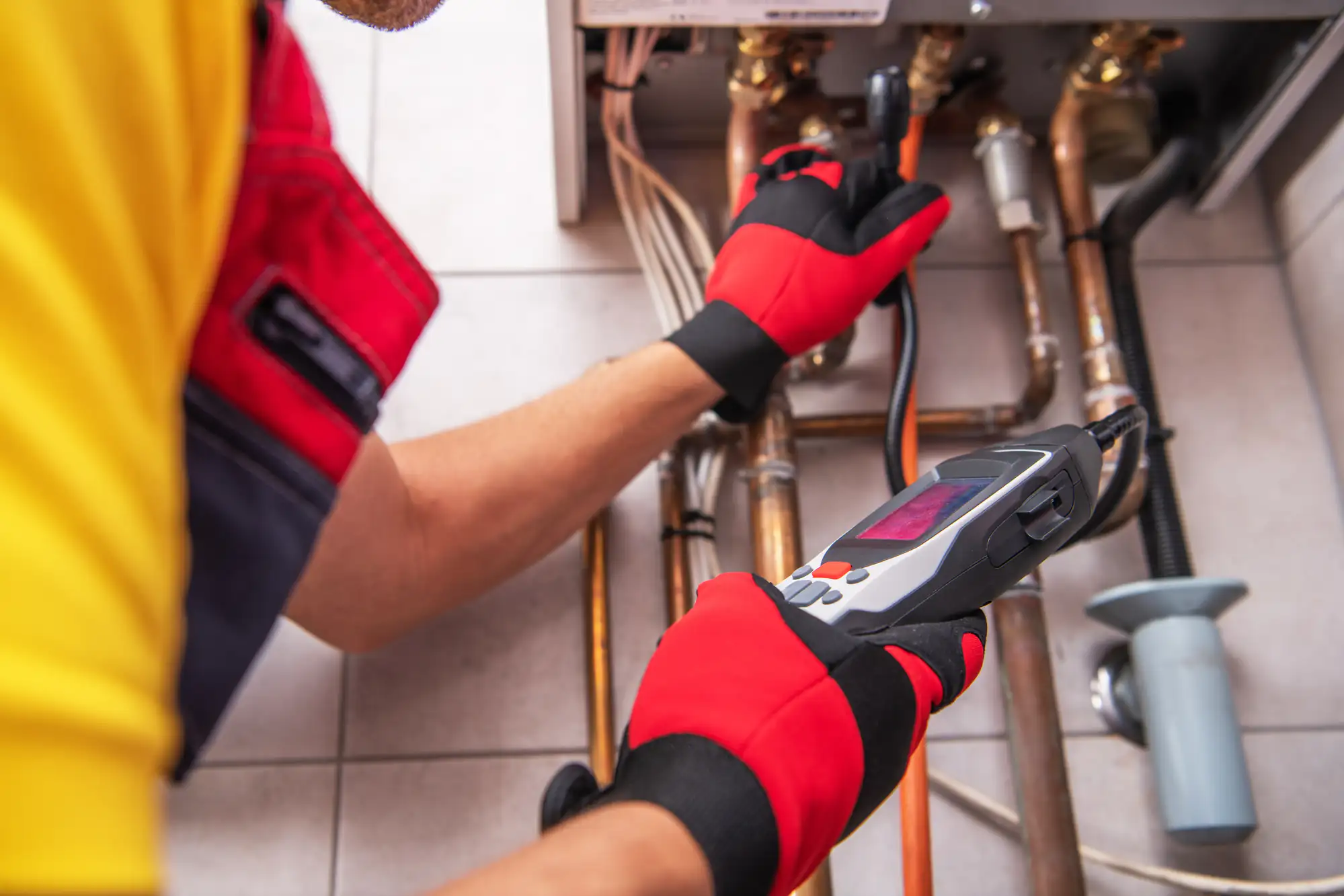
Our technician shows up on time and actually diagnoses the problem instead of guessing. You get a clear explanation of what’s wrong, what it’ll cost to fix, and how long it’ll take. No surprise fees, no upselling you on stuff you don’t need.
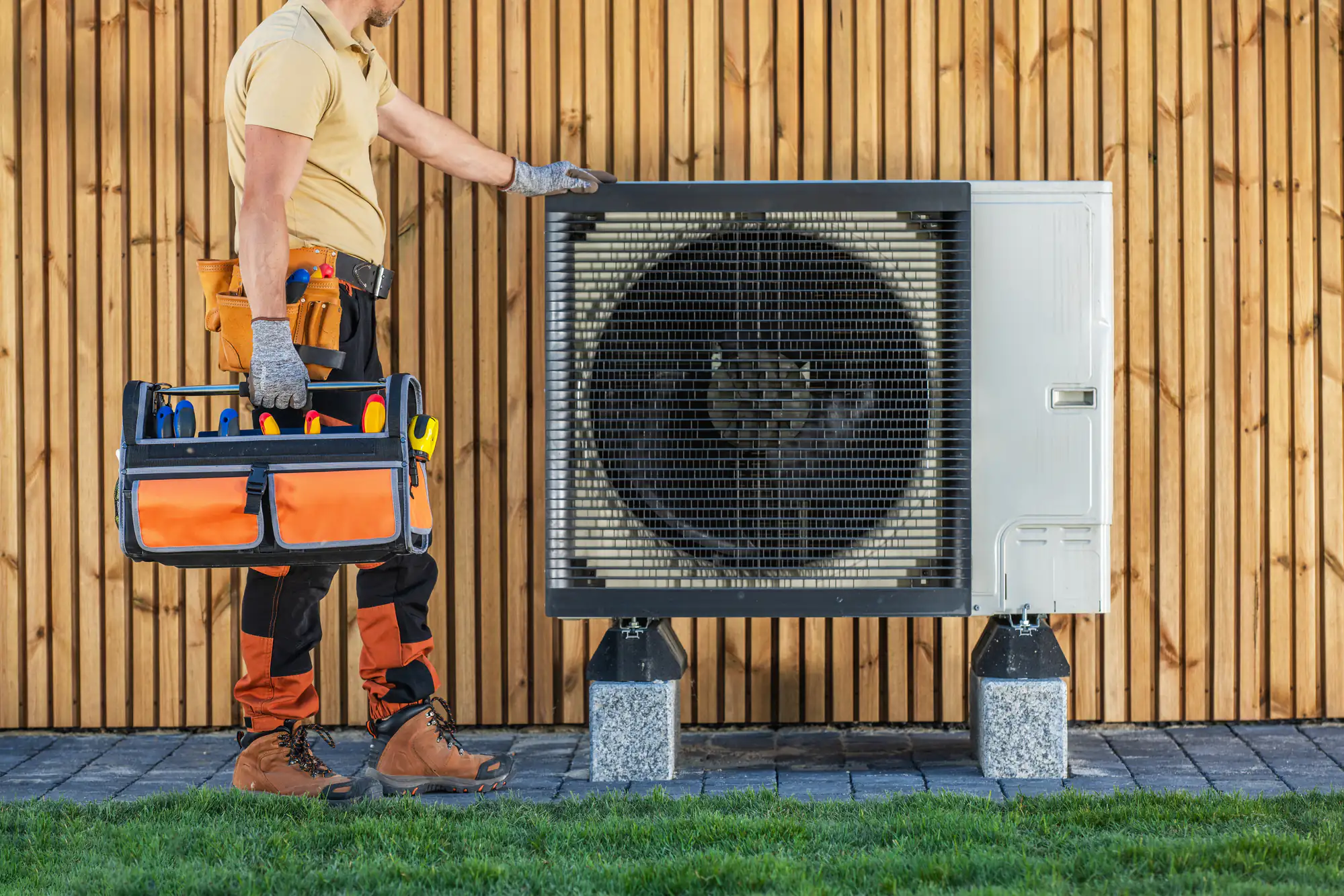
For repairs, most jobs get finished the same day. For installations, we walk you through equipment options that make sense for your home and budget – including any rebates or incentives you qualify for (some Sea Cliff homeowners are eligible for up to $10,500 in heat pump rebates). Then we install it correctly, test everything thoroughly, and make sure you understand how to operate your new system.
After the job, we don’t disappear. You have our number for questions, follow-up, or emergency service if you need it.
Ready to get started?
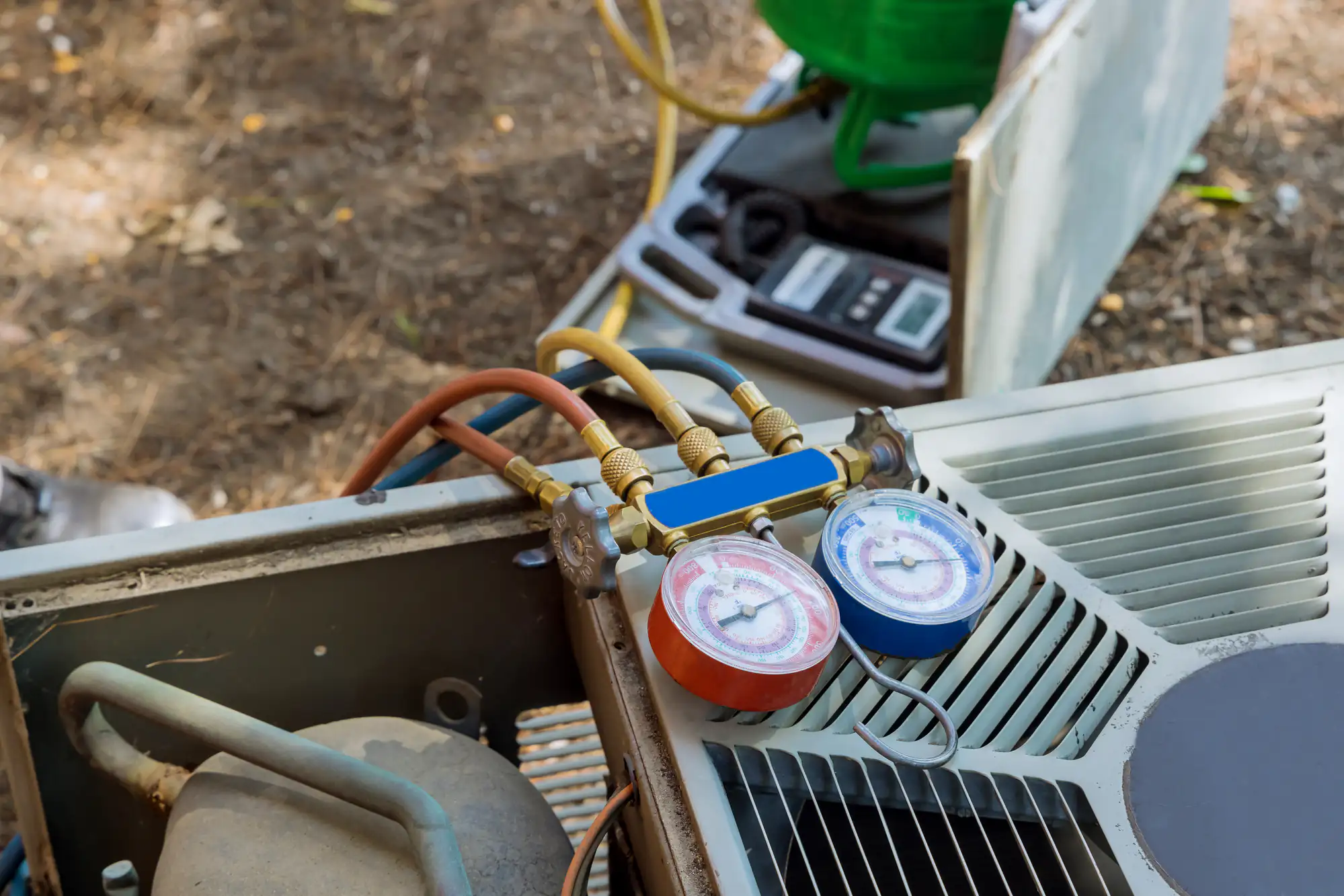
Air conditioning repair when your system stops cooling or starts making noises it shouldn’t. We handle refrigerant leaks, compressor failures, electrical issues, and airflow problems.
Furnace installation and heating system maintenance for gas, oil, and electric systems. Whether you need a full replacement or seasonal tune-ups to prevent winter breakdowns, we’ve got the technical background to handle it.
HVAC replacement when your system has reached the end of its useful life – typically 15-20 years for AC units and 15-30 years for furnaces. We’ll help you choose high-efficiency equipment that actually fits your home’s needs and qualifies for available rebates.
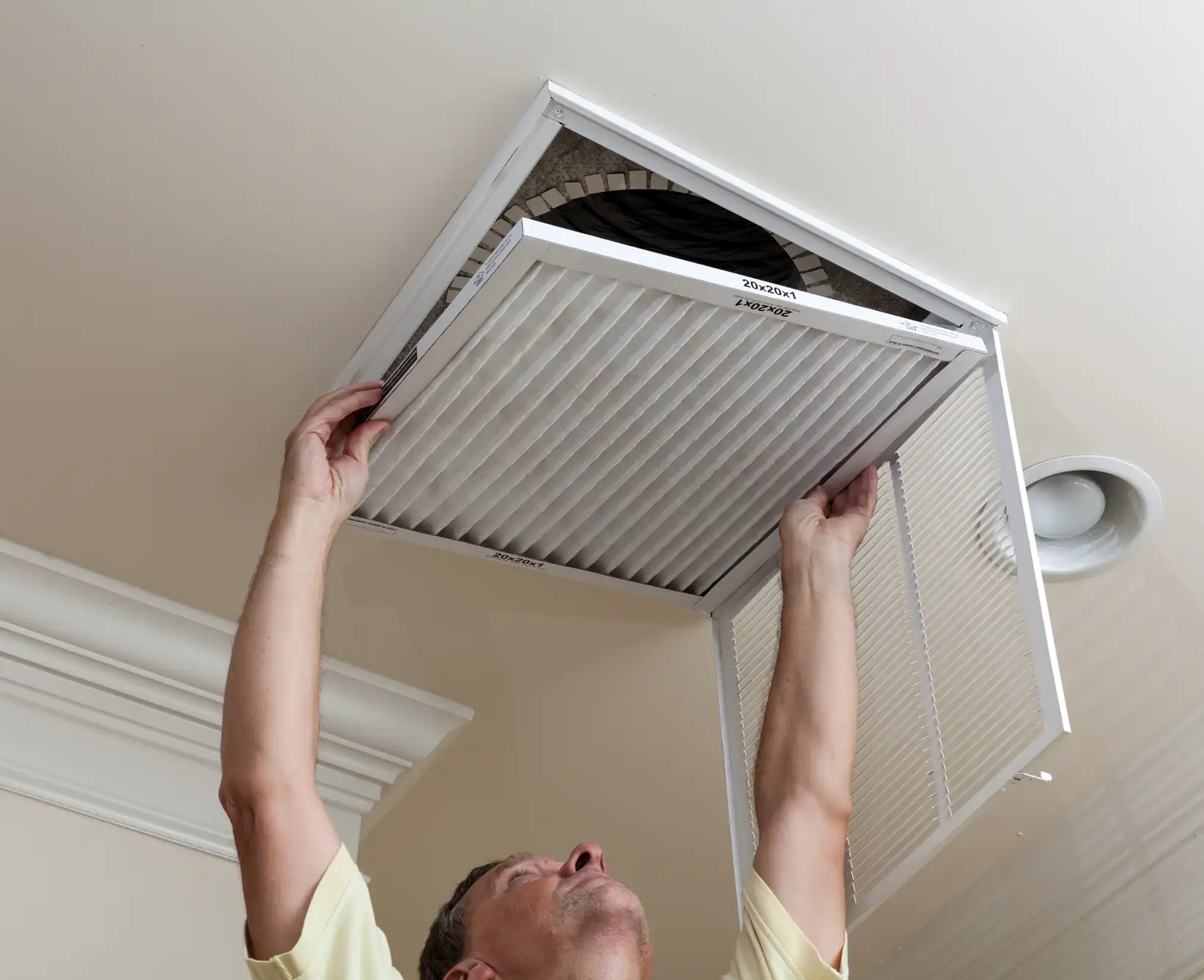
Indoor air quality services including air duct cleaning and filter replacement. Long Island’s coastal environment means your ducts accumulate salt residue, pollen, and moisture that standard systems don’t account for. We address that.
Smart HVAC integration if you want better control over your energy use. Programmable thermostats and monitoring systems that alert you to problems before they become expensive emergencies.
Full HVAC replacement typically runs between $5,000 and $12,000 for most Sea Cliff homes, depending on system size, efficiency rating, and whether you’re replacing just the AC, just the furnace, or both.
Higher-efficiency systems cost more upfront but can save you 30% or more on monthly energy bills. With Nassau County’s average monthly energy costs hitting $610, that adds up fast. A high-SEER AC unit or ENERGY STAR furnace can save you $8,000+ over the system’s lifetime.
Here’s what actually affects your cost: square footage of your home, existing ductwork condition, whether you need electrical upgrades, and which efficiency tier you choose. We give you options at different price points with transparent breakdowns of what you’re paying for. And we help you access available rebates – some Sea Cliff homeowners qualify for $4,000 to $10,500 in heat pump installation incentives, which significantly offsets the upfront investment.
If your AC is under 10 years old and the repair costs less than half the price of replacement, repair usually makes sense. If it’s over 13 years old and needs a major repair like a compressor or condenser replacement, you’re often better off replacing the whole system.
Here’s the math that matters: a new compressor might cost $2,000-$3,000 installed. But if your AC is already 15 years old, you’re putting $2,500 into a system that’s near the end of its lifespan anyway. You’ll likely face another expensive repair within a year or two, and you’re still running an inefficient system that’s costing you extra every month on energy bills.
We’ll give you honest numbers on both options. Sometimes repair is the right call – your system has plenty of life left and the fix is straightforward. Other times, replacement saves you money in the long run because you stop throwing cash at an aging system and start benefiting from modern efficiency. We don’t push you either way; we just show you what makes financial sense for your situation.
Most furnaces shut off repeatedly because of a dirty flame sensor, a clogged air filter restricting airflow, or a malfunctioning limit switch that thinks the system is overheating when it’s not.
The flame sensor is a small metal rod that confirms your burners are actually lit. When it gets coated with carbon buildup, it can’t detect the flame properly and shuts the system down as a safety measure. Cleaning or replacing it usually fixes the problem. Air filters are even simpler – when they’re clogged, your furnace can’t pull enough air through the system, it causes the furnace to overheat, and triggers an automatic shutdown.
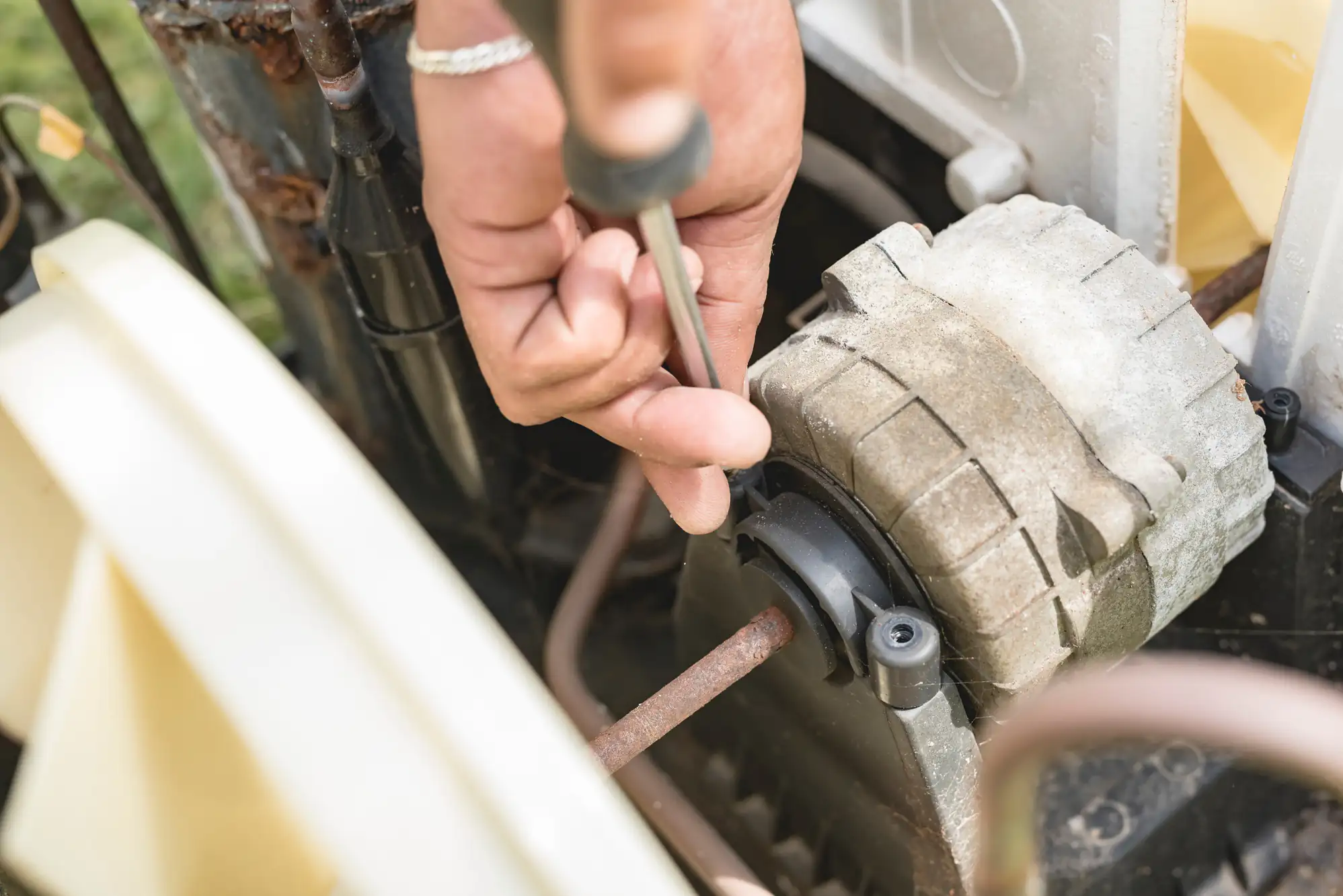
Less common but more serious: cracked heat exchangers, failed blower motors, or thermostat wiring issues. These need professional diagnosis because they involve safety risks or complex electrical work. If your furnace is cycling on and off every few minutes, don’t ignore it. You’re wasting fuel, wearing out components faster, and risking a complete failure when you actually need heat. We can diagnose the exact cause and fix it same-day in most cases.
Once a year, ideally in early fall before you actually need your heat. Annual maintenance catches small problems before they become expensive emergency repairs in January.
During a proper maintenance visit, the technician cleans burners and flame sensors, tests all safety controls, checks for gas leaks or carbon monoxide issues, inspects the heat exchanger for cracks, measures airflow, and verifies your thermostat is calibrating correctly. This isn’t a quick visual inspection – it’s a systematic check of every component that keeps your furnace running safely and efficiently.
Sea Cliff’s coastal climate adds another layer. Salt air accelerates corrosion on metal components. Humidity fluctuations affect electrical connections. Your system works harder than the same model would in a different environment, which means more wear and tear. Regular maintenance extends your furnace’s lifespan from 15 years to potentially 25-30 years, improves efficiency so you’re not wasting fuel, and gives you peace of mind that your system won’t fail during a cold snap. Most of our maintenance customers never experience emergency breakdowns because we’re catching issues early.
System size depends on your home’s square footage, insulation quality, window count and type, ceiling height, and how many people live there. A proper load calculation determines the exact capacity you need – not guesswork based on your old system.
Here’s why this matters: oversized systems cycle on and off too frequently, which wastes energy and wears out components faster. They also don’t run long enough to properly dehumidify your home, which is a real problem in Sea Cliff’s humid summers. Undersized systems run constantly, never quite reach your target temperature, and burn out prematurely from overwork.
Most Sea Cliff homes need between 2 and 5 tons of cooling capacity (one ton per 400-600 square feet as a rough baseline, but that varies significantly based on the factors above). For heating, you’re looking at furnaces ranging from 60,000 to 120,000 BTUs for typical residential applications. We do a Manual J load calculation before recommending equipment – it’s the industry standard for proper sizing and ensures you’re not paying for more capacity than you need or struggling with a system that’s too small.
Yes. Air duct cleaning, upgraded filtration, UV light installation, and humidity control can all dramatically improve your air quality without touching your existing HVAC equipment.
Start with your ducts. If they haven’t been cleaned in years, they’re circulating dust, pollen, mold spores, and coastal salt residue every time your system runs. Professional duct cleaning removes that buildup and immediately improves the air you’re breathing. Pair that with higher-grade filters – MERV 11 or 13 instead of the basic MERV 6 that came with your system – and you’re capturing significantly more airborne particles.
UV lights installed in your ductwork kill mold, bacteria, and viruses before they circulate through your home. Whole-home dehumidifiers address Sea Cliff’s humidity issues, which not only makes your home more comfortable but also prevents mold growth in the first place. These additions work with your current system and typically cost a fraction of what you’d pay for full HVAC replacement. We can assess your specific air quality concerns and recommend the most cost-effective solutions for your situation.